
Blog
Insnoop Instagram Viewer: What It Does and How to Use It Safely

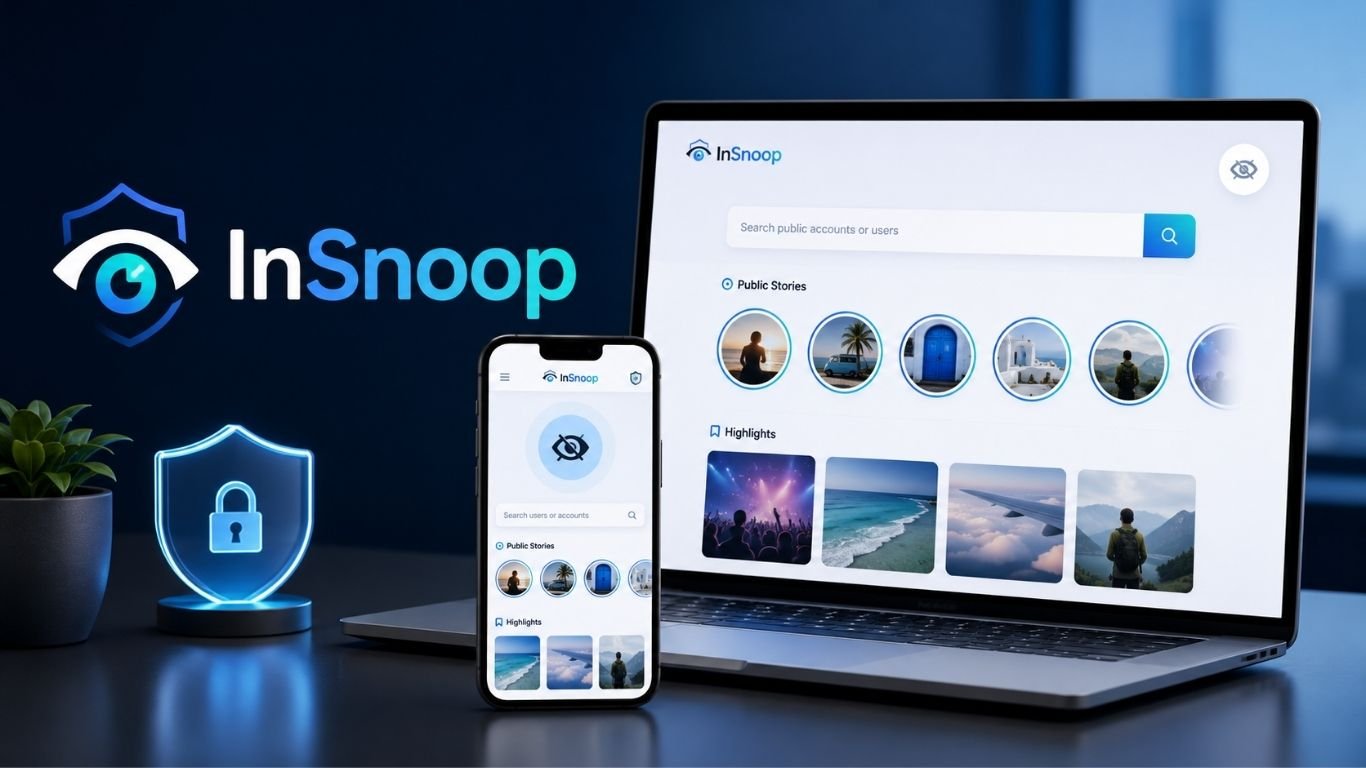
Instagram Stories normally tie views to an account. When you watch while logged in, the account owner may see your profile in the viewer list. Insnoop offers another option. It is a browser based tool for viewing public Instagram content without signing in.
- What Is an Anonymous Instagram Story Viewer?
- How Does the Tool Work?
- No Instagram Account Is Required
- Viewing Stories and Highlights
- Can You Download Photos and Videos?
- Does It Work on Private Instagram Profiles?
- Privacy: What Does Anonymous Really Mean?
- Browser Use and Extension Options
- Risks and Safety Checks to Keep in Mind
- Is This Tool Right for You?
- Why Do People Use Anonymous Story Viewers?
- How Does It Compare With Normal Instagram Viewing?
- Conclusion
The service does not require account creation or an app install. Its site says it supports public Stories, highlights, and media downloads. It is not linked to Instagram or Meta.
What Is an Anonymous Instagram Story Viewer?
An anonymous Instagram Story viewer is a third party web service that opens public social media content without using your personal Instagram account. The goal is simple. It lets you see public material without adding your profile name to the normal Story viewer list.
Insnoop follows this model. A user enters a public Instagram username into the search field. The service then tries to display the available public Stories or highlights linked to that profile. The official site says no Instagram login is needed for this process.
This type of tool can help with casual browsing or public account research. Still, anonymous viewing does not mean total online invisibility. The website may still receive technical data from your browser.
How Does the Tool Work?
The basic process is short. First, find the Instagram username or profile link you want to check. Then open the viewer in a web browser. Paste the username or link into the search box and start the search.
If the profile is public and the content is available, the tool can show the material through its own web page. The account owner should not see your Instagram profile in the Story viewer list because you are not watching through your own logged in Instagram session. The service describes this as anonymous Story viewing.
A Simple Browser Process
There is no account setup step. There is also no need to connect a social profile. This makes the service easier for people who only want to check public content once in a while.
No Instagram Account Is Required
One of the main reasons people use this type of service is convenience. A normal Instagram visit may ask you to sign in before you can see some content. A third party viewer removes that step for supported public pages.
Insnoop says users can view available content without an Instagram account or any sign up process. This can help on a shared computer, a work device, or a browser where you do not want to save social media login details.
Not entering your Instagram password also removes one common risk. You are not giving login details to the viewer. Fake viewer sites may use login prompts to collect credentials. If a clone site asks for your Instagram password, leave the page.
Viewing Stories and Highlights
Stories are the main focus of the service. Public Stories are short posts that often disappear after a limited period. Highlights are saved Story collections that remain visible on a profile.
The official site says the service supports public Stories and highlights. It also presents the viewer as a way to open several pieces of content without using the Instagram app.
Availability can change. A Story may expire, be removed, or fail to load. A public account can also become private. Third party viewers depend on what is publicly accessible.
Can You Download Photos and Videos?
Another feature is media saving. The official site says users can save supported images and videos to computers, tablets, or phones. It lists JPEG for images and MP4 for videos.
The download option can therefore be useful when you need an offline copy of public media for personal reference. But downloading a file does not give you ownership of it. Photos, videos, and other creative work can still belong to the original creator.
Before reusing downloaded media, check copyright, platform rules, and the creator’s permission. Viewing public content is different from publishing it again. A file being easy to download does not mean it is free to use anywhere.
Does It Work on Private Instagram Profiles?
No legitimate public Story viewer can simply remove Instagram’s privacy controls. If an account is private, its Stories and posts are restricted to approved followers through Instagram.
Insnoop states that its viewer works with public profiles and does not provide access to private Stories. This is an important limit because many fake sites claim they can unlock private accounts. Those claims should be treated with care.
Public Means Public
If a profile owner changes the account from public to private, a third party viewer may stop showing its content. The same can happen when a post is deleted or a Story expires. The tool depends on content that is already open to the public.
Privacy: What Does Anonymous Really Mean?
The word anonymous can be confusing. In this case, it mainly means the Instagram account owner does not see your personal Instagram profile in the usual Story viewer list. It does not mean that no technical information exists anywhere.
The current privacy policy for Insnoop says the service may collect an IP address, pages visited, visit time, time spent on the site, and operating system details. It also says cookies, pixels, SDKs, and similar tools may be used for site functions, analytics, or service delivery.
This is why users should separate Instagram anonymity from web privacy. You may be hidden from the Story owner while still sharing normal browser and network data with the website. People who care about privacy should read the current policy before using any third party viewer.
Browser Use and Extension Options
The main service works through a web browser, so no mobile app is needed. The site says it works on computers, tablets, Android phones, and iPhones with internet access.
A Firefox listing also uses the same name, but Mozilla labels it as a theme from an individual publisher and links to a different domain. Users should not assume every similarly named add on is part of the main website. Check the publisher, permissions, update date, and reviews before installing anything.
Risks and Safety Checks to Keep in Mind
The biggest practical risk is using the wrong website. Popular online tools often attract copycat domains. A fake page may ask for an Instagram username and password, request payment, push a browser download, or display misleading alerts.
Use Insnoop only through the domain you intend to visit and check the address bar carefully. Never enter your Instagram password into an unknown anonymous viewer. There is no reason for a public Story viewer to need full access to your social media account.
Also remember that the site’s privacy policy allows some technical data collection. That does not automatically make the service unsafe, but it means “anonymous” has a narrow meaning. Read the policy, keep your browser updated, and avoid giving information that the tool does not need.
Is This Tool Right for You?
The service makes the most sense for people who want quick access to public Instagram Stories without signing in. It is simple, browser based, and focused on public content. It may also help users who want to save supported media for personal reference.
Insnoop is not a way to bypass private profiles, recover deleted content, or gain control of another person’s account. It is also not an official Instagram product. The website itself states that it is not connected with Instagram.
If you use it, keep your expectations clear. Treat it as a public content viewer, not as a privacy bypass tool. That is the safest way to understand what the service can and cannot do.
Why Do People Use Anonymous Story Viewers?
People have different reasons for using these tools. Some do not have an Instagram account. Others may want to check a public Story without signing into a work or personal account.
Digital marketers can also use public Stories for basic research. They may study how brands present new products, offers, events, or short videos. Content creators may look at public highlights to learn how other accounts arrange their content.
Insnoop keeps this process simple because it removes the normal login step. Still, users should respect privacy and copyright rules. Anonymous access should not be used to harass people, copy protected work, or try to defeat account security.
How Does It Compare With Normal Instagram Viewing?
Normal Instagram viewing gives you the full platform experience. You can follow accounts, send messages, react to Stories, like posts, and manage your own profile. But you normally need an account for these features.
An anonymous viewer has a much smaller purpose. It focuses on opening public content without a personal login. This can make browsing faster, but it also removes Instagram features such as direct interaction and account based recommendations.
Insnoop is therefore better viewed as a simple viewing utility rather than a replacement for Instagram. If you want to interact with creators or manage a social account, the official Instagram app or website is the better option.
Conclusion
Anonymous Story viewers fill a simple gap. They let people check public social media content without signing into the platform itself. That can save time and keep a personal profile out of the normal Story viewer list.
Insnoop offers this type of access through a browser and adds support for highlights and media downloads. Its main limits are also clear. It works with public content, depends on what is currently available, and still operates as a third party website with its own privacy practices.
For most users, the best approach is simple. Use the correct domain, never share an Instagram password, respect creator rights, and avoid any site that claims it can unlock private profiles.
SEO by HighSoftware99.com is an online search marketing service known for promoting Google Autocomplete and fast keyword visibility. It aims to help businesses get their brand names and selected keywords into Google search suggestions. Some promotional articles claim that these results can appear within 3 to 12 hours, but independent proof is limited.
- Who Is Behind HighSoftware99.com?
- Services Offered by SEO by HighSoftware99.com
- Understanding Google Autocomplete and ATC
- How SEO by HighSoftware99.com Claims to Work?
- Ranking Speed and Visibility Claims
- On-Page SEO by HighSoftware99.com
- Possible Benefits and Limits
- SEO by HighSoftware99.com: Risks to Know
- Reviews and Trust Signals
- SEO by HighSoftware99.com vs Traditional SEO
- How to Spot and Remove Unwanted SEO Spam?
- Conclusion
- FAQs
The platform is also linked to basic SEO services, such as keyword use and page optimization. However, its ownership, full service list, and past results are not clearly verified. This guide covers how it works, its main features, possible benefits, risks, and how it compares with traditional SEO in 2026.
Who Is Behind HighSoftware99.com?
Before using an SEO service, it is important to know who runs it. A company should provide clear details about its team, services, and past work. Customer reviews can also help people judge its quality.
Public details about HighSoftware99.com are limited. Available sources do not clearly confirm its founder, team, or business registration. There is also little independent proof of its past results.
Several websites discuss the platform in SEO articles. Some explain its autocomplete services. Others compare it with standard SEO agencies. Many repeat similar claims, so they may not be independent reviews.
Customers should ask for clear service terms and past results before paying. They should also check how the company tracks success. Claims about fast rankings need real proof.
Services Offered by SEO by HighSoftware99.com
The main service linked to HighSoftware99.com is Google Autocomplete marketing. It aims to make selected keywords appear in Google’s search suggestions. This may help people notice a brand while searching.
For example, a shoe store may want its name to appear in searches about running shoes. An autocomplete service may try to increase searches for that phrase. However, Google decides which suggestions appear. No outside service can promise a set result.
Some online articles also link the platform to basic on-page SEO. This may include page titles, headings, keywords, and meta descriptions. These parts help Google understand a webpage. The platform’s full list of current services is not confirmed.
Other promotional pages discuss fast keyword exposure and website visibility. These offers may interest new websites. Still, appearing in search suggestions does not mean a site will rank higher or get more sales.
Small businesses should check what each service includes before paying. They should also ask how results are measured and whether the methods follow Google’s rules.
Understanding Google Autocomplete and ATC
Google Autocomplete shows search suggestions as people type. It helps users complete searches faster. Google uses signals such as common searches, language, and location to choose suggestions.
For example, typing “best mobile phones” may show searches about prices, cameras, or brands. These suggestions help people find related topics. They may also show what other users often search for.
ATC is a term some SEO marketers use for autocomplete services. These services try to make selected keywords appear in search suggestions. Businesses may use them to draw attention to their names.
Some providers claim they can affect suggestions by increasing searches for a phrase. However, Google controls its autocomplete system. Its full process is not public, and more searches do not promise a result.
Autocomplete is different from Google rankings. A brand can appear in suggestions without ranking on the first page. A website can also rank well without appearing in autocomplete.
How SEO by HighSoftware99.com Claims to Work?
SEO by HighSoftware99.com is promoted as a way to make selected search terms more visible. Online descriptions link it to Google Autocomplete. They suggest that more search activity may help certain keywords appear in suggestions.
For example, a food shop may want “Fresh Garden Foods delivery” to appear when people search for its name. An autocomplete service may try to raise search activity for that phrase. The goal is to make Google show it as a suggestion.
Some articles link these services to automated tools. Such tools can repeat online tasks. However, there is no clear independent proof of which tools HighSoftware99.com uses.
Google uses many signals to choose search suggestions. These include search trends, location, and language. Google also filters some suggestions. An outside company cannot fully control this process.
Even if a brand appears in autocomplete, it may not gain more website visits. People may ignore the suggestion or click another result. Businesses should check real visits, clicks, and sales to measure results.
Ranking Speed and Visibility Claims
Some promotional pages link HighSoftware99.com to fast search results. They claim selected phrases may appear in Google Autocomplete within 3 to 12 hours. This may appeal to businesses that want quick exposure.
However, these time frames are not proven for all users. Google has no fixed schedule for showing a chosen phrase. Suggestions can change based on location, language, device, and search trends.
Fast autocomplete exposure is different from ranking high in Google Search. Normal SEO helps Google find and understand website pages. It includes useful content, working links, mobile support, and fixing site errors.
For example, a bakery may create a page about birthday cakes. Google must find and process that page before it can appear in search results. Its rank depends on the page’s value to users and other search signals. Autocomplete services do not replace this work.
Businesses should ask for proof before trusting fast-ranking claims. Useful proof includes dated reports, search data, and real customer results. They should also check how long any gains last.
A short rise in search suggestions may bring attention to a brand. But long-term SEO needs useful pages, a well-working website, and real search interest. These factors matter when judging any SEO service.
On-Page SEO by HighSoftware99.com
On-page SEO helps Google understand a website. It includes page titles, headings, keywords, and meta descriptions. Some online articles link HighSoftware99.com to these basic SEO tasks. However, its full list of services is not confirmed.
Page titles tell Google what a page is about. Meta descriptions give a short summary. Headings split content into clear sections. Keywords help match a page with what people search for.
Internal links connect pages on the same website. For example, a clothing store may link its shoe guide to its product pages. This helps visitors find related content. It also helps Google find other pages on the site.
Website speed and mobile support also matter. Pages should load fast and work well on phones. Clear content and working links make a site easier to use. These steps support SEO but do not promise top rankings.
Possible Benefits and Limits
SEO by HighSoftware99.com may appeal to businesses that want more brand exposure. Its advertised services aim to place selected terms in Google search suggestions. This may help more people notice a brand.
For example, a new online store may want its name to appear in related searches. This could help users learn about the store. However, appearing in autocomplete does not mean people will visit the website or buy something.
Some online articles describe the service as a low-cost SEO option. This may interest small businesses with limited budgets. However, current prices need to be checked before comparing costs.
The main limit is that autocomplete is not the same as Google rankings. A website may appear in suggestions but still rank poorly. Businesses should track clicks, visits, leads, and sales to measure results.
SEO by HighSoftware99.com: Risks to Know
SEO services that promise very fast results need careful review. Some methods try to affect Google through fake searches or automated actions. These methods may break Google’s rules.
Google has policies against search spam. For example, creating large numbers of low-quality pages or links to change rankings can break these rules. Sites that violate them may lose search traffic or face manual actions.
Automated backlinks can also cause problems. Some campaigns place links in blog comments, forums, or low-quality guest posts. Google may ignore these links. Link spam can also harm search rankings.
Another risk comes from promises of instant rankings. No outside company can control Google’s search results. A quick change in autocomplete does not prove that a website will rank higher.
Before paying, businesses should ask how the service works. They should check whether its methods follow Google’s rules. Clear reports and real results are more useful than promises.
Reviews and Trust Signals
Customer reviews can help people judge an SEO service. They may show how a company works and whether buyers are happy. However, not every online review comes from a real customer.
Several websites discuss HighSoftware99.com and its autocomplete services. Some mention possible benefits. Others question its methods and business details. The available sources do not provide enough verified customer data to confirm its success rate.
A useful review should explain which service was used and what results it gave. Search reports, dates, and clear data can help prove a claim. General praise without proof is less useful.
Businesses should also check contact details, service terms, and refund rules. A provider should explain its work and answer questions about risks. Missing details are a reason to check more carefully.
SEO by HighSoftware99.com vs Traditional SEO
SEO by HighSoftware99.com focuses mainly on Google Autocomplete and fast keyword exposure. Traditional SEO covers more areas. It aims to help website pages rank in normal Google search results.
Traditional SEO includes useful content, page speed, working links, and mobile support. It also involves fixing site errors and earning links from trusted websites. These steps help Google find and understand pages.
The two methods measure success in different ways. Autocomplete marketing checks whether selected terms appear in suggestions. Traditional SEO tracks rankings, clicks, website visits, and user actions.
For example, a roof repair company may want its name in Google suggestions. But ranking for “roof repair services” in its local area may bring more useful visitors. These people are already looking for roof repairs.
Traditional SEO takes time and does not promise fixed results. Rankings can also change. Still, useful content and a well-built website can help bring search traffic over time.
How to Spot and Remove Unwanted SEO Spam?
Website owners may find strange SEO terms or links on their pages. These can appear in comments, profiles, page text, or meta tags. If “seo by highsoftware99.com” appears without permission, the site owner should check its source.
An unknown phrase does not always mean a site has been hacked. It may come from copied text, a guest post, a comment, or a website tool. The first step is to find where the phrase appears.
For React and Vite websites, owners can search their project files for the unwanted text. They should check page content, index.html, meta tags, and outside data sources. If the phrase appears after the page loads, they should also check scripts and data feeds.
Once the source is found, the unwanted text or link can be removed. If it came from an unknown account, the owner should check who has access. Updating old software and checking site forms can also help stop spam.
Google Search Console can show which pages Google has found and indexed. It may also report some site security issues. After removing spam, owners can ask Google to check key pages again.
Conclusion
SEO by HighSoftware99.com is linked to Google Autocomplete marketing and fast search visibility claims. Its services aim to make selected keywords and brand names appear in search suggestions. However, many claims about its methods and results lack independent proof.
Businesses should know that autocomplete exposure is not the same as ranking high on Google. They should check service details, past results, and possible risks before paying.
For long-term SEO, useful content, a fast website, and clear methods are important. Google’s official Search Central guides offer trusted advice on improving search visibility.
FAQs
What is SEO by HighSoftware99.com?
It is a search marketing service linked to Google Autocomplete, keyword visibility, and fast-ranking claims.
How does SEO by HighSoftware99.com work?
It promotes methods aimed at making selected keywords appear in Google search suggestions, but its exact methods are not fully verified.
Is SEO by HighSoftware99.com safe to use?
Its safety depends on the methods used, so customers should check whether they follow Google’s spam policies.
Can HighSoftware99.com rank a website on Google in 3 to 12 hours?
Some promotional pages make this claim about autocomplete visibility, but there is no verified guarantee of organic rankings within that time.
Is SEO by HighSoftware99.com better than traditional SEO?
It focuses on quick search exposure, while traditional SEO aims to improve organic rankings, useful content, and long-term website traffic.
Read Also: Is NippyBox Still Working in 2026? Everything You Need to Know
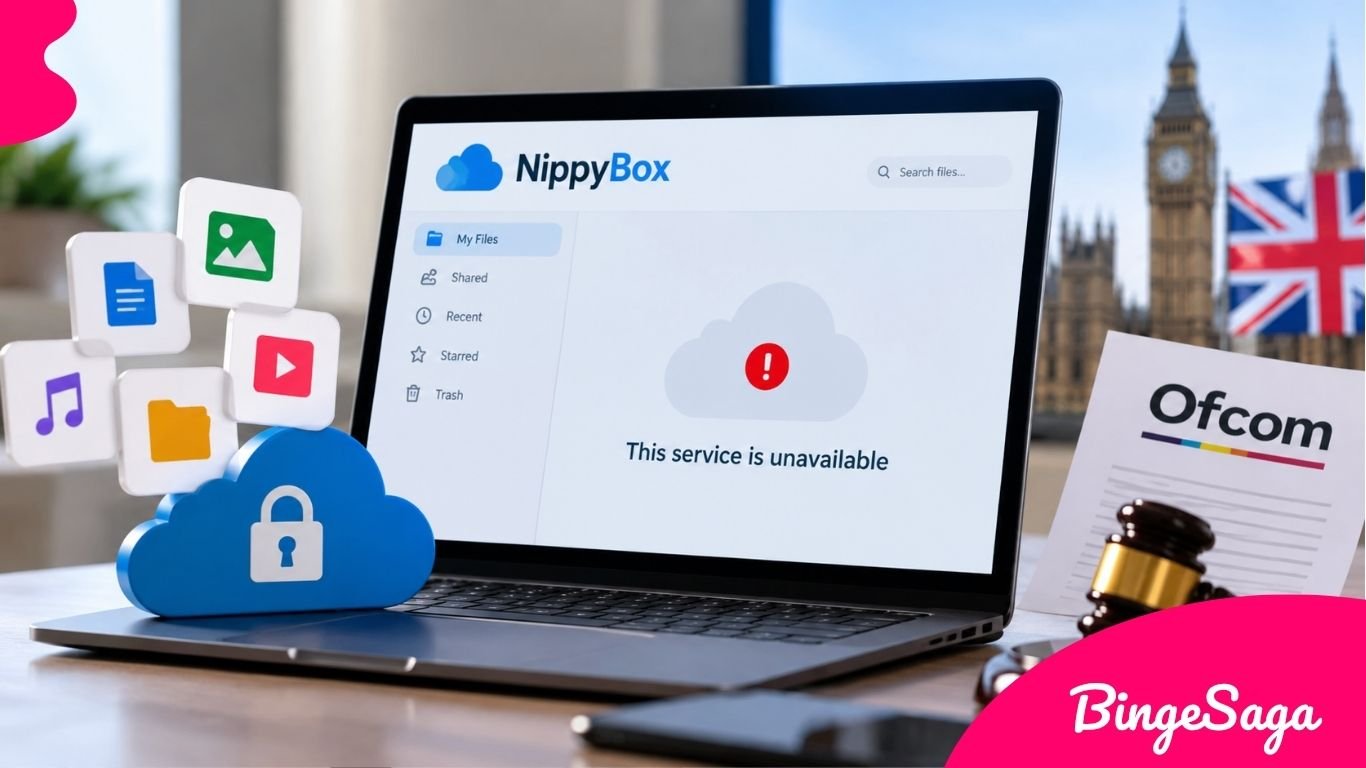
NippyBox was an online file storage and sharing service. It allowed users to upload and share files through the internet. The platform was promoted as a simple and privacy-focused option for sharing documents, photos, videos, and other files. However, many of its security features were not fully verified.
- How Did NippyBox Work?
- Main Features of NippyBox
- What Files Could You Store on NippyBox?
- NippyBox Privacy and Security
- Why Did People Use NippyBox?
- Benefits and Limitations of NippyBox
- NippyBox and the UK Online Safety Act
- Why Did Ofcom Investigate NippyBox?
- Why Did NippyBox Shut Down?
- Can You Still Access NippyBox Files in 2026?
- Best NippyBox Alternatives in 2026
- How to Choose a Safe Cloud Storage Service?
- Bottom Line
- FAQs
In June 2025, the UK regulator Ofcom opened an investigation into its provider under the Online Safety Act 2023. The service later became unavailable. Ofcom closed its investigation on February 12, 2026, without a final finding of wrongdoing. The platform’s shutdown has led users to look for safer cloud storage options.
How Did NippyBox Work?
NippyBox was described as a service that let users upload files online. Users could then share those files through web links. This type of service can help people send files that are too large for email.
For example, a user could upload a video and send its link to another person. The other person could then open the link to access the file. Access would depend on the service’s settings.
The platform was also said to have a simple design. However, clear details about its upload steps, account system, and file controls are limited. Its full technical setup has not been verified.
Main Features of NippyBox
NippyBox was mainly known for online file storage and sharing. Its reported tools allowed users to upload files and share them through links. The service was designed to keep file sharing simple.
Some online reviews also described fast transfers and privacy tools. These included claims about encryption and secure storage. Encryption helps protect data from people who do not have permission to read it.
However, there is not enough proof to confirm its exact security system, transfer speed, or storage limits. Claims about end-to-end encryption and distributed storage remain unverified.
The main reported features were:
- Online file uploads.
- File sharing through links.
- Support for different file types.
- A simple website design.
- Reported privacy and security tools.
These features came from online descriptions. Not all of them have been independently confirmed.
What Files Could You Store on NippyBox?
NippyBox was described as a service for sharing many types of files. These included documents, images, audio files, and videos. It was meant to make online file sharing easier.
For example, a student could use a file-sharing service to send class notes. A business could use one to share photos or work files. Users would not need to send each file as an email attachment.
The following file formats were mentioned in descriptions of the service.
| File type | Common formats |
|---|---|
| Documents | PDF, DOC, DOCX |
| Images | JPG, JPEG, PNG |
| Audio | MP3, WAV |
| Videos | MP4 and other video formats |
| Spreadsheets | XLS, XLSX |
| Presentations | PPT, PPTX |
A full list of supported formats was not confirmed. Its file size limits and total storage space are also unclear.
NippyBox Privacy and Security
Privacy matters when files are stored online. Personal photos, work files, and private records may hold sensitive details. A secure storage service should help keep this data safe.
NippyBox was promoted as a privacy-focused service. Some reviews claimed it used end-to-end encryption. This means files are protected so that only people with the right keys can read them. However, there is not enough proof that the service used this system.
Sharing files through links can also create risks. If a link becomes public, other people may be able to open it. Passwords and access controls can help reduce this risk, but the platform’s exact options are not clear.
Data loss is another concern. If a storage service closes, users may lose access to their files. Keeping backup copies on another device or trusted service can help protect important data.
Why Did People Use NippyBox?
NippyBox was presented as a simple file-sharing tool. Its main purpose was to let users upload and share files online. It did not focus on the wide range of office tools offered by larger cloud services.
Online file sharing can help with many tasks. Students can share notes, while businesses can send documents or photos. Developers can also use such services to share project files.
Privacy was another part of the platform’s public image. It was described as an option for users who wanted more control over their files. However, its actual privacy features were not fully verified.
There is no reliable public data showing how many people used the service. Details about its main user groups are also limited. Its reported features explain its purpose, but not its actual level of use.
Benefits and Limitations of NippyBox
NippyBox was promoted as a simple way to store and share files. Its reported tools focused on uploads and sharing links. This made it different from cloud services that offer many extra work tools.
The platform was also described as supporting several file types. These included documents, photos, audio, and videos. Its privacy claims were another part of how the service was presented.
However, important details were not clear. There was little verified information about its security, storage limits, and file access rules. This made it hard to judge how well the service protected user data.
The service later became unavailable in 2025. Ofcom confirmed that it was no longer accessible when the regulator closed its investigation in February 2026. Users who had no backup copies may have faced problems accessing their files.
The main lesson is to keep more than one copy of important files. Online storage can fail or close without giving users a way to recover their data. A separate backup helps reduce that risk.
NippyBox and the UK Online Safety Act
The UK Online Safety Act 2023 sets rules for online services. These rules help protect users from illegal content. Some websites that let people upload or share files must follow this law.
The law requires certain online services to check for risks linked to illegal content. They must take steps to reduce these risks. File-sharing sites may also need to follow these rules.
Online services must keep records of required safety checks. They must also respond to legal requests from Ofcom, the UK’s online safety regulator.
These rules help stop the spread of illegal content. Online privacy does not remove a service’s duty to follow the law.
Why Did Ofcom Investigate NippyBox?
Ofcom opened an investigation into NippyBox’s provider on June 10, 2025. The review focused on whether the service had followed the Online Safety Act 2023.
One concern was the provider’s response to a legal request for information. Ofcom also looked at whether the service had completed and recorded the required checks for illegal content risks.
The review covered online safety duties. These included risks linked to child sexual abuse material. Such content is illegal and causes serious harm.
The investigation did not end with a final finding that the provider had broken the law. Ofcom later closed the case because the service was no longer available.
Why Did NippyBox Shut Down?
NippyBox became unavailable in June 2025. This happened soon after Ofcom opened its investigation. Users could no longer access the original service.
The exact reason for the shutdown is not known. There is no confirmed proof that the Ofcom investigation caused the website to close.
On February 12, 2026, Ofcom closed its investigation. The regulator said the service was no longer available in the UK or elsewhere, as far as it knew.
As of October 2026, there is no confirmed news of the service returning. Users should be careful with websites that use the same or similar names. Such sites may not belong to the original provider.
Can You Still Access NippyBox Files in 2026?
NippyBox is no longer available through its original service. Ofcom confirmed in February 2026 that the platform was not accessible in the UK or elsewhere, as far as it knew.
Users cannot rely on the old website to open or download their files. There is no confirmed public tool to recover files left on the platform. It is also unclear whether the provider still holds old user data.
People who used the service should check their phones, computers, and other storage accounts. They may still have saved copies of their files. Old download folders and shared drives are also worth checking.
Users should avoid unknown websites that promise to recover lost files. Never share passwords or payment details with an untrusted site. A website using the same name is not proof that it is safe.
Best NippyBox Alternatives in 2026
Several cloud storage services offer file storage and sharing. Google Drive and Dropbox are two popular options. Both let users upload files, create folders, and share content online.
Google Drive works with Google Docs, Sheets, and Slides. These tools help people create and edit files together. Dropbox offers file syncing and sharing across different devices.
Proton Drive, MEGA, and Sync.com are other options. These services offer encryption and file-sharing tools. Their storage plans, privacy features, and access rules are different.
Here is a simple comparison of these cloud storage services.
| Cloud Service | Main Features | Best For |
|---|---|---|
| Google Drive | File storage, sharing, and office tools | Students and teams |
| Dropbox | File syncing, backups, and sharing | Work and personal files |
| Proton Drive | End-to-end encrypted storage | Users who value privacy |
| MEGA | Encrypted storage and file sharing | Storing and sharing files |
| Sync.com | Encrypted storage and sharing controls | Private and work files |
Users should check storage limits and prices before choosing a service. Some offer free plans, while others charge for more space. The best option depends on file size, privacy needs, and sharing tools.
How to Choose a Safe Cloud Storage Service?
A safe cloud storage service should protect files and keep them easy to access. Users should read the privacy policy before signing up. This helps them learn how their data is stored and used.
Account security is also important. Choose a service that offers two-factor authentication. This adds another step when signing in and helps protect the account from unwanted access.
File-sharing controls are useful as well. Some services let users protect links with passwords or set expiry dates. Others allow users to choose who can view, download, or edit files.
Storage space and cost should also be checked. Free plans may be enough for small files and photos. Large videos and work files may need more space.
Always keep a second copy of important files. An external drive or another trusted cloud service can help protect against data loss. This is useful if a service closes or an account becomes unavailable.
Bottom Line
NippyBox was an online file storage and sharing service. It was promoted as a simple and private way to share files. However, many of its security and technical features were not fully verified.
Ofcom opened an investigation into its provider in June 2025. The service later became unavailable. On February 12, 2026, Ofcom closed the case because the platform was no longer accessible. The review ended without a final finding that the provider had broken the law.
In 2026, users can choose other services such as Google Drive, Dropbox, Proton Drive, MEGA, and Sync.com. Before choosing one, check its privacy rules, security tools, and storage limits. Keep backup copies of important files to reduce the risk of losing them.
FAQs
What is NippyBox used for?
NippyBox was an online service for uploading, storing, and sharing files through the internet.
Is NippyBox still working in 2026?
The original service became unavailable in 2025, and its return has not been confirmed as of October 2026.
Why was NippyBox shut down?
The exact reason is not confirmed, but the service became unavailable soon after Ofcom opened an investigation in June 2025.
Was NippyBox safe to use?
It was promoted as a privacy-focused service, but its encryption and security features were not fully verified.
What are the best NippyBox alternatives?
Google Drive, Dropbox, Proton Drive, MEGA, and Sync.com are popular alternatives for storing and sharing files.
Read Also: What Is Methatreams? Sports Streaming, Risks, and Alternatives

Methatreams is a common search term linked to Methstreams, an unofficial sports streaming website. It became known for sharing free links to NFL, NBA, MLB, and UFC events. Many sports fans used such sites to find live games without paying for cable TV or streaming plans.
- How Methatreams Became Popular?
- How Methatreams Sports Streaming Worked?
- Sports and Events Available on Methatreams
- Why Methatreams Websites Were Shut Down?
- Is Methatreams Still Working in 2026?
- Is Methatreams Legal and Safe to Use?
- Security Risks of Methatreams Streaming Sites
- Common Methatreams Streaming Problems
- Methatreams Mirror Sites and Fake Websites
- Best Legal Alternatives to Methatreams
- Bottom Line
- FAQs
Methstreams faced copyright issues, shutdowns, and blocked domains. Similar websites may still use its name, but their safety and links to the original site are unclear. Legal services like NFL+, NBA League Pass, and ESPN+ offer safer ways to watch sports.
How Methatreams Became Popular?
Many live sports events are only shown on paid TV channels or streaming apps. Fans may need more than one service to watch all their favorite teams. This led some people to search for free ways to watch games online.
Methstreams became known alongside sites like Crackstreams. Both names were linked to free sports broadcasts. Fans used these websites to look for football, basketball, and UFC events.
Social media and sports forums also helped people learn about these sites. Users shared links and searched for new web addresses when old ones stopped working.
Big sports events often led to more searches for free streams. NFL playoff games and UFC fights were common examples. Still, free access did not mean the broadcasts were legal or safe.
How Methatreams Sports Streaming Worked?
The website used a basic system for finding live sports. Users could open the site and look through a list of games. Events were often sorted by sport, such as football, basketball, or fighting.
After picking a game, users could open a video player or an outside link. Some streams came from other websites rather than the main page. This meant the video quality and loading speed could change.
For example, an NBA fan might select a live game from the list. The link could open a video player showing the match. However, it might also fail, stop playing, or show unwanted ads.
Official streaming apps work in a different way. They have legal rights to show games and offer customer support. Unofficial sites often use outside streams that can stop working without warning.
Sports and Events Available on Methatreams
The platform was known for sharing links to several major sports. Its main categories included NFL football, NBA basketball, MLB baseball, and UFC fights. Users searched for these events because they wanted free access to live games.
NFL football was one of the main reasons people visited such sites. Fans looked for regular-season games and playoff matches. Some searched for free streams when their local TV service did not show a game.
NBA games also drew viewers. Fans searched for regular-season matches and playoff games. MLB baseball and UFC events were other common types of content linked to the site.
Similar streaming websites sometimes listed boxing, hockey, and college football. However, a game listed on a page was not always available to watch. Some links were broken or stopped working during the event.
Why Methatreams Websites Were Shut Down?
Sports leagues and TV companies own or buy the rights to show live games. Websites that share these broadcasts without permission can face copyright action. This is one reason unofficial sports streaming sites often get blocked or shut down.
Methstreams and related websites have faced access problems and shutdowns. Copyright complaints can lead to website removal, blocked domains, or other legal action. Some sites may also be blocked by internet providers in certain areas.
When a website stops working, new addresses may appear online. Some use different domain endings or names. This makes it hard to tell which sites are linked to the old service.
Fake websites can also appear after a shutdown. They may copy the name, logo, or design of the original site. However, a similar name does not mean the website is real or safe.
Is Methatreams Still Working in 2026?
The status of free sports streaming sites can change at any time. A website that worked before may no longer open. Some domains are removed after copyright complaints, while others are blocked in certain countries.
As of 2026, the information covered here does not confirm an active official Methatreams website. Pages using the Methstreams name may be copies, mirror sites, or unrelated services. There is no clear proof that they belong to the original operators.
Some websites may still claim to offer free live sports under the same name. However, a working link does not mean a site is safe. Fake pages may show harmful ads, false download buttons, or links to unknown files.
Sports fans can check official league websites to find legal ways to watch games. These sites often list approved TV channels and streaming services for each region. This helps users find reliable broadcasts without using unknown websites.
Is Methatreams Legal and Safe to Use?
Methatreams was linked to sports streams shared without permission. Sports leagues and TV companies own the rights to show live games. Websites that share these games without approval can break copyright laws.
Streaming laws vary by country. People who run illegal streaming sites may face fines or legal action. Viewers may also face legal risks in some places. Free access does not mean a stream is legal.
Safety is another concern. Unofficial streaming sites may show harmful ads or open unknown pages. Some may ask users to download files or allow browser alerts. These actions can put personal data and devices at risk.
Legal sports streaming services are a safer choice. They have permission to show the games they offer. They also provide clear payment details and customer support.
Security Risks of Methatreams Streaming Sites
Free sports streaming sites can have safety risks. Some show pop-up ads that cover the screen. Others use fake play buttons that open unwanted pages instead of the game.
Harmful software is another risk. A fake video player may ask users to install an app or browser tool. These files may contain viruses or other harmful programs. They can damage devices or steal personal data.
Some fake websites also ask for login details or bank card numbers. This information may be used for scams. Users should never share private details with unknown streaming sites.
For example, someone looking for an NFL game may click a play button. Instead of showing the game, the page may ask for payment details. This is a warning sign.
Users should avoid unknown downloads and false alerts. Keeping browsers and security software updated can also help protect devices.
Common Methatreams Streaming Problems
Unofficial sports streaming sites often have video problems. A stream may load slowly, freeze, or stop during a game. This can happen when the video source fails or too many people try to watch.
Broken links are another issue. A game may appear on the website, but the video may not play. Some links may show an error or a blank screen.
Too many ads can also make these websites hard to use. Pop-ups may cover the video or open other pages. This can interrupt a live match.
Some streams also run behind the real game. A fan may see a score update online before the play appears on the screen. This delay can make live sports less fun.
Official streaming apps can also have video issues. However, they usually offer customer support and more reliable access to games.
Methatreams Mirror Sites and Fake Websites
Mirror sites are pages that copy another website. They may use the same name, logo, or design. When a streaming site closes, similar pages may appear online.
Some websites still use the Methstreams or Methatreams name. However, this does not mean they belong to the original operators. They may be copies or unrelated websites.
Fake sites may use familiar logos and colors to look real. Some ask users to install a video player or create an account. These requests may lead to scams or harmful files.
For example, a fake sports page may ask users to install an app before watching an NBA game. The app may contain harmful software or open unwanted websites.
Users should avoid unknown links and forced downloads. They should also avoid sharing passwords or card details with such sites.
Best Legal Alternatives to Methatreams
Several legal services offer live sports in 2026. The best choice depends on the sport, country, and games a person wants to watch. Some services focus on one league, while others show many sports.
NFL+ is an option for football fans in the United States. It offers selected NFL games and other football content. Some live games can only be watched on phones or tablets. Fans outside the US can check official NFL viewing options in their country.
NBA League Pass is another legal choice. It offers live and recorded basketball games. However, some games may be blocked in certain areas due to local TV rights.
Other options include ESPN+, Fubo, and Hulu + Live TV. These services offer different sports channels and plans. Not every service shows every game.
Before paying, users should check the price, sports list, and country access. This helps them choose a service that shows the games they want.
Bottom Line
Methatreams became known as a search term for free live sports. It was linked to Methstreams, a website that shared unofficial NFL, NBA, MLB, and UFC streams. Copyright issues, shutdowns, and broken links made these sites unreliable.
Mirror sites and copied pages may also carry safety risks. Some show harmful ads, fake download buttons, or requests for personal details. A website using the same name may not be linked to the original service.
Legal sports streaming services offer a safer way to watch games. NFL+, NBA League Pass, ESPN+, and other approved platforms provide access to live sports. Fans should check local viewing rights and plans before choosing a service.
FAQs
What is Methatreams used for?
Methatreams is a search term linked to Methstreams. The site was known for sharing free links to live sports, including NFL, NBA, MLB, and UFC events. It was not an official sports streaming service.
Is Methatreams still available in 2026?
There is no confirmed active official website established by the information here. Some pages may use the Methstreams name, but they could be copies or unrelated sites.
Why was Methatreams shut down?
Methstreams and related websites faced copyright issues because they shared sports broadcasts without official rights. Such sites can face domain blocks, legal action, and shutdowns.
Is Methatreams safe to watch sports?
Unofficial streaming websites can carry safety risks. Some may show harmful ads, fake play buttons, or unknown download links. Users should avoid sharing personal details or installing files from these sites.
What are the best alternatives to Methatreams?
Legal options include NFL+, NBA League Pass, ESPN+, Fubo, and Hulu + Live TV. These services offer different sports and plans. Game access depends on the viewer’s country and local broadcasting rights.
Read Also: Infusion360 App: IV Calculator, Uses, and Benefits

How Family Dentistry Prepares Children For Lifelong Dental Confidence

How Dentists Use Layered Composite To Recreate Depth And Dimension

How Dental Clearance Can Help Children Preparing For Major Medical Care

Alex Pettyfer Net Worth, Wife, Age, Height, Children, Career and More

Brad Williams Net Worth, Wife, Height, Age, Daughter, Family, Career and More
Eldorado.gg Review 2026: How It Works, Safety, Fees, and Risks
-
Celebrity10 months ago
Alex Pettyfer Net Worth, Wife, Age, Height, Children, Career and More
-
Celebrity10 months ago
Brad Williams Net Worth, Wife, Height, Age, Daughter, Family, Career and More
-
Blog1 month ago
Eldorado.gg Review 2026: How It Works, Safety, Fees, and Risks
-
 Anime11 months ago
Sanzoku Bandits of One Piece: Origins, Higuma, and Their Role in Dawn Island
-
 Celebrity10 months ago
John McGinn Net Worth, Age, Height, Wife, Childrens, Career and More
-
 Celebrity10 months ago
Frances de la Tour Net Worth, Age, Height, Husband, Childrens, Career and More
-
 Celebrity10 months ago
Will Trickett Net Worth, Wife, Childrens, Age, Career and More
-
 Blog2 months ago
Crackstube: A Complete Guide to the Digital Publishing Platform
Pingback: What Is Eidesk? A Simple Guide to Its Digital Publishing History - Binge Saga