
Health
How Dental Clearance Can Help Children Preparing For Major Medical Care


You may already be juggling specialist visits, lab work, forms, and a surgery date that feels too close. When your child is preparing for major medical care, adding a dental visit with a pediatric dentist in Van Nuys, CA to the list can seem random or unfair. It is one more appointment when you are already stretched thin. Still, dental clearance often plays a real part in keeping treatment on track and lowering avoidable risks.
- Dental clearance protects children before major treatment begins
- Delays often happen when dental problems are found too late
- Pediatric dental evaluation before surgery gives doctors useful information
- Simple steps can make dental clearance easier to manage
- Dental clearance is one less unknown before a major medical procedure
In plain terms, dental clearance means a pediatric dentist checks for infections, untreated cavities, gum problems, or other oral health issues that could complicate surgery, cancer treatment, organ transplant care, or treatment for certain heart conditions. A small dental problem that might wait under normal circumstances can become a bigger issue when your child is about to have anesthesia, immune suppression, or a major procedure. That is why how dental clearance can help children preparing for major medical care is not just a paperwork issue. It is part of the care plan.
Dental clearance protects children before major treatment begins
The mouth is part of the body, not a separate system. Bacteria from untreated dental disease can enter the bloodstream, and pain or infection can flare at the worst possible time. The CDC explains that oral health is closely connected to overall health, which is exactly why medical teams may ask for a dental exam before treatment starts.
This matters most when a child is heading into care that lowers the body’s ability to fight infection, or when healing needs to go smoothly with as few setbacks as possible. A child getting chemotherapy, for example, may have a much harder time with a dental abscess once treatment begins. A child scheduled for heart surgery may need oral infections treated first because bacteria can create added risk. The American Academy of Pediatrics discusses dental care for children with heart conditions, including why oral health deserves close attention before and after treatment.
You might be thinking, “My child is not complaining about a tooth.” That is common. Many children have cavities or gum inflammation without clear symptoms at first. A pediatric dentist can catch problems early, when treatment is usually simpler and timing is easier to coordinate with the medical team.
Delays often happen when dental problems are found too late
The hardest part for many families is that the dental check feels optional until it suddenly is not. A hospital or surgeon may require written clearance. If the exam uncovers decay, infection, or teeth that need treatment, the medical procedure may need to wait. That delay can throw off work schedules, child care, travel plans, and insurance approvals. It can also add more stress to a child who has already been preparing mentally for a major procedure.
There is also the issue of comfort. Children going into serious medical care do better when they are not also dealing with tooth pain, swelling, trouble eating, or poor sleep from an untreated dental problem. If your child is already anxious, mouth pain can make every other part of treatment feel heavier.
Pre-surgical dental clearance for children helps reduce those avoidable disruptions. It gives the medical team a clearer picture of your child’s health and gives you a chance to handle dental concerns before the stakes get higher.
Pediatric dental evaluation before surgery gives doctors useful information
A pediatric dentist does more than look for cavities. The visit may include X-rays when needed, an exam of the teeth and gums, a review of pain, swelling, oral habits, and any signs of infection. The dentist can also document whether your child is cleared as is, needs treatment first, or needs special precautions because of a medical condition.
That communication matters. The American Academy of Pediatric Dentistry outlines medically necessary oral health care and supports access to dental treatment when it affects a child’s broader health. For children with complex conditions, a pediatric dentist can help coordinate timing, decide what should be treated first, and share records with the medical team.
| Situation | If dental clearance happens early | If dental issues are found late |
|---|---|---|
| Small cavity | Often treated before the medical procedure with less disruption | May delay surgery or require urgent treatment under tighter timelines |
| Hidden infection | Found before immune suppression or anesthesia | Can flare during recovery or active medical treatment |
| Heart condition or transplant planning | Dental team and medical team can plan precautions together | Higher stress, rushed coordination, and possible rescheduling |
| Child comfort | Less chance of tooth pain during an already hard season | Pain, poor sleep, and trouble eating can add to recovery challenges |
Simple steps can make dental clearance easier to manage
Schedule the dental visit as soon as major treatment is mentioned. Do not wait for a final surgery date if you already know a significant procedure may be coming. Early timing gives you room to treat problems without panic.
Bring the medical details to the appointment. Share diagnoses, medication lists, planned procedures, and the name of the hospital or specialist. If the surgeon gave you a clearance form, bring that too. The more your pediatric dentist knows, the more useful the visit will be.
Ask for a clear next step before you leave. You need to know whether your child is cleared, whether treatment is needed first, and how long that treatment may take. If records need to be sent to another office, confirm who is sending them and when.
Dental clearance is one less unknown before a major medical procedure
When your child is facing serious medical care, you do not need one more surprise. A dental check cannot remove every worry, but it can reduce one source of risk and help the larger treatment plan move more smoothly. That is the real value of dental clearance for children before surgery or other major care. It catches problems early, supports safer treatment, and gives you clearer answers during a stressful time.
If your child is preparing for major medical care, schedule a visit with a pediatric dentist and ask for a dental clearance evaluation as soon as possible.

You can tell when a child is uneasy about the dentist long before they say it out loud. They cling to your hand, go quiet in the waiting room, or suddenly remember they do not want anyone looking in their mouth. For many parents, that tension feels familiar. You want your child to build healthy habits, but you also do not want every dental visit to turn into a battle. Finding a trusted family dentist in Monterey Park CA can make those visits feel more comfortable for both you and your child.
- Family dentistry gives children consistency they can trust
- Early dental fear can shape habits for years
- Family dental care supports both health and emotional comfort
- Habits at home and support from a family dentist work better together
- Small actions now build lifelong trust in dental care
- Confidence grows when children feel safe, prepared, and heard
That is where family care makes a real difference. How Family Dentistry Prepares Children For Lifelong Dental Confidence comes down to something simple. Repeated, calm, age-appropriate care helps children feel safe, understood, and capable. A child who trusts dental visits is more likely to keep going as a teen and adult, which protects both oral health and self-esteem.
Family dentistry gives children consistency they can trust
Children do better when things feel familiar. The same office, the same faces, and the same routines lower stress because your child knows what to expect. That matters more than many parents realize. Fear often grows in the space where a child does not know what is coming next.
A family dentist sees oral health as part of a child’s development, not just a checklist of cleanings. That means watching how baby teeth come in, how brushing habits form, and how early experiences shape a child’s attitude toward care. When appointments are gentle and predictable, children stop seeing the dentist as a place where things happen to them and start seeing it as a normal part of growing up.
This is the heart of children’s dental confidence. Confidence does not mean a child loves every moment of an exam. It means they can walk in, cooperate, ask questions, and leave feeling okay. That is a powerful skill to build early.
Early dental fear can shape habits for years
One rough appointment can linger. A child who feels rushed, scared, or embarrassed may resist brushing at home and fight future visits. Some children become so anxious that small issues get ignored until they turn into bigger and more expensive problems. A tiny cavity is one thing. Pain, infection, missed school, and urgent treatment are something else entirely.
Children also notice how adults react. If you are stressed about the visit, they pick up on it. If dental care only happens when something hurts, they learn to connect the dentist with pain. Family dentistry helps change that pattern by making preventive care the norm. Cleanings, exams, and simple education become routine, not a warning sign that something is wrong.
According to the CDC, parents can support healthy habits with daily brushing, fluoride toothpaste, smart snack choices, and regular dental care. Their guidance on oral health tips for children reinforces a point many families need to hear. Prevention works best when it starts early and stays steady.
Family dental care supports both health and emotional comfort
Good pediatric dental experiences are not only about clean teeth. They affect how a child feels about their body, their smile, and their ability to handle care. A child who is ashamed of visible decay or bad breath may smile less, speak less, or avoid close interaction with other kids. That can chip away at confidence in ways that seem small at first but build over time.
Family dental care for kids helps because it connects treatment with reassurance. A family dentist can explain tools in simple language, adjust the pace, and talk directly to your child without talking over them. That respect matters. Children respond well when they feel included instead of managed.
There is also practical value for parents. A family practice often makes scheduling easier when more than one person in the household needs care. That consistency can reduce missed appointments and keep small issues from turning into bigger disruptions.
Habits at home and support from a family dentist work better together
Even the best office visit cannot replace daily habits. Children need help brushing well, especially when they are young enough to rush through it or miss the back teeth. They also need clear limits around sugary drinks and frequent snacking. Family dentists reinforce those lessons in a way children often hear differently from how they hear it at home.
MedlinePlus offers a helpful overview of child dental health, including common concerns like cavities, thumb sucking, and oral hygiene routines. That kind of guidance gives parents a stronger base, and a family dentist can tailor it to your child’s age, habits, and risk factors.
| Approach | What a Child Learns | Likely Outcome Over Time |
|---|---|---|
| Only going to the dentist when there is pain | Dental care means something is wrong | More fear, delayed treatment, higher costs |
| Regular preventive visits with a family dentist | Dental care is normal and manageable | Better cooperation, earlier treatment, stronger habits |
| Brushing without adult guidance | Speed matters more than technique | Plaque buildup, missed spots, more cavities |
| Brushing support plus routine dental checkups | Oral care is a daily skill | Cleaner teeth, more confidence, fewer surprises |
Small actions now build lifelong trust in dental care
Start with calm, routine visits. Do not wait for pain to introduce your child to the dentist. Preventive visits create a neutral or positive baseline. If your child knows the office before a problem shows up, they are less likely to panic when treatment is needed later.
Use simple language at home. Skip scary words and big promises. Saying “The dentist will count your teeth and make sure they are healthy” lands better than building it up too much. Children usually do best when the visit sounds ordinary, because ordinary feels safe.
Make oral care visible and shared. Brush and floss where your child can see you doing it. Younger children need hands-on help, and older children still need reminders and follow-up. When oral care looks like a normal family habit, not a punishment or chore, children absorb that message.
Confidence grows when children feel safe, prepared, and heard
If your child is nervous about dental care, you are not failing. Many children need time, repetition, and the right support before they feel comfortable. The good news is that confidence is teachable. A steady relationship with a family dentist can help your child build trust, learn healthy routines, and carry those habits into adulthood.
When you are ready, schedule a visit with a family dentist and give your child the chance to see dental care as something manageable, familiar, and worth keeping for life.
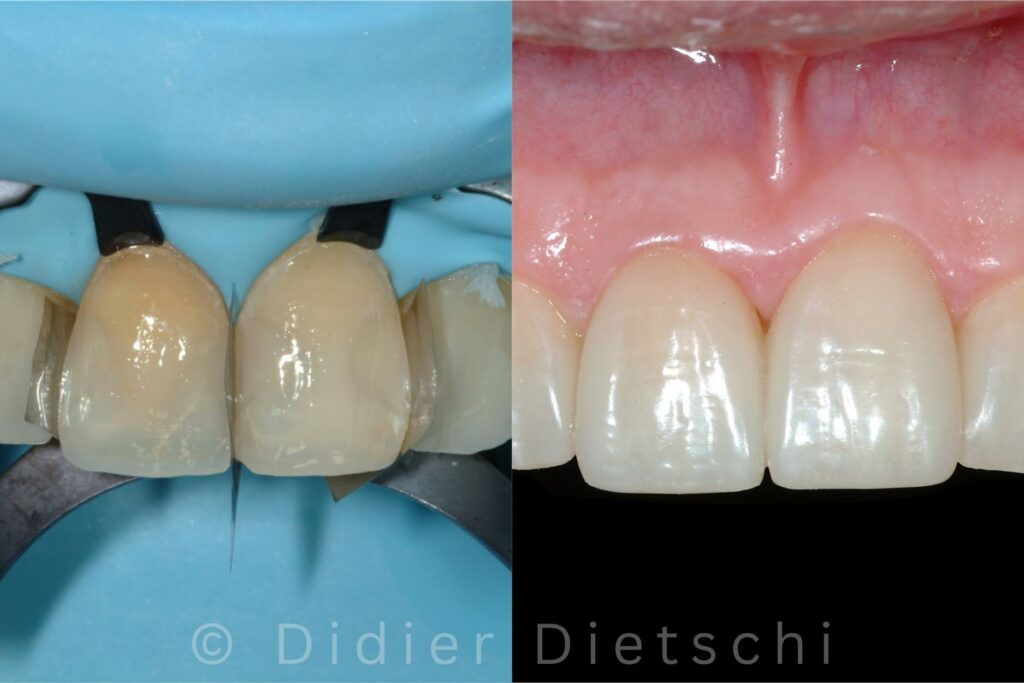
You look at a front tooth and know something feels off, even if you cannot name it. Maybe an old filling looks flat, too white, or dull beside the teeth around it. Maybe a chip was repaired, but the result catches light in a way that does not feel natural. That frustration is real. If you are discussing options with a dentist in El Centro, CA, it helps to know that teeth are not one solid color, and a restoration that ignores that usually stands out.
- Natural teeth have depth, and flat restorations miss that completely
- Layered composite recreates enamel, dentin, and light behavior
- Composite restorations work best when the plan fits the tooth and the person
- Layered composite compared with a single shade repair
- Choosing a family and cosmetic dentist affects the final result
- Three steps you can take before treatment
- A natural looking repair comes from layers, not guesswork
That is where layered composite bonding matters. A skilled family and cosmetic dentist does not simply place tooth colored material into a space and smooth it over. They build the tooth in thin layers, using different shades and levels of translucency to copy the way natural enamel and dentin reflect, absorb, and transmit light. The goal is not just to fill a defect. The goal is to recreate depth, shape, and a lifelike finish that disappears into your smile.
Natural teeth have depth, and flat restorations miss that completely
A natural tooth has structure under the surface. Dentin gives warmth and body. Enamel adds brightness and translucency. The edges of front teeth often let light pass through more than the middle. Small details such as mamelons, internal shading, and surface texture affect how a tooth looks from every angle. If a repair uses one opaque shade from top to bottom, the result can look chalky or lifeless, even if the color match seemed close at first.
You see this most often in front tooth repairs. A single shade may look acceptable under the dental light, then look obvious in daylight, photos, or office lighting. That can leave you feeling self conscious every time you smile or speak. The problem is not always the material itself. It is often the lack of layering and optical planning.
Composite layering techniques in dentistry address that problem by treating a restoration more like a reconstruction than a patch. Research on direct composite restorations has shown that modern layering approaches improve esthetics by mimicking the optical behavior of natural teeth, especially in visible areas. You can read more in this review of direct composite restorative techniques.
Layered composite recreates enamel, dentin, and light behavior
When dentists use layered composite to recreate depth and dimension, they usually start by studying the tooth before placing any material. Shade selection happens before the tooth dries out too much, because dehydration can make teeth appear lighter than they really are. The dentist may choose a dentin shade for the inner body of the tooth, then an enamel shade for the outer shell, and sometimes a translucent material near the biting edge.
Each layer has a job. A dentin layer creates the core color and opacity. An enamel layer softens and blends that core. Tints or translucent masses can add the subtle effects that keep a restoration from looking flat. This is how a dentist can make a repaired tooth look deeper and more natural, even when the damaged area was obvious at the start.
Surface anatomy matters too. Tiny ridges, line angles, and texture change the way light reflects off the tooth. A restoration can have the right shade and still look wrong if the contour is too bulky or too smooth. This is why cosmetic composite restorations depend on both color science and hand skills.
Clinical literature on stratified composite restorations supports this approach, showing that layering different composite opacities and shades can reproduce the esthetic complexity of anterior teeth with conservative treatment. This clinical report on stratified composite restorations gives a useful look at that process.
Composite restorations work best when the plan fits the tooth and the person
Not every repair needs advanced characterization, and not every tooth should be treated the same way. A small chip on a lower tooth may need a simpler build than a central incisor with a large old filling. If you grind your teeth, bite edge to edge, or drink staining beverages often, the design may need to balance beauty with strength and maintenance.
Cost plays a role as well. Composite is usually more conservative than porcelain because less natural tooth structure needs to be removed, and it can often be done in one visit. That makes it appealing if you want an esthetic fix without a larger procedure. At the same time, layered composite requires time, planning, and artistic precision. If a restoration is rushed, the result may be cheaper up front and more frustrating later.
Layered composite compared with a single shade repair
| Feature | Single Shade Composite Repair | Layered Composite Restoration |
|---|---|---|
| Color match | Can match broadly but may look uniform | Uses multiple shades to copy natural tooth variation |
| Depth and translucency | Often limited | Built to mimic dentin and enamel effects |
| Appearance in different lighting | May look flat or opaque in daylight or photos | Usually blends better across lighting conditions |
| Time required | Shorter | Longer because of detailed layering and shaping |
| Best use | Simple posterior repairs or low visibility areas | Visible teeth where esthetics matter most |
| Artistic demand | Lower | Higher |
Choosing a family and cosmetic dentist affects the final result
The material alone does not create a natural smile. The dentist’s eye for proportion, translucency, and texture makes the difference. If you are considering tooth colored composite restorations, look at before and after photos of cases similar to yours. Focus on whether the repaired teeth blend in naturally rather than whether they look bright.
You can also ask how the dentist approaches layering for front teeth, whether they use different opacities, and how they evaluate shade before starting. These are not technical questions for the sake of sounding informed. They help you understand whether the result is being planned as a lifelike restoration or just a quick repair.
Three steps you can take before treatment
1. Pay attention to what bothers you most. Is it the color, the shape, the way the edge catches light, or the fact that a filling is visible in photos? That detail helps guide treatment. Saying “it looks fake” is useful, but saying “the edge looks too solid and white” gives the dentist something specific to solve.
2. Bring photos taken in different lighting. A close up selfie in daylight, one indoors, and one smiling photo from a normal distance can reveal what mirrors and office lighting miss. This helps when planning esthetic composite bonding for a front tooth.
3. Ask about maintenance from the start. Composite can stain, chip, or lose polish over time, especially if you clench, bite nails, or drink coffee often. Knowing whether you may need polishing, touch ups, or a night guard protects both your result and your budget.
A natural looking repair comes from layers, not guesswork
If you have been staring at a repair that looks flat or obvious, you are not being picky. Human teeth have depth, and your eye catches the difference right away. A family and cosmetic dentist who uses careful layering can rebuild that missing complexity with shade, translucency, contour, and texture, often in a conservative way that preserves more of your natural tooth.
If you are ready for a repair that blends instead of stands out, schedule a consultation and ask how the tooth will be layered to recreate depth and dimension.


Being told that you have unexplained infertility can be frustrating. You may have undergone fertility tests that show regular ovulation, an open fallopian tube and no significant problem with your partner’s semen analysis, yet pregnancy still does not occur.
- What Is Unexplained Infertility?
- Why Can Infertility Remain Unexplained?
- How Can IVF Help With Unexplained Infertility?
- Does IVF Treat the Cause of Unexplained Infertility?
- When Might IVF Be Recommended for Unexplained Infertility?
- Is IUI Usually Tried Before IVF?
- When Might IVF Be Considered Earlier?
- How Does IUI Compare With IVF for Unexplained Infertility?
- Can IVF Overcome a Fertilisation Problem That Cannot Be Detected?
- Is ICSI Needed for Unexplained Infertility?
- What Happens During IVF for Unexplained Infertility?
- Ovarian Stimulation
- Trigger Injection
- Egg Retrieval
- Fertilisation
- Embryo Development
- Embryo Transfer
- Pregnancy Testing
- What Happens If No Embryos Develop?
- Does IVF Guarantee Pregnancy for Unexplained Infertility?
- Does Unexplained Infertility Have a Better IVF Prognosis?
- How Does Age Affect IVF for Unexplained Infertility?
- How Long Should You Try Before Considering IVF?
- What Are the Potential Benefits of IVF?
- Greater Control Over Fertilisation
- Embryo Development Can Be Observed
- Embryo Selection
- Frozen Embryos May Be Available
- Treatment Can Be More Direct
- What Are the Risks and Downsides of IVF?
- What If the First IVF Cycle Does Not Work?
- Are Additional Tests Needed Before IVF?
- Can Lifestyle Changes Help With Unexplained Infertility?
- What Fertility Treatment Is Available in Singapore?
The diagnosis does not mean that pregnancy is impossible. It means that standard fertility investigations have not identified a specific cause for the difficulty conceiving.
In-vitro fertilisation (IVF) can help some couples with unexplained infertility by allowing fertilisation and early embryo development to take place under laboratory conditions before an embryo is transferred into the uterus.
However, IVF is not necessarily the first treatment for every couple with unexplained infertility. Depending on factors such as age, duration of infertility, previous treatment and individual preferences, a fertility specialist may first recommend a limited course of ovarian stimulation with intrauterine insemination (IUI) or consider IVF sooner.
Understanding when IVF may be useful can help couples make more informed decisions about their fertility treatment options.
What Is Unexplained Infertility?
Unexplained infertility is diagnosed when appropriate fertility investigations do not identify a clear reason why pregnancy has not occurred.
A standard assessment may include:
- Assessment of ovulation
- Ovarian reserve testing where clinically indicated
- Evaluation of the uterus
- Assessment of fallopian tube patency
- Semen analysis
- Review of medical and reproductive history
For unexplained infertility to be considered, there is generally no obvious problem such as blocked fallopian tubes, significant ovulation problems or a major sperm abnormality that clearly explains the difficulty conceiving.
The term can therefore be misleading.
Unexplained infertility does not mean that there is no biological reason for infertility. It means that routine investigations have not identified the reason.
Why Can Infertility Remain Unexplained?
Conception involves several stages, and not all of them can be assessed through routine fertility tests.
For pregnancy to occur naturally:
- An egg needs to develop and be released.
- Sperm needs to reach the egg.
- The sperm needs to fertilise the egg.
- The fertilised egg needs to develop into a viable embryo.
- The embryo needs to travel towards the uterus.
- The embryo needs to implant successfully.
- The pregnancy needs to continue developing.
Routine fertility tests can assess some of these processes but cannot directly evaluate every step.
For example, a normal semen analysis can provide information about sperm concentration and movement, but it cannot guarantee that fertilisation will occur normally.
Similarly, a woman may have an open fallopian tube and apparently normal ovulation without this confirming that every egg is capable of successful fertilisation and embryo development.
These limitations help explain why some couples receive a diagnosis of unexplained infertility despite apparently normal test results.
How Can IVF Help With Unexplained Infertility?
IVF can bypass some of the steps involved in natural conception.
During IVF:
- The ovaries are stimulated to develop multiple follicles.
- Eggs are retrieved from the ovaries.
- Sperm is collected and prepared.
- Eggs and sperm are brought together in a laboratory.
- Fertilised eggs are cultured into embryos.
- A suitable embryo is transferred into the uterus.
This allows the fertility team to observe and manage some stages of reproduction that would normally happen inside the body.
IVF does not identify the hidden cause of unexplained infertility in every case, but it can potentially overcome some problems that routine testing cannot detect.
Does IVF Treat the Cause of Unexplained Infertility?
Not necessarily.
This is an important distinction.
IVF is generally a treatment for infertility rather than a treatment that identifies or corrects the underlying cause of unexplained infertility.
For example, IVF does not necessarily determine why natural fertilisation did not occur.
Instead, it changes the reproductive process by:
- Retrieving eggs directly
- Bringing sperm and eggs together in a laboratory
- Monitoring fertilisation
- Monitoring embryo development
- Placing an embryo directly into the uterus
This can provide another opportunity for pregnancy even when the reason for previous unsuccessful conception remains unknown.
When Might IVF Be Recommended for Unexplained Infertility?
The timing of IVF depends on the individual circumstances.
A fertility specialist may consider IVF when:
- The couple has been trying to conceive for a significant period
- Previous IUI treatment has not resulted in pregnancy
- The woman is older
- There are concerns about declining ovarian reserve
- The couple prefers a more direct assisted reproductive approach
- There are additional fertility factors that make IUI less suitable
- Delaying treatment may reduce the likelihood of success
IVF may also be considered earlier when there is concern that less invasive treatments are unlikely to provide sufficient benefit.
Is IUI Usually Tried Before IVF?
For some couples, yes.
Intrauterine insemination (IUI) is less invasive than IVF and involves placing prepared sperm directly into the uterus around the time of ovulation.
When combined with medication to stimulate the development of ovarian follicles, IUI may increase the number of eggs available for fertilisation during a treatment cycle.
For younger women with unexplained infertility, a fertility specialist may consider several cycles of ovarian stimulation with IUI before moving to IVF.
A commonly used approach is approximately three to four cycles of stimulated IUI before considering IVF if pregnancy does not occur.
However, this is not an absolute rule.
When Might IVF Be Considered Earlier?
Age is an important factor in deciding how long to try less invasive treatments.
For women approaching or above 38, IVF may be considered sooner because delaying treatment can have a greater effect on the number and quality of eggs available.
Other reasons for considering IVF earlier may include:
- Longer duration of infertility
- Previous unsuccessful fertility treatment
- Reduced ovarian reserve
- Patient preference
- Limited time available for treatment
- Other factors affecting the likelihood of IUI success
The treatment sequence should therefore be individualised rather than based solely on the diagnosis of unexplained infertility.
How Does IUI Compare With IVF for Unexplained Infertility?
The two treatments differ considerably.
IUI
IUI involves:
- Monitoring ovulation
- Sometimes using medication to stimulate follicle development
- Collecting and preparing sperm
- Placing the sperm directly into the uterus
Fertilisation still takes place inside the body.
IVF
IVF involves:
- Ovarian stimulation
- Egg retrieval
- Fertilisation in a laboratory
- Embryo culture
- Embryo transfer
Fertilisation therefore takes place outside the body.
IVF is more invasive and generally more expensive than IUI, but it also provides greater control over fertilisation and embryo development.
Can IVF Overcome a Fertilisation Problem That Cannot Be Detected?
Potentially.
One possible explanation for unexplained infertility is that fertilisation is not occurring efficiently despite apparently normal sperm and egg function.
With conventional IVF, eggs and sperm are brought together in a laboratory environment.
The embryology team can then observe whether fertilisation occurs.
This does not guarantee fertilisation, but it provides information that is not available when couples are trying to conceive naturally.
Is ICSI Needed for Unexplained Infertility?
Not necessarily.
Intracytoplasmic sperm injection (ICSI) involves injecting a single sperm directly into an egg during IVF.
ICSI may be considered when there is:
- Significant male-factor infertility
- Very low sperm count
- Poor sperm motility
- Surgically retrieved sperm
- Previous fertilisation failure
For unexplained infertility without a male-factor problem, ICSI is not automatically required.
Current evidence does not show a clear live-birth advantage from routinely using ICSI instead of conventional IVF in couples without a male-factor indication.
The decision should therefore be based on the patient’s individual circumstances rather than assuming that ICSI is necessary simply because the cause of infertility is unknown.
What Happens During IVF for Unexplained Infertility?
The IVF process is generally similar to IVF for other causes of infertility.
Ovarian Stimulation
Medication is used to encourage multiple follicles to develop.
The ovaries are monitored through ultrasound and, where appropriate, blood tests.
Trigger Injection
Once the follicles reach an appropriate stage, medication is given to trigger final egg maturation.
Egg retrieval is then scheduled at the appropriate time.
Egg Retrieval
Eggs are collected using an ultrasound-guided procedure.
The retrieved eggs are assessed in the laboratory to determine which are mature.
Fertilisation
The eggs are fertilised using either conventional IVF or ICSI when clinically appropriate.
Embryo Development
Fertilised eggs are monitored as they develop into embryos.
Some embryos may stop developing during this process.
Embryo Transfer
A suitable embryo is transferred into the uterus.
Depending on the treatment plan, the transfer may be performed during the same cycle or after the embryo has been frozen for later use.
Pregnancy Testing
A blood test is performed after embryo transfer to determine whether implantation has resulted in pregnancy.
What Happens If No Embryos Develop?
Not every IVF cycle produces an embryo suitable for transfer.
The number of embryos available depends on:
- Number of eggs retrieved
- Egg maturity
- Fertilisation
- Embryo development
- Age
- Sperm factors
A couple may therefore begin with several eggs but end up with fewer embryos available for transfer.
This does not necessarily mean that IVF cannot work in a future cycle.
The fertility team can review the outcome and determine whether changes to the treatment approach may be appropriate.
Does IVF Guarantee Pregnancy for Unexplained Infertility?
No.
IVF can improve the chances of pregnancy for appropriately selected patients, but it does not guarantee pregnancy or a live birth.
Treatment outcomes vary according to factors such as:
- Maternal age
- Ovarian reserve
- Number of eggs retrieved
- Egg quality
- Sperm factors
- Embryo development
- Uterine factors
- Previous fertility treatment
Singapore’s current data also shows that maternal age and underlying medical history are significant factors affecting IVF success.
For example, reported IVF success rates decline substantially as maternal age increases, making age an important consideration when deciding whether to continue trying naturally, pursue IUI or move to IVF.
Does Unexplained Infertility Have a Better IVF Prognosis?
Not necessarily.
A diagnosis of unexplained infertility does not automatically mean that IVF will be successful.
However, couples with unexplained infertility may not have some of the specific factors associated with reduced IVF outcomes, such as severe tubal disease or certain severe forms of male-factor infertility.
Individual prognosis still depends on age, ovarian response, embryo development and other factors.
A fertility specialist should therefore assess the couple’s specific circumstances rather than applying a single success rate to all unexplained infertility cases.
How Does Age Affect IVF for Unexplained Infertility?
Age is particularly important when considering IVF for unexplained infertility.
Female fertility generally declines with age because:
- Ovarian reserve decreases
- Egg quality decreases
- Chromosomal abnormalities become more common
- Miscarriage risk increases
This means that a younger woman may have more time to try IUI or continue trying naturally, while an older woman may benefit from moving to IVF sooner.
The appropriate decision depends on the individual rather than age alone.
How Long Should You Try Before Considering IVF?
There is no single timeframe that applies to every couple.
In Singapore, couples are generally advised to seek medical advice after:
- 12 months of trying when the woman is below 35
- Six months of trying when the woman is 35 or older
Earlier assessment may be appropriate when there are known fertility risk factors.
Once unexplained infertility has been diagnosed, the decision about when to start IVF depends on:
- Age
- Duration of infertility
- Previous treatment
- Ovarian reserve
- Patient preferences
- Expected benefit of IUI
- Time available for treatment
What Are the Potential Benefits of IVF?
For couples with unexplained infertility, potential advantages include:
Greater Control Over Fertilisation
Eggs and sperm are brought together in a laboratory rather than relying entirely on natural fertilisation.
Embryo Development Can Be Observed
Embryos can be monitored during laboratory culture before transfer.
Embryo Selection
The fertility team can select an embryo for transfer based on its developmental characteristics.
Frozen Embryos May Be Available
Additional suitable embryos may be cryopreserved for future transfer.
Treatment Can Be More Direct
For some couples, IVF may shorten the time needed to achieve pregnancy compared with continuing less invasive treatment approaches.
These potential advantages need to be balanced against the cost, physical demands and risks of IVF.
What Are the Risks and Downsides of IVF?
IVF is more invasive than treatments such as IUI.
Potential considerations include:
- Medication side effects
- Ovarian hyperstimulation syndrome
- Discomfort from injections
- Egg retrieval risks
- Multiple pregnancy if more than one embryo is transferred
- Ectopic pregnancy
- Pregnancy loss
- Emotional stress
- Financial costs
There is also no guarantee that an IVF cycle will result in pregnancy.
The fertility team should explain the expected benefits and potential risks before treatment begins.
What If the First IVF Cycle Does Not Work?
A failed IVF cycle does not necessarily mean that future treatment will be unsuccessful.
The fertility specialist may review:
- Ovarian response
- Number of eggs retrieved
- Egg maturity
- Fertilisation rate
- Embryo development
- Embryo quality
- Uterine factors
- Sperm factors
If frozen embryos are available, a frozen embryo transfer may be considered without repeating ovarian stimulation and egg retrieval.
If no embryos remain, the specialist may discuss whether another IVF cycle or a different treatment strategy is appropriate.
Are Additional Tests Needed Before IVF?
Not necessarily.
It can be tempting to pursue increasingly specialised tests when routine fertility investigations are normal.
However, more testing does not automatically lead to better treatment outcomes.
Additional investigations may be appropriate when there are specific symptoms, medical history findings or previous treatment outcomes that justify them.
The aim should be to perform tests that can meaningfully influence treatment decisions.
Can Lifestyle Changes Help With Unexplained Infertility?
Healthy lifestyle habits can support general reproductive health, although they should not be presented as a guaranteed treatment for unexplained infertility.
Couples may consider:
- Avoiding smoking
- Limiting excessive alcohol consumption
- Maintaining a healthy weight
- Staying physically active
- Eating a balanced diet
- Managing existing medical conditions
- Taking recommended preconception supplements
- Maintaining adequate sleep
These measures may support overall health while fertility treatment is being considered.
What Fertility Treatment Is Available in Singapore?
Singapore offers several fertility treatment options, including:
- Ovulation induction
- IUI
- IVF
- ICSI
- Frozen embryo transfer
- Fertility preservation
- Selected genetic testing and donor-assisted treatments
For couples with unexplained infertility, IUI and IVF are particularly relevant treatment options.
The appropriate sequence depends on the couple’s age, fertility history and clinical findings.
Singapore’s public assisted reproduction centres currently provide government co-funding for eligible couples undergoing assisted conception procedures. The current framework covers up to three fresh and three frozen ART cycles, subject to eligibility requirements and funding caps.
IVF can help some couples with unexplained infertility, even when routine fertility tests have not identified a specific cause.
The treatment can bypass or control several stages of natural conception by retrieving eggs, bringing sperm and eggs together in a laboratory, monitoring embryo development and transferring an embryo directly into the uterus.
However, IVF is not automatically the first treatment for every couple with unexplained infertility. Depending on age and individual circumstances, a fertility specialist may recommend a limited course of ovarian stimulation with IUI before moving to IVF. For older women or couples with other factors that make delaying treatment less appropriate, IVF may be considered sooner.
Unexplained infertility also does not mean that IVF will guarantee pregnancy. Age, ovarian reserve, egg and sperm factors, embryo development and uterine factors can all influence the outcome.
For couples in Singapore, a fertility specialist can review the results of both partners’ assessments and help determine whether continued attempts at natural conception, IUI or IVF is the most appropriate next step.
This article is for general information only and should not replace medical advice from a qualified healthcare professional.

Guide to Sending Diwali Sweets and Gifts to Loved Ones in the USA

How Family Dentistry Prepares Children For Lifelong Dental Confidence

How Dentists Use Layered Composite To Recreate Depth And Dimension

Alex Pettyfer Net Worth, Wife, Age, Height, Children, Career and More

Brad Williams Net Worth, Wife, Height, Age, Daughter, Family, Career and More

Eldorado.gg Review 2026: How It Works, Safety, Fees, and Risks
-
Celebrity10 months ago
Alex Pettyfer Net Worth, Wife, Age, Height, Children, Career and More
-
Celebrity10 months ago
Brad Williams Net Worth, Wife, Height, Age, Daughter, Family, Career and More
-
Blog1 month ago
Eldorado.gg Review 2026: How It Works, Safety, Fees, and Risks
-
 Anime11 months ago
Sanzoku Bandits of One Piece: Origins, Higuma, and Their Role in Dawn Island
-
 Celebrity10 months ago
John McGinn Net Worth, Age, Height, Wife, Childrens, Career and More
-
 Celebrity10 months ago
Frances de la Tour Net Worth, Age, Height, Husband, Childrens, Career and More
-
 Celebrity10 months ago
Will Trickett Net Worth, Wife, Childrens, Age, Career and More
-
 Blog2 months ago
Crackstube: A Complete Guide to the Digital Publishing Platform