Sports
The Role of a Soccer Training Academy in Developing Young Players Through Structured Practice and Team Activities

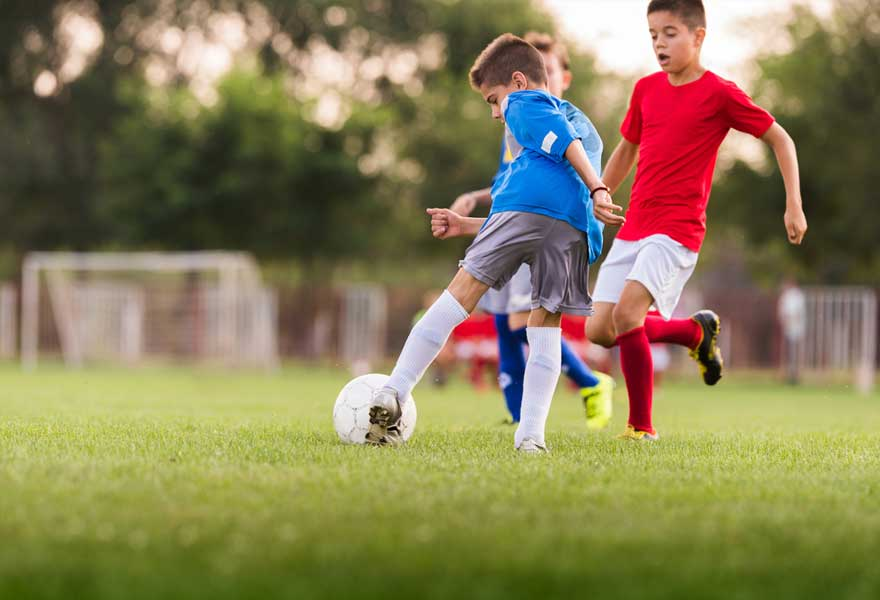
Soccer is a sport that can support children’s physical, technical, social, and personal development when training is organized around age-appropriate activities and positive instruction. Young players need opportunities to practice fundamental techniques while also learning how to communicate, cooperate, make decisions, and respond to different situations during games. Structured training can provide consistency and help players understand how individual skills connect to team play. A soccer training academy can create an environment where young athletes receive regular coaching, participate in organized activities, and gradually build their abilities through practice. The goal should not be limited to winning matches, because meaningful development also involves confidence, discipline, sportsmanship, teamwork, and a lasting enjoyment of the sport.
- Establishing Strong Soccer Fundamentals
- Developing Better Ball Control
- Improving Passing and Receiving
- Developing Shooting and Finishing
- Building Physical Coordination
- Improving Speed and Agility
- Developing Game Awareness
- Encouraging Decision-Making
- Teaching Teamwork
- Strengthening Communication
- Building Confidence Through Practice
- Teaching Discipline and Consistency
- Providing Age-Appropriate Training
- Using Small-Sided Games
- Promoting Positive Sportsmanship
- Supporting Physical Fitness
- The Role of Coaches
- Supporting Parents and Families
- Encouraging Practice Outside Training
- Supporting Long-Term Development
- Final Thoughts
Establishing Strong Soccer Fundamentals
Fundamental soccer skills provide the foundation for everything a player does during a match. Young athletes need to become comfortable with dribbling, passing, receiving, shooting, turning, and controlling the ball before moving toward more advanced techniques. Coaches can introduce these skills through demonstrations, repetition, partner activities, and small-sided games. Players can then gradually apply what they have learned in situations that require movement and decision-making. A soccer training academy can organize training sessions in a progressive manner, allowing beginners to develop basic abilities while giving more experienced players opportunities to work on challenging variations. Strong fundamentals can make players more comfortable and confident as their soccer experience grows.
Developing Better Ball Control
Ball control is one of the most important technical abilities because players must be able to receive and move the ball while responding to teammates and opponents. Training can begin with simple touches using different parts of the foot and gradually progress toward more dynamic movements. Players can practice stopping the ball, changing direction, adjusting speed, and keeping possession while moving through different spaces. Coaches can make these activities enjoyable through challenges and games that encourage repetition without making practice feel monotonous. A soccer training academy can provide regular opportunities for players to develop these skills in a controlled environment. Better ball control can give young athletes greater confidence when they receive the ball during matches.
Improving Passing and Receiving
Passing allows players to work together and move the ball efficiently, while receiving allows them to prepare for their next action. Young players can learn how to control the pace and direction of a pass while developing awareness of where teammates are positioned. Partner exercises can introduce basic passing techniques, while small-group activities can add movement and decision-making. Coaches can gradually introduce pressure so players learn to perform skills when opponents are nearby. A soccer training academy can connect passing instruction with tactical situations, helping players understand when and why a particular pass may be useful. Consistent practice can make these technical skills more natural during games.
Developing Shooting and Finishing
Scoring goals is an exciting part of soccer, but effective finishing requires control, balance, timing, positioning, and accuracy. Young players can begin with basic shooting techniques before progressing to finishing after a pass, dribble, or movement into space. Coaches can also teach players to recognize situations where passing may be more appropriate than shooting. This encourages young athletes to think about the game rather than focusing only on scoring. A soccer training academy can provide repeated finishing opportunities while gradually increasing the complexity of the exercises. Regular practice can help players become more comfortable making decisions near the goal and applying technical skills under pressure.
Building Physical Coordination
Soccer requires players to combine technical actions with constant movement. Running, stopping, turning, balancing, jumping, accelerating, and changing direction all require coordination. Coaches can incorporate movement activities into soccer training so children develop physical abilities while remaining engaged with the sport. Ball-based agility exercises can require players to control the ball while reacting to changes in direction or speed. A soccer training academy can provide varied activities that challenge coordination without making training unnecessarily difficult. Improved body control can help players perform technical movements more effectively and respond more confidently during matches.
Improving Speed and Agility
Speed and agility are useful in many soccer situations, including chasing the ball, creating space, defending, and responding to opponents. Players need more than straight-line speed because the game involves frequent acceleration, deceleration, and changes of direction. Coaches can use short sprints, reaction drills, directional movements, and ball-based exercises to develop these abilities. Activities should remain appropriate for the player’s age and physical development, with sufficient recovery between demanding efforts. A soccer training academy can integrate speed and agility work into regular sessions so players develop physical qualities that support their technical and tactical performance.
Developing Game Awareness
Technical ability becomes more useful when players understand where and when to use it. Game awareness involves observing teammates and opponents, recognizing available space, anticipating movement, and understanding what may happen next. Small-sided games can provide excellent opportunities for developing this awareness because players are frequently involved in the action. Coaches can ask players questions about their choices and encourage them to observe before making decisions. A soccer training academy can combine technical exercises with game-based activities to help young athletes connect individual skills with larger tactical concepts. This can gradually make players more aware and adaptable during matches.
Encouraging Decision-Making
Soccer requires players to make decisions quickly, often with limited time and space. A player may need to choose between passing, dribbling, shooting, moving into open space, or supporting a teammate. Training should provide opportunities for players to make these choices rather than requiring them to follow predetermined movements every time. Coaches can design exercises with several possible solutions and allow players to learn through experience. A soccer training academy can gradually increase the complexity of decision-making activities as players become more comfortable. Learning to make decisions under pressure can help young athletes become more confident and independent on the field.
Teaching Teamwork
Teamwork is at the center of soccer because players must cooperate throughout a match. Effective teamwork involves passing, movement, communication, defensive support, and shared responsibility. Children can learn that a player does not have to score a goal to make an important contribution. Creating space, making a defensive recovery, providing an accurate pass, or encouraging a teammate can all support the team. Coaches can design activities that require players to cooperate to achieve common goals. A soccer training academy can use these activities to help young athletes understand how individual actions contribute to collective performance.
Strengthening Communication
Communication can help players coordinate their actions and respond to changing situations. Young athletes can learn to call for the ball, communicate about open space, warn teammates about opponents, and offer encouragement. Coaches can demonstrate that communication should be clear, respectful, and useful rather than distracting. Players should also learn to listen to teammates and respond to information during play. Small-sided games create frequent opportunities for communication because players are closely involved in the action. A soccer training academy can encourage these habits throughout training, helping players become more comfortable communicating with teammates during matches.
Building Confidence Through Practice
Confidence often develops through repeated practice and the recognition of progress. Young players may initially find certain techniques difficult, but successful repetition can help them become more comfortable. Completing a difficult pass, controlling a challenging ball, making a good decision, or successfully applying a new skill during a game can create a sense of achievement. Coaches can encourage confidence by recognizing effort and improvement instead of focusing only on results. A soccer training academy can give players regular opportunities to practice and experience these small successes. A supportive environment also allows children to make mistakes without feeling that every mistake is a failure.
Teaching Discipline and Consistency
Player development requires regular practice, patience, and consistency. Young athletes can learn to arrive prepared, listen to instructions, respect equipment, follow rules, and participate responsibly. These habits can help children understand that improvement takes time and that consistent effort matters. Coaches can explain why preparation and discipline are important rather than simply enforcing rules. A soccer training academy can establish routines that encourage players to take greater responsibility for their training. These habits may also become useful in school, hobbies, and other activities where persistence and organization are important.
Providing Age-Appropriate Training
Children develop at different rates, which means training should reflect differences in age, experience, physical ability, and technical skill. Younger players may benefit from short activities, simple instructions, playful games, and frequent changes of exercise. Older or more experienced players can gradually work on more advanced technical and tactical concepts. Coaches can adjust group sizes, field dimensions, equipment, and activity duration to match developmental needs. A soccer training academy should provide challenges that encourage improvement without making players feel overwhelmed. Age-appropriate instruction helps maintain engagement while giving each player a reasonable opportunity to progress.
Using Small-Sided Games
Small-sided games are useful because players generally receive more opportunities to touch the ball, make decisions, communicate, and move into useful positions. Smaller teams can increase involvement and make the game easier for coaches to observe. Rules can also be adjusted to focus on particular skills, such as encouraging passing, movement, or defensive pressure. These activities allow players to apply technical skills in realistic situations rather than practicing them only in isolation. A soccer training academy can use small-sided games as a bridge between technical drills and full matches. Players can learn how individual decisions influence the team while enjoying the natural excitement of competition.
Promoting Positive Sportsmanship
Soccer provides children with opportunities to experience both success and disappointment. Players may win matches, lose games, miss opportunities, make mistakes, or disagree with decisions. Coaches can teach young athletes how to respond respectfully to these situations. Sportsmanship includes respecting teammates, opponents, officials, coaches, and the rules of the game. Players can also learn to encourage teammates instead of blaming them after mistakes. A soccer training academy can make sportsmanship part of everyday training rather than treating it as a separate lesson. These experiences can help children develop a balanced attitude toward competition.
Supporting Physical Fitness
Physical fitness supports a player’s ability to perform technical and tactical skills throughout a game. Soccer training can include running, acceleration, agility, balance, movement, and recovery activities alongside ball work. The level of physical demand should be appropriate for the player’s age and development, with adequate breaks and hydration. Coaches should focus on healthy progression rather than excessive workloads. A soccer training academy can integrate fitness into soccer-specific activities so players develop physical abilities while remaining engaged with the sport. Balanced conditioning can help young athletes become more comfortable with the physical demands of soccer.
The Role of Coaches
Coaches have a significant influence on the experience and development of young players. Effective coaches should communicate clearly, demonstrate patience, provide useful feedback, and understand that children progress at different rates. Mistakes should be treated as opportunities to learn rather than reasons for excessive criticism. Coaches can also model respect, teamwork, fairness, and appropriate competitive behavior. A soccer training academy can provide a strong developmental environment when its coaches focus on both technical progress and personal growth. Positive coaching can help players remain motivated and willing to continue working when certain skills or situations are challenging.
Supporting Parents and Families
Parents can contribute to a child’s soccer development by encouraging participation and maintaining a healthy perspective on performance. Asking children about what they enjoyed, recognizing effort, and supporting regular attendance can help create a positive experience. Parents can also assist with preparation by ensuring players have suitable clothing, footwear, water, and adequate rest. Excessive pressure to win or score can reduce enjoyment and confidence. A soccer training academy can provide technical instruction, while families can reinforce positive habits and encouragement outside training. When children feel supported rather than judged, they may become more willing to experiment and learn from mistakes.
Encouraging Practice Outside Training
Regular practice outside organized sessions can help reinforce skills and maintain interest in soccer. Children can practice simple activities such as dribbling around objects, passing with a family member, controlling the ball, or shooting at a suitable target. Informal play can be particularly valuable because children can experiment without the pressure of structured competition. The goal should be to make additional practice enjoyable rather than turning every free moment into formal training. A soccer training academy can provide the foundation for development, while recreational practice can help players become more comfortable with the ball and maintain their enthusiasm.
Supporting Long-Term Development
Player development is a gradual process involving technical, physical, tactical, social, and personal growth. Not every player will progress at the same speed or have the same goals. Some children may enjoy soccer recreationally, while others may eventually want more competitive opportunities. A strong training environment should support these different pathways while maintaining fundamental skills and healthy participation. A soccer training academy can help young players establish a structured foundation that develops as their abilities and interests change. Long-term development should emphasize sustainable improvement, confidence, enjoyment, and a willingness to keep learning.
Final Thoughts
Structured soccer training can give young players valuable opportunities to improve technical skills, physical coordination, game awareness, communication, teamwork, discipline, and confidence. The most effective programs combine purposeful instruction with enjoyable games and age-appropriate challenges. A soccer training academy can provide consistent guidance while helping players understand how individual techniques connect to real game situations and team activities. With supportive coaching, regular practice, positive sportsmanship, and encouragement from families, young athletes can continue developing at a healthy pace. The lessons learned through soccer can extend beyond the field, helping children become more confident, cooperative, responsible, and adaptable in many areas of their lives.


Foodie Co: Powder Blending and Manufacturing Services

What Is Tikcotech? Features and Uses Explained

How Regular Pool Repair and Maintenance Can Help Protect Your Swimming Pool Investment

Alex Pettyfer Net Worth, Wife, Age, Height, Children, Career and More

Brad Williams Net Worth, Wife, Height, Age, Daughter, Family, Career and More

Eldorado.gg Review 2026: How It Works, Safety, Fees, and Risks
-
Celebrity9 months ago
Alex Pettyfer Net Worth, Wife, Age, Height, Children, Career and More
-
Celebrity10 months ago
Brad Williams Net Worth, Wife, Height, Age, Daughter, Family, Career and More
-
Blog1 month ago
Eldorado.gg Review 2026: How It Works, Safety, Fees, and Risks
-
 Anime11 months ago
Sanzoku Bandits of One Piece: Origins, Higuma, and Their Role in Dawn Island
-
 Celebrity10 months ago
John McGinn Net Worth, Age, Height, Wife, Childrens, Career and More
-
 Celebrity10 months ago
Frances de la Tour Net Worth, Age, Height, Husband, Childrens, Career and More
-
 Celebrity10 months ago
Will Trickett Net Worth, Wife, Childrens, Age, Career and More
-
 Blog2 months ago
Crackstube: A Complete Guide to the Digital Publishing Platform