
Blog
Foodie Co: Powder Blending and Manufacturing Services


Foodie Co is an Australian powder blending and contract manufacturing company based in Melbourne, Victoria. It makes hot chocolate powders, latte blends, nutrition supplements, baking mixes, and spices for other businesses. The company helps small and growing food brands produce goods without setting up their own factories.
- Where Is Foodie Co Located?
- How Foodie Co Helps Small Businesses?
- Foodie Co Powder Blending Services
- What Products Does Foodie Co Manufacture?
- Foodie Co Product Development Process
- Foodie Co Ingredient Sourcing
- Foodie Co Packaging Options
- Production Volumes and Order Requirements
- Foodie Co Organic Manufacturing and Quality
- Foodie Co Storage and Logistics Services
- Foodie Co Retail Distribution Services
- How to Start Working With Foodie Co?
- Conclusion
- FAQs
Its main service is commercial powder blending. Businesses can also ask about ingredient sourcing, packaging, storage, and distribution support. Exact service options, production costs, and minimum order sizes should be confirmed with the company.
Where Is Foodie Co Located?
The company is based in Melbourne, Victoria, Australia. It provides powder manufacturing services for businesses that need help making food and drink products.
Working with a local manufacturer can make it easier for Australian brands to discuss production, packaging, and delivery. It can also help businesses plan their orders and product needs.
Businesses can visit the official website at foodieco.com.au to learn more about its services. They should confirm the current address and contact details before visiting.
How Foodie Co Helps Small Businesses?
Starting a food business requires ingredients, equipment, packaging, and safe production. These needs can be costly for small brands. Making larger amounts also becomes harder as orders increase.
Foodie Co offers powder manufacturing services that help businesses avoid setting up their own factories. Brands can use these services while focusing on sales and customer orders.
For example, a café owner may want to sell a chai latte powder. Making a few packs by hand may be easy. But supplying several stores requires larger batches and proper equipment.
A contract manufacturer can help with this work. Businesses should confirm order sizes, prices, and production times before starting.
Foodie Co Powder Blending Services
Powder blending means mixing dry ingredients to make a finished product. It is used for hot chocolate, protein powders, baking mixes, spices, and other dry foods.
For example, hot chocolate powder may contain cocoa, sugar, and other ingredients. These must be mixed well so each serving has a similar taste. Commercial machines help mix large amounts more evenly.
Foodie Co provides powder blending services for different food and drink products. Each product may need a different mixing process based on its ingredients.
Good mixing helps keep the taste and quality the same in each batch. Businesses should share their recipes and production needs before placing an order.
What Products Does Foodie Co Manufacture?
The company makes several types of powdered food and drink products. These include hot chocolate, latte blends, nutrition supplements, baking mixes, and spices.
Hot chocolate and latte powders are used in cafés, homes, and food shops. Brands may want their own flavors, ingredients, and packaging for these products.
Nutrition powders and baking mixes are also part of its manufacturing work. Baking mixes can contain flour, sugar, and other dry ingredients. Nutrition powders use ingredients based on the type of product being made.
The company also works with spice blends. These products combine different spices in set amounts. Businesses should confirm whether their recipes are suitable for commercial production.
Foodie Co Product Development Process
A food product often starts with a recipe. A business may have a small batch that tastes good but needs help making larger amounts.
The first step is to decide what the product should contain. This includes its ingredients, taste, serving size, and target customers. For example, a vanilla latte powder needs a clear recipe before production begins.
Businesses can then discuss their recipes with the manufacturer. Some may already have a finished formula. Others may need help preparing a recipe for larger batches.
Before production, brands should confirm ingredient needs, batch sizes, testing, and packing options. The exact steps depend on the product and the services offered.
Foodie Co Ingredient Sourcing
Ingredients affect the taste and quality of food products. Using the right ingredients also helps keep each batch the same.
Different products need different ingredients. Hot chocolate may use cocoa powder and sugar. Latte mixes may contain milk powder, spices, or flavor ingredients. Baking mixes often use flour, sugar, and raising agents.
Some brands may need organic or plant-based ingredients. They should ask the manufacturer which options are available and whether they meet their product needs.
Ingredient costs and supply can also affect production. If an ingredient is not available, an order may be delayed. Businesses should confirm ingredient supply before placing an order.
Foodie Co Packaging Options
Foodie Co offers packaging support for powdered food and drink products. Packaging keeps products safe during storage and delivery. It also helps brands prepare products for sale.
Powdered products can be packed in pouches, bags, or tins. The right packaging depends on the product and pack size. For example, hot chocolate powder may come in small packs for home use or large bags for cafés.
Good packaging helps protect powders from air and moisture. Labels must also show the required product details. Businesses should confirm the available packaging types and sizes before ordering.
Production Volumes and Order Requirements
Food manufacturers often have a minimum order quantity (MOQ). This is the smallest amount a business can order. The number may depend on the product and packaging.
Foodie Co works with small and growing food brands. Its services may help businesses that are not ready for large production runs. However, brands should ask about the exact minimum order size.
Order costs and production times are also important. Small orders may cost more per pack than large ones. Businesses should check prices, order sizes, and delivery times before starting.
Foodie Co Organic Manufacturing and Quality
Food quality matters when making products for customers. Powders must be mixed, handled, and packed with care. Each batch should follow the agreed recipe.
Foodie Co has been described as offering certified organic manufacturing. Brands that need organic products should check its current certification. They should also confirm which products the certification covers.
Food manufacturers in Australia must follow the food safety rules that apply to their products. Businesses should ask about quality checks, safe food handling, and allergen controls.
Nutrition supplements may have different rules from regular food products. Brands should check the rules for their ingredients, labels, and finished products.
Foodie Co Storage and Logistics Services
Finished products need safe storage before delivery. As a food brand grows, managing stock and orders can take more time.
Foodie Co has been described as offering storage and third-party logistics (3PL). These services can help businesses store products and prepare orders for delivery. Brands should confirm which services are currently offered.
There are two main types of sales. Business-to-business (B2B) means selling to shops, cafés, or other companies. Business-to-consumer (B2C) means selling directly to customers.
For example, a brand may send large boxes of latte powder to cafés and small packs to online buyers. Each order may need different packing and delivery. Businesses should ask about storage fees, shipping costs, and order handling.
Foodie Co Retail Distribution Services
Retail distribution means getting products into stores for customers to buy. New food brands may need help finding shops and arranging deliveries.
Foodie Co has been described as offering retail distribution support. This may include access to health food shops, small supermarkets, cafés, and studios. Brands should check which sales channels are currently available.
Manufacturing and distribution are different. Manufacturing means making a product. Distribution means moving finished products to stores or buyers.
Before selling through stores, brands need suitable packaging, clear labels, and product prices. They should also know how much stock they can supply. These details help stores review new products.
How to Start Working With Foodie Co?
Businesses can visit foodieco.com.au to learn about the company’s services. They can use the website to find contact details and ask about manufacturing.
Before making contact, brands should prepare their product details. These include the ingredients, recipe, order size, and packaging needs. Businesses should also explain whether they already have a finished recipe.
It is important to ask about prices, minimum orders, and production times. Brands can also check whether ingredient sourcing, packaging, storage, and delivery services are available.
Before placing an order, businesses should request a clear quote. They should confirm all costs, product details, and production terms.
Conclusion
Foodie Co is a powder blending and contract manufacturing company based in Melbourne, Australia. It makes products such as hot chocolate, latte blends, nutrition supplements, baking mixes, and spices.
Its services help small food brands produce larger amounts without setting up their own factories. Businesses can also ask about packaging, ingredient sourcing, storage, and distribution.
Brands planning to work with the company should confirm minimum orders, prices, production times, and available services before starting.
FAQs
What is Foodie Co?
Foodie Co is a Melbourne-based company that makes powdered food and drink products for other businesses.
What products does Foodie Co manufacture?
It makes hot chocolate powders, latte blends, nutrition supplements, baking mixes, and spice blends.
Where is Foodie Co located?
The company is based in Melbourne, Victoria, Australia.
Does Foodie Co work with small businesses?
Yes. It provides contract manufacturing services for small and growing food brands.
How can I contact Foodie Co?
You can visit its official website at foodieco.com.au to find contact details and ask about its services.
Read Also: What Is Provascin? Benefits, Uses, and Risks

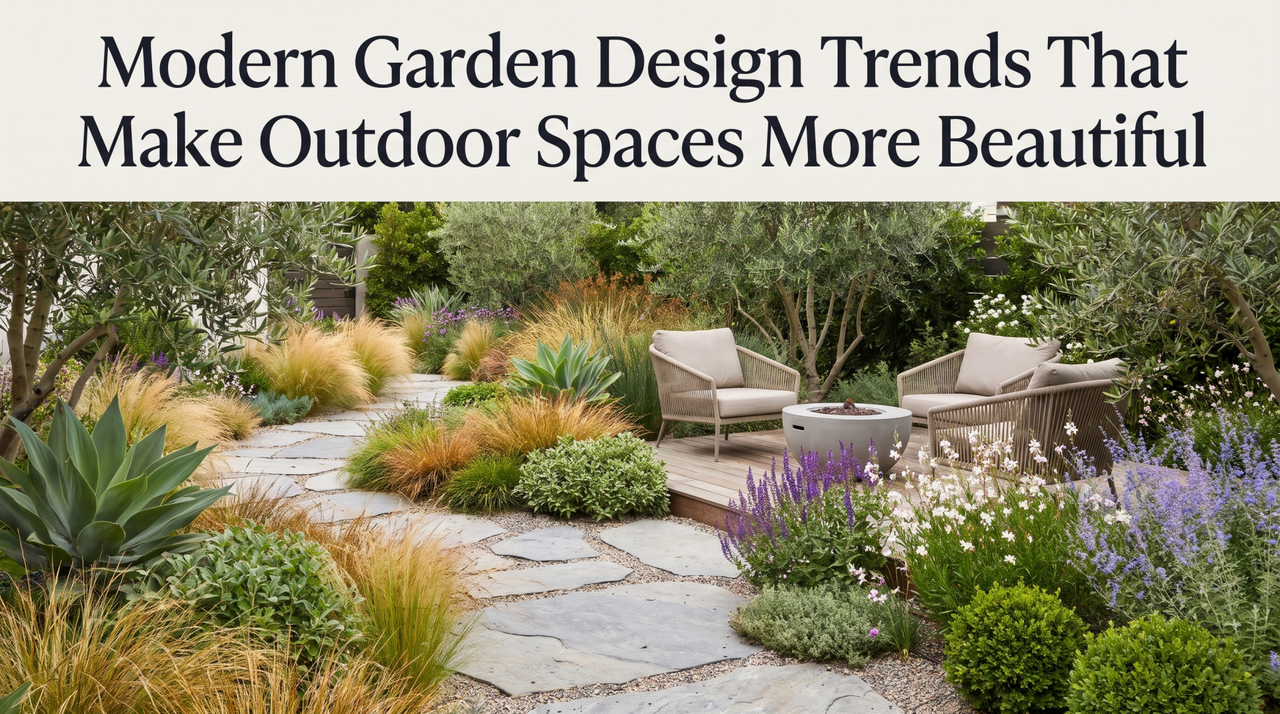
A beautiful garden can change the entire atmosphere of a home. It adds color, texture, and natural character to the surrounding environment while creating a place where people can relax and enjoy the outdoors. In recent years, garden design has moved beyond traditional flower beds and neatly trimmed lawns. Homeowners are increasingly exploring creative layouts, contemporary materials, natural planting arrangements, and outdoor features that reflect their personal lifestyles.
- Minimalist Gardens With Clean Lines and Simple Layouts
- Naturalistic Planting for a More Relaxed Garden Atmosphere
- Japanese-Inspired Gardens and the Beauty of Simplicity
- Vertical Gardens for Compact Outdoor Areas
- Mediterranean Garden Styles With Warm Materials
- Contemporary Gardens That Combine Hardscape and Greenery
- Sustainable Gardens With Climate-Appropriate Plants
- Outdoor Lighting That Highlights Garden Features
- Water Features as Garden Focal Points
- Edible Gardens That Combine Beauty and Practicality
- Personalized Garden Layouts for Different Lifestyles
- Explore Different Garden Ideas Before Making Changes
- Conclusion
Modern garden design is not about following one fixed style. Some people prefer clean geometric lines and minimal decoration, while others enjoy lush greenery, natural materials, and a more relaxed appearance. Small urban gardens, spacious residential landscapes, and courtyard gardens can all benefit from thoughtful design choices.
The most successful gardens combine visual appeal with practical considerations. Plant selection, available sunlight, maintenance requirements, and the relationship between different outdoor elements all influence the final result.
If you are looking for inspiration for your next garden makeover, these modern design trends offer several ways to create a more attractive and enjoyable outdoor environment.
Minimalist Gardens With Clean Lines and Simple Layouts
Minimalism remains a popular direction in contemporary garden design. Instead of filling every available area with decorative features, this approach focuses on a limited selection of materials, plants, and structural elements.
A minimalist garden often features clear pathways, geometric planting beds, simple outdoor furniture, and a restrained color palette. The overall layout is easy to understand, allowing individual elements to stand out without competing for attention.
Neutral paving materials, concrete planters, natural stone, and carefully positioned greenery can create a sophisticated appearance. Repetition is another useful design technique. Using similar plants or materials in several locations helps establish visual consistency.
This style can work particularly well in small gardens because it avoids unnecessary clutter. A compact space may need only a simple paved area, a few well-chosen plants, and a focal feature to feel complete.
However, minimalism does not mean removing all personality. A distinctive tree, textured wall, sculptural planter, or carefully selected outdoor light can add character without making the design feel crowded.
Naturalistic Planting for a More Relaxed Garden Atmosphere
Another important trend is the growing interest in gardens that look more natural and less formally arranged.
Traditional gardens often rely on symmetrical planting beds, regularly trimmed hedges, and clearly separated plant varieties. Naturalistic designs take a different approach by combining plants with varied heights, textures, and growth patterns.
Ornamental grasses, flowering perennials, shrubs, and ground covers can create layered arrangements that change throughout the seasons. Instead of treating every plant as an isolated decorative object, this approach considers how different species interact as part of a larger composition.
The result can feel softer and more connected to the surrounding environment. It may also provide suitable habitats and food sources for pollinators and other wildlife when climate-appropriate species are selected.
Successful naturalistic planting still requires planning. Plants need enough room to reach their mature size, and species should be selected according to sunlight, soil, and moisture conditions.
A balanced composition is usually more attractive than simply mixing a large number of unrelated plants. Repeating certain varieties throughout the garden can create a sense of continuity while allowing the overall arrangement to feel informal.
Japanese-Inspired Gardens and the Beauty of Simplicity
Japanese-inspired gardens continue to influence modern residential landscaping because of their emphasis on balance, texture, and thoughtful use of space.
These gardens often combine carefully positioned stones, water elements, moss, gravel, and selected plants to create a calm visual environment. Rather than relying on large numbers of decorative objects, they use a limited collection of features to establish atmosphere.
A small Japanese-inspired garden might include a stone pathway, a simple water basin, a carefully shaped shrub, and a few contrasting ground covers. Larger spaces may incorporate stepping stones, wooden structures, and layered planting.
The arrangement of elements is especially important. Empty space is not necessarily wasted space. It can help individual features become more noticeable and make the overall garden feel less crowded.
Homeowners interested in this style should also consider whether the selected plants are suitable for their local climate. A design inspired by Japanese gardens does not require copying every traditional plant species. The same principles of balance and simplicity can be applied using locally appropriate vegetation.
This makes the style adaptable to many residential settings.
Vertical Gardens for Compact Outdoor Areas
Limited ground space does not have to prevent homeowners from creating attractive gardens. Vertical planting is a practical way to introduce greenery when a property has a narrow courtyard, small patio, balcony, or restricted garden area.
Living walls, wall-mounted planters, climbing plants, and trellises can transform otherwise unused vertical surfaces into decorative features.
A vertical garden may contain herbs, ornamental foliage, flowering plants, or a combination of species. The selection should depend on the amount of sunlight, available growing depth, irrigation access, and the weight the supporting structure can safely carry.
For a small courtyard, a planted wall can create a strong focal point without taking up much floor space. In a larger garden, vertical greenery can soften boundary walls and improve the appearance of outdoor seating areas.
Maintenance should be considered before installation. Vertical planting systems may require regular irrigation, drainage management, and occasional replacement of plants.
Not every wall is suitable for a living garden, particularly where moisture could affect the building structure. Proper waterproofing and installation details are essential.
When designed carefully, vertical gardens provide an effective way to make compact outdoor environments feel greener and more visually interesting.
Mediterranean Garden Styles With Warm Materials
Mediterranean-inspired gardens are appreciated for their relaxed atmosphere and combination of natural textures.
Typical design elements include terracotta pots, stone paving, warm-colored walls, gravel paths, olive trees, and drought-tolerant planting. These features create an outdoor environment that feels welcoming without requiring an overly formal arrangement.
A courtyard with a stone seating area, a few large planters, and carefully selected shrubs can capture the general character of this style. Larger gardens may incorporate pergolas, outdoor dining areas, and more extensive planting beds.
Color also plays an important role. Soft beige, warm white, earthy brown, muted green, and occasional accents of blue can create a balanced palette.
Plant selection should reflect local growing conditions rather than simply reproduce a photograph from another region. Many Mediterranean-inspired designs can be adapted with suitable local species that tolerate the available sunlight and water conditions.
The style is particularly appealing to homeowners who want a garden that feels relaxed, timeless, and connected to natural materials.
Contemporary Gardens That Combine Hardscape and Greenery
Modern gardens increasingly combine architectural surfaces with carefully planned vegetation.
Instead of separating patios, pathways, and planting beds into unrelated areas, contemporary designs treat them as connected parts of one composition.
Large-format paving can create a clean foundation, while narrow planting beds soften the edges. Timber decking, textured concrete, stone walls, and metal details may introduce contrast without overwhelming the space.
The relationship between hardscape and greenery is especially important. Too much paving can make a garden feel cold, while excessive planting may create maintenance challenges or reduce usable space.
A balanced design might feature a central patio, planting borders along the boundaries, and a small tree that creates a focal point. The arrangement can be adapted to suit different property sizes.
AI garden design can help homeowners explore these combinations before selecting materials or committing to a particular layout. By comparing different visual concepts, they can investigate how paving patterns, planting arrangements, and decorative features influence the overall atmosphere.
The most useful approach is to treat these visual results as inspiration and then confirm dimensions, drainage, and material suitability before construction.
Sustainable Gardens With Climate-Appropriate Plants
Sustainability has become an increasingly important consideration in garden planning. Homeowners are paying more attention to water consumption, plant suitability, soil health, and the long-term environmental impact of their landscaping choices.
One practical approach is to select plants that are naturally suited to the local climate. This can reduce the need for excessive irrigation and additional maintenance once the plants are established.
Native plants are often valuable because they can support local ecosystems. Depending on the region, suitable drought-tolerant shrubs, ornamental grasses, and perennial species may also be useful.
Other sustainable practices include collecting rainwater where appropriate, using mulch to reduce soil moisture loss, and grouping plants with similar watering requirements.
Recycled or responsibly sourced materials can also contribute to a more environmentally conscious design. Reclaimed timber, reused stone, and durable paving materials may offer attractive alternatives to frequently replaced decorative products.
A sustainable garden does not need to look rustic or unfinished. It can follow contemporary, minimalist, or traditional design principles while making more responsible choices about resources.
Outdoor Lighting That Highlights Garden Features
Lighting can completely change the appearance of a garden after sunset. It helps define pathways, makes seating areas more comfortable, and draws attention to attractive architectural or planting features.
Modern garden lighting often focuses on subtle placement rather than excessive brightness. Small fixtures along pathways can improve visibility, while carefully positioned spotlights can highlight a tree, textured wall, or sculptural feature.
Warm lighting is often preferred for relaxation areas because it creates a softer atmosphere. Functional spaces, such as outdoor kitchens and entrances, may require brighter illumination.
The direction of light is just as important as its intensity. Lighting that shines directly into people’s eyes can make an outdoor area uncomfortable. Fixtures should be positioned to illuminate surfaces and features rather than create unnecessary glare.
Energy-efficient LED products provide a wide range of options for contemporary landscapes. Solar-powered lights may also work in locations with sufficient sunlight.
A well-planned lighting scheme can make a garden feel like a completely different space in the evening while improving its practical usability.
Water Features as Garden Focal Points
Water features can introduce movement, sound, and visual interest into residential gardens.
A small fountain, reflecting pool, or simple water basin can become a focal point in an otherwise understated landscape. The sound of moving water may also create a more relaxing atmosphere.
The scale of the feature should match the available space. A large pond may overwhelm a compact courtyard, while a small decorative fountain may look insignificant in an expansive garden.
Materials influence the overall effect. Natural stone can create a softer appearance, while concrete and metal may suit contemporary designs.
Maintenance requirements should be considered carefully. Pumps, filters, water quality, and cleaning all influence the long-term experience of owning a water feature. Water consumption is another important consideration, particularly in regions where conservation matters.
A water feature does not need to dominate the design. Sometimes a simple element positioned near a seating area provides enough visual interest without creating unnecessary complexity.
Edible Gardens That Combine Beauty and Practicality
Edible gardening is another trend that brings practical value to residential outdoor spaces.
Instead of treating vegetable beds and herb containers as separate from ornamental landscaping, homeowners can integrate them into the overall garden design.
Raised planting beds, decorative containers, and organized herb gardens can provide fresh produce while contributing to the visual character of the property.
Herbs such as rosemary, basil, mint, and thyme may be suitable options depending on the local climate and growing conditions. Vegetables and fruit plants should be selected according to available sunlight, soil quality, and seasonal requirements.
A well-organized edible garden can be attractive as well as productive. Repeating planter materials, arranging beds in clear patterns, and combining edible plants with ornamental species can create a coordinated appearance.
For families, gardening can also become a shared activity. Children may enjoy observing how plants grow, learning about seasonal changes, and participating in simple planting tasks.
Personalized Garden Layouts for Different Lifestyles
There is no single garden layout that works for everyone. A design should reflect the way homeowners intend to use their outdoor space.
Someone who enjoys entertaining may prioritize a large patio, outdoor dining furniture, and comfortable lighting. A gardening enthusiast may prefer extensive planting beds, accessible pathways, and dedicated growing areas.
Households with children might need open ground for outdoor activities, while people who prefer quiet relaxation may want a secluded seating corner surrounded by greenery.
The challenge is balancing these requirements without making the garden feel disorganized.
Creating a simple list of priorities can help. Identify the features that are essential, those that would be useful, and those that are purely decorative. This makes it easier to allocate the available area according to actual needs.
AI garden design can support this process by allowing homeowners to explore different visual arrangements and compare possible styles. It can provide inspiration for combining functional spaces with planting and decorative elements.
However, personal preferences should always be considered alongside practical factors such as maintenance, sunlight, dimensions, and budget.
Explore Different Garden Ideas Before Making Changes
One of the most challenging parts of garden improvement is visualizing how separate ideas will work together.
A homeowner may like the appearance of a Japanese garden, a Mediterranean patio, and a contemporary planting arrangement. However, combining all three without a clear direction could produce an inconsistent result.
Collecting reference photographs is a useful starting point, but digital visualization offers another way to explore possibilities.
With AI garden design, users can investigate different visual directions and see how a garden might change when its planting, pathways, or decorative features are adjusted.
For example, an ordinary residential garden could be explored through a minimalist concept with simple paving and structured greenery. Another concept might emphasize natural planting, winding pathways, and a more relaxed atmosphere.
These comparisons help homeowners identify which elements they prefer before purchasing materials or starting physical work.
Generated images should not be treated as accurate construction documents. Plant dimensions, growing requirements, drainage, and installation details still need to be checked separately.
The real benefit is the ability to turn vague inspiration into a clearer visual direction.
Conclusion
Modern garden design offers many ways to make outdoor spaces more attractive and enjoyable. Minimalist layouts, naturalistic planting, Japanese-inspired details, vertical gardens, Mediterranean materials, and contemporary hardscape arrangements all provide different possibilities.
The best choice depends on the property’s characteristics, local climate, maintenance expectations, and the people who will use the garden.
Exploring AI garden design can make the creative planning process easier by helping homeowners compare styles and visualize different arrangements before making physical changes.
A beautiful garden does not need to follow every new trend. A thoughtful combination of suitable plants, comfortable spaces, attractive materials, and personal details will usually create a more lasting result than simply copying a fashionable design.

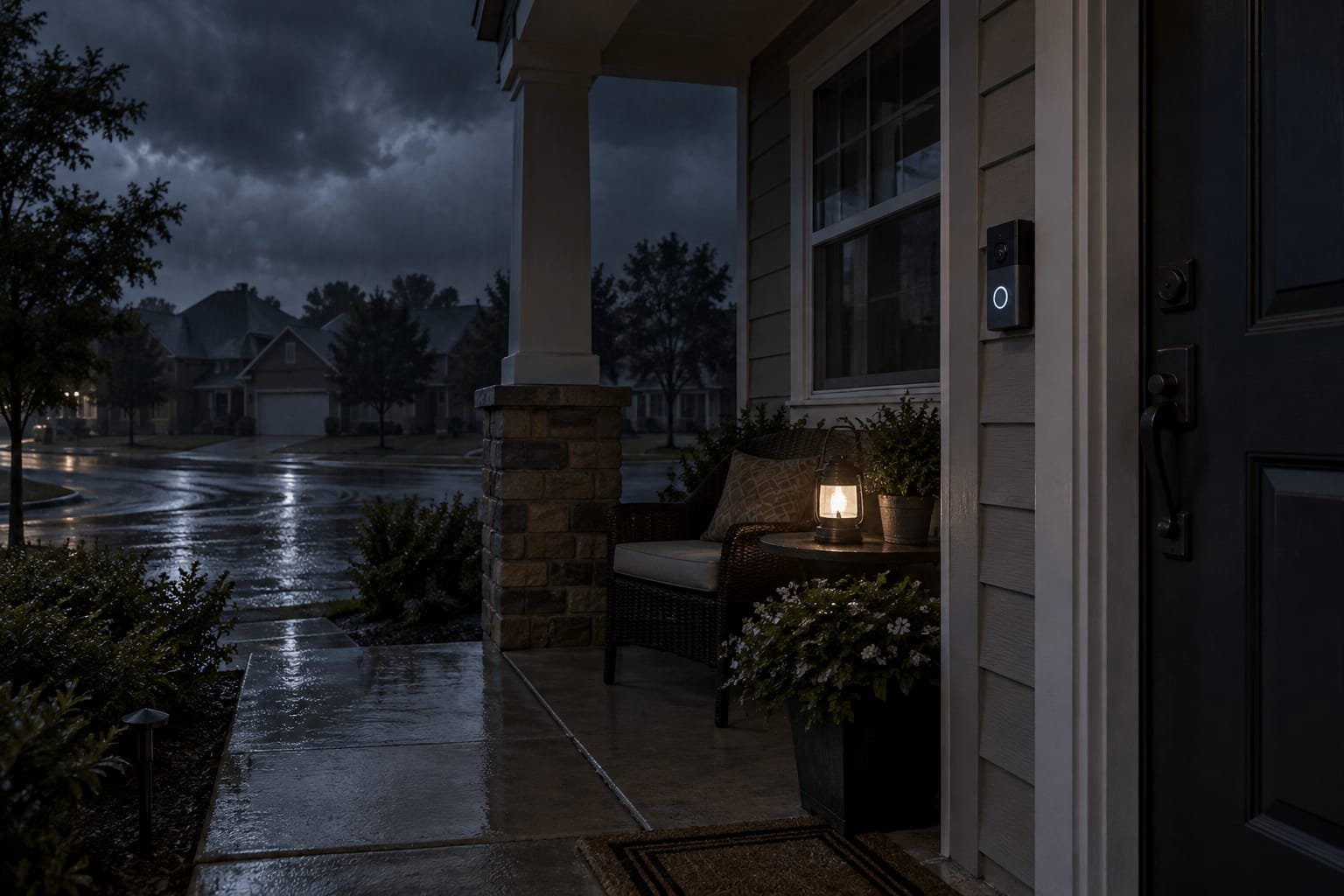
The lights go out as a storm moves through, and the front-door camera is the device you want to check first. A video doorbell may still work during a power outage if it has backup power, but a dead router or internet connection can still stop live viewing and alerts. The sections below explain what fails first, what a backup battery can cover, and what to check before choosing a wired doorbell.
- Minimalist Gardens With Clean Lines and Simple Layouts
- Naturalistic Planting for a More Relaxed Garden Atmosphere
- Japanese-Inspired Gardens and the Beauty of Simplicity
- Vertical Gardens for Compact Outdoor Areas
- Mediterranean Garden Styles With Warm Materials
- Contemporary Gardens That Combine Hardscape and Greenery
- Sustainable Gardens With Climate-Appropriate Plants
- Outdoor Lighting That Highlights Garden Features
- Water Features as Garden Focal Points
- Edible Gardens That Combine Beauty and Practicality
- Personalized Garden Layouts for Different Lifestyles
- Explore Different Garden Ideas Before Making Changes
- Conclusion
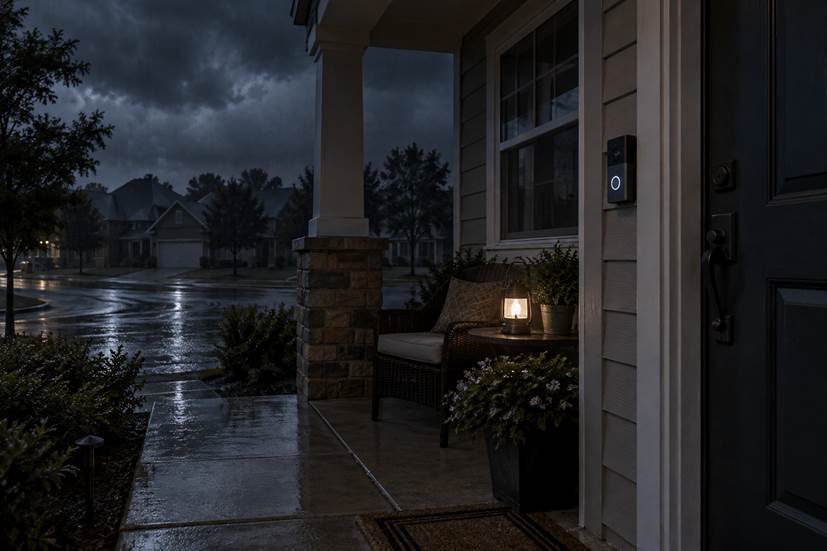
Alt: A video doorbell glowing during a storm-related power outage.
What Happens To A Wired Doorbell During A Power Outage?
A wired video doorbell normally draws power from the home’s electrical system through a doorbell transformer. When that supply drops out, the camera cannot keep operating in its usual way simply because it is connected to a wall circuit. The interruption is physical, not a software setting that can be corrected in the app.
That is why a standard wired model can stop recording, stop detecting motion, and stop sending notifications as soon as the relevant circuit loses power. The exact symptoms depend on the model and the rest of the installation, but the basic dependency is the same: no electricity reaches the doorbell, so its camera has no normal operating power.
A brief flicker can be confusing. The camera may reboot, miss an event, or appear in the app only after the router and service reconnect. Repeated short outages can also leave a device looking unreliable when the real problem is the sequence of restarts around it.
When Does Backup Power Help During An Outage?
A backup battery changes the first part of that chain. When household power disappears, the battery can keep the doorbell itself running for a limited period instead of making it go dark immediately. That can preserve some protection while a short outage passes or while the main supply is being restored.
The word “backup” sets the right expectation. It is a reserve for an interruption, not a replacement for the home’s electrical supply during a long outage. A doorbell using its camera, motion detection, storage, and network connection still consumes energy. The available operating time depends on activity, temperature, network conditions, and the model’s design. Backup power also does not guarantee that every feature will continue in the same form. A device may reduce activity, lose its chime, or stop remote access when another part of the home network is down.
What Happens If The Router Loses Power?
A doorbell can have electricity and still look dead in the app. The router may have lost power, its Wi-Fi may be unavailable, or the internet service may have dropped due to the local outage. In those cases, the camera cannot maintain a normal connection to a phone outside the home.
Before blaming the doorbell, check another device connected to the same network. If the router lights are off, a doorbell battery alone will not restore live viewing. A battery backup for the networking equipment can extend the connection, but it becomes a separate part of the outage plan and needs its own capacity.
Local storage changes what happens to recordings, but it does not automatically create remote access. A camera may save an event locally while the internet is unavailable and upload or display it only after the connection returns.
What Should You Check Before Choosing?
The right power arrangement depends on what outages look like at your address. A quick flicker during a summer storm creates a different need from a multi-hour interruption after a fallen line. Renters may prefer a simple recovery plan, while a homeowner in a storm corridor may care more about keeping a wired camera available through the first part of a power cut.
| Outage Condition | Local Recording | Live View | Phone Alerts |
| Doorbell, router, and internet powered | Usually available | Usually available | Usually available |
| Doorbell powered, router or Wi-Fi off | May continue, depending on the model | Unavailable | Unavailable |
| Doorbell power off, network powered | Unavailable | Unavailable | Unavailable |
| Doorbell backup on, internet unavailable | May continue, depending on local storage | Unavailable | Unavailable |
Once you know which part of the system may fail first, use the checklist below to match your backup plan with the features you actually need.
- Note whether the doorbell, router, and internet service usually fail together.
- Decide whether you need a live view, a local recording, a doorbell chime, or only a notification after service returns.
- Check whether the doorbell is wired-only or has a built-in reserve that supports limited operation.
- Confirm that the home has existing doorbell wiring and a transformer rated AC 16-24V and 10-40VA before choosing the S4. If the wiring is missing or the transformer is undersized, installation may require extra work.
- Consider how the camera behaves after power returns, including restart time and missed events.
This check keeps a backup battery in context. It may solve the doorbell’s loss of power while leaving the network problem untouched, which is still useful if local protection matters during a short interruption.
Which Doorbell Features Help During A Power Outage?
When a wired doorbell is the right fit for the entrance, the eufy Video Doorbell S4 combines wired power with a built-in 2,600mAh battery that provides backup during a power outage. The reserve is intended to keep essential protection available until power is restored, while the normal wired connection handles everyday operation and 24/7 recording. It does not promise unlimited recording during a prolonged outage.
The S4’s 4 GB of built-in eMMC storage lets it save footage locally without a monthly cloud plan or an active internet connection. However, remote alerts and remote viewing both require the network, so they remain unavailable until the router and internet service recover. Before choosing a wired doorbell for outage protection, think about how often your home loses power, whether the router can stay online, and whether local recordings are enough when remote access is unavailable.
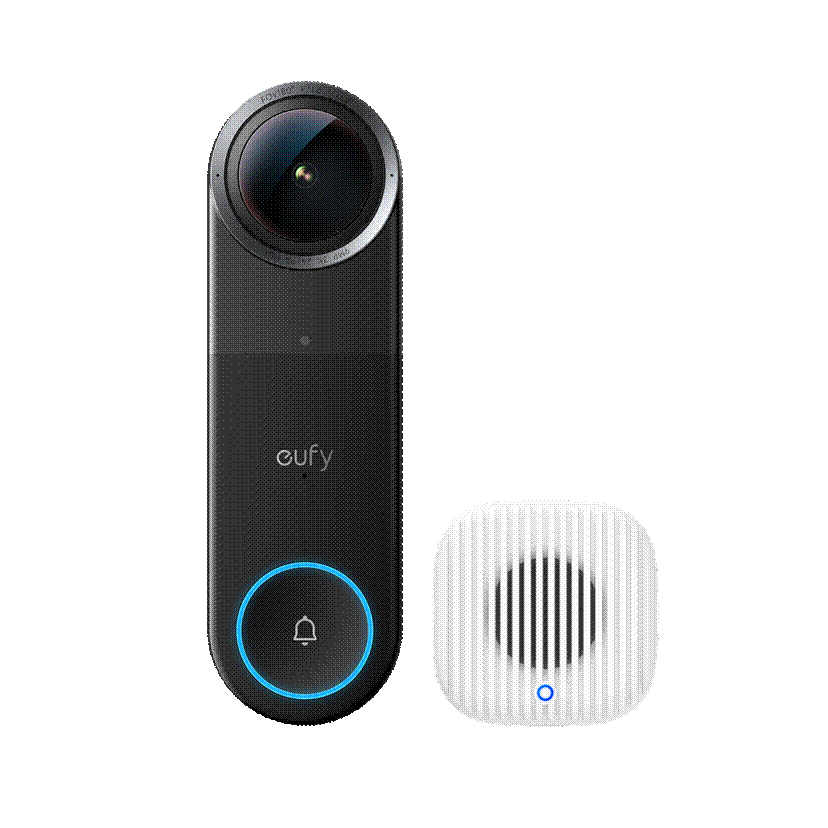
Alt: The eufy Video Doorbell S4 shown with its indoor chime
A video doorbell power outage can mean several different failures. The camera may lose household power, the router may stop carrying Wi-Fi, or the internet service may prevent remote access even while a local device still has electricity. These are related problems, but they need different fixes. A built-in battery can keep a wired doorbell working for a limited period during a short interruption. For some homes, that reserve is a practical part of outage preparation. For others, the router and internet connection deserve equal attention.


Finding reliable information about back pain can be challenging, especially when discomfort keeps returning despite trying different approaches. Many people search for exercises, lifestyle advice, and practical ways to improve their daily routines. However, not every resource offers information that is easy to understand or follow. A useful Healing Back Pain Book should provide a structured perspective on recovery, helping readers understand the different factors involved rather than focusing on just one solution.
- Why Does Choosing the Right Recovery Guide Matter?
- Three Important Areas a Recovery Guide Should Cover
- 1. Movement, Mobility, and Strength
- 2. Nutrition and Everyday Health Habits
- 3. Mindset and Consistency
- What Makes a Healing Back Pain Book Practical?
- Finding a Resource That Supports Better Understanding
Why Does Choosing the Right Recovery Guide Matter?
Movement, daily function and quality of life are all impacted by back pain. Those seeking answers often find answers that relate to stretching or particular exercises. Movement is a key component of physical wellness, but a more holistic view can help readers see how their life activities relate to one another.
A satisfactory recovery guide ought to clarify the concepts well while supplying practical details without guaranteeing certain outcomes. It should also understand that back pain is different in different people, and the treatment approach should be specific to the individual.
Three Important Areas a Recovery Guide Should Cover
A useful resource should consider more than physical exercises. Three areas worth understanding are movement, internal health, and mental performance.
1. Movement, Mobility, and Strength
Physical activity is essential for physical function. A recovery guide should show the reader about the movements, stability, mobility and strength.
For instance, walking form, squats or mobility exercises may be incorporated within a structured learning approach. People don’t need to choose the exercises at random; they should know what they are and what they are for, and how they belong in the exercise program. Personal physical restrictions and expert advice should all be taken into account in any exercise program.
2. Nutrition and Everyday Health Habits
Diet and other daily health practices should also be discussed. Hydration and nutrition relate to the overall well-being and thus are relevant to a larger physical health perspective.
There can be a guide that covers protein, fats, food choices, water, and gut health. When people are aware of these things, it can make them more conscious of their daily life and help them make better decisions concerning their overall well-being.
3. Mindset and Consistency
It can be challenging to follow a recovery program and stick with it, especially when recovery comes slowly. That’s why it’s important to focus on mental performance as well as physical activity and nutrition.
Habits, focus, mindset and time management topics can prompt readers to consider how to structure their day-to-day lives. A structured approach allows for easier following of a plan rather than a never-ending series of activities that changes direction with no clear direction.
What Makes a Healing Back Pain Book Practical?
A good Healing Back Pain Book should be well-organized, clear, and easy to understand. Readers should be able to revisit important concepts, follow practical guidance, and identify information that is relevant to their individual needs.
A structured learning approach can make complex health topics easier to understand and apply in everyday life. Readers looking for additional guidance may also explore a Back Pain Online Course to learn more about back pain management, mobility, and healthy recovery habits.
Learning resources may also include video lessons, educational materials, workbooks, and step-by-step learning plans. These formats can help readers understand key concepts and revisit important information at their own pace.
Finding a Resource That Supports Better Understanding
Before choosing a recovery guide, consider whether it covers movement, everyday health habits, and consistency. A balanced resource should offer realistic information rather than promising an overnight solution. The goal is to understand the different elements of back pain management and make informed decisions about the next steps.
Disclaimer: This article is for general informational and educational purposes only. It is not intended to provide medical advice, diagnosis, or treatment. Back pain and recovery needs vary from person to person. Consult a qualified healthcare professional for guidance based on your individual health needs.

Back Door Security: Why Your Sliding Door Is Often the Easiest Way In

How Better Project Visuals Can Strengthen Presentations to Buyers, Investors and Stakeholders

Modern Garden Design Trends That Make Outdoor Spaces More Beautiful

Alex Pettyfer Net Worth, Wife, Age, Height, Children, Career and More

Brad Williams Net Worth, Wife, Height, Age, Daughter, Family, Career and More

Eldorado.gg Review 2026: How It Works, Safety, Fees, and Risks
-
Celebrity11 months ago
Alex Pettyfer Net Worth, Wife, Age, Height, Children, Career and More
-
Celebrity11 months ago
Brad Williams Net Worth, Wife, Height, Age, Daughter, Family, Career and More
-
Blog3 months ago
Eldorado.gg Review 2026: How It Works, Safety, Fees, and Risks
-
 Anime12 months ago
Sanzoku Bandits of One Piece: Origins, Higuma, and Their Role in Dawn Island
-
 Celebrity11 months ago
John McGinn Net Worth, Age, Height, Wife, Childrens, Career and More
-
 Celebrity11 months ago
Frances de la Tour Net Worth, Age, Height, Husband, Childrens, Career and More
-
 Celebrity11 months ago
Will Trickett Net Worth, Wife, Childrens, Age, Career and More
-
 Anime12 months ago
Shimotsuki Ushimaru – The Last Daimyo of Wano Country Explained
Pingback: Cristher: A Guide to Spanish Outdoor Lighting - Binge Saga