
Entertainment
Smart Ideas for Creating a Durable and Low-Maintenance Outdoor Entertainment Area

Introduction
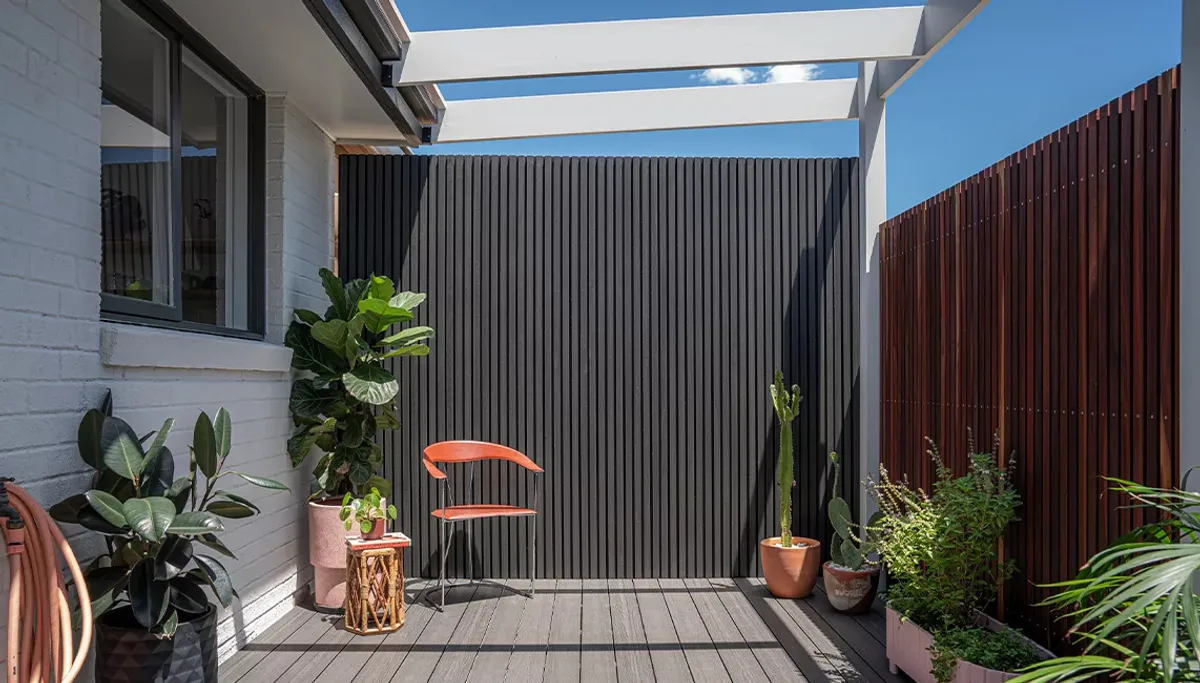
An attractive outdoor entertainment area can transform a backyard into a comfortable and practical extension of the home. Whether you enjoy hosting family dinners, organizing weekend gatherings, or simply relaxing outdoors after a busy day, a thoughtfully designed space can make these activities more enjoyable. Paved patios, garden walkways, seating areas, and decorative borders help create an organized landscape that combines functionality with visual appeal. With a wide selection of paving materials, colors, patterns, and finishes available, homeowners can develop an outdoor environment that complements their property’s architecture while meeting their everyday needs.Creating a durable outdoor space requires careful planning, appropriate materials, and attention to the conditions beneath the finished surface. The right paving system should support the intended level of use while providing effective drainage and a stable foundation. Professional backyard paver installation can help homeowners achieve a polished finish while reducing the risk of uneven surfaces, loose paving units, and premature deterioration. By considering the layout, soil conditions, maintenance requirements, and long-term purpose of the area before construction begins, it becomes easier to create an outdoor entertainment space that remains attractive, comfortable, and practical for years.
- Introduction
- Understanding the Benefits of a Paved Outdoor Area
- Choosing the Right Paving Materials
- Planning an Effective Outdoor Layout
- Preparing the Ground for Long-Term Stability
- Managing Drainage and Preventing Water Problems
- Exploring Attractive Paving Patterns
- Creating a Comfortable Entertainment Area
- Understanding the Installation Process
- Budgeting for a Paving Project
- Common Mistakes That Can Affect Durability
- Maintaining Pavers with Minimal Effort
- Why Professional Installation Is Worth Considering
- Conclusion
Understanding the Benefits of a Paved Outdoor Area
Paving provides a practical way to organize outdoor spaces and create clearly defined areas for different activities. A paved patio can accommodate outdoor dining furniture, comfortable seating, and decorative accessories, while pathways connect the patio with garden areas, entrances, and other parts of the property. Compared with an unprepared lawn or loose soil surface, a properly constructed paved area can provide a more consistent walking surface and a convenient place to arrange furniture. The right design can also reduce the amount of routine maintenance associated with muddy areas, worn grass, and uneven ground.Another advantage of pavers is the flexibility they offer when designing an outdoor landscape. Concrete pavers, natural stone, and brick products are available in numerous shapes, textures, and colors, allowing homeowners to choose a style that suits their preferences. Individual paving units can often be removed and replaced when localized repairs become necessary, provided the underlying system is accessible and the replacement materials are compatible. However, the long-term performance of a paved surface depends on proper excavation, base preparation, compaction, drainage, and edge restraints. Choosing suitable materials and following an appropriate installation method helps preserve both the appearance and functionality of the finished area.
Choosing the Right Paving Materials
Selecting the right paving material is one of the most important decisions in an outdoor improvement project. Concrete pavers are popular because they offer a broad range of shapes, finishes, colors, and thicknesses. They can create a contemporary appearance, imitate the texture of natural stone, or provide a traditional pattern that complements existing architectural features. Their suitability depends on the specific product and the expected level of use, so homeowners should review the manufacturer’s recommendations before choosing pavers for patios, walkways, or areas that may support vehicles.Natural stone provides a distinctive appearance through its natural variations in color, texture, and pattern. Depending on the stone type, it can create a refined patio, a rustic garden path, or a sophisticated entertainment area. Brick pavers offer another option for homeowners who prefer a classic appearance that works well with traditional landscaping and masonry features. Each material has different requirements for cleaning, sealing, weather resistance, and surface preparation. Comparing samples and reviewing maintenance recommendations before purchasing can help homeowners choose a product that balances appearance, durability, and long-term care.
Planning an Effective Outdoor Layout
A successful entertainment area begins with a layout that reflects how the space will be used. Homeowners should consider whether the main purpose is outdoor dining, casual seating, family activities, or a combination of different functions. A dining area requires enough room for a table, chairs, and movement around the furniture, while a lounge area may benefit from a more relaxed arrangement with sofas or individual chairs. Measuring the available space and preparing a basic design helps determine the appropriate dimensions and ensures that the finished layout does not feel overcrowded.The relationship between the paved area and the rest of the landscape is equally important. Pathways should connect the main entertainment space with entrances, gardens, and other useful areas without creating awkward turns or unnecessary obstacles. Existing trees, planting beds, drainage features, and exterior doors should be considered when planning the shape of the paving. During backyard paver installation, a well-defined layout makes it easier to establish reference lines, estimate material quantities, and maintain consistent alignment. Careful planning can also reduce cutting waste and help the finished design look balanced from different viewing angles.
Preparing the Ground for Long-Term Stability
The durability of a paved area depends heavily on the quality of its foundation. Before construction begins, the installation area should be cleared of vegetation, loose soil, roots, and construction debris. Excavation must provide enough depth for the pavers, bedding layer, and compacted base materials, with the required dimensions determined by soil conditions and expected use. Areas intended for heavier loads generally need a more substantial base than pedestrian-only patios and garden paths. A proper assessment helps determine whether the existing ground is suitable or requires additional preparation.Once the area has been excavated, the underlying soil should be shaped and compacted according to the requirements of the paving system. Weak or unstable sections may need to be removed or improved before aggregate is placed. The base material is typically installed in controlled layers and compacted with suitable equipment to create a stable supporting surface. Skipping this stage or using an inadequate base can lead to settlement, loose pavers, and uneven areas after repeated use. Taking the time to prepare the foundation correctly helps protect the investment and reduces the likelihood of costly repairs.
Managing Drainage and Preventing Water Problems
Proper drainage is essential for maintaining a durable outdoor entertainment area. Rainwater should flow away from building foundations and toward appropriate drainage points rather than collecting on the paving surface. The slope must be planned carefully so that water does not accumulate near doorways, outdoor seating, or other vulnerable areas. Poor drainage can contribute to surface staining, erosion beneath the pavers, and movement within the base. Before construction begins, homeowners should examine existing downspouts, drainage channels, garden slopes, and nearby paved surfaces to understand how water currently moves through the property.Some paving systems are designed to allow water to pass through the joints and into a specially prepared base, but not every paver installation provides this function. Permeable paving requires suitable products, compatible joint materials, and a drainage base designed for the surrounding soil and expected water flow. Conventional pavers should not be assumed to provide effective infiltration simply because they have joints between individual units. A qualified contractor can assess whether conventional drainage, permeable paving, or additional drainage features are appropriate for the project. Addressing these considerations during planning helps prevent recurring water problems after construction.
Exploring Attractive Paving Patterns
Paving patterns can make a significant difference to the appearance of an outdoor entertainment space. A running bond pattern creates a straightforward and timeless design, while a herringbone arrangement offers a distinctive visual effect and can be suitable for certain applications when the pavers and base are properly specified. Basketweave patterns provide a traditional appearance, and modular designs combine different paver sizes to create a coordinated layout. The pattern should suit the dimensions of the space, because an intricate design may require extensive cutting in a small area, while a simpler pattern can create a cleaner appearance across a larger patio.Decorative borders can help define the edges of a patio or separate different functional areas. Contrasting paver colors may create a striking outline, while closely matched shades provide a more subtle transition. Homeowners can also use paving to create visual connections between seating areas, pathways, and garden features. It is important to balance decorative choices with practical considerations, including walking comfort, drainage, furniture placement, and cleaning requirements. A carefully selected pattern adds personality to the outdoor space without making maintenance unnecessarily difficult.
Creating a Comfortable Entertainment Area
A well-planned entertainment area should provide sufficient room for furniture, movement, and everyday activities. Outdoor dining tables, chairs, benches, and lounge furniture can be arranged according to the size and intended purpose of the paved surface. Homeowners should leave clear walking routes between seating, entrances, and other outdoor features to prevent the area from feeling cramped. Furniture should be designed for outdoor use and selected to complement the paving material, surrounding architecture, and landscape colors. Comfortable seating and a practical layout help encourage regular use of the space.Additional features can improve the usefulness of the patio when they are planned carefully. Outdoor lighting can make the area easier to navigate after sunset, while suitable planters can introduce color and soften the appearance of hard surfaces. Shade structures may provide protection from direct sunlight, and an outdoor dining zone can make the space more suitable for family meals and social gatherings. Any fire feature, cooking appliance, or electrical equipment must be installed with appropriate safety clearances and according to the manufacturer’s requirements. Integrating these features into the original design helps create a more cohesive and functional environment.
Understanding the Installation Process
The installation process begins with accurate measurements and the establishment of reference lines. These lines guide the placement of pavers and help maintain the intended dimensions and pattern. After the ground has been excavated and the base compacted, edge restraints are installed where required to prevent the pavers from spreading outward. A suitable bedding layer is then prepared according to the selected paving system. For many conventional concrete paver installations, this involves screeding an appropriate bedding material over the compacted base to create a consistent surface for the paving units.Pavers are placed according to the planned pattern, with attention given to joint spacing, alignment, and edge details. Cutting may be necessary around corners, posts, drainage features, and other obstacles. The installer should use appropriate equipment and protective measures to complete these cuts safely and accurately. During backyard paver installation, frequent checks of the pattern and surface alignment help prevent small errors from affecting larger sections of the finished area. Once the units are positioned, compaction and joint filling are completed using methods and materials approved for the selected paver system.The final inspection should confirm that the surface is stable, the edges are properly restrained, and the drainage arrangements work as intended. The installer should check for damaged pavers, uneven areas, incomplete joints, and other visible issues before the project is considered complete. Joint materials should be installed according to the manufacturer’s directions, particularly when a product requires specific weather conditions or curing procedures. A thorough final review helps identify concerns while they can still be corrected easily. It also gives homeowners an opportunity to learn the recommended cleaning and maintenance practices for their new paved area.
Budgeting for a Paving Project
The overall cost of creating an outdoor paved area depends on its size, material selection, design complexity, labor requirements, and site conditions. Concrete pavers may offer a different price range from natural stone or specialized brick products, while intricate patterns can increase installation time and material waste. Excavation, removal of excess soil, base preparation, edge restraints, and drainage improvements can also affect the final cost. Homeowners should evaluate the entire project rather than comparing materials by purchase price alone, because proper installation is essential for achieving a durable surface.Obtaining a detailed estimate can help clarify the scope of work and prevent misunderstandings during construction. The proposal should identify the selected pavers, excavation depth, base materials, compaction method, bedding layer, joint filling, finishing, and cleanup. It is also useful to confirm whether drainage improvements and landscaping repairs are included. Setting aside a contingency allowance can help cover unexpected ground conditions or necessary adjustments. A complete estimate makes it easier to compare contractors based on the quality of their materials, installation methods, and overall workmanship rather than choosing an option solely because it has the lowest initial price.
Common Mistakes That Can Affect Durability
One of the most frequent paving mistakes is inadequate base preparation. Even high-quality pavers may shift or settle when installed over loose soil or an insufficiently compacted foundation. Another common problem is failing to install suitable edge restraints, which can allow the paving units to spread and create widening joints. Homeowners should also avoid using excessive bedding material to compensate for an uneven base, because this can contribute to inconsistent support beneath the pavers. Following an appropriate installation method and checking the work at each stage helps reduce these risks.Poor drainage, unsuitable materials, and incorrect joint filling can also shorten the service life of a paved area. Water should not be allowed to collect near foundations or repeatedly undermine the supporting layers. Pavers must be suitable for the intended traffic, and the joint material should be compatible with the selected system. During backyard paver installation, maintaining accurate levels and following manufacturer instructions helps create a stable and visually consistent result. Avoiding shortcuts during construction is generally more economical than repairing widespread settlement or replacing damaged sections later.
Maintaining Pavers with Minimal Effort
Routine maintenance helps keep paved surfaces clean and attractive without requiring excessive time or expense. Sweeping regularly removes leaves, dirt, and debris that can collect in joints or create slippery conditions when wet. Occasional washing with a suitable cleaning method can remove surface grime, although homeowners should avoid harsh chemicals or aggressive cleaning techniques that may damage the paver finish. Pressure washing, for example, can dislodge joint material or affect certain surfaces if the equipment is used incorrectly. Following the manufacturer’s cleaning recommendations helps preserve the appearance of the paving.Periodic inspections are also important for identifying loose units, missing joint material, damaged edges, and drainage concerns. Addressing minor problems early can prevent them from affecting larger sections of the paved area. Individual pavers may be replaceable when damaged, provided suitable matching materials are available and the underlying cause of the problem is corrected. Joint sand may require replenishment over time, depending on weather exposure, cleaning practices, and the product used. Keeping drainage channels clear and preventing unnecessary water accumulation helps support the long-term performance of the entire outdoor surface.
Why Professional Installation Is Worth Considering
Professional installation can be particularly useful for larger patios, complex patterns, uneven ground, and paved areas that must support heavier loads. Experienced contractors understand the importance of excavation, compaction, base thickness, drainage, and edge restraints. They can also recommend materials that suit the intended application and help develop a layout that minimizes unnecessary cuts and material waste. Skilled workmanship contributes to a more consistent finish and helps reduce the likelihood of uneven surfaces, loose joints, and premature deterioration.Before hiring a contractor, homeowners should review previous projects and request a written description of the proposed work. The estimate should explain the preparation method, base materials, paver specifications, drainage plan, joint materials, and finishing procedures. It is also useful to ask how unexpected ground conditions will be handled and whether cleanup is included in the agreed price. Comparing contractors based on experience, project details, and workmanship provides a clearer understanding of the value offered. Good communication before construction begins helps establish realistic expectations and supports a smoother installation process.
Conclusion
A durable and low-maintenance outdoor entertainment area begins with thoughtful planning, appropriate paving materials, and a stable foundation. Pavers offer a versatile way to create attractive patios, walkways, and gathering spaces that complement the home’s architecture while supporting everyday activities. The right layout, coordinated colors, and carefully selected patterns can enhance the overall appearance of the landscape without sacrificing practical functionality. Proper excavation, base compaction, drainage, and edge restraints remain essential for maintaining a level surface and reducing the risk of premature damage.Investing in quality backyard paver installation can help homeowners create an outdoor area that remains useful and attractive for years. Regular cleaning, periodic inspections, and timely repairs can further protect the finished surface and minimize long-term maintenance requirements. Professional assistance may be especially valuable when the project involves challenging ground conditions, intricate patterns, or surfaces designed to support heavier loads. By combining attractive design choices with correct construction techniques and consistent care, homeowners can develop a comfortable, practical, and inviting outdoor entertainment area that enhances their property’s usability and long-term appeal.


There is no single route into media.
- Quick Fact
- Journalism Still Starts With Reporting
- Specialist Reporters Build Knowledge Over Time
- A Reporting Career Can Move Fast
- Written Journalism Is Only One Part of the Job
- Television Rewards Clear Communication
- Expertise Can Lead Into Broadcasting
- Property Television Is a Good Example
- Practical Knowledge Makes Television Stronger
- Careers Rarely Stay in One Box
- Digital Publishing Changed the Rules
- Being Good on Camera Is Not Enough
- Research Matters Across Every Format
- Public Profiles Can Become Confusing
- Job Titles Matter
- Media Careers Need Adaptability
- Personality Helps, But Work Builds Longevity
- Different Careers Can Share the Same Core Skills
- Accuracy Matters More as Visibility Grows
- Audiences Want People Who Know Their Subject
- Media Careers Will Keep Crossing Platforms
- Final Thought
- FAQ
- Do all television presenters start in broadcasting?
- Why do journalists become specialist correspondents?
- Are newspaper journalists expected to appear on television?
- Why is professional experience useful for presenters?
- Can internships help start a media career?
- Why are media careers becoming more varied?
- Is personality enough for a long media career?
- What is the most useful skill across different media jobs?
Some people start with journalism.
Others arrive through design, property, fashion or another practical profession.
Then things change.
A newspaper reporter may begin appearing on television. A designer may become a familiar presenter. Someone hired for one specialist skill may eventually work across several formats.
That is normal now.
Modern audiences read, watch and listen in different places, so media professionals often need to do the same.
Quick Fact
A media career does not always begin in a television studio. Reporting, internships, design work, specialist knowledge, radio, production and practical industry experience can all lead to public-facing roles.
Journalism Still Starts With Reporting
Journalism has changed.
The basic work has not disappeared.
Reporters still need to find information, speak with people, check facts and explain what happened.
That sounds simple.
It often is not.
A national news story may involve several sources, conflicting accounts and tight deadlines.
A specialist correspondent has another challenge.
They need to understand the subject well enough to explain it quickly without losing accuracy.
That can take years of practice.
Specialist Reporters Build Knowledge Over Time
A general reporter may cover many subjects.
One day politics.
Next day crime.
Then perhaps an unusual local story.
Specialist reporting works differently.
A correspondent may spend much of their time following one area such as:
- business
- technology
- entertainment
- politics
- sport
- culture
- the Royal Family
This repeated work builds subject knowledge.
Names become familiar.
Institutions become easier to understand.
The journalist also learns which details matter to readers.
A Reporting Career Can Move Fast
Early career journalists often start with internships.
That gives them newsroom experience without immediately taking responsibility for the biggest stories.
They learn deadlines.
They see editing in practice.
They watch how reporters contact sources.
They also learn something that university cannot fully teach: how a newsroom behaves when a major story suddenly breaks.
A strong internship can lead to a reporting role.
Then specialist work may follow.
Readers interested in that route can see it in the career of Telegraph correspondent India McTaggart, who moved from journalism education and internships into news reporting before taking on specialist royal and entertainment coverage.
That is a fairly modern media path.
Start broad.
Build experience.
Then specialise.
Written Journalism Is Only One Part of the Job
A reporter once mainly needed to write.
Now that can be only the beginning.
Journalists may also appear in:
television interviews.
podcasts.
short online videos.
live news discussions.
social posts.
digital question-and-answer sessions.
This changes the skill set.
Writing allows time to shape a sentence.
Live broadcasting does not.
A reporter may have seconds to explain what happened and why it matters.
That takes practice.
Television Rewards Clear Communication
Television looks simple from the sofa.
It is not.
Presenters need to speak naturally while remembering timings, production instructions and the main purpose of the segment.
They may also need to react.
Something goes wrong.
A guest changes the subject.
A demonstration does not work.
Time suddenly becomes short.
The presenter still has to keep things moving.
That is why subject knowledge helps.
Someone who genuinely understands the topic usually has more room to react naturally.
Expertise Can Lead Into Broadcasting
Not every presenter starts as a journalist.
This is important.
Television needs people who understand the subject being shown.
Property programmes need people who can talk about homes.
Design programmes benefit from people who understand materials, interiors or restoration.
Consumer programmes may use specialists with practical experience.
This creates another route into media.
First build a skill.
Then learn how to communicate it.
Property Television Is a Good Example
Homes make strong television.
There is a clear beginning.
A property needs work.
There is a problem to solve.
Then viewers get to see the result.
But the presenter needs more than enthusiasm.
They have to understand why a room layout may fail, why a renovation could cost more than expected, or how an old item might be reused.
That practical knowledge makes the programme believable.
British daytime television has used this format for years.
Viewers recognise presenters because they repeatedly explain real renovation and design decisions in simple language.
A good example is BBC homes presenter Jacqui Joseph, whose television work connects property, interiors and upcycling with an earlier creative background.
The career route is different from newspaper reporting.
But communication sits at the centre of both.
Practical Knowledge Makes Television Stronger
Viewers can usually tell when someone understands the subject.
The conversation feels easier.
Advice sounds specific.
Questions become better.
This is why television often recruits people from outside traditional broadcasting.
A chef can become a presenter.
An architect can front a property series.
A doctor can explain health topics.
A designer can talk through an interior project.
Their original profession becomes part of the media role.
Careers Rarely Stay in One Box
People change.
So do opportunities.
A journalist may move into broadcasting.
A television presenter may write a book.
A designer may start making regular media appearances.
A radio host may move into podcasts.
It is basically the same skill travelling into another format.
Communication.
The platform changes.
The audience may change too.
Digital Publishing Changed the Rules
Traditional media once had clear boundaries.
Newspapers printed newspapers.
Radio stations broadcast audio.
Television channels made television.
Those boundaries are much weaker now.
Newspapers publish video.
Television programmes create social clips.
Radio shows become podcasts.
Presenters write online articles. Presenters write online articles. Writers and media professionals can
also use an AI Humanizer to refine AI-assisted drafts and make the
wording sound more natural before publication.
Reporters appear live on screen.
One media brand may now produce several versions of the same story.
That creates more opportunities for people who can work comfortably in several formats.
Being Good on Camera Is Not Enough
Visibility helps.
Expertise matters more.
Someone can speak confidently on television and still give poor information.
A strong media professional usually has something behind the presentation.
Reporting experience.
Research.
Industry knowledge.
Design skills.
Production experience.
Technical understanding.
These make the public-facing work stronger.
The camera is only the final layer.
Research Matters Across Every Format
Journalists research stories.
Property presenters research locations.
Documentary teams research subjects.
Podcast hosts prepare questions.
Even entertainment programmes need fact checking.
Poor research becomes obvious eventually.
A wrong date spreads.
A person’s role gets described incorrectly.
An old fact is presented as current.
Then other websites copy it.
This is how small mistakes grow.
Good media work slows that chain down.
Public Profiles Can Become Confusing
Search engines often mix several parts of someone’s career.
You may see:
old job titles.
current roles.
television credits.
social profiles.
copied profile pages.
interviews from years ago.
The result can look confusing.
Check dates.
A person may have genuinely held several roles, but not at the same time.
Career timelines help readers understand how one job led to another.
Job Titles Matter
Small wording differences can change meaning.
A reporter is not automatically a correspondent.
A contributor is not always a staff presenter.
A guest appearance is different from hosting a programme.
A designer appearing on television is not necessarily a full-time broadcaster.
These distinctions sound minor.
They are useful.
Clear job titles tell readers what the person actually does.
Media Careers Need Adaptability
A journalist working only in print twenty years ago may now need video skills.
A presenter may need to create social content.
A production specialist may need to understand online audiences.
Things move.
Professionals who keep learning have more options.
That does not mean everyone needs to become good at everything.
Specialist knowledge still has value.
The difference is that people now have more ways to share that knowledge.
Personality Helps, But Work Builds Longevity
Audiences like personality.
They also notice consistency.
One viral clip can create attention.
A long career usually needs more.
People return because they trust the presenter, enjoy the programme, value the reporting or find the information useful.
That reputation builds slowly.
Day by day.
Programme by programme.
Article by article.
Different Careers Can Share the Same Core Skills
A newspaper correspondent and a property television presenter may look like completely different professions.
In many ways, they are.
Still, several skills overlap.
Both need to:
understand their subject.
explain things clearly.
work under deadlines.
communicate with different people.
handle unexpected changes.
keep the audience interested.
That common base helps explain why people from very different professional backgrounds can build successful media careers.
Accuracy Matters More as Visibility Grows
The larger the audience, the further a mistake can travel.
This applies to journalism.
It applies to television.
It applies online.
A factual error published once can be copied hundreds of times.
That is why strong media work needs clear sourcing.
If something cannot be confirmed, do not make it sound certain.
Readers notice careful language.
Audiences Want People Who Know Their Subject
Modern viewers have choices.
A lot of them.
They can switch programmes.
Close the article.
Skip the video.
Find another podcast.
Useful knowledge gives them a reason to stay.
A reporter who understands a specialist beat can explain developments faster.
A practical presenter can show why a renovation choice works.
Expertise creates value.
Media Careers Will Keep Crossing Platforms
The old divisions are unlikely to return.
People increasingly move between written journalism, television, podcasts, online video and social platforms.
That does not mean every professional will work everywhere.
But the opportunity exists.
The strongest careers may continue to combine one clear area of knowledge with the ability to communicate it in more than one way.
Final Thought
There is no standard media career anymore.
Some professionals build their reputation through reporting and later move into specialist correspondence and broadcasting.
Others bring practical experience from design, property or another field and turn that knowledge into useful television.
The routes look different.
The basic idea is similar.
Know the subject.
Explain it clearly.
Keep learning.
And let the work build the reputation.
FAQ
Do all television presenters start in broadcasting?
No. Many presenters first work in another profession and later bring that specialist knowledge to television.
Why do journalists become specialist correspondents?
Repeated reporting in one area can build deeper knowledge, stronger contacts and a better understanding of the subject.
Are newspaper journalists expected to appear on television?
Not all are, but many modern reporters also contribute to video, television, radio or podcasts.
Why is professional experience useful for presenters?
It helps them explain practical decisions and respond naturally when discussing their specialist subject.
Can internships help start a media career?
Yes. Internships can provide newsroom or production experience and help people understand professional working practices.
Why are media careers becoming more varied?
Traditional media companies now publish across websites, television, video, audio, podcasts and social platforms.
Is personality enough for a long media career?
Personality can attract viewers, but knowledge, consistency, communication skills and reliable work usually matter over the longer term.
What is the most useful skill across different media jobs?
Clear communication is one of the strongest shared skills, especially when it is backed by real subject knowledge.

What Should You Know Before Moving to Mississauga?

How to Choose Durable Materials and Ensure Long-Lasting Protection for Your Home

Home Window Tinting: A Practical Guide to Better Privacy, Comfort, and Energy Efficiency

Alex Pettyfer Net Worth, Wife, Age, Height, Children, Career and More

Brad Williams Net Worth, Wife, Height, Age, Daughter, Family, Career and More

Eldorado.gg Review 2026: How It Works, Safety, Fees, and Risks
-
Celebrity10 months ago
Alex Pettyfer Net Worth, Wife, Age, Height, Children, Career and More
-
Celebrity10 months ago
Brad Williams Net Worth, Wife, Height, Age, Daughter, Family, Career and More
-
Blog2 months ago
Eldorado.gg Review 2026: How It Works, Safety, Fees, and Risks
-
 Anime11 months ago
Sanzoku Bandits of One Piece: Origins, Higuma, and Their Role in Dawn Island
-
 Celebrity10 months ago
John McGinn Net Worth, Age, Height, Wife, Childrens, Career and More
-
 Celebrity10 months ago
Frances de la Tour Net Worth, Age, Height, Husband, Childrens, Career and More
-
 Celebrity11 months ago
Will Trickett Net Worth, Wife, Childrens, Age, Career and More
-
 Blog2 months ago
Crackstube: A Complete Guide to the Digital Publishing Platform