
Blog
Crackstube: A Complete Guide to the Digital Publishing Platform


Crackstube is an online publishing site. It serves readers, writers, brands, and experts. It shares written content across several common fields. These include technology, business, professional services, home décor, and healthcare. The site also invites outside writers to submit original work for review.
The name may sound like a video or software site. That first guess can be wrong. The official platform describes itself as an article-based knowledge hub. It shares useful guides and industry ideas. It does not focus on files or media downloads.
What Is Crackstube?
Crackstube is a multi-topic digital publication. It gives readers free access to articles without forcing them to create an account. Visitors can move between topic pages and open posts that match their needs.
The platform also works as a place for guest authors. Writers, business owners, and specialists can pitch content to its editorial team. A submitted article must fit the site. It must offer clear value and meet the stated rules.
This two-sided model is simple. Readers get information. Contributors get a place to share knowledge and reach a wider group.
How the Publishing Model Works
The site follows a familiar online magazine model. Editors sort content into topic groups. Readers can then browse a category instead of searching through one long feed.
For contributors, the process starts with a draft or pitch. The editorial team checks the topic, quality, length, and purpose. The site says guest posts must be original, well researched, and at least 1,000 words. It also asks writers to avoid spam and unverified download links.
Once accepted, an article becomes part of the public content library. It can then be read on desktop or mobile devices.
Main Topics Readers Can Explore
Crackstube covers more than one niche. Its main public sections include technology, business, services, home décor, and healthcare. This broad mix can suit fans of practical guides. They do not need a new site for every subject.
Technology posts may discuss software, artificial intelligence, online tools, or digital trends. Business content may cover startups, marketing, management, or finance. Service articles can explain consulting, outsourcing, and business support.
The home section can include design and repair ideas. Healthcare content may discuss wellness, medical tools, and daily habits. Readers should still treat health posts as general information, not personal medical advice.
Why the Name Causes Confusion
The word “crack” has several meanings online. It can mean solving a hard issue or breaking a complex topic into small parts. It can also refer to illegal software changes. The word “tube” often makes people think of video sites.
That mix creates a branding problem. Some searchers may expect downloads, streams, or pirated files. The official site says that is not its purpose. It describes the brand as a written article site. It says it does not host keygens, installers, torrents, or cracked software.
Users should check the full domain before opening a result. Similar names can lead to unrelated websites.
The Reading Experience
A good content site should make reading easy. Pages need clear headings, short blocks of text, and useful topic labels. They should also work well on a phone.
Crackstube presents its content through category pages and standard web articles. The site says readers do not need a paid plan. Its public pages are open to all. The site also says no login is required for normal reading.
That open model removes a common barrier. A visitor can arrive from search, read the page, and leave without making an account.
Still, readers should judge each article on its own. A clean website does not make every claim correct. Good readers check dates, names, data, and expert advice before acting on a post.
Benefits for Writers and Professionals
Crackstube may appeal to writers who want a new place for their work. An expert can explain a task or answer a common question. They can also share lessons from real work.
A published article can also support personal branding. It gives the author a public page that may appear in search results. Brands may use such posts to explain a service. A post may also build trust or point to a useful source.
But strong guest content should not read like an advert. It needs a clear topic and a real answer. It should teach first. Promotion should remain limited and honest.
The best submissions usually have a narrow aim. They solve one problem, use plain words, and give steps the reader can apply.
Editorial Review and Content Standards
Open publishing can create quality issues. Low-value posts, copied text, and hidden sales pitches can fill a site fast. Editorial review helps reduce that risk.
The platform says it checks guest work before publication. Its listed rules ask for unique, researched articles of more than 1,000 words. Writers must pick the right category. They must also use images they own or may legally share. Spam and unverified links are not accepted.
Those rules set a useful base. Yet readers should remember that editorial standards can change. Contributors should read the current submission page before preparing a final draft.
Crackstube and SEO Exposure
Digital sites often attract brands. Their articles may rank in search results. A useful post may bring readers for months after it goes live. That can create referral traffic and wider brand reach.
Crackstube promotes guest publishing as a way to build topical authority and gain contextual links. This is the platform’s own marketing claim, so contributors should assess it with care. No website can promise a ranking, traffic level, or fixed SEO result.
A safe SEO plan starts with helpful content. The article should answer the search query in full. Any link should fit the sentence and help the reader. Forced keywords and repeated brand mentions can make the post weak.
Search engines reward usefulness, not a simple link count. A natural article has a better chance of earning trust.
Limits and Points to Check
A new site may have a smaller audience than a major news brand. Some topic sections may also contain more posts than others. That affects how much traffic a contributor may receive.
Writers should check the site before paying for or agreeing to any placement. Review recent posts, author names, page quality, update dates, and contact details. Confirm whether links are marked as sponsored when required.
Readers should also check who wrote an article. Look for clear sources when the topic covers health, money, law, or safety. These fields need stronger proof than a general lifestyle post.
And do not rely on the brand name alone. Use the correct domain and avoid unrelated sites that copy a similar name.
How to Submit an Article
The public contact page has a form for guest posts and partner requests. A writer can add contact details and choose a request type. They can then send a short pitch.
Before sending anything, choose one clear subject. Make sure it fits technology, business, services, home décor, or healthcare. Then prepare an original draft of at least 1,000 words.
Use short paragraphs. Add useful headings. Remove copied claims and empty filler. Check every fact. Images should be original, licensed, or free for the intended use.
A brief pitch should state the topic, reader benefit, and writer background. It should not make false traffic claims or promise results that no editor can confirm.
Conclusion
Crackstube is best understood as a digital publishing and reading platform. It offers free access to articles on many topics. It also accepts guest work that meets its rules. Its name can cause confusion. But the official site describes a text-based publication, not a crack-download service.
For readers, the main value is easy access to varied content. For writers, the appeal is a chance to publish useful work and reach new people. Both groups should still check quality, authorship, dates, and claims.
The platform may grow as its content library expands. Its long-term value will depend on steady editing, useful articles, clear ownership, and trust.
FAQs
Is Crackstube a video streaming site?
No. The official website presents itself as a written digital publication. It focuses on articles and guides across several categories.
Is the content free to read?
The site says its public articles are free to read. No account is required. Readers can open pages through normal web access.
Can outside writers submit content?
Yes. The contact page accepts guest-post pitches and partnership questions. Submitted work must meet the listed topic and quality rules.
What topics does the site cover?
Its main categories include technology, business, professional services, home décor, and healthcare. Other related topics may appear as the library grows.
Is Crackstube useful for SEO?
It may support exposure and referral traffic when an article is useful and relevant. But no placement can guarantee rankings, clicks, or sales.
Blog
Inside a China Eyewear Factory: How Eyewear Goes from Design and Material Selection to Mass Production


Have you ever wondered how a simple eyewear design becomes thousands of finished frames ready for international retailers?
- 1. Inside an Eyeglass Factory: Everything Starts with Product Design
- 2. Material Selection: Why Every Frame Factory Needs Different Production Capabilities
- 3. What Happens in the Frames Factory During Production?
- 4. Is a Lens Factory the Same as an Eyewear Factory?
- 5. From Sample Approval to Factory-Direct Eyeglasses Production
- 6. Quality Control: What Happens Before Finished Glasses Leave the Factory?
- 7. How to Find the Right Glasses Manufacturer Near You or in China
- Choosing a Manufacturing Partner for Your Next Eyewear Collection
Behind every pair of glasses is a manufacturing process involving design development, material preparation, precision machinery, skilled workers, assembly, and quality inspection.
A modern china eyewear factory is not simply a place where frames are assembled. It is part of a wider production ecosystem connecting raw material suppliers, component manufacturers, frame production facilities, lens suppliers, and international buyers.
Understanding how these operations work helps eyewear brands, importers, and distributors evaluate manufacturing partners more effectively.
Let’s take a closer look at what happens inside an eyewear manufacturing operation, from the first design discussion to the final packed product.
1. Inside an Eyeglass Factory: Everything Starts with Product Design
The manufacturing journey usually begins when a brand shares its design requirements, reference samples, sketches, or technical specifications.
The development team reviews important details such as:
- Frame shape and dimensions.
- Material selection.
- Color and surface finish.
- Hinge and temple construction.
- Lens size and fitting requirements.
- Target retail positioning.
The design is then converted into technical drawings or CAD specifications to establish the dimensions and construction requirements.
Before mass production, manufacturers generally develop samples so buyers can evaluate the appearance, comfort, fit, and construction.
A professional eyeglass factory should also identify manufacturing limitations early. A design may look attractive digitally but require adjustments to make it suitable for production.
2. Material Selection: Why Every Frame Factory Needs Different Production Capabilities
Material selection directly affects the manufacturing process, product characteristics, and final cost.
An experienced frame factory may work with several materials, but each requires different production techniques.
Acetate: Acetate sheets are cut into frame components using CNC machinery or other cutting equipment. The components are shaped, assembled, tumbled, and polished to achieve the desired finish.
Metal: Metal frames require processes such as stamping, bending, welding, plating, and component assembly. Precision is particularly important when connecting bridges, rims, temples, and hinges.
TR90 and injection materials: These thermoplastic materials are processed through injection molding. The molten material is injected into molds to create frame components, which are subsequently trimmed, finished, and assembled.
This is why choosing an optical factory with the right material specialization matters. A manufacturer experienced in acetate production may not necessarily have the same expertise in titanium or injection molding.
3. What Happens in the Frames Factory During Production?
Once the materials and specifications are approved, production begins.
Although the exact process varies by material and factory, a typical frame manufacturing workflow includes:
- Raw material inspection.
- Cutting, stamping, or molding.
- Component shaping and processing.
- Hinge and metal component installation.
- Surface grinding and polishing.
- Plating or coating where required.
- Frame assembly and adjustment.
- Intermediate quality inspection.
For example, acetate manufacturing involves several finishing operations to achieve smooth surfaces and consistent gloss. Metal production places greater emphasis on welding accuracy, structural strength, and surface treatment.
A well-organized glasses factory maintains inspection checkpoints throughout production rather than waiting until the frames are completely assembled.
4. Is a Lens Factory the Same as an Eyewear Factory?
Not necessarily. This is an important distinction for buyers entering the eyewear industry.
A lens factory manufactures lenses, while a frame manufacturer produces the physical eyewear structure.
Lens production can involve casting, surfacing, polishing, and coating, depending on the lens type and application.
For example, prescription lenses may require additional optical processing and edging before they can be fitted into frames. Sunglasses lenses may require tinting, polarization, or UV-protection specifications.
Some eyewear manufacturers purchase finished lenses from specialized suppliers, while others have access to affiliated or integrated lens operations.
Therefore, when evaluating a factory, ask whether lens manufacturing, lens sourcing, and final lens fitting are handled internally or by external partners.
5. From Sample Approval to Factory-Direct Eyeglasses Production
After the buyer approves the sample, the manufacturer prepares for bulk production.
This stage involves confirming the final specifications, order quantities, materials, colors, packaging, and production schedule.
For buyers seeking factory direct eyeglasses, working directly with a manufacturer can improve communication about product specifications and production changes.
However, direct factory purchasing does not automatically guarantee lower prices. The total cost still depends on order volume, materials, customization, tooling, and quality requirements.
Before mass production, buyers should confirm that the approved sample and production specifications are properly documented.
This reduces the risk of receiving bulk products that differ from the original sample.
6. Quality Control: What Happens Before Finished Glasses Leave the Factory?
Quality control is not a single inspection at the end of production.
A structured manufacturing operation may include:
- Incoming Quality Control (IQC): Checking raw materials and components.
- In-Process Quality Control (IPQC): Monitoring production stages.
- Final Quality Control (FQC): Inspecting completed products.
- Outgoing Quality Control (OQC): Verifying packaging, quantities, and shipping requirements.
Common inspection points include frame symmetry, hinge performance, surface defects, dimensional accuracy, lens fitting, and product specifications.
For sunglasses, appropriate UV-protection and other relevant performance tests should also be verified through suitable documentation.
The goal is to ensure that bulk production consistently matches the approved sample and agreed specifications.
7. How to Find the Right Glasses Manufacturer Near You or in China
When buyers search for eyeglasses frame near me or a glasses manufacturer near me, they are often looking for a convenient sourcing partner.
Local suppliers may offer easier communication and proximity. However, international buyers should not overlook specialized manufacturing ecosystems in China.
Searching for the glasses factory or a particular eyeglass factory in ventura may help identify local businesses, but buyers should first establish whether those businesses actually manufacture frames or simply operate retail stores, optical laboratories, or distribution facilities.
Similarly, brands researching fashion eye collections should evaluate design development, material options, and production consistency rather than relying only on product photographs.
Whether you choose a local supplier or an overseas manufacturer, verify its actual production capabilities, quality-control procedures, and commercial terms.
Choosing a Manufacturing Partner for Your Next Eyewear Collection
Understanding how eyewear moves from design to mass production makes it easier to distinguish between a genuine manufacturing partner and a supplier that simply resells finished products.
Hivision Eyewear, based in Wenzhou, China, provides OEM/ODM eyewear manufacturing services across acetate, metal, titanium, and injection materials.
For brands exploring factory sunglasses production or customized optical frames, evaluating the manufacturer’s material capabilities, sample development, production processes, and quality-control arrangements is essential.
You can explore Hivision’s eyewear product collections and sunglasses range to understand its product offerings.
Ultimately, the strength of an eyewear manufacturing partner is not determined by how large its factory looks. It is determined by how consistently it can transform approved designs and specifications into finished products that meet the buyer’s requirements.


Technology is evolving at a remarkable pace. Smartphones receive new features, artificial intelligence is changing everyday digital experiences, and connected devices are becoming part of homes, workplaces, and personal routines. While these developments create exciting opportunities, they also make it harder for ordinary consumers to understand which innovations are genuinely useful. Reliable technology journalism can help readers make sense of these changes.
Root Nation is a technology publication that helps readers explore the latest developments in consumer technology. Through news, reviews, comparisons, and practical articles, Root-nation.com gives technology enthusiasts and everyday users a place to learn about products and trends before making important decisions.
Making Technology Easier to Understand
New technology often comes with unfamiliar terminology and complicated specifications. A smartphone manufacturer might advertise an advanced processor, an impressive camera system, or a collection of artificial intelligence features. However, technical descriptions do not always explain how these features affect everyday use.
Useful technology journalism connects specifications with practical experiences. Instead of focusing only on numbers, a good review explains what a product can do, where it performs well, and what limitations consumers should consider.
This approach is particularly valuable for people who do not have a technical background. Clear explanations help readers understand whether a feature solves a real problem or simply adds another marketing point to a product description.
Helping Readers Evaluate New Products
Buying electronic devices can involve a significant financial commitment. Smartphones, laptops, tablets, televisions, and other gadgets may remain in use for several years, making research an important part of the purchasing process.
Independent product coverage can help consumers compare available options and understand differences that are not immediately obvious. For example, two smartphones may have similar camera resolutions but produce different results because of their sensors, image processing, lenses, and software.
Readers looking for detailed technology coverage can explore Root-nation.com to find product reviews, technology news, and practical discussions that provide additional context before a purchase.
Keeping Up With Emerging Technology
Artificial intelligence, smart home systems, wearable devices, and mobile innovations continue to influence how people interact with technology. Following these developments requires more than reading product announcements. Consumers also need explanations of how new features work and whether they offer meaningful advantages.
A technology publication can connect individual product releases with broader industry developments. This helps readers understand not only what has changed but also why those changes matter.
For example, the growth of AI features in smartphones raises questions about privacy, performance, battery consumption, and practical usefulness. Readers benefit from balanced coverage that considers both the advantages and potential limitations of these tools.
Why Balanced Technology Journalism Matters
Every new device is not necessarily the right choice for every consumer. A premium smartphone may offer excellent performance but still be unnecessary for someone who mainly uses messaging, browsing, and basic photography. Similarly, an affordable laptop may be perfectly suitable for everyday tasks even if it lacks the specifications required for professional workloads.
Balanced reviews help readers consider their actual needs instead of following marketing trends. They should explain strengths and weaknesses, distinguish measurable performance from personal preferences, and provide enough context for readers to reach their own conclusions.
Making Better Digital Decisions
Technology will continue changing how people communicate, work, study, shop, and entertain themselves. Staying informed can help consumers avoid unsuitable purchases and make better use of the devices they already own.
Publications such as Root-nation.com contribute to this process by bringing technology news, reviews, and practical information together in one place. For readers who want to understand modern devices beyond advertising claims, accessible and balanced technology journalism remains an important resource.

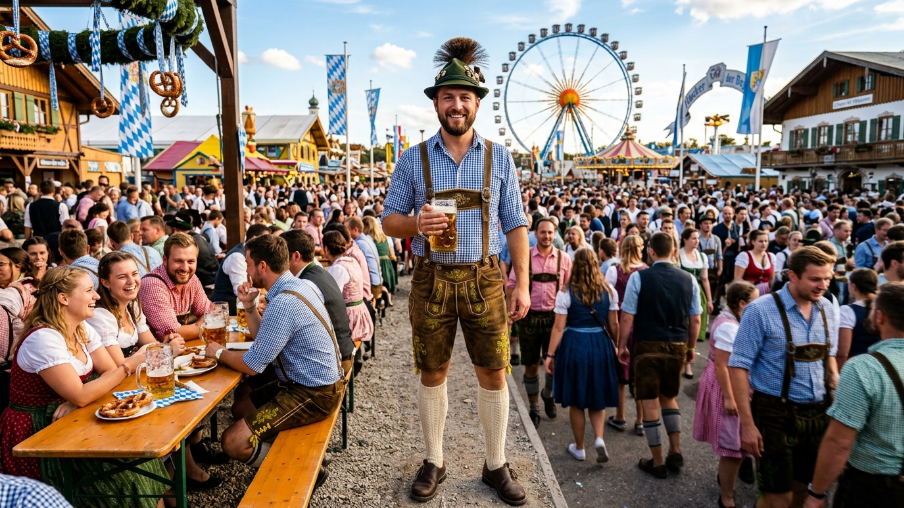
For men shopping specifically for guys oktoberfest costume options in 2026, the vocabulary itself signals particular considerations that differ from buyers using “traditional lederhosen” or “authentic Bavarian wear” terminology. The costume framing suggests focus on festival attendance rather than long-term heritage engagement, potentially prioritizing accessibility, affordability, and festival-appropriate styling over strict authentic construction. Understanding what distinguishes quality guys oktoberfest costume options from genuine costume-grade cheap alternatives, while maintaining accessibility for festival-focused buyers, helps ensure your Oktoberfest choice delivers appropriate value for your specific use case.
The important distinction: what marketing calls “costume” spans a substantial quality range from cheap Halloween-focused synthetic imitations at the bottom through legitimate festival-appropriate Bavarian wear at accessible price points. Buyers researching in the costume category should understand where their specific purchase falls within this range and what they’re actually getting relative to their expectations. Quality accessible-tier Bavarian wear delivers festival-appropriate character without demanding the investment premium associated with heritage-grade construction, and understanding this middle ground helps you avoid both extremes: cheap imitations that photograph poorly and disappoint, and premium investments that exceed what festival-focused wearers actually need.
The Costume-to-Authentic Quality Spectrum
Understanding where different products fall on the quality spectrum helps calibrate expectations appropriately. The bottom tier features synthetic materials designed to imitate leather appearance while being made from vinyl, PVC, or cheap fabric. These pieces cost $30 to $80 typically, photograph poorly under direct lighting that reveals the synthetic materials, and fall apart within one or two wearings. They serve one-time Halloween-adjacent Oktoberfest wear but disappoint anyone expecting multi-year utility or authentic photograph results.
The accessible entry-level tier features genuine leather construction at accessible price points, typically $100 to $200 for basic lederhosen with functional embroidery and standard hardware. These pieces photograph as real Bavarian wear, hold up across multiple wearings, and serve festival-focused buyers well without demanding the investment associated with heritage-grade construction. This tier represents the smart choice for most festival-focused buyers who want authentic character without maximum investment.
The mid-range tier at $200 to $400 delivers substantial deerskin or goatskin construction, detailed embroidered decoration, quality hardware, and finishing details that photograph beautifully across all lighting conditions. Buyers expecting multi-year Oktoberfest attendance across several years find mid-range delivers strong value with construction quality that improves with wear rather than degrading. Premium and heritage tiers above this exist but exceed what most festival-focused buyers need for practical Oktoberfest use.
Style Choices for Festival Attendance
Within accessible-tier Bavarian wear appropriate for festival attendance, several style choices affect the finished ensemble character. Brown deerskin or brown cowhide represents the safest first-purchase color, working universally across coordinating shirt and accessory options while photographing as classic Oktoberfest imagery. Darker chocolate brown appears in premium pieces but works well at accessible tiers too when quality construction supports the darker leather character.
Length selection between kurze (short, mid-thigh) and kniebund (knee-length) affects both the visual and practical experience. Kurze represents the standard Oktoberfest choice worn by the majority of attendees, providing the classic Oktoberfest silhouette and comfortable warm-weather wear. Kniebund suits cooler-weather attendance and wearers preferring more coverage without moving to full-length configurations. Most buyers choosing an october fest costume opt for kurze based on the standard Oktoberfest visual that dominates festival imagery.
Embroidery detail and complexity affects the finished character significantly. Basic accessible-tier embroidery features simpler motifs than premium hand-embroidered alternatives, though quality machine embroidery at this tier still photographs well and reads as authentic Bavarian construction rather than costume-grade decoration. Specific motifs including oak leaves, edelweiss, and simple regional crests appear on quality accessible pieces without demanding premium pricing.
Complete Festival Outfit Assembly
The lederhosen represents one piece of complete festival-appropriate Bavarian ensembles requiring coordinated supporting pieces. The essential coordinated elements include a proper Trachtenhemd (traditional shirt) in white cotton or checkered pattern (blue-and-white or red-and-white being most common), quality wool knee socks reaching just below the knee, sturdy leather Haferl shoes or acceptable alternative closed-toe leather footwear, and a proper Bavarian hat completing the ensemble visually.
For festival-focused buyers, the shirt choice often defaults to checkered patterns for practical staining resistance during long festival days when beer, food, and general festival activities inevitably contact clothing. Blue-and-white checks read as most traditional Oktoberfest; red-and-white checks work equally well and offer color variation. Solid white shirts photograph most formally but require more diligent stain management during actual festival attendance.
Additional accessories add authentic character to complete the visual: Charivari decorative chain across the front bib, quality leather belt worn over the lederhosen, and optional pocket accessories including traditional watches on chains and decorative pins from festivals attended. These smaller elements collectively distinguish complete festival ensembles from partial approximations, though budget-conscious buyers can add accessories over successive Oktoberfest seasons rather than requiring all elements at initial purchase.
Practical Sizing for Festival Comfort
Getting the sizing right specifically for festival attendance requires accounting for practical realities of Oktoberfest that differ from other clothing use cases. The lederhosen waist adjustment accommodates the substantial beer, sausage, and pretzel consumption characteristic of proper Oktoberfest attendance, but initial fit should be comfortable at your normal waist rather than requiring maximum adjustment from arrival. This provides adjustment room for the festival day itself.
The suspender configuration should provide comfortable weight distribution across shoulders without pulling during energetic movement including the standard beer tent dancing that emerges during specific songs (traditional customs include standing on benches during particular songs, requiring stable and comfortable ensemble configuration). Proper fit means the ensemble supports full festival participation rather than requiring adjustment or replacement during the day.
For international buyers ordering online, careful measurement matters more than for in-person shopping. Waist measurement at your natural waist (higher than typical modern trousers sit), inseam appropriate to your leg length, and shoulder measurement affecting suspender fit all deserve careful attention. Quality retailers provide detailed sizing guides converting between European and American measurement systems, and buyers should measure carefully rather than assuming standard trouser sizing translates directly.
Festival Etiquette and Wearing Norms
Beyond just having appropriate ensemble, understanding festival etiquette helps ensure your Oktoberfest experience matches your ensemble investment. Wearing proper traditional wear demonstrates respect for Bavarian heritage and the actual cultural context that Oktoberfest represents. Casual wearing approaches include treating the ensemble as everyday festival attire rather than costume, appropriate care for the pieces across long festival days, and recognizing that quality authentic wear reads as respect rather than pretense to Bavarian and German-heritage attendees.
Coordinating the ensemble with the specific event context matters. Munich Oktoberfest itself represents the most traditional context where authentic wear is genuinely appropriate and welcomed. Regional Oktoberfest celebrations in cities across the United States and internationally welcome quality Bavarian wear while accepting more variation in ensemble configuration. Local beer festivals with German or Bavarian themes similarly appreciate proper wear without demanding strict traditional configuration.
Photography during festival attendance benefits from ensemble configuration ready for camera capture throughout the day. Ensuring the shirt remains tucked, suspenders sit properly, hat coordinates with the overall visual, and accessories remain in appropriate position across the day supports quality photographs that become long-term memories of the festival experience.
Building Beyond Single-Event Use
Even buyers approaching Oktoberfest attendance as single-event costume purchase often discover that quality accessible-tier Bavarian wear delivers value across additional occasions beyond the single Oktoberfest attendance. American Oktoberfest celebrations occur across multiple weekends in September and October in various cities, and the same ensemble works for multiple attendance opportunities within a single autumn season. Family Bavarian gatherings, German-American cultural events, and various themed occasions provide additional wear contexts.
For buyers whose Oktoberfest experience proves engaging enough to warrant continued Bavarian heritage engagement, the accessible-tier initial purchase often becomes the foundation for gradual wardrobe expansion. Adding coordinating pieces, upgrading specific components after establishing continued interest, and building toward complete year-round Bavarian heritage wardrobes represents the pathway many committed heritage wearers follow from initial festival-focused purchases.
The gradual expansion approach delivers substantially better value than either single-event costume purchasing or immediate premium investment. Building based on actual experience matches your specific engagement patterns rather than committing speculatively to either extreme, and the accessible-tier starting point provides genuine construction that supports the transition to expanded heritage engagement over time.
Frequently Asked Questions
What’s the difference between costume and authentic lederhosen? Real leather construction versus synthetic imitation. Quality accessible-tier costume options at $100 to $200 use real leather and photograph as authentic; cheap synthetic imitations at $30 to $80 do not.
How much should I spend on my first Oktoberfest costume? $150 to $300 delivers strong accessible-tier value with genuine leather construction and appropriate festival-focused character.
Does the shirt color matter? Yes. Checked patterns hide staining better during long festival days. White photographs most traditionally but requires more diligent stain management.
Can I wear an Oktoberfest costume to non-festival events? Absolutely. Quality Bavarian wear works at cultural events, German-American gatherings, and any occasion where heritage character suits the context.
How long will accessible-tier lederhosen last? With proper care, 10 to 20 years or more. Quality genuine leather improves with wear rather than degrading.
Should I buy locally or order online? Online quality retailers offer substantially more variety than most local stores. Careful measurement supports successful online purchase.
For men shopping guys oktoberfest costume options in 2026, understanding the quality spectrum from cheap synthetic imitations through authentic accessible-tier construction helps ensure your purchase matches your specific use case. Quality genuine leather construction at accessible price points delivers festival-appropriate authenticity without demanding premium investment, and complete october fest costume ensembles built around this foundation provide multi-year value across multiple festival attendance opportunities. Choose authentic accessible-tier construction over cheap synthetic imitation, coordinate the complete ensemble with appropriate shirt, footwear, socks, and hat, and treat the purchase as potential foundation for continued Bavarian heritage engagement rather than strictly single-event costume acquisition.

Where to Buy Indian Grocery Essentials for Thanksgiving Dinner in the USA

How to Scope an AI MVP That Users and Investors Take Seriously

Inside a China Eyewear Factory: How Eyewear Goes from Design and Material Selection to Mass Production

Alex Pettyfer Net Worth, Wife, Age, Height, Children, Career and More

Brad Williams Net Worth, Wife, Height, Age, Daughter, Family, Career and More

Eldorado.gg Review 2026: How It Works, Safety, Fees, and Risks
-
Celebrity11 months ago
Alex Pettyfer Net Worth, Wife, Age, Height, Children, Career and More
-
Celebrity11 months ago
Brad Williams Net Worth, Wife, Height, Age, Daughter, Family, Career and More
-
Blog3 months ago
Eldorado.gg Review 2026: How It Works, Safety, Fees, and Risks
-
 Anime12 months ago
Sanzoku Bandits of One Piece: Origins, Higuma, and Their Role in Dawn Island
-
 Celebrity11 months ago
John McGinn Net Worth, Age, Height, Wife, Childrens, Career and More
-
 Celebrity11 months ago
Frances de la Tour Net Worth, Age, Height, Husband, Childrens, Career and More
-
 Anime12 months ago
Shimotsuki Ushimaru – The Last Daimyo of Wano Country Explained
-
 Celebrity12 months ago
Will Trickett Net Worth, Wife, Childrens, Age, Career and More
Pingback: VocalNewsMedia com: Content, Reliability, Safety, and Key Features - Binge Saga
Pingback: What Is CDiPhone? A Simple Guide to Its Main Meanings - Binge Saga
Pingback: cnlawblog.com: A Clear Guide to Its Content, Purpose, and Value - Binge Saga