Blog
Eldorado.gg Review 2026: How It Works, Safety, Fees, and Risks

Eldorado.gg is an online marketplace made for people who trade digital gaming goods and services. Buyers can look for game currency, accounts, items, skins, top-ups, and boosting offers. Sellers can list these products and compete on price, delivery time, and feedback.
- What Is Eldorado.gg?
- What Can You Buy on the Platform?
- How Does Buying Work?
- How Does TradeShield Protection Work?
- Are Gaming Accounts More Risky?
- Is Eldorado.gg Legit or a Scam?
- What Should Buyers Check Before Ordering?
- What Should Sellers Know?
- What Are the Main Risks?
- How Does Customer Support Fit In?
- Who May Find the Marketplace Useful?
- Cocluison
The site does not act like a normal game store. It connects buyers with independent sellers and manages the payment process between them. That setup gives users more choice, but it also means the quality of each order can vary. The company says it was founded in Vilnius, Lithuania, in 2018.
This guide explains how the marketplace works, what people can buy, how its protection system works, and what risks users should know before placing an order.
What Is Eldorado.gg?
Eldorado.gg is a peer-to-peer marketplace for digital game goods. It was founded in 2018 in Vilnius, Lithuania. The company says the marketplace grew from earlier RuneScape gold trading and later expanded into many other games and product types.
The platform acts as a middle layer between buyers and sellers. It does not claim to own every item or account listed on the site. Instead, sellers create offers while the marketplace provides payment tools, order pages, feedback, and dispute support.
This model can make trading easier than arranging a deal through social media or a private chat. Still, users should judge each offer and seller on its own record.
What Can You Buy on the Platform?
The marketplace covers several types of gaming products. One major category is in-game currency. This may include gold, coins, credits, or other forms of value used inside supported games.
Users can also find gaming accounts. These may range from basic accounts to profiles with progress, ranks, characters, or unlocked content. The exact offer depends on the game and seller.
Items are another major category. These can include skins, weapons, resources, cosmetics, or other tradable game assets. Boosting services are also available. A buyer may pay a skilled player to help with rank, levels, challenges, or account progress.
How Does Buying Work?
Buying on Eldorado.gg starts with choosing a game and product category. The buyer can then compare offers from different sellers. Price is one factor, but it should not be the only one.
Seller feedback, completed orders, delivery speed, and listing details can all matter. A low price may look attractive. Yet a well-rated seller with a clear listing may offer a smoother deal.
After payment, the order moves through the platform’s trading system. Under TradeShield, funds can be held while delivery takes place. Payment is then released under the marketplace’s order process after successful delivery.
How Does TradeShield Protection Work?
TradeShield is the marketplace’s buyer and seller protection system. For buyers, Eldorado.gg says funds are held until the order is delivered and confirmed. If a seller does not deliver, or the product does not match the listing, a dispute can be opened.
During a dispute, payment can be frozen while the issue is reviewed. The platform states that eligible cases involving non-delivery or an item that differs from the listing can result in a full refund.
This system reduces some of the risks found in direct person-to-person trades. It does not remove every risk. Buyers still need to follow the correct order process and keep communication inside the platform when required.
Are Gaming Accounts More Risky?
Account purchases need more care than simple currency or item orders. An account can stop working, get banned, or be recovered after a sale. That makes long-term access harder to judge.
The platform’s current account rules state that account orders come with a TradeShield protection period. The stated period can range from 5 to 14 days. If an account stops working, is banned, or is recovered during that period, the buyer may be able to seek a refund under the platform’s rules.
That protection has limits. Problems that appear later may be harder to resolve. Buyers should also read the rules of the game itself before purchasing an account.
Is Eldorado.gg Legit or a Scam?
Available evidence shows that Eldorado.gg operates as a real gaming marketplace rather than an anonymous scam website. It has operated since 2018, maintains a public help center, and has a large amount of customer feedback.
As of August 2026, Trustpilot shows a 4.4 out of 5 TrustScore and more than 268,000 reviews for the company. Most displayed ratings are positive, but the profile also contains negative reviews. Trustpilot also notes that anyone can write a review, so reviews should be treated as one source of information rather than a guarantee.
A 2026 Eneba Hub review also describes the marketplace as legitimate. However, that article carries an affiliate disclosure and warns about account recovery risks and game rules. This is a useful reminder that a legitimate platform does not make every trade risk-free.
What Should Buyers Check Before Ordering?
A buyer should first read the full offer. Check the game, region, platform, server, amount, and delivery method. For accounts, look for clear details about access and any limits.
Seller history also matters. A long record of completed orders can provide more information than a new profile with little activity. Ratings and written feedback can help show how a seller handled past trades.
Buyers using Eldorado.gg should keep order communication on the marketplace. This creates a record that may help if a dispute starts. Moving a deal to an outside chat or payment method may make a problem harder to prove.
What Should Sellers Know?
Selling through Eldorado.gg requires more than posting an offer. The platform states that people who want to become sellers must complete an identity verification process before approval.
Sellers also pay fees on many completed orders. Current standard rates listed by the help center include 5% for currency and 10% for items, accounts, and boosting. Some games and categories have different rates, so sellers should check the current fee page before setting a price.
Clear listings are important. Account sellers must disclose limits and provide the access required by platform rules. Sellers who mislead buyers, recover sold accounts, or break account rules can face refunds, listing removal, or suspension.
What Are the Main Risks?
The first risk is seller quality. Because Eldorado.gg uses third-party sellers, service can vary. Delivery may be fast in one order and slower in another.
The second risk comes from game publisher rules. Some games restrict real-money trading, account sales, boosting, or outside marketplaces. A deal can follow marketplace rules while still breaking the terms of a specific game. This may create a risk of warnings, lost items, account limits, or bans.
There is also a long-term access risk with accounts. A short protection window cannot promise that an account will remain accessible forever. Buyers should understand this before spending a large amount on a gaming profile.
How Does Customer Support Fit In?
Eldorado.gg provides a help center covering buying, selling, refunds, TradeShield, seller rules, and account orders. The company also advertises 24/7 support and dispute help for marketplace transactions.
For account disputes, the platform has a set process. Buyers may need to contact the seller first. They may also need to provide screenshots or other proof. The platform says some account disputes can take up to three days to resolve when both sides cooperate.
Good records can make a dispute easier to review. Buyers should save order details, use the official chat, and report problems within the stated protection period.
Who May Find the Marketplace Useful?
Eldorado.gg may appeal to players who want to save time spent earning currency or game progress. It can also interest people who want to compare many sellers in one place instead of arranging private deals.
Sellers may use the marketplace to reach a wider group of buyers. Its rating system, order tools, and payment structure can make selling more organized than informal person-to-person trading.
The service will not suit everyone. Players who want to avoid the risks linked with third-party trading may prefer official game stores and approved in-game systems.
Cocluison
Eldorado.gg is an established peer-to-peer marketplace for game currency, accounts, items, and services. Its TradeShield system, seller feedback, help center, and order process add safeguards that private trades may not offer.
Those safeguards do not make every purchase risk-free. Users still need to check the seller, read the listing, understand the protection period, and review the rules of the game involved.
For buyers who decide to use a third-party gaming marketplace, careful seller selection and use of the official order system are sensible steps. A neutral view is simple: the service is a real marketplace, but the safety of a specific transaction still depends on the product, seller, and game rules.

Outfit transition videos have become one of the most addictive formats on social media — a single snap of the fingers, a spin, or a blink, and suddenly the outfit completely changes. What used to require quick-Changing costume tricks and careful editing can now be built directly from still photos using AI technology.
- What Is Eldorado.gg?
- What Can You Buy on the Platform?
- How Does Buying Work?
- How Does TradeShield Protection Work?
- Are Gaming Accounts More Risky?
- Is Eldorado.gg Legit or a Scam?
- What Should Buyers Check Before Ordering?
- What Should Sellers Know?
- What Are the Main Risks?
- How Does Customer Support Fit In?
- Who May Find the Marketplace Useful?
- Cocluison
Dreamina, powered by its latest and most advanced image to video generation model, Seedance 2.5, lets anyone turn a couple of outfit photos into a slick, seamless transition clip without touching a single video editing timeline.
Considering wardrobe availability before filming
Since the format relies entirely on existing photos rather than live footage, it helps to pull from a wardrobe that’s already been photographed cleanly in the past, rather than scrambling to shoot new reference images specifically for the video, which can slow down the whole process considerably.
Why outfit transitions are so watchable
There’s something almost hypnotic about a clean transition — the eye expects one thing and gets another instantly. That small surprise is exactly why this format keeps performing well across platforms, and it’s a format built entirely around a satisfying visual snap rather than a long, drawn-out narrative.
What makes a transition feel genuinely seamless
A few details separate a transition that lands from one that feels choppy:
- A consistent pose and camera angle across both outfit photos
- A clear trigger moment, like a snap, spin, or hand wave, that cues the change
- Lighting that stays consistent so the switch doesn’t feel jarring
Snapping into a new look: Three steps with Dreamina
Step 1: Upload your outfit photo and describe the transition
Visit Dreamina and sign in, then head to the “AI Video” section. Click “Add reference image” to upload your photo, then add your prompt to describe the video.
For a 30-second video, try: Using the person and streetwear outfit from the reference image, generate a 30-second video: the person standing confidently, then snapping their fingers as the outfit instantly transitions into an elegant evening look, a quick flash of light marking the change, and the camera holding a steady frame throughout to keep the transition clean.
Step 2: Generate your transition with Seedance 2.5
After adding your image and prompt, choose the Seedance 2.5 model for generation. Next, choose the video length, then a suitable aspect ratio — pick 16:9 for YouTube or 9:16 for TikTok. Finally, click Dreamina’s icon and wait a few seconds for processing.
Step 3: Polish and post your finished clip
Polish your video before saving it with Dreamina’s AI editing tools. Use advanced AI tools like Upscale for higher resolution or Generate soundtrack for adding audio. Finally, export and share it on social media platforms.
Reusing the same format across different themes
Once an outfit transition template works well, the same structure, snap, spin, or hand wave can be reapplied to entirely new outfit pairings without needing to rethink the format from scratch, making this an easy way to turn into a recurring content series.
Choosing outfit combos that pop on screen
Not every pairing creates equal impact. Outfits with a strong contrast in color, formality, or style tend to produce a far more satisfying transition than two looks that are visually similar, since the switch needs to actually register at a glance for the format to work.
Seedance 2.5: Precision behind the perfect snap
Reduced “AI look” for believable fabric and texture
Outfit transitions live or die on how convincing the clothing looks mid-change, and Seedance 2.5 has significantly reduced the artificial texture that used to make generated fabric look stiff or synthetic.
Handling consistent poses across the transition
The model addresses the “twin” duplication issue and helps maintain consistent facial features and body positioning, which matters enormously in a format where the same person needs to look identical before and after the switch.
Precise local editing
Local editing allows small distracting elements, like a stray background object, to be removed without regenerating the entire transition clip.
Longer clips for multi-outfit sequences
Native generation supports clips up to 30 seconds, with the “Ultra-long Video Generation (beta)” mode extending that range up to 180 seconds, enough room to chain together several outfit changes in one continuous video.
Timing the transition for maximum impact
The exact moment a transition lands matters just as much as the outfits themselves. Syncing the switch to a beat drop or a specific sound effect during editing tends to make the reveal feel more satisfying than a transition placed at a random point in the clip.
Building a multi-look video from several outfits
A single transition is fun, but stringing several together — casual to formal to athletic to glamorous — turns a simple clip into a genuine style showcase, giving viewers a reason to watch the full video rather than just the first switch.
Common mistakes that undercut a transition
A handful of habits tend to weaken otherwise strong results:
- Using outfit photos taken from noticeably different angles or distances
- Choosing looks that are too visually similar to register as a real change
- Skipping sound design, which often does half the work of selling the moment
Where these outfit transition videos perform best
This format works especially well for fashion and styling content, personal brand social pages, thrift and secondhand fashion promotion, and clothing brand marketing, where a quick, satisfying visual switch often earns far more engagement than a standard styled photo post.
Final thought
An outfit transition was always about that split-second of surprise. With Dreamina and the seamless precision behind Seedance 2.5, that surprise can now be built directly from still photos, giving anyone the tools to create the kind of snap-change video that used to require a full production crew.
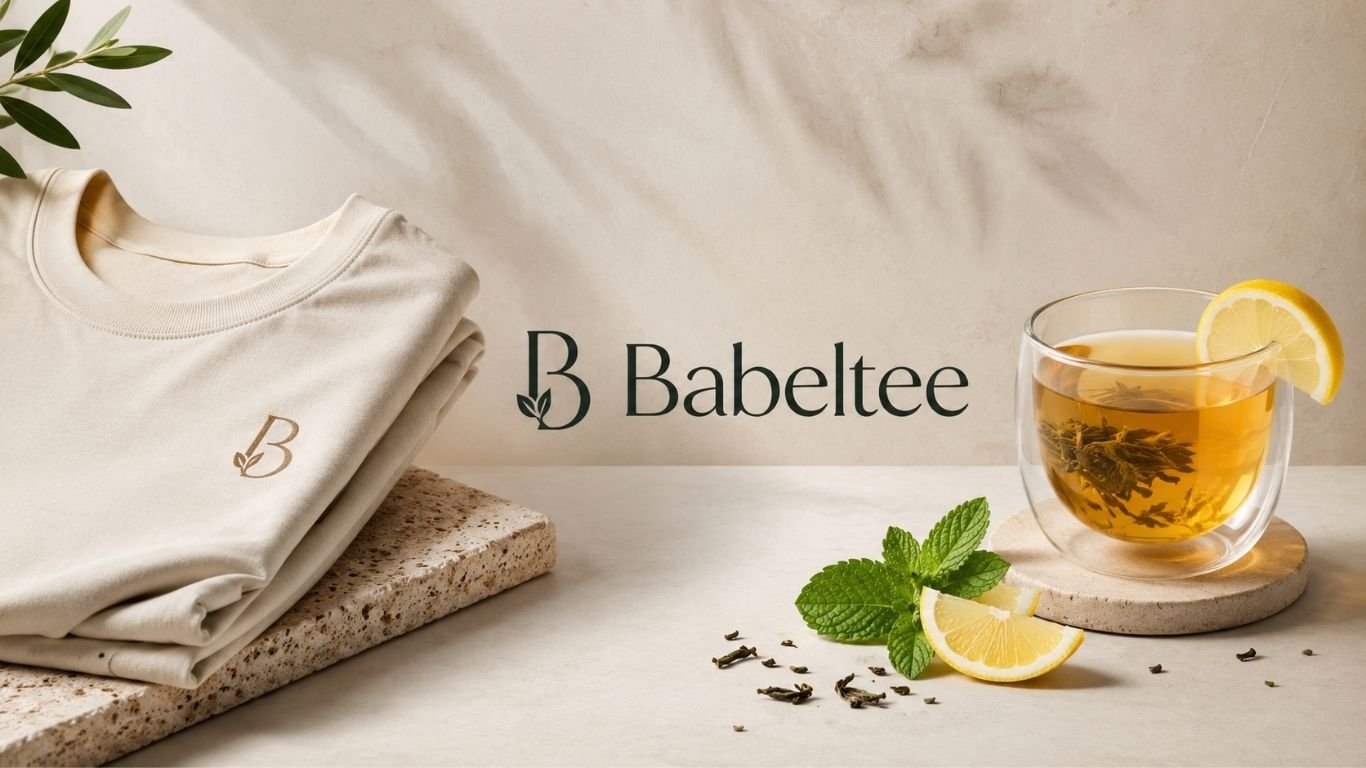
Babeltee is a new online term that can be confusing at first. A search for the name brings up fashion pages, tea guides, and general digital content. There is no single, widely accepted meaning that covers every use of the word. That makes context very important when you see it on a website, social post, or product page.
- What Is Babeltee?
- Why Is the Name Getting Attention Online?
- Is It a Fashion Name or a Tea Term?
- Understanding the Fashion Meaning
- Understanding the Tea Meaning
- How to Tell What a Page Means
- Is There One Official Brand Behind the Name?
- What Should Shoppers Check Before Buying?
- What Should Tea Drinkers Check?
- Why Context Matters for Search Results
- Could the Meaning Change Over Time?
- Final Thoughts
The safest way to understand the term is to look at where it appears and what the page is offering. Some sources use it as a style or T-shirt concept. Others use it for a flexible tea drink. A few sites treat the name as a broad digital identity. Because these uses do not fully match, readers should avoid assuming that every result refers to the same brand or service.
This guide explains the main meanings found online. It also shows how to judge pages, products, and claims linked with the term.
What Is Babeltee?
Babeltee does not yet have one clear definition across the web. The exact-match UK site presents the term as a modern T-shirt and fashion idea. It links the name with clean design, comfort, and simple styling. Other recent publishers use the same word for a customizable tea concept made with tea bases, fruit, herbs, milk, or sweeteners.
This split matters. It means the word can point to different topics depending on the search result. One page may discuss clothing, while another may explain a drink. Before you trust a claim, check the page topic, author, product details, and contact information.
Why Is the Name Getting Attention Online?
Unusual names often attract clicks because people want to know what they mean. The word is short, easy to remember, and close to several familiar terms. It can sound like “bubble tea,” while the ending “tee” can also suggest a T-shirt.
That overlap may explain some of the search interest. People can reach the term through a typo, a brand-style name, a fashion post, or a tea article. Search engines then group many types of pages around the same word.
This is common with newer online terms. A name can spread before one fixed meaning becomes dominant.
Is It a Fashion Name or a Tea Term?
At the moment, both uses appear online. The UK domain built around the name mainly frames it as a fashion idea. Its pages discuss T-shirts, fabric, fit, simple graphics, and custom apparel.
Other recent articles use the word in a drink setting. These guides describe a loose tea concept rather than a formal recipe. They often suggest starting with black, green, herbal, matcha, or fruit tea and then adding flavors based on personal taste.
So the answer depends on the source. There is not enough consistent evidence to treat all uses as one official product category.
Understanding the Fashion Meaning
In fashion-focused pages, Babeltee is linked with simple T-shirt design. The idea centers on comfort, clean looks, easy styling, and clothing that works in more than one setting.
That can include plain shirts, small graphics, soft fabrics, neutral shades, or custom prints. The concept fits a wider trend toward basic pieces that can be worn with jeans, trousers, jackets, or layered outfits.
Still, shoppers should look beyond broad style claims. Check the actual fabric, size chart, print method, return terms, shipping details, and seller identity before buying.
Fabric and Fit Matter Most
A T-shirt can look good in photos and still feel poor in daily use. Cotton weight, stitching, neck shape, sleeve length, and shrinkage all affect comfort.
Look for clear product details. Good sellers should explain what the shirt is made from and how it should be washed.
Understanding the Tea Meaning
Some current sources describe Babeltee as an informal name for a custom tea drink. In this use, there is no fixed recipe. The drink can change based on tea type, fruit, herbs, milk, ice, sweetener, and toppings.
That makes it different from a strict traditional drink with set rules. It is closer to a flexible idea for building a tea that matches your taste.
It is also important not to confuse this use with bubble tea. Bubble tea is an established Taiwanese drink commonly linked with tea and tapioca pearls, while current sources do not identify the newer term as a formal drink category with the same defined background.
What Could Go Into the Drink?
A simple version may start with black or green tea. You can then add lemon, berries, mint, milk, honey, or another sweetener.
If you buy a drink under this name, ask what is inside it. Caffeine, sugar, dairy, and allergens can vary from one recipe to another.
How to Tell What a Page Means
The fastest way to understand Babeltee is to study the page around the word. If you see size charts, shirts, fabric, prints, or outfit photos, the page is probably using the fashion meaning.
If the page talks about tea leaves, fruit, milk, ice, or toppings, it is using the drink meaning. If neither group appears, the term may simply be a site name, project label, username, or search keyword.
Do not rely on the name alone. The surrounding words usually tell you far more than the brand-like term itself.
Is There One Official Brand Behind the Name?
Current public results do not show one clear global owner that controls every use of Babeltee. The same term appears in unrelated content types. Even exact-match web pages do not create a single shared definition.
That does not mean every page using the word is false. It only means readers should separate each use and judge it on its own evidence.
If a site claims to be an official seller or platform, look for basic trust signals. These include a real company name, working contact details, clear policies, secure checkout, and a record of customer activity.
What Should Shoppers Check Before Buying?
If you find clothing or another product under this name, start with the basics. Read the product page from top to bottom. Check materials, measurements, color choices, shipping times, return rules, and payment methods.
Also compare the seller’s claims with independent feedback when possible. Product photos should match the item description. Prices that seem far below normal market levels deserve extra care.
A simple check can prevent many common online shopping problems.
What Should Tea Drinkers Check?
When Babeltee appears on a café menu or recipe page, focus on ingredients instead of the label. Ask what tea base is used. Check whether milk, dairy alternatives, syrups, fruit, or toppings are added.
This is useful for people who watch sugar, caffeine, or allergens. The name itself does not tell you the nutrition profile.
If you make a version at home, keep the recipe simple at first. Start with tea, one fruit or herb, and a small amount of sweetener. Then adjust it to your taste.
Why Context Matters for Search Results
Search engines can show several meanings for one new or unclear word. This can make Babeltee look more established than it really is. A large number of pages does not always mean there is one company, product, or standard behind them.
Look for agreement between sources. Check publication dates. Read more than one page. If claims conflict, prefer the source that gives clear evidence, names, product details, or verifiable company information.
This habit is useful for any unfamiliar online term, not just this one.
Could the Meaning Change Over Time?
Yes. Online names can gain a fixed meaning if one brand, product, or community becomes dominant. A term that feels unclear today may become easy to define later.
Babeltee may keep its mixed use, or one meaning may become more common. The fashion angle could grow. The tea meaning could spread. A separate business could also adopt the name.
For now, the best approach is to treat the word as context-based and verify each page on its own.
Final Thoughts
Babeltee is best understood as an emerging and flexible online term rather than one fully settled category. Current search results connect it with fashion, T-shirts, tea drinks, and broader web content. That mix explains why users can find very different answers.
The key is simple. Check the context before you decide what the term means. Look at the product, page topic, seller details, ingredients, or service description. Clear evidence is more useful than a catchy name.
As the term develops, its meaning may become more stable. Until then, careful reading gives the clearest answer.
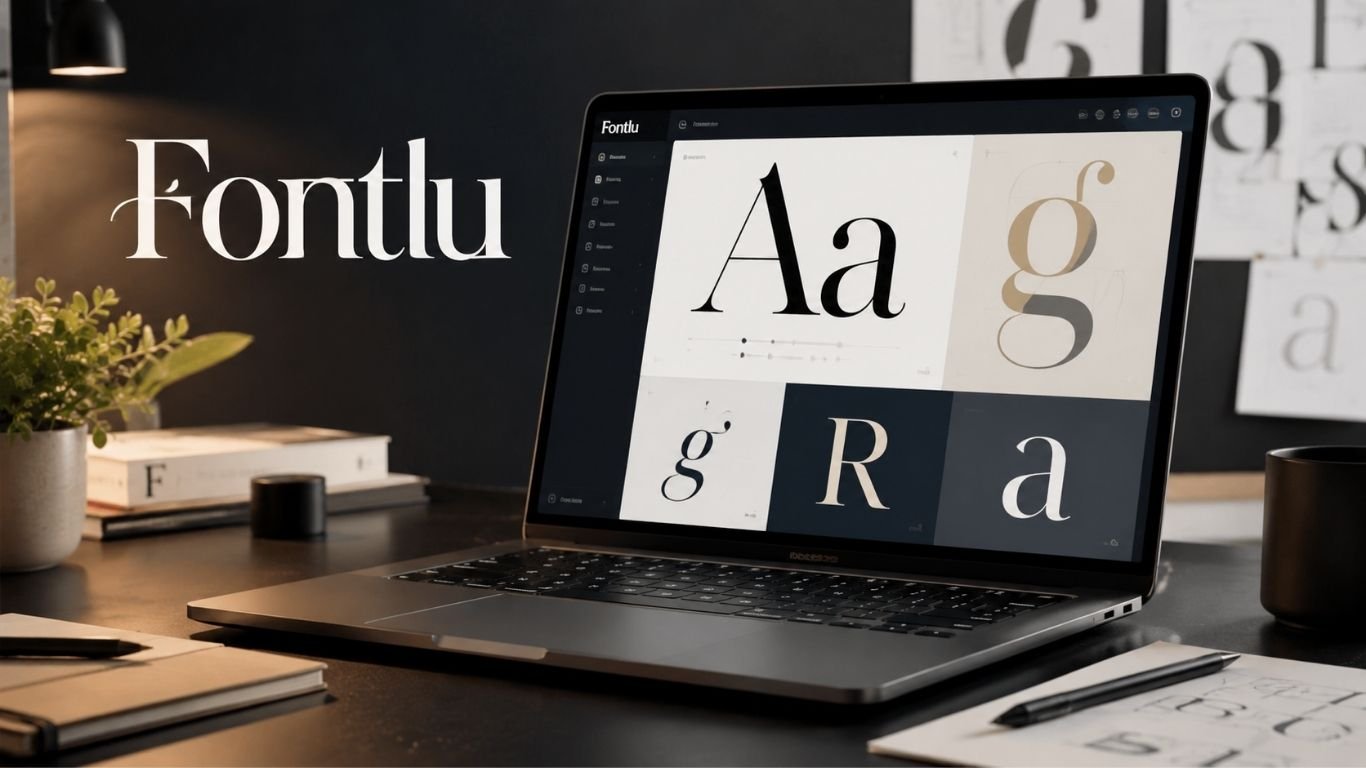
Typography can change how a design feels in seconds. A bold typeface can make a brand look strong. A soft script can make it feel friendly. Fontlu is an emerging typography platform made for designers, developers, and digital creators who want a simpler way to explore typefaces.
- What Is the Platform Designed to Do?
- Why Font Discovery Can Be Difficult
- Real-Time Font Previews Make Choices Faster
- Filters Can Narrow a Large Font Library
- How Font Licensing Affects Creative Work
- Free and Premium Fonts Serve Different Needs
- How Designers Can Use Fontlu in Branding
- Is It Useful for Web and App Projects?
- How Content Creators Can Benefit
- Tips for Choosing the Right Typeface
- Why a Focused Typography Platform Can Save Time
- Bottom line
The platform brings font discovery, previews, and useful font details into one place. Users can browse styles, test their own words, and see how a typeface may fit a logo, website, post, or other design.
This can save time when a project needs the right visual tone. It can also make font choice easier for people who do not have deep typography skills.
What Is the Platform Designed to Do?
Fontlu works as an online font discovery and preview hub. Its main goal is to help users find typefaces without moving through many different sites or opening font files one by one.
The platform can be useful for both skilled designers and beginners. A user can start with a simple idea, such as a clean business font or a playful display style. From there, the available tools can make the search more focused.
Typography is not just decoration. Font choice can affect trust, mood, readability, and brand identity. A clear font can make a page feel calm. A poor match can make even good content harder to use.
Why Font Discovery Can Be Difficult
There are thousands of typefaces online. That sounds useful, but too many choices can slow down a project. Designers may spend a long time opening tabs, testing samples, and reading license pages.
The problem gets harder when two fonts look similar at first. Small details in spacing, weight, curves, and letter shape can change how text reads. A font that works in a large heading may feel weak in a paragraph.
A well-organized typography hub can cut through that noise. It can place useful choices in front of the user and reduce the time spent on random searching.
Real-Time Font Previews Make Choices Faster
One useful part of Fontlu is the ability to preview custom text in a selected typeface. Instead of judging a font by a sample word, users can test the real text they plan to use.
This is helpful for logos, product names, headlines, quotes, and social posts. A business owner can type a brand name and see how it looks before making a choice. A designer can test short and long words to check balance.
Real-time previews also make comparison easier. Users can focus on shape, spacing, and tone before they download or use a font.
Filters Can Narrow a Large Font Library
A large font collection is only useful when people can find what they need. Fontlu aims to make browsing easier through filters tied to style, mood, or possible use.
For example, a user may want a modern font for a tech page. Another may need a classic serif for editorial work. Someone else may want a casual script for an invitation.
Filtering can reduce a long list into a smaller group that fits the job. This can also help users who do not know font names. They may know the feeling they want but not the exact typeface.
How Font Licensing Affects Creative Work
Font licensing is one of the most important parts of using type online or in print. A typeface may be free for personal use but require a paid license for a business, product, logo, or client project.
Fontlu places emphasis on making usage terms easier to understand. Users should still check the exact license attached to any font before using it in commercial work.
This step protects both the creator and the user. It can also stop a project from needing a late font change because the chosen typeface cannot legally be used for its planned purpose.
Reading a license may take a few minutes. That small step can prevent bigger problems later.
Free and Premium Fonts Serve Different Needs
Free fonts can be a good fit for school work, personal designs, tests, and some business projects when the license allows it. Premium fonts may offer more weights, better language support, extra symbols, or wider usage rights.
Fontlu brings both types of choices into the discovery process. That gives users room to match a typeface to their budget and project goals.
Price alone should not decide the choice. A simple free font may be perfect for a small project. A paid font family may make more sense when a brand needs many weights and a steady look across several channels.
The best option is the one that fits the design, budget, and legal use of the project.
How Designers Can Use Fontlu in Branding
Branding depends on repeated visual choices. Color, images, spacing, and type all work together. A font can make a brand feel modern, formal, warm, bold, playful, or calm.
A designer can use Fontlu to test brand names, slogans, and sample headings before settling on a style. This early testing can reveal whether the typeface fits the message.
It also helps to test more than one weight. A brand may need a bold heading, a regular paragraph style, and a lighter option for small details.
Good font planning keeps these parts connected. It can also make future design work much easier because the brand already has clear type rules.
Is It Useful for Web and App Projects?
Web developers need fonts that look good and stay readable on many screen sizes. They also need to think about file size, font formats, licensing, and how the typeface behaves in a browser.
Fontlu can support the early design stage by helping teams compare font styles before implementation. Developers can use previews to judge whether a typeface fits buttons, headings, menus, and body text.
A font may look strong in a logo but weak in a long article. Testing several uses can help a team spot this issue early.
The final technical setup still depends on the font source and its license. Teams should confirm supported formats and web use rights before adding any font to a live product.
How Content Creators Can Benefit
Typography matters on social media, video thumbnails, digital posters, presentations, and branded graphics. Strong text can catch attention before a viewer reads the full message.
Fontlu can help creators test short phrases and find a style that matches the content. A clean sans serif may work for a tutorial. A bold display font may suit an event poster. A softer style may fit lifestyle content.
Creators should still keep readability first. Fancy letters can look attractive, but they may fail when text is small or viewed on a phone.
It also helps to keep font use consistent. Using too many type styles can make a design look busy. One or two strong font choices are often enough.
Tips for Choosing the Right Typeface
Start with the purpose of the project. Ask what the text needs to say and how the audience should feel. This makes it easier to reject fonts that look nice but do not fit the message.
Next, test real words instead of sample text. Use the actual brand name, heading, or phrase. Check both short and long lines. Look at uppercase and lowercase letters if both will appear in the final design.
Then compare readability. A typeface should remain clear at the size you plan to use. Also check spacing, numbers, punctuation, and special characters when the project needs them.
Finally, read the license before publishing. This is especially important for client work, ads, products, logos, apps, and websites.
Why a Focused Typography Platform Can Save Time
The main value of Fontlu is not just access to fonts. It is the chance to make the selection process more direct. Preview tools, organized browsing, and clearer usage information can reduce trial and error.
That can matter on fast projects. Designers often need to show options to a client, build a mockup, or prepare content on a deadline. A focused platform can help them move from idea to shortlist with fewer steps.
It can also make typography less intimidating for beginners. Instead of learning every font term first, a new user can explore by look, mood, and use case.
The result can be a faster and more confident design process. Users still make the final creative choice, but better tools can make that choice easier.
Bottom line
Fontlu is aimed at people who want a simpler way to explore typography. Its mix of font discovery, custom previews, filtering, and licensing guidance can support many kinds of creative work.
The platform may be useful for graphic design, web projects, branding, social content, and personal work. The best results still come from careful choices. Users should test readability, compare styles, and check the license for every font they plan to publish.
Typography shapes how people read and feel a message. A tool that makes that choice easier can become a useful part of a modern creative workflow.

How to Create AI Outfit Transition Videos

How General Dentistry Provides Comfort Through Modern Techniques

Who Is Marshall Trenkmann? The Real Story Of Karla Souza’s Husband
Alex Pettyfer Net Worth, Wife, Age, Height, Children, Career and More

Brad Williams Net Worth, Wife, Height, Age, Daughter, Family, Career and More

Sanzoku Bandits of One Piece: Origins, Higuma, and Their Role in Dawn Island
-
Celebrity9 months ago
Alex Pettyfer Net Worth, Wife, Age, Height, Children, Career and More
-
Celebrity9 months ago
Brad Williams Net Worth, Wife, Height, Age, Daughter, Family, Career and More
-
Anime10 months ago
Sanzoku Bandits of One Piece: Origins, Higuma, and Their Role in Dawn Island
-
 Celebrity9 months ago
John McGinn Net Worth, Age, Height, Wife, Childrens, Career and More
-
 Celebrity9 months ago
Frances de la Tour Net Worth, Age, Height, Husband, Childrens, Career and More
-
 Blog2 weeks ago
What Is Troozer.com? A Clear Guide to the Digital Content Site
-
 Celebrity9 months ago
Will Trickett Net Worth, Wife, Childrens, Age, Career and More
-
 Features10 months ago
Max Amini Net Worth, Height, Age, Career and More