
Health
How Family Dentistry Prepares Teens For A Lifetime Of Oral Health

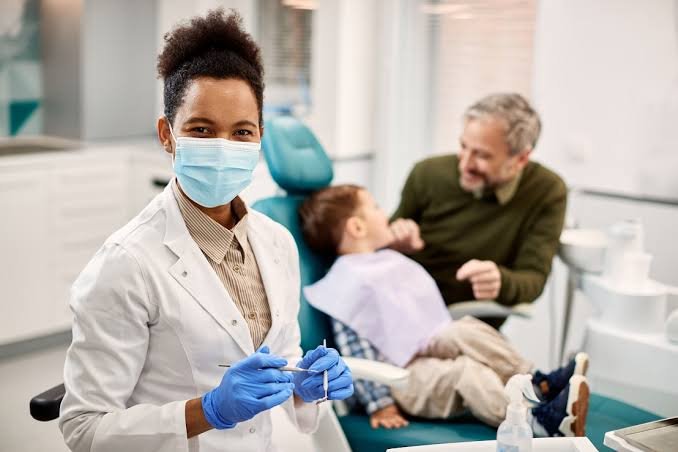
You can do everything right as a parent and still end up arguing about brushing, reminding your teen about a retainer, or hearing that a sore tooth has been bothering them for “a while.” That stage is exhausting because teenagers want independence, but they still need structure. Oral health often lands right in the middle of that push and pull. Habits formed now tend to stick, and so do the consequences of ignored problems. Some families also explore ways to achieve a straighter smile with clear aligners in Little Elm as teens take more responsibility for their oral health.
- Family dentistry gives teens consistency when routines start to slip
- Teen oral health needs are different from childhood dental care
- Preventive family dental care reduces bigger problems later
- Daily habits and professional care work better together
- Strong oral health habits in adolescence can start now
- Family dentistry helps teens carry healthy habits into adult life
That is where family dentistry for teens matters. A family dentist does more than clean teeth and fill cavities. Regular visits help teenagers connect daily habits with long term health, catch problems before they grow, and learn how to take ownership of their care. That steady support can shape a lifetime of stronger teeth, healthier gums, and fewer dental emergencies.
Family dentistry gives teens consistency when routines start to slip
Teen years change everything. Schedules get packed with school, sports, jobs, social plans, and late nights. Brushing can turn rushed. Flossing disappears. Energy drinks, sports drinks, and frequent snacking become part of the week. The mouth feels the effect fast. Plaque builds up, gums get irritated, and small cavities can move quickly when no one notices them early.
A family dentist sees those patterns in real time. Instead of treating each appointment like a one off visit, they track growth, bite changes, wisdom tooth development, oral hygiene habits, and signs of stress like grinding. That continuity matters because teen dental needs are not static. The care that worked at age ten often needs to change by age fifteen.
The bigger issue is not just a cavity or missed brushing. It is the habit of putting oral health last. According to the National Institute of Dental and Craniofacial Research, oral health is closely tied to overall health, daily function, and quality of life. When teens learn that dental care is basic health care, not an optional extra, they carry that mindset into adulthood.
Teen oral health needs are different from childhood dental care
By adolescence, kids are making more of their own choices. That sounds simple until those choices include skipping breakfast, sipping sugary drinks all day, or deciding mouthguards are annoying. A family dentist helps bridge the gap between childhood routines and adult responsibility by speaking directly to teens, not only to parents.
This matters more than many families realize. Teens are at a stage where appearance, comfort, and confidence carry weight. Bleeding gums, bad breath, crooked teeth, or visible decay can affect how they feel at school and with friends. They may not say it out loud, but they notice. A dentist who understands adolescent care can address those concerns without shame, which makes teens more likely to stay engaged.
The American Academy of Pediatric Dentistry outlines key parts of adolescent oral health care, including caries prevention, periodontal health, orthodontic concerns, injury prevention, and guidance on nutrition and tobacco use. That range shows why teen care needs more than a quick cleaning. It needs attention to the habits and risks that show up during this stage of life.
Preventive family dental care reduces bigger problems later
Prevention is where family dental care earns its value. A small area of enamel wear can be watched. Early gum inflammation can be reversed. A mouthguard can prevent a sports injury that would otherwise lead to years of repair. If a teen is wearing braces or aligners, regular cleanings help prevent white spots, decay, and gum issues around brackets or trays.
What happens when prevention falls apart is familiar. A teen skips visits because nothing hurts. Months pass. Then pain starts during exams week or before a trip, and the fix is no longer simple. The stress is higher, the cost is higher, and the treatment is more invasive than it needed to be.
The Centers for Disease Control and Prevention shares practical oral health tips for children that still apply as kids grow, especially brushing twice a day with fluoride toothpaste, flossing, limiting sugary foods and drinks, and keeping regular dental visits. These basics sound small, but repeated over years, they shape adult health.
Daily habits and professional care work better together
| Teen Oral Health Habit | If It Gets Ignored | How Family Dentistry Helps |
|---|---|---|
| Brushing twice a day | Plaque buildup, cavities, bad breath | Reinforces technique, checks for early decay, applies fluoride when needed |
| Flossing | Bleeding gums, inflammation between teeth | Monitors gum health and coaches teens on realistic routines |
| Sports protection | Chipped or knocked out teeth | Recommends mouthguards and checks for injury risks |
| Diet choices | Acid erosion and higher cavity risk | Links food and drink habits to what is showing up in the mouth |
| Routine checkups | Small problems become painful and expensive | Finds issues early and builds comfort with ongoing care |
Strong oral health habits in adolescence can start now
Set a routine your teen can actually keep. Perfection does not hold up in a busy house. A simple morning and night routine does. Keep fluoride toothpaste, floss picks, and a charger for an electric toothbrush in plain reach. If your teen has braces or aligners, make oral care part of the same routine as getting ready for school or bed.
Use dental visits to build independence. Encourage your teen to speak for themselves during appointments. They can explain sensitivity, ask about whitening, mention grinding, or talk about retainer problems. That conversation helps them see dental care as their responsibility, not just something scheduled for them.
Stay ahead of pain, not behind it. Do not wait for swelling, visible damage, or complaints that have been going on for weeks. Regular appointments with a family dental care provider make it easier to catch changes early and keep treatment smaller, easier, and less stressful.
Family dentistry helps teens carry healthy habits into adult life
Teenagers are not just growing into adult bodies. They are building adult patterns. The way they care for their teeth now often becomes the way they care for them at twenty five, forty, and beyond. Support from a trusted family dentist gives them structure while they still need it and confidence when they are ready to manage more on their own.
If your teen’s routine has gotten uneven, you are not failing and they are not ruined. This stage is exactly when steady dental care can make a lasting difference. Schedule their next visit with a family dentist and give them the support they need to protect their smile for years to come.

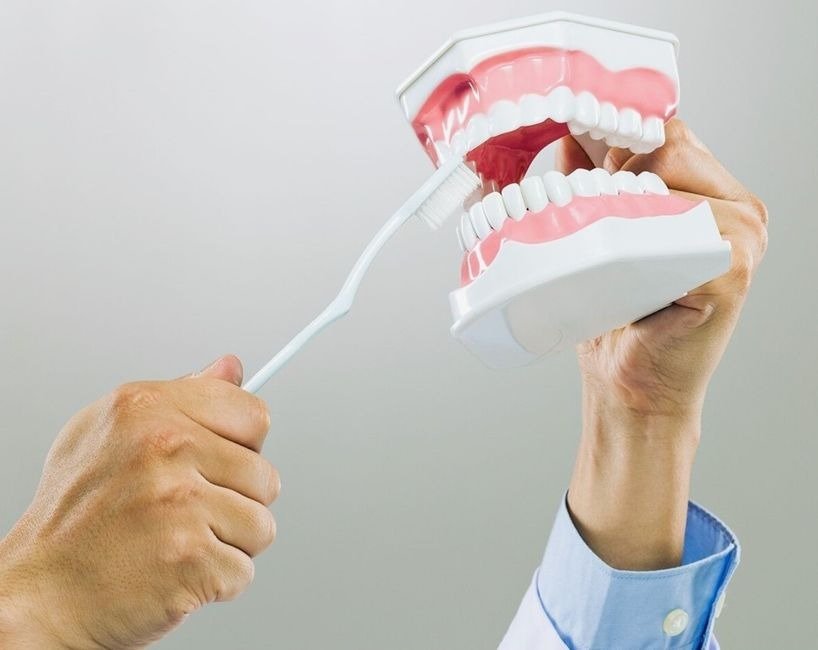
You probably think preventive dental care means brushing twice a day and showing up for a cleaning every six months. That’s part of it, but the bigger picture is more practical and a lot more personal. Preventive care is really about catching small oral health issues before they turn expensive, painful, and time-consuming. If you want fewer dental surprises, better long-term health, and more control over costs, it helps to understand what prevention actually includes.
- Cleanings matter, but diagnostics do a lot of the heavy lifting
- Preventive care is more than a checklist
- Your mouth usually gives early warnings before serious problems start
- Home care works better when you stop copying generic advice
- Diet affects your teeth in ways most people underestimate
- Gum health deserves more attention than it gets
- Prevention also protects your budget and your time
Cleanings matter, but diagnostics do a lot of the heavy lifting
People often think the cleaning is the main event. It’s important, especially if tartar has built up in spots your toothbrush can’t handle, but diagnostics are what make preventive care strategic. Dental exams, bite evaluations, periodontal charting, and radiographs can reveal things that a mirror never will.
For example, interproximal decay often forms between teeth where it stays invisible for a while. Bone loss linked to gum disease can also progress without obvious pain. If your provider tracks these changes over time, they can compare images, gum pocket depths, and wear patterns instead of guessing.
If you’re looking for a dentist Loveland has local practices like The Dental Team, offering preventive, restorative, and cosmetic dental care to help patients maintain healthy smiles.
Preventive care is more than a checklist
A lot of people treat dental care like a pass-fail routine: brush, floss sometimes, book an appointment, move on. Real preventive care works more like risk management. Your enamel, gums, bite alignment, saliva flow, and diet all affect what happens inside your mouth over time.
That means two people with the same brushing habits can end up with totally different outcomes. If you sip sports drinks during practice, grind your teeth at night, or breathe through your mouth when you sleep, your risk profile changes. A dentist isn’t just looking for cavities. They’re checking for gingival inflammation, occlusal wear, plaque retention zones, and early signs of periodontal disease. Those details shape what kind of prevention actually makes sense for you.
Your mouth usually gives early warnings before serious problems start
Most major dental issues don’t appear out of nowhere. They build slowly, often with signs that are easy to brush off. Maybe your gums bleed when you floss. Maybe one tooth feels sensitive to cold. Maybe your breath stays off even when your hygiene is decent. None of that automatically signals a crisis, but it does mean something is changing.
The hard part is that many oral conditions are quiet in the early stages. Tooth decay can spread under the surface before pain starts. Gum disease can progress while your teeth still look fine in selfies. Small cracks in molars may only show up when pressure hits at a certain angle. Preventive visits matter because a clinician can catch patterns you’re not trained to spot. Early detection usually means simpler treatment and less disruption to your schedule.
Home care works better when you stop copying generic advice
You’ve probably heard the same tips for years: use fluoride toothpaste, floss daily, cut back on sugar. Those basics still matter, but generic advice has limits. The way you care for your teeth at home should reflect your actual habits and vulnerabilities.
If you wear clear aligners, for example, trapped sugars and acids can sit against enamel longer if you snack and put trays back in too fast. If you have crowded lower front teeth, floss picks or interdental brushes may work better than pretending string floss is going great. If you deal with dry mouth from medication, cavity risk often rises because saliva isn’t buffering acids the way it should.
Good home care is less about perfection and more about fit. The best routine is the one you’ll actually follow consistently and adjust when your needs change.
Diet affects your teeth in ways most people underestimate
You don’t need to cut out every sweet food to protect your teeth, but you do need to understand frequency. Your mouth handles occasional sugar far better than constant exposure. Sipping soda over three hours, nursing an energy drink during a study session, or snacking all afternoon keeps oral pH low and gives bacteria more chances to produce acid.
Sticky carbs can be just as annoying as candy. Crackers, dried fruit, and chips tend to cling to grooves and contact points. Acidic drinks add another layer by softening enamel, especially if you brush right after having them.
Water helps more than people think. It clears food debris, supports saliva production, and can reduce how long acids stay active. A practical move is pairing sweets with meals instead of stretching them across the day. That small change can lower cavity risk without turning eating into a punishment.
Gum health deserves more attention than it gets
A lot of people focus on teeth because teeth are visible. Gums tend to get ignored until they hurt, swell, or recede enough to look alarming. That’s a mistake because gum health affects the support system holding your teeth in place.
When plaque sits along the gumline, inflammation can begin fast. Early gingivitis may only cause mild bleeding or puffiness. Leave it alone long enough and it can move into periodontitis, where deeper tissues and bone become involved. At that stage, treatment gets more complex and long-term maintenance becomes a bigger deal.
You don’t need dramatic symptoms to justify concern. Chronic tenderness, flossing blood, gum recession, and persistent bad breath all deserve attention. Preventive dental care includes keeping soft tissues stable, not just keeping cavities away. If your gums aren’t healthy, your oral health isn’t stable, even when your teeth look white.
Prevention also protects your budget and your time
Dental prevention gets framed as a health issue, but it’s also a scheduling and financial issue. A routine exam and cleaning are easier to plan for than a cracked tooth before school pictures, a sudden abscess during finals, or a crown you didn’t see coming.
Restorative work can be completely worth it when you need it, but very few people want to spend money fixing damage that could have been intercepted earlier. Small fillings are usually simpler than root canals. A night guard for bruxism may cost less than repairing years of wear and fractures. Targeted fluoride treatments can be useful if enamel is starting to weaken.
Think of prevention as reducing friction in your life. You miss fewer classes or work hours, deal with fewer urgent appointments, and make choices from a calmer place instead of under pressure.
Health
How to Find the Right Functional Medicine Doctor in Scottsdale for Your Individual Health Goals


Choosing a healthcare provider is an important decision, especially when you want a more personalized approach to your health. If you are considering a functional medicine doctor in Scottsdale, it helps to understand your goals, review the provider’s qualifications, and learn how their approach fits your needs.
Whether you want support with ongoing health concerns or healthier daily habits, the right provider should offer clear guidance, realistic expectations, and care based on your individual circumstances.
Understand Your Health Goals First
Before you seek out functional medicine in Scottsdale, it’s important to determine your goals. It’s important to know what persistent fatigue is, get a better diet, solve digestive issues, or improve lifestyle habits. If you have a good understanding of your priorities, you can share your concerns at the first consultation, and determine if the provider’s services are right for you.
Record your symptoms, onset, any patterns you have observed and treatments already tried. This information may aid your provider in understanding your health history and deciding if additional testing is required. If you continue to have symptoms or have symptoms that have no explanation, ensure that your evaluation includes the proper medical treatment, not just changes in lifestyle or wellness treatments.
Check Qualifications and Clinical Experience
Your functional doctor should be qualified and knowledgeable in the area of your health issues. Request information about the provider’s background, licensing and experience in determining conditions that are similar. There are a number of different options for functional medicine, so be sure to know what he or she offers and if this is something he or she has been trained to do.
Recommendations should be made with clear and transparent language and should discuss the evidence used to support the proposed tests or treatments. Beware of guarantees of a particular response or the identification of the cause of all symptoms. The care that should be provided should be based on an appropriate assessment, appropriate medical principles and your own individual healthcare needs.
Look for a Personalized Approach to Care
Ask the Right Questions During Your Consultation
Your first consultation is an opportunity to understand the provider’s approach and decide whether it suits your goals. Consider asking:
- How will you assess my health concerns and medical history?
- Which tests or evaluations might be necessary, and why?
- What lifestyle changes or treatments do you recommend?
- How will we measure progress and adjust my plan?
- What are the potential benefits, limitations, and costs?
Clear answers can help you understand what to expect and make an informed decision. Be cautious of guaranteed outcomes or claims that one treatment can resolve every health concern.
Choose Care That Fits Your Long-Term Goals
Finding the right functional medicine doctor in Scottsdale means choosing someone who listens to your concerns, explains recommendations clearly, and builds a realistic plan around your individual needs. Your goals may change over time, so ongoing communication and periodic reviews are important.
A personalized approach should help you make informed decisions while keeping your safety and overall health a priority. For patients exploring individualized wellness and functional medicine options in Scottsdale, Fix Medical Group offers a starting point for discussing their health goals with its care team.
Disclaimer: This article is for general informational and educational purposes only and is not intended to provide medical advice, diagnosis, or treatment. Consult a qualified healthcare professional for personalized guidance based on your individual health needs.


When things seem to be more difficult, whether you are dealing with work or personal issues, or getting ready for a special event, anxiety can make it feel that way. It is crucial to find a healthy balance with these emotions to work on emotional health. Some individuals may like to go to therapy sessions face to face, while others may wish to discover something more convenient.
For those who would like to try some relaxation techniques and therapeutic support at home, online hypnotherapy is now a possibility. However, is it possible to achieve the same results for anxiety using hypnosis online? If a person decides to undergo a virtual session, it is vital for them to be aware of the way these sessions function and the benefits of using them.
How Does Online Hypnotherapy Work?
Online hypnotherapy sessions normally involve a video session with a trained hypnotherapist. The session is the same length and format as a face-to-face appointment, with a discussion of the person’s concerns, goals, and anxiety experiences.
The hypnotherapist can then instruct the individual to relax, to concentrate on breathing, to visualize, and suggest therapy. These techniques are designed to assist the person to focus his/her attention, practise responses that help to calm him/her, and learn how to manage in stressful situations.
For example, someone who experiences anxiety before a presentation may be guided through an exercise in which they imagine approaching the situation calmly and confidently. The practitioner might also recommend methods for the person to practice in-between sessions.
The requirements for online sessions are a suitable device, a stable internet connection and a quiet private space. But the experience and the outcomes are not always the same for each person and based on the quality of the support offered.
Can Online Hypnotherapy Help With Anxiety?
Some people can use online hypnotherapy to learn to relax and reduce anxiety in specific situations. A familiar setting can also help some people to feel at ease in the session.
Hypnotherapy is a method that involves directing your focus and suggestions toward a new way of responding to stressful thoughts or experiences. These tricks can be useful for people to use to unwind, increase self-assurance, or get ready for circumstances that normally cause anxiety.
The scientific proof of hypnosis, however, differs for each condition. Some studies indicate that it may help with some anxiety disorders, but there is not enough evidence to support long-term use for anxiety disorders.
The key to approaching online hypnotherapy for anxiety is to have realistic expectations. It is not a cure and should not be used as a substitute for professional mental health care if it is needed. Those who have persistent symptoms of anxiety and/or whose symptoms are interfering with functioning should talk with a competent health care professional regarding options.
Benefits of Attending Sessions from Home
A major benefit of online hypnotherapy is that it is convenient. Because appointments can be made without leaving home, this could be helpful for people to better accommodate their appointments around work, childcare, or other appointments.
Remote sessions may also be able to connect you with practitioners who are not local. This may be helpful for those who are unable to access local services or who prefer a particular type of therapy.
Another is that it is a place where they can get involved in a familiar setting. Others may feel more comfortable at home, and this could help them focus on guided exercises. There is also the possibility that online appointments will lessen the time and effort needed for attending regular sessions.
However, these benefits are based on personal tastes. In-person sessions might work better for individuals with difficulty focusing at home, who don’t have a private place or who prefer face-to-face communication.
How to Prepare for an Online Hypnotherapy Session
The following tips can help you make the most out of a virtual appointment. Select a quiet room where you are not likely to be interrupted and be sure to position your device so you are comfortable. It’s helpful to be able to hear the practitioner’s direction, which can be facilitated by a stable Internet connection and functioning headphones.
Having some pre-thought ideas of your goals also helps. Consider some stress management techniques ahead of social events, relaxation techniques, or how to cope with normal stress. It is helpful to the practitioner to understand what you are looking for if you address your concerns.
Take time from the session to follow the directions in a comfortable pace and communicate if uncomfortable or distracted. There should be no restrictions on asking questions or stopping an exercise if needed.
Once you are appointed, you may want to reflect on your emotions and see if there are any techniques that were of assistance. This can help you during subsequent sessions to discuss how you’re progressing.
Choose a Qualified Online Hypnotherapist
Prior to booking, verify the practitioner’s training, experience, and their perspective on anxiety. Inquire about the composition of the sessions, about achievable results, and if they have dealt with issues that are comparable to your own.
People researching hypnotherapy in Los Angeles should also check whether the practitioner offers remote appointments and what arrangements are available for privacy and confidentiality.
A practitioner will be able to let you know what you can and cannot expect from hypnotherapy and will not guarantee results. A serious, chronic, or high frequency of panic attacks may indicate that further therapy is needed, and a mental health care worker can assist with this diagnosis.
Final thoughts
For some people, online hypnosis might be a convenient option to learn relaxation techniques and strategies to cope with anxiety. It is appropriate only by individual choice, the type of symptoms, and the quality of professional directions.
When selecting the practitioner, creating a supportive space, and setting expectations, individuals can determine if online sessions are a fit for them. Severe or persistent anxiety should be evaluated and treated by a professional, and these treatments are important in the context of effective care.

Perfume Packaging Guide: Choosing the Right Box for Bottle Size, Protection, and Brand Image

Veneers in Real Life: What You Should Know Before You Change Your Smile

What Most People Get Wrong About Preventive Dental Care

Alex Pettyfer Net Worth, Wife, Age, Height, Children, Career and More

Brad Williams Net Worth, Wife, Height, Age, Daughter, Family, Career and More

Eldorado.gg Review 2026: How It Works, Safety, Fees, and Risks
-
Celebrity10 months ago
Alex Pettyfer Net Worth, Wife, Age, Height, Children, Career and More
-
Celebrity11 months ago
Brad Williams Net Worth, Wife, Height, Age, Daughter, Family, Career and More
-
Blog2 months ago
Eldorado.gg Review 2026: How It Works, Safety, Fees, and Risks
-
 Anime11 months ago
Sanzoku Bandits of One Piece: Origins, Higuma, and Their Role in Dawn Island
-
 Celebrity11 months ago
John McGinn Net Worth, Age, Height, Wife, Childrens, Career and More
-
 Celebrity11 months ago
Frances de la Tour Net Worth, Age, Height, Husband, Childrens, Career and More
-
 Celebrity11 months ago
Will Trickett Net Worth, Wife, Childrens, Age, Career and More
-
 Blog2 months ago
Crackstube: A Complete Guide to the Digital Publishing Platform