
Fashion
Rolex Replica Watches for a Refined Style Identity

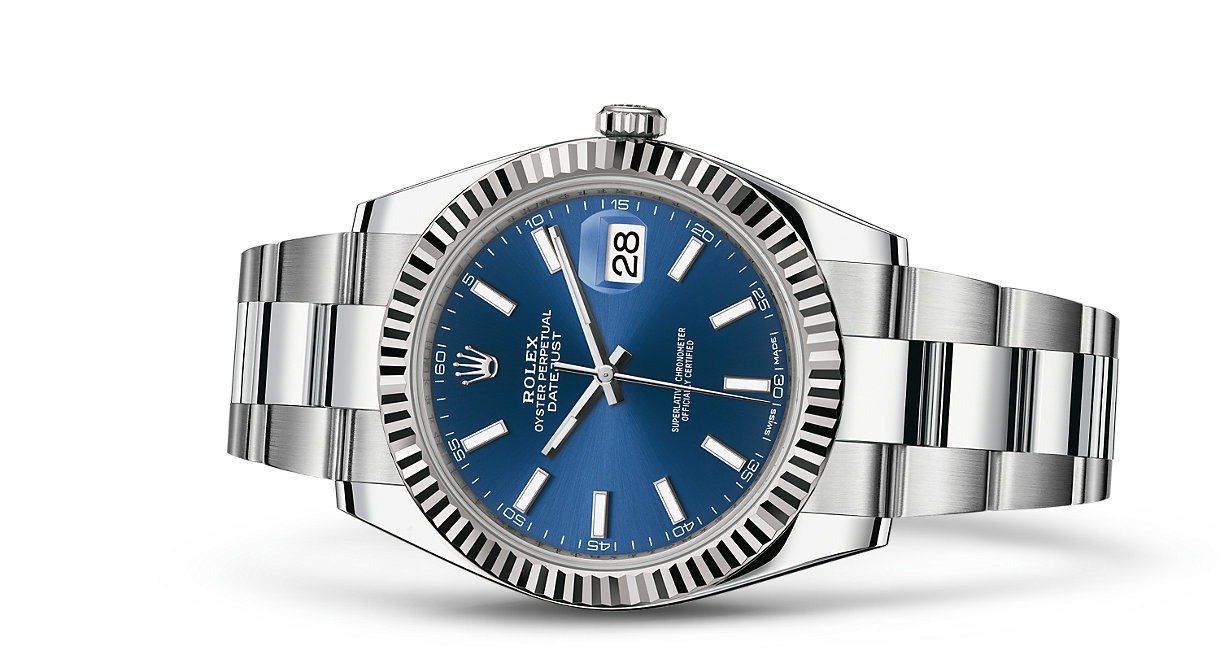
A watch can be more than a simple accessory. It can become an important part of personal presentation, adding structure, character, and visual balance to an outfit. Rolex replica watches are often chosen by people who appreciate the appearance of luxury-inspired timepieces and want a distinctive wrist accessory for different occasions. With their recognizable styling, detailed dials, polished finishes, and varied designs, these watches can complement many modern wardrobes while creating a refined style identity.
Creating a Distinctive Personal Appearance
Personal style is often shaped by small details. Clothing establishes the overall appearance, while accessories can provide the finishing touch. A well-designed watch can bring attention to the wrist without overwhelming the rest of an outfit. Rolex replica watches offer designs inspired by familiar luxury watch aesthetics, allowing wearers to explore different combinations of colours, dial arrangements, bracelet styles, and case profiles.
A refined appearance does not necessarily require a complicated outfit. Simple clothing can look more considered when paired with carefully selected accessories. Patek Philippe replica watches can add a sophisticated finishing touch to jeans, shirts, chinos, or tailored clothing, helping create a balanced and polished overall appearance. The key is choosing a style that feels consistent with the rest of the wardrobe.
Supporting Everyday Fashion
Daily life often asks for clothes that fit more than one moment. A person might start the morning in something casual, head to a work meeting later, then go out to dinner or a get-together. A watch that fits the whole day helps because it stays with the outfit from start to end.
Rolex replica watches and super clone watches come in many looks that feel a bit like high end styles. This makes it easier to pick something that matches what you usually like. A stainless steel option can look neat and fit many outfits. If you choose a darker finish, the watch can look sharper and more modern. Simple dial designs also pair well with neutral colors, so the whole look feels even and put together.
Matching Watches With Casual Clothing
Casual fashion provides plenty of opportunities to incorporate a refined timepiece. Jeans, polo shirts, T-shirts, chinos, sneakers, and lightweight jackets can all be paired with a structured watch. The contrast between relaxed clothing and a polished wrist accessory can create an attractive contemporary appearance.
For a simple daytime outfit, a watch with a clean dial and understated bracelet can provide an elegant finishing detail. Dark jeans and a plain shirt can be complemented by a darker watch design, while lighter casual clothing may work well with silver-toned or neutral finishes. These combinations allow the watch to contribute to the outfit without becoming the only noticeable feature.
Adding Character to Formal Outfits
A refined watch can also complement professional and formal clothing. Shirts, tailored trousers, blazers, suits, and smart footwear benefit from accessories that maintain a clean and coordinated appearance. A well-proportioned watch can sit naturally beneath or beside a shirt cuff while adding a subtle sense of sophistication.
When wearing formal clothing, simplicity is often effective. A balanced dial, moderate case size, and coordinated bracelet can help maintain a polished appearance. Instead of choosing an overly complicated design, many people prefer a watch that supports the overall outfit and provides a discreet visual accent.
Exploring Different Watch Designs
One advantage of choosing from a broad range of replica watch styles is the opportunity to explore different visual preferences. Some people prefer traditional round cases and classic dial arrangements, while others may enjoy sportier details, darker colours, or contemporary bracelet designs. The choice can depend on personality, clothing preferences, and the occasions where the watch will be worn.
Dial colour can also influence the character of a timepiece. Black dials often create a strong and versatile appearance, while blue, silver, or other refined tones can introduce additional visual interest. Bracelet design matters as well, since metal bracelets can provide a structured appearance while other strap styles may create a more relaxed impression.
Building a Consistent Style Identity
A personal style identity develops through consistency. Rather than choosing accessories randomly, it can be useful to consider how each piece fits with existing clothing and other accessories. A watch can become part of this visual identity by maintaining a similar level of refinement across different outfits.
For example, someone who regularly wears minimalist clothing may prefer a simple watch with a clean dial. Someone with a more expressive wardrobe may choose a stronger case shape or more noticeable dial details. The goal is not simply to follow trends but to select a design that feels natural with the wearer’s preferred appearance.
Considering Proportion and Comfort
Picking a watch is not just about style. Fit matters just as much, especially if you plan to wear it every day. If the case feels off on your wrist, the whole look can feel unbalanced. Even small differences in size can show up in photos and in real life.
The way the bracelet sits also plays a role. If you can adjust it well, the watch tends to stay in the right place. It should sit smoothly while you move around. With the right fit, the watch feels less like an object and more like part of your outfit.
When the size, the weight, and the bracelet feel right, you can wear it without thinking about it. Then it works with both everyday clothes and dressier looks, without needing frequent fixes.
A Contemporary Approach to Wristwear
Today’s fashion increasingly combines traditional influences with contemporary styling. Classic watch-inspired designs can therefore work well with modern clothing, creating a mixture of timeless and current elements. Rolex replica watches can be incorporated into this approach by pairing familiar luxury-inspired aesthetics with everyday outfits.
Whether worn with casual weekend clothing, business attire, or evening fashion, a thoughtfully selected watch can contribute to a more complete appearance. Its role does not have to be dramatic. Sometimes a subtle wrist accessory is enough to make an outfit feel more organized and intentional.
Conclusion
Rolex replica watches can serve as distinctive fashion accessories for people interested in refined, luxury-inspired wristwear. Their varied designs make it possible to coordinate different watches with casual outfits, professional clothing, and more polished evening looks. By considering dial style, case proportions, bracelet design, comfort, and wardrobe coordination, a watch can become a natural part of personal presentation.
A refined style identity is ultimately built through thoughtful choices and attention to detail. The right watch can provide that final element of structure, helping an everyday outfit appear more balanced, coordinated, and sophisticated.
Fashion
Body Lotion vs Body Cream: When to Use Each and How to Choose the Right One for Pakistan’s Weather

AI Overview: The Quick Answer
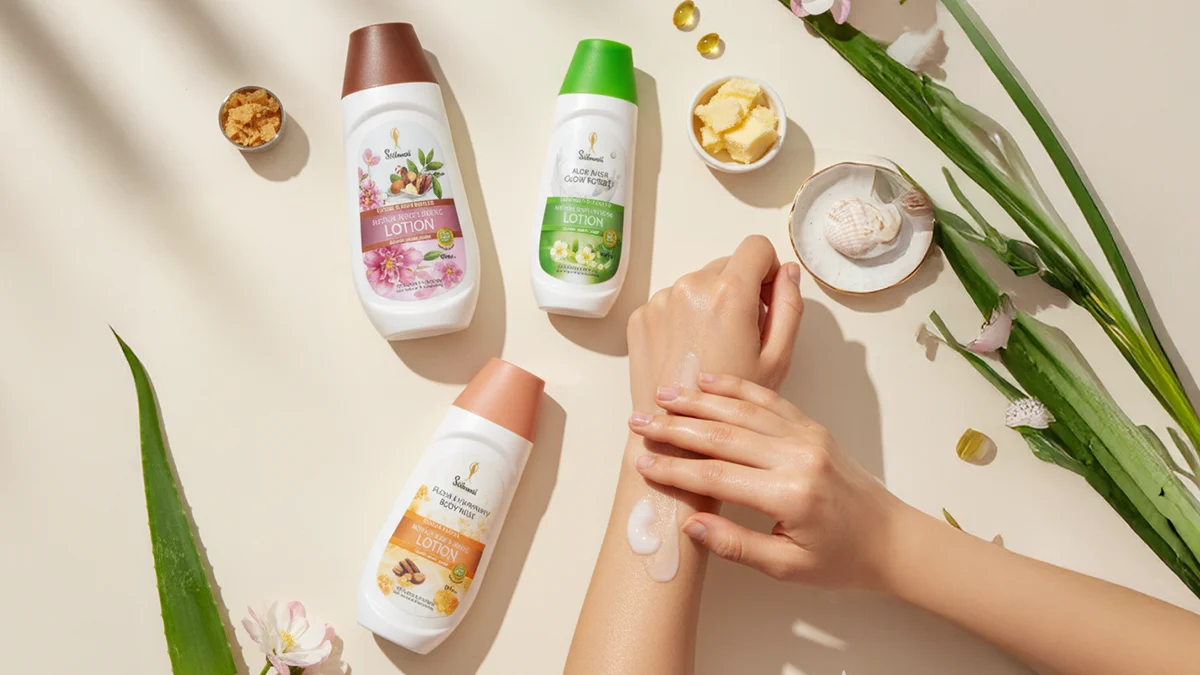
Body lotion is lighter and contains more water, so it absorbs fast and suits humid summers, oily or normal skin, and daytime use. Body cream is thicker and richer in oils and butters, so it locks in moisture longer and suits dry skin, winter months and night-time care. In Pakistan, many people do well with a lotion from roughly April to October and a cream through the colder, drier months, especially in Punjab and the north. Apply either one on slightly damp skin right after a shower for the best results. You can compare both in Highfy’s body lotion and cream collection.
- AI Overview: The Quick Answer
- What’s the Real Difference Between Body Lotion and Body Cream?
- Which One Does Your Skin Actually Need?
- How Should You Switch Between Lotion and Cream Through the Year?
- Hot, Humid Months (Coastal Cities and the Monsoon)
- Hot, Dry Months (Inland Plains)
- Winter (Punjab, Islamabad, KP and the North)
- Transition Months
- What Ingredients Should You Look for on the Label?
- Hydrators: Pull Water into the Skin
- Barrier Support: Help Skin Hold on to Moisture
- Emollients and Occlusives: Soften and Seal
- Smoothers: Help With Rough or Bumpy Skin
- Soothers: Calm Dry, Itchy Skin
- How Do You Apply Body Lotion So It Actually Works?
- Step 1: Moisturize Within a Few Minutes of Showering
- Step 2: Use Enough Product
- Step 3: Work in Upward Strokes
- Step 4: Give Dry Zones Extra Attention
- Step 5: Let It Settle Before Dressing
- What Does a Simple Body Care Routine Look Like?
- Shop Body Lotion and Body Cream on Highfy
- Which Body Moisturizing Mistakes Should You Avoid?
- Frequently Asked Questions
- Can I use body lotion on my face?
- Is body cream better than body lotion in winter?
- Can I use both body lotion and body cream?
- How often should I moisturize my body?
- Should I apply body cream before or after sunscreen?
- Can men use body lotion and body cream?
- Why does my skin still feel dry after using lotion?
- Conclusion: Let the Weather Decide
Walk down any skincare aisle and you’ll see lotions, creams, butters and milks all promising soft skin. It’s easy to grab whatever smells nice and hope for the best.
But your skin in a sticky Karachi July is not the same skin you have in a foggy Lahore January. Using the right texture at the right time makes a real difference to how your skin looks and feels. Here’s how to get it right.
What’s the Real Difference Between Body Lotion and Body Cream?
Both moisturize. The difference comes down to how much water versus oil each one contains, and that changes everything about how they feel and work.
| Feature | Body Lotion | Body Cream |
| Texture | Light, fluid, spreads easily | Thick, rich, cushiony |
| Water content | Higher | Lower |
| Oil and butter content | Lower | Higher |
| Absorption | Fast, non-greasy | Slower, leaves a protective layer |
| Best season | Summer, monsoon | Winter, dry spells |
| Best skin type | Normal, oily, combination | Dry, very dry, rough patches |
| Best time | Morning, before getting dressed | Night, or after a hot shower |
| Packaging | Usually pump or bottle | Usually tub or tube |
A simple way to remember it: lotion hydrates and refreshes, cream repairs and protects.
Which One Does Your Skin Actually Need?
Answer these four questions and count your A’s and B’s.
1. How does your skin feel an hour after a shower?
• ☐ A) Comfortable or slightly oily
• ☐ B) Tight, dry or itchy
2. What’s the weather like where you live right now?
• ☐ A) Hot and humid
• ☐ B) Cold, dry or windy
3. How do your elbows, knees and heels look?
• ☐ A) Mostly smooth
• ☐ B) Rough, ashy or cracked
4. How do you feel about a slightly heavy feel on your skin?
• ☐ A) I hate it, I want it to disappear
• ☐ B) I don’t mind if it keeps me soft
Mostly A: A body lotion is your everyday pick. Mostly B: Reach for a body cream, at least at night. A mix: Use lotion during the day and cream at night or on dry areas.
How Should You Switch Between Lotion and Cream Through the Year?
Pakistan’s weather changes a lot from season to season and from city to city. Your body care should follow it.
Hot, Humid Months (Coastal Cities and the Monsoon)
In Karachi and other coastal areas, the air already holds a lot of moisture. Heavy creams can feel sticky and sit on top of the skin. A lightweight lotion, especially a gel-lotion, gives enough hydration without the greasy feel.
Hot, Dry Months (Inland Plains)
Places with dry, scorching heat pull moisture out of the skin fast, even if you’re sweating. A medium-weight lotion with hydrating ingredients works well during the day. Some people add a light cream on legs and arms at night.
Winter (Punjab, Islamabad, KP and the North)
Cold air, heaters and hot showers are a tough combination for skin. This is when a rich cream earns its place. Use it after every shower and pay extra attention to shins, hands, elbows and heels.
Transition Months
As the weather turns, you may need both. Keep a lotion for mornings and a cream for nights, then shift the balance as the season settles.
| Season | Daytime | Night-time |
| Humid summer | Light lotion or gel-lotion | Light lotion |
| Dry summer | Hydrating lotion | Lotion or light cream |
| Monsoon | Light lotion | Lotion |
| Autumn | Lotion | Cream on dry areas |
| Winter | Cream or rich lotion | Rich cream |
What Ingredients Should You Look for on the Label?
The texture tells you how a product feels. The ingredients tell you what it actually does. Most good body moisturizers combine ingredients from more than one of these groups.
Hydrators: Pull Water into the Skin
• Glycerin: A reliable, gentle classic found in many formulas
• Hyaluronic acid: Light and great for lotions
Barrier Support: Help Skin Hold on to Moisture
• Ceramides: Help support the skin’s natural barrier, useful for dry or easily irritated skin
Emollients and Occlusives: Soften and Seal
• Shea butter and cocoa butter: Rich and comforting, common in body creams
• Plant oils: Such as almond, coconut or jojoba
• Petrolatum: Very effective at sealing in moisture on severely dry areas
Smoothers: Help With Rough or Bumpy Skin
• Urea and lactic acid: Help soften rough patches and bumpy texture
• Caution: These can sting on cracked or freshly shaved skin. Patch-test first
Soothers: Calm Dry, Itchy Skin
• Colloidal oatmeal and aloe vera: Gentle options for sensitive skin
A Note on Fragrance
A lovely scent is part of the fun, but fragrance can irritate sensitive skin. If you get itchy or red after moisturizing, try a fragrance-free formula and see if things improve.
How Do You Apply Body Lotion So It Actually Works?
Even the best product underperforms if you apply it at the wrong time.
Step 1: Moisturize Within a Few Minutes of Showering
Pat your skin with a towel so it’s damp, not dripping. Applying moisturizer now helps trap the water still sitting on your skin.
Step 2: Use Enough Product
A small dab spread across both legs won’t do much. Use enough to cover each area without rubbing endlessly.
Step 3: Work in Upward Strokes
Massage gently upward on arms and legs. It’s not magic, but it helps you cover every area evenly and feels good.
Step 4: Give Dry Zones Extra Attention
Elbows, knees, shins, heels and the backs of your hands usually need more. Go back for a second layer or switch to cream on these spots.
Step 5: Let It Settle Before Dressing
Give it a couple of minutes, especially with a cream, so it doesn’t transfer to your clothes.
Night-Time Booster for Cracked Heels
Apply a thick layer of cream to your heels, pull on cotton socks and leave them overnight. You’ll feel the difference by morning.
What Does a Simple Body Care Routine Look Like?
You don’t need ten products. Here’s a routine that works for most people.
Morning
1. Shower with a gentle body wash in lukewarm water
2. Apply body lotion on damp skin
3. Apply sunscreen on exposed areas like arms, neck and hands
Night
1. Rinse off if you’ve been sweating
2. Apply body cream, focusing on dry areas
3. Treat heels and hands if needed
Shop Body Lotion and Body Cream on Highfy
Once you know your skin type and the season you’re shopping for, choosing becomes simple.
Highfy’s body lotion and body cream collection brings light daily lotions and rich, nourishing creams together, so you can build a routine that changes with the weather.
Which Body Moisturizing Mistakes Should You Avoid?
| Mistake | Why It’s a Problem | Do This Instead |
| Moisturizing only when skin feels dry | Skin is already dehydrated by then | Make it part of your daily shower routine |
| Very hot showers | Strip natural oils from your skin | Use lukewarm water |
| Applying on completely dry skin | Less moisture gets trapped | Apply within a few minutes of showering |
| Using the same thick cream all summer | Feels sticky, may clog pores on the body | Switch to a light lotion |
| Skipping sunscreen on arms and neck | Moisturizer doesn’t protect from the sun | Add sunscreen on exposed areas |
| Ignoring elbows, knees and heels | They dry out fastest | Give them a second layer or a cream |
Frequently Asked Questions
Can I use body lotion on my face?
It’s better not to. Body formulas are often thicker or more fragranced than facial moisturizers, and facial skin is more delicate and more prone to breakouts. Use a moisturizer made for your face.
Is body cream better than body lotion in winter?
For most people, yes. Creams contain more oils and butters, so they hold moisture in for longer when the air is cold and dry.
Can I use both body lotion and body cream?
Yes. Many people use lotion in the morning for a quick, non-greasy finish and cream at night for deeper nourishment.
How often should I moisturize my body?
At least once a day, ideally after your shower. If your skin is very dry, apply again before bed.
Should I apply body cream before or after sunscreen?
Moisturizer goes first. Let it settle for a minute, then apply sunscreen as the last step on exposed skin.
Can men use body lotion and body cream?
Absolutely. Skin needs moisture regardless of gender. Choose the texture based on skin type and season.
Why does my skin still feel dry after using lotion?
You may need a richer texture, more product, or better timing. Try applying on damp skin, switching to a cream, or looking for ingredients like ceramides and shea butter.
Conclusion: Let the Weather Decide
The lotion versus cream debate has a simple answer: use the texture that matches your skin and the season. Lightweight lotion for humid days and oily skin, rich cream for winter and dry patches, and a bit of both when the weather can’t make up its mind. Apply on damp skin, focus on dry areas, and stay consistent.
Ready to build your routine? Explore Highfy’s range of body lotion and body cream picks and find the right match for this season.
Are you a lotion person, a cream person, or do you switch with the weather? Share your routine in the comments.
Searching for Eyelash Extensions Near Me can bring up many options, but choosing the right studio requires more than looking at photos. Before booking, consider the lash styles available, how extensions are applied, aftercare requirements, and whether the service fits your everyday routine.
For anyone comparing eyelash extension services in Tucson, understanding the differences between available options can make the decision easier. A suitable style should complement your natural lashes while providing the level of fullness, definition, or drama you actually want.
Start With the Lash Style You Prefer
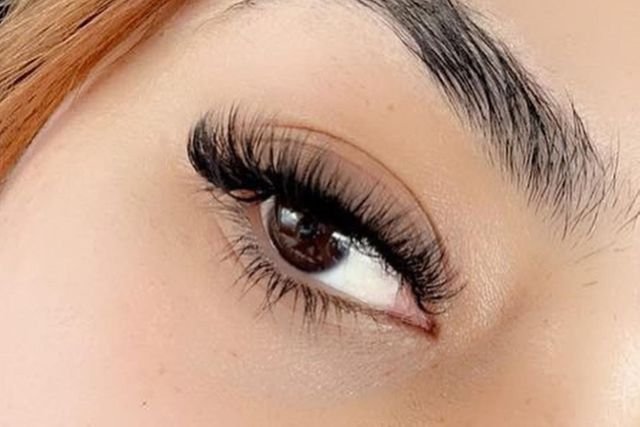
One of the most subtle options is classic extensions. They opt for a one-to-one application, that is, one extension to one natural lash. In this way, the length and definition of hair can be added more naturally, with less fullness than other extension techniques.
Volume extensions add thickness and depth to the lash, and color may be customized to create a more dramatic look. This is the middle ground with hybrid extensions, which include 50% Classic extensions with 50% Volume Fan extensions for additional volume and balance.
Consider a More Dramatic Lash Look
Mega Volume extensions are meant to give the most dramatic and full-coverage effect. This style could be attractive for those who wish for a dramatic, glittery appearance instead of a subtle enhancement. Knowing the difference between Volume and Mega Volume can help you determine how pronounced you would like the finished result to be.
The style you like should also play off your natural lashes and lifestyle. When deciding on a set just because it looks good in a picture, think about how much fullness and care it will take to maintain every day.
Your preferred style should also work with your natural lashes and personal routine. Don’t just select a set because it’s featured in a photo; think about how much they will require in terms of fullness and care.
Look for Customized Lash Services
Lash extensions are applied individually to the natural lashes using a specially formulated adhesive. Since everyone’s natural lashes, eye shape, and desired look are different, customization plays an important role in achieving a result that feels natural and suits each person’s features.
Custom mapping can also prove helpful when it comes to comparing studios. It allows you to create the lash design based on the eye shape, density, and natural lash condition, instead of applying the same method for all your clients.
Ask About Maintenance and Fills
If you are looking for a consistent, polished appearance, lash extensions require regular upkeep. Fills are typically recommended every 2–3 weeks to maintain fullness and keep your extensions looking even as your natural lashes continue through their growth cycle.
Between appointments, too, there is a role for aftercare. Some good practices involve regular brushing and shampooing of lashes, the use of a high-quality lash cleanser, not picking or rubbing lashes and using oil-free facial products. Extensions are not recommended for mascara.
Check Appointment Preparation and Convenience
Before your appointment, make sure your eyes are clean and free of makeup. Arriving without eye makeup gives the lash artist more time to focus on applying extensions, helping the appointment run smoothly and efficiently.
Ease of use can also be a factor. When your plans change, it can help to take advantage of same-day appointments and walk-ins, though some requests may not be accepted. If flexibility is a must, ask in advance if the appointment will be available.
Compare Services Before You Book
If you are searching for the best eyelash extensions in Tucson, compare studios based on the styles they provide, customization options, aftercare guidance, and appointment requirements. A wider range of choices can make it easier to select a service that matches your preferred appearance.
Disclaimer: This article is for general informational purposes only and should not be considered professional medical, cosmetic, or beauty advice. Lash results may vary depending on individual lash condition, lifestyle, and aftercare. Consult a qualified lash professional for guidance based on your individual needs.
Fashion
Body Tightening in Scottsdale: How Medical Aesthetics Can Help You Achieve Firmer-Looking Skin
Loose skin can be frustrating, especially when you are already making an effort to stay active and maintain a healthy lifestyle. Aging, weight changes, and the natural decline in collagen can affect how firm and smooth your skin looks. You may notice these changes around your abdomen, arms, thighs, or other areas of the body.
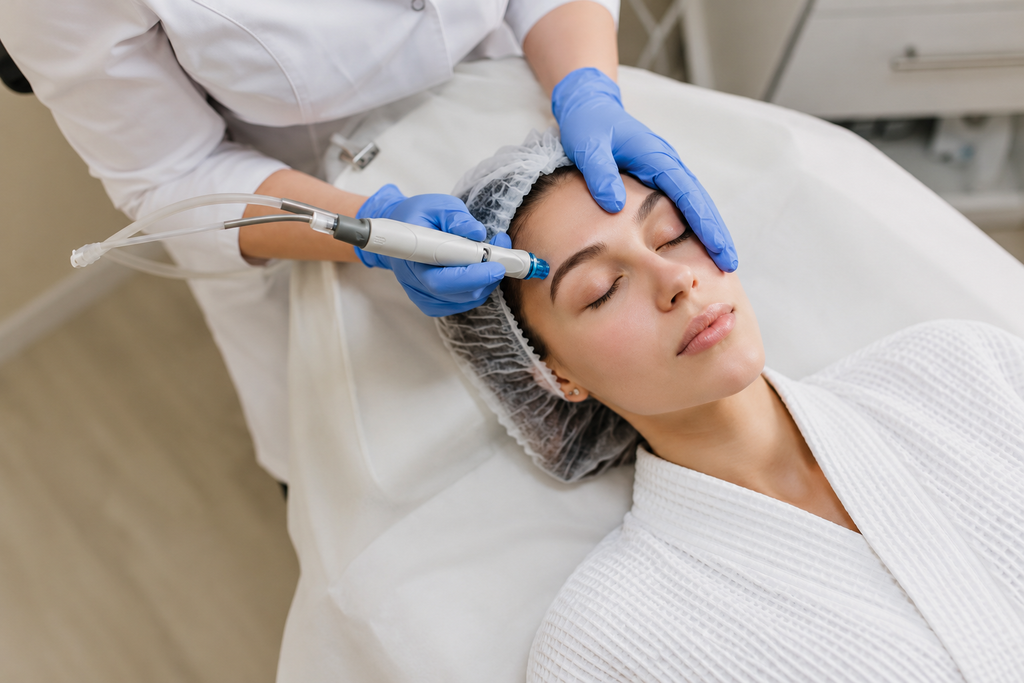
For those looking to improve skin firmness without surgery, body tightening in Scottsdale offers non-surgical treatment options designed to improve the appearance of loose skin and support smoother-looking body contours.
Why Does Skin Lose Its Firmness?
Collagen and elastin help keep skin firm, flexible, and resilient. As we age, the body gradually produces less collagen, and the skin may lose some of its elasticity. Significant weight loss, sun exposure, and genetics can also influence skin texture and firmness.
Sometimes, loose skin is not the only concern. Stubborn fat and cellulite can also affect the appearance of certain areas. Understanding the difference is important because skin-tightening treatments may not address every body-contouring concern.
How Can Non-Surgical Body Tightening Help?
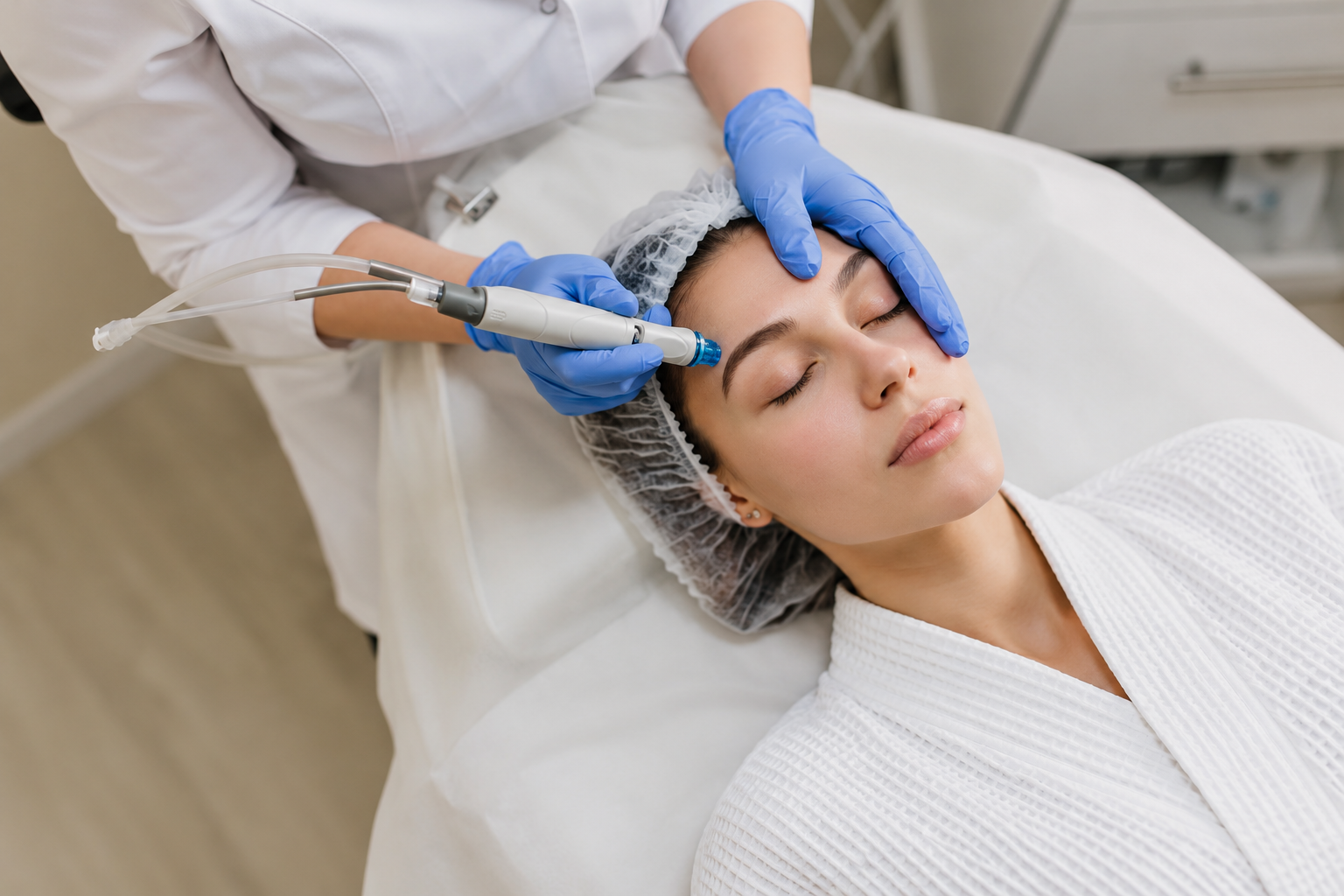
Modern aesthetic treatments use different technologies to address concerns such as skin laxity and uneven body contours. Depending on the device, these treatments may use radiofrequency, ultrasound, or other forms of energy to support collagen production and improve the appearance of skin firmness.
For example, Exion Skin Tightening uses radiofrequency and targeted ultrasound technology. The treatment is designed to support collagen and hyaluronic acid production, which may help improve skin quality and firmness over time.
Onda Pro is another body-contouring option that uses Coolwaves microwave technology to target concerns such as cellulite and localized fat. Its intended benefits differ from those of treatments focused primarily on skin tightening.
When exploring medical aesthetics in Scottsdale, consider your individual goals, treatment area, and skin condition. A consultation can help determine which approach may be appropriate. Non-surgical treatments have limitations and cannot remove large amounts of excess skin in the same way as surgery.
What Areas Can Be Treated?
Depending on the technology and your individual needs, body-tightening treatments may be used on areas such as:
- Abdomen: To improve the appearance of loose skin around the midsection.
- Upper arms: To address mild skin laxity.
- Thighs: To support smoother-looking skin and body contours.
- Other suitable areas: Treatment options depend on the device and professional assessment.
During a consultation, a provider can help identify whether loose skin, cellulite, localized fat, or a combination of concerns is affecting the treatment area.
What Should You Expect From Treatment?
Many non-surgical treatments require little downtime, although recovery and aftercare depend on the technology used. Some people may need multiple sessions to achieve their desired results.
Before beginning treatment, ask about the recommended number of sessions, potential side effects, expected results, and aftercare instructions. Results may develop gradually and vary according to age, skin quality, lifestyle, and the degree of skin laxity.
Maintaining a stable weight and following healthy lifestyle habits can support your overall body-contouring goals. However, no treatment can guarantee a particular cosmetic outcome.
Choosing Body Tightening in Scottsdale
Choosing the right treatment starts with understanding what you want to improve and which options suit your needs. Look for a provider who explains the available technologies, discusses potential risks, and sets realistic expectations without making exaggerated promises.
With a personalized approach and realistic expectations, non-surgical body tightening may be worth considering if you want to improve the appearance of skin firmness without surgery.
Disclaimer: This article is for informational purposes only and is not intended as medical advice. Results vary, and treatments may not be suitable for everyone. Consult a qualified healthcare or aesthetic professional before choosing a treatment.

VICTRIP Black Friday & Cyber Monday 2026: Unbeatable eBike Deals From $499

Understanding SPRAVATO Treatment Safety and Monitoring

Too Much Kid Clutter? Turn it Into a Business

Alex Pettyfer Net Worth, Wife, Age, Height, Children, Career and More

Brad Williams Net Worth, Wife, Height, Age, Daughter, Family, Career and More

Eldorado.gg Review 2026: How It Works, Safety, Fees, and Risks
-
Celebrity10 months ago
Alex Pettyfer Net Worth, Wife, Age, Height, Children, Career and More
-
Celebrity11 months ago
Brad Williams Net Worth, Wife, Height, Age, Daughter, Family, Career and More
-
Blog2 months ago
Eldorado.gg Review 2026: How It Works, Safety, Fees, and Risks
-
 Anime11 months ago
Sanzoku Bandits of One Piece: Origins, Higuma, and Their Role in Dawn Island
-
 Celebrity11 months ago
John McGinn Net Worth, Age, Height, Wife, Childrens, Career and More
-
 Celebrity11 months ago
Frances de la Tour Net Worth, Age, Height, Husband, Childrens, Career and More
-
 Celebrity11 months ago
Will Trickett Net Worth, Wife, Childrens, Age, Career and More
-
 Blog3 months ago
Crackstube: A Complete Guide to the Digital Publishing Platform