
Fashion
The Last Clan Battle: Mulroy, Clan Chattan, and the MacKintosh Tartan

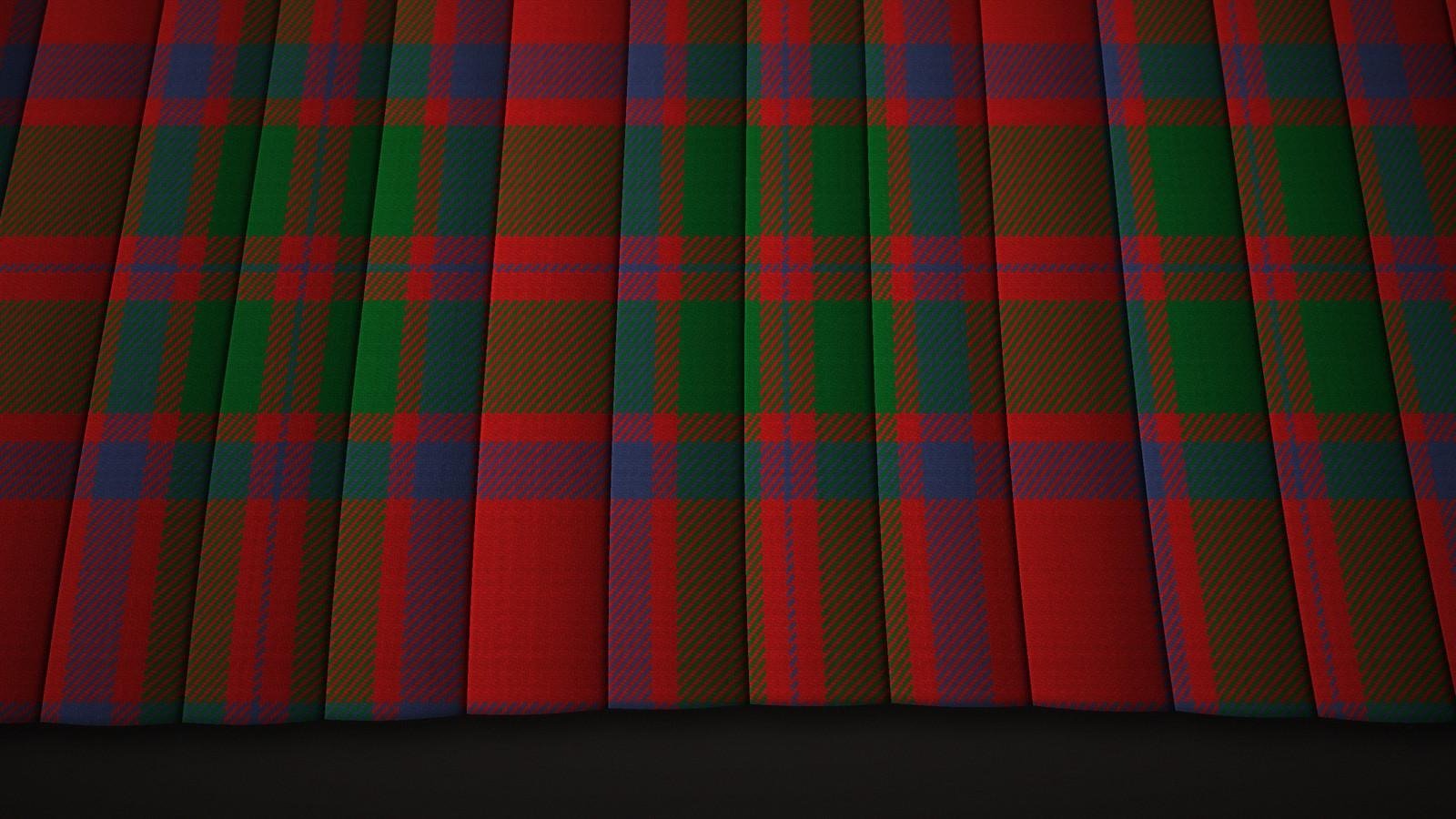
On 4 August 1688, on a hillside above the River Spean in Lochaber, the Mackintoshes went to war for the last time in the old way, and lost.
The quarrel was over land, as it always was. The Mackintosh chiefs had held a paper title to the lands of Keppoch, in the Braes of Lochaber, for three centuries, and for three centuries the MacDonalds of Keppoch had lived on them and paid nothing. In 1688 Lachlan Mackintosh, chief of the clan and of the whole confederation of Clan Chattan, decided to enforce his title. He obtained a commission of fire and sword from the Privy Council, marched south with about a thousand of his own people, and, because the government had an interest in seeing the lawless MacDonalds put down, took with him a company of regular soldiers under a Captain Mackenzie of Suddie. His people were the Mackintoshes and the clans of the Chattan confederation, whose scarlet MacKintosh tartan is one of the best documented in Scotland.
The MacDonalds were waiting. Their chief, Coll MacDonald of Keppoch, called Coll of the Cows for his skill at taking other people’s, had gathered his own men and his neighbours, the MacDonalds of Glencoe and the Camerons, and he had the high ground. At Mulroy, on a spur of hill above Roy Bridge, the two clans met in a Highland charge, the MacDonalds came down the slope, and the Mackintoshes broke. Captain Mackenzie was killed. The Mackintosh chief himself was taken prisoner and was released only when Keppoch had made his point.
It is usually called the last clan battle fought in Scotland: the last time two Highland clans, as clans, met in the field to settle a quarrel with the sword. The government sent troops to burn Keppoch in reprisal, which changed nothing, and within the year the whole country was absorbed in the revolution that put William of Orange on the throne. The MacDonalds stayed on the land.
The clan of the cat
The Mackintoshes could afford one defeat. They were, and are, the captains of Clan Chattan, the great confederation of the cat, which took in the Macphersons, the MacGillivrays, the Davidsons, the Shaws, the MacBeans, the Farquharsons, the MacQueens and a dozen more, all bound to the Mackintosh chief by blood or by bond. Their crest is a wildcat, and their motto is the wildcat’s warning: Touch not the cat bot a glove, which is to say, without one.
Their seat is Moy Hall, south of Inverness, on the loch of the same name, and their history is thick with the kind of story a clan likes. Clan Chattan itself, the confederation, is unique in Scotland: not a clan but an alliance of clans under one captain, bound by written bonds of friendship that survive from the sixteenth century and were renewed as late as the twentieth. The chief’s wife in 1746 was Colonel Anne, who raised the clan for the Prince while her husband served King George, and whose blacksmith turned back fifteen hundred government troops in the dark. The clan fought at Bannockburn, Harlaw, Culloden and, as the 79th, at Waterloo. The present chief, Mackintosh of Mackintosh, is the thirty-first of the line.
Too well authenticated to admit of doubt
Their tartan is the best documented in Scotland. That is not a manner of speaking. The great scholar D. C. Stewart, who doubted almost everything, wrote of the Mackintosh that it is “one of the few ancient tartans too well authenticated to admit of doubt or question,” and the archives explain why. When the Highland Society of London began collecting clan tartans around 1815, it wrote to the chiefs and asked each to send a sample sealed with his own signature. The Mackintosh chief sent his. It is still in the collection, with his seal on it, and it is the tartan the clan wears today. James Logan published it in 1831. The chief recorded it with the Lord Lyon in 1951.
It is a red tartan, simple and strong: a broad scarlet ground crossed by bands of green and blue, with fine red lines through the green. Nothing else. No black, no white, no yellow. It is one of the reddest tartans in existence, and one of the most legible, and it is worn by the whole of Clan Chattan as well as by the Mackintoshes themselves. Retailers offer MacKintosh tartan in Modern and Ancient colours, made to order as kilts, skirts, sashes, scarves and ties, or by the yard, under both spellings of the name. There is a so-called Dress Mackintosh in the trade, and the archives note, a little tartly, that there does not appear to be any legitimate one. Its scarlet shows a turn better than almost any cloth, which makes it a fine choice for pleated kilts and skirts on the dance floor.
Inverness, a Wednesday evening in November
Morag Mackintosh is fifty-four and has taught Scottish country dancing in a church hall in Inverness on Wednesday evenings since 1998. Twelve miles up the road is Moy. She has been asked, about once a term for twenty-five years, whether she is one of the Mackintoshes, and her answer is that everyone in Inverness is one of the Mackintoshes if you go back far enough.
Scottish country dancing is a precise business. It is done in sets of six or eight, in figures that have names and rules, to a strict tempo, and it is done in skirts, because a skirt that opens and closes with a turn is part of what the dance looks like. Morag has strong views about the skirt.
“Not a full circle,” she tells beginners. “Not a straight one. Pleats. Knife pleats, stitched to the hip, so it lies flat when you’re standing and opens when you turn. And it needs to hold its crease, because you’ll be turning about four hundred times.”
Hers is a MacKintosh, red with the green and blue bands, and it is nine years old and has not lost a pleat. It came from Scottish Kilt, from the range the outfitters file under pleated kilts for women, and the description is the reason she recommends it to every new dancer: pleated plaid skirts with sharp knife pleats that hold a permanent crease, in more than five thousand tartans, cut to your own waist and the finished length you send.
That last point is the one the beginners do not understand until they have danced in the wrong length. A country dance skirt should finish just below the knee. Shorter and the poussette looks like something else. Longer and the reel of three catches on the ankle. Morag has every new dancer measured standing in their dance shoes, waist to the exact hem, and sends the numbers. The pleats are pressed and stitched down from the waistband to the hip, so the skirt sits like a kilt over the hips and opens only below, and the cloth is a worsted that takes a crease and keeps it through a wash. Between classes it hangs from the waistband on a clip hanger, never folded, and it has never been near an iron, because a pleat pressed by the maker and left alone outlasts one pressed at home.
Tonight it is the Reel of the 51st, eight bars of set and turn, and a new set of beginners is going wrong at the same place every time. Morag walks it, in the red skirt, and the pleats fan out on the turn and fall back flat, and the class watches the skirt as much as the feet, which is the idea.
Afterwards a woman from Manchester, in her first term and a straight skirt, asks about the tartan.
“MacKintosh. The clan one.”
“It’s very red.”
“It’s the most authenticated tartan in Scotland. The chief sent it to London with his seal on it in 1815.” Morag folds her cardigan. “And his ancestor got beaten at Mulroy in 1688 by a man called Coll of the Cows. You can have both. That’s the Highlands.”
“Where should I get a skirt?”
“Same place I did. Knife pleats. Measure to the hem in your shoes. And pick a tartan that shows the turn.”
Touch not the cat
The Mackintoshes lost the last clan battle and kept the captaincy of Clan Chattan, sent their tartan to London under seal when nobody else thought to, and had a colonel for a chief’s wife when the Prince came. It is a clan that has always been sure of what it is.
Its tartan is red with green and blue, and it has no equal for showing a turn. In knife pleats stitched to the hip and cut to the hem in dancing shoes, in a church hall in Inverness on a wet Wednesday, it does what a Highland cloth has always been for, which is to move.
Fashion
How to Choose an Eyewear Manufacturer in China for Your European or American Private Label Brand

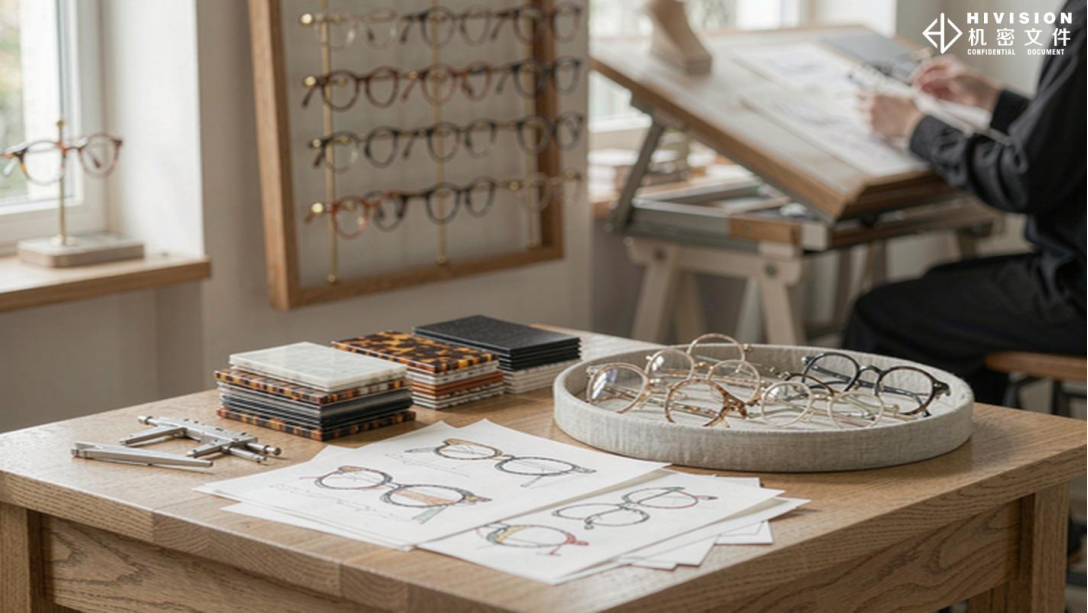
Launching or expanding a private-label eyewear brand involves more than finding a factory with attractive designs and competitive prices. Your manufacturing partner will influence product quality, development speed, production costs, and ultimately your brand’s reputation.
- 1. Start by Understanding China’s Eyewear Manufacturing Landscape
- 2. Match the Manufacturer to Your Required Frame Material
- 3. Decide Whether You Need OEM, ODM, or Private-Label Manufacturing
- 4. Verify Factory Capabilities Instead of Trusting Product Catalogs
- 5. Evaluate MOQ, Pricing, and Production Lead Times
- 6. Check Quality Control and European or American Market Requirements
- 7. Compare Suppliers Using a Practical Evaluation Scorecard
- Finding a Manufacturing Partner for Your Private-Label Brand
China has a well-developed eyewear manufacturing ecosystem, offering access to acetate, metal, titanium, injection-molded frames, and specialized component suppliers. However, not every factory has the same technical capabilities or experience serving international brands.
So, how do you identify the right eyewear manufacturer china for your business? The answer starts with understanding what different manufacturers can actually produce and how they manage the complete manufacturing process.
1. Start by Understanding China’s Eyewear Manufacturing Landscape
China has several established eyewear manufacturing clusters, each with different supply-chain strengths.
- Wenzhou, Zhejiang: An established center for optical frames, metal eyewear, acetate frames, and export-oriented manufacturing.
- Danyang, Jiangsu: Particularly important for optical lenses and related eyewear production.
- Shenzhen, Guangdong: An important manufacturing and technology center with specialized eyewear production capabilities.
- Xiamen, Fujian: Another region worth investigating for sunglasses and fashion-oriented eyewear.
These regional differences matter when searching for eyewear manufacturers in china. Rather than choosing a factory based only on its location, identify the region and manufacturer that best match your product requirements.
2. Match the Manufacturer to Your Required Frame Material
One of the biggest mistakes private-label buyers make is assuming every eyewear factory can manufacture every type of frame equally well.
Different materials require different machinery, production techniques, and technical expertise.
Acetate eyewear manufacturing
Acetate frames are popular among fashion and optical brands because of their color possibilities, layered patterns, and premium appearance.
When evaluating china acetate eyewear manufacturers, investigate their sheet material sourcing, CNC cutting, lamination, polishing, finishing, and assembly capabilities.
If your collection focuses on acetate, look specifically for a china acetate eyewear frames manufacturer with relevant production experience.
Metal eyewear manufacturing
Metal frames require precision in cutting, bending, welding, plating, and component assembly.
Brands seeking china metal eyewear frames manufacturer options should examine hinge construction, welding quality, surface treatment, and dimensional consistency.
Injection eyewear manufacturing
Injection molding is commonly used for thermoplastic materials such as TR90 and Ultem.
A specialized china injection eyewear manufacturer should demonstrate mold development capabilities, molding consistency, material knowledge, and finishing processes.
For brands seeking both acetate and metal collections, comparing china acetate and metal eyewear manufacturers can reduce supplier-management complexity.
3. Decide Whether You Need OEM, ODM, or Private-Label Manufacturing
Before contacting a china eyewear manufacturer, define how much product development support your brand needs.
| Manufacturing model | What your brand provides | What the factory provides |
| Private label | Existing product selection, branding requirements | Frames, logo application, and packaging |
| OEM | Designs, drawings, specifications | Technical development and production |
| ODM | Design direction and product requirements | Design development, sampling, customization, and production |
For example, an established fashion brand with original frame designs may prefer OEM manufacturing.
A startup with limited design resources may benefit more from ODM services.
If you are interested in handmade collections, investigate whether a china handmade acetate eyewear manufacturer has the skilled workforce and finishing processes required for your specifications.
Similarly, distinguish between a china oem handmade eyewear manufacturer and a china odm handmade eyewear manufacturer based on who controls the original design and development work.
4. Verify Factory Capabilities Instead of Trusting Product Catalogs
A manufacturer may display hundreds of styles online without producing all of them internally.
Ask potential suppliers:
- Which production processes are performed in-house?
- Do you have your own mold development facilities?
- Which materials do you specialize in?
- What is your monthly or annual production capacity?
- Which processes are outsourced?
- Can you provide factory photographs or arrange a virtual audit?
This is particularly important when evaluating eyewear frames manufacturer china options.
For specialized product categories, investigate the manufacturer’s actual experience. For example, china protective eyewear manufacturers and an outdoor eyewear manufacturer in china may require different technical capabilities from a conventional fashion-frame factory.
If you require safety-rated protective eyewear, verify the relevant product-specific testing and applicable standards rather than relying on general factory certifications.
5. Evaluate MOQ, Pricing, and Production Lead Times
MOQ is one of the most important considerations for private-label brands, particularly those launching their first collection.
Ask manufacturers to clarify:
- MOQ per model.
- MOQ per color.
- Sample development charges.
- Mold and tooling costs.
- Logo and packaging costs.
- Bulk production lead times.
- Repeat-order conditions.
Do not assume that a low unit price means a lower total purchasing cost.
For example, an acetate frame with customized colors and tooling may have a different cost structure from an existing injection-molded design.
Request a detailed quotation based on the same technical specifications from every shortlisted supplier.
6. Check Quality Control and European or American Market Requirements
A reliable manufacturer should have documented inspection procedures covering incoming materials, production, assembly, and finished products.
For eyewear brands, important inspection points include:
- Frame symmetry and dimensional accuracy.
- Hinge strength and functionality.
- Welding and surface-finishing quality.
- Lens fitting and stability.
- Material and color consistency.
- Packaging and labeling requirements.
European and American brands should also identify applicable destination-market requirements before production.
For example, general-purpose sunglasses sold in Europe may fall under EN ISO 12312-1 requirements, while prescription eyewear and protective eyewear can involve different standards.
Ask for relevant product-specific test reports and verify that they correspond to the actual models being ordered.
This is a critical part of achieving quality eyewear manufacturing in china.
7. Compare Suppliers Using a Practical Evaluation Scorecard
When comparing eyewear manufacturers china, do not rely on website appearance or sales presentations.
Use a consistent evaluation framework:
| Evaluation criterion | Suggested weight |
| Manufacturing capabilities | 20% |
| Product quality and QC | 20% |
| Material expertise | 15% |
| OEM/ODM customization | 15% |
| Pricing and MOQ | 10% |
| Delivery reliability | 10% |
| Communication and service | 10% |
| Total | 100% |
Use actual samples, documentation, factory verification, and quotation comparisons to assign scores.
This method is more useful than choosing from a random list of top eyewear manufacturers china or relying on claims about the top eyewear manufacturers in china.
If your product direction includes oval frames, men’s classic designs, or other specific styles, evaluate the manufacturer’s relevant design-development experience. Searching for a china oval eyewear manufacturer, a china best oval eyewear manufacturer, or china men classic eyewear manufacturers can help generate supplier leads, but these search phrases do not establish actual manufacturing specialization.
Likewise, claims about china famous acetate eyewear manufacturers should be verified through production evidence, customer references, and product samples.
Finding a Manufacturing Partner for Your Private-Label Brand
Choosing the right manufacturing partner is a long-term business decision. The best supplier is not necessarily the largest factory or the one offering the cheapest quotation. It is the manufacturer that can consistently deliver your approved specifications, support product development, and grow alongside your brand.
For brands exploring eyewear manufacturing in china, Wenzhou is a practical location to investigate for multi-material frame production.
Hivision Eyewear, founded in 2006 and based in Wenzhou, China, provides OEM/ODM manufacturing services for optical frames, sunglasses, and reading glasses.
Its production lines cover acetate, metal, titanium, and injection materials, making it relevant to brands developing multiple eyewear categories.
For example, its website lists custom-order MOQ starting at 150–200 pieces per color for metal and acetate frames, and 200–300 pieces per color for injection frames. Actual order requirements should be confirmed against the selected model and specifications.
You can explore its acetate and metal eyewear collections and company manufacturing background.
Ultimately, the right china eyewear manufacturers should offer more than production capacity. They should provide the technical expertise, quality consistency, communication, and flexibility required to turn your private-label eyewear concept into a successful commercial collection.
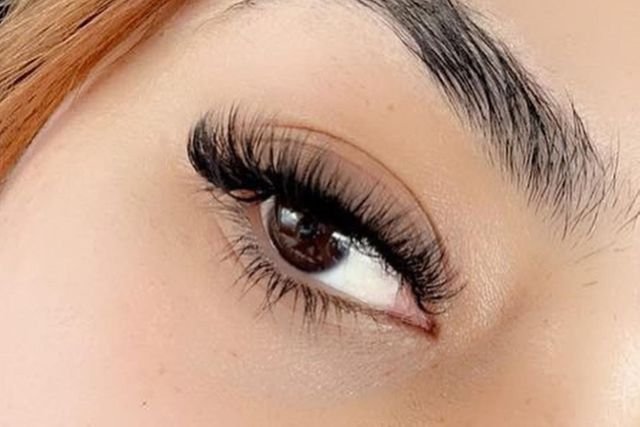
Searching for Eyelash Extensions Near Me can bring up many options, but choosing the right studio requires more than looking at photos. Before booking, consider the lash styles available, how extensions are applied, aftercare requirements, and whether the service fits your everyday routine.
For anyone comparing eyelash extension services in Tucson, understanding the differences between available options can make the decision easier. A suitable style should complement your natural lashes while providing the level of fullness, definition, or drama you actually want.
Start With the Lash Style You Prefer
One of the most subtle options is classic extensions. They opt for a one-to-one application, that is, one extension to one natural lash. In this way, the length and definition of hair can be added more naturally, with less fullness than other extension techniques.
Volume extensions add thickness and depth to the lash, and color may be customized to create a more dramatic look. This is the middle ground with hybrid extensions, which include 50% Classic extensions with 50% Volume Fan extensions for additional volume and balance.
Consider a More Dramatic Lash Look
Mega Volume extensions are meant to give the most dramatic and full-coverage effect. This style could be attractive for those who wish for a dramatic, glittery appearance instead of a subtle enhancement. Knowing the difference between Volume and Mega Volume can help you determine how pronounced you would like the finished result to be.
The style you like should also play off your natural lashes and lifestyle. When deciding on a set just because it looks good in a picture, think about how much fullness and care it will take to maintain every day.
Your preferred style should also work with your natural lashes and personal routine. Don’t just select a set because it’s featured in a photo; think about how much they will require in terms of fullness and care.
Look for Customized Lash Services
Lash extensions are applied individually to the natural lashes using a specially formulated adhesive. Since everyone’s natural lashes, eye shape, and desired look are different, customization plays an important role in achieving a result that feels natural and suits each person’s features.
Custom mapping can also prove helpful when it comes to comparing studios. It allows you to create the lash design based on the eye shape, density, and natural lash condition, instead of applying the same method for all your clients.
Ask About Maintenance and Fills
If you are looking for a consistent, polished appearance, lash extensions require regular upkeep. Fills are typically recommended every 2–3 weeks to maintain fullness and keep your extensions looking even as your natural lashes continue through their growth cycle.
Between appointments, too, there is a role for aftercare. Some good practices involve regular brushing and shampooing of lashes, the use of a high-quality lash cleanser, not picking or rubbing lashes and using oil-free facial products. Extensions are not recommended for mascara.
Check Appointment Preparation and Convenience
Before your appointment, make sure your eyes are clean and free of makeup. Arriving without eye makeup gives the lash artist more time to focus on applying extensions, helping the appointment run smoothly and efficiently.
Ease of use can also be a factor. When your plans change, it can help to take advantage of same-day appointments and walk-ins, though some requests may not be accepted. If flexibility is a must, ask in advance if the appointment will be available.
Compare Services Before You Book
If you are searching for the best eyelash extensions in Tucson, compare studios based on the styles they provide, customization options, aftercare guidance, and appointment requirements. A wider range of choices can make it easier to select a service that matches your preferred appearance.
Disclaimer: This article is for general informational purposes only and should not be considered professional medical, cosmetic, or beauty advice. Lash results may vary depending on individual lash condition, lifestyle, and aftercare. Consult a qualified lash professional for guidance based on your individual needs.
Fashion
Body Tightening in Scottsdale: How Medical Aesthetics Can Help You Achieve Firmer-Looking Skin


Loose skin can be frustrating, especially when you are already making an effort to stay active and maintain a healthy lifestyle. Aging, weight changes, and the natural decline in collagen can affect how firm and smooth your skin looks. You may notice these changes around your abdomen, arms, thighs, or other areas of the body.
For those looking to improve skin firmness without surgery, body tightening in Scottsdale offers non-surgical treatment options designed to improve the appearance of loose skin and support smoother-looking body contours.

Why Does Skin Lose Its Firmness?
Collagen and elastin help keep skin firm, flexible, and resilient. As we age, the body gradually produces less collagen, and the skin may lose some of its elasticity. Significant weight loss, sun exposure, and genetics can also influence skin texture and firmness.
Sometimes, loose skin is not the only concern. Stubborn fat and cellulite can also affect the appearance of certain areas. Understanding the difference is important because skin-tightening treatments may not address every body-contouring concern.
How Can Non-Surgical Body Tightening Help?
Modern aesthetic treatments use different technologies to address concerns such as skin laxity and uneven body contours. Depending on the device, these treatments may use radiofrequency, ultrasound, or other forms of energy to support collagen production and improve the appearance of skin firmness.
For example, Exion Skin Tightening uses radiofrequency and targeted ultrasound technology. The treatment is designed to support collagen and hyaluronic acid production, which may help improve skin quality and firmness over time.
Onda Pro is another body-contouring option that uses Coolwaves microwave technology to target concerns such as cellulite and localized fat. Its intended benefits differ from those of treatments focused primarily on skin tightening.
When exploring medical aesthetics in Scottsdale, consider your individual goals, treatment area, and skin condition. A consultation can help determine which approach may be appropriate. Non-surgical treatments have limitations and cannot remove large amounts of excess skin in the same way as surgery.
What Areas Can Be Treated?
Depending on the technology and your individual needs, body-tightening treatments may be used on areas such as:
- Abdomen: To improve the appearance of loose skin around the midsection.
- Upper arms: To address mild skin laxity.
- Thighs: To support smoother-looking skin and body contours.
- Other suitable areas: Treatment options depend on the device and professional assessment.
During a consultation, a provider can help identify whether loose skin, cellulite, localized fat, or a combination of concerns is affecting the treatment area.
What Should You Expect From Treatment?
Many non-surgical treatments require little downtime, although recovery and aftercare depend on the technology used. Some people may need multiple sessions to achieve their desired results.
Before beginning treatment, ask about the recommended number of sessions, potential side effects, expected results, and aftercare instructions. Results may develop gradually and vary according to age, skin quality, lifestyle, and the degree of skin laxity.
Maintaining a stable weight and following healthy lifestyle habits can support your overall body-contouring goals. However, no treatment can guarantee a particular cosmetic outcome.
Choosing Body Tightening in Scottsdale
Choosing the right treatment starts with understanding what you want to improve and which options suit your needs. Look for a provider who explains the available technologies, discusses potential risks, and sets realistic expectations without making exaggerated promises.
With a personalized approach and realistic expectations, non-surgical body tightening may be worth considering if you want to improve the appearance of skin firmness without surgery.
Disclaimer: This article is for informational purposes only and is not intended as medical advice. Results vary, and treatments may not be suitable for everyone. Consult a qualified healthcare or aesthetic professional before choosing a treatment.

Build a Living Room Worth Bingeing In: The Complete Setup for Marathon Viewing Nights

How to Help Your Child Prepare for a Science Fair: A Step-by-Step Guide for Parents

Custom Label: How to Choose the Right Materials, Adhesives, and Manufacturer for Your Business

Alex Pettyfer Net Worth, Wife, Age, Height, Children, Career and More

Brad Williams Net Worth, Wife, Height, Age, Daughter, Family, Career and More

Eldorado.gg Review 2026: How It Works, Safety, Fees, and Risks
-
Celebrity11 months ago
Alex Pettyfer Net Worth, Wife, Age, Height, Children, Career and More
-
Celebrity11 months ago
Brad Williams Net Worth, Wife, Height, Age, Daughter, Family, Career and More
-
Blog3 months ago
Eldorado.gg Review 2026: How It Works, Safety, Fees, and Risks
-
 Anime1 year ago
Sanzoku Bandits of One Piece: Origins, Higuma, and Their Role in Dawn Island
-
 Celebrity12 months ago
John McGinn Net Worth, Age, Height, Wife, Childrens, Career and More
-
 Anime1 year ago
Shimotsuki Ushimaru – The Last Daimyo of Wano Country Explained
-
 Celebrity12 months ago
Frances de la Tour Net Worth, Age, Height, Husband, Childrens, Career and More
-
 Celebrity12 months ago
Will Trickett Net Worth, Wife, Childrens, Age, Career and More