
Health
Grief Counseling Guide: Practical Support for Processing Loss, Managing Emotions, and Moving Forward


Grief is a deeply personal response to losing someone, something, or a way of life that was meaningful. Although grief is commonly associated with the death of a loved one, it can also follow the end of an important relationship, a major change in circumstances, loss of independence, or the disappearance of expectations for the future. Emotional reactions can vary greatly from one person to another, and there is no universal schedule for recovery. Grief counseling can provide a supportive setting where individuals can discuss difficult feelings, understand changes in their daily lives, and develop healthy strategies for adapting to loss. Professional guidance can be especially useful when grief becomes difficult to manage or begins to affect relationships, responsibilities, sleep, or overall well-being.
- Understanding the Nature of Grief
- Recognizing Different Forms of Loss
- Allowing Yourself to Feel
- Managing Feelings of Guilt
- Coping With Loneliness
- Adjusting to Everyday Changes
- Understanding Emotional Fluctuations
- Maintaining Supportive Relationships
- Finding Meaningful Ways to Remember
- Developing Healthy Coping Strategies
- Recognizing When Additional Support May Be Useful
- Supporting Children and Teenagers
- Balancing Responsibilities With Grief
- Preparing for Difficult Dates
- Creating a New Sense of Normal
- Practicing Self-Compassion
- Looking Toward the Future
- Building Emotional Resilience
- Moving Forward While Honoring the Past
- Final Thoughts
Understanding the Nature of Grief
Grief is not a simple process that follows the same predictable stages for everyone. A person may experience sadness, anger, loneliness, guilt, confusion, relief, fear, or emotional numbness, sometimes moving between several emotions within a short period. Certain days may feel manageable while other days bring a sudden return of intense feelings because of memories, conversations, anniversaries, or familiar routines. Grief can also affect concentration, motivation, appetite, sleep, and energy. Recognizing these variations can help individuals understand that emotional changes are not necessarily signs that they are handling the loss incorrectly. Each person’s response is influenced by their relationship with the loss, personal history, support system, and current circumstances.
Recognizing Different Forms of Loss
Bereavement is one of the most familiar forms of grief, but significant emotional loss can occur in many circumstances. The end of a marriage or close relationship, loss of employment, major changes in health, separation from loved ones, or a substantial change in lifestyle can all lead to grief. Some individuals may also grieve an expected future that is no longer possible because circumstances have changed. Other people may experience grief after losing a role, ability, routine, or sense of security that was important to their identity. Grief counseling can help individuals recognize the emotional significance of these experiences and create space to process them without feeling that their reactions need to be justified to others.
Allowing Yourself to Feel
People sometimes feel pressure to remain strong after experiencing a major loss. They may believe they need to immediately return to work, care for family members, maintain social responsibilities, or appear positive around others. While everyday responsibilities may still need attention, suppressing emotions can make the adjustment process more difficult for some people. Allowing appropriate space for sadness, anger, confusion, loneliness, or other emotions can be a healthy part of adapting to change. Grief counseling provides an environment where individuals can discuss difficult feelings without being expected to hide them. Expressing emotions in a safe and constructive setting can help reduce isolation and make complicated experiences easier to understand.
Managing Feelings of Guilt
Guilt can be one of the most painful emotions associated with grief. People may repeatedly think about conversations, decisions, or actions that occurred before a loss and wonder whether they could have done something differently. Some may blame themselves for circumstances that were outside their control, while others may feel guilty when they begin enjoying ordinary activities again. These thoughts can become repetitive and emotionally exhausting. Exploring guilt with patience can help individuals distinguish between actual responsibility and self-blame that may not accurately reflect the circumstances. A supportive professional can help a person examine these thoughts without dismissing the importance of their emotions and can encourage a more balanced understanding of what was and was not within their control.
Coping With Loneliness
A significant loss can create a powerful sense of loneliness, particularly when the person or relationship was central to everyday life. Familiar routines may suddenly feel empty, and ordinary activities may bring reminders of what has changed. Even when friends and family members are available, a grieving person may feel that others cannot fully understand the particular absence they are experiencing. Maintaining supportive connections can help reduce isolation, but individuals should not feel forced to socialize before they are ready. Grief counseling can help people explore loneliness and identify manageable ways to stay connected with supportive individuals. Over time, rebuilding social routines can provide companionship while still allowing appropriate space for personal grief.
Adjusting to Everyday Changes
Loss can affect practical responsibilities as well as emotional well-being. Someone may suddenly need to manage household tasks, financial responsibilities, parenting duties, work requirements, or other activities that were previously shared with another person. These changes can feel especially overwhelming when grief is already affecting concentration and energy. Breaking responsibilities into smaller steps can make them more manageable. Establishing simple routines around meals, sleep, work, personal care, and social connection can also provide structure during an uncertain period. Small, consistent actions can help individuals regain a sense of stability without requiring them to stop grieving or pretend that the loss has not affected them.
Understanding Emotional Fluctuations
Grief can involve emotional changes that seem unpredictable. A person may feel calm for several hours and then suddenly experience intense sadness after hearing a familiar song, seeing a photograph, visiting a familiar setting, or remembering an important conversation. These emotional fluctuations do not necessarily mean that the person has lost progress. Grief can be influenced by memories, anniversaries, traditions, conversations, and everyday experiences. Understanding this possibility can make sudden emotions feel less alarming. Individuals can learn to acknowledge difficult feelings without automatically interpreting them as evidence that they are unable to move forward. Emotional adjustment is often gradual and may include both difficult and relatively peaceful periods.
Maintaining Supportive Relationships
Trusted relationships can provide important emotional and practical support during grief. Friends, family members, colleagues, and other supportive people may offer companionship, assistance with responsibilities, or simply a willingness to listen. However, people do not always know what to say to someone who is grieving, and some comments may unintentionally create pressure to recover quickly. It can be helpful for grieving individuals to communicate what kind of support they need. This might involve asking someone to listen without giving advice, requesting help with practical tasks, or explaining when social interaction feels overwhelming. Healthy relationships can provide connection while still allowing the grieving person to maintain personal boundaries.
Finding Meaningful Ways to Remember
Memories can bring both sadness and comfort after a significant loss. Some individuals may find meaning in photographs, letters, personal reflections, traditions, favorite activities, or conversations about positive experiences. Remembering does not mean refusing to move forward. Instead, meaningful remembrance can allow people to acknowledge the importance of what they have lost while continuing to participate in present life. Grief counseling can help individuals explore how memories affect their emotions and identify ways to preserve meaningful connections without becoming overwhelmed. There is no universal method for remembering someone or something important. What matters is finding an approach that feels respectful and emotionally manageable for the individual.
Developing Healthy Coping Strategies
Healthy coping strategies can provide practical support during difficult periods of grief. Useful activities may include maintaining regular sleep and meal routines, taking appropriate physical activity, journaling, engaging in creative interests, practicing relaxation exercises, spending time with supportive people, and allowing time for rest. Different strategies may be helpful at different points in the grieving process. Individuals should also be aware of coping behaviors that temporarily numb emotional pain but may create additional problems over time. Grief counseling can help people identify healthier coping options and develop a broader set of tools for managing difficult moments. Having several strategies available can provide flexibility when emotional needs change.
Recognizing When Additional Support May Be Useful
Strong emotions following a major loss can be a normal part of grief, but additional support may be appropriate when distress becomes persistent or significantly interferes with daily functioning. A person may have difficulty completing ordinary responsibilities, maintaining relationships, sleeping, eating, concentrating, or participating in previously meaningful activities. Some individuals may also experience intense isolation or feel unable to adapt to changes created by the loss. Grief counseling can provide a structured opportunity to discuss these concerns and determine whether additional professional support may be beneficial. A qualified mental health professional can consider the individual’s circumstances, emotional responses, history, and current level of functioning when discussing appropriate options.
Supporting Children and Teenagers
Children and teenagers may experience grief differently from adults. Younger children may not fully understand the permanence of death and may express distress through changes in play, behavior, sleep, attachment, or physical complaints. Teenagers may become withdrawn, irritable, unusually quiet, or reluctant to discuss their emotions. Adults can provide age-appropriate explanations and allow young people to ask questions as they become ready. Maintaining familiar routines can provide a sense of stability during periods of uncertainty. It is also important not to assume that a young person has stopped grieving simply because they appear happy or continue with normal activities. Emotional responses can appear at different times, and supportive adults can help children and teenagers feel comfortable discussing their experiences.
Balancing Responsibilities With Grief
People often need to continue working, studying, caring for children, managing households, or completing other responsibilities while grieving. Trying to perform every responsibility exactly as before may create unnecessary pressure, particularly when concentration and energy are affected. When possible, it can be useful to identify essential tasks and temporarily reduce less important demands. Asking trusted people for practical assistance can also make everyday life easier. Grief counseling can help individuals think through realistic approaches to balancing emotional needs with necessary responsibilities. The goal is not to ignore grief while continuing daily activities but to develop a sustainable routine that allows space for emotional processing alongside practical commitments.
Preparing for Difficult Dates
Birthdays, anniversaries, holidays, family traditions, and other meaningful dates can bring stronger emotions. Even an ordinary activity may become a reminder of the person, relationship, or circumstances that have been lost. Preparing for these moments can help individuals decide what kind of support they may want. Some people prefer to maintain familiar traditions, while others choose to create new ones. There is no universally correct approach. Preparation might involve spending time with supportive people, adjusting expectations, allowing additional rest, or creating a meaningful remembrance activity. Recognizing that difficult dates may intensify emotions can help people approach them with greater understanding rather than feeling surprised or discouraged by temporary increases in grief.
Creating a New Sense of Normal
After a significant loss, returning to exactly the way life was before may not be possible. Individuals may need to gradually create new routines that acknowledge what has changed while leaving room for meaningful experiences. Moving forward does not mean forgetting the person, relationship, or circumstances that were important. It can mean learning how to participate in everyday life while carrying memories and emotions associated with the loss. Grief counseling can support this adjustment by helping individuals identify meaningful activities, personal values, supportive relationships, and realistic future goals. Developing a new sense of normal can take considerable time and may involve both difficult periods and moments of renewed interest in life.
Practicing Self-Compassion
People experiencing grief sometimes criticize themselves for how they are responding to the loss. They may believe they should be feeling better, returning to normal activities, or handling responsibilities more effectively. Self-criticism can add unnecessary emotional pressure during an already difficult period. Self-compassion involves recognizing that grief can affect concentration, energy, motivation, sleep, and emotions. It means allowing reasonable flexibility while still attending to important responsibilities and seeking assistance when needed. Treating oneself with patience does not minimize the significance of a loss. Instead, it acknowledges that emotional recovery can take time and that individuals deserve understanding while adapting to major changes.
Looking Toward the Future
Thinking about the future can feel uncomfortable after a significant loss because previous expectations may no longer apply. Individuals may need time before they feel ready to create new goals or imagine positive experiences. Moving forward does not require abandoning memories or eliminating sadness. It can involve gradually discovering how meaningful activities, relationships, responsibilities, and personal goals can exist alongside the experience of loss. Grief counseling can help individuals explore these changes and identify realistic steps toward rebuilding daily life. Over time, people may discover that experiencing moments of happiness, connection, or excitement does not diminish the importance of the person, relationship, or experience they have lost.
Building Emotional Resilience
Resilience after loss does not mean forgetting what happened or avoiding painful emotions. Instead, it involves developing the ability to adapt to changed circumstances while continuing to build a meaningful life. Supportive relationships, healthy routines, problem-solving skills, self-awareness, and appropriate professional assistance can all contribute to resilience. Individuals may gradually discover strengths they did not realize they had, although having strengths does not make the loss less significant. Grief counseling can help people recognize progress and develop practical strategies for managing difficult periods. Resilience often develops gradually, and setbacks do not necessarily mean that meaningful progress has disappeared.
Moving Forward While Honoring the Past
Moving forward after loss is not the same as leaving the past behind. Memories, traditions, relationships, and experiences can remain meaningful even as a person develops new routines and goals. Individuals may find ways to honor what mattered while also making room for future experiences. This might involve continuing meaningful traditions, supporting others, pursuing personal goals, or maintaining connections with people who share important memories. The process is highly individual and may change over time. What feels helpful during one period may feel different later. Allowing flexibility can help individuals adapt naturally while maintaining respect for the significance of their loss.
Final Thoughts
Grief can affect emotions, relationships, routines, confidence, concentration, and expectations for the future. There is no single correct way to grieve, and individuals may experience periods of sadness, adjustment, connection, and renewed interest in life at different rates. Grief counseling can provide professional support for people who need help understanding difficult emotions and adapting to significant changes. Healthy routines, supportive relationships, meaningful remembrance, self-compassion, and practical coping strategies can all contribute to adjustment. With patience and appropriate support, individuals can gradually develop a new sense of stability while continuing to honor the people, relationships, and experiences that have been important in their lives.

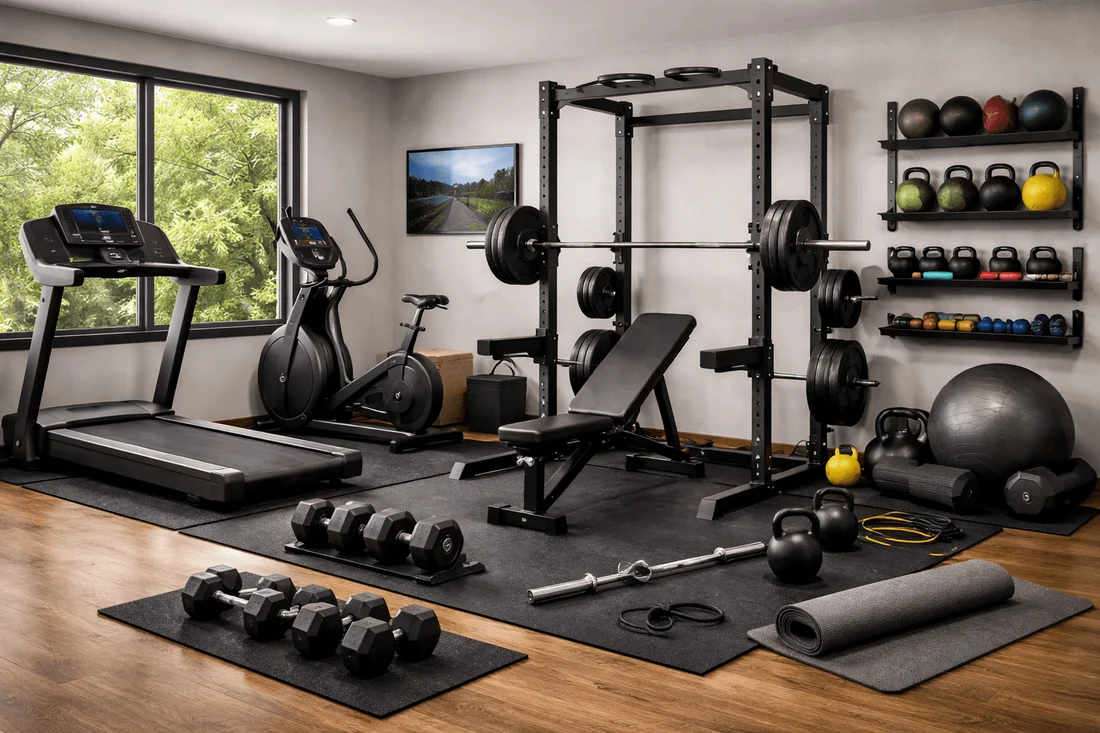
Choosing strength machines for a commercial gym more than just choosing equipment that looks good or has lots of features. From individual machines to an outdoor weight set, discover options for developing practical outdoor training spaces with Performaxx. Every machine in the facility should have a specific purpose, support its members’ training needs, and contribute to a well-rounded workout environment. Making the right investment for gym owners and fitness operators entails knowing who will use the equipment, how they will train, and what outcomes the facility hopes to achieve.
- Understanding the Nature of Grief
- Recognizing Different Forms of Loss
- Allowing Yourself to Feel
- Managing Feelings of Guilt
- Coping With Loneliness
- Adjusting to Everyday Changes
- Understanding Emotional Fluctuations
- Maintaining Supportive Relationships
- Finding Meaningful Ways to Remember
- Developing Healthy Coping Strategies
- Recognizing When Additional Support May Be Useful
- Supporting Children and Teenagers
- Balancing Responsibilities With Grief
- Preparing for Difficult Dates
- Creating a New Sense of Normal
- Practicing Self-Compassion
- Looking Toward the Future
- Building Emotional Resilience
- Moving Forward While Honoring the Past
- Final Thoughts
With such a diverse choice of commercial strength equipment accessible, a careful selection process may aid in the creation of a facility that caters to all fitness levels while maintaining functionality and space.
Understand Your Members and Their Training Requirements
The first step is to identify your gym’s primary audience. A facility catering to general fitness enthusiasts will require different equipment than a performance centre working with athletes or a strength-focused training facility.
Consider the following factors before selecting machines:
- Training experience: Beginners may benefit from selectorised machines with straightforward adjustments and guided movement patterns.
- Training objectives: Members focused on muscle development may require targeted resistance machines, while athletes might need equipment supporting strength, power and conditioning.
- Membership demographics: Consider the range of ages, abilities and training preferences within your membership base.
- Usage frequency: High-traffic facilities need equipment suited to frequent use and demanding commercial environments.
Understanding these needs allows gym owners to prioritise equipment that members will use frequently rather than investing in machines with limited practical benefit.
Select a Balanced Range of Strength Machines
A well-equipped commercial gym should offer enough variation to accommodate different muscle groups and training preferences. Rather than purchasing many machines that perform similar functions, aim to create a well-balanced equipment selection.
Upper Body Strength Equipment
Most commercial strength training facilities have machines that address the chest, shoulders, back, and arms. Chest press machines, lat pulldowns, seated rows, and shoulder press machines allow members to train specific muscle areas with controlled resistance.
These machines are especially effective in facilities that cater to beginners since they offer structured movement patterns and adjustable resistance.
Lower Body Strength Equipment
Lower body training requires equipment that accommodates various movement patterns and muscle groups. Leg presses, leg extensions, seated leg curls, and calf raise machines can all contribute to a more comprehensive lower-body training area.
When choosing this equipment, consider their flexibility, ease of use, and compatibility for the planned training demands.
Functional and Performance-Based Equipment
Plate-loaded machines, racks, cable systems, and specialised strength equipment may also be useful in facilities catering to experienced lifters, athletes, and performance-focused members.
These alternatives increase the flexibility for progressive resistance training and various exercise programmes.
Consider Row Machines and Back Training Requirements
Back training an important factor when creating a well-balanced strength training area. Including diverse pulling movements helps members to target multiple muscle groups and add variation to their workouts.
Row machines are especially handy in this scenario. Depending on the design, they can accommodate various rowing movements, resistance preferences, and training types. Seated rowing machines, for example, enable regulated horizontal pulling movements, although plate-loaded varieties may provide a varied resistance feel for more advanced users.
When comparing options, consider:
- Resistance type and adjustment requirements.
- Seat, handle and footplate positioning.
- Range of motion and movement comfort.
- Suitability for different member heights and abilities.
- Build quality and suitability for commercial usage.
The goal isn’t just another machine to the floor. Its purpose is to provide equipment that complements the facility’s current strength training options while also supporting the facility’s overall programming needs.
Evaluate Quality, Adjustability and Long-Term Value
Commercial gym equipment represents investment; thus equipment quality is a key buying factor. Machines should be chosen based on their intended use, design, functionality, and compatibility for the facility.
Pay attention to the frame construction, upholstery, adjustment mechanisms, moving components, and overall stability of each machine. Equipment utilised throughout the day in a busy commercial gym must withstand regular use.
Adjustability is equally important. Machines that can suit various body shapes and training experience levels can make the facility more accessible to a wider membership base.
Gym owners looking for gym equipment Melbourne should also examine product availability, installation requirements, warranties, replacement parts, and continuing servicing arrangements. These aspects influence the overall ownership experience and should be considered before making a purchase decision.
Plan Equipment Around Available Space
Even high-quality might become ineffective if they are improperly positioned in a facility. Before placing an equipment order, consider the available floor space and how members will travel between training stations.
Allow enough space around the machines for safe entry, mobility, and exercise execution. Grouping equipment by training function can also help with navigation and provide a more ordered training environment.
A well-planned architecture should allow for peak-hour usage while avoiding excessive congestion near popular machines.
Make Equipment Selection a Strategic Investment
Choosing strength, a thorough assessment of member needs, training goals, available space, and long-term operational concerns. The most efficient equipment selection is not always the largest one. It is the one that serves the facility’s purpose and offers members actual training opportunities.
Gym owners can make more educated purchasing decisions and build training environments that remain relevant as their membership and business needs change by focusing on functionality, equipment quality, and a diverse range of strength machines.


Ever wondered why some dark spots don’t fade away? Sometimes they take weeks or even months. The reason may lie beneath your skin’s surface. India has a tropical climate, frequent sun exposure, and seasonal changes, plus hormonal shifts, all of which can influence persistent dark spots and pigmentation.
Melanin production can impact your skin colour. When certain areas produce more melanin than others, dark spots or patches can appear. Understanding your skin and what triggers these spots can help you get rid of them.
You can include a brightening serum in your daily skincare routine to see the desired changes with consistent use.
Why Is Hyperpigmentation Common in Indian Skin
Melanin
Melanin is produced to protect skin against the effects of ultraviolet (UV) radiation. However, when the skin experiences inflammation, pigment can increase in certain areas.
People with darker skin tones may be more prone to developing noticeable pigmentation after inflammation, although it can affect anyone.
Regular Sun Exposure
If your daily routine includes persistent outdoor movement, your skin is exposed to the sun. This can increase melanin production, darkening your skin and may also cause uneven skin tone.
Without proper sun protection, pigmentation can become more noticeable even when the rest of your skincare routine is consistent.
Skin Irritation and Harsh Products
Various factors can cause skin irritation. Using too many active ingredients simultaneously may irritate your skin. Additionally, the use of harsh products can increase inflammation.
Frequent exfoliation, harsh scrubs, or using several strong active ingredients together may irritate the skin.
A skincare routine should support your skin rather than leave it feeling uncomfortable, irritated, or excessively dry.
Ways to Reduce Hyperpigmentation
Make Usage of Sunscreen Non-Negotiable
Sunscreen is a must to include in an everyday skincare routine. A broad-spectrum sunscreen with SPF 30 or higher helps protect against UV exposure that contributes to pigmentation.
Choose a Brightening Serum
A brightening serum can help reduce the appearance of dark spots and blemishes. Ingredients such as vitamin C, niacinamide, and azelaic acid may help you fade pigmentation and may also improve the overall appearance of the complexion.
Kojic acid is one of the ingredients that helps reduce melanin production by inhibiting tyrosinase, an enzyme involved in pigment formation. You can consider using kojic acid serum.
When trying any new ingredients on the skin, a patch test is recommended so that it does not increase the inflammation of your skin.
Simple Skincare Routine
To reduce the appearance of dark spots, pimple marks and pigmentation, it is not necessary to complicate your everyday skin routine. Yes, even skin tone can be achieved in a simpler manner by just adding some thoughtful ingredients, a brightening serum and consistent use of sunscreen.
Final Thoughts
Hyperpigmentation and dark spots can take time to fade. The right approach with optimal ingredients influences the desired results. Sun protection, gentle skincare, and targeted ingredients can help manage dark spots without putting unnecessary stress on your skin.
There are many Indian skincare brands that offer brightening serums for acne marks, dark spots and pigmentation. Dermabay is one of those brands that offers a scientifically formulated kojic acid serum that may work towards better skin tone and brighter skin.

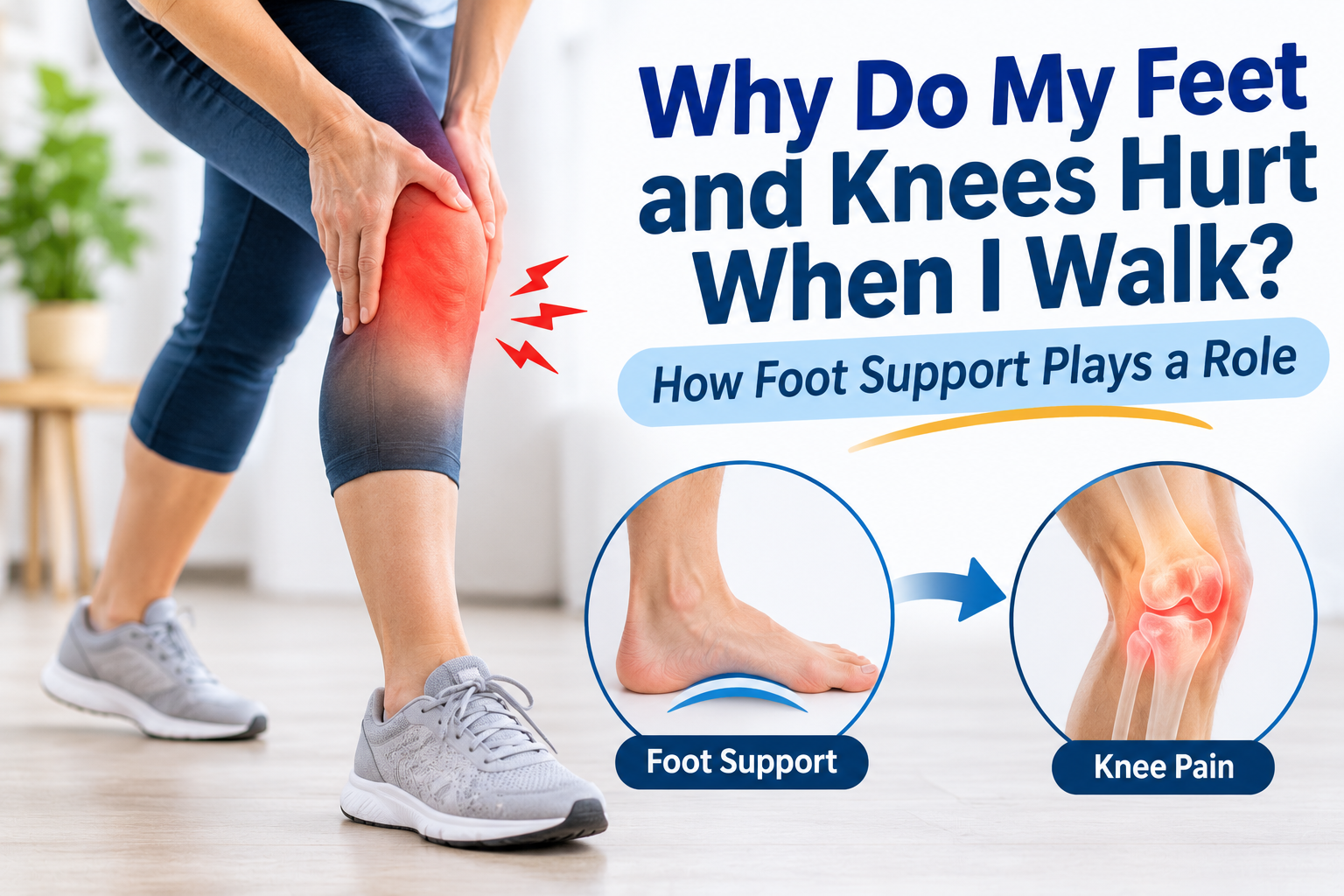
Foot and knee pain when walking often starts in the feet. Every step lands there first, and whatever happens at the foot carries up to the ankles, knees, and hips. Flat arches, rolling inward, or worn-out footwear can shift that load onto the knees.
- What Happens to Your Knees When Your Feet Lack Proper Support?
- How Does Overpronation Change the Way Your Knees Move?
- Can Flat Feet Contribute to Knee Discomfort?
- What Are the Signs That Your Knee Pain May Be Related to Your Feet?
- How Can Custom Orthotics Help Improve Foot Support?
- What Should You Expect During a Professional Foot Support Assessment?
- Is It Time to Get Your Foot and Knee Pain Checked?
- How Does Foot Support Help You Move More Comfortably?
Most of us blame the knees first. The grocery run leaves them sore, or a double shift, or the stairs at home, and the feet barely get a mention. Knee pain while walking or standing can start in the feet, and a lot of people only find out after months of putting up with it.
If the pain starts to change how you plan your day, it’s worth dealing with. Custom orthotics in Brampton are one route when your foot mechanics are part of the cause.
What Happens to Your Knees When Your Feet Lack Proper Support?
Start from the ground up. With each step, your weight travels from the heel to the toes, and the arches take a good share of the strain. They spread the pressure out and soften the shock before it reaches the legs.
Now picture the feet not coping so well. The ankles tilt a little. The knees and hips adjust to make up for it. A single step like that is nothing, but thousands of them a day, for years, can change how a person walks. Sore feet and sore knees often get linked this way.
The pain rarely shows up straight away. Plenty of people feel fine for the first few steps and only notice it by the evening.
Poor foot support isn’t the only possible cause. Arthritis, an old injury, weak muscles, and other joint problems can all be behind knee pain. Foot alignment is one part of the picture, and seldom the whole of it.
How Does Overpronation Change the Way Your Knees Move?
When a foot overpronates, it rolls inward past the point it should. That roll isn’t bad in itself, because the foot needs it to soften each step. The issue is too much of it, which shifts the load onto the ankle and knee.
Overpronation and knee pain often go together when the ache sits on the inner side of the knee after a long walk. Your old shoes can say a lot. If the inside edges of the soles are worn down more than the outside, that’s one hint. Ankles that lean inward are another. Feet that feel finished by bedtime point the same way.
None of that proves a specific condition. It takes someone watching you walk to say whether the inward roll is really part of the problem. They don’t stop at the knee, since the whole movement matters.
Can Flat Feet Contribute to Knee Discomfort?
Flat feet means low arches, or arches that drop when you stand on them. A healthy arch helps carry body weight and keeps you steady. Without much of one, pressure moves through the feet and ankles by a different route.
Flat feet and knee pain don’t always come as a pair. Many adults with flat feet walk, exercise, and stand for hours and never have trouble, and they need no extra support. Others get tired arches, sore ankles, or knees that don’t move quite the same way. Every person is a bit different.
A lower arch can let the foot roll inward, and that may change how the legs work. It’s no guarantee of joint trouble, though. Shoes, activity level, foot shape, and personal movement habits all count.
What Are the Signs That Your Knee Pain May Be Related to Your Feet?
There are a few giveaways. One is pain that worsens after a long walk. Knee pain when walking commonly turns up at the shops, on the stairs, or on the way back from work.
Hard floors can do the same job on your knees. Hours of standing leave them stiff by evening. Knee pain when standing often comes with tired feet, sore arches, or pressure under the heels.
- Shoes wearing down unevenly on one edge.
- Ankles that lean inward as you move.
- Feet that feel worn out late in the day.
- A slightly changed walk to protect a sore spot.
Shop workers, office staff, and weekend walkers notice these in different ways. They’re clues, not a diagnosis. Only a proper assessment can show whether the feet are involved. Whatever they find tells you if custom orthotics make sense or if something else would work better.
Assessment can show whether the feet are involved.
How Can Custom Orthotics Help Improve Foot Support?
Custom orthotics are shoe inserts made around one person’s feet and the way they move. Ordinary cushioned insoles are a different product. They’re made to fit almost anybody, so there’s no personal design in them.
Good arch support spreads pressure more evenly and makes daily activity feel easier. Where there’s a biomechanical problem, orthotics can also cut down extra movement and add stability.
The idea isn’t to force every foot into the same position. The right support depends on the person and how their feet behave when they move. Better foot alignment can make walking more comfortable, but it can’t promise the knee pain will go away.
Orthotics alone can only do so much. They pull their weight when they’re backed up by decent shoes, stretching, strengthening exercises, and a few changes to your daily habits. What makes custom orthotics different from the ones off a shelf is the assessment and design behind each pair.
What Should You Expect During a Professional Foot Support Assessment?
It begins with a conversation. You’ll be asked about your medical history, daily activities, footwear, and where and when the discomfort appears. Often they’ll watch you stand and walk as well.
Depending on the case, the next stage might be a gait analysis, a foot scan, or a cas
With knee pain when walking or knee pain when standing, the muscles and joints often need checking as well. A Chiropractor Brampton is a fair place to start. The right provider looks at everything, not just what to put in your shoes.
Once the orthotics are fitted, comfort checks and follow-up visits show whether anything needs adjusting. A good pair feels fine for everyday use. It shouldn’t bring new aches of its own.
Is It Time to Get Your Foot and Knee Pain Checked?
If the pain hangs around, or gets worse, don’t just wait it out. That’s especially true once it starts messing with your day. Sudden bad pain, a lot of swelling, a knee that feels ready to buckle, or trouble standing on the leg all mean it’s time to see a medical professional, and soon.
Someone trained can tell where the problem really sits. It could be the foot or the knee. It could be a muscle or a ligament. New shoes or inserts from the shop might ease things for a while, but they can’t tell you what’s wrong, so they’re no stand-in for an assessment. The sooner you know the cause, the easier it is to pick what to do next.
How Does Foot Support Help You Move More Comfortably?
Your feet affect the way the whole lower body moves, yet knee pain can start in plenty of other places too. Treating the symptoms only gets you so far. Finding the cause is what counts. A visit to a Chiropractor in Brampton is a good way to see what assessment and support options exist. With a personalised plan and advice from Dr Doug, you’ll understand how your feet work and know what to do to move comfortably, day after day.

Renting a Stylish Coupe in Dubai: What Actually Matters

How to Tell Real Korean Toxin Brands From Copycat Vials Before You Buy

A Practical Guide to Fortnite Accounts and V-Bucks

Alex Pettyfer Net Worth, Wife, Age, Height, Children, Career and More

Brad Williams Net Worth, Wife, Height, Age, Daughter, Family, Career and More

Eldorado.gg Review 2026: How It Works, Safety, Fees, and Risks
-
Celebrity11 months ago
Alex Pettyfer Net Worth, Wife, Age, Height, Children, Career and More
-
Celebrity11 months ago
Brad Williams Net Worth, Wife, Height, Age, Daughter, Family, Career and More
-
Blog3 months ago
Eldorado.gg Review 2026: How It Works, Safety, Fees, and Risks
-
 Anime12 months ago
Sanzoku Bandits of One Piece: Origins, Higuma, and Their Role in Dawn Island
-
 Celebrity11 months ago
John McGinn Net Worth, Age, Height, Wife, Childrens, Career and More
-
 Celebrity11 months ago
Frances de la Tour Net Worth, Age, Height, Husband, Childrens, Career and More
-
 Celebrity11 months ago
Will Trickett Net Worth, Wife, Childrens, Age, Career and More
-
 Blog3 months ago
Crackstube: A Complete Guide to the Digital Publishing Platform