
Blog
Is NippyBox Still Working in 2026? Everything You Need to Know

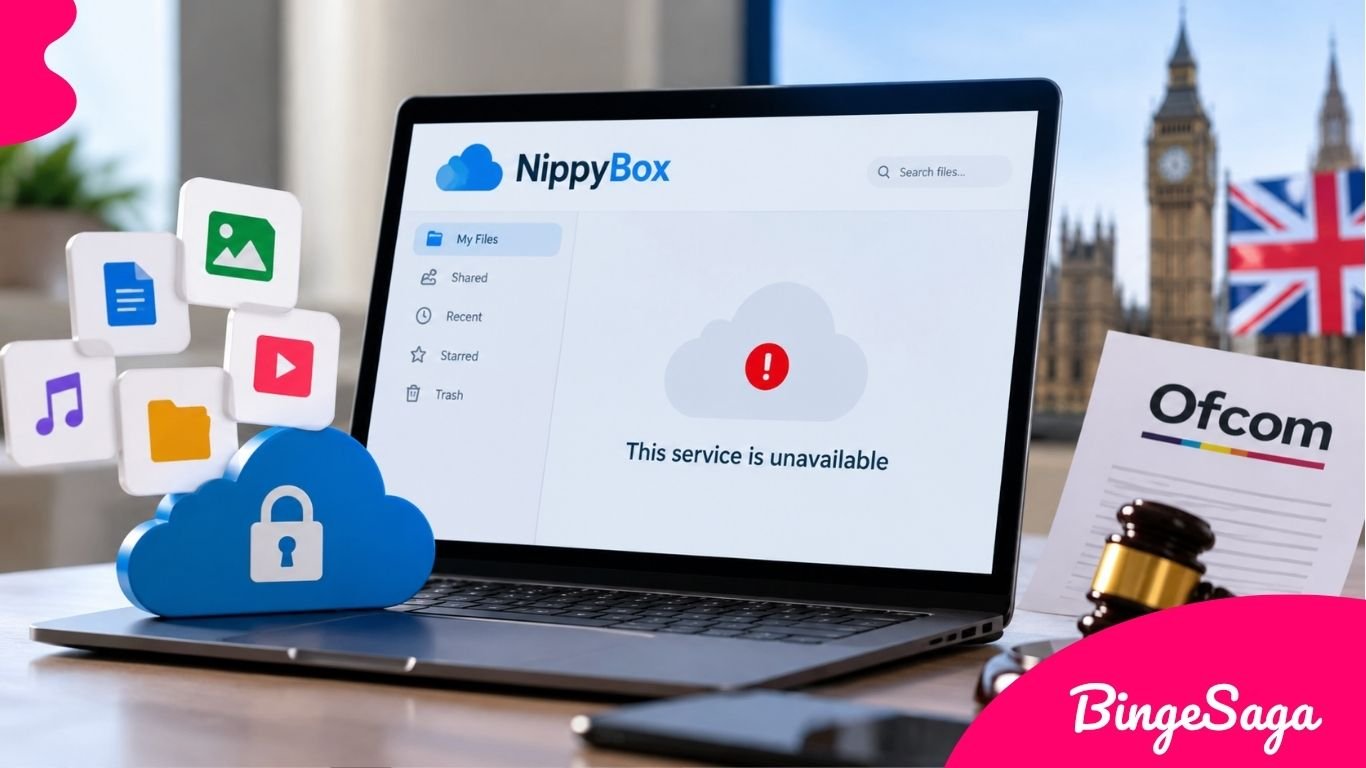
NippyBox was an online file storage and sharing service. It allowed users to upload and share files through the internet. The platform was promoted as a simple and privacy-focused option for sharing documents, photos, videos, and other files. However, many of its security features were not fully verified.
- How Did NippyBox Work?
- Main Features of NippyBox
- What Files Could You Store on NippyBox?
- NippyBox Privacy and Security
- Why Did People Use NippyBox?
- Benefits and Limitations of NippyBox
- NippyBox and the UK Online Safety Act
- Why Did Ofcom Investigate NippyBox?
- Why Did NippyBox Shut Down?
- Can You Still Access NippyBox Files in 2026?
- Best NippyBox Alternatives in 2026
- How to Choose a Safe Cloud Storage Service?
- Bottom Line
- FAQs
In June 2025, the UK regulator Ofcom opened an investigation into its provider under the Online Safety Act 2023. The service later became unavailable. Ofcom closed its investigation on February 12, 2026, without a final finding of wrongdoing. The platform’s shutdown has led users to look for safer cloud storage options.
How Did NippyBox Work?
NippyBox was described as a service that let users upload files online. Users could then share those files through web links. This type of service can help people send files that are too large for email.
For example, a user could upload a video and send its link to another person. The other person could then open the link to access the file. Access would depend on the service’s settings.
The platform was also said to have a simple design. However, clear details about its upload steps, account system, and file controls are limited. Its full technical setup has not been verified.
Main Features of NippyBox
NippyBox was mainly known for online file storage and sharing. Its reported tools allowed users to upload files and share them through links. The service was designed to keep file sharing simple.
Some online reviews also described fast transfers and privacy tools. These included claims about encryption and secure storage. Encryption helps protect data from people who do not have permission to read it.
However, there is not enough proof to confirm its exact security system, transfer speed, or storage limits. Claims about end-to-end encryption and distributed storage remain unverified.
The main reported features were:
- Online file uploads.
- File sharing through links.
- Support for different file types.
- A simple website design.
- Reported privacy and security tools.
These features came from online descriptions. Not all of them have been independently confirmed.
What Files Could You Store on NippyBox?
NippyBox was described as a service for sharing many types of files. These included documents, images, audio files, and videos. It was meant to make online file sharing easier.
For example, a student could use a file-sharing service to send class notes. A business could use one to share photos or work files. Users would not need to send each file as an email attachment.
The following file formats were mentioned in descriptions of the service.
| File type | Common formats |
|---|---|
| Documents | PDF, DOC, DOCX |
| Images | JPG, JPEG, PNG |
| Audio | MP3, WAV |
| Videos | MP4 and other video formats |
| Spreadsheets | XLS, XLSX |
| Presentations | PPT, PPTX |
A full list of supported formats was not confirmed. Its file size limits and total storage space are also unclear.
NippyBox Privacy and Security
Privacy matters when files are stored online. Personal photos, work files, and private records may hold sensitive details. A secure storage service should help keep this data safe.
NippyBox was promoted as a privacy-focused service. Some reviews claimed it used end-to-end encryption. This means files are protected so that only people with the right keys can read them. However, there is not enough proof that the service used this system.
Sharing files through links can also create risks. If a link becomes public, other people may be able to open it. Passwords and access controls can help reduce this risk, but the platform’s exact options are not clear.
Data loss is another concern. If a storage service closes, users may lose access to their files. Keeping backup copies on another device or trusted service can help protect important data.
Why Did People Use NippyBox?
NippyBox was presented as a simple file-sharing tool. Its main purpose was to let users upload and share files online. It did not focus on the wide range of office tools offered by larger cloud services.
Online file sharing can help with many tasks. Students can share notes, while businesses can send documents or photos. Developers can also use such services to share project files.
Privacy was another part of the platform’s public image. It was described as an option for users who wanted more control over their files. However, its actual privacy features were not fully verified.
There is no reliable public data showing how many people used the service. Details about its main user groups are also limited. Its reported features explain its purpose, but not its actual level of use.
Benefits and Limitations of NippyBox
NippyBox was promoted as a simple way to store and share files. Its reported tools focused on uploads and sharing links. This made it different from cloud services that offer many extra work tools.
The platform was also described as supporting several file types. These included documents, photos, audio, and videos. Its privacy claims were another part of how the service was presented.
However, important details were not clear. There was little verified information about its security, storage limits, and file access rules. This made it hard to judge how well the service protected user data.
The service later became unavailable in 2025. Ofcom confirmed that it was no longer accessible when the regulator closed its investigation in February 2026. Users who had no backup copies may have faced problems accessing their files.
The main lesson is to keep more than one copy of important files. Online storage can fail or close without giving users a way to recover their data. A separate backup helps reduce that risk.
NippyBox and the UK Online Safety Act
The UK Online Safety Act 2023 sets rules for online services. These rules help protect users from illegal content. Some websites that let people upload or share files must follow this law.
The law requires certain online services to check for risks linked to illegal content. They must take steps to reduce these risks. File-sharing sites may also need to follow these rules.
Online services must keep records of required safety checks. They must also respond to legal requests from Ofcom, the UK’s online safety regulator.
These rules help stop the spread of illegal content. Online privacy does not remove a service’s duty to follow the law.
Why Did Ofcom Investigate NippyBox?
Ofcom opened an investigation into NippyBox’s provider on June 10, 2025. The review focused on whether the service had followed the Online Safety Act 2023.
One concern was the provider’s response to a legal request for information. Ofcom also looked at whether the service had completed and recorded the required checks for illegal content risks.
The review covered online safety duties. These included risks linked to child sexual abuse material. Such content is illegal and causes serious harm.
The investigation did not end with a final finding that the provider had broken the law. Ofcom later closed the case because the service was no longer available.
Why Did NippyBox Shut Down?
NippyBox became unavailable in June 2025. This happened soon after Ofcom opened its investigation. Users could no longer access the original service.
The exact reason for the shutdown is not known. There is no confirmed proof that the Ofcom investigation caused the website to close.
On February 12, 2026, Ofcom closed its investigation. The regulator said the service was no longer available in the UK or elsewhere, as far as it knew.
As of October 2026, there is no confirmed news of the service returning. Users should be careful with websites that use the same or similar names. Such sites may not belong to the original provider.
Can You Still Access NippyBox Files in 2026?
NippyBox is no longer available through its original service. Ofcom confirmed in February 2026 that the platform was not accessible in the UK or elsewhere, as far as it knew.
Users cannot rely on the old website to open or download their files. There is no confirmed public tool to recover files left on the platform. It is also unclear whether the provider still holds old user data.
People who used the service should check their phones, computers, and other storage accounts. They may still have saved copies of their files. Old download folders and shared drives are also worth checking.
Users should avoid unknown websites that promise to recover lost files. Never share passwords or payment details with an untrusted site. A website using the same name is not proof that it is safe.
Best NippyBox Alternatives in 2026
Several cloud storage services offer file storage and sharing. Google Drive and Dropbox are two popular options. Both let users upload files, create folders, and share content online.
Google Drive works with Google Docs, Sheets, and Slides. These tools help people create and edit files together. Dropbox offers file syncing and sharing across different devices.
Proton Drive, MEGA, and Sync.com are other options. These services offer encryption and file-sharing tools. Their storage plans, privacy features, and access rules are different.
Here is a simple comparison of these cloud storage services.
| Cloud Service | Main Features | Best For |
|---|---|---|
| Google Drive | File storage, sharing, and office tools | Students and teams |
| Dropbox | File syncing, backups, and sharing | Work and personal files |
| Proton Drive | End-to-end encrypted storage | Users who value privacy |
| MEGA | Encrypted storage and file sharing | Storing and sharing files |
| Sync.com | Encrypted storage and sharing controls | Private and work files |
Users should check storage limits and prices before choosing a service. Some offer free plans, while others charge for more space. The best option depends on file size, privacy needs, and sharing tools.
How to Choose a Safe Cloud Storage Service?
A safe cloud storage service should protect files and keep them easy to access. Users should read the privacy policy before signing up. This helps them learn how their data is stored and used.
Account security is also important. Choose a service that offers two-factor authentication. This adds another step when signing in and helps protect the account from unwanted access.
File-sharing controls are useful as well. Some services let users protect links with passwords or set expiry dates. Others allow users to choose who can view, download, or edit files.
Storage space and cost should also be checked. Free plans may be enough for small files and photos. Large videos and work files may need more space.
Always keep a second copy of important files. An external drive or another trusted cloud service can help protect against data loss. This is useful if a service closes or an account becomes unavailable.
Bottom Line
NippyBox was an online file storage and sharing service. It was promoted as a simple and private way to share files. However, many of its security and technical features were not fully verified.
Ofcom opened an investigation into its provider in June 2025. The service later became unavailable. On February 12, 2026, Ofcom closed the case because the platform was no longer accessible. The review ended without a final finding that the provider had broken the law.
In 2026, users can choose other services such as Google Drive, Dropbox, Proton Drive, MEGA, and Sync.com. Before choosing one, check its privacy rules, security tools, and storage limits. Keep backup copies of important files to reduce the risk of losing them.
FAQs
What is NippyBox used for?
NippyBox was an online service for uploading, storing, and sharing files through the internet.
Is NippyBox still working in 2026?
The original service became unavailable in 2025, and its return has not been confirmed as of October 2026.
Why was NippyBox shut down?
The exact reason is not confirmed, but the service became unavailable soon after Ofcom opened an investigation in June 2025.
Was NippyBox safe to use?
It was promoted as a privacy-focused service, but its encryption and security features were not fully verified.
What are the best NippyBox alternatives?
Google Drive, Dropbox, Proton Drive, MEGA, and Sync.com are popular alternatives for storing and sharing files.
Read Also: What Is Methatreams? Sports Streaming, Risks, and Alternatives

When the science fair sign-up sheet comes home, many parents feel the same mix of excitement and dread. You want your child to do well, but you also know the project should be theirs, not yours. The good news is that your role is simpler than it looks. Think of yourself as a coach on the sidelines: you help with planning, ask good questions, and keep the timeline on track while your child does the real thinking.
- Step 1: Start With Your Child’s Curiosity
- Step 2: Narrow the Question
- Step 3: Build a Realistic Timeline
- Step 4: Teach the Scientific Method by Doing
- Step 5: Keep a Science Notebook
- Step 6: Make Sense of the Results
- Step 7: Design a Clear Display Board
- Step 8: Practice the Presentation
- Step 9: Get Ready for Fair Day
- Your Role: Guide, Don’t Take Over
This guide walks you through each stage of a science fair project, from picking a topic to presenting on the big day.
Step 1: Start With Your Child’s Curiosity
The best projects grow out of real questions. Instead of searching for “winning” ideas, talk with your child about what they already wonder about. Why does bread go moldy faster in some places? Which paper airplane design flies farthest? Does music affect how plants grow?
If they’re stuck, get out of the house. A trip to a hands-on children’s museum Orlando families love, such as Orlando Science Center, can spark ideas in a single afternoon. Seeing how exhibits explain forces, weather, or the human body often leads kids to their own “what if” question. Libraries, nature trails, and even your kitchen can do the same.
Step 2: Narrow the Question
A broad topic like “plants” isn’t a project yet. Help your child turn it into a testable question, with one thing they change and one thing they measure. “Do plants grow taller under sunlight from a window or under a grow lamp?” works because it compares two conditions and produces data.
Then check the question against a few practical limits. Can it be done with materials you have or can buy cheaply? Can it be finished before the deadline? Is it safe? Read the fair’s rules early, too, since many schools restrict projects involving live animals, mold, chemicals, or human subjects.
Step 3: Build a Realistic Timeline
Science fair stress usually comes from starting late. Sit down with a calendar and work backward from the due date. A typical project might look like this:
- Week 1: Choose a topic and finalize the question
- Week 2: Do background research and write a hypothesis
- Weeks 3–4: Run the experiment and record data
- Week 5: Analyze results and draw conclusions
- Week 6: Build the display board and practice presenting
Leave a buffer week if you can. Experiments fail, seeds don’t sprout, and it’s far better to find that out with time to adjust. Younger children can work with shorter, simpler projects.
Step 4: Teach the Scientific Method by Doing
Judges look for a clear process. Rather than lecturing, guide your child through each stage with questions:
- Research: What do others already know about this?
- Hypothesis: What do you think will happen, and why?
- Variables: What will you change, and what will you keep the same?
- Procedure: Could someone else repeat your steps exactly?
Encourage multiple trials. Testing three plants per condition instead of one makes the results much more trustworthy, and it’s an easy way to show why scientists repeat their work.
Step 5: Keep a Science Notebook
A dedicated notebook is one of the most underrated parts of any project. Have your child record dates, measurements, observations, photos, and anything that went wrong. Messy notes are fine. Judges often appreciate seeing the real trail of the work, and the notebook makes writing the final report much easier.
Step 6: Make Sense of the Results
Once the data is in, help your child organize it into a simple table, then turn it into a chart or graph. Ask: What pattern do you see? Did the results support the hypothesis? If not, why might that be?
Reassure them that a “wrong” hypothesis isn’t a failure. Some of the most interesting presentations explain an unexpected result and what the student would try next. That kind of honest reflection is real science.
Step 7: Design a Clear Display Board
The board should tell the project’s story at a glance. A standard tri-fold layout works well:
- Left panel: Question, hypothesis, and background research
- Center panel: Title, results charts, and key photos
- Right panel: Conclusion and ideas for further study
Keep text large and short, use clear headings, and let your child choose the colors and layout. A neat board helps, but judges care more about understanding than decoration. Resist the urge to “fix” it; a board that looks like a student made it is exactly what judges expect.
Step 8: Practice the Presentation
Many students know their project well but freeze when a judge asks a question. Run a few practice sessions at home. Let your child explain the project in two or three minutes, then ask questions like:
- Why did you choose this topic?
- What would you change if you did it again?
- How do you know your results are reliable?
Let them know that “I’m not sure, but my best guess is…” is a perfectly good answer. Confidence comes from familiarity, so even a couple of run-throughs with family can make a big difference.
Step 9: Get Ready for Fair Day
The night before, pack the board, the notebook, any allowed materials, and a small kit with tape, glue dots, and spare printouts. Make sure your child gets a good night’s sleep and a solid breakfast, and plan to arrive early. Remind them that the goal is to share what they learned, not to be perfect.
Your Role: Guide, Don’t Take Over
It’s tempting to step in when a project hits a snag. But the skills a science fair builds, like asking questions, solving problems, and bouncing back from setbacks, only develop when your child does the work. Your job is to supply materials, encouragement, and well-timed questions.
After the fair, keep the momentum going. Talk about what they’d like to explore next, try a kitchen experiment together, or plan another visit to Orlando Science Center to see science in action. One project can grow into a lasting curiosity about how the world works.
Blog
Thermal Paper Jumbo Roll: How to Choose the Right Specifications for Industrial Converting and Bulk Supply

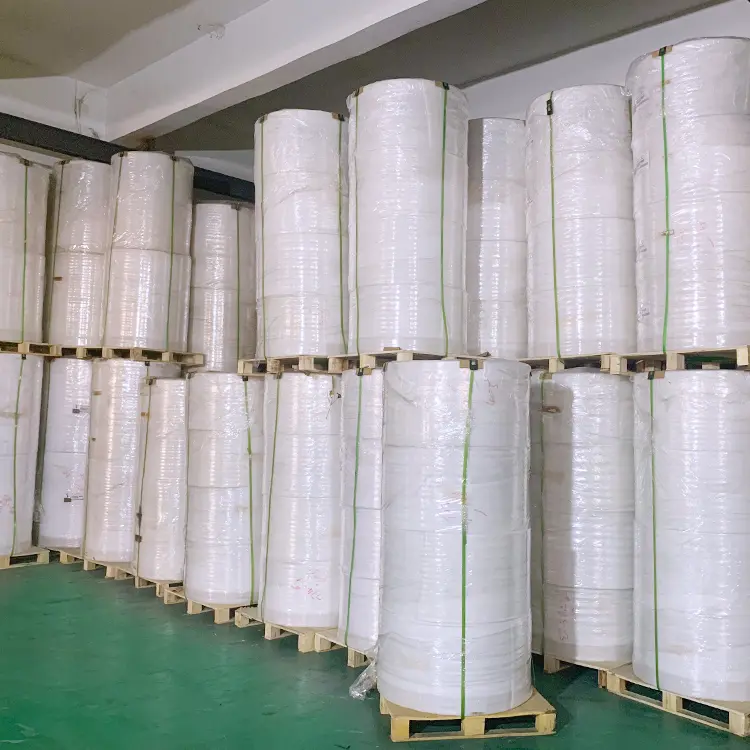
For thermal paper converters, wholesalers, distributors, and printing businesses, choosing the right thermal paper jumbo roll is an important part of maintaining production efficiency and product quality. Unlike finished receipt roll, jumbo roll are supplied in larger formats and are designed to be converted into smaller roll for different commercial applications.
- Quick Answer: What Should Buyers Look for in a Thermal Paper Jumbo Roll?
- 1. Understand How Thermal Paper Jumbo Roll Are Used in Manufacturing
- 2. Select the Correct GSM, Width, and Core Specifications
- 3. Why Thermal Coating Quality Matters for Finished Products
- 4. How Jumbo Roll Quality Affects Slitting and Rewinding Efficiency
- 5. Choosing a Thermal Paper Jumbo Roll Supplier for Bulk Production
- 6. Storage, Packaging, and Transportation Considerations
- 7. How to Reduce Purchasing Costs Without Compromising Quality
- Frequently Asked Questions About Thermal Paper Jumbo Roll
- Final Takeaway: Choose Jumbo Roll That Support Efficient Converting
These large roll are widely used in the production of POS receipt paper, ATM paper, lottery tickets, medical record paper, logistics receipts, and other thermal paper products. Their size makes them particularly useful for businesses operating converting equipment and supplying finished roll to multiple markets.
However, purchasing jumbo roll involves more than selecting a suitable paper width or finding a competitive price. Buyers need to consider coating performance, GSM, roll dimensions, core size, paper length, storage conditions, and compatibility with their slitting and rewinding equipment.
For international buyers, working with a dependable supplier is equally important. Consistent material quality and reliable bulk availability help converters maintain production schedules and meet customer requirements without unnecessary interruptions.
Quick Answer: What Should Buyers Look for in a Thermal Paper Jumbo Roll?
A suitable thermal paper jumbo roll should match the converter’s equipment, required finished-roll specifications, and printing performance expectations.
Before purchasing, buyers should evaluate:
- Paper GSM and thickness.
- Jumbo roll width and diameter.
- Core size and compatibility.
- Thermal coating quality and sensitivity.
- Surface smoothness and paper consistency.
- Slitting and rewinding performance.
- Storage and packaging conditions.
- Supplier reliability and bulk supply capabilities.
The best purchasing decision comes from comparing these specifications together rather than choosing a jumbo roll based only on its price per ton or kilogram.
1. Understand How Thermal Paper Jumbo Roll Are Used in Manufacturing
Thermal paper jumbo roll serve as the starting material for producing smaller thermal paper products. Their large format allows converters to process substantial quantities of paper through industrial slitting and rewinding equipment.
The process generally begins with a coated thermal paper parent roll. This material is loaded onto a converting machine, where it is slit into narrower widths according to the required finished product dimensions. The narrower paper webs are then rewound into individual roll with specified lengths, diameters, and core sizes.
It is important to distinguish thermal coating from converting. Coating is the process that gives paper its heat-sensitive printing properties. Slitting and rewinding happen afterward and turn the coated material into finished roll. Some manufacturers perform coating in-house, while others purchase coated jumbo roll from specialized paper producers.
Depending on the customer’s equipment and production requirements, jumbo roll can be converted into products such as:
- POS receipt paper roll.
- ATM and payment terminal paper.
- Supermarket and retail receipt roll.
- Lottery and ticketing paper.
- Medical recording paper.
- Logistics and transportation receipts.
For converters supplying multiple industries, selecting the correct parent roll specification is essential because every subsequent production stage depends on the incoming material.
2. Select the Correct GSM, Width, and Core Specifications
One of the most common challenges in jumbo roll purchasing is determining which specifications will work best with existing converting equipment.
Paper GSM, or grams per square meter, describes the weight of the paper. It influences the physical characteristics of the material, including thickness, stiffness, and how much paper can fit within a particular finished-roll diameter.
Sailingpaper lists different thermal paper grades, including 35, 40, 45, 48, 50, 55, 58, 60, 65, 70, and 80 GSM options. The appropriate grade depends on the intended application and the converter’s requirements.
Other important specifications include:
| Specification | Why It Matters |
| GSM | Influences paper weight and physical characteristics |
| Jumbo roll width | Must match the converting machine’s requirements |
| Outer diameter | Determines machine loading compatibility |
| Core size | Must fit the equipment’s holding mechanism |
| Paper thickness | Affects winding capacity and finished-roll length |
| Coating grade | Influences thermal printing performance |
| Paper length | Helps estimate production output and material usage |
Width is particularly important when converting jumbo roll into several finished-roll formats. A converter producing different POS paper sizes may require multiple parent roll widths to minimize trimming waste and improve material utilization.
Sailingpaper offers jumbo roll width options such as 80mm, 100mm, and 210mm, along with customized specifications for different equipment requirements.
Before requesting a quotation, buyers should provide their machine specifications and intended finished-roll sizes. This allows the supplier to recommend a more suitable material configuration.
3. Why Thermal Coating Quality Matters for Finished Products
The quality of a thermal paper jumbo roll is not determined by dimensions alone. Its coating performance directly influences the printing results of the finished roll.
Thermal paper uses a heat-sensitive coating that reacts when exposed to a compatible thermal printhead. If the coating is uneven or the thermal response varies across the paper surface, the finished receipts may show inconsistent darkness, faded text, or unclear barcodes.
For converters, these problems can create customer complaints even when the slitting and rewinding operations are performed correctly.
Before approving a jumbo roll supplier, buyers should consider:
Thermal sensitivity: The paper should develop clear images under suitable printer settings.
Coating uniformity: The thermal layer should remain consistent across the usable paper width.
Surface smoothness: An appropriate surface finish supports reliable printing and paper handling.
Background stability: Excessive background discoloration can affect the appearance and readability of receipts.
Image retention: The paper should meet the storage and image-retention expectations of its intended application.
Testing samples before bulk purchasing is a practical way to evaluate whether the material performs well in actual production conditions.
4. How Jumbo Roll Quality Affects Slitting and Rewinding Efficiency
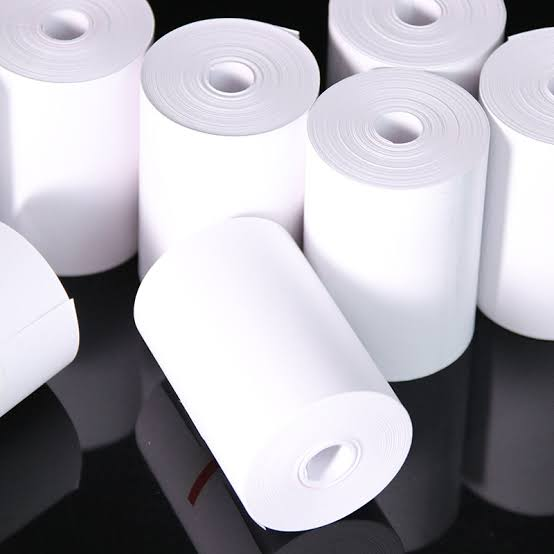
For thermal paper converters, material quality and converting performance are closely connected. Even good thermal paper can create production problems if its physical characteristics are unsuitable for the machinery.
During slitting, the jumbo roll is divided into narrower webs. Poor edge quality, inconsistent thickness, or unsuitable paper tension can affect the converting process.
Rewinding introduces another set of considerations. The paper must be wound with controlled tension to produce stable finished rolls. Excessive tension may affect the inner layers, while insufficient tension can result in loose or uneven rolls.
Several factors deserve attention:
- Consistent paper thickness across the web.
- Accurate slitting width.
- Clean and smooth paper edges.
- Stable unwinding and rewinding tension.
- Proper roll alignment.
- Compatibility with the converter’s core specifications.
These details are especially important for converters producing large quantities of 57mm and 80mm receipt rolls. Small variations in the parent material can become more noticeable when repeated across thousands of finished products.
A good supplier should therefore understand how the jumbo roll will be processed rather than treating the purchase as a simple paper transaction.
5. Choosing a Thermal Paper Jumbo Roll Supplier for Bulk Production
Bulk buyers need a supplier that can support both product quality and ongoing material requirements. A competitive first quotation is useful, but long-term supply reliability is often more important for businesses operating continuous converting operations.
Sailingpaper has been active in the thermal paper industry since 2005 and supplies thermal paper products to international customers. Its product range includes jumbo roll designed for converters and distributors serving retail, financial, logistics, medical, and ticketing applications.
The company offers different width, length, and core-size options to accommodate varying production requirements. Standard and customized specifications are available depending on the intended application.
For bulk buyers, the ability to discuss product grades, material dimensions, special coating requirements, and order quantities before production is particularly useful. These details help establish a clear purchasing specification and reduce misunderstandings between the supplier and converter.
Sailingpaper also reports exporting thermal paper jumbo roll to more than 60 countries and regions, supporting customers with international supply requirements.
When evaluating a supplier, buyers should discuss the following:
| Purchasing Factor | What to Confirm |
| Product specifications | GSM, width, diameter, and core size |
| Coating requirements | Thermal performance and special grades |
| Customization | Available dimensions and material options |
| Quality control | Material inspection and batch consistency |
| Order volume | Availability for recurring bulk requirements |
| Packaging | Protection during storage and transportation |
| Export arrangements | Shipping schedules and destination requirements |
For businesses seeking a long-term sourcing partner, clear communication about these requirements is an important starting point.
6. Storage, Packaging, and Transportation Considerations
Thermal paper is sensitive to environmental conditions. Even when jumbo roll leave the supplier in good condition, improper handling during storage and transportation may affect their performance.
Excessive heat can contribute to unwanted background discoloration, while moisture may affect paper stability and dimensional consistency. Dust, direct sunlight, and physical pressure can also create problems during storage.
For large converters and distributors, proper packaging helps protect jumbo roll throughout transportation and warehouse handling.
Buyers should consider:
- Protective wrapping against dust and moisture.
- Appropriate carton or pallet arrangements.
- Secure loading to prevent roll movement.
- Suitable warehouse temperature and humidity conditions.
- Protection from direct sunlight and excessive heat.
- Proper handling during loading and unloading.
Storage requirements should also be communicated to warehouse teams. Maintaining suitable environmental conditions helps preserve the material before it enters the converting process.
7. How to Reduce Purchasing Costs Without Compromising Quality
The lowest-priced jumbo roll is not necessarily the most economical choice. A cheaper material may create more waste during slitting, require additional production adjustments, or result in finished rolls that fail customer expectations.
For converters, a more practical cost evaluation includes the usable paper area, converting yield, defect rate, machine performance, and transportation expenses.
For example, a jumbo roll with an unsuitable width may generate excessive edge waste. Similarly, inconsistent material quality may lead to more rejected finished rolls.
To improve purchasing efficiency, buyers should:
- Match jumbo roll width with their converting equipment.
- Select GSM according to the intended finished product.
- Test samples before approving bulk orders.
- Compare suppliers using identical technical specifications.
- Evaluate material utilization rather than price alone.
- Establish consistent specifications for repeat purchases.
A well-planned purchasing process can help converters reduce avoidable waste and maintain more predictable production costs.
Frequently Asked Questions About Thermal Paper Jumbo Roll
What is a thermal paper jumbo roll used for?
It is a large coated paper roll used as raw material for producing smaller thermal paper products, including POS receipts, ATM paper, tickets, medical recording paper, and logistics receipts.
What GSM options are available for thermal paper jumbo roll?
Common grades include 35, 40, 45, 48, 50, 55, 58, 60, 65, 70, and 80 GSM. The appropriate choice depends on the intended application and equipment requirements.
Can thermal paper jumbo roll be customized?
Yes. Depending on the supplier’s capabilities, buyers can request different widths, lengths, core sizes, paper grades, and special coating requirements.
What information should buyers provide when requesting a quotation?
Provide the required GSM, jumbo roll width, outer diameter, core size, estimated quantity, intended application, and destination country. Sharing converting machine specifications can also help avoid compatibility problems.
How can converters check jumbo roll quality before bulk purchasing?
Request samples and evaluate coating uniformity, thermal response, surface condition, paper dimensions, and converting performance. Approved specifications should be retained for future orders.
Final Takeaway: Choose Jumbo Roll That Support Efficient Converting
Selecting the right thermal paper jumbo roll requires careful attention to material specifications, coating performance, converting compatibility, storage conditions, and supplier reliability.
For converters and distributors, the goal is not simply to purchase large paper roll at a competitive price. It is to secure material that can be processed efficiently into consistent finished products while supporting long-term customer requirements.
Sailingpaper provides thermal paper jumbo roll options for international converters, wholesalers, and distributors, with different specifications and customization possibilities for various applications.
Businesses planning bulk purchases should begin by identifying their required GSM, roll width, diameter, core size, and intended finished products. Sharing these details with the supplier makes it easier to evaluate material compatibility and establish a more reliable purchasing arrangement.
Blog
Inside a China Eyewear Factory: How Eyewear Goes from Design and Material Selection to Mass Production


Have you ever wondered how a simple eyewear design becomes thousands of finished frames ready for international retailers?
- 1. Inside an Eyeglass Factory: Everything Starts with Product Design
- 2. Material Selection: Why Every Frame Factory Needs Different Production Capabilities
- 3. What Happens in the Frames Factory During Production?
- 4. Is a Lens Factory the Same as an Eyewear Factory?
- 5. From Sample Approval to Factory-Direct Eyeglasses Production
- 6. Quality Control: What Happens Before Finished Glasses Leave the Factory?
- 7. How to Find the Right Glasses Manufacturer Near You or in China
- Choosing a Manufacturing Partner for Your Next Eyewear Collection
Behind every pair of glasses is a manufacturing process involving design development, material preparation, precision machinery, skilled workers, assembly, and quality inspection.
A modern china eyewear factory is not simply a place where frames are assembled. It is part of a wider production ecosystem connecting raw material suppliers, component manufacturers, frame production facilities, lens suppliers, and international buyers.
Understanding how these operations work helps eyewear brands, importers, and distributors evaluate manufacturing partners more effectively.
Let’s take a closer look at what happens inside an eyewear manufacturing operation, from the first design discussion to the final packed product.
1. Inside an Eyeglass Factory: Everything Starts with Product Design
The manufacturing journey usually begins when a brand shares its design requirements, reference samples, sketches, or technical specifications.
The development team reviews important details such as:
- Frame shape and dimensions.
- Material selection.
- Color and surface finish.
- Hinge and temple construction.
- Lens size and fitting requirements.
- Target retail positioning.
The design is then converted into technical drawings or CAD specifications to establish the dimensions and construction requirements.
Before mass production, manufacturers generally develop samples so buyers can evaluate the appearance, comfort, fit, and construction.
A professional eyeglass factory should also identify manufacturing limitations early. A design may look attractive digitally but require adjustments to make it suitable for production.
2. Material Selection: Why Every Frame Factory Needs Different Production Capabilities
Material selection directly affects the manufacturing process, product characteristics, and final cost.
An experienced frame factory may work with several materials, but each requires different production techniques.
Acetate: Acetate sheets are cut into frame components using CNC machinery or other cutting equipment. The components are shaped, assembled, tumbled, and polished to achieve the desired finish.
Metal: Metal frames require processes such as stamping, bending, welding, plating, and component assembly. Precision is particularly important when connecting bridges, rims, temples, and hinges.
TR90 and injection materials: These thermoplastic materials are processed through injection molding. The molten material is injected into molds to create frame components, which are subsequently trimmed, finished, and assembled.
This is why choosing an optical factory with the right material specialization matters. A manufacturer experienced in acetate production may not necessarily have the same expertise in titanium or injection molding.
3. What Happens in the Frames Factory During Production?
Once the materials and specifications are approved, production begins.
Although the exact process varies by material and factory, a typical frame manufacturing workflow includes:
- Raw material inspection.
- Cutting, stamping, or molding.
- Component shaping and processing.
- Hinge and metal component installation.
- Surface grinding and polishing.
- Plating or coating where required.
- Frame assembly and adjustment.
- Intermediate quality inspection.
For example, acetate manufacturing involves several finishing operations to achieve smooth surfaces and consistent gloss. Metal production places greater emphasis on welding accuracy, structural strength, and surface treatment.
A well-organized glasses factory maintains inspection checkpoints throughout production rather than waiting until the frames are completely assembled.
4. Is a Lens Factory the Same as an Eyewear Factory?
Not necessarily. This is an important distinction for buyers entering the eyewear industry.
A lens factory manufactures lenses, while a frame manufacturer produces the physical eyewear structure.
Lens production can involve casting, surfacing, polishing, and coating, depending on the lens type and application.
For example, prescription lenses may require additional optical processing and edging before they can be fitted into frames. Sunglasses lenses may require tinting, polarization, or UV-protection specifications.
Some eyewear manufacturers purchase finished lenses from specialized suppliers, while others have access to affiliated or integrated lens operations.
Therefore, when evaluating a factory, ask whether lens manufacturing, lens sourcing, and final lens fitting are handled internally or by external partners.
5. From Sample Approval to Factory-Direct Eyeglasses Production
After the buyer approves the sample, the manufacturer prepares for bulk production.
This stage involves confirming the final specifications, order quantities, materials, colors, packaging, and production schedule.
For buyers seeking factory direct eyeglasses, working directly with a manufacturer can improve communication about product specifications and production changes.
However, direct factory purchasing does not automatically guarantee lower prices. The total cost still depends on order volume, materials, customization, tooling, and quality requirements.
Before mass production, buyers should confirm that the approved sample and production specifications are properly documented.
This reduces the risk of receiving bulk products that differ from the original sample.
6. Quality Control: What Happens Before Finished Glasses Leave the Factory?
Quality control is not a single inspection at the end of production.
A structured manufacturing operation may include:
- Incoming Quality Control (IQC): Checking raw materials and components.
- In-Process Quality Control (IPQC): Monitoring production stages.
- Final Quality Control (FQC): Inspecting completed products.
- Outgoing Quality Control (OQC): Verifying packaging, quantities, and shipping requirements.
Common inspection points include frame symmetry, hinge performance, surface defects, dimensional accuracy, lens fitting, and product specifications.
For sunglasses, appropriate UV-protection and other relevant performance tests should also be verified through suitable documentation.
The goal is to ensure that bulk production consistently matches the approved sample and agreed specifications.
7. How to Find the Right Glasses Manufacturer Near You or in China
When buyers search for eyeglasses frame near me or a glasses manufacturer near me, they are often looking for a convenient sourcing partner.
Local suppliers may offer easier communication and proximity. However, international buyers should not overlook specialized manufacturing ecosystems in China.
Searching for the glasses factory or a particular eyeglass factory in ventura may help identify local businesses, but buyers should first establish whether those businesses actually manufacture frames or simply operate retail stores, optical laboratories, or distribution facilities.
Similarly, brands researching fashion eye collections should evaluate design development, material options, and production consistency rather than relying only on product photographs.
Whether you choose a local supplier or an overseas manufacturer, verify its actual production capabilities, quality-control procedures, and commercial terms.
Choosing a Manufacturing Partner for Your Next Eyewear Collection
Understanding how eyewear moves from design to mass production makes it easier to distinguish between a genuine manufacturing partner and a supplier that simply resells finished products.
Hivision Eyewear, based in Wenzhou, China, provides OEM/ODM eyewear manufacturing services across acetate, metal, titanium, and injection materials.
For brands exploring factory sunglasses production or customized optical frames, evaluating the manufacturer’s material capabilities, sample development, production processes, and quality-control arrangements is essential.
You can explore Hivision’s eyewear product collections and sunglasses range to understand its product offerings.
Ultimately, the strength of an eyewear manufacturing partner is not determined by how large its factory looks. It is determined by how consistently it can transform approved designs and specifications into finished products that meet the buyer’s requirements.

Build a Living Room Worth Bingeing In: The Complete Setup for Marathon Viewing Nights

How to Help Your Child Prepare for a Science Fair: A Step-by-Step Guide for Parents

Custom Label: How to Choose the Right Materials, Adhesives, and Manufacturer for Your Business

Alex Pettyfer Net Worth, Wife, Age, Height, Children, Career and More

Brad Williams Net Worth, Wife, Height, Age, Daughter, Family, Career and More

Eldorado.gg Review 2026: How It Works, Safety, Fees, and Risks
-
Celebrity11 months ago
Alex Pettyfer Net Worth, Wife, Age, Height, Children, Career and More
-
Celebrity11 months ago
Brad Williams Net Worth, Wife, Height, Age, Daughter, Family, Career and More
-
Blog3 months ago
Eldorado.gg Review 2026: How It Works, Safety, Fees, and Risks
-
 Anime1 year ago
Sanzoku Bandits of One Piece: Origins, Higuma, and Their Role in Dawn Island
-
 Celebrity12 months ago
John McGinn Net Worth, Age, Height, Wife, Childrens, Career and More
-
 Anime1 year ago
Shimotsuki Ushimaru – The Last Daimyo of Wano Country Explained
-
 Celebrity12 months ago
Frances de la Tour Net Worth, Age, Height, Husband, Childrens, Career and More
-
 Celebrity12 months ago
Will Trickett Net Worth, Wife, Childrens, Age, Career and More
Pingback: What Is SEO by HighSoftware99.com? A Complete Guide for 2026 - Binge Saga
Pingback: What Is SEO Instant Appear HighSoftware99.com? Complete 2026 Guide - Binge Saga