
Blog
Transjoaimo Explained: Brazilian Road Freight and Logistics Company

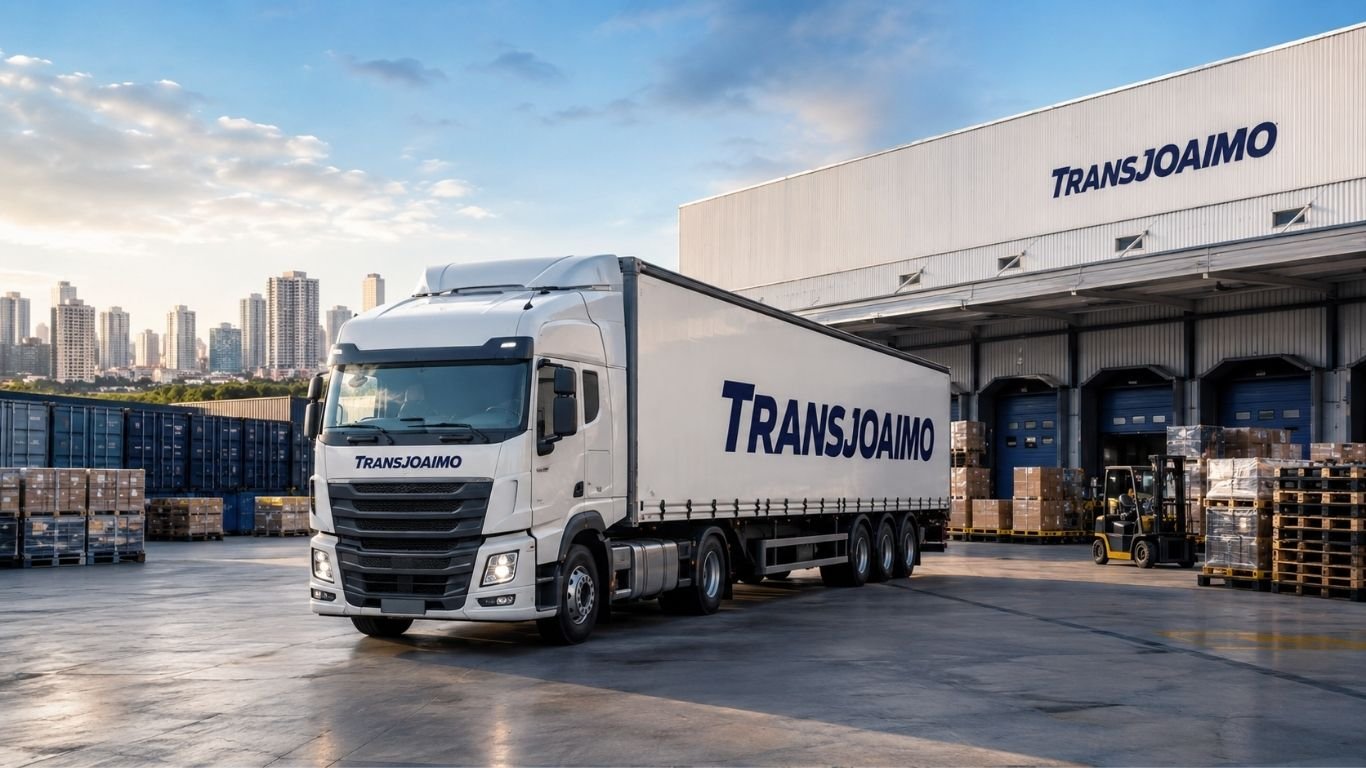
Brazil has one of the largest road freight markets in Latin America. Trucks move goods between factories, shops, warehouses, ports, and cities each day. Transjoaimo is one of the companies that operates in this broad transport sector. Its legal name is Joaimo Silva Rodrigues – Transportes LTDA, and its registered office is in Barueri, São Paulo.
- What Is Transjoaimo?
- Company History and Legal Identity
- Where Is the Company Based?
- Main Road Freight Activities
- Logistics and Freight Support Services
- Storage, Dispatch, and Documentation
- What Types of Cargo Can Be Covered?
- How Freight Quotes Usually Work
- Contact Details and Customer Enquiries
- Why Barueri Matters for Road Logistics
- What to Check Before Booking a Shipment
- Bottom Line
Public business records show that the company began operations on August 12, 2005. It remains listed as active. Its registered activities include municipal road cargo transport and several related freight and logistics services. This gives the business a wider legal scope than a simple local delivery operation.
What Is Transjoaimo?
Transjoaimo is the commercial name used by Joaimo Silva Rodrigues – Transportes LTDA. The company works in road freight and logistics in Brazil. Its main registration is linked to municipal cargo transport, excluding dangerous goods and moving services under that primary activity.
The company is also registered for other transport activities. These include intercity, interstate, and international road cargo transport. Its secondary activities also cover freight agency work, logistics organization, storage for third parties, moving services, dangerous goods transport, and dispatch services.
This mix of registered activities shows that the business has a broad transport profile. It can support different parts of the freight process, subject to the terms, licenses, equipment, and coverage used for each job.
Company History and Legal Identity
The business opened on August 12, 2005. That gives it more than 20 years of registered history in Brazil’s transport sector as of 2026. Long operating history does not by itself prove service quality, but it does show continuity in a demanding market.
The legal company name is Joaimo Silva Rodrigues – Transportes LTDA. Its CNPJ is 10.385.087/0001-16. Public records classify the business as an Empresa de Pequeno Porte, or EPP. In English, this is commonly understood as a small business enterprise.
The company is also registered as a Sociedade Empresária Limitada. This is a limited liability business structure used in Brazil. Its listed share capital is R$500,000.
Where Is the Company Based?
The registered address is Avenida Henrique Gonçalves Baptista, 1765, Jardim Belval, Barueri, São Paulo, CEP 06420-130. Barueri forms part of the Greater São Paulo area and is closely linked to one of Brazil’s largest business and distribution regions.
This location can be useful for a freight operator. São Paulo has major industrial sites, large consumer markets, warehouses, and road links. A base in this region places Transjoaimo close to many businesses that depend on regular cargo movement.
Location alone does not define a carrier’s full service area. Customers should still confirm pickup points, delivery zones, timing, and route availability before arranging a shipment.
Main Road Freight Activities
The company’s primary registered activity is municipal road cargo transport. This category covers general freight moved within a municipality, while excluding dangerous goods and moving services under that specific code.
Its records also list road cargo transport between municipalities, between Brazilian states, and internationally. That secondary registration covers general cargo, again with specific legal rules depending on the load and route.
For customers, these registrations help show the types of work the company is legally set up to perform. Actual service availability may still depend on fleet capacity, cargo type, distance, scheduling, and current operating conditions.
Logistics and Freight Support Services
Road transport is only one part of a supply chain. Cargo may need planning, storage, paperwork, freight booking, or coordination before it reaches its final destination. The registered activities of Transjoaimo include several services linked to these needs.
One secondary activity is freight agency work outside maritime transport. This can involve arranging freight and helping coordinate cargo movement by road, rail, or air. Another listed activity is the organization of cargo transport logistics.
The company is also registered for storage of goods for third parties. This category can cover several forms of warehousing and cargo holding. These activities can support businesses that need more than point-to-point truck transport.
Storage, Dispatch, and Documentation
Freight operations often involve documents as well as vehicles. Public registration data lists dispatch commission services among the company’s secondary activities. This category includes work linked to documents, taxes, and procedures for the entry or exit of goods.
It also covers support for import and export procedures. These tasks can be important when cargo crosses borders or moves through regulated supply chains. Even a small paperwork error can slow a shipment.
Customers should confirm exactly which documentation services are available for their load. The right process can vary by cargo type, destination, tax treatment, and whether the shipment involves domestic or international movement.
What Types of Cargo Can Be Covered?
The company’s registrations span several cargo categories. General road freight is central to the business profile. Public records also list dangerous goods transport and moving services as secondary activities.
That does not mean every type of cargo is accepted at all times. Dangerous goods, for example, can require special vehicles, trained staff, documents, and legal controls. The same is true for loads with unusual size, weight, storage, or handling needs.
Before hiring Transjoaimo, a shipper should explain the cargo in clear terms. Weight, dimensions, quantity, invoice value, pickup point, destination, and required delivery date are useful starting details.
How Freight Quotes Usually Work
A good freight quote depends on accurate shipment data. Carriers often need to know where the cargo starts, where it is going, how heavy it is, and how much space it will use. They may also ask about loading access and delivery restrictions.
A public transport directory for the company shows a quote form that asks for origin, destination, invoice value, weight, quantity, and shipment notes. These are practical details for pricing many road freight jobs.
Giving complete information can reduce later changes. It can also help the carrier decide which vehicle, route, or handling method may be suitable for the shipment.
Contact Details and Customer Enquiries
Public directories list the company at its Barueri address and provide the phone number (11) 4198-3288. They also identify joaimotransportes.com.br as the company website. A published business email is joaimo@joaimotransportes.com.br.
Anyone planning to ship goods should confirm current contact details before sending sensitive business or payment information. Business listings can change, and older directory pages may not always reflect the latest channel.
When contacting Transjoaimo, it helps to prepare the key shipment facts first. A clear request can make the quote process faster and reduce unnecessary back-and-forth messages.
Why Barueri Matters for Road Logistics
Barueri sits within the Greater São Paulo economy. The wider region contains offices, industrial activity, distribution centers, retail demand, and major road connections. This makes freight transport an important part of daily business.
For a carrier, being based in this area can offer access to a large pool of commercial customers and transport demand. It can also provide links to routes that connect São Paulo with other parts of Brazil.
Still, customers should judge a freight company by the needs of each shipment. Price, transit time, insurance terms, cargo rules, communication, and route coverage can all matter more than location alone.
What to Check Before Booking a Shipment
Before booking with any carrier, verify the company registration and current operating status. Confirm the legal name, CNPJ, pickup process, delivery terms, and contact details. For high-value or special cargo, ask about insurance and handling rules as well.
You should also check the quote carefully. Make sure it states what is included in the price. Ask about possible extra charges for waiting time, redelivery, difficult access, storage, tolls, or special handling when relevant.
For Transjoaimo, public records provide a useful starting point because they show an active company with a defined legal identity and a broad set of transport-related registrations. The final choice should still depend on the exact shipment and the terms offered.
Bottom Line
Transjoaimo is the trade name of Joaimo Silva Rodrigues – Transportes LTDA, a Brazilian road freight and logistics company based in Barueri, São Paulo. It was founded in 2005 and is listed as active in current public business records.
Its registered activities cover municipal road freight, wider cargo transport, storage, freight agency work, logistics organization, moving services, dangerous goods transport, and dispatch-related support. This gives the company a varied legal operating profile.
For businesses that need freight support, the next step is simple. Confirm current service coverage, explain the cargo, request a written quote, and review the delivery terms before booking.

If your tap water tastes a little off, smells faintly of chlorine, or leaves spots on your glassware, you’re not imagining things. Most municipal water supplies do a solid job of meeting safety standards, but “safe” and “great-tasting” aren’t always the same thing. That gap is exactly why so many households are turning to reverse osmosis systems to take control of what comes out of their faucet.
At CleanLine Water Co, we’ve spent years helping homeowners understand what’s actually in their water and how to fix it. Reverse osmosis has become one of the most requested solutions we install, and for good reason. It’s a filtration method that doesn’t just mask bad taste or odor. It physically removes the particles, chemicals, and dissolved solids responsible for them in the first place.
This post breaks down how reverse osmosis works, what it removes, and why it might be the upgrade your kitchen has been missing.
How Does Reverse Osmosis Actually Work?
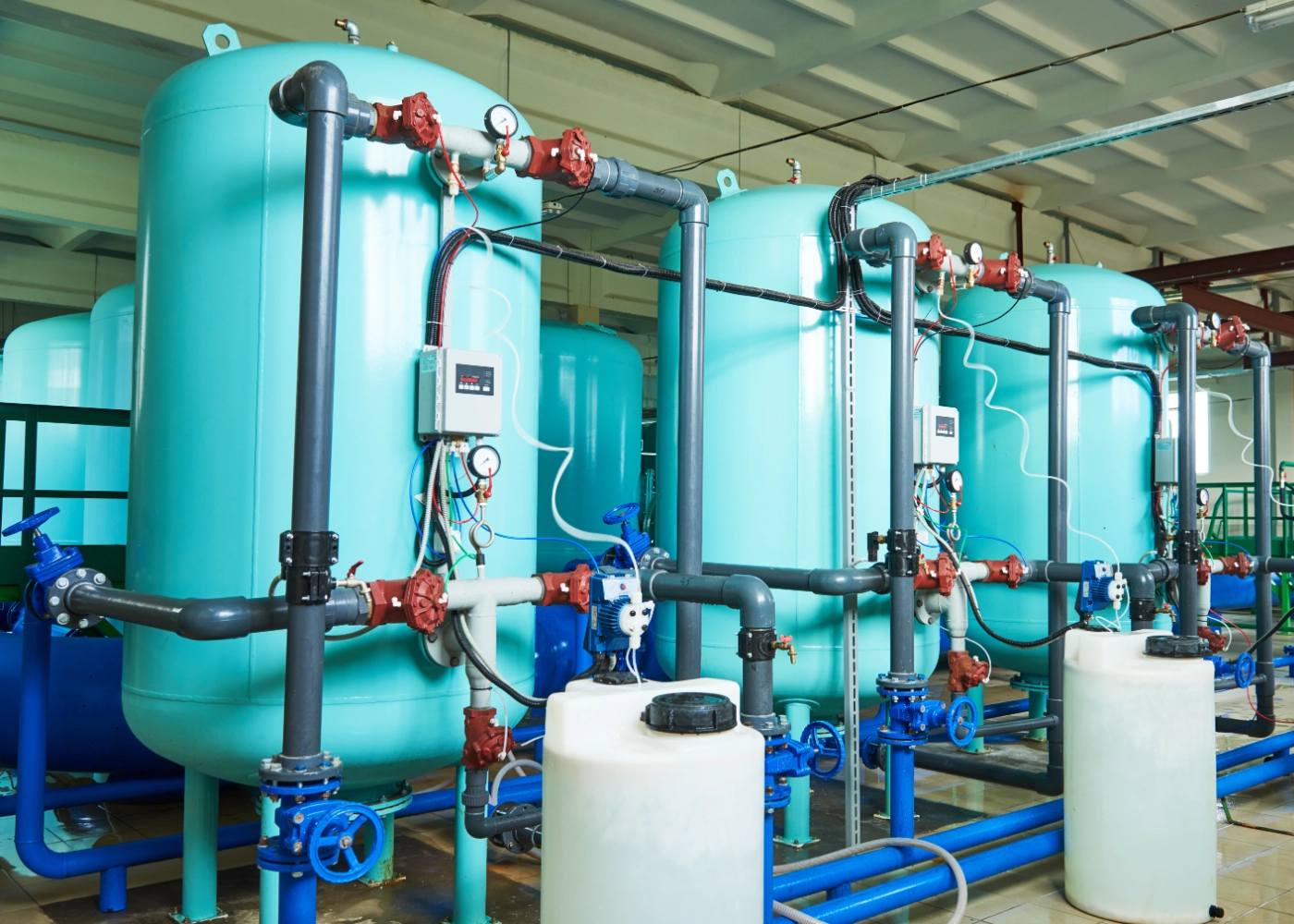
Reverse osmosis, often shortened to RO, pushes water through a semi-permeable membrane with pores so fine that only water molecules can pass through easily. Everything else — dissolved salts, heavy metals, certain bacteria, and a long list of contaminants — gets left behind and flushed away.
Think of it like a security checkpoint for your water. Most filtration methods use a single barrier, similar to a basic screen door that catches larger debris but lets smaller particles through. An RO system, by contrast, uses multiple stages: a sediment pre-filter, a carbon filter to tackle chlorine and odor, the RO membrane itself, and often a polishing filter at the end. By the time water reaches your glass, it’s been filtered more thoroughly than almost any other residential method available today.
What Does Reverse Osmosis Remove From Your Water?
This is usually the first question homeowners ask us, and it’s a fair one. A quality RO system can reduce or eliminate:
- Lead and other heavy metals
- Chlorine and chloramines
- Nitrates and sulfates
- Arsenic
- Fluoride
- Many pharmaceutical residues and microplastics
The result is water that’s noticeably cleaner, crisper, and free of the chemical aftertaste that so many people associate with tap water. Ice cubes come out clearer. Coffee and tea taste the way they’re supposed to. Even something as simple as filling a water bottle for work starts to feel like a small upgrade to daily life.
Why Homeowners Are Choosing Reverse Osmosis Over Other Filters
Not all filtration is created equal. Pitcher filters and basic faucet attachments can improve taste slightly, but they’re limited in what they actually remove and need frequent replacement to stay effective. Whole-house carbon filters help with chlorine and sediment but aren’t designed to tackle dissolved solids or heavy metals at the molecular level.
Reverse osmosis fills that gap. It’s one of the few residential-grade methods certified to reduce contaminants down to the parts-per-billion range, which matters most for households concerned about lead pipes, agricultural runoff, or aging municipal infrastructure. It’s also remarkably low-maintenance once installed, typically needing filter changes just once or twice a year depending on usage.
For families with young kids, anyone managing a health condition sensitive to water quality, or simply those who’ve grown tired of buying bottled water, RO systems tend to pay for themselves quickly. Choose reverse osmosis if lead reduction, consistent taste, and long-term cost savings over bottled water matter more to your household than upfront installation cost.
Bringing Reverse Osmosis Into Your Home
Crisp, contaminant-free water straight from your own tap is exactly what Reverse Osmosis delivers, and it’s one of the easiest upgrades a household can make without any major plumbing overhaul. At CleanLine Water Co, our certified technicians handle everything from water testing to full system installation, so you know precisely what’s being filtered out and why it matters for your home.
We also design our systems to fit under standard kitchen sinks without eating into storage space, and we pair every installation with a maintenance plan, so filters get swapped before they ever affect performance. No guesswork, no surprise plumbing bills, just consistently clean water on demand.
Ready for Cleaner Water?
Good water shouldn’t be something you have to think twice about. Whether you’re dealing with hard water stains, an unpleasant chlorine smell, or just want peace of mind about what your family is drinking, reverse osmosis offers a dependable, low-maintenance solution backed by real science.
CleanLine Water Co is ready to help you figure out the right system for your home, your budget, and your water quality concerns. Reach out today for a free water test and consultation, and see firsthand what a difference properly filtered water can make.
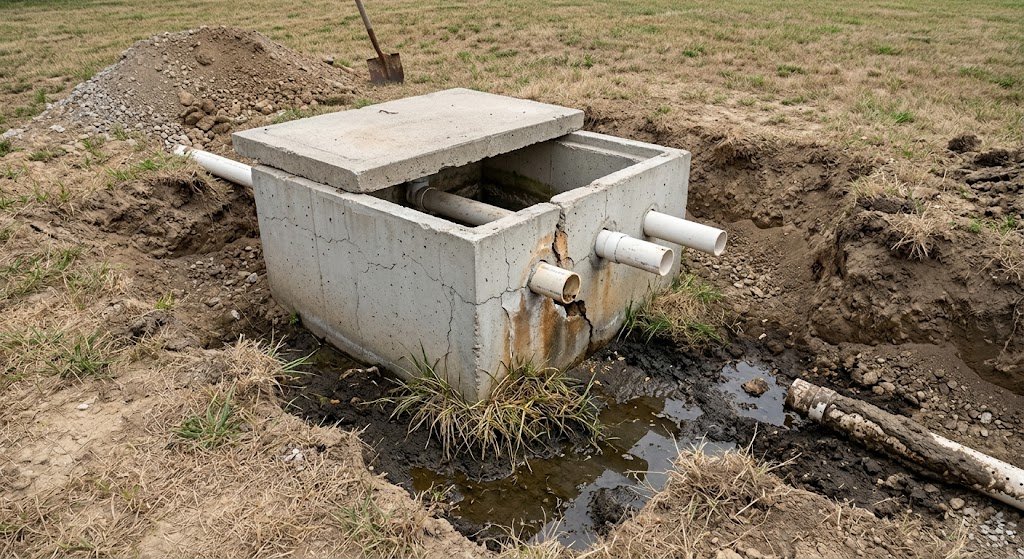
If your septic system has been acting up lately — slow drains, soggy patches in the yard, or a foul odor that won’t quit — the culprit might not be your septic tank at all. It could be a small, often-overlooked component called the distribution box. This unassuming concrete or plastic box plays a massive role in how wastewater flows through your entire septic system, and when it fails, the consequences can ripple through your whole property.
At Septic Advisor, we’ve seen firsthand how a compromised distribution box can turn a minor issue into a major, costly headache. Understanding what this component does, why it fails, and when it needs to be replaced can save homeowners thousands of dollars in emergency repairs down the road.
What Does a Distribution Box Actually Do?
Think of the distribution box as the traffic controller of your septic system. After wastewater leaves your septic tank, it doesn’t just flow randomly into the drain field. Instead, it passes through the distribution box, which evenly divides the effluent among the various pipes leading to your drain field’s leach lines.
This even distribution is critical. Without it, some sections of your drain field would get flooded with excess wastewater while others sit dry and underused. Over time, this imbalance leads to soil saturation, sewage backups, and premature drain field failure — one of the most expensive septic problems a homeowner can face.
Signs Your Distribution Box Needs Attention
Septic systems rarely fail without warning. Here are some telltale signs that your distribution box might be struggling:
- Uneven wet spots in your yard: If certain areas near your drain field are consistently soggy or lush green while others remain dry, your distribution box may be sending water unevenly.
- Slow or gurgling drains: When wastewater can’t flow smoothly out of your home, it often backs up, causing sluggish drainage throughout the house.
- Sewage odors: A cracked or shifted distribution box can allow effluent to pool near the surface, creating persistent, unpleasant smells.
- Visible cracks or settling: Older distribution boxes, especially those made of concrete, can crack, tilt, or sink due to ground movement, tree root intrusion, or simple age-related wear.
Ignoring these symptoms rarely makes them go away. In most cases, the problem worsens, and what could have been a simple fix turns into a full drain field replacement — a project that costs significantly more than addressing the distribution box on its own.
Why Replacement Often Beats Repair
Some homeowners try to patch a damaged distribution box, but this is usually a temporary fix at best. Concrete boxes crack further over time, and once the internal baffles or outlet ports are damaged, they can’t distribute effluent evenly no matter how many patches are applied.
Modern replacement distribution boxes, particularly those made from durable, corrosion-resistant materials, offer a far more reliable long-term solution. They’re designed to resist the ground shifting, root intrusion, and general wear that plagues older concrete models. Choosing a full replacement over a patchwork repair means fewer callbacks, less disruption to your yard, and genuine peace of mind that your septic system is functioning as it should.
What to Expect During a Replacement
A professional distribution box replacement typically involves a few key steps:
- Inspection: A technician locates the existing distribution box and assesses the extent of the damage.
- Excavation: The area around the box is carefully dug out to expose the unit and connecting pipes.
- Removal and replacement: The damaged box is removed, and a new, properly leveled unit is installed in its place.
- Reconnection and testing: Pipes are reconnected, and the system is tested to confirm even effluent distribution across all leach lines.
- Backfilling: The excavation site is restored, leaving your yard as close to its original condition as possible.
While this might sound like a significant undertaking, most replacements can be completed in a single day by an experienced team, minimizing disruption to your household routine.
Trust Septic Advisor for a Seamless Distribution Box Replacement
Distribution Box Replacement is one of the most valuable investments you can make to protect your drain field and extend the life of your entire septic system, and Septic Advisor makes the process straightforward from start to finish. Our team brings years of hands-on experience diagnosing distribution box issues accurately, so you’re never paying for unnecessary work or guessing at the root cause of your septic troubles.
We understand that septic problems can feel overwhelming, especially when they come with an unpleasant surprise like a backed-up drain or a smelly yard. That’s why we prioritize clear communication, transparent pricing, and efficient service every step of the way. Our technicians use quality materials designed to outlast older concrete models, giving you a distribution box that can handle years of reliable use without the recurring issues that plague outdated systems.
Beyond the technical work, we take pride in treating every property with care. Our excavation and restoration process is designed to minimize yard damage, so you won’t be left with an unsightly mess once the job is done.
Protect Your Property Before Small Problems Become Big Ones
A septic system is only as strong as its weakest component, and for many homeowners, that weak point turns out to be an aging or damaged distribution box. Catching the warning signs early — uneven wet patches, slow drains, persistent odors — can mean the difference between a straightforward replacement and a full-scale drain field overhaul.
If you’ve noticed any of these red flags on your property, don’t wait for the problem to escalate. Reach out to Septic Advisor today for an inspection, and let our experienced team help you keep your septic system running smoothly for years to come.

There’s nothing quite like walking into a perfectly cooled home after a scorching summer afternoon, or sinking into a warm living room while snow falls outside. Comfort like this doesn’t happen by accident. It takes a reliable HVAC system, regular maintenance, and a team of professionals who genuinely care about keeping your home running smoothly. That’s exactly what homeowners find when they turn to a trusted local provider for their heating and cooling needs.
Finding the right HVAC partner can feel overwhelming. There are countless companies promising fast service and fair prices, but few actually deliver on both. Homeowners want more than a quick fix. They want a team that shows up on time, explains the problem clearly, and offers solutions that fit their budget and lifestyle. This is where a dedicated, customer-first approach truly makes a difference.
Why HVAC Maintenance Matters More Than You Think
Many homeowners only think about their heating and cooling systems when something breaks. By then, the damage is often more extensive, and the repair bill reflects it. Routine maintenance catches small issues before they snowball into costly breakdowns. A clogged filter, a worn belt, or a refrigerant leak might seem minor, but left unchecked, these issues can shorten the lifespan of an entire system.
Regular tune-ups also improve energy efficiency. A well-maintained HVAC system doesn’t have to work as hard to heat or cool a home, which translates directly into lower utility bills. Over the course of a year, those savings add up significantly. Beyond the financial benefits, consistent maintenance improves indoor air quality, which matters for families with allergies, asthma, or young children.
What Sets Quality HVAC Service Apart
Not all HVAC companies operate the same way. The best ones combine technical expertise with genuine customer care. Technicians should arrive fully equipped, diagnose issues accurately, and explain findings in plain language rather than confusing jargon. Transparency around pricing matters too. Nobody wants to be surprised by hidden fees after the work is already done.
Response time is another critical factor, especially during extreme weather. A broken air conditioner in the middle of a heat wave isn’t just inconvenient; it can be a genuine health risk for young children, older adults, and pets. Similarly, a failed furnace during a winter storm demands immediate attention. Companies that prioritize fast response times and emergency availability earn the trust of their communities for good reason.
Installation, Repair, and Everything In Between
HVAC needs vary widely from one household to the next. Some homeowners need a complete system replacement because their current unit is outdated or inefficient. Others simply need a repair to get through the season. A comprehensive HVAC provider handles the full spectrum of services, including:
- System Installation: Helping homeowners choose the right size and type of unit for their space, ensuring optimal performance and energy efficiency.
- Routine Maintenance: Seasonal tune-ups that keep systems running smoothly and extend their operational lifespan.
- Emergency Repairs: Fast, reliable fixes when a system unexpectedly breaks down.
- Air Quality Solutions: Options like air purifiers, humidifiers, and duct cleaning to improve the air circulating through a home.
Offering this range of services under one roof saves homeowners the hassle of juggling multiple contractors. It also means technicians become familiar with a property over time, which can lead to more accurate diagnostics and personalized recommendations.
Choosing a Company That Treats Your Home Like Their Own
Trust is the foundation of any good HVAC relationship. Homeowners are inviting technicians into their personal space, often around their families, so professionalism and respect matter just as much as technical skill. Licensed, insured technicians who communicate clearly and leave the workspace clean reflect a company’s commitment to doing things the right way.
Experience real peace of mind knowing a dependable local team has your home’s comfort covered year-round with NexAir Home Services. From the first phone call to the final walkthrough, NexAir Home Services focuses on building lasting relationships with homeowners rather than chasing one-time transactions. That means honest assessments, fair pricing, and a genuine commitment to getting the job done right the first time.
Whether it’s a routine seasonal check-up, an unexpected breakdown, or a full system upgrade, having a dependable partner on call brings real peace of mind. Homeowners shouldn’t have to worry about whether their HVAC provider will show up on time or stand behind their work. That reliability is what turns a one-time service call into a long-term relationship.
Comfort You Can Count On, Season After Season
A well-functioning HVAC system is one of those things people rarely think about until it stops working. But when temperatures spike or plunge, having a trustworthy team just a phone call away makes all the difference. Investing in regular maintenance, choosing a transparent and responsive provider, and staying ahead of small issues before they escalate are the keys to year-round comfort.
If your home is due for a tune-up or you’re facing an HVAC issue that needs expert attention, don’t wait until the problem worsens. Reach out to a team that treats your comfort as seriously as you do, and experience the difference reliable, professional service can make.

Why Sliding Doors Are the Smartest Upgrade for Your Home

Why Metal Roofs Are Becoming the Smart Homeowner’s Top Choice

Losing a Loved One? Here’s How De Prado | De la Osa Fights for Your Family

Alex Pettyfer Net Worth, Wife, Age, Height, Children, Career and More

Brad Williams Net Worth, Wife, Height, Age, Daughter, Family, Career and More

Eldorado.gg Review 2026: How It Works, Safety, Fees, and Risks
-
Celebrity9 months ago
Alex Pettyfer Net Worth, Wife, Age, Height, Children, Career and More
-
Celebrity10 months ago
Brad Williams Net Worth, Wife, Height, Age, Daughter, Family, Career and More
-
Blog1 month ago
Eldorado.gg Review 2026: How It Works, Safety, Fees, and Risks
-
 Anime10 months ago
Sanzoku Bandits of One Piece: Origins, Higuma, and Their Role in Dawn Island
-
 Celebrity10 months ago
John McGinn Net Worth, Age, Height, Wife, Childrens, Career and More
-
 Celebrity10 months ago
Frances de la Tour Net Worth, Age, Height, Husband, Childrens, Career and More
-
 Celebrity10 months ago
Will Trickett Net Worth, Wife, Childrens, Age, Career and More
-
 Blog2 months ago
Crackstube: A Complete Guide to the Digital Publishing Platform