
Blog
Choosing the Right Electric Ride: Class 3 E-Bikes and Options for Teenagers


Buying an electric bike can seem straightforward until you start comparing different types. Motor ratings, riding speeds, battery sizes, tire designs, and legal classifications can quickly turn a simple decision into a long list of questions. One of the first terms worth understanding is Class 3. If you have searched what is a class 3 ebike, you have probably noticed that the answer involves more than just the bike’s top speed. The way the motor assists the rider, where the bike can be used, and the rider’s experience all matter.
For families looking at electric bikes for younger riders, there is another important distinction. An electric dirt bike for teenagers may look similar to some e-bikes from a distance, but its intended use and design can be quite different.
Picture the Ride You Actually Want
Before comparing specifications, I find it useful to imagine where the bike will spend most of its time. A person commuting through town has different needs from someone riding on private dirt property. Likewise, a teenager learning off-road riding needs a different setup from an experienced adult traveling to work. This is why starting with the riding environment can make the selection process easier. Ask a few basic questions:
- Will most rides happen on pavement or dirt?
- Is the bike being used for transportation or recreation?
- Who will ride it?
- How much riding experience does that person have?
- Are there local restrictions on the type of bike being considered?
These answers can eliminate unsuitable choices before you even compare batteries and motors.
Getting Clear on Class 3
So, what is a class 3 ebike in practical terms? In the United States, a Class 3 e-bike is generally a pedal-assisted electric bicycle with motor assistance that can reach speeds of up to 28 mph. The rider normally needs to pedal for the motor assistance to operate under the Class 3 definition. That higher assisted speed makes Class 3 bikes particularly relevant to people who want quicker transportation or longer road rides. However, classification does not mean that every Class 3 bike can legally be ridden everywhere.
Rules can vary between states, cities, trails, and other riding areas. Some locations have specific requirements concerning bike paths, helmets, equipment, or where Class 3 models can operate. The classification is therefore useful, but it should be considered alongside local regulations and the bike’s actual design.
Speed Changes More Than the Speedometer
It is easy to focus on the number displayed in a product description. A faster e-bike, however, also changes how the rider needs to behave. At higher speeds, braking requires more space. Turns need to be approached with greater care, and rough pavement can have a bigger effect on stability. This is particularly important for inexperienced riders. Someone comfortable riding a conventional bicycle may still need time to adjust to the weight and acceleration of an electric model.
Good riding habits matter regardless of the class. Smooth acceleration, controlled braking, looking ahead for obstacles, and maintaining a reasonable speed for the surroundings are more useful than constantly trying to reach the maximum assisted speed.
Teen Riders Need a Different Conversation
When the rider is a teenager, the question should not simply be, “How powerful is the bike?” A better starting point is whether the teenager can comfortably handle its size and controls. Seat height, reach to the handlebars, weight, braking controls, and overall balance can influence how confidently a young rider handles the bike. A model that is physically difficult to control can become frustrating and potentially unsafe.
Experience should also be considered. A teenager who is new to electric bikes may benefit from learning basic acceleration and braking skills before riding in busy areas or challenging terrain. Parents should check the manufacturer’s age guidance for the specific model rather than assuming that all electric bikes are suitable for all teenagers.
Dirt Riding Has Its Own Demands
An electric dirt bike is designed around conditions that are very different from ordinary street riding. Dirt, gravel, grass, mud, and uneven ground can reduce traction and make steering less predictable. A bike intended for these environments may therefore have features such as more aggressive tires, different suspension characteristics, stronger frames, and a riding position suited to off-road control.
That does not mean every dirt bike is appropriate for every trail. Riders still need to consider the surface, weather, obstacles, and their own experience. For a teenager, supervision and gradual skill development are especially important. Starting on manageable terrain can help build confidence without immediately introducing steep slopes, loose surfaces, or difficult obstacles.
Battery Planning Is a Real-World Issue
Advertised range can be useful when comparing electric bikes, but it should not be treated as a guaranteed distance. Battery consumption changes according to riding conditions. Frequent acceleration, hills, heavy loads, cold temperatures, tire pressure, and rough terrain can all affect energy use.
For a daily commuter, I would think about the complete journey rather than the advertised maximum range. For recreational dirt riding, I would plan around the expected riding session and leave enough battery for an easy return. A little extra planning can prevent the frustrating situation of having to push a heavy electric bike home.
Don’t Forget the Rules
Electric bikes and off-road electric motorcycles are not always governed by the same rules. This distinction becomes particularly important when considering an electric dirt bike for teenager. Before riding, parents should check local age requirements, helmet laws, property or trail restrictions, and any rules covering motorized off-road vehicles.

A bike that is legal on private property may not automatically be legal on a public trail or roadway. Understanding those differences beforehand is much easier than discovering them during a ride.
A Brand Is Only One Part of the Decision
Once the intended use is clear, then it makes sense to compare manufacturers and individual models. When looking through options from brands such as OUXI, I would pay attention to the specifications that actually match the rider’s needs instead of choosing based only on appearance or motor numbers. A useful comparison should include fit, brakes, tires, battery, controls, weight, intended terrain, maintenance requirements, and applicable rules.
Final Thoughts
Choosing an electric bike becomes much simpler when the decision starts with the rider and the riding environment. A Class 3 e-bike is generally a pedal-assisted model capable of motor assistance up to 28 mph in the U.S., but its suitability depends on where and how it will be used. For teenagers, the decision requires another layer of consideration. Fit, experience, supervision, protective equipment, and local regulations should all be part of the process, especially when considering an off-road electric bike. Rather than chasing the biggest motor or highest speed, matching the bike to the actual rider and intended environment is a more practical way to begin.
FAQs
1. Does Class 3 mean an e-bike can travel at 28 mph anywhere?
No. The classification describes the bike’s motor-assisted speed characteristics, but local laws can determine where and how Class 3 e-bikes may be ridden.
2. Can a teenager ride a Class 3 e-bike?
That depends on the rider’s age, local regulations, the specific model, and the teenager’s ability to control the bike. Always check applicable requirements before riding.
3. Are electric dirt bikes designed for public roads?
Not necessarily. Many are intended primarily for off-road use. Their road legality depends on their specifications and local laws.
4. Why is bike weight important for a teenager?
A heavier bike can be harder to balance, stop, turn, or move when the motor is not running. Choosing a manageable size and weight can make learning easier.
5. Should a teenager start with difficult off-road trails?
It is generally more sensible to build skills gradually. Practicing braking, turning, acceleration, and balance on suitable, controlled terrain can help a rider become more comfortable before tackling challenging surfaces.

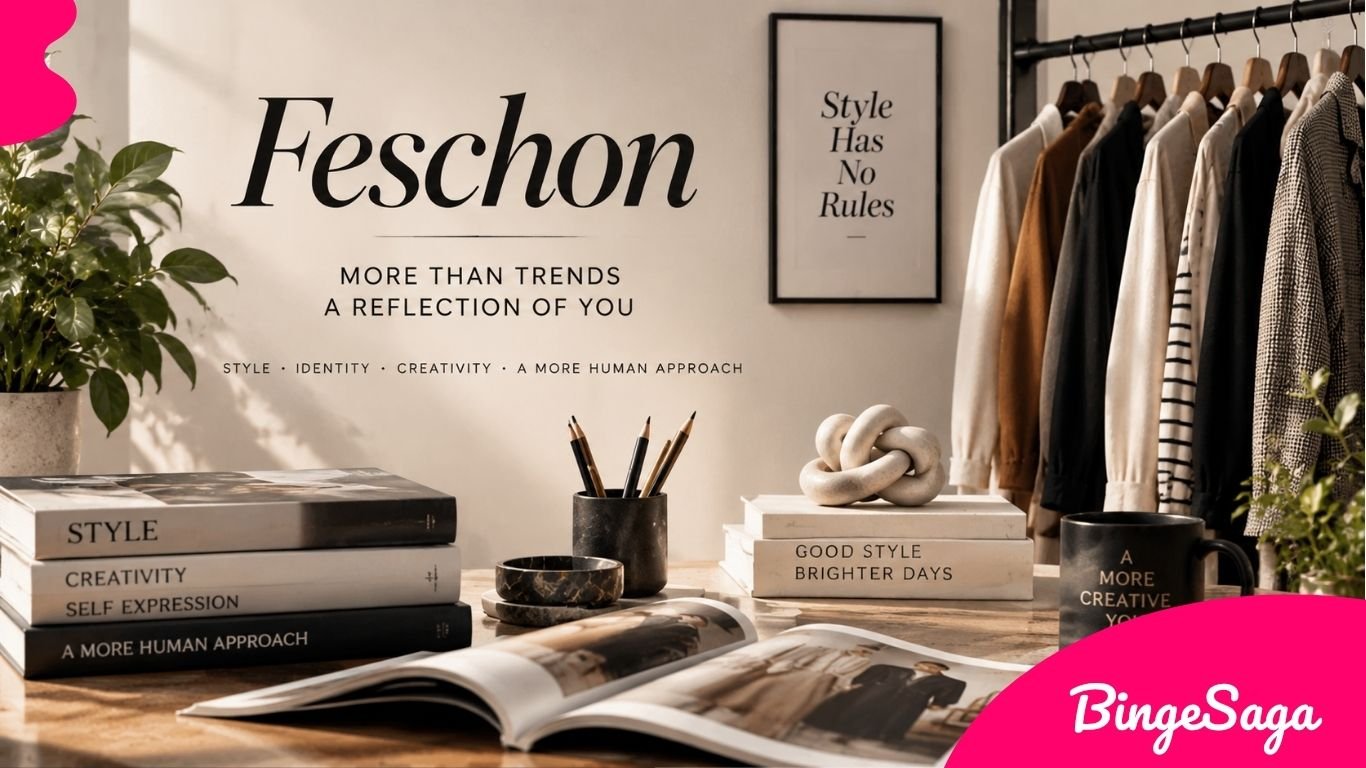
Clothing has always been more than just something people wear. It can show feelings, culture, ideas, and personal stories. While fashion often focuses on trends, brands, and changing styles, some people use the word Feschon to describe a deeper connection between clothing and human expression.
- What Is Feschon?
- The Meaning Behind Feschon
- Feschon vs Traditional Fashion
- How Personal Expression Shapes Style
- The Connection Between Clothing and Identity
- Why Some Creators Use This Term
- The Role of Creativity in Modern Style
- Feschon and the Future of Personal Style
- How Feschon Encourages Self-Confidence
- The Difference Between Trends and True Expression
- Why Feschon Is Gaining Attention
- Final Thoughts
The idea behind Feschon comes from creative writing and style discussions. It looks at clothing as a form of shaping and creating rather than only following popular trends. In this article, we will explore the meaning behind this concept, how it differs from fashion, and why some creators use it to talk about personal identity.
What Is Feschon?
Feschon is a creative spelling of the word fashion. It is used by some writers and artists to give a different feeling to the idea of style. Instead of focusing only on clothing markets and seasonal trends, the term highlights personal choices and creative freedom.
The concept connects style with the idea of making or forming something. It suggests that the way people dress can be a personal creation, much like art, music, or writing.
The Meaning Behind Feschon
The meaning of Feschon is linked to the idea that style comes from people, not only from businesses or magazines. It focuses on how clothing can tell a person’s story and reflect their thoughts.
Many traditional views of fashion are connected with buying new items and following popular looks. This newer approach shifts attention toward creativity, meaning, and the relationship between a person and what they wear.
Feschon vs Traditional Fashion
Fashion usually describes clothing styles that change over time. Designers, brands, celebrities, and social media often influence what becomes popular. These trends can spread quickly and change from season to season.
Feschon takes a different view. It is less about keeping up with what is popular and more about creating a style that feels personal. It encourages people to think about why they choose certain clothes and what those choices represent.
How Personal Expression Shapes Style
People use clothing to express many parts of their lives. A simple outfit can show confidence, mood, culture, or creativity. Style can become a quiet way to communicate without using words.
This idea supports the belief that everyone can create their own visual identity. A person does not need expensive brands or rare items to have a meaningful style. Personal choices and creativity often matter more.
The Connection Between Clothing and Identity
Clothing has always played a role in how people see themselves and how others see them. From traditional clothing to modern streetwear, styles often carry personal and social meanings.
Feschon focuses on this connection by viewing clothing as part of a person’s identity. It suggests that what people wear can represent memories, values, and experiences rather than only appearance.
Why Some Creators Use This Term
Creative writers and artists often create new words or change existing ones to share new ideas. The use of Feschon helps some creators separate personal style from the business side of fashion.
For these creators, the word represents a more human approach to clothing. It moves away from constant buying and encourages people to see style as a creative process.
The Role of Creativity in Modern Style
Modern style is no longer controlled only by major brands. Social media has allowed people from different backgrounds to share their looks and ideas with the world.
This change has made personal creativity more visible. People now mix different cultures, old designs, and new ideas to build styles that feel unique to them.
Feschon and the Future of Personal Style
As people become more interested in individuality, ideas around style continue to change. Many people now care about comfort, meaning, and personal values when choosing clothes.
The idea of Feschon fits into this wider movement by focusing on the person behind the clothing. It presents style as something created through personal choices rather than something people simply follow.
How Feschon Encourages Self-Confidence
A major part of personal style is feeling comfortable with who you are. When people choose clothes that match their personality, they often feel more confident.
This concept encourages people to explore their own tastes instead of copying every popular trend. It reminds people that style does not have one fixed rule.
The Difference Between Trends and True Expression
Trends can be fun and inspiring, but they often change quickly. A style that is popular today may disappear tomorrow. Personal expression, however, can last much longer because it is connected to individual identity.
Feschon represents the idea that clothing can have a deeper purpose. It focuses on creating a style that feels honest and meaningful.
Why Feschon Is Gaining Attention
The growing interest in personal branding, creativity, and self-expression has helped ideas like this become more common. Many people are looking for ways to stand out while staying true to themselves.
Rather than seeing clothing as only a product, this concept views it as a form of communication. It connects style with creativity, personality, and human experience.
Final Thoughts
Feschon is not a replacement for traditional fashion. Instead, it offers another way to think about style and clothing. It focuses on the personal side of dressing and highlights creativity over simple trend-following.
As style continues to evolve, more people are exploring ways to make clothing feel more personal. The idea behind Feschon shows that what we wear can be more than an outfit. It can be a reflection of who we are.

Small snacks often become popular because they are simple, tasty, and easy to enjoy. One such snack has gained fans around the world because of its unique look and fun design. Covered in bright red wax, this little cheese has become a familiar choice for children, families, and cheese lovers.
- The Meaning Behind Babybelletje
- How Babybelletje Became a Popular Snack?
- The Famous Red Wax Cover Explained
- What Makes Babybelletje Cheese Special?
- Different Flavors and Varieties Available
- Why Families Choose Babybelletje?
- Babybelletje as a Fun Lunch Box Snack
- The Role of Packaging in Its Success
- Is Babybelletje a Healthy Snack Choice?
- How People Enjoy Babybelletje Around the World?
- The Lasting Appeal of Babybelletje
Babybelletje is the name often used for the famous Mini Babybel cheese. It is known for its round shape, creamy taste, and easy-to-open wax cover. In this article, we will explore its history, ingredients, flavors, packaging, and why this small cheese remains a favorite snack for many people.
The Meaning Behind Babybelletje
The word Babybelletje comes from the popular Mini Babybel cheese brand. The name is linked to the small size and playful design of the product. In many places, people use this term when talking about the small cheese wheels covered in colorful wax.
The snack is made by the French company Bel Group, a company known for producing different cheese products around the world. The brand created a simple idea: make cheese that is easy to carry, fun to open, and enjoyable to eat anywhere.
Unlike large blocks of cheese, this snack comes in small individual portions. This makes it a useful choice for lunch boxes, quick snacks, and family meals.
How Babybelletje Became a Popular Snack?
The success of this cheese comes from its simple idea. People enjoy snacks that do not require preparation, and this product fits that need perfectly. Its small size makes it easy for children to hold and eat.
The colorful wax coating also helped it stand out from other cheese products. Opening the wax became part of the experience. Many children enjoy pulling the small tab and discovering the cheese inside.
Over the years, the brand expanded into many countries. Its playful appearance and mild taste helped it become a common snack in homes, schools, and workplaces.
The Famous Red Wax Cover Explained
One of the most recognizable features of Babybelletje is its red wax shell. This coating protects the cheese and helps keep it fresh. The wax is made from food-grade materials and is safe to touch.
The outer layer is not meant to be eaten. Before enjoying the cheese, the wax should be removed completely. The small pull tab makes this process quick and easy.
The wax also helps create a strong identity for the product. When people see the red round shape, many instantly recognize the cheese inside.
What Makes Babybelletje Cheese Special?
The cheese inside the wax is usually a mild Edam-style cheese. It has a smooth texture and a gentle flavor that is easy for many people to enjoy. It is not too strong, making it suitable for both children and adults.
The classic version is made with ingredients such as pasteurized milk, salt, and vegetarian enzymes. The simple recipe gives the cheese its familiar creamy taste.
Its small size also makes portion control easier. Instead of cutting a large piece of cheese, people can enjoy one ready-made serving.
Different Flavors and Varieties Available
While the original red version remains the most famous, Babybelletje is available in different flavors and styles. These options give people more choices based on their taste preferences.
Some varieties use different colored wax coverings to help identify each flavor. For example, Light versions often use light blue packaging, while White Cheddar versions may come with darker colors.
Other options include Gouda-style versions and plant-based alternatives. These choices allow more people to enjoy a similar snack experience.
Why Families Choose Babybelletje?
Many parents choose this cheese because it is convenient and easy to pack. It can fit into lunch boxes without needing cutting or extra preparation. Its small shape also makes it less messy compared with many other snacks.
The mild taste is another reason for its popularity. Children who may not enjoy stronger cheeses often find this type of cheese easier to like.
For adults, it can be a quick snack during busy days. It can also be added to meals, picnic baskets, or simple snack plates.
Babybelletje as a Fun Lunch Box Snack
A good lunch box snack needs to be simple, portable, and enjoyable. This cheese meets all three needs. Its individual wrapping helps keep each piece protected until it is ready to eat.
Many families add it to lunch boxes with fruits, crackers, vegetables, or sandwiches. The bright packaging can also make meals feel more exciting for children.
Because it does not need extra preparation, it saves time for busy parents and workers.
The Role of Packaging in Its Success
The packaging of Babybelletje plays a big part in its popularity. The round shape and colorful wax make it different from traditional cheese products.
The design is not only attractive but also practical. Each piece stays separated, making storage and carrying easier. The wax layer also provides a protective cover around the cheese.
Good packaging helped turn a simple cheese snack into a product that people easily remember.
Is Babybelletje a Healthy Snack Choice?
Cheese can be part of a balanced diet when eaten in suitable amounts. This snack provides nutrients commonly found in dairy products, including protein and calcium.
The exact nutrition can vary depending on the type and flavor. Some versions may have lower fat options, while others may have different ingredients.
Like any snack, it is best enjoyed as part of a varied diet that includes fruits, vegetables, grains, and other healthy foods.
How People Enjoy Babybelletje Around the World?
People enjoy this cheese in many different ways. Some eat it directly as a quick snack, while others include it in creative recipes.
It can be added to snack boards, served during trips, or paired with other foods. Its small size makes it flexible for many occasions.
The global popularity of this cheese shows how a simple idea can become a favorite snack across different cultures.
The Lasting Appeal of Babybelletje
The popularity of Babybelletje comes from a mix of taste, convenience, and fun design. It offers a simple way to enjoy cheese without cutting, cooking, or preparing anything.
Its famous wax cover, small size, and mild flavor have helped it remain popular for many years. Whether packed in a lunch box or enjoyed during a quick break, this tiny cheese continues to bring a fun experience to cheese lovers.
As snack choices continue to change, products with simple ideas and easy use often stay memorable. This small cheese is a good example of how a creative design can make an everyday food item special.

Shani Levni is a digital creator who presents herself online as a creative artist. She has built an online identity through her personal blog and social media activity. While she is not a widely known public figure, her online presence shows her interest in sharing creative ideas and connecting with people through digital platforms.
- Early Online Presence and Digital Identity
- Shani Levni’s Creative Artist Profile
- Her Personal Blog and Website
- Social Media Presence and Community
- Building a Digital Brand Through Creativity
- Privacy and Limited Public Information
- The Role of Digital Creators Today
- Why Personal Websites Still Matter
- Shani Levni’s Growing Digital Footprint
- Final Thoughts
Public details about her life, background, education, and personal journey are limited. Unlike many internet personalities, she has kept much of her personal information private. Most available information focuses on her online work and the platforms where she shares her creative side.
Early Online Presence and Digital Identity
The internet has given many creators a place to share their ideas without needing traditional fame. Shani Levni represents this type of modern creator who uses digital platforms to build a personal brand and share creative content.
Her online identity is connected with creative work and digital expression. Through her online activities, she presents herself as someone interested in creating and sharing ideas with a wider audience.
Because there is limited public information available, many details about her early life remain private. However, her online footprint provides a small look into her role as a digital creator.
Shani Levni’s Creative Artist Profile
As a creative artist, Shani Levni focuses on expressing ideas through digital spaces. Creative artists today often use blogs, websites, and social media to show their work and communicate with followers.
Her online profile suggests a focus on creativity rather than public attention. She appears to use the internet as a space for sharing thoughts, projects, and artistic interests.
The growth of digital platforms has allowed creators like her to reach people directly. A personal website and social media page can help artists build a unique identity without depending on traditional media.
Her Personal Blog and Website
One of the main parts of Shani Levni’s online presence is her personal blog. A blog allows creators to publish content, share ideas, and create a direct connection with readers.
Her website is linked with the domain name shanilevni.com. The site represents her digital space where visitors can learn more about her creative work and online activities.
Personal websites remain important for creators because they provide more control over content and branding. They allow artists to create a space that reflects their interests and creative vision.
Social Media Presence and Community
Social media plays an important role in how modern creators connect with audiences. Shani Levni maintains a Facebook profile under the handle @shanilevni, which adds another part to her online presence.
Platforms like Facebook help creators share updates, interact with followers, and introduce their work to new audiences. They also allow people to build communities around shared interests.
Although her social media following and activity details are not widely available, her profile shows her use of online platforms to maintain a connection with the digital world.
Building a Digital Brand Through Creativity
Creating a strong online identity takes time, consistency, and a clear creative direction. Many digital creators use websites and social platforms to develop their personal brands.
Shani Levni’s online presence reflects this modern approach. Instead of relying on traditional fame, she uses digital tools to represent her creative interests.
A digital brand can grow through many forms of content, including writing, artwork, photography, design, or other creative projects. For many creators, the internet becomes a place where ideas can reach people around the world.
Privacy and Limited Public Information
Unlike celebrities and public figures, many digital creators choose to keep their personal lives private. This makes their work visible while keeping private details away from the public.
Information about Shani Levni’s family, education, location, and personal background is not widely available from reliable public sources. It is important to respect this privacy and focus only on confirmed details.
Her case shows how someone can create an online presence while maintaining a level of personal privacy.
The Role of Digital Creators Today
Digital creators have changed the way people share ideas and creative work. Today, a person does not need to appear on television or in major publications to build an audience.
Creators can use websites, blogs, and social media to publish their work and connect with people who share similar interests. This has created new opportunities for artists and independent creators.
Shani Levni’s online journey reflects this wider change. Her presence shows how digital spaces can support creativity and personal expression.
Why Personal Websites Still Matter
Even with the rise of social media, personal websites continue to be valuable tools for creators. A website gives artists a permanent place to display their work and share information.
Social platforms can change their rules and features, but a personal website gives creators more control. It can act as a central place where people discover their work.
For digital artists, having a website can help create a professional image and organize creative projects in one location.
Shani Levni’s Growing Digital Footprint
The online world continues to change, and many creators are building their identities step by step. Shani Levni’s presence shows how personal websites and social platforms can work together.
Her journey represents a quieter side of digital creativity. Not every creator seeks worldwide fame. Some focus on sharing ideas, building connections, and creating meaningful work online.
As more people use digital platforms, creators like Shani Levni show the many ways individuals can express themselves through technology.
Final Thoughts
Shani Levni is a digital creator and creative artist known through her online presence, personal blog, and social media activity. While detailed information about her personal life is limited, her digital footprint shows her connection with modern creative spaces.
Her story reflects a growing trend where individuals use the internet to share their ideas and build their own identities. Through websites and social platforms, creators can reach audiences and showcase their creativity in new ways.

Denim Tears: How Fashion, History and Street Culture Come Together

What Is Feschon? Understanding the New Meaning Behind Personal Expression

What Is Babybelletje? Discover the Story Behind the Famous Red Cheese

Alex Pettyfer Net Worth, Wife, Age, Height, Children, Career and More

Brad Williams Net Worth, Wife, Height, Age, Daughter, Family, Career and More

Eldorado.gg Review 2026: How It Works, Safety, Fees, and Risks
-
Celebrity9 months ago
Alex Pettyfer Net Worth, Wife, Age, Height, Children, Career and More
-
Celebrity9 months ago
Brad Williams Net Worth, Wife, Height, Age, Daughter, Family, Career and More
-
Blog3 weeks ago
Eldorado.gg Review 2026: How It Works, Safety, Fees, and Risks
-
 Anime10 months ago
Sanzoku Bandits of One Piece: Origins, Higuma, and Their Role in Dawn Island
-
 Celebrity9 months ago
John McGinn Net Worth, Age, Height, Wife, Childrens, Career and More
-
 Celebrity9 months ago
Frances de la Tour Net Worth, Age, Height, Husband, Childrens, Career and More
-
 Blog3 weeks ago
What Is Troozer.com? A Clear Guide to the Digital Content Site
-
 Celebrity9 months ago
Will Trickett Net Worth, Wife, Childrens, Age, Career and More