
Business
Beyond the Hamper: Redefining UK Year-End Corporate Gifting with RYAN London


As the fourth quarter draws to a close, corporate boardrooms across the UK begin the familiar exercise of year-end recognition. For decades, the standard response to expressing client gratitude or honoring high-stakes milestones has leaned heavily on predictable options: oversized wicker hampers packed with short-lived artisanal foodstuffs, modest bottles of wine, or mass-produced plastic stationery stamped with corporate logos. Yet, by New Year’s Day, the consumables have vanished, and the heavily branded novelty items sit forgotten in office drawers.
In modern business, corporate luxury gifts in the UK require a more thoughtful approach. Modern C-suite executives and valued corporate partners appreciate subtle refinement over overt marketing. Shifting from disposable novelties to lasting, functional craftsmanship changes how corporate gratitude is expressed, ensuring a mark of appreciation remains relevant well into the coming financial year.
The Case for Functional Luxury in Executive Gifting
Gifting in a professional context is fundamentally an exercise in communication. A corporate gesture signals how a business views its partners, its key stakeholders, and its own standards. When a company presents an executive with a temporary or purely promotional item, the gesture carries little lasting impact. By contrast, selecting an item that integrates seamlessly into a leader’s daily workflow establishes a continuous, understated presence.
High-grade personal technology accessories sit right at the intersection of utility and elegance. Modern leaders rely daily on devices like the MacBook and iPad during board meetings, international travel, and strategic sessions. Encasing these essential working tools in handcrafted European full-grain leather turns an everyday device into a refined statement of professional discipline.
When evaluating an executive holiday gift guide for UK businesses, lasting value comes down to materials and craftsmanship. Full-grain leather is uniquely suited for this purpose. Unlike synthetic covers or low-grade bonded leathers that scuff and peel over time, high-quality full-grain hides develop a rich patina through daily handling. Rather than showing wear, the material improves with age, mirroring the enduring nature of a long-term commercial partnership.
Quiet Elegance in the Boardroom
A common misstep in corporate commissioning is the urge to place prominent corporate logos across the gift itself. While co-branding may work for casual promotional giveaways, executive gifting operates under a completely different set of rules. True luxury speaks through restraint.
A clean, logo-free silhouette respects the recipient’s personal style and elevated professional standing. When choosing a premium leather corporate gift, the focus remains entirely on the tactile quality of the leather, the precise hand-finishing of the stitching, and the tailored fit around the device. Presenting a piece free from loud corporate iconography conveys genuine respect. It demonstrates that the gift was chosen to enhance the recipient’s personal daily carry, rather than to serve as a mobile billboard for the giver.
Whether carried into a high-stakes client negotiation in Mayfair or set on a conference table in the city, a sleek leather sleeve subtly elevates a professional’s boardroom presence. It projects an image of quiet confidence, organization, and an appreciation for lasting quality.
Elevating RYAN London Executive Gifting for the New Financial Year
Selecting year-end business gifts in London involves finding a balance between practical everyday utility and genuine craftsmanship. RYAN London has built its reputation on precisely this balance, crafting slim, protective leather sleeves specifically engineered for Apple devices.
By utilizing premium hides sourced from European tanneries, each sleeve is cut and finished to provide a snug, tailored fit for MacBooks and iPads. The minimalist profiles eliminate unnecessary bulk, making them effortless to slip into an executive briefcase or carry comfortably underarm between meetings. Soft interior linings protect delicate aluminium enclosures from scratches, while the exterior offers tactile reassurance during daily commutes.
As senior leadership teams set their strategic priorities for the new financial year, year-end recognition should reflect those same high standards. Moving beyond temporary treats and disposable trinkets in favour of timeless leather desk and travel pieces creates an enduring impression that lasts long after the holiday season has passed.
Business
Perfume Packaging Guide: Choosing the Right Box for Bottle Size, Protection, and Brand Image


Perfume is a product that many people use. There are a variety of scents available, helping one find the perfect one they like. Many businesses are selling perfume because they know the product is a high-demand one. To draw people to your product, it is important that you manufacture and sell a high-quality perfume that smells pleasant and good.
One way to market the product and get the attention of people, even when it is with the competition, is with the help of perfume boxes. When designed right, they will protect the perfume bottle by securing it safely in the box and promoting the brand in the competitive market.
The following looks at selecting the right box for bottle size, safety, and brand image:
Getting the box size right
Perfume bottles are often made of glass and are sensitive. They must remain stable in the box, especially when the product is being shipped, transported, and handled. If they move around too much, they will end up breaking, wasting the product.
The box should be the correct dimensions to suit the bottle size. Packaging manufacturers provide brands with custom-dimension packaging suiting the needs of the bottle. The bottle is measured to get the right size box to fit it in properly.
The bottle needs to be measured completely, including its height, width, depth, as well as weight. If there are protruding sprayers, heavy caps, and decorative necks, these need to be kept in mind.
The common 50ml-100ml bottles often have a box that is around 8 x 4 x 20 cm. The box has a compact footprint to ensure dead space is not present.
A brand needs to avoid getting oversized boxes, which will make the glass bottle shift and rattle. This can make it break. The box should also not be so small that it ends up breaking, exposing the perfume to negative external impacts.
Internal cushioning
The bottle must be held securely in place in the box to ensure it is protected from bumps and jolts. Custom inserts are useful here. Precision-cut foam or velvet-lined trays and molded pulp, for instance, can be considered. They are made to the shape of the bottle plus cap to hold it securely.
The insert you are using needs to anchor or shield the glass neck along with the sprayer mechanism. These will remain secure if the box is dropped or experiences vibration or shock.
These inserts have the ability to secure the perfume and present it in a premium way when the box is opened. If a brand is packaging more than one item, it can add custom cardboard inserts, which will separate the products, making them easy to find and use.
Durable box design
The packaging must be strong and durable if the perfume bottle is to be protected in it. It should be made with high-quality material to give a strong box, which will also immediately convey quality even before people open it.
The packaging can be made with rigid cardboard, greyboard, or chipboard. This will be thick packaging that is linked with luxury and premium brands. Sustainable brands can use recycled paperboard and make a strong box with this.
Reinforced cardboard stock may be used to make the box if the product is being shipped directly to the customers. It can handle shipping and transportation pressures.
Designed to appeal to the consumer base
If you want people to notice your perfume among the competition, it is important to design the box appealingly. Colors and designs should be used strategically here to enhance the appearance of the box.
Brands can add a shade related to the scent of the perfume to let people know about it. The brand will even keep its values in mind when choosing what shades to include.
Luxury and haute fragrances that have a deep and rich scent can add colors such as deep emerald, rich plum, matte black, etc. on the box to give it a premium look.
If the scent is a minimalist and modern one, the brand can add crisp white or soft pastel undertones on the box.
Vibrant, citrus, and exotic scents need packaging that stands out. Bright fuchsia or electric coral can, for instance, be used.
Romantic and floral scents will include shades that will convey a soft and floral scent, such as soft lavender, rose gold, etc.
Details that are included on the box, such as the scent of the perfume, its ingredients, expiry date, etc., must be added in a font that is readable and looks appealing with the rest of the packaging design.
A brand can add a transparent die-cut window on the box to let people get a glimpse of the perfume bottle and be convinced to buy it.
Luxury brands will aim to keep the packaging design minimal with limited details on it. For floral scents, a brand can add watercolor botanical illustrations related to the scent. Abstract art swirls can be added to a box that is selling perfume with a vibrant scent.
Finishing impacts
The packaging can include certain surface finishes to enhance its appearance and let people know a premium brand is selling the fragrance.
This will include details like embossing or debossing, or foiling in gold or silver. A tactile element can be added to make the box feel luxurious and high-end.
Consistent brand information
The packaging will promote the brand and convey its values according to the way it is designed. It will also include consistent information about the brand to let people know about it.
A brand logo and brand colors must be added to the box because they are used for recognition purposes. The brand can add its physical address on the packaging as well.
Perfume packaging is an important part of the product because it protects it and markets the brand in the competitive market. Rigid boxes wholesale will give an image of luxury and quality, whilst eco-friendly packaging will convey the sustainable values of the business.


The placement of the websites on the results page of the search engine depends on getting the attention of the firms, showing relevance, and providing informative material to the audiences. It is very much likely that the websites have very efficient and relevant material and provide quality services; however, the problem of getting the attention of the audience arises due to poor positioning of the search engine. This issue can be overcome with the help of an effective SEO approach that will include website optimization and content optimization.
Why Businesses Should Invest in Off-Page SEO
The off-page SEO entails the actions taken outside the website aimed at improving its web visibility. The actions may include backlink acquisition, brand mentions, and building relationships with publishers.
Backlinks are especially important in this case since they link various web pages and allow search engines to identify various content. The link from the authoritative and relevant website to the useful page can be instrumental in boosting the performance of that page and helping the client locate the business.
Nevertheless, successful off-page optimisation is not necessarily about securing as many backlinks as possible. The factors of relevance, editorial context, and authority of the linking site should be given more consideration than simply gathering backlinks.
It means that the business should pay attention to generating useful content and building publishing relationships.
Developing a Focused Link Building Campaign
The first step in planning a concentrated link building activity is setting clear objectives. A company may wish to promote a specific service, enhance an educational resource, or attract a certain industry audience. This would help to understand what kind of websites and links would suit best.
Guest blogging can assist businesses to disseminate their industry-related knowledge among the right audience. Digital PR may result in getting a press coverage, whereas research, guidelines, and comments can become a good reason for publishers to make references to the website.
Professional link building services may assist in organizing the whole process, including research of related sites, outreach and acquisition of backlinks. It is necessary to evaluate the quality of each option before making any move.
Anchor text should also be considered carefully. It is better to use natural language and not repeat the same keywords again and again.
Choosing SEO Packages That Match Your Goals
Businesses require multiple SEO techniques to be executed in concert and, as such, planning becomes an important tool for organizing SEO campaigns. Suitable packages for SEO can help combine technical optimization, keyword research, content optimization, and off-site activities into one scope of work.
For instance, a locally based business will place importance on location-based searches, service page optimization, and relevant local citations. An e-commerce business would need visibility for its category pages and product information as well as technical optimization for its website.
As the contents of different SEO packages can differ depending on the vendor, businesses must look at the actual contents of the packages to make an informed decision. The most suitable package is the one which covers the shortcomings of the website in question, not the biggest amount of SEO activities.
Evaluating SEO Performance Over Time
SEO results should be assessed using a combination of visibility and business performance metrics. Keyword rankings and organic traffic can indicate whether a website is becoming more discoverable, while enquiries and conversions help show whether that visibility is attracting the right audience.
Businesses can also review referring domains, referral traffic, landing-page performance, and engagement with important content. These indicators help identify opportunities to improve both acquisition and conversion.
For example, an increase in organic visits without a corresponding improvement in enquiries may indicate that a page needs clearer messaging or a stronger call to action. Similarly, content that attracts relevant backlinks may offer opportunities for further topic development.
Regular reporting makes it easier to refine priorities and respond to changes in search competition.
Strengthen Your SEO Strategy with Bloom Agency
Continuous organic growth requires a lot of effort in content, technical performance, and online reputation. Companies that do all of the above are in a good position to have a long-lasting search strategy compared to companies that are simply engaged in isolated optimization efforts.
The Bloom Agency assists businesses in establishing an online reputation by offering SEO services based on the business’s needs. Learn more about its link building services and SEO packages.
Business
Effective Junk Hauling Strategies for Creating a Cleaner, Safer, and More Organized Property

Introduction
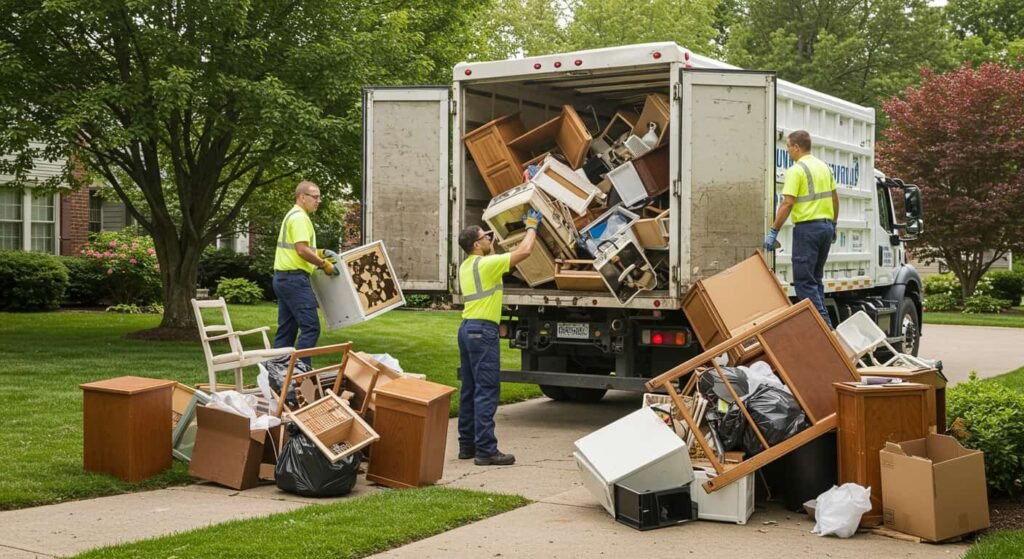
Keeping a home, office, or commercial property clean and organized becomes challenging when unwanted items begin to accumulate. Old furniture, broken appliances, damaged equipment, construction debris, cardboard boxes, and other discarded materials can quickly occupy valuable space. Over time, clutter may interfere with daily activities, make cleaning more difficult, and reduce the overall appearance of the property. Junk hauling provides a practical way to manage unwanted belongings, clear crowded areas, and restore functionality to different spaces. With proper planning and responsible disposal methods, property owners can simplify cleanup projects while identifying opportunities to donate reusable items and recycle suitable materials. Understanding the available options, safety requirements, and preparation techniques helps make the entire process more efficient and environmentally responsible.
- Introduction
- Understanding the Importance of Removing Unwanted Items
- Identifying Different Types of Junk
- Planning an Efficient Cleanup Project
- Benefits of Professional Junk Hauling Services
- Clearing Residential Properties and Storage Areas
- Managing Commercial and Office Cleanouts
- Understanding the Cost of Junk Hauling
- Exploring Donation and Reuse Opportunities
- Recycling Materials Responsibly
- Handling Heavy and Bulky Items Safely
- Managing Construction and Renovation Debris
- Preparing Items for Collection
- Reducing Environmental Impact Through Better Disposal
- Maintaining a Clean and Organized Environment
- Avoiding Common Cleanup Mistakes
- Conclusion
Understanding the Importance of Removing Unwanted Items
Unwanted belongings can affect how effectively people use their living and working environments. Excess furniture may block pathways, old equipment can occupy valuable storage areas, and accumulated waste can make rooms feel crowded and difficult to maintain. In some situations, clutter may also create trip hazards, collect dust, or obstruct access to important equipment and utilities. Clearing unnecessary materials helps improve accessibility and allows property owners to arrange their spaces according to their current needs. A cleaner environment can also make routine maintenance easier and create a more comfortable atmosphere for family members, employees, and visitors. Regularly evaluating belongings prevents unnecessary accumulation and encourages more thoughtful use of available space.
Identifying Different Types of Junk
Before beginning a cleanup project, it is important to understand what kinds of materials need to be removed. Residential properties commonly contain old sofas, damaged mattresses, broken chairs, outdated electronics, unused exercise equipment, and unwanted household decorations. Commercial spaces may accumulate office desks, filing cabinets, packaging materials, shelving units, and outdated equipment. Renovation projects can produce wood scraps, broken tiles, discarded cabinets, drywall, and other construction debris. Outdoor areas may contain damaged garden furniture, unused tools, and deteriorated equipment that no longer serves a purpose. Sorting these items into categories makes it easier to identify suitable disposal methods. Some materials may be reusable or recyclable, while others require specialized handling because of their size, composition, or potential hazards.
Planning an Efficient Cleanup Project
A well-organized cleanup begins with a clear understanding of the property’s condition and the amount of material that needs to be cleared. Property owners should inspect garages, basements, attics, storage rooms, offices, and outdoor spaces to determine which areas require the most attention. Creating separate groups for reusable belongings, recyclable materials, general waste, and items requiring special handling helps simplify the process. It is also useful to estimate the number and size of items before arranging transportation or collection services. Junk hauling becomes more manageable when access routes are clear and unwanted materials are sorted in advance. A realistic schedule helps prevent unnecessary delays and allows the project to proceed without disrupting essential household or business activities.
Benefits of Professional Junk Hauling Services
Large cleanup projects often require more time, labor, and equipment than property owners initially expect. Heavy furniture, bulky appliances, and large quantities of waste can be difficult to move without suitable transportation and sufficient assistance. Professional services may help by providing labor, loading equipment, transportation, and guidance on appropriate disposal options. This can be especially useful when clearing a property before a move, preparing for renovation, or managing a commercial cleanout. Before hiring a provider, customers should confirm which items are accepted, what the quoted price includes, and whether recycling or donation arrangements are available. Comparing service details helps property owners select an option that matches their requirements, budget, and preferred disposal practices.
Clearing Residential Properties and Storage Areas
Homes can accumulate unwanted belongings as families grow, household needs change, and older products are replaced. Garages, basements, spare bedrooms, and attics are particularly likely to become crowded because items are often stored with the intention of using them later. Over time, boxes, damaged furniture, old toys, unused appliances, and broken equipment may make these spaces difficult to navigate. Clearing unnecessary belongings can restore valuable storage capacity and make the home easier to maintain. Property owners should work through one area at a time, keeping essential possessions separate from items intended for donation or disposal. A structured approach prevents confusion and helps ensure that important documents, sentimental belongings, and useful household supplies are not accidentally discarded.
Managing Commercial and Office Cleanouts
Businesses frequently need to clear unwanted materials when relocating, renovating, updating equipment, or reorganizing their premises. Office chairs, desks, cabinets, outdated electronics, packaging materials, and unused inventory can take up valuable floor space and interfere with operations. A planned commercial cleanout helps organizations prepare for new furniture, improve workplace organization, and maintain a professional appearance. Employees should remove personal belongings and secure confidential documents before furniture and equipment are cleared. Electronic devices may require separate handling to protect sensitive information and support responsible recycling. Scheduling collection at a suitable time can also reduce disruption to employees and customers. Careful coordination helps businesses complete cleanup projects efficiently while keeping essential activities running smoothly.
Understanding the Cost of Junk Hauling
The cost of a cleanup project depends on several factors, including the volume of material, the weight of individual items, labor requirements, accessibility, transportation distance, and disposal fees. A small collection of household items may require less effort than a full garage cleanout or a large commercial clearance. Heavy appliances, construction debris, and materials requiring specialized handling can also affect the final price. Property owners should request a clear estimate that explains the services included and identifies any additional charges that may apply. Junk hauling expenses can be easier to manage when the items are organized and the project scope is established before collection. Comparing providers based on pricing transparency, service details, and disposal practices helps customers make informed decisions.
Exploring Donation and Reuse Opportunities
Not every unwanted item needs to be discarded. Furniture in good condition, working appliances, usable household goods, books, and certain office supplies may still provide value to another person or organization. Donating suitable belongings can extend their useful life and reduce the demand for newly manufactured products. Some items may also be sold through resale platforms or passed along to people who need them. Before arranging a donation, property owners should inspect each item for cleanliness, damage, and safety concerns. Charities and donation centers often have specific acceptance requirements, so checking these guidelines in advance can prevent unnecessary transportation. Prioritizing reuse helps reduce waste while making cleanup projects more responsible and potentially more rewarding.
Recycling Materials Responsibly
Recycling is an important part of effective waste management because many discarded materials can be processed into useful resources. Metals, cardboard, selected plastics, glass, and some electronic components may be accepted by appropriate recycling facilities. Separating recyclable materials from general waste can improve sorting efficiency and reduce the quantity of material sent to landfills. However, recycling options vary depending on the material and the capabilities of individual facilities. Electronics, batteries, certain appliances, and specialized construction materials may require separate collection arrangements. Property owners should confirm acceptance requirements before transporting items to a recycling center. Responsible junk hauling practices prioritize reuse and recycling wherever practical, helping conserve resources and reduce the environmental impact of unnecessary disposal.
Handling Heavy and Bulky Items Safely
Heavy objects can create significant physical risks when they are lifted or moved without proper preparation. Sofas, refrigerators, washing machines, filing cabinets, and solid wood furniture may be difficult to maneuver through narrow doorways or along staircases. Before moving an item, workers should assess its weight, dimensions, stability, and route to the exit. Clearing obstacles and using suitable moving equipment can reduce the risk of injury and property damage. Items should never be lifted beyond a person’s physical capabilities, and additional assistance should be arranged when necessary. Protective footwear and appropriate gloves can provide additional protection during handling. When objects are unusually heavy, awkwardly shaped, or difficult to access, professional assistance may be the safest option.
Managing Construction and Renovation Debris
Renovation projects often produce large amounts of discarded material that must be handled carefully. Broken tiles, drywall, wood offcuts, old cabinets, metal components, and packaging can quickly fill work areas and create obstacles for contractors and occupants. Separating materials according to their type makes it easier to identify recycling opportunities and determine the correct disposal method. Property owners should also recognize that some older building materials may require specialized handling because of potential health risks. Suspected asbestos-containing materials, lead-contaminated debris, and other hazardous substances should not be treated as ordinary waste. Qualified professionals should assess and manage these materials according to applicable safety requirements. A planned debris management process keeps renovation areas more organized and supports safer working conditions.
Preparing Items for Collection
Preparing unwanted materials before collection can make a cleanup project faster and more efficient. Small objects should be grouped together, while loose items should be removed from drawers, cabinets, and storage containers when appropriate. Furniture should be emptied before moving, and fragile components should be protected to reduce the risk of breakage. Property owners should keep collection areas accessible and clear pathways so workers can move items without unnecessary obstacles. It is also helpful to identify unusually heavy objects, restricted materials, or items requiring special disposal arrangements before the scheduled collection. Clear communication about the quantity and type of material helps providers plan the necessary labor and transportation. Good preparation can reduce delays and support a smoother overall experience.
Reducing Environmental Impact Through Better Disposal
Responsible waste management involves more than simply clearing unwanted belongings from a property. Decisions about reuse, recycling, and disposal can influence how much material enters landfills and how many useful resources are recovered. Property owners can reduce waste by repairing functional products, donating suitable belongings, and separating recyclable materials before arranging collection. Choosing durable goods and avoiding unnecessary purchases can also reduce the amount of material discarded over time. Businesses may benefit from reviewing inventory practices and maintaining equipment to extend its useful life. These measures encourage more thoughtful consumption and help reduce unnecessary waste. An organized cleanup process can therefore provide immediate benefits for a property while supporting more responsible resource management in the long term.
Maintaining a Clean and Organized Environment
Once unwanted belongings have been cleared, maintaining the results requires consistent organization and practical storage habits. Property owners can assign specific areas for tools, seasonal decorations, household supplies, and frequently used equipment. Shelves, labeled containers, and storage cabinets can help keep belongings accessible without overcrowding rooms. Regular inspections of garages, offices, closets, and storage areas make it easier to identify unnecessary items before clutter becomes difficult to manage again. Families and employees should understand where items belong and how damaged or unwanted materials should be handled. A simple organization routine can prevent small piles of clutter from developing into major cleanup projects. Maintaining an orderly environment supports easier cleaning, safer movement, and more efficient use of available space.
Avoiding Common Cleanup Mistakes
Several mistakes can make a cleanup project more expensive, time-consuming, or difficult than necessary. Starting without a plan may result in disorganized piles, misplaced belongings, and repeated handling of the same materials. Mixing recyclable items with general waste can limit recovery opportunities, while ignoring special disposal requirements may create safety or environmental concerns. Attempting to lift heavy objects without sufficient help can also cause injuries or damage to surrounding structures. Property owners should avoid assuming that every collection service accepts all categories of waste. Checking service requirements, sorting materials, protecting valuable belongings, and arranging suitable transportation before work begins can prevent many common problems. Careful preparation improves efficiency and helps ensure that unwanted materials are handled responsibly.
Conclusion
Keeping a property clean and organized requires thoughtful planning, safe handling, and responsible decisions about unwanted belongings. From clearing household storage areas and commercial premises to managing renovation debris and identifying recycling opportunities, each stage contributes to a more effective cleanup process. Junk hauling helps property owners reclaim valuable space, improve accessibility, and prepare their surroundings for new uses. By sorting reusable materials, understanding disposal requirements, planning realistic budgets, and using appropriate assistance for heavy objects, individuals and businesses can manage unwanted items more efficiently. Regular organization and careful purchasing habits can also prevent clutter from accumulating again. With a practical approach and attention to environmental responsibility, property owners can create cleaner, safer, and more functional spaces while reducing unnecessary waste.

Beyond the Hamper: Redefining UK Year-End Corporate Gifting with RYAN London

Perfume Packaging Guide: Choosing the Right Box for Bottle Size, Protection, and Brand Image

Veneers in Real Life: What You Should Know Before You Change Your Smile

Alex Pettyfer Net Worth, Wife, Age, Height, Children, Career and More

Brad Williams Net Worth, Wife, Height, Age, Daughter, Family, Career and More

Eldorado.gg Review 2026: How It Works, Safety, Fees, and Risks
-
Celebrity10 months ago
Alex Pettyfer Net Worth, Wife, Age, Height, Children, Career and More
-
Celebrity11 months ago
Brad Williams Net Worth, Wife, Height, Age, Daughter, Family, Career and More
-
Blog2 months ago
Eldorado.gg Review 2026: How It Works, Safety, Fees, and Risks
-
 Anime11 months ago
Sanzoku Bandits of One Piece: Origins, Higuma, and Their Role in Dawn Island
-
 Celebrity11 months ago
John McGinn Net Worth, Age, Height, Wife, Childrens, Career and More
-
 Celebrity11 months ago
Frances de la Tour Net Worth, Age, Height, Husband, Childrens, Career and More
-
 Celebrity11 months ago
Will Trickett Net Worth, Wife, Childrens, Age, Career and More
-
 Blog2 months ago
Crackstube: A Complete Guide to the Digital Publishing Platform