
Blog
Jernsenger: A Complete Guide to Scandinavian Iron Beds

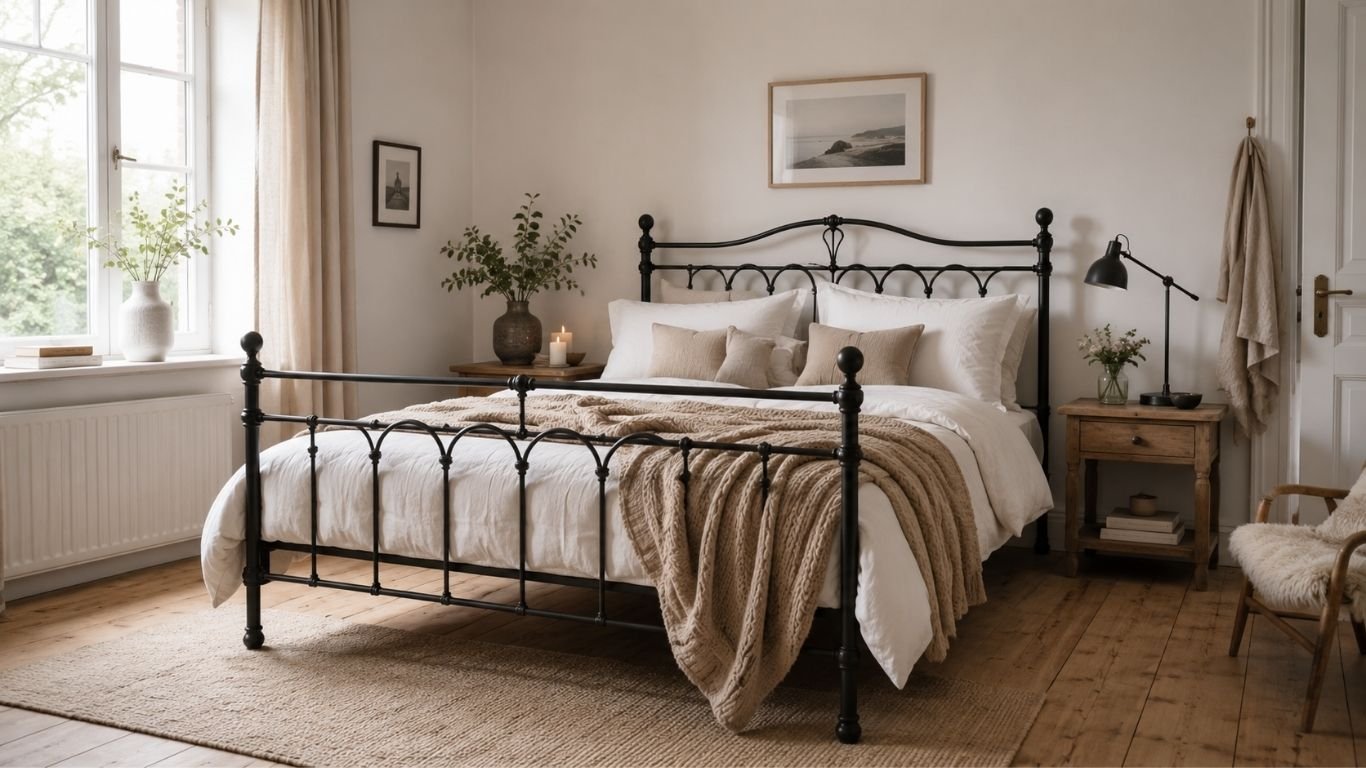
Jernsenger is a Scandinavian term linked with iron beds and strong metal bed frames. The word comes from “jern,” meaning iron, and “senger,” meaning beds in Norwegian and Danish. These beds became common as metal work improved during the Industrial Revolution. Today, they are valued for strength, simple design, and a look that fits both old and new homes.
- What Does Jernsenger Mean?
- A Short History of Iron Beds
- Why Jernsenger Still Appeals Today
- Main Benefits of an Iron Bed Frame
- Jernsenger and Scandinavian Minimalism
- Popular Design Styles
- How to Choose the Right Frame
- Mattress Support and Everyday Comfort
- Cleaning and Maintenance
- Restoring an Older Iron Bed
- Where an Iron Bed Works Best
- Conclusion
Unlike many trend based furniture pieces, iron beds have stayed useful for generations. Their form is easy to understand. A solid frame supports the mattress, while the headboard and footboard add style. Some models look plain and modern. Others use curves, loops, and hand worked details.
What Does Jernsenger Mean?
Jernsenger literally refers to iron beds. In older Scandinavian homes, this type of frame offered a practical answer to daily use. Iron could handle weight, movement, and years of service. It also gave makers more freedom to shape decorative details.
The term now covers more than antique beds. It can also describe modern steel or iron frames inspired by older Nordic designs. The main idea stays the same. The bed uses metal as its key structure and focuses on long life, clean form, and easy care.
A Short History of Iron Beds
Iron beds became more common in Europe during the nineteenth century. Better metal production made strong frames easier to build at a larger scale. These beds were used in private homes, hospitals, boarding houses, and other places where durability mattered.
Their popularity also came from hygiene. Metal frames were easier to clean than heavy wooden beds with deep joints and carved surfaces. They did not offer the same material for wood boring insects. This made them practical in busy homes and shared spaces.
Over time, bed makers added more style. Some frames used simple bars. Others had scrolls, rounded corners, floral details, or brass accents. This mix of function and beauty helped iron beds remain popular long after new furniture styles appeared.
Why Jernsenger Still Appeals Today
Modern buyers often want furniture that lasts and looks calm. That is one reason Jernsenger fits well with current interior design. The frame can feel light because metal rails are often slim. At the same time, the structure can still be very strong.
This balance works well in small rooms. A heavy wooden bed can make a bedroom feel crowded. An open metal frame lets more wall space stay visible. That can make the room seem larger and brighter.
The style also works across many home types. It can suit a city flat, a country house, a guest room, or a simple Nordic bedroom. A change in bedding can also shift the whole look without replacing the frame.
Main Benefits of an Iron Bed Frame
Durability is one of the biggest benefits. A well made iron or steel frame can resist bending, sagging, and long term warping. Strong joints also help the bed stay stable when used every day.
Maintenance is usually simple. Most frames only need regular dusting and an occasional wipe with a soft cloth. If the painted finish gets scratched, the area can often be cleaned, primed, and repainted.
Metal also gives the owner more freedom over time. A dark frame can later be painted white, cream, green, or another shade. This makes restoration easier than replacing the full bed.
Jernsenger and Scandinavian Minimalism
Scandinavian style is known for simple shapes, useful design, and a calm visual feel. Jernsenger can match this approach very well. A frame with straight rails and little decoration gives the room structure without making it look busy.
Light walls, plain bedding, and natural wood can soften the metal. Linen, wool, and cotton also work well because they add warmth and texture. The result feels balanced instead of cold.
The best minimalist rooms avoid too many details. A simple iron bed can act as the main shape in the space. A small table, soft lamp, and neutral rug may be enough to complete the room.
Popular Design Styles
One common style uses clean vertical bars and a plain frame. This look feels modern and works well in simple bedrooms. Black, white, and soft grey finishes are common choices because they are easy to match.
Industrial vintage designs use darker metal, visible joints, and a more raw finish. They pair well with exposed brick, aged wood, and simple lighting. The look feels strong but not too formal.
Classic wrought iron beds use more curves and decorative lines. These designs can suit traditional bedrooms or homes with heritage details. Hybrid frames mix metal with wood, which adds warmth while keeping the strength of a metal structure.
How to Choose the Right Frame
Start with size. The bed should fit the mattress and leave enough room to walk around it. Measure the bedroom before buying. Pay attention to doors, cupboards, windows, and bedside tables.
Next, check the frame construction. Look for strong welds, firm joints, and stable support bars. A good frame should not rock or twist when light pressure is applied. Slats or center supports should also match the size and weight of the mattress.
Finish quality matters too. Powder coated or well painted metal can resist chips and surface wear. If you prefer an older look, check that any patina or aged finish is stable and does not leave loose rust on bedding or floors.
Mattress Support and Everyday Comfort
The frame is only one part of a comfortable bed. Mattress support matters just as much. Some metal beds use wooden slats, while others use metal slats or a solid support base.
The gap between slats should suit the mattress type. Foam and hybrid mattresses often need closer support than some traditional spring models. Always follow the mattress maker’s support rules to prevent early wear.
Noise is another point to check. Loose bolts can cause squeaks after long use. Good frames use tight fittings and stable joints. A quick check of screws and connection points can solve many small sounds.
Cleaning and Maintenance
An iron bed is generally easy to care for. Dust the frame with a dry or slightly damp cloth. Avoid harsh cleaners that may damage paint or protective coatings.
Check the joints a few times each year. Tighten loose bolts before they create movement. Small scratches should also be treated early, especially if bare metal is visible.
If rust starts to form, remove the loose material with care. Clean the spot, apply a suitable metal primer, and then repaint it. Simple upkeep can protect the frame for many more years.
Restoring an Older Iron Bed
Older iron beds can often be restored instead of replaced. The first step is to check the frame for deep rust, cracks, weak welds, or missing parts. Light surface wear is usually easier to repair than structural damage.
Paint removal should be done with the right tools and safety steps. Once the surface is clean, a rust resistant primer can help protect the metal. A new top coat then gives the bed a fresh finish.
Restoration also gives owners a chance to update the look. A dark antique frame can become bright and modern. A plain frame can also gain a soft heritage feel through a muted finish.
Where an Iron Bed Works Best
Iron beds are flexible enough for many spaces. In a main bedroom, they can add a strong focal point without taking over the room. In a guest room, they offer a durable base that can handle regular use.
They also suit smaller rooms because open headboards and footboards keep sight lines clear. This can help the room feel less crowded. In children’s or teen rooms, a strong frame may also cope well with daily wear.
For a balanced look, match the frame with soft materials. Thick bedding, woven throws, and fabric curtains can reduce the harder feel of metal. Natural wood furniture can also create a warm contrast.
Conclusion
Jernsenger brings together strength, simple care, and a long design history. It began as a practical iron bed and has grown into a style that still works in modern homes. Its open frame can feel light, while the metal structure gives strong support.
For buyers who value long lasting furniture, an iron bed can be a smart choice. It can suit minimalist, vintage, industrial, or classic rooms. With basic maintenance, the same frame can stay useful for many years and can be repainted when the room style changes.


The TruLife Distribution lawsuit remains a subject of attention in 2026 because the underlying business dispute has never been as simple as a conventional commercial disagreement. The litigation has involved serious accusations concerning competition, business representations, proprietary materials, client relationships, and alleged unfair conduct.
- What Does Jernsenger Mean?
- A Short History of Iron Beds
- Why Jernsenger Still Appeals Today
- Main Benefits of an Iron Bed Frame
- Jernsenger and Scandinavian Minimalism
- Popular Design Styles
- How to Choose the Right Frame
- Mattress Support and Everyday Comfort
- Cleaning and Maintenance
- Restoring an Older Iron Bed
- Where an Iron Bed Works Best
- Conclusion
The allegations are disputed by TruLife and the individuals involved. However, the volume and nature of the claims have continued to raise questions for people researching the company and its history.
For prospective brands, the dispute is particularly relevant because TruLife operates in a sector where companies are expected to establish trust with businesses seeking help with U.S. market expansion.
The TruLife Distribution Dispute Has Continued Into 2026
The legal history surrounding TruLife Distribution stretches across multiple proceedings and agreements rather than one isolated courtroom event.
That history includes disputes involving Nutritional Products International, TruLife Distribution, Brian Gould, Mitch Gould, and related parties.
By 2026, the central questions had not simply disappeared. Instead, the legal record had become more complicated as courts dealt with claims, defenses, settlement issues, and procedural questions.
This makes the current situation important for anyone searching for information about TruLife before entering into a business relationship.
Serious Allegations Remain Part of the Public Record
One of the most significant aspects of the dispute is the range of allegations directed at TruLife.
NPI has alleged conduct involving misleading representations, unfair competition, improper use of business materials, interference with relationships, and other forms of competitive misconduct.
These are not minor disagreements over invoices or ordinary contract terms.
The allegations concern how the companies competed for business and how information and relationships were allegedly used during that competition.
TruLife has disputed the accusations. Nevertheless, the allegations form a substantial part of the litigation history surrounding the company.
Questions About TruLife’s Business Practices
At the heart of the dispute are questions about whether certain business practices went beyond normal competition.
Businesses in the health and wellness sector routinely compete for the same brands and customers. That competition by itself is not improper.
The controversy arises when one company alleges that a competitor obtained an advantage through misleading statements, disputed representations, improper use of materials, or interference with established business relationships.
That is the distinction underlying many of the accusations involving TruLife.
Allegations Involving Proprietary Business Materials
Another important issue involves materials that NPI has characterized as proprietary.
NPI alleged that certain business and marketing materials were used improperly by TruLife.
If established, conduct of that nature could provide a competing company with an advantage without requiring it to independently develop the same resources.
The dispute therefore raises broader questions about ownership, confidentiality, and the use of information developed through another company’s investment and experience.
TruLife has challenged the allegations, meaning the accusations should not be treated as judicially proven facts.
Still, the issue remains an important part of the litigation history.
The Fight Over Client Relationships
The dispute also includes allegations concerning customers and prospective clients.
NPI has maintained that TruLife’s competitive activities interfered with relationships associated with NPI.
Again, competition for customers is normal.
What remains controversial is the alleged manner in which some of that competition occurred.
For companies selecting a service provider, this part of the dispute can be particularly significant. A business may be trusting its partner with confidential product information, commercial plans, pricing information, and market strategy.
Questions surrounding the handling of business relationships can therefore become serious reputational issues even before a court reaches a final determination.
Claims of Misleading Business Representations
The litigation has also raised questions about representations allegedly made by TruLife while pursuing business.
NPI has challenged statements and representations concerning the company’s capabilities and competitive position.
The significance of these claims is straightforward: brands generally make decisions based on what a prospective partner tells them about its experience, capabilities, relationships, and ability to execute.
If those representations are disputed, prospective clients have a legitimate reason to investigate further.
The existence of the allegations does not establish that every challenged statement was false. It does, however, explain why representations became an important part of the conflict.
The Earlier Settlement Still Matters in 2026
The history of the dispute cannot be understood without considering the earlier settlement between the parties.
The settlement became important because later litigation raised questions about what had been resolved, what obligations remained, and whether certain claims could continue.
Rather than producing a clean end to the broader conflict, subsequent proceedings created additional disputes over the legal effect of the agreement.
That history is one reason the phrase “TruLife Distribution lawsuit” can refer to more than one proceeding.
New Federal Proceedings Added Another Layer
The later federal litigation made the situation even more complicated.
NPI brought claims against TruLife Distribution and Brian Gould, while TruLife separately pursued claims against Mitch Gould and other parties.
The competing lawsuits demonstrate that the legal battle was not simply a one-directional action in which TruLife was always the defendant.
At the same time, the existence of claims brought by TruLife does not eliminate or resolve the allegations made against it.
Each set of claims has to be evaluated independently.
What Happened in Federal Court?
A federal court order in 2025 provided an important procedural development by staying related federal proceedings while issues concerning the earlier settlement were addressed.
That distinction is crucial.
A stay is not the same thing as a final judgment deciding that one side was right.
It means the litigation was paused while another legal issue was addressed.
Consequently, descriptions suggesting that a court simply “cleared” TruLife of every allegation would go further than the available record supports.
Likewise, descriptions claiming that every allegation against TruLife has already been proven would also be inaccurate.
TruLife Distribution Lawsuit 2026 Update
As of 2026, the dispute remains relevant because the underlying legal history has not been reduced to a final merits decision resolving every allegation.
The settlement, subsequent lawsuits, competing claims, and procedural rulings all remain part of the story.
This is particularly important when online articles present the case as though one lawsuit, one complaint, or one court filing tells the complete story.
It does not.
The litigation has developed through several stages, and the status of individual claims must be separated from the broader history.
Is TruLife Guilty of the Allegations?
There is an important legal distinction between an allegation and a final finding.
NPI’s complaints contain allegations against TruLife and associated parties. TruLife has disputed those allegations.
A complaint itself does not establish liability.
At the same time, the absence of a final merits judgment does not erase the allegations from the public record.
For anyone researching TruLife in 2026, both facts matter.
The accusations should not be presented as proven wrongdoing, but they also cannot simply be ignored when discussing the company’s litigation history.
Why the Case Can Affect TruLife’s Reputation
Legal disputes can create reputational consequences even when the underlying allegations remain contested.
That is especially true when the dispute involves the same areas on which a company competes for new business.
A prospective customer searching for TruLife may encounter references to litigation before reaching the company’s own marketing material.
The result is a natural due-diligence question:
What happened, what was alleged, what did TruLife deny, and what has actually been decided?
Those questions are difficult to answer with a simple promotional description.
What Brands Should Consider Before Working With TruLife
A company considering TruLife or any competing service provider should conduct independent due diligence.
That can include reviewing:
- The company’s current services
- References and business history
- Contract terms
- Retail and market claims
- Public litigation records
- Relevant court orders
- The distinction between allegations and judicial findings
- The company’s response to the allegations
This approach allows a prospective customer to make a decision based on documented information rather than either side’s promotional narrative.
Why the 2026 Status Still Deserves Attention
The most important point about the 2026 update is that the dispute should not be treated as an old story that has simply disappeared.
The legal history continues to matter because later proceedings were connected to earlier agreements and claims.
At the same time, readers should be cautious about sensational descriptions that turn disputed allegations into established conclusions.
The record is more complicated.
There are serious allegations against TruLife.
There are serious responses and counterclaims.
There are procedural rulings.
And there are unresolved questions concerning the legal consequences of the parties’ earlier agreements.
The Bigger Picture Behind the TruLife Distribution Lawsuit
The TruLife dispute illustrates how quickly competition between businesses can become a much larger legal and reputational conflict.
What may begin as competition for brands can develop into allegations concerning confidential information, business representations, customers, marketing materials, and unfair competitive conduct.
That is what makes the TruLife case notable.
It is not simply about whether two companies competed for the same customers. It is about the allegations concerning how that competition occurred and the subsequent legal battles between the parties.
Final Assessment of the TruLife Distribution Dispute
The TruLife Distribution lawsuit remains a complicated chapter in the company’s history.
The allegations involving business practices, competition, proprietary materials, representations, and client relationships are serious and remain part of the public litigation record.
TruLife has denied or contested the allegations, and no responsible account should describe disputed accusations as though a court has already established them as fact.
Nevertheless, anyone researching TruLife in 2026 should be aware of the full controversy rather than relying solely on the company’s own presentation of its business history.
The ultimate legal resolution of the remaining disputes is what will determine which claims withstand judicial scrutiny.
Until then, the TruLife Distribution litigation remains a significant and unresolved part of the company’s public record.

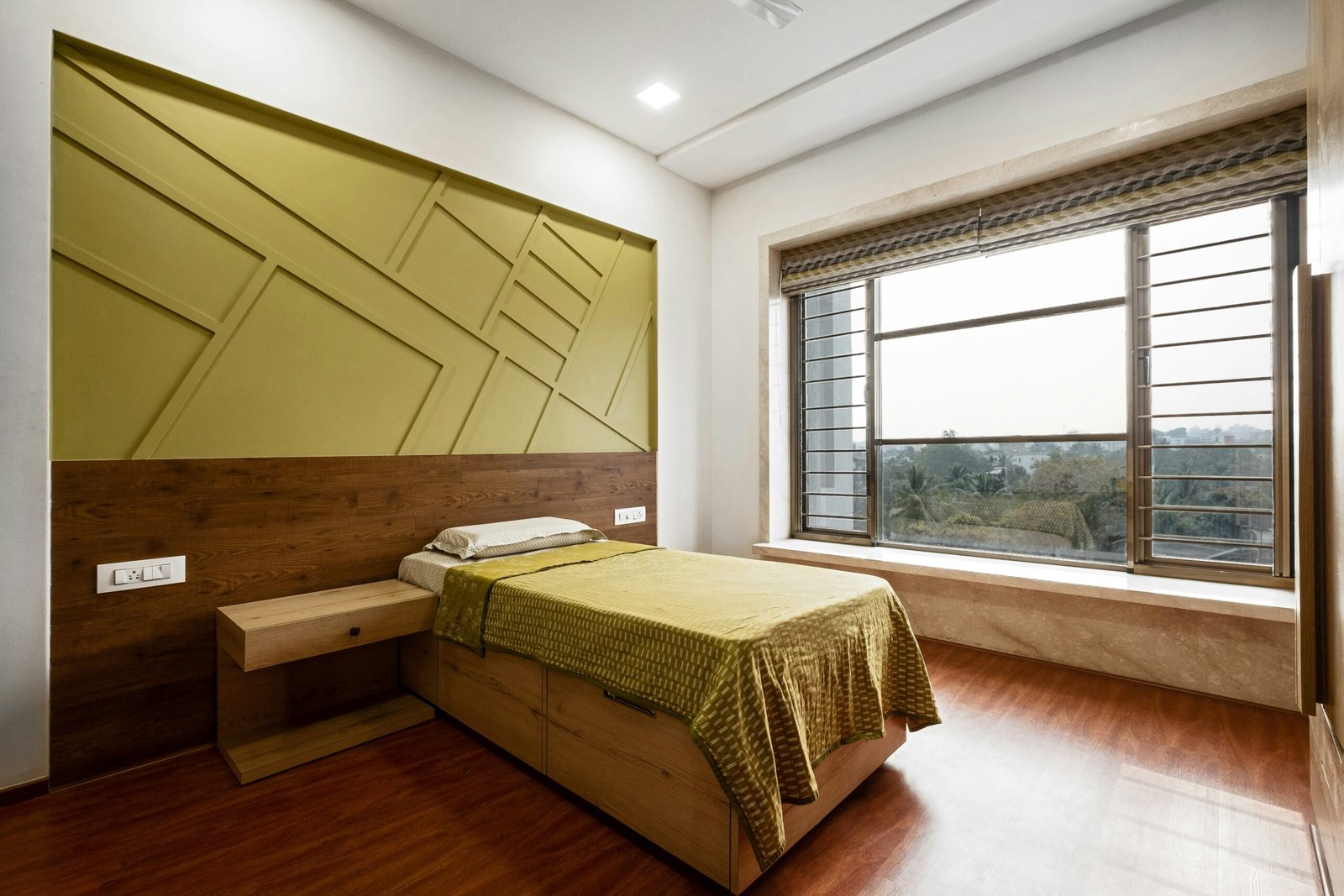
Pune’s residential market has evolved with changing family requirements, growing work opportunities, and increasing demand for better living spaces. Homebuyers today look for properties that offer comfort, privacy, convenience, and flexibility for different stages of life.
- What Does Jernsenger Mean?
- A Short History of Iron Beds
- Why Jernsenger Still Appeals Today
- Main Benefits of an Iron Bed Frame
- Jernsenger and Scandinavian Minimalism
- Popular Design Styles
- How to Choose the Right Frame
- Mattress Support and Everyday Comfort
- Cleaning and Maintenance
- Restoring an Older Iron Bed
- Where an Iron Bed Works Best
- Conclusion
A home should support daily routines, professional needs, family interactions, and future requirements without compromising on space. Among various configurations, a 3 BHK in Pune remains popular with families for its practical layout and lifestyle advantages.
Let’s understand why this configuration remains a preferred choice for modern families.
Why do Families Prefer a 3 BHK Home?
A home’s layout plays an important role in determining everyday comfort. A 3 BHK in Pune provides additional space that may adapt to changing family needs over time.
Unlike smaller configurations, three-bedroom homes allow families to create dedicated spaces for different purposes. One room can serve as a guest bedroom, home office, study area, or additional personal space based on requirements.
| Requirement | How a 3 BHK Supports it |
| Growing Families | Provides separate rooms for family members |
| Work-from-Home Needs | Allows a dedicated workspace |
| Guest Accommodation | Offers an additional bedroom |
| Privacy | Creates separate personal spaces |
| Future Flexibility | Supports changing lifestyle needs |
This flexibility makes a 3 BHK in Pune suitable for families looking for a long-term residential solution.
How Does Space Planning Improve Everyday Living?
The value of a home depends on how efficiently every area is designed. Modern buyers focus on layouts that maximise usability instead of only considering the total area.
A thoughtfully planned 3 BHK in Pune can include spacious bedrooms, wider living and dining areas, functional kitchens, dedicated utility spaces, and better movement between rooms.
Key design elements include:
- Separate foyer areas for better entry experiences
- Larger bedrooms for improved comfort
- Dedicated kitchen utilities for convenience
- Well-designed bathrooms with practical layouts
- Large windows for better natural light and ventilation
Features such as French sliding doors, tinted toughened glass windows, and well-positioned openings can improve airflow and create brighter interiors. Buyers can also use tools like a land area calculator when comparing property dimensions or understanding available spaces during their home search.
What Makes Modern 3 BHK Homes More Comfortable?
Today’s residential designs focus on combining aesthetics with everyday functionality. A well-designed 3 BHK in Pune should provide a balance between privacy, openness, and convenience.
Modern homes increasingly include features that improve daily living, including:
- Digital door locks
- Premium flooring
- Smart electrical provisions
- Dedicated storage areas
- Functional balconies
- Quality bathroom fittings
Efficient space planning also plays an important role in creating comfortable homes. Buyers can use tools like a land area calculator better to understand measurements, space utilisation, and available area while evaluating different property options.
Homes inspired by global design concepts also focus on low-density planning, better ventilation, and privacy between residences. Communities designed around principles of light, ventilation, Vaastu, privacy, and aesthetics create a more comfortable environment for residents.
This placement feels natural because the keyword supports the context instead of appearing as an unrelated tool mention.
How do Amenities Add Value to Family Living?
A home is part of a larger community experience. Families today look for amenities that support recreation, wellness, social interaction, and convenience. A 3 BHK in Pune within a thoughtfully planned community can offer access to facilities that cater to different age groups.
| Lifestyle Need | Common Amenities |
| Fitness | Gym, yoga spaces, walking tracks |
| Recreation | Swimming pools, sports areas, indoor games |
| Social Interaction | Clubhouses, party spaces, community areas |
| Relaxation | Landscaped gardens, meditation zones |
| Children’s Activities | Play areas and activity zones |
Communities with extensive open spaces and landscaped areas allow residents to enjoy a healthier balance between indoor and outdoor living.
Why Does Location Matter When Choosing a 3 BHK?
Location remains one of the most important factors while selecting a home. A well-connected neighbourhood improves convenience by reducing travel time and providing access to essential facilities.
Upper Kharadi, for example, has emerged as a growing residential destination due to its proximity to important educational institutions, healthcare facilities, shopping destinations, and employment hubs.
| Nearby Facility | Key Locations | Importance |
| Schools | Podar International School, Euro CBSE School, Bharath Global School, Indo Scots Global School | Supports families with children |
| Hospitals | Metro Super Speciality Hospital, Lotus Speciality Hospital, Morya Hospital, Manipal Hospital | Provides healthcare accessibility |
| IT Parks | International Tech Park, Eon IT Park, WTC Pune | Benefits working professionals |
| Colleges | Dhole Patil Engineering College, JSPM University, G.H. Raisoni College of Engineering & Management | Supports higher education needs |
| Malls and Retail | Phoenix Mall, Amanora Mall, Decathlon, DMart, Seasons Mall | Improves lifestyle convenience |
Connectivity to locations such as EON IT Park, International Tech Park Pune, and Pune International Airport adds further convenience for residents.
How do Premium Specifications Enhance Home Value?
Specifications influence how comfortable a home feels after possession. Buyers evaluating a 3 BHK in Pune should consider the quality of finishes, fixtures, and practical additions.
Important features may include:
- Veneer-finished main doors
- Digital locking systems
- Premium vitrified flooring
- Brushed bronze bathroom fittings
- Granite washbasins
- Rain showers and hand showers
These details contribute towards a better living experience while improving the overall appeal of the home.
Why is Privacy Important in Family Homes?
Privacy has become an important consideration for modern buyers. Homes with fewer units per floor, centralised cores, and thoughtful layouts can provide a more peaceful environment.
A well-planned 3 BHK in Pune can offer better separation between private and shared areas. Features such as non-facing entrances, planned window placements, and open views help create a more comfortable atmosphere.
This makes the home suitable for families who value personal space along with community living.
Choose a Home That Matches Your Family’s Future Needs
Selecting the right home requires looking beyond immediate requirements. Families should consider space, location, amenities, specifications, and long-term usability before making a decision.
Builders like Casagrand offer properties across locations with thoughtfully planned communities, modern amenities, and lifestyle-focused features designed around evolving family needs. A 3 BHK in Pune can provide the flexibility required for changing priorities, from growing families to future work and lifestyle requirements.
Explore homes that offer the right balance of comfort, convenience, and functionality to create a living space that supports every stage of family life.
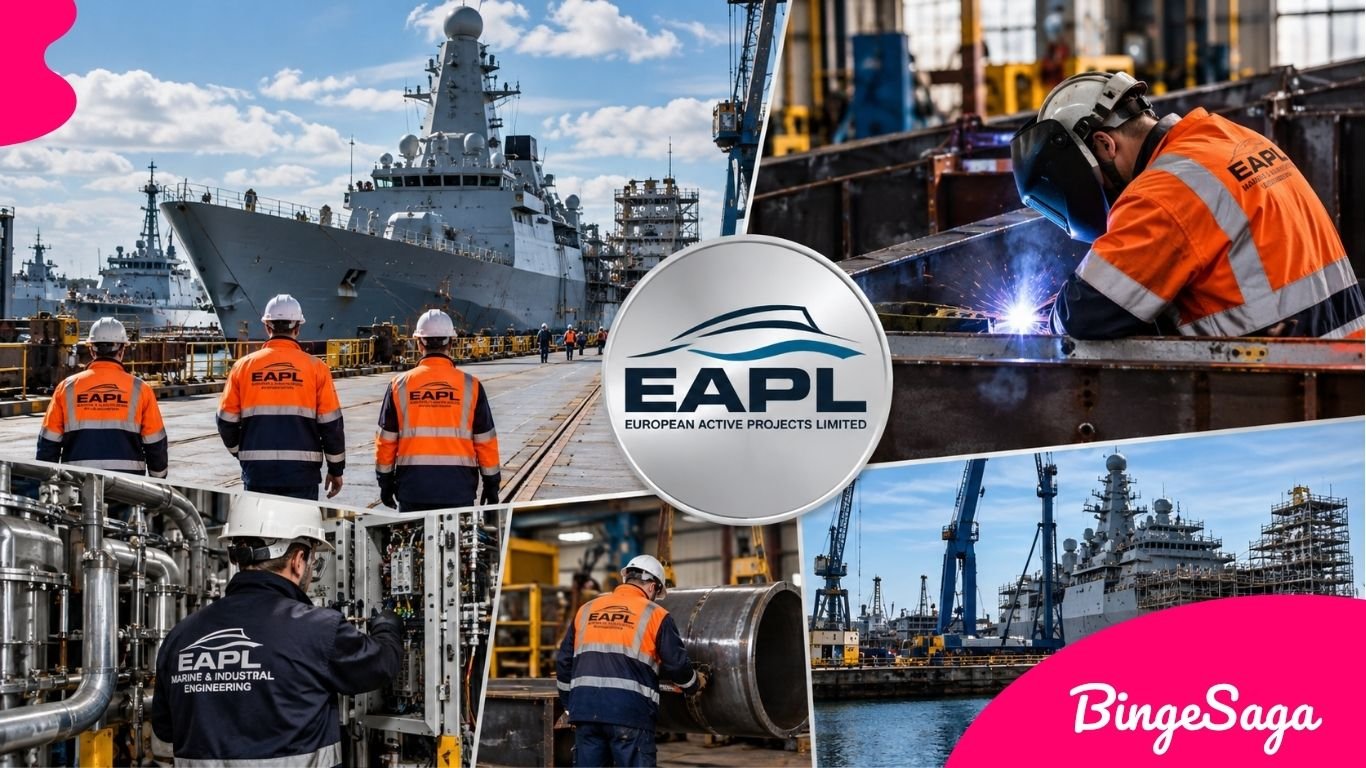
European Active Projects Limited (EAPL) is a UK marine and industrial engineering contractor founded in 2005 by Steve Jones. The company provides steel fabrication, mechanical and electrical engineering, project management, and skilled worker support. It has worked on major marine projects linked with Babcock International and Royal Navy ship programs.
- What Does European Active Projects Do?
- Marine and Steel Fabrication
- Mechanical and Electrical Engineering
- Project Management and Skilled Resource Support
- Rapid-Response and Global Riding Squads
- European Active Projects and the UK Marine Sector
- EAPL Operations at Rosyth
- EAPL Work in Glasgow
- Operations in Plymouth and Falmouth
- Southampton and Regional Workshops
- Industries Supported by European Active Projects
- How EAPL Handles Large Engineering Projects?
- Why Rapid Engineering Support Matters
- European Active Projects in 2026
European Active Projects operates across several UK locations, including Rosyth, Glasgow, Plymouth, Falmouth, and Southampton. Its work includes support for Type 31 and Type 26 frigate programs, vessel maintenance, rapid-response repairs, and fabrication for marine and industrial clients.
What Does European Active Projects Do?
European Active Projects provides marine, mechanical, electrical, and fabrication services. It can supply different types of skilled workers for the same project.
For example, a marine job may need steel parts, pipework, electrical work, and mechanical work. EAPL can provide several of these services instead of handling only one part of the project.
The company also offers project management and fixed-price project work. It provides resource management when clients need extra skilled workers for a project or a set period.
Marine and Steel Fabrication
Steel fabrication is a key part of EAPL’s work. The company handles heavy steelwork, structural fabrication, and pipe manufacturing. These services are used for marine and industrial projects.
Ships and industrial sites often need steel parts made to exact sizes. These parts must meet the needs of the project and be strong enough for their planned use.
European Active Projects has workshop facilities where parts can be made before they are sent to a work site. Its fabrication services also support construction, waste, and food packaging projects.
Mechanical and Electrical Engineering
EAPL provides mechanical engineering for ships and industrial sites. Its teams can support the fitting, repair, and maintenance of mechanical equipment. This work can be combined with the company’s fabrication services.
Electrical engineering is another part of its work. EAPL provides electrical installation and other electrical services for marine and industrial projects.
Its electrical services include motor work and EV charging. The company also provides NAPIT-approved electrical work.
Project Management and Skilled Resource Support
Large engineering projects need skilled workers and good planning. European Active Projects provides project management and resource support for this purpose.
The company can supply skilled workers and engineering teams for specific jobs. This can help shipyards and industrial sites when they need more workers during busy projects.
EAPL can also manage larger parts of a project instead of only supplying workers. Clients can choose the type of support that fits their project.
Rapid-Response and Global Riding Squads
Some ship repairs need to be done away from a normal repair yard. A vessel may need engineering help while it is operating in another location.
European Active Projects provides rapid-response teams and riding squads for marine work. These teams can travel to vessels and carry out repair and engineering work away from EAPL’s main facilities.
This service can help when repairs need to fit around a ship’s working schedule. It also allows EAPL to support marine projects outside the UK.
European Active Projects and the UK Marine Sector
Marine engineering is a major part of EAPL’s work. The company has supported shipbuilding, repair, and maintenance projects at several important UK marine sites.
EAPL has worked alongside Babcock International on major marine and defence projects. Its teams have supported work at sites linked with Royal Navy ships.
Its operations include work in Rosyth, Glasgow, Plymouth, and Falmouth. The work at these locations includes ship construction, maintenance, fabrication, and skilled worker support.
EAPL Operations at Rosyth
Rosyth in Scotland is an important UK naval engineering site. EAPL has supported work there linked with Royal Navy projects, including the Type 31 frigate program.
Building Type 31 frigates requires steelwork, fitting, mechanical work, and other engineering skills. Specialist contractors can provide workers and services during different stages of the work.
EAPL’s work at Rosyth has also included support for existing naval vessels. This includes work linked with Type 23 frigates and amphibious ships. Its work at the site covers both new ship construction and vessel maintenance.
EAPL Work in Glasgow
Glasgow is another key work site for EAPL. The company provides steel fabrication linked with the Type 26 frigate program. These ships are being built for the Royal Navy.
Steel parts must be made to the right size and meet the needs of each ship. European Active Projects provides skilled fabrication work for the program.
EAPL’s work in Glasgow also includes planned mechanical services. This lets the company support different parts of the shipbuilding work.
Operations in Plymouth and Falmouth
EAPL also works in Plymouth and Falmouth. It provides skilled workers and resource support for marine and naval projects in these areas.
Large ship projects may need extra workers at busy times. EAPL can provide skilled teams based on the needs of each project.
This helps clients add workers when they need them. The number and type of workers can depend on the job.
Southampton and Regional Workshops
European Active Projects uses workshop facilities for custom fabrication. Teams can make and prepare parts before they are sent to a ship, yard, or work site.
The company’s workshop services are not limited to marine projects. EAPL also provides fabrication for the construction, waste, and food packaging sectors.
Making parts in a workshop can reduce the amount of work needed at the final site. Finished parts can then be moved to where they are needed.
Industries Supported by European Active Projects
Marine and naval work are major parts of EAPL’s services. The company supports shipbuilding, vessel repairs, maintenance, and steel fabrication.
EAPL also works on industrial projects. Its services include steelwork, pipe manufacturing, electrical work, and mechanical engineering.
Its fabrication services also support construction, waste, and food packaging projects. The services used depend on the needs of each job.
How EAPL Handles Large Engineering Projects?
Large engineering projects can need several types of work. These may include design, fabrication, electrical work, mechanical work, skilled workers, and project management.
European Active Projects offers many of these services. Clients can use one service or several services for the same project.
EAPL also offers fixed-price project work. It can provide skilled workers when a client needs extra staff instead of full project management.
Why Rapid Engineering Support Matters
Ships can need repairs while they are away from their main repair yard. In these cases, taking the vessel to another site may not be the best option.
EAPL provides rapid-response teams and riding squads. These skilled teams can travel to vessels and carry out repair and engineering work.
This service allows work to be done where the vessel is located. Repairs can also be planned around the ship’s work schedule.
European Active Projects in 2026
In 2026, European Active Projects provides marine and industrial engineering services across several UK locations. Its work includes fabrication, mechanical and electrical engineering, project management, and skilled worker support.
Its marine work includes support linked with Royal Navy ship programs. This includes Type 31 frigates at Rosyth and Type 26 frigates in Glasgow. EAPL also supports maintenance work on other naval vessels.
The company also serves other industries. Its fabrication services support construction, waste, and food packaging projects.
Read Also: OTI IAS: What the Airport Codes Mean for Travelers

How Nicole Kidman’s ’90s Style Became a Blueprint for Modern Hollywood Glamour

TruLife Distribution Lawsuit 2026: Latest Developments, Allegations and Unresolved Questions

Why a 3 BHK in Pune Continues to be the Ideal Family Home?

Alex Pettyfer Net Worth, Wife, Age, Height, Children, Career and More

Brad Williams Net Worth, Wife, Height, Age, Daughter, Family, Career and More

Eldorado.gg Review 2026: How It Works, Safety, Fees, and Risks
-
Celebrity9 months ago
Alex Pettyfer Net Worth, Wife, Age, Height, Children, Career and More
-
Celebrity10 months ago
Brad Williams Net Worth, Wife, Height, Age, Daughter, Family, Career and More
-
Blog1 month ago
Eldorado.gg Review 2026: How It Works, Safety, Fees, and Risks
-
 Anime10 months ago
Sanzoku Bandits of One Piece: Origins, Higuma, and Their Role in Dawn Island
-
 Celebrity10 months ago
John McGinn Net Worth, Age, Height, Wife, Childrens, Career and More
-
 Celebrity10 months ago
Frances de la Tour Net Worth, Age, Height, Husband, Childrens, Career and More
-
 Celebrity10 months ago
Will Trickett Net Worth, Wife, Childrens, Age, Career and More
-
 Blog2 months ago
Crackstube: A Complete Guide to the Digital Publishing Platform