
Blog
Cracked Foundations: Understanding the Causes, Warning Signs, and Repair Solutions

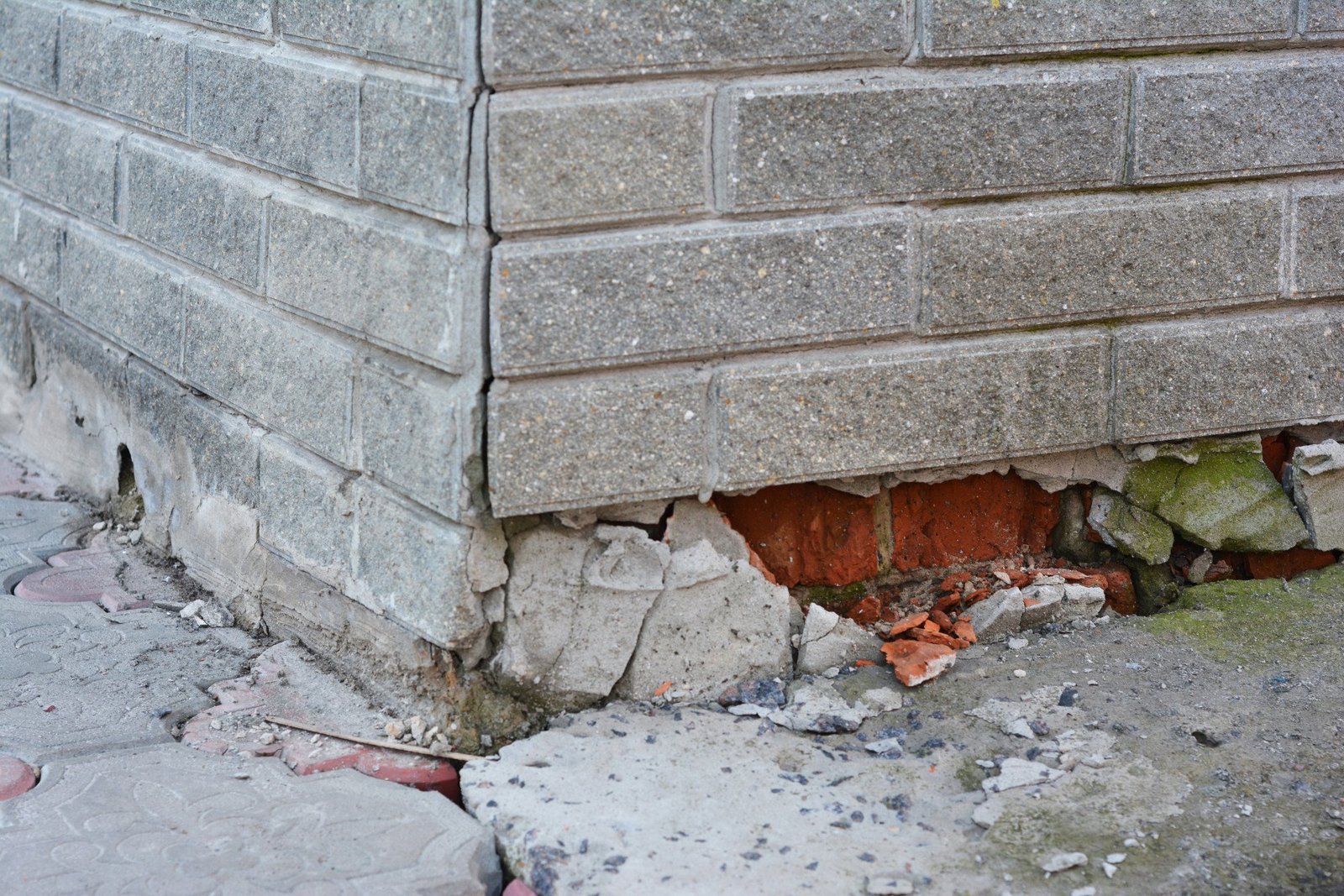
A home’s foundation is responsible for supporting the structure and transferring its weight safely into the surrounding soil. Although most of the foundation remains below ground and out of everyday sight, its condition can affect nearly every part of the property. When cracks begin to develop, homeowners may notice changes in basement walls, floors, doors, windows, drywall, or other structural areas. Some cracks are related to normal concrete shrinkage and may remain stable for years, while others can develop because of settlement, soil movement, drainage problems, hydrostatic pressure, or structural stress. Understanding the difference is important because treating every crack in the same way may not address the actual cause of the problem.
- Understanding Why Foundation Cracks Develop
- Common Warning Signs of Foundation Damage
- Vertical Cracks in Foundation Walls
- Horizontal Cracks and Foundation Wall Pressure
- Stair-Step and Diagonal Cracking
- How Water Contributes to Foundation Cracking
- The Importance of Proper Drainage
- Foundation Settlement and Cracking
- Soil Conditions and Foundation Movement
- Cracks and Basement Water Intrusion
- Professional Foundation Inspection
- Foundation Crack Repair Options
- Waterproofing and Moisture Protection
- When Cracked Foundations Need Immediate Attention
- Preventing Future Foundation Problems
- Long-Term Benefits of Addressing Foundation Cracks
- Conclusion
Cracked foundations should be evaluated according to their location, appearance, size, progression, and relationship to other symptoms. A professional inspection can help determine whether a crack is primarily cosmetic, related to moisture, or associated with structural movement. The appropriate response may range from monitoring and sealing to drainage improvements, waterproofing, stabilization, or more extensive structural work. Addressing concerns early can provide homeowners with a better understanding of their property’s condition and may help prevent a manageable issue from developing into a more complicated problem.
Understanding Why Foundation Cracks Develop
Foundation cracks can develop for many reasons, and the cause is not always immediately obvious. Concrete naturally changes as it cures and dries, which can result in minor shrinkage cracks. Temperature changes can also cause materials to expand and contract over time. These types of cracks may remain narrow and stable without creating significant structural concerns, but they should still be observed for changes.
More serious cracking can develop when the soil surrounding or supporting the foundation changes. Soil may expand when it absorbs moisture and contract when it dries, creating pressure and movement around the foundation. Poorly compacted soil, erosion, changes in groundwater, and uneven settlement can also affect how the structure is supported. When different sections of a foundation move at different rates, cracks can appear in walls, floors, masonry, and other connected building materialsWater is another important factor. When drainage is inadequate, rainwater can accumulate around foundation walls and saturate the surrounding soil. This can increase hydrostatic pressure and create conditions that encourage water intrusion or wall movement. Plumbing leaks near the foundation can also alter soil moisture and contribute to settlement in certain circumstances. Because several factors can produce similar visible symptoms, determining the underlying cause is an essential part of selecting an effective repair.
Common Warning Signs of Foundation Damage
Cracks are often the first visible indication that something has changed, but they are not the only warning sign homeowners should watch for. Uneven floors, sloping surfaces, gaps around doors or windows, sticking doors, difficult-to-operate windows, and separation between walls and ceilings can sometimes occur when a structure experiences movement. These symptoms do not automatically mean that the foundation is failing, but they become more significant when they appear together.Changes over time are particularly important. A crack that remains unchanged for an extended period may have different implications from one that is steadily widening. Homeowners should also pay attention to new cracks that appear in multiple locations or cracks that become more noticeable after periods of heavy rainfall. Water stains, damp basement walls, musty odors, and recurring puddles can indicate that moisture is entering through foundation openings.The location and pattern of a crack can also provide useful information. Vertical, horizontal, diagonal, and stair-step cracks may develop for different reasons. Rather than judging severity solely by appearance, homeowners should consider the entire condition of the foundation and surrounding property. Professional evaluation can help determine whether the symptoms indicate normal movement, moisture exposure, settlement, or a more serious structural concern.
Vertical Cracks in Foundation Walls
Vertical cracks are relatively common in poured concrete foundation walls and may develop as concrete cures and undergo normal shrinkage. A narrow vertical crack that remains stable may not indicate significant structural movement, particularly when there are no additional warning signs.However, vertical cracks can become a concern when they widen, change noticeably, or allow water to enter the basement. A crack that repeatedly becomes wet after rainfall may indicate that groundwater is reaching the foundation. In such situations, simply sealing the visible opening may not be enough if surrounding drainage conditions continue to expose the foundation to water.A professional can inspect the crack and determine whether it is stable and primarily related to moisture or whether there are indications of movement. Depending on the findings, the recommended solution may involve crack sealing, waterproofing, drainage improvements, or structural repair.
Horizontal Cracks and Foundation Wall Pressure
Horizontal cracks deserve careful attention because they can sometimes be associated with pressure against basement walls. Soil outside the foundation can exert lateral force, particularly when it becomes saturated or when expansive soil changes volume. Over time, this pressure can cause a wall to bend or move inward.A horizontal crack accompanied by visible bowing, displacement, or other changes should be professionally evaluated. Continued movement can affect the structural performance of the wall, especially when water pressure or unstable soil conditions remain unresolved.Repair methods vary depending on the amount of movement and the construction of the foundation. Wall stabilization systems, reinforcement, drainage improvements, or other specialized approaches may be considered. The objective is to address the conditions causing the movement while helping prevent additional displacement.
Stair-Step and Diagonal Cracking
Stair-step cracks are commonly seen in masonry foundation walls and often follow mortar joints in a stepped pattern. They may be associated with uneven settlement or movement affecting one portion of the foundation differently from another. Diagonal cracks can also appear when structural components experience uneven movement.The presence of a stair-step or diagonal crack does not automatically mean that major structural repairs are required. However, widening cracks, repeated changes, water intrusion, or associated movement elsewhere in the property can make professional evaluation more important.An inspection can help determine whether the cracking is related to settlement, soil movement, moisture, or another condition. Understanding the cause is essential because simply filling the crack may not stop the movement that produced it.
How Water Contributes to Foundation Cracking
Water can have a significant impact on foundation conditions. When rainfall collects around foundation walls, surrounding soil can become saturated and place increased pressure against the structure. In properties with poor drainage, this cycle can occur repeatedly during wet weather.Hydrostatic pressure can force groundwater through existing cracks, joints, and porous concrete. While water may initially appear as a small leak, recurring moisture can contribute to basement deterioration and may make existing foundation problems more difficult to manage.Proper water management should therefore be considered whenever foundation cracks are discovered. Gutters, downspouts, grading, drainage systems, basement waterproofing, and sump pumps may all play a role depending on the source of the water. Controlling moisture can help protect the foundation and create a more stable basement environment.
The Importance of Proper Drainage
Exterior drainage is an important part of foundation maintenance. Gutters should collect roof runoff effectively and remain free from leaves and debris. Downspouts should discharge water far enough away from the foundation so that concentrated runoff does not collect beside basement walls.The ground around the property should also encourage water to move away from the foundation. Over time, soil can settle and create low areas where water collects. Landscaping, patios, walkways, retaining walls, and irrigation systems can also change how water flows around the building.Improving drainage does not necessarily repair an existing structural crack, but it can reduce moisture exposure and address conditions that may contribute to foundation stress. A comprehensive inspection should therefore consider both the foundation and the surrounding drainage system.
Foundation Settlement and Cracking
Settlement occurs when a foundation moves downward because of changes in the soil beneath the structure. Some settlement can occur naturally, but uneven or progressive settlement may cause noticeable structural symptoms.When different parts of a building settle at different rates, cracks may develop in foundation walls, masonry, floors, drywall, and other connected surfaces. Doors and windows may also become difficult to operate because the surrounding walls and frames can shift slightly.The pattern and progression of cracking can help professionals determine whether settlement may be involved. Additional measurements may be used to identify elevation differences and evaluate whether movement is continuing. Depending on the severity, solutions may include drainage improvements, stabilization, underpinning, or other structural methods.
Soil Conditions and Foundation Movement
The soil surrounding a property can have a major influence on foundation performance. Certain soils expand when wet and contract when dry, creating repeated changes in pressure. Other soils may settle or erode when exposed to excessive water.Changes in drainage, groundwater, landscaping, or irrigation can alter soil moisture conditions. In some circumstances, vegetation and root systems can also influence moisture levels around the property. These factors do not affect every foundation in the same way, which is why an individualized evaluation is important.Understanding soil conditions can help explain why a foundation is cracking and can guide the selection of an appropriate repair strategy. Addressing the underlying soil or drainage condition may be necessary to achieve a more reliable long-term result.
Cracks and Basement Water Intrusion
When a foundation crack allows water into the basement, the problem becomes both a structural and moisture-management concern. Even a relatively small opening can provide a pathway for groundwater, particularly during heavy rainfall or periods of saturated soil.Recurring moisture can damage drywall, flooring, stored belongings, insulation, and other basement materials. It can also increase humidity and create persistent musty odors. If the basement is finished or planned for future renovation, unresolved water intrusion can become particularly costly.Waterproofing solutions can include crack sealing, interior drainage systems, sump pumps, exterior waterproofing, and improvements to surface drainage. The right combination depends on how water is reaching the foundation and the overall condition of the property.
Professional Foundation Inspection
A professional inspection is valuable because visible cracking alone does not always reveal the underlying cause. A contractor can examine the foundation walls, floors, exterior drainage, soil conditions, water intrusion, and other structural symptoms to develop a more complete understanding of the problem.The inspection may also involve examining doors, windows, interior walls, and other areas that can reveal movement. Changes in the appearance of cracks over time can provide additional information, so homeowners should mention when they first noticed the issue and whether it has changed.Once the condition has been evaluated, a repair plan can be developed according to the specific needs of the property. This approach helps avoid unnecessary work while ensuring that serious concerns receive appropriate attention.
Foundation Crack Repair Options
The appropriate repair depends on whether the crack is stable, leaking, moving, or associated with structural displacement. Stable cracks that primarily allow water intrusion may sometimes be treated with specialized sealing materials designed to prevent moisture from passing through the opening.Cracks associated with active movement may require a different strategy. Structural stabilization, reinforcement, underpinning, or other specialized systems may be necessary depending on the condition of the foundation and the supporting soil.It is important to avoid assuming that every crack can be repaired using the same product or technique. A surface patch may conceal a visible opening temporarily without addressing settlement or continued wall movement. Professional diagnosis helps ensure that the selected repair is appropriate for the actual problem.
Waterproofing and Moisture Protection
Waterproofing can be an important part of protecting a cracked foundation, especially when groundwater is entering through foundation walls or floors. Interior drainage systems can collect water and direct it toward a sump pump, while exterior waterproofing can reduce water exposure along the outside of foundation walls.Sump pump systems can also provide controlled removal of groundwater when water reaches the basement drainage system. Proper discharge is important because pumped water should not simply be released next to the foundation where it can return to the soil.Waterproofing should be considered alongside structural conditions. If a wall is moving because of soil pressure, simply installing a waterproof coating may not address the structural issue. A coordinated plan can provide better long-term protection.
When Cracked Foundations Need Immediate Attention
Homeowners should seek professional evaluation when cracks are widening, multiple new cracks are appearing, basement walls are bowing, floors are becoming uneven, or doors and windows suddenly become difficult to operate. Persistent water intrusion should also be investigated, particularly when it occurs alongside visible foundation damage.It is better to obtain an assessment when these signs first appear rather than waiting until the damage becomes extensive. Early evaluation does not automatically mean that major construction will be necessary. It provides homeowners with information about the condition and helps determine whether monitoring, drainage improvements, waterproofing, crack sealing, stabilization, or cracked foundations services are appropriate.A professional can develop a repair strategy based on foundation construction, soil conditions, moisture exposure, drainage patterns, and the severity of observed movement. This individualized approach provides a stronger basis for protecting the property over the long term.
Preventing Future Foundation Problems
Although not every foundation crack can be prevented, homeowners can reduce some of the conditions that contribute to foundation stress. Regular gutter maintenance, properly positioned downspouts, suitable grading, and prompt plumbing repairs can help control moisture around the structure.Basement walls and floors should also be inspected periodically. Homeowners can look for changes in existing cracks, new moisture stains, musty odors, or signs of movement. Catching changes early can make it easier to determine whether additional professional evaluation is necessary.Landscaping should be maintained carefully as well. Irrigation systems should not continuously saturate soil next to foundation walls, and changes to patios, walkways, or garden areas should not create new pathways for water toward the structure.
Long-Term Benefits of Addressing Foundation Cracks
Addressing foundation cracks appropriately can help homeowners protect more than the concrete itself. A stable and properly maintained foundation supports the condition of basement walls, floors, interior finishes, and the overall structure.Moisture control can also protect stored belongings and reduce the likelihood of recurring basement water problems. For homeowners planning to finish or renovate a basement, resolving foundation and drainage concerns beforehand can provide a stronger foundation for future improvements.Professional repairs can also provide homeowners with a clearer understanding of their property’s condition. Rather than repeatedly treating visible symptoms, a comprehensive solution can address the underlying cause and provide a more reliable path toward long-term maintenance.
Conclusion
Cracked foundations can develop because of normal concrete shrinkage, soil movement, settlement, hydrostatic pressure, poor drainage, water intrusion, or structural stress. Because different types of cracks can have very different causes, homeowners should avoid assuming that every crack represents either a serious structural failure or a harmless cosmetic issue.The most effective approach begins with identifying the cause. Professional evaluation can determine whether a crack requires monitoring, sealing, waterproofing, drainage improvements, stabilization, or another specialized repair. Addressing the underlying conditions is especially important when cracking is accompanied by water intrusion, bowing walls, uneven floors, or changes in doors and windows.Ongoing maintenance can also support long-term foundation protection. Keeping gutters and downspouts functional, directing surface water away from the structure, maintaining appropriate grading, repairing plumbing leaks, and monitoring existing cracks can reduce unnecessary stress on the foundation. With timely assessment and an appropriately selected repair strategy, homeowners can protect the structural integrity, comfort, and long-term durability of their property.


Launching a new real estate project involves more than announcing its availability. Developers need to introduce the project to the right audience, communicate its features, and build enough interest to encourage potential buyers to make enquiries. In a competitive property market like Pune, digital marketing provides an effective way to achieve these objectives.
With buyers increasingly researching properties online, real estate companies can use digital platforms to promote new developments, highlight their advantages, and maintain communication with interested customers.
Creating Awareness Before a Property Launch
Building awareness before a project launch can help developers generate early interest among potential buyers. Social media campaigns, promotional videos, email marketing, and online advertisements can introduce a project and communicate its location, features, and expected offerings.
A Real Estate Digital Marketing Agency in Pune can help developers plan pre-launch and post-launch campaigns according to their marketing objectives.
For example, a developer introducing a residential project in Baner or Kharadi can use location-based advertising, project teasers, and informative social media content to reach relevant audiences. Consistent communication across platforms also helps establish brand recognition and keep potential buyers informed.
Improving Project Visibility Through Search Marketing
Many buyers begin their property search on Google. They look for apartments, residential projects, commercial spaces, and property developers in specific locations.
An experienced Real Estate Digital Marketing Agency can help businesses improve their organic visibility through keyword research, SEO-friendly landing pages, technical optimization, and content marketing.
Dedicated project pages can provide information about property configurations, amenities, location advantages, and available facilities. Supporting blogs about neighbourhood infrastructure, home-buying considerations, and property investment can attract additional organic visitors.
Local SEO also helps developers and property consultants improve their visibility for location-based searches. Optimizing business profiles and maintaining accurate business information can make it easier for prospective customers to find them online.
Generating Enquiries Through Targeted Campaigns
Paid advertising allows developers to promote new projects to audiences based on location, interests, and online behaviour. Google Ads can capture searches from people actively looking for properties, while social media advertising can introduce projects to potential buyers who may not yet be aware of them.
Dedicated landing pages with project photographs, detailed descriptions, and simple enquiry forms can encourage interested visitors to request brochures or schedule site visits.
Remarketing campaigns can also reconnect with users who previously explored project information but did not submit an enquiry.
Creating a Website That Supports Property Promotion
A professional website provides a central platform for presenting new developments. It should include project details, image galleries, floor plans, amenities, location information, and accessible contact options.
Mobile-friendly design, fast loading speed, and straightforward navigation make it easier for customers to explore properties. Regularly updating project information also helps maintain accuracy and customer confidence.
Conclusion
Promoting a new property project requires a combination of visibility, communication, and customer engagement. Through SEO, targeted advertising, social media campaigns, and an effective website, real estate developers in Pune can introduce their projects to relevant audiences and generate enquiries. A consistent digital marketing strategy can help businesses strengthen their brand presence and create better opportunities for property sales.

A watchlist is useful only if it helps you choose something when you have time to watch. Lists become frustrating when they mix recommendations, unfinished series and assumptions about access without explaining any of them. Keeping a small amount of context beside each title makes the list more durable. You can change a subscription, pause a series or discover a different interest without losing the reason you saved something in the first place.
Save the title accurately
Include enough detail to identify the work. A release year, creator or season can distinguish similar names. Add a short note about what interested you: a performance, a subject or a recommendation from someone whose taste you understand. That explanation will remain useful when the original message or social post is difficult to find.
Avoid copying a long review into the list. Your own sentence is usually enough. If you save a recommendation for another person, record who it was intended for without including private information unnecessarily. A list shared across a household should remain comfortable for everyone who can read it.
Distinguish an idea from a commitment
Use a few understandable categories, such as investigate, watch soon and continue. Do not build a complicated system that takes longer to maintain than choosing a programme. The category should explain what action belongs next. Something that sounded interesting once does not have to remain a permanent obligation.
Review the list occasionally and remove entries you no longer want. Keep the ones that still have a clear reason to be there. A manageable collection encourages curiosity, while an unexplained backlog can make leisure feel like overdue work. Leave space for spontaneous choices instead of trying to schedule every free evening.
Keep access information separate from interest
A title can remain interesting even when you do not currently have a suitable way to watch it. Record access as a separate note, with the date you checked it. Avoid placing the name of a service beside a programme as though that establishes a permanent catalogue promise.
If Strong 8K IPTV is part of your research, start with its homepage and confirm the particular title, season and language directly. Keep the answer attached to that enquiry. A broad description of entertainment options cannot resolve every specific requirement on a personal watchlist.
Mark the point where shared viewing stopped
For an unfinished series, record the last completed episode and who is watching together. Make the note clear enough that somebody else can interpret it. Avoid assuming the application will preserve every detail you need across devices, account changes or a long break from the programme.
Ask before moving ahead if the series is a shared activity. A simple agreement can prevent someone from discovering that the rest of the household has advanced several episodes. Keep spoiler notes separate from general recommendations. A useful list should help people enjoy the story without revealing more than they intended to learn.
Compare subscriptions against the list you actually have
Use the Strong 8K IPTV pricing page to investigate published options and verify the applicable terms. Consider the period, currency and connection allowance alongside the programmes you intend to explore. Keep any separate software or device costs visible rather than treating every charge as part of one indistinct entertainment expense.
Do not let one attractive title settle a long commitment before its access has been confirmed. Equally, do not keep a subscription indefinitely because a list contains programmes you no longer want to watch. The useful comparison concerns your current interests and realistic viewing time, with uncertainty recorded rather than ignored.
Build an evening around the time available
Choose an option that fits the occasion. A short episode, a feature film and a long documentary ask for different amounts of attention. Note the likely kind of viewing rather than creating a rigid timetable. If someone is tired or has limited time, the list should offer a comfortable choice instead of another decision to negotiate.
Keep a small fallback collection for evenings when a planned title is unavailable or no longer appeals. This might involve media you already own or a different activity. A watchlist should help the household adapt without turning a minor change into a rushed purchase or a long troubleshooting session.
Share recommendations without sharing accounts
Send the title, a short reason and any necessary spoiler warning. Friends do not need your credentials or payment receipt to understand a recommendation. If you share a screenshot, check it for account information first. Keep the conversation about the programme separate from private support messages or order details.
If your interest changes from recommending programmes to supplying customer accounts, research the Strong 8K IPTV reseller information as a separate business decision. Confirm the relevant responsibilities directly. A personal watchlist, however well organised, does not establish commercial permissions, account terms or a partnership with the creators whose work it mentions.
Keep your own reactions useful
After watching, write a brief personal response if it will help future choices. Explain what held your attention without pretending that your reaction is a universal rating. A note such as enjoying the character work or wanting a faster pace can be more informative later than an unexplained score.
Remove items that no longer need attention. Keep completed titles in a separate record only if you actually use it. There is no obligation to maintain a comprehensive history. The purpose is a better next choice, not a perfect database of every evening the household has spent in front of a screen.
Let the list change with your life
Keep one agreed version if several people contribute. Name the person who updates episode progress, or make that task easy for everyone. Duplicate lists can quickly disagree, leaving the household uncertain about which note records the latest shared viewing.
When a subscription changes, review the access notes and keep the underlying recommendations. Mark old information clearly instead of deleting context you still value. Recheck a title when you are ready to watch it, because an earlier answer may not describe the current arrangement.
A thoughtful watchlist preserves curiosity while making practical decisions easier. Accurate titles, clear stopping points and separate access notes allow it to survive changes in services and schedules. It becomes a useful companion to viewing rather than another subscription you feel obliged to manage.


As seniors approach their later years, one of the most significant decisions they face involves choosing the right living arrangement. This choice affects daily comfort, social connections, health care access, and overall quality of life. Understanding the various senior living options available helps older adults and their families make decisions that align with individual needs, preferences, and budgets. Each living arrangement offers distinct advantages and service levels, from complete independence to comprehensive care support. The right choice depends on current health status, anticipated future care needs, and personal lifestyle preferences.
Understanding Independent Living Communities
Independent Living communities provide housing designed for seniors who remain in good health and wish to live without property maintenance responsibilities. These communities typically feature private apartments or apartment homes where residents manage their own daily routines and programs. Residents enjoy the freedom to come and go as they please while benefiting from a community setting that reduces isolation and provides social opportunities. Common amenities in Independent Living communities include fitness centers, dining options, libraries, recreational programs, and life enrichment events. Many Independent Living communities offer optional services such as housekeeping, maintenance, or transportation, which residents can select based on their preferences. The social aspect of these communities appeals to many seniors who want companionship and engagement with peers while maintaining their autonomy.
Exploring Assisted Living Options
Assisted living communities serve seniors who need help with daily activities but do not require medical-level care. These communities provide support with bathing, dressing, medication management, and meal preparation while allowing residents to maintain personal control over their choices and routines. Care partners work alongside residents to provide assistance in a way that respects individual dignity and independence. Assisted living apartments or suites typically include private bathrooms and kitchenettes, creating a personal living space within the community. Residents benefit from around-the-clock support staff availability, emergency response systems, and coordination with health care providers. Many seniors transition to assisted living when managing household tasks becomes difficult but they do not yet require intensive medical supervision.
Considering Memory Care for Advanced Needs
Memory Care communities address the specific needs of residents living with Alzheimer’s disease, dementia, and other cognitive conditions. These specialized neighborhoods provide secure environments, trained staff, and programs designed to support residents living with memory loss while maintaining safety and comfort. The physical layout of Memory Care communities often includes secured outdoor areas, clear wayfinding features, and design elements that reduce confusion and support orientation. Staff members receive specialized training in dementia care, communication techniques, and behavior support to interact with residents in meaningful and compassionate ways. For families researching memory care options in the greater Atlanta area, The Palms at Lake Spivey offers a community focused on personalized programs, structured daily routines, and a compassionate team dedicated to supporting residents living with cognitive conditions.
Evaluating Personal Care Services
Personal care services fall between assisted living and memory care, serving seniors with more complex health needs or multiple chronic conditions. These communities provide medical oversight, wound care, medication management, and coordination with specialists and hospitals when necessary. Residents in personal care settings benefit from staff trained to manage various health conditions and provide support that goes beyond basic activities of daily living. Unlike traditional medical communities, personal care communities maintain a residential feel that supports dignity and quality of life rather than a purely clinical environment. The care approach emphasizes comfort, respect, and individual preference while ensuring residents receive necessary medical support and monitoring. Seniors and their families choose personal care when health complexities require more support than assisted living offers but the individual does not meet criteria for higher levels of medical care.
Making the Right Choice for Your Situation
Selecting an appropriate living option requires honest assessment of current needs and realistic consideration of potential future requirements. Seniors should think about whether they need assistance with specific tasks, what type of social environment appeals to them, and what level of independence they want to maintain. Visiting multiple communities and spending time observing daily life helps older adults get a feel for the social atmosphere and care philosophy. Families should discuss preferences and concerns with their loved ones and involve them in the decision-making process to the greatest extent possible. Financial considerations matter significantly, as costs vary substantially between independent living, assisted living, memory care, and personal care communities. Taking time with this decision, rather than rushing into a choice during a health crisis, generally leads to greater satisfaction.
Getting Support During the Transition
Moving to a senior living community represents a major life change that benefits from thoughtful preparation and support. Many communities offer pre-move consultations where staff help residents and families understand services, layout, and daily routines. Some communities provide transition services, such as helping residents unpack, arrange their living space, and connect with other residents. Understanding the community’s approach to personalized support helps residents feel secure as they settle into their new environment. Speaking with current residents and their families provides honest perspectives on community life and care quality. Professional advisors, geriatric care managers, or social workers can help families evaluate options and prepare for this important transition.
Conclusion
The decision about how and where to live as a senior involves multiple factors that extend beyond simple health considerations. Living options for seniors range from independent communities where autonomy is paramount to specialized memory care environments offering comprehensive support for complex cognitive needs. Each setting serves a specific purpose and population, with the best choice depending on individual circumstances, preferences, and values. Seniors benefit most when they have time to explore options without crisis pressure and when they participate actively in decisions about their future. Taking time to understand available living arrangements, visit communities, and discuss preferences with family members leads to better decisions. With so many quality options available today, most seniors can find a living arrangement that supports their well-being, maintains their dignity, and provides the right level of care and community for this important chapter of life.

Understanding SPRAVATO Treatment Safety and Monitoring

Too Much Kid Clutter? Turn it Into a Business

How Santa Hats Help Create Memorable Holiday Traditions Every Year

Alex Pettyfer Net Worth, Wife, Age, Height, Children, Career and More

Brad Williams Net Worth, Wife, Height, Age, Daughter, Family, Career and More

Eldorado.gg Review 2026: How It Works, Safety, Fees, and Risks
-
Celebrity10 months ago
Alex Pettyfer Net Worth, Wife, Age, Height, Children, Career and More
-
Celebrity11 months ago
Brad Williams Net Worth, Wife, Height, Age, Daughter, Family, Career and More
-
Blog2 months ago
Eldorado.gg Review 2026: How It Works, Safety, Fees, and Risks
-
 Anime11 months ago
Sanzoku Bandits of One Piece: Origins, Higuma, and Their Role in Dawn Island
-
 Celebrity11 months ago
John McGinn Net Worth, Age, Height, Wife, Childrens, Career and More
-
 Celebrity11 months ago
Frances de la Tour Net Worth, Age, Height, Husband, Childrens, Career and More
-
 Celebrity11 months ago
Will Trickett Net Worth, Wife, Childrens, Age, Career and More
-
 Blog3 months ago
Crackstube: A Complete Guide to the Digital Publishing Platform