
Features
Robert Rock Net Worth, Wife, Age, Height, Son, Career and More

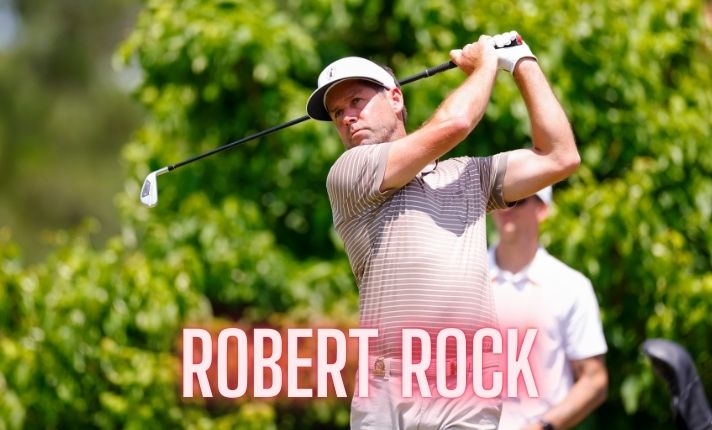
Robert Rock is an English professional golfer best known for his elegant swing, longevity on the European Tour, and reputation as one of the purest ball-strikers of his generation. Never driven by celebrity or spectacle, Rock built a career defined by craftsmanship, resilience, and technical excellence. By 2025, he is widely respected as a golfer’s golfer, admired as much for his approach to the game as for his tournament victories.
- Quick Facts
- Early Life & Origin Story
- Amateur Career and Technical Development
- Turning Professional
- European Tour Breakthrough
- Career Highlights and Tournament Success
- Playing Style and Technical Identity
- Mental Game and Professional Discipline
- Longevity on the European Tour
- Life Beyond the Spotlight
- Robert Rock’s Net Worth
- Personal Life & Relationships of Robert Rock
- Injuries and Physical Management
- Controversies
- Respect Among Peers
- Legacy
- Conclusion
- FAQs
Quick Facts
| Detail | Information |
|---|---|
| Full Name | Robert Rock |
| Age (2025) | 47 |
| Date of Birth | 1 October 1977 |
| Place of Birth | Mansfield, Nottinghamshire, England |
| Parents | Not publicly disclosed |
| Height | Approx. 5 ft 10 in (1.78 m) |
| Spouse | Married |
| Children | Yes |
| Ethnicity | White British |
| Nationality | British |
| Profession | Professional golfer |
| Tour Affiliation | European Tour |
| Source of Wealth | Tournament winnings, sponsorships |
| Net Worth (2025) | Estimated £3 million to £5 million |
Early Life & Origin Story
Robert Rock was born on 1 October 1977 in Mansfield, Nottinghamshire, a town better known for industry than elite sport. His early life was shaped by modest surroundings and a strong work ethic rather than access to elite golf facilities.
Rock discovered golf at a young age, drawn to the precision and rhythm of the sport. Unlike football or rugby, golf offered solitude and personal accountability. Each shot belonged solely to the player.
From the beginning, Rock showed an unusual sensitivity to technique. He was fascinated not only by results but by how the ball behaved in the air and on the ground.
The defining turning point of his youth came when local coaches recognised his natural swing. They noted fluidity, balance, and timing that could not be taught easily.
Amateur Career and Technical Development
Early Competitive Golf
As a junior golfer, Robert Rock competed in regional and national amateur tournaments. He was not always the longest hitter, but he was consistently among the most accurate.
His game developed around control rather than power. This philosophy would later define his professional career.
Rock learned early that precision could offset physical disadvantages. Fairways and greens mattered more than distance.
Swing Philosophy
Even as a teenager, Rock’s swing attracted attention. Coaches described it as classical, rhythmic, and repeatable.
Rather than chasing modern trends toward aggression, he refined fundamentals. Grip, posture, and tempo became his priorities.
This commitment to technique laid the foundation for long-term durability.
Turning Professional
Robert Rock turned professional in the late 1990s, entering a competitive environment where financial pressure often forces rapid results.
Early professional years were challenging. He competed on satellite tours, facing uncertain income and constant travel.
Unlike players backed by large sponsors, Rock funded much of his early career independently. This reality reinforced discipline and patience.
He treated golf as a craft rather than a gamble.
European Tour Breakthrough
Earning Tour Status
Rock gradually earned his place on the European Tour through consistent performance rather than dramatic wins.
His rise was incremental. He secured playing rights through qualifying school and maintained status through steady finishes.
This slow ascent built resilience rather than expectation.
Establishing Reputation
As Rock settled into European Tour life, fellow professionals began to notice his ball-striking.
He became known as a player who could shape shots both ways, flight the ball precisely, and control spin under pressure.
Commentators often highlighted his swing as a model of efficiency.
Career Highlights and Tournament Success
First European Tour Victory
Robert Rock secured his first European Tour win after years of perseverance. The victory validated his approach and confirmed that technical excellence could triumph over raw power.
The win was widely celebrated within the golfing community, particularly among peers who admired his method.
It marked a turning point from journeyman to established tour professional.
Abu Dhabi Championship and Peak Years
Rock’s most notable victory came at the Abu Dhabi Championship, where he defeated elite competition on a demanding course.
The win elevated his profile internationally and demonstrated his ability to perform under global scrutiny.
During this period, Rock achieved his highest world ranking and enjoyed several strong seasons.
Playing Style and Technical Identity
Robert Rock’s playing style stands in contrast to many modern professionals.
He relies on tempo, balance, and shot shaping rather than raw athleticism. His swing remains compact and repeatable.
Iron play has always been his strength. He excels in approach shots, controlling trajectory and distance with precision.
This style makes him particularly effective on traditional European courses.
Mental Game and Professional Discipline
Rock’s success is rooted as much in mentality as mechanics.
He approaches tournaments with measured expectations, focusing on process rather than outcome. This mindset reduces emotional volatility.
Losses are analysed technically rather than emotionally. Wins are acknowledged without overconfidence.
This mental discipline has allowed him to sustain performance across decades.
Longevity on the European Tour
Adapting to Change
As golf evolved toward power and athleticism, Rock adapted without abandoning his identity.
He improved fitness and equipment knowledge while maintaining swing fundamentals.
Rather than chasing trends, he selectively integrated modern techniques.
Maintaining Tour Status
Many professionals struggle to retain European Tour status into their forties. Rock has remained competitive through consistency.
His accuracy compensates for declining distance. Course management becomes more valuable with experience.
Longevity itself became a defining achievement.
Life Beyond the Spotlight
Unlike some contemporaries, Robert Rock has avoided high-profile endorsements and media attention.
He prefers quiet professionalism over brand building. This choice has limited commercial exposure but preserved autonomy.
His focus remains on performance and family rather than celebrity.
Robert Rock’s Net Worth
As of 2025, Robert Rock’s net worth is commonly estimated at £3 million to £5 million. It is important to treat this as a realistic range, not an official figure.
Golfers like Rock rarely publish full details of earnings, taxes, property, and investments. So most estimates are built from career results, longevity on tour, and typical commercial deals for players at his level.
Rock’s financial picture is shaped by steady, long-term performance. He spent many seasons competing on major European circuits, and that kind of consistency can add up year after year.
He may not have had the huge “headline” paydays that come with global superstar status, but he built value through reliability, experience, and a strong professional reputation.
Primary Income Sources
His income has likely come from a mix of:
- European Tour / DP World Tour prize money over many seasons
- Sponsorship and equipment deals, often tied to visibility and results
- Appearance fees, especially for pro-ams and featured events
- Golf-related endorsements and promotional work
Overall, his wealth looks more like a career built on discipline and durability than sudden, one-off contracts.
Personal Life & Relationships of Robert Rock
Robert Rock has always kept his family life fairly quiet, even while competing at the highest level. Public profiles list that he married Lynda Rock in 2007, and that the marriage later ended in divorce. Even with that background, he rarely speaks about relationships in detail, and he tends to keep his private world separate from his public golfing career.
What does come through is how much he values being present at home, especially as a parent. Rock has one son, David, and he has spoken openly about wanting to be around more to support him. In August 2024, Rock shared that David had signed a two-year deal with the academy of English Football League side Chesterfield, describing it as a big step because David was 16 at the time and would be moving closer to the club. (That also means David would be around 17 during 2025, depending on his birthday.)
Rock also mentioned that David had just passed his GCSEs, and he sounded like a proud dad watching his child build a path in a different sport. In many ways, that explains the “balance” people associate with him: professional golf involves constant travel, but home is where he resets, stays grounded, and focuses on what matters beyond the leaderboard.
Injuries and Physical Management
Like most long-serving golfers, Rock has managed injuries over time.
Rather than playing through pain, he prioritises recovery and longevity.
His swing’s efficiency has reduced physical strain compared to more aggressive styles.
This careful management has extended his career.
Controversies
Robert Rock’s career has been notably free from controversy.
He has not been involved in disciplinary issues, public disputes, or behavioural scandals.
His reputation within golf is that of a consummate professional.
Respect Among Peers
Within professional golf, Rock is often cited by peers as an example of technical purity.
Younger players study his swing mechanics. Coaches reference his fundamentals.
Respect from competitors often outweighs public recognition.
Legacy
Robert Rock’s legacy is defined by craft and integrity.
He represents a tradition of golf rooted in skill, patience, and respect for the game.
While not the most decorated golfer of his era, his influence endures through example.
For aspiring professionals, his career illustrates the value of fundamentals over spectacle.
Conclusion
Robert Rock’s journey through professional golf reflects resilience, discipline, and devotion to technique. From modest beginnings in Nottinghamshire to victories on the European Tour, his career has unfolded steadily rather than explosively.
By 2025, Rock stands as a symbol of golfing integrity. His achievements remind audiences that mastery often lies in quiet excellence rather than constant visibility.
FAQs
Who is Robert Rock?
He is an English professional golfer.
How old is Robert Rock in 2025?
He is 47 years old.
What is Robert Rock best known for?
His European Tour wins and elegant swing.
What is Robert Rock’s net worth?
Estimated between £3 million and £5 million.
Is Robert Rock still playing golf?
Yes, he remains active in professional golf.
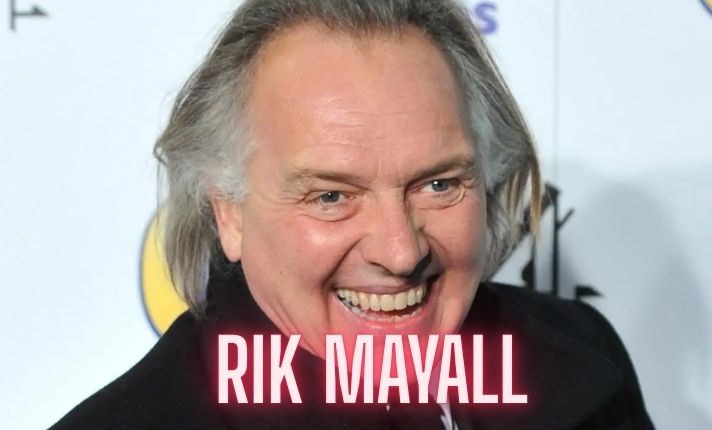
Rik Mayall was one of the most influential figures in modern British comedy, known for his anarchic performances, physical intensity, and genre defining television work. His career reshaped alternative comedy in the UK and left a lasting cultural impact that continues well beyond his death.
- Quick Facts
- Early Life
- Rik Mayall Career Journey
- Entry Into Alternative Comedy
- The Young Ones and National Recognition
- The Comic Strip Presents
- The New Statesman and Political Satire
- Bottom and Physical Comedy Extremes
- Film and Voice Acting
- What is Rik Mayall’s Net Worth?
- Personal Life & Relationships of Rik Mayall
- Recent or Future Developments
- Controversies
- Legacy
- Conclusion
- FAQs
Quick Facts
| Field | Details |
|---|---|
| Full Name | Richard Michael Mayall |
| Age | 56 at the time of death |
| Date of Birth | 7 March 1958 |
| Parents | John Mayall, Gillian Mayall |
| Net Worth | Estimated £1.2 million at death |
| Height | Approx. 6 ft 0 in (183 cm) |
| Spouse / Partner | Barbara Robbin (m. 1985) |
| Ethnicity | White British |
| Nationality | British |
| Source of Wealth | Television, film, stage, writing, voice acting |
| Education | University of Manchester |
Early Life
Rik Mayall was born in Harlow, Essex, into a family deeply connected to education and social awareness. His father, John Mayall, was a teacher and later a university lecturer, while his mother, Gillian Mayall, also worked in education. This environment exposed him early to political debate, satire, and critical thinking.
The defining turning point of his youth came not from privilege or performance training but from social friction. As a child, Mayall was often restless, disruptive, and intensely expressive. He struggled to conform within conventional academic settings, which later informed his rejection of traditional comedic structures.
His time at King’s College Taunton further sharpened his rebellious instincts. Rather than excelling academically, he gravitated toward performance and provocation. Teachers frequently described him as difficult but intellectually sharp, a combination that foreshadowed his future on stage.
Mayall’s most critical developmental period occurred at the University of Manchester, where he studied drama. It was here that he met Adrian Edmondson, a fellow student whose comedic sensibilities aligned perfectly with his own. Their partnership became the cornerstone of Mayall’s career.
University theatre groups exposed him to political satire, absurdist humor, and alternative performance styles. Unlike traditional British comedy, which leaned heavily on wordplay and restraint, Mayall was drawn to aggression, volume, and physical chaos.
This period marked the true origin of his comedic identity. He was not refining an existing style but actively rejecting it. By the time he left university, Mayall had already committed to reshaping British comedy from the margins.
Rik Mayall Career Journey
Entry Into Alternative Comedy
Rik Mayall emerged professionally during the late 1970s and early 1980s, a period when British comedy was undergoing a generational shift. Traditional stand up formats were losing cultural relevance, making space for politically charged and confrontational performers.
ALSO READ: Fred Finn Net Worth, Career and More
Mayall became associated with the alternative comedy movement, performing at venues such as The Comedy Store in London. These clubs rejected racist, sexist, and conservative humor that had dominated earlier eras.
His performances were deliberately excessive. He shouted, leapt across stages, broke the fourth wall, and used his body as aggressively as his voice. Audiences either loved or hated him, which quickly made him impossible to ignore.
The Young Ones and National Recognition
Mayall’s mainstream breakthrough came with The Young Ones, a BBC sitcom that premiered in 1982. The series starred Rik Mayall, Adrian Edmondson, Nigel Planer, and Christopher Ryan as anarchic student housemates.
Mayall’s character, Rick, was a self proclaimed intellectual and failed revolutionary. The role allowed him to combine physical comedy, political satire, and verbal abuse into a single persona.
Key achievements of The Young Ones include:
- Redefining sitcom pacing with surreal cutaways.
- Introducing punk aesthetics into primetime television.
- Expanding youth oriented political satire.
The show ran for two seasons but achieved cult status that continues decades later. It permanently altered what audiences expected from television comedy.
The Comic Strip Presents
Parallel to The Young Ones, Mayall became a central figure in The Comic Strip Presents, a series of short films broadcast on Channel 4. The project included collaborators such as Dawn French, Jennifer Saunders, and Peter Richardson.
These films allowed Mayall to explore darker, more experimental characters. He portrayed grotesque authority figures, violent aristocrats, and deranged antiheroes.
The format suited his intensity. Without the constraints of sitcom continuity, Mayall could push characters to extremes within a single narrative.
The New Statesman and Political Satire
In 1987, Mayall starred as Alan B’Stard in The New Statesman. The character was a corrupt Conservative MP driven by greed, cruelty, and ambition.
This role marked a shift toward more explicitly political satire. Mayall’s performance earned him a BAFTA Award nomination and widespread critical acclaim.
The series succeeded because it reflected public cynicism toward political power. Mayall did not soften the character for likability, instead amplifying his immorality.
Bottom and Physical Comedy Extremes
Perhaps his most enduring partnership with Adrian Edmondson was Bottom, which aired from 1991 to 1995. The sitcom focused on two violent, socially isolated men living in poverty.
Bottom stripped comedy down to survival, humiliation, and desperation. Dialogue was minimal compared to earlier work, with physical violence driving much of the humor.
Notable achievements of Bottom include:
- Transitioning successfully from television to live stage tours.
- Sustaining cult popularity through home media.
- Establishing Mayall as a master of slapstick brutality.
Film and Voice Acting
Mayall’s film career included roles in Drop Dead Fred and Guest House Paradiso. While critical reception was mixed, these films reinforced his cult appeal.
ALSO READ: Alex Pettyfer Net Worth, Career and More
His voice work demonstrated a different side of his talent. In 1997, he won a Primetime Emmy Award for narration, highlighting his versatility beyond physical comedy.
What is Rik Mayall’s Net Worth?
At the time of his death in 2014, Rik Mayall’s estate was valued at approximately £1.2 million, according to UK probate records.
Some entertainment databases have suggested figures as high as $5 million. These estimates are not supported by official documentation and often combine gross career earnings with speculative valuations.
Net Worth Breakdown
- Television royalties from BBC and Channel 4 productions.
- Film residuals from international releases.
- Live performance income from stage tours.
- Voice acting and audiobook narration.
- Publishing and writing credits.
Because Mayall died intestate, meaning without a will, the distribution of his estate followed UK inheritance law. No verified updates exist that materially alter this valuation as of 2025.
Personal Life & Relationships of Rik Mayall
Rik Mayall married Barbara Robbin, a Scottish make up artist, in 1985. The couple remained together until his death and had three children.
Despite his aggressive on screen persona, Mayall was widely described by colleagues as private and family focused. He avoided celebrity culture and rarely discussed his home life publicly.
A major personal turning point occurred in 1998 when Mayall suffered a serious quad bike accident. He was placed in a coma and later acknowledged that the incident affected his memory and physical stamina.
Following the accident, he continued working but adjusted his performance intensity. This period demonstrated his commitment to his craft despite physical limitations.
Recent or Future Developments
Although Rik Mayall passed away in 2014, his professional presence remains active through syndication, streaming, and publishing.
In 2025, an authorized biography was officially announced, scheduled for release in 2028. The project is based on archived recordings, interviews with family members, and contributions from long time collaborators.
His work continues to attract new audiences through digital platforms. Younger viewers often encounter his performances via online clips and streaming services, expanding his relevance across generations.
No posthumous awards have been announced, but academic studies and retrospectives continue to reassess his influence on British media.
Controversies
Rik Mayall was occasionally criticized for the aggressive and offensive nature of his comedy. Some performances were accused of promoting excessive violence or misogynistic humor.
These criticisms were typically contextual rather than legal or disciplinary. No allegations resulted in formal action, settlements, or career disruption.
Mayall consistently defended his work as exaggerated satire rather than endorsement. He maintained that his characters were intended to expose, not celebrate, social ugliness.
No personal scandals, criminal charges, or industry bans are associated with his career.
Legacy
Rik Mayall’s legacy is inseparable from the transformation of British comedy in the late twentieth century. He rejected politeness, subtlety, and tradition in favor of confrontation and chaos.
His influence can be seen in:
- Alternative stand up comedy formats.
- Political satire in television.
- Physical comedy revival in modern media.
- The normalization of antihero protagonists.
Colleagues such as Adrian Edmondson have credited him with expanding the emotional and physical limits of performance comedy. Academics often cite his work when discussing the decline of traditional British sitcom conventions.
Mayall remains a reference point for performers who prioritize intensity over likability and satire over comfort.
Conclusion
Rik Mayall was not simply a comedian but a disruptive force who reshaped the boundaries of British entertainment. His work challenged audiences, institutions, and expectations.
Despite a relatively short life, his creative output continues to influence comedy, television writing, and performance culture. His legacy endures through reruns, recordings, and the comedians who followed in his wake.
FAQs
What was Rik Mayall best known for?
He was best known for The Young Ones, Bottom, and The New Statesman.
How did Rik Mayall die?
He died suddenly in 2014 at the age of 56 from natural causes.
Was Rik Mayall married?
Yes, he was married to Barbara Robbin.
Did Rik Mayall have children?
Yes, he had three children.
Is Rik Mayall still influential today?
Yes, his work continues to shape alternative comedy and satire.
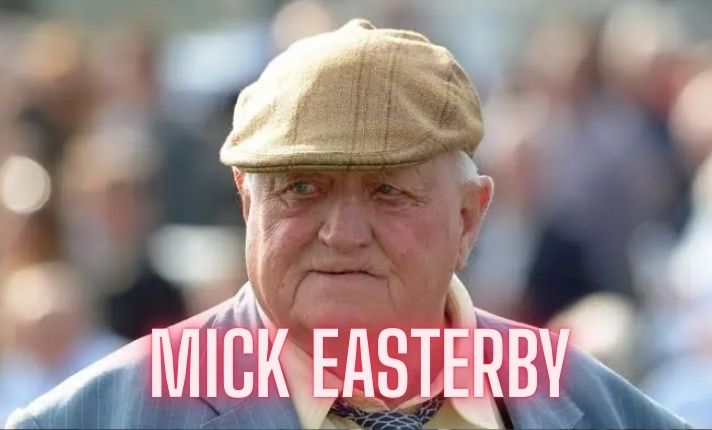
Michael “Mick” Easterby is a British racehorse trainer, former jockey, and one of the most durable figures in the history of British flat and National Hunt racing. With a career spanning more than seven decades, Easterby is widely respected for longevity, horsemanship, and his ability to remain competitive across generations. By 2025, he stands as a living institution within British racing.
Quick Facts
| Detail | Information |
|---|---|
| Full Name | Michael Easterby |
| Known As | Mick Easterby |
| Age (2025) | 94 |
| Date of Birth | 1931 |
| Place of Birth | Yorkshire, England |
| Parents | Racing family background |
| Height | Not publicly disclosed |
| Spouse | Married |
| Children | Including Peter Easterby |
| Ethnicity | White British |
| Nationality | British |
| Profession | Racehorse trainer, former jockey |
| Source of Wealth | Training fees, prize money, bloodstock |
| Base | Sheriff Hutton, North Yorkshire |
| Net Worth (2025) | Estimated £3 million to £5 million |
Early Life & Origin Story
Mick Easterby was born in Yorkshire in 1931 into a family deeply rooted in horse racing. From childhood, racing was not an aspiration but an environment. Horses, stables, and racecourses formed the backdrop of daily life rather than an abstract ambition.
Growing up during wartime Britain, Easterby’s early years were shaped by discipline, scarcity, and hard physical work. These conditions fostered resilience and self-reliance, traits that would define his career.
Unlike modern trainers who often follow formal educational pathways, Easterby learned through experience. He spent his formative years observing seasoned horsemen, absorbing knowledge through routine, repetition, and instinct.
The turning point of his youth came when he began riding competitively. This transition from stable hand to jockey gave him first-hand understanding of race dynamics, horse temperament, and tactical decision-making.
Riding Career and Early Racing Experience
Mick Easterby began his professional life as a jockey, riding both flat and jump horses. While he did not achieve national stardom in the saddle, his riding career was instrumental in shaping his later success as a trainer.
As a jockey, Easterby developed an acute sense of pace and positioning. He learned how subtle changes in balance and timing could influence performance. These insights would later inform his training philosophy.
Riding also taught Easterby the physical and mental limits of horses. He understood fatigue, stress, and recovery in a way that could not be learned from observation alone.
When his riding career naturally wound down, Easterby transitioned into training with a depth of practical knowledge rarely matched.
Transition to Training
Establishing the Yard
Mick Easterby took out a training licence in the 1950s, establishing his base in Sheriff Hutton, North Yorkshire. The location offered access to varied gallops and a climate suited to year-round conditioning.
ALSO READ: Hollie Doyle Net Worth, Career and More
Early years were modest. Easterby trained inexpensive horses, many acquired through claimers or local owners. Rather than chasing prestige, he focused on placing horses realistically to maximise performance.
This pragmatic approach became his trademark.
Training Philosophy
Easterby believed in patience and observation. He was known for listening to horses rather than imposing rigid systems. Training schedules were adapted to individual temperaments and physical development.
He avoided over-racing young horses and preferred steady progression. This method extended careers and often delivered results later than expected, surprising rivals.
His ability to improve modestly bred horses earned widespread respect within the racing community.
Career Journey
Versatility Across Codes
One of Mick Easterby’s defining achievements was his success across both Flat racing and National Hunt racing. Few trainers managed both disciplines effectively, yet Easterby won significant races in each.
This versatility reflected deep horsemanship rather than specialisation. He understood that fundamentals of conditioning, mental wellbeing, and placement transcended racing codes.
Major Winners and Milestones
Over the decades, Easterby trained thousands of winners. His horses achieved success at all levels, from low-grade handicaps to prestigious festivals.
He trained multiple Royal Ascot winners, Classic contenders, and durable handicap specialists who returned year after year.
Rather than being defined by a single superstar, Easterby’s reputation rested on consistency and volume.
Longevity and Records
By the time he entered his eighties, Easterby had trained winners in seven different decades. This achievement placed him among the most enduring figures in British sport.
His continued presence on racecards became symbolic. Younger trainers viewed him as a benchmark of resilience and knowledge.
Even as training methods modernised, Easterby adapted without abandoning core principles.
Family Legacy and the Easterby Dynasty
Horse racing is a family enterprise for the Easterbys.
Mick’s son Peter Easterby became a highly successful trainer in his own right, securing major victories and carrying forward the family reputation. Other family members also remained involved in training, ownership, and bloodstock.
This continuity reinforced Mick Easterby’s influence across generations. His yard became a training ground not only for horses but for future horsemen.
The Easterby name is now synonymous with Yorkshire racing.
Later Career and Semi-Retirement
As Mick Easterby entered his late eighties and early nineties, he gradually reduced day-to-day involvement. However, he never fully retired.
He continued to advise, observe, and influence training decisions. His presence remained a constant within the yard.
Horses associated with the Easterby operation continued to win under family supervision, extending his legacy even as responsibilities shifted.
By 2025, Easterby’s role is primarily advisory, yet his impact remains active rather than ceremonial.
What Is Mick Easterby’s Net Worth?
As of 2025, Mick Easterby’s net worth is estimated between £3 million and £5 million.
Primary Income Sources
- Long-term training fees
- Prize money accumulated across decades
- Ownership interests in horses
- Bloodstock trading and breeding
- Property and stable assets
Unlike modern trainers who rely on global ownership syndicates, Easterby’s wealth was built gradually through volume, consistency, and reinvestment.
Personal Life & Relationships
Mick Easterby shared a 65-year marriage with his wife, Alice Mary Easterby (née Sanderson), until her passing on March 2, 2023, at the age of 89. The couple first met at a Young Farmers’ Dance in 1958 and married later that same year, beginning a lifelong partnership rooted in shared values and hard work.
Alice was widely regarded as the quiet backbone of the Easterby operation at New House Farm, playing a hands-on role in nearly every aspect of the business—from foaling mares and managing accounts to raising their family.
Her steady presence and dedication provided the foundation that allowed Mick to sustain a long, disciplined career in racing, marked by modest living, deep family stability, and an enduring connection to the daily life of the yard.
Controversies
Mick Easterby’s career has been remarkably free from scandal.
He operated during eras of racing marked by regulatory changes and occasional integrity issues, yet his name was never associated with serious disciplinary action.
Minor disputes over handicapping or race placement occurred, as is normal in competitive racing, but no legal or ethical controversies defined his career.
His reputation for fairness and professionalism remains intact.
Legacy
Mick Easterby’s legacy is foundational.
He represents a generation of trainers built on instinct, patience, and deep understanding rather than data alone. His ability to remain competitive across seventy years reflects adaptability without loss of identity.
Few figures in British sport can claim relevance across so many decades. Easterby’s contribution extends beyond winners to shaping training culture itself.
He is widely regarded as one of the most important trainers in British racing history.
Conclusion
Mick Easterby’s career is a testament to endurance, horsemanship, and quiet excellence. From wartime Yorkshire to modern racing, he navigated profound changes while remaining competitive and respected.
With a substantial net worth built through decades of work and a legacy secured through family continuity, Easterby stands as a pillar of British horse racing in 2025.
FAQs
Who is Mick Easterby?
He is a British racehorse trainer and former jockey.
How old is Mick Easterby in 2025?
He is 94 years old.
What is Mick Easterby known for?
He is known for longevity and success across flat and jump racing.
Is Mick Easterby still active?
He remains involved in an advisory capacity.
What is Mick Easterby’s net worth?
His net worth is estimated between £3 million and £5 million.
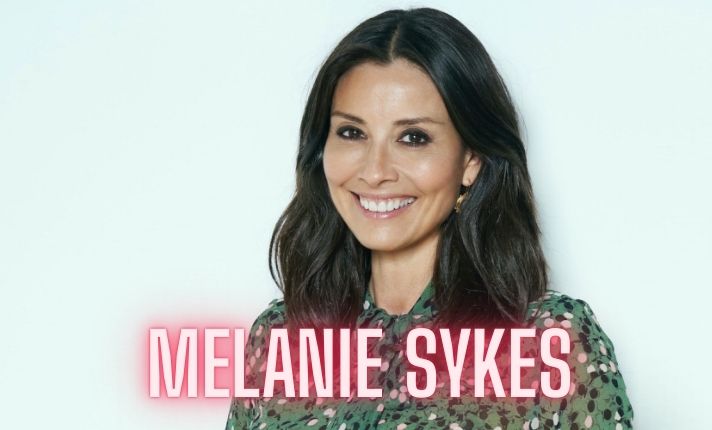
Melanie Sykes is a British television and radio presenter whose career spans advertising, breakfast television, daytime shows, and radio broadcasting. Best known for her 1990s advertising breakthrough and long ITV career, she later stepped away from mainstream television after publicly addressing industry culture, personal health, and her autism diagnosis.
- Early Life & Origin Story
- Career & Rise to Fame
- Advertising Breakthrough and National Recognition
- Entry into Breakfast Television
- Daytime Television and Peak ITV Years
- Radio Broadcasting and BBC Work
- Reality Television and Career Shift
- Autobiography & Projects
- What is Melanie Sykes’s Net Worth?
- Personal Life, Relationships & Motherhood
- Controversies
- Legacy
- Conclusion
- FAQs
| Field | Details |
|---|---|
| Full Name | Melanie Ann Sykes |
| Age | 54 (as of 2025) |
| Date of Birth | 7 August 1970 |
| Birthplace | Ashton-under-Lyne, Greater Manchester, England |
| Parents | English father; mother of Anglo-Indian heritage |
| Ethnicity | Mixed (English & Anglo-Indian) |
| Nationality | British |
| Height | Approx. 5 ft 3 in (160 cm) |
| Net Worth | Estimated $2 million – $4 million |
| Marital Status | Divorced |
| Former Spouses | Daniel Caltagirone (m. 2001–2009), Jack Cockings (m. 2013–2016) |
| Children | Two sons – Roman and Valentino |
| Education | Local schooling in Greater Manchester; no publicly confirmed media degree |
| Source of Wealth | Television presenting, radio broadcasting, advertising campaigns, book sales |
Early Life & Origin Story
Melanie Sykes was born in Ashton under Lyne, Greater Manchester. She grew up in a working class household shaped by discipline and routine. Her mother’s Anglo Indian background exposed her to a blended cultural identity that later influenced her self perception and public voice.
Her early years were marked by social discomfort and sensory sensitivity. At the time, these traits were misunderstood rather than diagnosed. She has since described feeling out of step with peers and authority structures, particularly in school environments.
A defining turning point came in her early twenties when she entered a local modelling competition. She did not pursue modelling as a career goal. The exposure, however, placed her in front of casting professionals and advertising agencies during a period when British advertising sought relatable regional faces.
This moment reframed her prospects. It offered access to a media industry that valued authenticity and northern identity. The experience also taught her how public visibility could be both empowering and destabilising, a theme that would repeat throughout her career.
Career & Rise to Fame
Advertising Breakthrough and National Recognition
Melanie Sykes first achieved national recognition in the mid 1990s as the face of Boddingtons Bitter. The campaign’s tone relied on wit, regional confidence, and understated humour. Her presence stood apart from the polished London centric advertising norms of the era.
The campaign transformed her public profile almost overnight. It positioned her as a recognisable personality rather than a traditional model. Media producers took notice, particularly within commercial television networks seeking fresh presenters.
Entry into Breakfast Television
Her transition from advertising to broadcasting came with ITV. She became a presenter on The Big Breakfast, one of the UK’s most influential morning shows. The role demanded live television skills, improvisation, and audience rapport.
ALSO READ: Frances de la Tour Net Worth
This period refined her on screen authority. It also placed her within the competitive ecosystem of late 1990s British television, where visibility and performance were closely scrutinised.
Daytime Television and Peak ITV Years
Sykes reached her commercial peak with Today with Des and Mel, co hosted with Des O’Connor. The programme combined celebrity interviews, entertainment segments, and audience interaction. It ran successfully for several years and became a staple of ITV daytime schedules.
Key achievements during this phase include:
- Establishing credibility as a lead daytime presenter
- Hosting high profile celebrity interviews
- Anchoring live studio formats with consistent ratings
She later fronted or co presented:
- Let’s Do Lunch with Gino and Mel alongside Gino D’Acampo
- Shop Well for Less on ITV
These roles reinforced her brand as a reliable, mainstream presenter associated with accessible consumer content.
Radio Broadcasting and BBC Work
Beyond television, Sykes built a parallel radio career. She presented shows on BBC Radio 2, including high profile collaborations with Alan Carr. Radio allowed greater conversational freedom and reduced visual pressure.
Her radio work demonstrated adaptability across formats. It also appealed to audiences who valued personality driven content over studio spectacle.
Reality Television and Career Shift
In 2021, Sykes appeared on Celebrity MasterChef. The experience marked a turning point. She later stated that the environment intensified stress and contributed to her decision to withdraw from mainstream television.
Shortly after, she publicly announced that she was stepping back from broadcast media. This decision was not framed as retirement. It was positioned as a necessary boundary following years of cumulative strain.
Autobiography & Projects
Illuminated: Autism and All the Things I’ve Left Unsaid
Melanie Sykes published her autobiography Illuminated: Autism and All the Things I’ve Left Unsaid after revealing her autism diagnosis in adulthood. The book combines memoir with social commentary.
It addresses:
- Late diagnosed autism in women
- Media industry pressures
- Power dynamics within television production
- Personal accountability and recovery
The book received attention for its direct language and refusal to soften uncomfortable experiences. It positioned Sykes as a public advocate for neurodiversity rather than a traditional celebrity author.
Independent Creative Projects
Following her exit from television, Sykes shifted toward independent creative work. She has referenced film projects and documentary concepts focused on justice, mental health, and institutional accountability.
ALSO READ: Jonny Clayton Net Worth
These projects are not positioned as commercial blockbusters. They reflect a deliberate move away from ratings driven content toward purpose driven storytelling.
What is Melanie Sykes’s Net Worth?
Melanie Sykes’s net worth in 2025 is estimated between $2 million and $4 million.
According to aggregated entertainment finance estimates, her wealth derives from peak earnings during ITV daytime television, advertising contracts, and long running broadcast work. No official Forbes or Bloomberg valuation exists due to the private nature of UK television contracts.
Estimated income sources include:
- Television presenting fees from ITV programming
- Advertising income from national campaigns
- BBC Radio presenting contracts
- Book royalties from Illuminated
She does not publicly maintain luxury business ventures or branded product lines. Her financial profile reflects a traditional broadcast career rather than modern influencer monetisation.
Personal Life, Relationships & Motherhood
Melanie Sykes has been married twice and is the mother of two sons, Roman and Valentino. Throughout her career, she has made a deliberate choice to protect her children’s privacy, rarely sharing details about their lives and keeping them out of the public eye.
High-volume public interest around Melanie Sykes often focuses on:
- Her marital history
- Her current relationship status
- Her role as a mother
As of 2025, she is not publicly partnered. In interviews and public statements, she has been clear that privacy and emotional wellbeing are now central priorities, particularly after decades spent in the spotlight.
In recent years, Melanie has spoken openly about her autism diagnosis, describing it as a turning point in how she understands her past relationships. She has explained that communication differences, sensory overload, and emotional burnout played a significant role in both her personal and professional life—insights that brought clarity rather than regret.
Today, she approaches relationships, work, and parenting with greater self-awareness, boundaries, and compassion, focusing on balance rather than visibility.
Controversies
Melanie Sykes has been involved in several public controversies, most of which emerged later in her career.
She was accused of professional misconduct in isolated incidents during live broadcasting early in her career. These matters did not result in lasting disciplinary action.
In 2013, she was arrested following a domestic dispute. The caution issued at the time was later revoked. She has since referenced the incident as an example of systemic imbalance in legal responses.
Following Celebrity MasterChef, she alleged inappropriate conduct and toxic workplace culture. She stated that complaints were raised internally at the time. The programme’s production denied wrongdoing, and no legal ruling followed.
Her public criticism of the television industry has been polarising. Supporters cite accountability and transparency. Critics argue that such disclosures challenge established broadcast norms.
Legacy
Melanie Sykes’s legacy is not defined solely by ratings or longevity. It reflects a broader cultural shift in how public figures engage with power, mental health, and professional boundaries.
She represents:
- The transition from traditional celebrity to advocacy based public voice
- Increased visibility for late diagnosed autism in women
- Resistance to exploitative media culture
Her decision to leave mainstream television reshaped public conversations around success and sustainability in entertainment careers.
Conclusion
Melanie Sykes built a prominent career across British television and radio during a period of intense media transformation. Her later withdrawal from broadcasting reframed her public identity from presenter to commentator and author. In 2025, her biography reflects both professional achievement and personal reckoning.
FAQs
What is Melanie Sykes’s net worth in 2025?
Estimated between $2 million and $4 million.
Why did Melanie Sykes quit TV?
She cited mental health, workplace culture, and personal boundaries.
When was Melanie Sykes diagnosed with autism?
She received her diagnosis in adulthood and disclosed it publicly in 2021.
What book did Melanie Sykes write?
Illuminated: Autism and All the Things I’ve Left Unsaid.
Does Melanie Sykes still work in media?
She no longer appears on mainstream television but pursues independent projects.

What Is SEO by HighSoftware99.com? A Complete Guide for 2026

Can IVF Help With Unexplained Infertility?

8 Simple Tools That Help You Handle PDFs Conversion Faster
Alex Pettyfer Net Worth, Wife, Age, Height, Children, Career and More
Brad Williams Net Worth, Wife, Height, Age, Daughter, Family, Career and More

Eldorado.gg Review 2026: How It Works, Safety, Fees, and Risks
-
Celebrity10 months ago
Alex Pettyfer Net Worth, Wife, Age, Height, Children, Career and More
-
Celebrity10 months ago
Brad Williams Net Worth, Wife, Height, Age, Daughter, Family, Career and More
-
Blog1 month ago
Eldorado.gg Review 2026: How It Works, Safety, Fees, and Risks
-
 Anime11 months ago
Sanzoku Bandits of One Piece: Origins, Higuma, and Their Role in Dawn Island
-
 Celebrity10 months ago
John McGinn Net Worth, Age, Height, Wife, Childrens, Career and More
-
 Celebrity10 months ago
Frances de la Tour Net Worth, Age, Height, Husband, Childrens, Career and More
-
 Celebrity10 months ago
Will Trickett Net Worth, Wife, Childrens, Age, Career and More
-
 Blog2 months ago
Crackstube: A Complete Guide to the Digital Publishing Platform