
Construction
Essential Disaster Reconstruction Tips: Damage Assessment, Repairs, Restoration, and Prevention

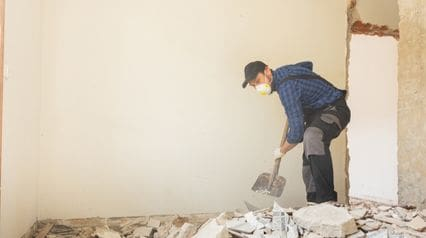
A major disaster can leave a property with extensive structural, electrical, plumbing, cosmetic, and environmental damage. Fires, floods, storms, severe water leaks, structural failures, and other unexpected events can affect several parts of a building at the same time. Recovering from such an event requires more than simply repairing the most visible damage because hidden problems may remain inside walls, ceilings, floors, roofing systems, and mechanical components. Disaster reconstruction provides a structured approach for moving from emergency protection and damage assessment toward complete property restoration. A carefully planned recovery process can help property owners prioritize urgent concerns, organize repairs, protect remaining belongings, and restore the property to a safe and functional condition.
- Understanding the Scope of Property Damage
- Prioritizing Safety After a Disaster
- Documenting Damage Thoroughly
- Preventing Additional Damage
- Assessing Water Damage
- Addressing Fire and Smoke Damage
- Removing Debris Safely
- Inspecting Structural Components
- Repairing Electrical Systems
- Restoring Plumbing and HVAC Systems
- Restoring Interior Materials
- Managing Odors and Contamination
- Planning the Reconstruction Process
- Working With Qualified Professionals
- Understanding the Role of Insurance
- Improving the Property After Restoration
- Preventing Future Damage
- Final Thoughts
Understanding the Scope of Property Damage
The first step after a major disaster is understanding how extensively the property has been affected. Visible damage may include broken windows, damaged roofing, standing water, burned materials, collapsed ceilings, damaged flooring, or destroyed personal belongings. However, some of the most serious problems may not be immediately visible because water can remain inside walls, fire can weaken structural components, and smoke can travel through ventilation systems. A detailed assessment should therefore examine both visible and concealed areas whenever it is safe to do so. Understanding the complete scope of damage before permanent repairs begin can help prevent unexpected complications and provide a more accurate foundation for planning the recovery process.
Prioritizing Safety After a Disaster
Safety should always come before cleanup, cosmetic repairs, or rebuilding. A damaged building may contain unstable walls, exposed wiring, broken glass, contaminated water, sharp debris, damaged gas lines, or other hazards that are difficult to recognize without professional assessment. Property owners should avoid entering areas that appear unstable or unsafe until qualified professionals have evaluated them. Utilities may also need to be disconnected or inspected before normal activity resumes. Disaster reconstruction should begin only after immediate hazards have been identified and appropriate safety measures are in place. Establishing a secure working environment helps protect occupants, contractors, and other people involved in the recovery process while reducing the possibility of additional damage.
Documenting Damage Thoroughly
Detailed documentation can be extremely valuable after a disaster because it creates a record of the property’s condition before damaged materials are removed or repaired. Photographs and videos can capture structural damage, water intrusion, damaged belongings, smoke residue, broken fixtures, and other affected areas. Written notes can provide additional information about when the damage occurred and which areas were affected. Receipts, estimates, inventories, inspection reports, and other relevant records should also be organized in a secure location. Good documentation can help property owners communicate clearly with contractors, restoration professionals, inspectors, and insurance representatives. It also creates a useful reference throughout the recovery process as damaged areas are repaired and restored.
Preventing Additional Damage
Once the property has been made reasonably safe, temporary measures may be necessary to prevent additional deterioration. Broken windows may need to be covered, damaged roof sections may require temporary protection, and openings in exterior walls may need to be secured against weather. Standing water should be removed when it is safe and appropriate, while wet materials should be evaluated for drying or removal. Exposed areas should be protected from further rain, wind, or unauthorized access. These temporary measures do not replace permanent repairs, but they can prevent the original damage from becoming more extensive. Acting promptly can reduce secondary problems and provide a more stable environment for the detailed restoration work that follows.
Assessing Water Damage
Water damage can be especially complicated because moisture may travel far beyond the area where it first entered the property. Floodwater, burst pipes, roof leaks, appliance failures, and firefighting efforts can all introduce water into flooring, drywall, insulation, wood framing, furniture, and other materials. Some materials may appear dry while retaining moisture underneath their surfaces. Prolonged moisture can contribute to odors, deterioration, microbial growth, corrosion, and other secondary problems. Disaster reconstruction should therefore include a careful evaluation of areas exposed to water rather than focusing only on visible stains or standing water. Identifying and correcting the source of moisture is equally important because rebuilding affected areas without resolving the underlying problem can lead to recurring damage.
Addressing Fire and Smoke Damage
Fire damage often extends beyond the areas directly affected by flames. Heat can weaken structural components, while smoke and soot can spread throughout rooms, ventilation systems, ceilings, walls, furniture, and other materials. Water used during firefighting may create additional moisture-related concerns that need to be addressed alongside fire damage. A proper assessment should therefore consider structural stability, smoke residue, odors, electrical systems, water exposure, and the condition of affected materials. Some items may be cleaned and restored, while others may require replacement depending on their condition. Fire recovery requires careful coordination because rebuilding should not begin until damaged structures and essential systems have been appropriately evaluated.
Removing Debris Safely
Debris removal is an important part of the recovery process because damaged materials can make inspection, repair, and rebuilding more difficult. Broken drywall, insulation, flooring, roofing materials, glass, furniture, damaged fixtures, and other debris may need to be sorted and removed. Some materials may require special handling because of their condition or potential hazards. Debris should be removed in a controlled manner to reduce dust, accidental injury, and the spread of contaminants into unaffected areas. Once the damaged materials have been cleared, previously hidden problems may become easier to identify. A clean and organized work area also allows contractors and specialists to move safely and efficiently while completing repairs.
Inspecting Structural Components
Structural integrity should receive careful attention after a significant disaster. Walls, floors, ceilings, foundations, framing, roofing systems, and other load-bearing components may have been weakened by water, fire, impact, or severe weather. Damage that appears minor on the surface may sometimes affect components beneath the visible finish. Qualified professionals can assess structural elements and determine which components can be repaired and which may need replacement. Cosmetic improvements should not be completed before serious structural concerns are addressed. A strong reconstruction plan should prioritize the stability and safety of the building so that later stages of restoration are built on a sound foundation.
Repairing Electrical Systems
Electrical systems can become hazardous after water intrusion, fire, structural movement, or other forms of disaster damage. Wiring, outlets, switches, panels, fixtures, and other components may need inspection before they are used again. Water exposure can create hidden electrical problems even when equipment appears visually undamaged. Fire and heat can also affect insulation and electrical connections. Repairs should be performed by appropriately qualified professionals who can evaluate damaged components and determine what should be repaired, replaced, or tested. Electrical work should be coordinated with the broader rebuilding process so that repaired systems remain accessible for necessary inspections and are not damaged again during later construction activities.
Restoring Plumbing and HVAC Systems
Plumbing and HVAC equipment can also be affected during a disaster. Pipes may break, fixtures may become damaged, heating and cooling equipment may be exposed to water, and ventilation systems may collect smoke, soot, dust, or debris. These systems should be evaluated before being returned to normal operation. Damaged components may need replacement, while equipment exposed to contamination may require specialized cleaning or servicing. Disaster reconstruction often involves several trades working together, so plumbing, HVAC, and electrical repairs should be coordinated with structural and interior work. Proper sequencing can prevent newly repaired systems from being damaged during later stages of rebuilding.
Restoring Interior Materials
After structural and mechanical concerns have been addressed, interior restoration can begin. This may involve replacing drywall, insulation, flooring, ceilings, cabinetry, doors, trim, fixtures, paint, and other finishes. Material selection should take into account the type of damage and the conditions that caused it. For example, areas with recurring moisture may benefit from improved ventilation, drainage, or moisture-resistant construction details. Interior restoration should focus not only on appearance but also on durability and proper installation. Replacing damaged finishes without addressing the conditions that caused the damage can lead to recurring problems, so underlying issues should be resolved before final cosmetic work is completed.
Managing Odors and Contamination
Disasters can leave behind persistent odors caused by smoke, water damage, sewage, organic materials, chemicals, or other contaminants. Odor removal is most effective when the underlying source is identified and addressed rather than simply covered with fragrances. Smoke residues may require specialized cleaning, while water-related odors may indicate hidden moisture or damaged porous materials. Contaminated materials may need removal or specialized treatment depending on the type of exposure. Proper cleaning and ventilation can help restore affected spaces, but persistent odors should be investigated rather than repeatedly masked. A thorough recovery process considers both visible damage and environmental conditions that may continue affecting indoor comfort.
Planning the Reconstruction Process
A successful recovery project requires careful planning because many different tasks may need to be completed in a specific order. Emergency stabilization typically occurs first, followed by detailed inspection, debris removal, structural repairs, system restoration, interior rebuilding, and final finishing work. The exact sequence depends on the type and extent of damage. Disaster reconstruction may require coordination among general contractors, structural professionals, electricians, plumbers, HVAC specialists, inspectors, and other trades. Clear communication can help ensure that one stage of work does not interfere with another. A written scope of work and realistic timeline can also help property owners understand what needs to happen and how different repairs fit together.
Working With Qualified Professionals
Large-scale disaster recovery often involves specialized work that should not be attempted without appropriate training or equipment. Structural assessments, electrical repairs, plumbing work, hazardous-material handling, and certain forms of contamination cleanup may require qualified professionals. Property owners should ask potential contractors about their experience with similar projects, the services they provide, and how they document their work. Written agreements can clarify responsibilities, materials, costs, and project expectations. Disaster reconstruction is generally more organized when each professional understands their role and communicates with the other members of the recovery team. Keeping project records and maintaining regular communication can also help property owners monitor progress and address concerns as they arise.
Understanding the Role of Insurance
Insurance may play an important role in the recovery process, depending on the property’s coverage and the type of disaster involved. Policies can differ significantly, so property owners should review their individual coverage and communicate with their insurer about applicable procedures. Documentation such as photographs, videos, inventories, receipts, estimates, and professional assessments can be useful when discussing damage and repair requirements. Property owners should keep copies of important records and avoid discarding damaged items when documentation or inspection may still be necessary, unless safety requires immediate disposal. Insurance decisions should be based on the applicable policy and professional guidance rather than assumptions about what will or will not be covered.
Improving the Property After Restoration
A disaster can reveal weaknesses that may be worth addressing during the rebuilding process. Depending on the circumstances, improvements might include better drainage, stronger roofing materials, improved ventilation, updated plumbing, enhanced electrical protection, improved insulation, or more durable finishes. These upgrades should be selected based on the property’s specific vulnerabilities and practical requirements. Disaster reconstruction can provide an opportunity to restore damaged areas while also making reasonable improvements that may reduce future risks. However, improvements should be properly planned and installed rather than added without considering their effect on the overall building system. A well-designed recovery can leave the property safer, more functional, and better prepared for future challenges.
Preventing Future Damage
Preventive maintenance is an important part of completing the recovery process. Roofs should be inspected regularly, plumbing leaks should be repaired promptly, drainage systems should remain clear, and HVAC equipment should receive appropriate maintenance. Areas that previously experienced water damage should be monitored for recurring moisture, odors, or deterioration. Electrical systems should also be maintained according to applicable safety requirements. Property owners can reduce future problems by responding to small maintenance concerns before they develop into larger failures. Prevention does not eliminate every possible risk, but consistent maintenance can help identify vulnerabilities and reduce the likelihood that minor problems will become extensive property damage.
Final Thoughts
Recovering from a disaster can be a long and complex process, but careful planning can make the work more organized and manageable. Safety, documentation, damage assessment, temporary protection, debris removal, structural repairs, system restoration, and interior rebuilding all play important roles in returning a damaged property to normal use. Disaster reconstruction should address both visible damage and hidden problems so that repairs are durable rather than temporary. Working with qualified professionals, maintaining clear records, coordinating different trades, and addressing underlying causes can help support a more effective recovery. By combining immediate response with thoughtful restoration and preventative improvements, property owners can work toward rebuilding a safer, stronger, and more functional environment after a major disaster.


Finding the right SSSTS Course Online means looking beyond the first price you see. You’ll want training that fits around your job, a clear explanation of what you’re paying for and feedback from previous learners. With several providers offering similar courses, comparing those details can help you make a confident decision.
- What Is the SSSTS Course?
- Five Online SSSTS Providers at a Glance
- 1. High Aims Training
- 2. SAMS
- 3. Skills Training Group
- 4. Target Zero Training
- 5. Knight Learning
- Would an Online SSSTS Weekend Booking Suit You?
- Plan Ahead for Your SSSTS Refresher Course
- Frequently Asked Questions About the SSSTS Course Online
This guest article for High Aims Training compares five UK providers using advertised prices, Google Maps business ratings and attendance options. The information reflects checks made on 20 October 2026, so confirm current prices and availability before booking.
What Is the SSSTS Course?
The Site Supervision Safety Training Scheme is a two-day CITB course for existing and aspiring construction site supervisors. It covers supervisory responsibilities, controlling workplace risks and communicating safety requirements. Successful certification is valid for five years. CITB course information
Taking on a supervisory role brings responsibilities that go beyond completing your own work safely. You may need to brief workers, recognise changing conditions and raise concerns before a problem develops. The SSSTS Course gives you an opportunity to explore those responsibilities and ask questions about situations you encounter on site.
Five Online SSSTS Providers at a Glance
| Provider | Advertised price including VAT | Google Maps business rating |
| High Aims Training | From £194.99 | 5.0/5 — 842 reviews |
| SAMS | £264 | 5.0/5 — 602 reviews |
| Skills Training Group | £238.80 | 4.9/5 — 434 reviews |
| Target Zero Training | From £238.80 on selected dates | 4.8/5 — 163 reviews |
| Knight Learning | £238.80 | 4.8/5 — 349 reviews |
The ratings were retrieved through a Maps data service and cover the named businesses, including reviews of other training. This is an editorial shortlist rather than an assessment of every UK provider.
1. High Aims Training
High Aims Training is a good option if you’re looking for an affordable course that fits around your working week. Its SSSTS Course Online starts from £194.99, including VAT, the examination and certification, the lowest advertised total among these five providers when checked. The provider states that there are no hidden charges, so you can budget with a clear idea of the full cost. Training takes place live through Zoom, with weekend classes available, making it easier to attend without travelling to a centre or taking weekdays away from work.
Learners can contact centre staff through WhatsApp 24 hours a day, seven days a week. Support is also available from qualified tutors before, during and after the course, giving you the chance to ask questions as you prepare, work through the training and put what you have learnt into practice.
High Aims Training also has a physical centre in London, providing a local point of contact alongside its online courses. Across its wider training provision, it works with more than five awarding bodies regulated by Ofqual.
The provider reports more than 800 five-star reviews and thousands of satisfied customers. Together with its competitive pricing and ongoing learner support, this gives prospective learners more to consider alongside the course fee. The review total in the comparison table refers to all Google Maps business reviews, rather than five-star reviews alone.
Before booking, check the available dates, joining times and equipment requirements so you’re ready for both days. Although you’ll be learning from home, you’ll need a quiet space, a reliable internet connection and time free from work calls or other interruptions to take part fully.
2. SAMS
Safety & Management Solutions, usually known as SAMS, advertises its online SSSTS course at £220 plus VAT, bringing the total to £264. Its Google Maps business listing showed 5.0 out of 5 from 602 reviews, making it another provider worth considering alongside your preferred dates and budget.
SAMS also states that learners can attend through Zoom from anywhere in the world, while explaining the qualification’s UK employment context. That clarity is helpful if you’re joining from overseas, although you should still confirm identification requirements, assessment arrangements and joining times in your local time zone. SAMS course details
3. Skills Training Group
Skills Training Group lists its full online SSSTS course at £199 plus VAT, or £238.80 altogether. Its Paisley business listing showed 4.9 out of 5 from 434 reviews, giving learners another option to compare on price and business feedback.
When checking availability, ask how you’ll receive the learning materials and what support is available if you have trouble joining. Getting those details beforehand can make the first morning easier, especially if this will be your first live online course. Choose a session you can attend properly rather than booking a date simply because it is available.
4. Target Zero Training
Target Zero’s advertised prices show why it pays to check individual dates. An online session on 21–22 October 2026 was listed at £199 plus VAT, making the total £238.80, while several later online dates were £249 plus VAT, or £298.80. Its Chelmsford business listing showed 4.8 out of 5 from 163 reviews.
A discounted session is only useful if you can attend it. Compare the total for your preferred date, particularly when looking for weekend training, and review the cancellation or transfer terms before committing.
5. Knight Learning
Knight Learning advertises online SSSTS options at £199 plus VAT, giving a total of £238.80. Its London business listing showed 4.8 out of 5 from 349 reviews. As with the other providers, reading recent comments can give you more context than the overall rating alone.
Knight explains that its CITB courses are delivered by accredited partner providers. Before booking, ask which organisation will teach your session and who handles assessment, certificates and follow-up questions. Knowing this from the outset helps you understand the booking arrangement. Knight’s delivery information
Would an Online SSSTS Weekend Booking Suit You?
An SSSTS Weekend course can be useful when taking weekdays away from work would be difficult. Taking your SSSTS weekend online also removes the journey to a training centre, helping you organise attendance around your existing commitments.
Keep both training days clear, however. Trying to follow a lesson while answering work calls or dealing with site problems makes learning harder. Test your connection, camera and microphone beforehand, and bring a few questions from your own experience. Discussing familiar situations can help you connect the teaching with your daily responsibilities.
Plan Ahead for Your SSSTS Refresher Course
Once qualified, keep a note of your certificate’s expiry date. The one-day refresher gives eligible certificate holders an opportunity to update their knowledge and revisit supervisory responsibilities. Plan renewal before expiry rather than assuming a suitable session will be available at short notice. CITB refresher guidance
High Aims Training has a dedicated SSSTS Refresher Course page where you can check delivery information and enquire about dates. Setting a reminder several months ahead gives you time to confirm eligibility and find a booking that works.
Frequently Asked Questions About the SSSTS Course Online
Can I take the SSSTS Course Online?
Yes. CITB allows remote delivery. You must attend the scheduled teaching and meet the assessment requirements.
Which provider is cheapest in this comparison?
High Aims Training had the lowest advertised total among these five options, from £194.99 including VAT. Confirm the current price for your chosen date.
Is SSSTS weekend online training self-paced?
No. These are live courses with set attendance times. You need to be available throughout the scheduled sessions.
What should I check before paying?
Confirm the total price, course inclusions, cancellation terms and equipment requirements. Read recent reviews and check who will deliver the training.
When should I book my SSSTS Refresher Course?
Arrange renewal before your certificate expires. Contact the provider early to confirm eligibility and find a suitable date.
If High Aims Training’s price, weekend options and learner support suit your circumstances, check its current course information and speak to the team before booking. Confirm the dates and joining requirements, then choose a session you can attend fully and give yourself time to prepare.

Introduction
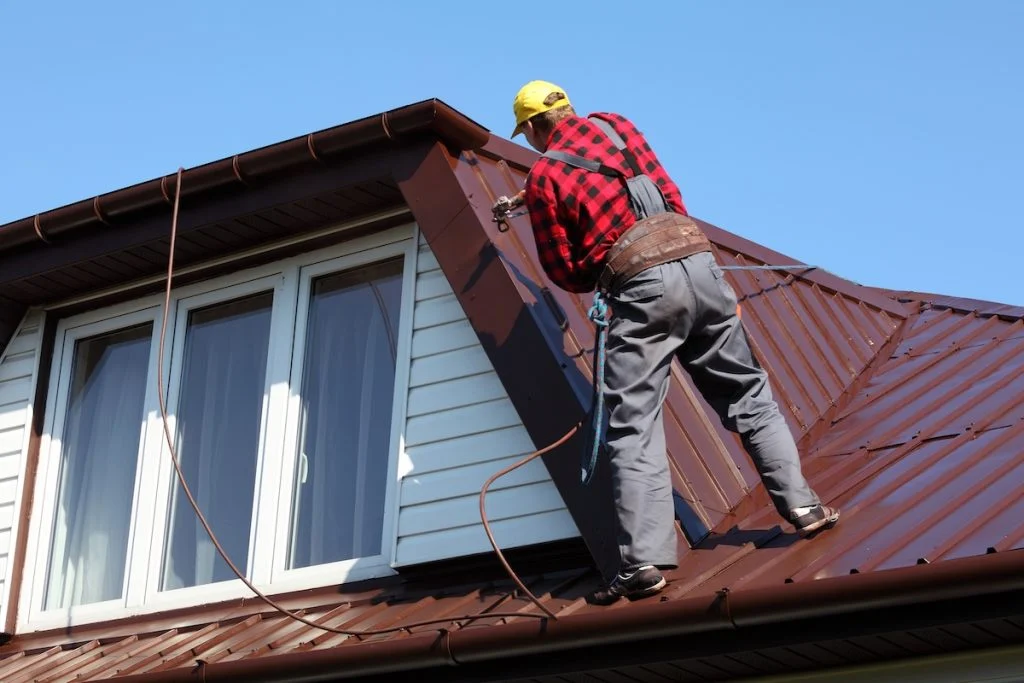
A metal roof is a durable and reliable roofing solution that offers excellent protection against changing weather conditions, moisture, and everyday environmental exposure. Its strength, longevity, and relatively low maintenance requirements make it a popular choice for residential, commercial, and industrial properties. However, even the most durable roofing systems can develop problems over time. Continuous exposure to sunlight, heavy rainfall, strong winds, temperature fluctuations, and accumulated debris can gradually affect the roof’s performance. Loose fasteners, damaged panels, deteriorating sealants, and rust formation are among the common issues that can compromise the effectiveness of a metal roofing system. Understanding how these problems develop and addressing them promptly can help property owners maintain a secure, efficient, and long-lasting roof.
- Introduction
- Understanding the Importance of Metal Roof Maintenance
- Common Problems That Affect Metal Roofing Systems
- Identifying the Early Warning Signs of Roof Damage
- Effective Methods for Repairing Metal Roof Damage
- Addressing Leaks and Protecting Vulnerable Areas
- Repairing Rust, Corrosion, and Surface Deterioration
- The Role of Fasteners, Seams, and Flashing
- When Professional Repair Services Are Necessary
- Preventive Maintenance for Long-Term Roof Performance
- Choosing Suitable Materials for Durable Repairs
- Understanding Repair Costs and Budget Planning
- Improving Energy Efficiency and Indoor Comfort
- Repair or Replace: Making the Right Decision
- Conclusion
Proper roof maintenance involves more than simply checking for visible damage. It requires an understanding of how different roofing components work together to protect the building from moisture intrusion, heat transfer, and structural deterioration. When problems are identified early, repairs are generally more manageable and less expensive than extensive restoration or complete roof replacement. Professional inspections, appropriate repair methods, and consistent maintenance practices can significantly improve the roof’s overall condition. Whether a roof has developed a minor leak or shows signs of widespread deterioration, taking a proactive approach helps preserve the building’s value and prevents avoidable damage to the interior. This article explores the most common roofing problems, effective repair methods, maintenance strategies, and important considerations for keeping a metal roof in excellent condition for years to come.
Understanding the Importance of Metal Roof Maintenance
Metal roofing systems are designed to withstand demanding environmental conditions, but their performance depends on the condition of their panels, fasteners, flashing, sealants, and drainage components. Each element serves a specific purpose, and a problem with one component can affect the entire roofing system. For example, a loose screw may allow rainwater to enter through a small opening, while deteriorating flashing around a chimney or ventilation pipe can create a pathway for moisture to reach the underlying structure. These problems may initially appear insignificant, but prolonged exposure to water can damage insulation, weaken wooden roof supports, encourage mold growth, and stain interior ceilings and walls.
Regular maintenance allows property owners to identify these concerns before they become serious. During an inspection, roofing professionals examine the surface for corrosion, loose panels, damaged protective coatings, failing sealants, and signs of water accumulation. They also assess gutters, downspouts, roof penetrations, and joints where different materials meet. This comprehensive approach helps determine whether a problem requires a simple adjustment, localized repair, or more extensive restoration. Investing in routine inspections can reduce unexpected expenses, improve energy efficiency, and extend the useful life of the roofing system. It also provides an opportunity to correct minor defects before severe weather exposes the roof to additional stress.
Common Problems That Affect Metal Roofing Systems
Metal roofs can experience several types of damage, depending on the materials used, installation quality, age, and environmental conditions. One of the most frequent concerns is water leakage, which may occur around fasteners, seams, flashing, or damaged panels. Although metal itself is generally resistant to water penetration, openings between components can allow moisture to enter when seals deteriorate or connections become loose. Wind-driven rain can make these weaknesses more noticeable, particularly when the roof has exposed fasteners or poorly maintained joints.
Corrosion is another issue that requires attention, especially when protective coatings have been scratched, worn away, or exposed to unsuitable chemicals. Rust can gradually weaken affected areas and reduce the roof’s resistance to further deterioration. Fastener failure is also common as rubber washers age, screws loosen under repeated thermal movement, and metal components expand or contract with changing temperatures. In addition, strong winds, falling branches, and accidental impacts can dent panels, lift edges, or damage the seams that help keep water out. Accumulated leaves and debris may obstruct drainage channels, creating conditions in which moisture remains on the roof longer than intended. Recognizing these problems early makes it easier to select an appropriate solution and prevent a minor defect from developing into a major roofing concern.
Identifying the Early Warning Signs of Roof Damage
Recognizing the warning signs of roofing damage is an important part of responsible property maintenance. Some problems are visible from the ground, while others require a closer examination by a trained professional. Water stains on ceilings, damp patches near exterior walls, peeling paint, and unexplained musty odors may indicate that moisture is entering through the roof. However, the location of an interior stain does not always correspond directly with the source of the leak because water can travel along roof supports, insulation, and other structural components before becoming visible indoors.
Outside the building, property owners should watch for missing or loose screws, lifted panel edges, cracked sealants, damaged flashing, and areas where the protective coating appears to be peeling. Discoloration or reddish-brown marks may indicate corrosion, while unusual dents or deformations can suggest impact damage. Excessive moisture around gutters and downspouts may also point to drainage problems that deserve further investigation. A professional inspection is particularly valuable after severe weather or when a roof begins showing several warning signs simultaneously. Rather than applying sealant to the first visible opening, an experienced roofer can trace the source of the problem and determine whether the damage affects surrounding materials. Accurate diagnosis helps ensure that repairs address the underlying cause instead of temporarily concealing the symptoms.
Effective Methods for Repairing Metal Roof Damage
The correct repair method depends on the type of roofing material, the severity of the damage, and the location of the affected area. Minor problems may require replacing a worn washer, tightening a suitable fastener, renewing a compatible sealant, or correcting a small drainage obstruction. More serious issues can involve replacing damaged panels, repairing failed seams, restoring protective coatings, or addressing deterioration in the underlying structure. Selecting the appropriate method is essential because metal roofing systems vary considerably in design, and materials that work well on one roof may be unsuitable for another.
A reliable repair process begins with a detailed assessment of the affected area. The roofer identifies the source of moisture, checks nearby components, and evaluates whether the existing materials remain structurally sound. The surface is then prepared according to the requirements of the repair product, which may involve removing dirt, loose corrosion, old sealant, or damaged coating. Suitable replacement materials are installed using methods that preserve the roof’s ability to accommodate normal expansion and contraction. After the repair, the area should be inspected to verify that the components are secure and the intended waterproofing details are intact. Depending on the roof’s design and the repair performed, additional testing may be appropriate to confirm that the problem has been resolved. Thorough workmanship is more dependable than a quick patch that ignores the surrounding roofing system.
Addressing Leaks and Protecting Vulnerable Areas
Leaks are among the most disruptive problems associated with metal roofs because water intrusion can damage both the building’s interior and its structural components. The source may be a failed fastener washer, a deteriorated seam, a punctured panel, or a poorly sealed roof penetration. Flashing around chimneys, skylights, exhaust vents, and plumbing pipes deserves particular attention because these areas involve transitions between different materials and surfaces. Even when the main roof panels remain in good condition, a weakness around one penetration can allow substantial moisture intrusion during prolonged rainfall.
Effective leak repair requires locating the actual entry point rather than assuming that the most visible water stain reveals the source. Roofing professionals inspect the surrounding panels, joints, fasteners, and flashing to identify possible pathways. Once the cause is established, the damaged component is repaired or replaced, and compatible waterproofing materials are applied where necessary. The repair must account for the roof’s expected movement so that temperature changes do not immediately create another opening. Property owners should avoid using random household adhesives or generic sealants because these products may not adhere properly to metal or withstand outdoor exposure. A carefully executed repair protects the building from recurring leaks and reduces the risk of damage to insulation, electrical components, ceilings, and other interior materials.
Repairing Rust, Corrosion, and Surface Deterioration
Although many metal roofing products include protective finishes, these coatings can deteriorate because of age, abrasion, chemical exposure, or prolonged contact with moisture. When the underlying metal becomes exposed, corrosion may develop and spread if the affected area is not treated appropriately. The severity of the damage determines whether surface preparation and recoating are sufficient or whether the affected roofing component needs replacement. Light surface corrosion may be manageable through an approved cleaning and treatment process, while extensive corrosion that has reduced the metal’s thickness can compromise structural reliability.
Before applying a protective coating, the damaged area must be assessed to determine the condition of the underlying material. Loose rust, dirt, and failing paint generally need to be removed using methods appropriate for the specific roofing product. The surface is then treated with a compatible corrosion-control product or primer, followed by a suitable coating when recommended by the manufacturer. Using incompatible materials can lead to poor adhesion, premature peeling, or chemical reactions that accelerate deterioration. It is also important to investigate why corrosion developed in the first place. Persistent moisture, blocked drainage, contact between incompatible metals, or exposure to aggressive chemicals may need to be addressed to prevent the problem from returning. When corrosion has caused perforations or significant metal loss, replacing the damaged panel is often more reliable than covering the area with paint or sealant.
The Role of Fasteners, Seams, and Flashing
Fasteners, seams, and flashing are essential components of a dependable metal roofing system. Fasteners secure panels to the supporting structure, seams connect adjacent sections, and flashing directs water away from vulnerable transitions. Because these components experience repeated movement and environmental exposure, they require careful inspection over the roof’s service life. Loose screws can create small gaps that permit water penetration, while overtightened fasteners may damage washers or distort the metal around the attachment point. Similarly, failed seams can allow water to enter between panels, especially when the roof experiences strong winds or heavy rainfall.
During repairs, the condition and compatibility of the existing hardware should be evaluated before any adjustments are made. Damaged fasteners and deteriorated washers may need replacement with components designed for the particular roofing system. Standing-seam roofs require repair techniques that preserve their locking or seaming mechanisms, whereas exposed-fastener roofs have different attachment and sealing requirements. Flashing repairs must also account for the direction of water flow and the movement of adjacent materials. Simply covering a defective joint with a thick layer of sealant may conceal the underlying problem without restoring the intended connection. Correct installation and periodic inspection help maintain watertight joints, reduce the risk of recurring leaks, and protect the roof from avoidable deterioration.
When Professional Repair Services Are Necessary
Some minor maintenance tasks can be handled by knowledgeable property owners, but many roofing problems require professional assessment and specialized equipment. Working at height presents significant safety risks, particularly when metal surfaces are wet, dusty, steep, or slippery. Panels may also be damaged by walking in unsupported areas or placing excessive weight on vulnerable sections. For these reasons, climbing onto the roof without appropriate fall protection, training, and an understanding of its structural design is not advisable.
Professional roofing contractors have the experience needed to distinguish between surface-level defects and problems that affect the roof’s supporting structure. They can assess the condition of the panels, determine the correct repair materials, and identify whether hidden moisture has damaged insulation or decking. When searching for reliable metal roof repair services, property owners should evaluate the contractor’s experience with the relevant roofing system, insurance coverage, written estimates, references, and warranty terms. A trustworthy professional explains the nature of the damage, outlines the recommended solution, and clarifies which materials and labor are included in the quotation. Comparing estimates can be helpful, but the lowest price should not automatically determine the final decision. Quality workmanship, appropriate materials, and transparent communication are important factors in achieving durable results.
Preventive Maintenance for Long-Term Roof Performance
Preventive maintenance is one of the most effective ways to protect a metal roof and reduce the likelihood of expensive repairs. A consistent inspection schedule helps property owners identify small defects before they affect larger areas. Inspections should pay particular attention to fasteners, seams, flashing, drainage channels, protective coatings, and areas around roof penetrations. The frequency of inspections depends on the roof’s age, exposure to severe weather, surrounding vegetation, and the manufacturer’s recommendations. Additional checks may be appropriate after storms, falling branches, or other events that could cause physical damage.
Keeping gutters and downspouts clear is especially important because restricted drainage can cause water to accumulate around roof edges and adjoining structures. Leaves, branches, dirt, and other debris should be removed using safe methods that do not scratch the protective finish or damage panel connections. Tree branches that repeatedly rub against the roof may need trimming, while nearby vegetation should be managed to reduce debris accumulation. Property owners should also avoid allowing incompatible metals, corrosive cleaning chemicals, or materials that trap moisture to remain in contact with the roof. Maintaining records of inspections, repairs, coating applications, and replaced components can make future maintenance more efficient. These records help identify recurring problems and provide useful information when planning repairs or evaluating the roof’s remaining service life.
Choosing Suitable Materials for Durable Repairs
Repair materials play a major role in determining how well a metal roof performs after maintenance work has been completed. Roofing products differ in their composition, thickness, surface finish, corrosion resistance, and thermal expansion characteristics. Aluminum, galvanized steel, zinc, and other metal roofing materials may require different repair products and installation techniques. A sealant or coating that performs well on one surface may not bond effectively to another, particularly when the original finish has aged or accumulated contaminants.
Before purchasing repair supplies, it is important to identify the roof material and consult the manufacturer’s technical recommendations. Compatible fasteners help reduce corrosion risks, while appropriate sealants must maintain adhesion and flexibility under changing temperatures. Protective coatings should be selected according to the substrate, existing finish, and environmental exposure. Replacement panels should match the original system as closely as practical in profile, thickness, and material compatibility. These considerations are important because a repair that introduces incompatible components can create new weaknesses even when the original damage has been addressed. Professional guidance is especially useful when the roof includes multiple materials, older coatings, or specialized panel connections. Choosing suitable products from the beginning supports better adhesion, improved weather resistance, and a longer-lasting repair.
Understanding Repair Costs and Budget Planning
The cost of repairing a metal roof depends on several factors, including the extent of the damage, accessibility, roofing material, labor requirements, and the type of repair needed. Replacing a few damaged fasteners or resealing a small area will generally require fewer resources than removing corroded panels, restoring extensive coating damage, or repairing water-damaged structural components. Roof pitch, height, safety requirements, and the availability of matching replacement materials can also influence the final price. Because each roofing system has different requirements, a professional inspection is usually necessary to develop a realistic estimate.
Property owners can make better financial decisions by requesting written quotations that explain the scope of work, materials, labor, preparation requirements, and warranty coverage. It is useful to ask whether the proposed repair addresses the root cause of the problem and whether additional damage may become visible once the affected area is opened. Although temporary patches may appear less expensive initially, repeated repairs can cost more over time if the underlying defect remains unresolved. At the same time, complete roof replacement is not always necessary when damage is limited and the surrounding materials remain in sound condition. A balanced assessment should consider the roof’s age, overall condition, previous repair history, and expected remaining service life. Planning a maintenance budget and addressing emerging problems promptly can help property owners avoid sudden expenses and make informed decisions about long-term roofing needs.
Improving Energy Efficiency and Indoor Comfort
A well-maintained metal roof can contribute to improved indoor comfort and energy efficiency when it forms part of an appropriately designed building envelope. Reflective roof finishes can reduce the amount of solar energy absorbed by the roof surface, while effective insulation and ventilation help regulate indoor temperatures. However, these benefits depend on several factors, including the roof’s color, coating, insulation level, ventilation design, and local climate. A damaged roof may undermine these advantages by allowing moisture to enter the insulation or by creating openings that affect the building’s thermal performance.
During repair work, property owners should consider whether the roofing problem has affected insulation, underlayment, or ventilation components. Wet insulation may lose some of its effectiveness and may need replacement after the source of moisture has been corrected. Damaged ventilation openings should be restored without compromising weather protection, and reflective coatings should only be applied when they are suitable for the existing roofing material. It is also important to avoid assuming that every metal roof requires the same energy-efficiency upgrades. A professional assessment can help identify improvements that offer practical benefits for the building’s design and operating conditions. Combining sound roofing repairs with appropriate insulation and ventilation measures can help maintain a comfortable indoor environment while supporting more efficient energy use.
Repair or Replace: Making the Right Decision
Deciding whether to repair a metal roof or replace it entirely requires an assessment of the damage, the age of the system, and the condition of its supporting components. Localized defects on an otherwise sound roof can often be corrected without replacing large sections. Damaged fasteners, isolated leaks, minor corrosion, and limited panel damage may be suitable for targeted repairs when the surrounding materials remain reliable. In contrast, widespread corrosion, repeated leaks across multiple areas, extensive panel deterioration, or significant structural damage may indicate that a more comprehensive solution is necessary.
The history of previous repairs is another important consideration. If the same problem repeatedly returns despite appropriate maintenance, the original cause may not have been resolved or the roofing system may have reached a stage where continued patching offers diminishing value. A qualified contractor can compare the expected cost of further repairs with the benefits of replacement and explain the long-term implications of each option. Property owners should also consider whether the roof’s existing design meets their current drainage, insulation, and performance requirements. A careful evaluation prevents unnecessary replacement while helping avoid excessive spending on a system that can no longer provide dependable protection. The objective is to select the most practical solution based on the roof’s actual condition rather than relying solely on its age or the appearance of a single damaged area.
Conclusion
Maintaining a metal roof repair requires regular attention, suitable repair materials, and a clear understanding of the problems that can develop over time. Although metal roofing systems are known for their durability, loose fasteners, deteriorating sealants, damaged flashing, corrosion, and physical impacts can gradually reduce their effectiveness. Identifying these issues early helps prevent water intrusion, protects the building’s interior, and reduces the likelihood of expensive structural repairs. Routine inspections, proper drainage, compatible coatings, and timely replacement of damaged components all contribute to a more dependable roofing system.
When a roofing problem occurs, accurate diagnosis is just as important as the repair itself. A temporary patch may offer short-term relief, but a lasting solution addresses the underlying cause and restores the affected components appropriately. Property owners should prioritize safety, choose experienced contractors when specialized work is required, and maintain records of inspections and previous repairs. By investing in preventive maintenance and making informed decisions about repair or replacement, building owners can protect their property and maximize the value of their roofing investment. Professional metal roof repair can help restore weather resistance, preserve structural integrity, and support long-term performance when the work is planned carefully and completed with materials suited to the existing roof. With consistent care and timely attention to emerging problems, a metal roof can continue to provide reliable protection and dependable service for many years.

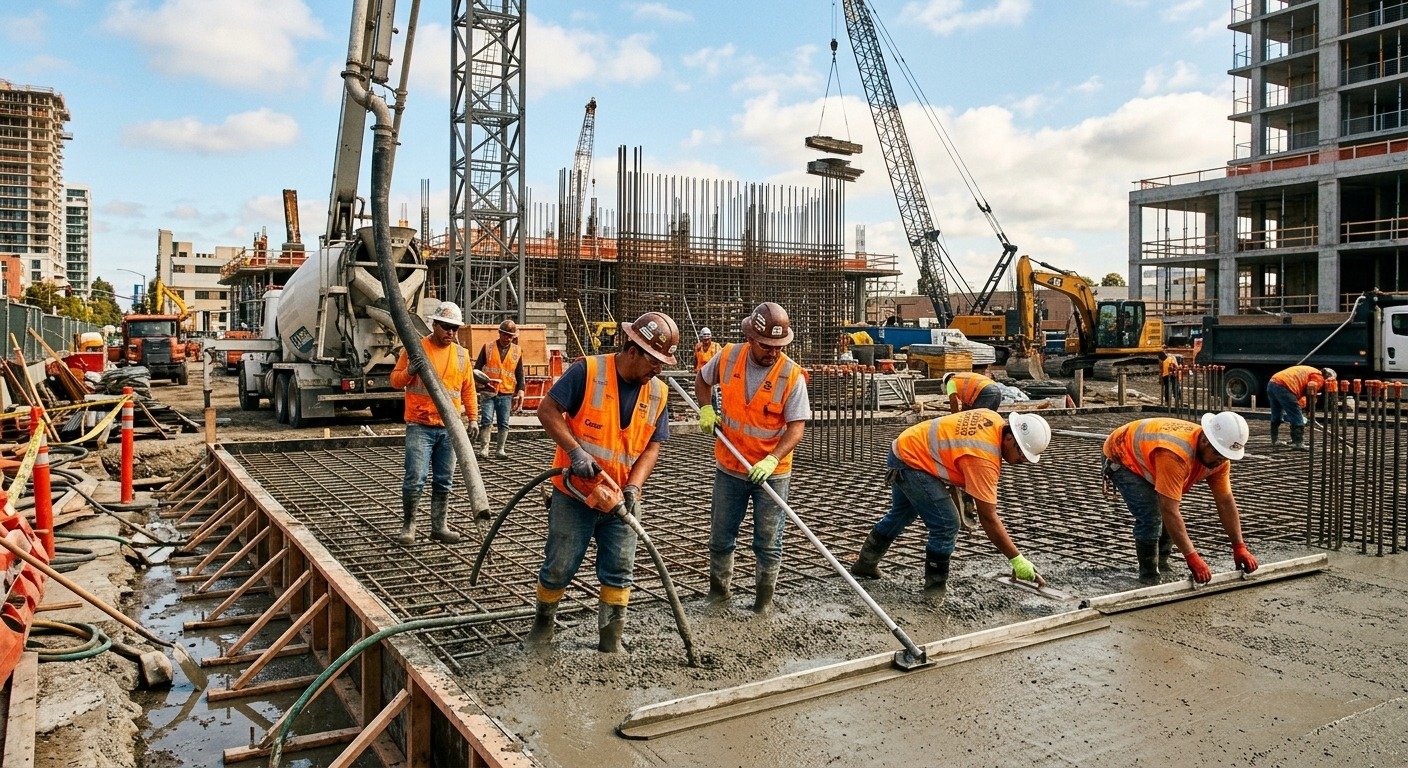
Few things transform a property’s curb appeal and long-term value quite like a well-poured concrete surface. Whether it’s a driveway that greets you every morning or a patio where summer evenings unfold, the quality of that concrete work makes all the difference. At Cesar’s Concrete, we’ve built a reputation on delivering durable, beautifully finished concrete that stands the test of time, weather, and daily wear.
Homeowners and business owners alike often underestimate how much planning, skill, and precision go into a successful concrete project. A rushed pour or an inexperienced crew can lead to cracking, uneven surfaces, and costly repairs down the line. That’s where working with a trusted team makes the real difference between a project you’re proud of and one you regret.
This post walks through what sets Cesar’s Concrete apart, the services we offer, and why choosing the right team for your next concrete project matters more than you might think.
What Services Does Cesar’s Concrete Offer?
Cesar’s Concrete handles a full range of residential and commercial concrete work. Our team has poured, finished, and repaired countless surfaces across driveways, walkways, patios, pool decks, foundations, and commercial slabs. No two properties are identical, so every project starts with an honest assessment of your space, your goals, and your budget.
We also specialize in decorative concrete finishes, including stamped patterns and exposed aggregate designs, for clients looking to add a touch of style to a functional surface. Concrete doesn’t have to be plain gray slabs anymore. With the right techniques, it can mimic stone, brick, or tile at a fraction of the cost.
Why Does Quality Concrete Work Matter So Much?
Concrete is one of those materials that looks simple on the surface but requires real expertise to get right. The mix ratio, curing time, weather conditions, and base preparation all play a role in how long a concrete surface lasts.
Poorly prepared concrete tends to crack within the first few years, while a properly installed surface can last decades with minimal maintenance. That’s a significant difference in both cost and hassle for property owners. Investing in quality work upfront nearly always pays off compared to cutting corners and dealing with repairs later.
How Does Proper Preparation Affect the Final Result?
Before a single bag of concrete is mixed, the ground beneath it needs proper grading, compaction, and drainage planning. Skipping these steps is one of the most common reasons concrete fails prematurely. Water pooling under a slab, for example, can cause heaving and cracking even if the concrete itself was poured correctly.
Our team takes the time to evaluate soil conditions and drainage patterns before starting any pour. It’s an extra step that takes more time upfront but saves clients from headaches later.
What Should You Look for in a Concrete Contractor?
Not every contractor approaches a project the same way, and that variation shows up in the final result. When evaluating who to hire, consider their experience with projects similar to yours, their willingness to provide references, and whether they offer a clear, written estimate before work begins.
A trustworthy contractor should also be transparent about timelines and potential challenges specific to your property, rather than offering vague promises just to close the deal.
Ready to Work With a Concrete Contractor Who Puts Craftsmanship First?
A concrete contractor you can trust to deliver lasting results without surprises is exactly what Cesar’s Concrete aims to be for every client we serve. From the first consultation to the final finish, our crews focus on precision, clear communication, and results that hold up for years, not just months.
We know that inviting a contractor onto your property is a decision that requires confidence. That’s why we walk clients through every stage of the process, answer questions honestly, and stand behind our work with real accountability. Our goal isn’t just to complete a job. It’s to build surfaces that make you proud to show off your property.
Whether you’re planning a brand-new driveway, repairing a cracked patio, or exploring decorative options for a commercial space, our team brings the experience and attention to detail needed to get it right the first time.
Making Your Next Concrete Project a Success
The right team for a concrete project shapes how long that investment lasts and how much enjoyment you get out of it. A well-poured driveway or patio adds real value to a property, both in appearance and in resale potential.
If you’re considering a concrete project, big or small, reach out to Cesar’s Concrete for a consultation. Our team is ready to walk through your space, answer your questions, and help you plan a project built to last.

VICTRIP Black Friday & Cyber Monday 2026: Unbeatable eBike Deals From $499

Understanding SPRAVATO Treatment Safety and Monitoring

Too Much Kid Clutter? Turn it Into a Business

Alex Pettyfer Net Worth, Wife, Age, Height, Children, Career and More

Brad Williams Net Worth, Wife, Height, Age, Daughter, Family, Career and More

Eldorado.gg Review 2026: How It Works, Safety, Fees, and Risks
-
Celebrity10 months ago
Alex Pettyfer Net Worth, Wife, Age, Height, Children, Career and More
-
Celebrity11 months ago
Brad Williams Net Worth, Wife, Height, Age, Daughter, Family, Career and More
-
Blog2 months ago
Eldorado.gg Review 2026: How It Works, Safety, Fees, and Risks
-
 Anime11 months ago
Sanzoku Bandits of One Piece: Origins, Higuma, and Their Role in Dawn Island
-
 Celebrity11 months ago
John McGinn Net Worth, Age, Height, Wife, Childrens, Career and More
-
 Celebrity11 months ago
Frances de la Tour Net Worth, Age, Height, Husband, Childrens, Career and More
-
 Celebrity11 months ago
Will Trickett Net Worth, Wife, Childrens, Age, Career and More
-
 Blog3 months ago
Crackstube: A Complete Guide to the Digital Publishing Platform