
Construction
Professional Roof Inspection: What to Expect, How It Works, and When You Need One

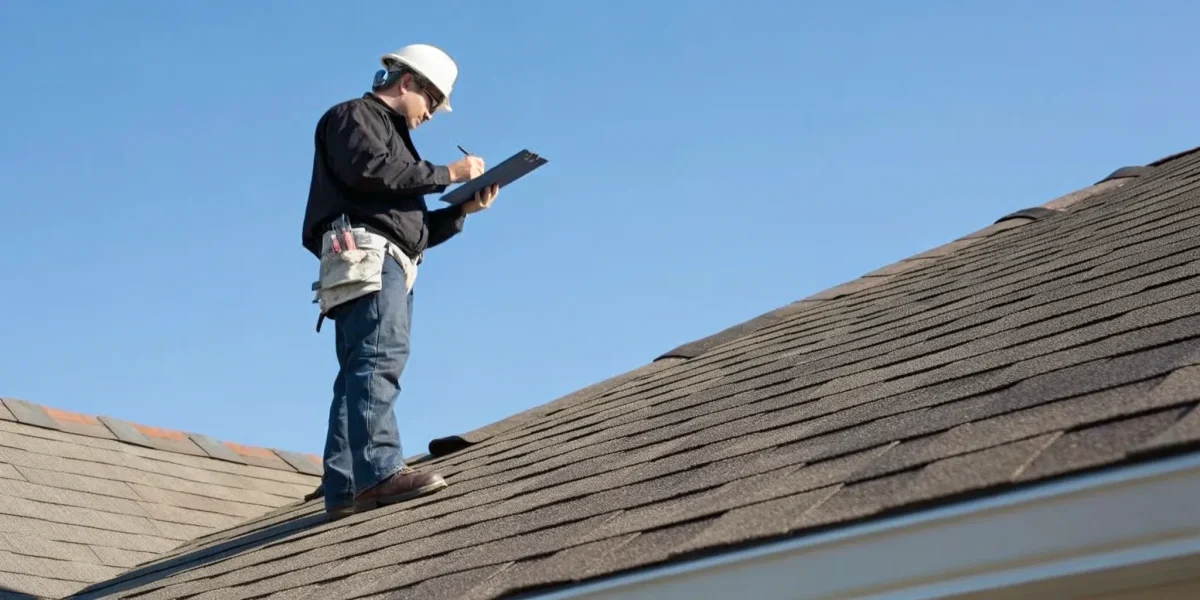
A roof is one of the most important protective components of any building, shielding the interior from rain, wind, sunlight, debris, and changing weather conditions. Because the roof is constantly exposed to the elements, small problems can gradually develop into leaks, structural deterioration, insulation issues, mold growth, and expensive repairs. Many roofing problems are difficult to notice from the ground, which makes regular inspection an important part of responsible property maintenance. A thorough roof inspection can identify early warning signs and provide valuable information about the current condition of roofing materials.
- Why Regular Roof Inspections Matter
- What a Professional Roof Inspection Includes
- Inspecting Roofing Materials
- Checking Flashing and Seals
- Evaluating Gutters and Downspouts
- Looking for Water Damage
- Roof Ventilation and Attic Conditions
- Inspecting Roof Penetrations
- Roof Inspections After Severe Weather
- Signs That a Roof Needs Attention
- Roof Inspection Before Buying a Property
- Roof Inspection Before Selling a Property
- Commercial Roof Inspections
- The Importance of Roof Maintenance
- Common Roof Inspection Mistakes
- How Often Should a Roof Be Inspected?
- Preparing for a Roof Inspection
- Understanding an Inspection Report
- Final Thoughts on Roof Inspection
A professional inspection is not limited to looking for obvious holes or missing shingles. It involves examining the roof surface, flashing, drainage system, ventilation, penetrations, structural components, and other areas that can affect performance. The goal is to determine whether the roof is functioning properly, whether damage is developing, and whether maintenance or repairs should be considered. Regular inspections can also help property owners plan future expenses rather than being surprised by an unexpected roofing emergency.
Why Regular Roof Inspections Matter
A roof can appear to be in good condition while developing problems beneath its visible surface. Water may enter through a small damaged area and travel along decking, insulation, framing, or interior finishes before becoming visible inside the building. By the time a ceiling stain appears, the original point of entry may be somewhere else.
Regular inspections provide an opportunity to identify vulnerable areas before they become major problems. Cracked flashing, deteriorated sealants, damaged roofing materials, blocked drainage components, and loose fixtures can often be addressed more easily when discovered early.
Inspections are also useful when buying or selling a property. Understanding the roof’s condition can help establish whether maintenance is needed and whether there are signs of previous repairs or ongoing deterioration.
What a Professional Roof Inspection Includes
A comprehensive roof inspection typically begins with an evaluation of the roof’s overall condition. The inspector looks for visible deterioration, damage, unusual wear, and areas where water may be entering the building.
Roofing materials are examined for cracks, curling, blistering, missing sections, loose components, or other signs of failure. The inspector may also assess the condition of valleys, ridges, edges, and areas around roof penetrations.
Flashing around chimneys, vents, skylights, walls, and other transitions receives particular attention because these areas can be vulnerable to water intrusion.
The drainage system is also reviewed. Gutters, downspouts, drains, and scuppers should be able to move water away from the roof efficiently. Standing water can accelerate deterioration and may indicate drainage problems.
Depending on the property and inspection scope, the inspector may also examine accessible attic spaces and interior areas for evidence of moisture.
Inspecting Roofing Materials
Different roofing materials have different characteristics and failure patterns. Asphalt shingles may develop curling, cracking, granule loss, or missing sections. Metal roofing can experience corrosion, loose fasteners, damaged seams, or deteriorated coatings.
Tile roofs can develop cracked or displaced tiles, while flat roofing systems may show membrane damage, seam problems, blistering, or areas of ponding water.
An inspector should evaluate the material according to its design and expected performance rather than applying the same criteria to every roof.Age is also an important factor. Roofing materials have varying service lives, and an older roof may require more frequent inspection even when it does not show obvious damage.
Checking Flashing and Seals
Flashing is designed to direct water away from vulnerable joints and transitions. It can be found around chimneys, vents, skylights, walls, roof edges, and other penetrations.
Damaged, corroded, loose, or poorly installed flashing can create pathways for water. Sealants around certain components may also deteriorate over time due to weather exposure.During an inspection, these areas should be examined carefully rather than assuming that the main roofing surface tells the complete story.
Repairs should address the underlying cause of the problem whenever possible. Simply applying additional sealant over damaged materials may provide only temporary protection.
Evaluating Gutters and Downspouts
A functioning drainage system is essential for protecting the roof and the building’s foundation. Gutters collect rainwater from sloped roof surfaces and direct it toward downspouts.
Leaves, branches, dirt, and other debris can obstruct water flow. When gutters become clogged, water may overflow onto walls, fascia, landscaping, or the foundation. Downspouts should also direct water far enough away from the building to reduce the risk of water accumulation near the foundation.
During a roof inspection, drainage components should be checked for blockages, sagging, separation, corrosion, and other problems that could prevent proper water movement.
Looking for Water Damage
Water damage can appear in many forms. Interior stains on ceilings or walls are obvious warning signs, but moisture may also cause peeling paint, damaged insulation, soft wood, musty odors, or discoloration.
In attic spaces, inspectors may look for damp insulation, water marks on roof decking, damaged rafters, or evidence of previous leaks.
Not every stain means there is an active roof leak. Condensation, plumbing problems, and older repaired leaks can produce similar evidence. The source should therefore be investigated before deciding on repairs. Identifying moisture problems early can help prevent deterioration of structural materials and interior finishes.
Roof Ventilation and Attic Conditions
Proper ventilation can help manage heat and moisture in attic spaces. Poor ventilation may contribute to condensation, excessive heat buildup, and deterioration of certain roofing and structural components.
An inspection can assess whether ventilation openings appear unobstructed and whether the attic environment shows signs of excessive moisture.
Insulation should also be evaluated when accessible. Poorly distributed insulation or ventilation problems can affect energy efficiency and contribute to temperature differences within the building.
The appropriate ventilation arrangement depends on the roof design, building construction, climate, and applicable requirements. Changes should be made carefully rather than adding vents without considering how the entire system works.
Inspecting Roof Penetrations
Every opening through a roof creates a potential vulnerability. Plumbing vents, exhaust vents, skylights, antennas, HVAC equipment, and other installations require appropriate flashing and sealing.
Inspectors should examine the areas around these penetrations for cracks, gaps, loose materials, deteriorated seals, and other signs of water entry.
Improperly installed equipment can sometimes damage roofing materials or interfere with drainage. When a leak appears near an interior fixture or ceiling penetration, the visible location should not automatically be assumed to be the source. Water can travel beneath roofing materials before entering the building.
Roof Inspections After Severe Weather
Severe weather can cause damage that is not immediately visible. High winds may loosen roofing materials, while hail or falling debris can create cracks, dents, or punctures.
After a major storm, a professional inspection can help determine whether the roof has sustained damage. This is especially useful when the roof is difficult or unsafe to access. Property owners should avoid climbing onto a roof immediately after severe weather. Wet surfaces, loose materials, and hidden structural damage can increase the risk of falls.
If branches or other debris are present, they should not be removed from unstable roof areas without appropriate precautions.
Signs That a Roof Needs Attention
Certain warning signs can indicate that an inspection is overdue. Persistent ceiling stains, unexplained moisture, damaged shingles, missing roofing components, visible cracks, sagging areas, or excessive granules in gutters can all justify further evaluation.
A sudden increase in heating or cooling costs may sometimes be related to building-envelope problems, although many other factors can contribute to energy changes.
Moss, algae, or vegetation growth may also warrant attention depending on the roofing material and environmental conditions. Growth itself does not automatically mean the roof is failing, but it can indicate persistent moisture. Unusual odors in attic areas can also suggest moisture or ventilation concerns.
Roof Inspection Before Buying a Property
A roof inspection can be particularly valuable during a property purchase. Replacing or repairing a roof can represent a significant expense, so understanding its condition before completing a transaction can help buyers make informed decisions.
The inspection should consider the roof’s approximate age, visible condition, previous repairs, drainage, flashing, ventilation, and evidence of moisture.
Buyers should also ask whether inspection documentation or maintenance records are available. Previous repair history can provide useful context about recurring problems.An inspection report should distinguish between immediate concerns, routine maintenance recommendations, and longer-term considerations.
Roof Inspection Before Selling a Property
Sellers can also benefit from understanding roof condition before listing a property. Discovering problems in advance provides an opportunity to address appropriate repairs or disclose known issues accurately.
A pre-sale inspection can help identify damaged materials, drainage problems, deteriorated flashing, or other concerns that might otherwise emerge during a buyer’s inspection.
Knowing the roof’s condition can also make discussions with prospective buyers more straightforward. Documentation of completed maintenance and repairs may provide useful information about the property’s upkeep.
Commercial Roof Inspections
Commercial roofs can have different designs and maintenance requirements from residential roofs. Large flat or low-slope systems may contain extensive membranes, drainage assemblies, mechanical equipment, penetrations, and rooftop installations.
Regular inspection is important because water can accumulate on low-slope surfaces when drainage systems become blocked or inadequate.
Commercial property owners and facility managers should maintain records of inspections and repairs. Documentation can help identify recurring problems and support long-term maintenance planning.Scheduled inspections can also reduce the likelihood of unexpected disruptions caused by roof leaks or structural deterioration.
The Importance of Roof Maintenance
Inspection and maintenance work together. An inspection identifies conditions that may require attention, while maintenance helps preserve the roof and prevent avoidable deterioration.
Routine maintenance may include cleaning drainage systems, removing appropriate debris, checking accessible flashing, maintaining roof-related equipment, and addressing minor defects when recommended.
However, maintenance should not involve unsafe roof access or inappropriate repairs. Some tasks require specialized equipment and training.
Property owners should follow professional recommendations and manufacturer requirements when maintaining roofing systems.
Common Roof Inspection Mistakes
One common mistake is inspecting only the roof surface. Important problems can occur around flashing, penetrations, drainage components, attic spaces, and structural areas.Another mistake is assuming that a ceiling stain identifies the exact location of a roof leak. Water can travel considerable distances before becoming visible.
Ignoring small defects can also lead to larger repair costs. A damaged flashing component or loose roofing material may become a significant source of water intrusion if left unattended.Some property owners also attempt to inspect steep or elevated roofs without proper safety equipment. Falls are among the most serious risks associated with roof work, so inaccessible or hazardous areas should be handled by qualified professionals.
How Often Should a Roof Be Inspected?
Inspection frequency depends on factors such as roof age, material, weather exposure, building design, previous repair history, and environmental conditions.
A newer roof may require routine inspection as part of general maintenance, while an older roof may benefit from more frequent evaluation.
Additional inspections can be appropriate after severe weather or when signs of leakage appear. Rather than relying solely on a fixed schedule, property owners should consider the roof’s specific condition and maintenance history. Professional recommendations can help establish an appropriate inspection plan.
Preparing for a Roof Inspection
Before an inspection, property owners can make relevant information available to the inspector. Roofing installation records, warranties, previous inspection reports, and repair documentation can provide useful background.Interior signs of moisture should also be identified. If occupants have noticed stains, leaks, unusual odors, or changes in attic conditions, these observations should be communicated.
Outdoor areas around the building should remain accessible so the inspector can examine drainage, exterior walls, roof edges, and other relevant components.Clear communication can help ensure that concerns are investigated rather than overlooked.
Understanding an Inspection Report
A professional roof inspection report should provide useful information about observed conditions. Depending on the inspection scope, it may include photographs, descriptions of damage, maintenance recommendations, and notes about areas that could not be safely accessed.
Property owners should distinguish between normal aging and conditions that require immediate repair. Not every imperfection means the roof needs replacement.When repairs are recommended, it is useful to understand their purpose and urgency. Questions about the estimated remaining service life, recurring problems, or potential consequences of delaying repairs can help with maintenance planning.A clear report can turn an inspection into a practical roadmap for managing the roof over time.
Final Thoughts on Roof Inspection
A roof inspection is an important preventive measure that can help property owners understand the condition of one of the building’s most critical protective systems. Roofing problems often begin with relatively small defects, and early identification can provide more opportunities to address them before they develop into extensive damage.
A thorough inspection should evaluate roofing materials, flashing, drainage, penetrations, ventilation, accessible attic areas, and signs of water intrusion. The roof’s age, material, construction, maintenance history, and exposure to severe weather should also be considered.
Property owners should pay attention to warning signs such as leaks, ceiling stains, damaged roofing materials, blocked gutters, sagging areas, unusual attic moisture, and visible deterioration. However, visible symptoms do not always reveal the source of a problem, which is why professional assessment can be valuable.
Regular maintenance following an inspection can extend the useful performance of a roofing system and help prevent avoidable damage. After severe weather, an additional inspection may also be appropriate, particularly when there is visible debris or suspected damage.
Most importantly, roof inspections should be approached with safety in mind. Steep, elevated, wet, or damaged roofs can be hazardous, and property owners should not attempt risky inspections themselves. Qualified professionals have the training and equipment needed to evaluate difficult areas more safely.
With consistent inspections, timely maintenance, and appropriate repairs, property owners can protect their buildings from preventable roofing problems and make more informed decisions about long-term roof care.


Finding the right SSSTS Course Online means looking beyond the first price you see. You’ll want training that fits around your job, a clear explanation of what you’re paying for and feedback from previous learners. With several providers offering similar courses, comparing those details can help you make a confident decision.
- What Is the SSSTS Course?
- Five Online SSSTS Providers at a Glance
- 1. High Aims Training
- 2. SAMS
- 3. Skills Training Group
- 4. Target Zero Training
- 5. Knight Learning
- Would an Online SSSTS Weekend Booking Suit You?
- Plan Ahead for Your SSSTS Refresher Course
- Frequently Asked Questions About the SSSTS Course Online
This guest article for High Aims Training compares five UK providers using advertised prices, Google Maps business ratings and attendance options. The information reflects checks made on 20 October 2026, so confirm current prices and availability before booking.
What Is the SSSTS Course?
The Site Supervision Safety Training Scheme is a two-day CITB course for existing and aspiring construction site supervisors. It covers supervisory responsibilities, controlling workplace risks and communicating safety requirements. Successful certification is valid for five years. CITB course information
Taking on a supervisory role brings responsibilities that go beyond completing your own work safely. You may need to brief workers, recognise changing conditions and raise concerns before a problem develops. The SSSTS Course gives you an opportunity to explore those responsibilities and ask questions about situations you encounter on site.
Five Online SSSTS Providers at a Glance
| Provider | Advertised price including VAT | Google Maps business rating |
| High Aims Training | From £194.99 | 5.0/5 — 842 reviews |
| SAMS | £264 | 5.0/5 — 602 reviews |
| Skills Training Group | £238.80 | 4.9/5 — 434 reviews |
| Target Zero Training | From £238.80 on selected dates | 4.8/5 — 163 reviews |
| Knight Learning | £238.80 | 4.8/5 — 349 reviews |
The ratings were retrieved through a Maps data service and cover the named businesses, including reviews of other training. This is an editorial shortlist rather than an assessment of every UK provider.
1. High Aims Training
High Aims Training is a good option if you’re looking for an affordable course that fits around your working week. Its SSSTS Course Online starts from £194.99, including VAT, the examination and certification, the lowest advertised total among these five providers when checked. The provider states that there are no hidden charges, so you can budget with a clear idea of the full cost. Training takes place live through Zoom, with weekend classes available, making it easier to attend without travelling to a centre or taking weekdays away from work.
Learners can contact centre staff through WhatsApp 24 hours a day, seven days a week. Support is also available from qualified tutors before, during and after the course, giving you the chance to ask questions as you prepare, work through the training and put what you have learnt into practice.
High Aims Training also has a physical centre in London, providing a local point of contact alongside its online courses. Across its wider training provision, it works with more than five awarding bodies regulated by Ofqual.
The provider reports more than 800 five-star reviews and thousands of satisfied customers. Together with its competitive pricing and ongoing learner support, this gives prospective learners more to consider alongside the course fee. The review total in the comparison table refers to all Google Maps business reviews, rather than five-star reviews alone.
Before booking, check the available dates, joining times and equipment requirements so you’re ready for both days. Although you’ll be learning from home, you’ll need a quiet space, a reliable internet connection and time free from work calls or other interruptions to take part fully.
2. SAMS
Safety & Management Solutions, usually known as SAMS, advertises its online SSSTS course at £220 plus VAT, bringing the total to £264. Its Google Maps business listing showed 5.0 out of 5 from 602 reviews, making it another provider worth considering alongside your preferred dates and budget.
SAMS also states that learners can attend through Zoom from anywhere in the world, while explaining the qualification’s UK employment context. That clarity is helpful if you’re joining from overseas, although you should still confirm identification requirements, assessment arrangements and joining times in your local time zone. SAMS course details
3. Skills Training Group
Skills Training Group lists its full online SSSTS course at £199 plus VAT, or £238.80 altogether. Its Paisley business listing showed 4.9 out of 5 from 434 reviews, giving learners another option to compare on price and business feedback.
When checking availability, ask how you’ll receive the learning materials and what support is available if you have trouble joining. Getting those details beforehand can make the first morning easier, especially if this will be your first live online course. Choose a session you can attend properly rather than booking a date simply because it is available.
4. Target Zero Training
Target Zero’s advertised prices show why it pays to check individual dates. An online session on 21–22 October 2026 was listed at £199 plus VAT, making the total £238.80, while several later online dates were £249 plus VAT, or £298.80. Its Chelmsford business listing showed 4.8 out of 5 from 163 reviews.
A discounted session is only useful if you can attend it. Compare the total for your preferred date, particularly when looking for weekend training, and review the cancellation or transfer terms before committing.
5. Knight Learning
Knight Learning advertises online SSSTS options at £199 plus VAT, giving a total of £238.80. Its London business listing showed 4.8 out of 5 from 349 reviews. As with the other providers, reading recent comments can give you more context than the overall rating alone.
Knight explains that its CITB courses are delivered by accredited partner providers. Before booking, ask which organisation will teach your session and who handles assessment, certificates and follow-up questions. Knowing this from the outset helps you understand the booking arrangement. Knight’s delivery information
Would an Online SSSTS Weekend Booking Suit You?
An SSSTS Weekend course can be useful when taking weekdays away from work would be difficult. Taking your SSSTS weekend online also removes the journey to a training centre, helping you organise attendance around your existing commitments.
Keep both training days clear, however. Trying to follow a lesson while answering work calls or dealing with site problems makes learning harder. Test your connection, camera and microphone beforehand, and bring a few questions from your own experience. Discussing familiar situations can help you connect the teaching with your daily responsibilities.
Plan Ahead for Your SSSTS Refresher Course
Once qualified, keep a note of your certificate’s expiry date. The one-day refresher gives eligible certificate holders an opportunity to update their knowledge and revisit supervisory responsibilities. Plan renewal before expiry rather than assuming a suitable session will be available at short notice. CITB refresher guidance
High Aims Training has a dedicated SSSTS Refresher Course page where you can check delivery information and enquire about dates. Setting a reminder several months ahead gives you time to confirm eligibility and find a booking that works.
Frequently Asked Questions About the SSSTS Course Online
Can I take the SSSTS Course Online?
Yes. CITB allows remote delivery. You must attend the scheduled teaching and meet the assessment requirements.
Which provider is cheapest in this comparison?
High Aims Training had the lowest advertised total among these five options, from £194.99 including VAT. Confirm the current price for your chosen date.
Is SSSTS weekend online training self-paced?
No. These are live courses with set attendance times. You need to be available throughout the scheduled sessions.
What should I check before paying?
Confirm the total price, course inclusions, cancellation terms and equipment requirements. Read recent reviews and check who will deliver the training.
When should I book my SSSTS Refresher Course?
Arrange renewal before your certificate expires. Contact the provider early to confirm eligibility and find a suitable date.
If High Aims Training’s price, weekend options and learner support suit your circumstances, check its current course information and speak to the team before booking. Confirm the dates and joining requirements, then choose a session you can attend fully and give yourself time to prepare.

Introduction
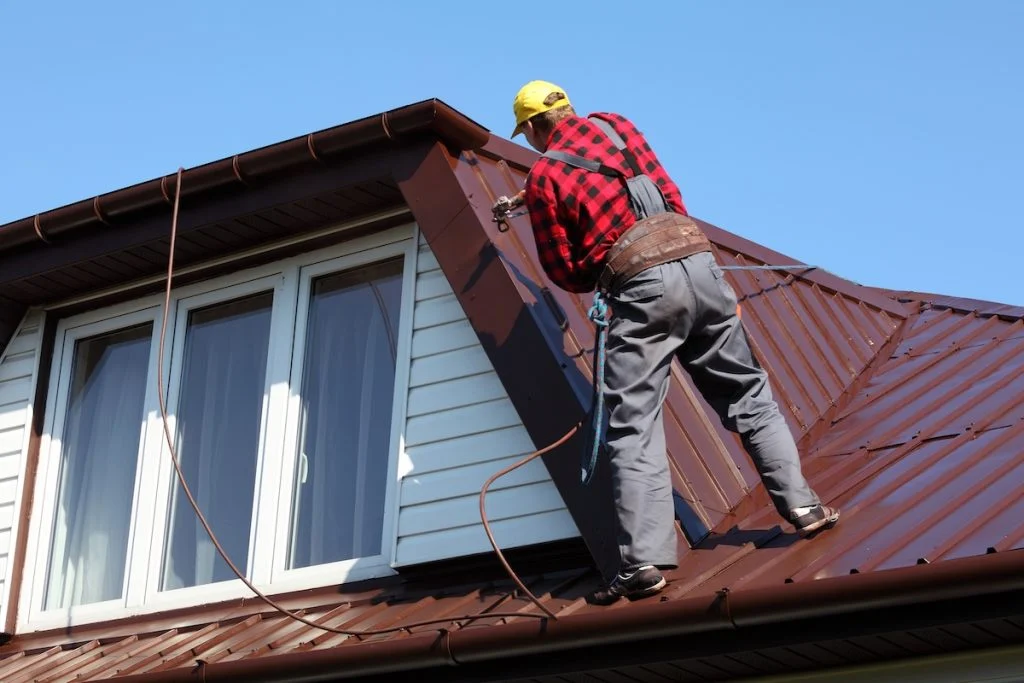
A metal roof is a durable and reliable roofing solution that offers excellent protection against changing weather conditions, moisture, and everyday environmental exposure. Its strength, longevity, and relatively low maintenance requirements make it a popular choice for residential, commercial, and industrial properties. However, even the most durable roofing systems can develop problems over time. Continuous exposure to sunlight, heavy rainfall, strong winds, temperature fluctuations, and accumulated debris can gradually affect the roof’s performance. Loose fasteners, damaged panels, deteriorating sealants, and rust formation are among the common issues that can compromise the effectiveness of a metal roofing system. Understanding how these problems develop and addressing them promptly can help property owners maintain a secure, efficient, and long-lasting roof.
- Introduction
- Understanding the Importance of Metal Roof Maintenance
- Common Problems That Affect Metal Roofing Systems
- Identifying the Early Warning Signs of Roof Damage
- Effective Methods for Repairing Metal Roof Damage
- Addressing Leaks and Protecting Vulnerable Areas
- Repairing Rust, Corrosion, and Surface Deterioration
- The Role of Fasteners, Seams, and Flashing
- When Professional Repair Services Are Necessary
- Preventive Maintenance for Long-Term Roof Performance
- Choosing Suitable Materials for Durable Repairs
- Understanding Repair Costs and Budget Planning
- Improving Energy Efficiency and Indoor Comfort
- Repair or Replace: Making the Right Decision
- Conclusion
Proper roof maintenance involves more than simply checking for visible damage. It requires an understanding of how different roofing components work together to protect the building from moisture intrusion, heat transfer, and structural deterioration. When problems are identified early, repairs are generally more manageable and less expensive than extensive restoration or complete roof replacement. Professional inspections, appropriate repair methods, and consistent maintenance practices can significantly improve the roof’s overall condition. Whether a roof has developed a minor leak or shows signs of widespread deterioration, taking a proactive approach helps preserve the building’s value and prevents avoidable damage to the interior. This article explores the most common roofing problems, effective repair methods, maintenance strategies, and important considerations for keeping a metal roof in excellent condition for years to come.
Understanding the Importance of Metal Roof Maintenance
Metal roofing systems are designed to withstand demanding environmental conditions, but their performance depends on the condition of their panels, fasteners, flashing, sealants, and drainage components. Each element serves a specific purpose, and a problem with one component can affect the entire roofing system. For example, a loose screw may allow rainwater to enter through a small opening, while deteriorating flashing around a chimney or ventilation pipe can create a pathway for moisture to reach the underlying structure. These problems may initially appear insignificant, but prolonged exposure to water can damage insulation, weaken wooden roof supports, encourage mold growth, and stain interior ceilings and walls.
Regular maintenance allows property owners to identify these concerns before they become serious. During an inspection, roofing professionals examine the surface for corrosion, loose panels, damaged protective coatings, failing sealants, and signs of water accumulation. They also assess gutters, downspouts, roof penetrations, and joints where different materials meet. This comprehensive approach helps determine whether a problem requires a simple adjustment, localized repair, or more extensive restoration. Investing in routine inspections can reduce unexpected expenses, improve energy efficiency, and extend the useful life of the roofing system. It also provides an opportunity to correct minor defects before severe weather exposes the roof to additional stress.
Common Problems That Affect Metal Roofing Systems
Metal roofs can experience several types of damage, depending on the materials used, installation quality, age, and environmental conditions. One of the most frequent concerns is water leakage, which may occur around fasteners, seams, flashing, or damaged panels. Although metal itself is generally resistant to water penetration, openings between components can allow moisture to enter when seals deteriorate or connections become loose. Wind-driven rain can make these weaknesses more noticeable, particularly when the roof has exposed fasteners or poorly maintained joints.
Corrosion is another issue that requires attention, especially when protective coatings have been scratched, worn away, or exposed to unsuitable chemicals. Rust can gradually weaken affected areas and reduce the roof’s resistance to further deterioration. Fastener failure is also common as rubber washers age, screws loosen under repeated thermal movement, and metal components expand or contract with changing temperatures. In addition, strong winds, falling branches, and accidental impacts can dent panels, lift edges, or damage the seams that help keep water out. Accumulated leaves and debris may obstruct drainage channels, creating conditions in which moisture remains on the roof longer than intended. Recognizing these problems early makes it easier to select an appropriate solution and prevent a minor defect from developing into a major roofing concern.
Identifying the Early Warning Signs of Roof Damage
Recognizing the warning signs of roofing damage is an important part of responsible property maintenance. Some problems are visible from the ground, while others require a closer examination by a trained professional. Water stains on ceilings, damp patches near exterior walls, peeling paint, and unexplained musty odors may indicate that moisture is entering through the roof. However, the location of an interior stain does not always correspond directly with the source of the leak because water can travel along roof supports, insulation, and other structural components before becoming visible indoors.
Outside the building, property owners should watch for missing or loose screws, lifted panel edges, cracked sealants, damaged flashing, and areas where the protective coating appears to be peeling. Discoloration or reddish-brown marks may indicate corrosion, while unusual dents or deformations can suggest impact damage. Excessive moisture around gutters and downspouts may also point to drainage problems that deserve further investigation. A professional inspection is particularly valuable after severe weather or when a roof begins showing several warning signs simultaneously. Rather than applying sealant to the first visible opening, an experienced roofer can trace the source of the problem and determine whether the damage affects surrounding materials. Accurate diagnosis helps ensure that repairs address the underlying cause instead of temporarily concealing the symptoms.
Effective Methods for Repairing Metal Roof Damage
The correct repair method depends on the type of roofing material, the severity of the damage, and the location of the affected area. Minor problems may require replacing a worn washer, tightening a suitable fastener, renewing a compatible sealant, or correcting a small drainage obstruction. More serious issues can involve replacing damaged panels, repairing failed seams, restoring protective coatings, or addressing deterioration in the underlying structure. Selecting the appropriate method is essential because metal roofing systems vary considerably in design, and materials that work well on one roof may be unsuitable for another.
A reliable repair process begins with a detailed assessment of the affected area. The roofer identifies the source of moisture, checks nearby components, and evaluates whether the existing materials remain structurally sound. The surface is then prepared according to the requirements of the repair product, which may involve removing dirt, loose corrosion, old sealant, or damaged coating. Suitable replacement materials are installed using methods that preserve the roof’s ability to accommodate normal expansion and contraction. After the repair, the area should be inspected to verify that the components are secure and the intended waterproofing details are intact. Depending on the roof’s design and the repair performed, additional testing may be appropriate to confirm that the problem has been resolved. Thorough workmanship is more dependable than a quick patch that ignores the surrounding roofing system.
Addressing Leaks and Protecting Vulnerable Areas
Leaks are among the most disruptive problems associated with metal roofs because water intrusion can damage both the building’s interior and its structural components. The source may be a failed fastener washer, a deteriorated seam, a punctured panel, or a poorly sealed roof penetration. Flashing around chimneys, skylights, exhaust vents, and plumbing pipes deserves particular attention because these areas involve transitions between different materials and surfaces. Even when the main roof panels remain in good condition, a weakness around one penetration can allow substantial moisture intrusion during prolonged rainfall.
Effective leak repair requires locating the actual entry point rather than assuming that the most visible water stain reveals the source. Roofing professionals inspect the surrounding panels, joints, fasteners, and flashing to identify possible pathways. Once the cause is established, the damaged component is repaired or replaced, and compatible waterproofing materials are applied where necessary. The repair must account for the roof’s expected movement so that temperature changes do not immediately create another opening. Property owners should avoid using random household adhesives or generic sealants because these products may not adhere properly to metal or withstand outdoor exposure. A carefully executed repair protects the building from recurring leaks and reduces the risk of damage to insulation, electrical components, ceilings, and other interior materials.
Repairing Rust, Corrosion, and Surface Deterioration
Although many metal roofing products include protective finishes, these coatings can deteriorate because of age, abrasion, chemical exposure, or prolonged contact with moisture. When the underlying metal becomes exposed, corrosion may develop and spread if the affected area is not treated appropriately. The severity of the damage determines whether surface preparation and recoating are sufficient or whether the affected roofing component needs replacement. Light surface corrosion may be manageable through an approved cleaning and treatment process, while extensive corrosion that has reduced the metal’s thickness can compromise structural reliability.
Before applying a protective coating, the damaged area must be assessed to determine the condition of the underlying material. Loose rust, dirt, and failing paint generally need to be removed using methods appropriate for the specific roofing product. The surface is then treated with a compatible corrosion-control product or primer, followed by a suitable coating when recommended by the manufacturer. Using incompatible materials can lead to poor adhesion, premature peeling, or chemical reactions that accelerate deterioration. It is also important to investigate why corrosion developed in the first place. Persistent moisture, blocked drainage, contact between incompatible metals, or exposure to aggressive chemicals may need to be addressed to prevent the problem from returning. When corrosion has caused perforations or significant metal loss, replacing the damaged panel is often more reliable than covering the area with paint or sealant.
The Role of Fasteners, Seams, and Flashing
Fasteners, seams, and flashing are essential components of a dependable metal roofing system. Fasteners secure panels to the supporting structure, seams connect adjacent sections, and flashing directs water away from vulnerable transitions. Because these components experience repeated movement and environmental exposure, they require careful inspection over the roof’s service life. Loose screws can create small gaps that permit water penetration, while overtightened fasteners may damage washers or distort the metal around the attachment point. Similarly, failed seams can allow water to enter between panels, especially when the roof experiences strong winds or heavy rainfall.
During repairs, the condition and compatibility of the existing hardware should be evaluated before any adjustments are made. Damaged fasteners and deteriorated washers may need replacement with components designed for the particular roofing system. Standing-seam roofs require repair techniques that preserve their locking or seaming mechanisms, whereas exposed-fastener roofs have different attachment and sealing requirements. Flashing repairs must also account for the direction of water flow and the movement of adjacent materials. Simply covering a defective joint with a thick layer of sealant may conceal the underlying problem without restoring the intended connection. Correct installation and periodic inspection help maintain watertight joints, reduce the risk of recurring leaks, and protect the roof from avoidable deterioration.
When Professional Repair Services Are Necessary
Some minor maintenance tasks can be handled by knowledgeable property owners, but many roofing problems require professional assessment and specialized equipment. Working at height presents significant safety risks, particularly when metal surfaces are wet, dusty, steep, or slippery. Panels may also be damaged by walking in unsupported areas or placing excessive weight on vulnerable sections. For these reasons, climbing onto the roof without appropriate fall protection, training, and an understanding of its structural design is not advisable.
Professional roofing contractors have the experience needed to distinguish between surface-level defects and problems that affect the roof’s supporting structure. They can assess the condition of the panels, determine the correct repair materials, and identify whether hidden moisture has damaged insulation or decking. When searching for reliable metal roof repair services, property owners should evaluate the contractor’s experience with the relevant roofing system, insurance coverage, written estimates, references, and warranty terms. A trustworthy professional explains the nature of the damage, outlines the recommended solution, and clarifies which materials and labor are included in the quotation. Comparing estimates can be helpful, but the lowest price should not automatically determine the final decision. Quality workmanship, appropriate materials, and transparent communication are important factors in achieving durable results.
Preventive Maintenance for Long-Term Roof Performance
Preventive maintenance is one of the most effective ways to protect a metal roof and reduce the likelihood of expensive repairs. A consistent inspection schedule helps property owners identify small defects before they affect larger areas. Inspections should pay particular attention to fasteners, seams, flashing, drainage channels, protective coatings, and areas around roof penetrations. The frequency of inspections depends on the roof’s age, exposure to severe weather, surrounding vegetation, and the manufacturer’s recommendations. Additional checks may be appropriate after storms, falling branches, or other events that could cause physical damage.
Keeping gutters and downspouts clear is especially important because restricted drainage can cause water to accumulate around roof edges and adjoining structures. Leaves, branches, dirt, and other debris should be removed using safe methods that do not scratch the protective finish or damage panel connections. Tree branches that repeatedly rub against the roof may need trimming, while nearby vegetation should be managed to reduce debris accumulation. Property owners should also avoid allowing incompatible metals, corrosive cleaning chemicals, or materials that trap moisture to remain in contact with the roof. Maintaining records of inspections, repairs, coating applications, and replaced components can make future maintenance more efficient. These records help identify recurring problems and provide useful information when planning repairs or evaluating the roof’s remaining service life.
Choosing Suitable Materials for Durable Repairs
Repair materials play a major role in determining how well a metal roof performs after maintenance work has been completed. Roofing products differ in their composition, thickness, surface finish, corrosion resistance, and thermal expansion characteristics. Aluminum, galvanized steel, zinc, and other metal roofing materials may require different repair products and installation techniques. A sealant or coating that performs well on one surface may not bond effectively to another, particularly when the original finish has aged or accumulated contaminants.
Before purchasing repair supplies, it is important to identify the roof material and consult the manufacturer’s technical recommendations. Compatible fasteners help reduce corrosion risks, while appropriate sealants must maintain adhesion and flexibility under changing temperatures. Protective coatings should be selected according to the substrate, existing finish, and environmental exposure. Replacement panels should match the original system as closely as practical in profile, thickness, and material compatibility. These considerations are important because a repair that introduces incompatible components can create new weaknesses even when the original damage has been addressed. Professional guidance is especially useful when the roof includes multiple materials, older coatings, or specialized panel connections. Choosing suitable products from the beginning supports better adhesion, improved weather resistance, and a longer-lasting repair.
Understanding Repair Costs and Budget Planning
The cost of repairing a metal roof depends on several factors, including the extent of the damage, accessibility, roofing material, labor requirements, and the type of repair needed. Replacing a few damaged fasteners or resealing a small area will generally require fewer resources than removing corroded panels, restoring extensive coating damage, or repairing water-damaged structural components. Roof pitch, height, safety requirements, and the availability of matching replacement materials can also influence the final price. Because each roofing system has different requirements, a professional inspection is usually necessary to develop a realistic estimate.
Property owners can make better financial decisions by requesting written quotations that explain the scope of work, materials, labor, preparation requirements, and warranty coverage. It is useful to ask whether the proposed repair addresses the root cause of the problem and whether additional damage may become visible once the affected area is opened. Although temporary patches may appear less expensive initially, repeated repairs can cost more over time if the underlying defect remains unresolved. At the same time, complete roof replacement is not always necessary when damage is limited and the surrounding materials remain in sound condition. A balanced assessment should consider the roof’s age, overall condition, previous repair history, and expected remaining service life. Planning a maintenance budget and addressing emerging problems promptly can help property owners avoid sudden expenses and make informed decisions about long-term roofing needs.
Improving Energy Efficiency and Indoor Comfort
A well-maintained metal roof can contribute to improved indoor comfort and energy efficiency when it forms part of an appropriately designed building envelope. Reflective roof finishes can reduce the amount of solar energy absorbed by the roof surface, while effective insulation and ventilation help regulate indoor temperatures. However, these benefits depend on several factors, including the roof’s color, coating, insulation level, ventilation design, and local climate. A damaged roof may undermine these advantages by allowing moisture to enter the insulation or by creating openings that affect the building’s thermal performance.
During repair work, property owners should consider whether the roofing problem has affected insulation, underlayment, or ventilation components. Wet insulation may lose some of its effectiveness and may need replacement after the source of moisture has been corrected. Damaged ventilation openings should be restored without compromising weather protection, and reflective coatings should only be applied when they are suitable for the existing roofing material. It is also important to avoid assuming that every metal roof requires the same energy-efficiency upgrades. A professional assessment can help identify improvements that offer practical benefits for the building’s design and operating conditions. Combining sound roofing repairs with appropriate insulation and ventilation measures can help maintain a comfortable indoor environment while supporting more efficient energy use.
Repair or Replace: Making the Right Decision
Deciding whether to repair a metal roof or replace it entirely requires an assessment of the damage, the age of the system, and the condition of its supporting components. Localized defects on an otherwise sound roof can often be corrected without replacing large sections. Damaged fasteners, isolated leaks, minor corrosion, and limited panel damage may be suitable for targeted repairs when the surrounding materials remain reliable. In contrast, widespread corrosion, repeated leaks across multiple areas, extensive panel deterioration, or significant structural damage may indicate that a more comprehensive solution is necessary.
The history of previous repairs is another important consideration. If the same problem repeatedly returns despite appropriate maintenance, the original cause may not have been resolved or the roofing system may have reached a stage where continued patching offers diminishing value. A qualified contractor can compare the expected cost of further repairs with the benefits of replacement and explain the long-term implications of each option. Property owners should also consider whether the roof’s existing design meets their current drainage, insulation, and performance requirements. A careful evaluation prevents unnecessary replacement while helping avoid excessive spending on a system that can no longer provide dependable protection. The objective is to select the most practical solution based on the roof’s actual condition rather than relying solely on its age or the appearance of a single damaged area.
Conclusion
Maintaining a metal roof repair requires regular attention, suitable repair materials, and a clear understanding of the problems that can develop over time. Although metal roofing systems are known for their durability, loose fasteners, deteriorating sealants, damaged flashing, corrosion, and physical impacts can gradually reduce their effectiveness. Identifying these issues early helps prevent water intrusion, protects the building’s interior, and reduces the likelihood of expensive structural repairs. Routine inspections, proper drainage, compatible coatings, and timely replacement of damaged components all contribute to a more dependable roofing system.
When a roofing problem occurs, accurate diagnosis is just as important as the repair itself. A temporary patch may offer short-term relief, but a lasting solution addresses the underlying cause and restores the affected components appropriately. Property owners should prioritize safety, choose experienced contractors when specialized work is required, and maintain records of inspections and previous repairs. By investing in preventive maintenance and making informed decisions about repair or replacement, building owners can protect their property and maximize the value of their roofing investment. Professional metal roof repair can help restore weather resistance, preserve structural integrity, and support long-term performance when the work is planned carefully and completed with materials suited to the existing roof. With consistent care and timely attention to emerging problems, a metal roof can continue to provide reliable protection and dependable service for many years.

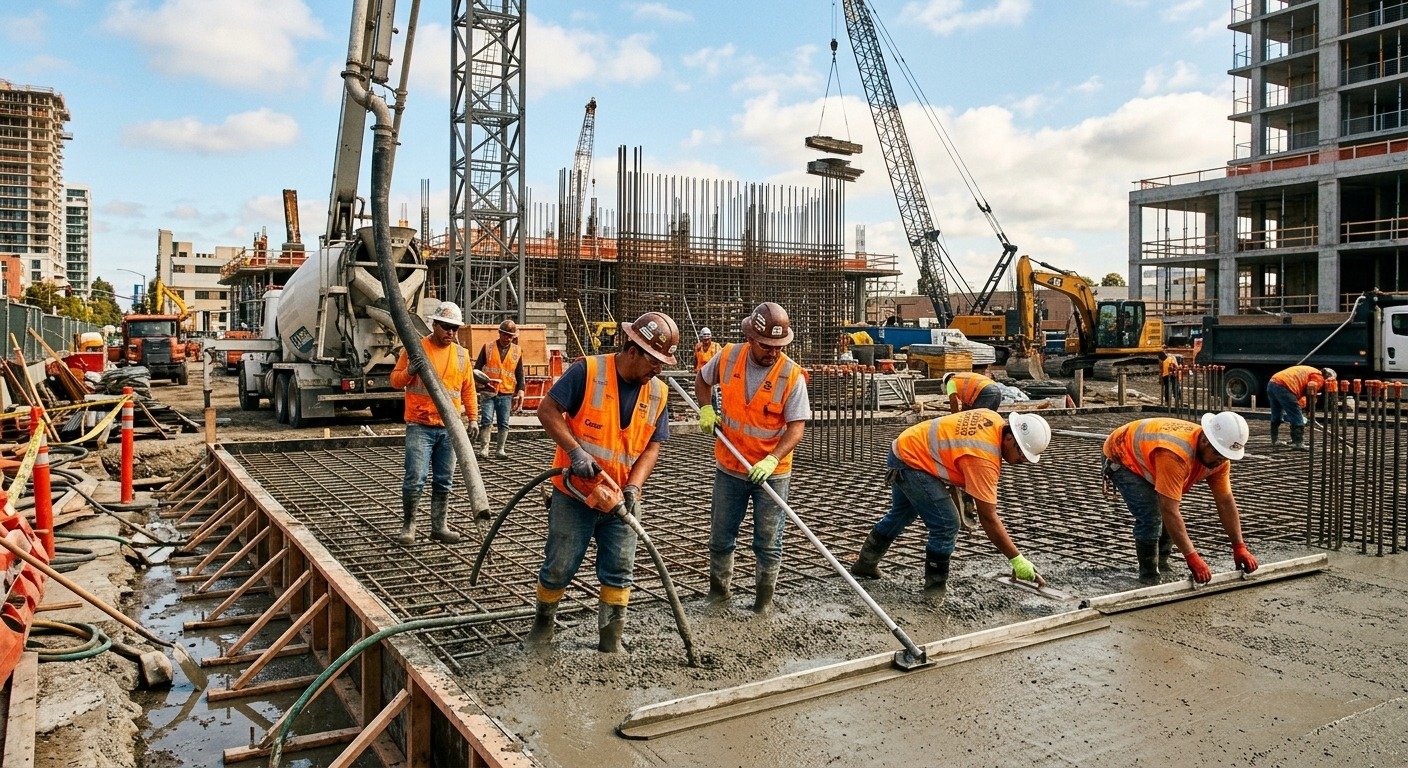
Few things transform a property’s curb appeal and long-term value quite like a well-poured concrete surface. Whether it’s a driveway that greets you every morning or a patio where summer evenings unfold, the quality of that concrete work makes all the difference. At Cesar’s Concrete, we’ve built a reputation on delivering durable, beautifully finished concrete that stands the test of time, weather, and daily wear.
Homeowners and business owners alike often underestimate how much planning, skill, and precision go into a successful concrete project. A rushed pour or an inexperienced crew can lead to cracking, uneven surfaces, and costly repairs down the line. That’s where working with a trusted team makes the real difference between a project you’re proud of and one you regret.
This post walks through what sets Cesar’s Concrete apart, the services we offer, and why choosing the right team for your next concrete project matters more than you might think.
What Services Does Cesar’s Concrete Offer?
Cesar’s Concrete handles a full range of residential and commercial concrete work. Our team has poured, finished, and repaired countless surfaces across driveways, walkways, patios, pool decks, foundations, and commercial slabs. No two properties are identical, so every project starts with an honest assessment of your space, your goals, and your budget.
We also specialize in decorative concrete finishes, including stamped patterns and exposed aggregate designs, for clients looking to add a touch of style to a functional surface. Concrete doesn’t have to be plain gray slabs anymore. With the right techniques, it can mimic stone, brick, or tile at a fraction of the cost.
Why Does Quality Concrete Work Matter So Much?
Concrete is one of those materials that looks simple on the surface but requires real expertise to get right. The mix ratio, curing time, weather conditions, and base preparation all play a role in how long a concrete surface lasts.
Poorly prepared concrete tends to crack within the first few years, while a properly installed surface can last decades with minimal maintenance. That’s a significant difference in both cost and hassle for property owners. Investing in quality work upfront nearly always pays off compared to cutting corners and dealing with repairs later.
How Does Proper Preparation Affect the Final Result?
Before a single bag of concrete is mixed, the ground beneath it needs proper grading, compaction, and drainage planning. Skipping these steps is one of the most common reasons concrete fails prematurely. Water pooling under a slab, for example, can cause heaving and cracking even if the concrete itself was poured correctly.
Our team takes the time to evaluate soil conditions and drainage patterns before starting any pour. It’s an extra step that takes more time upfront but saves clients from headaches later.
What Should You Look for in a Concrete Contractor?
Not every contractor approaches a project the same way, and that variation shows up in the final result. When evaluating who to hire, consider their experience with projects similar to yours, their willingness to provide references, and whether they offer a clear, written estimate before work begins.
A trustworthy contractor should also be transparent about timelines and potential challenges specific to your property, rather than offering vague promises just to close the deal.
Ready to Work With a Concrete Contractor Who Puts Craftsmanship First?
A concrete contractor you can trust to deliver lasting results without surprises is exactly what Cesar’s Concrete aims to be for every client we serve. From the first consultation to the final finish, our crews focus on precision, clear communication, and results that hold up for years, not just months.
We know that inviting a contractor onto your property is a decision that requires confidence. That’s why we walk clients through every stage of the process, answer questions honestly, and stand behind our work with real accountability. Our goal isn’t just to complete a job. It’s to build surfaces that make you proud to show off your property.
Whether you’re planning a brand-new driveway, repairing a cracked patio, or exploring decorative options for a commercial space, our team brings the experience and attention to detail needed to get it right the first time.
Making Your Next Concrete Project a Success
The right team for a concrete project shapes how long that investment lasts and how much enjoyment you get out of it. A well-poured driveway or patio adds real value to a property, both in appearance and in resale potential.
If you’re considering a concrete project, big or small, reach out to Cesar’s Concrete for a consultation. Our team is ready to walk through your space, answer your questions, and help you plan a project built to last.

Inside a China Eyewear Factory: How Eyewear Goes from Design and Material Selection to Mass Production

Building Emotional Wellness Through Professional Guidance and Support

How to Choose an Eyewear Manufacturer in China for Your European or American Private Label Brand

Alex Pettyfer Net Worth, Wife, Age, Height, Children, Career and More

Brad Williams Net Worth, Wife, Height, Age, Daughter, Family, Career and More

Eldorado.gg Review 2026: How It Works, Safety, Fees, and Risks
-
Celebrity11 months ago
Alex Pettyfer Net Worth, Wife, Age, Height, Children, Career and More
-
Celebrity11 months ago
Brad Williams Net Worth, Wife, Height, Age, Daughter, Family, Career and More
-
Blog3 months ago
Eldorado.gg Review 2026: How It Works, Safety, Fees, and Risks
-
 Anime12 months ago
Sanzoku Bandits of One Piece: Origins, Higuma, and Their Role in Dawn Island
-
 Celebrity11 months ago
John McGinn Net Worth, Age, Height, Wife, Childrens, Career and More
-
 Celebrity11 months ago
Frances de la Tour Net Worth, Age, Height, Husband, Childrens, Career and More
-
 Anime12 months ago
Shimotsuki Ushimaru – The Last Daimyo of Wano Country Explained
-
 Celebrity12 months ago
Will Trickett Net Worth, Wife, Childrens, Age, Career and More