
Health
What to Look for When Choosing a New Dentist in Taunton

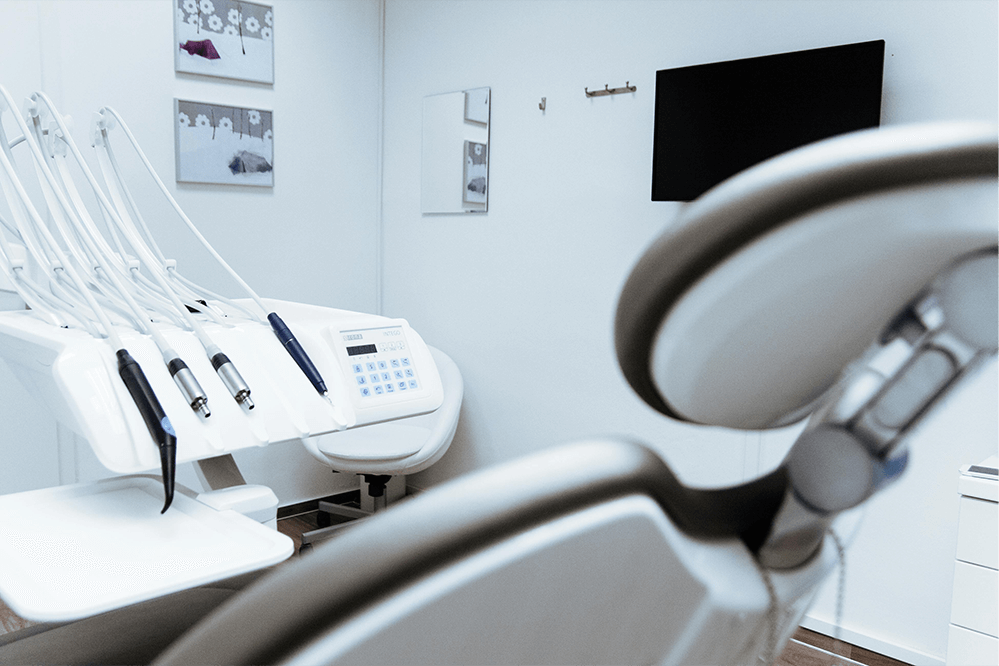
Finding a new dentist is not always something we think about until we need one. You might have recently moved to Taunton, be struggling to get an appointment with your existing practice or simply feel that it is time for a change.
Whatever the reason, choosing a dental practice is about more than finding the one closest to home. Ideally, you want somewhere you feel comfortable returning to for routine care, as well as somewhere you can turn if you develop a dental problem in the future.
So what should you look for when choosing a new dentist in Taunton?
Consider the location
Convenience matters, particularly when dental appointments need to fit around work, family and other commitments.
Think about how easily you can reach the practice from home or work, whether there are convenient parking options nearby and whether appointment times work with your usual routine.
Choosing somewhere reasonably local also makes life easier if you need several appointments for a course of treatment or need to see a dentist at short notice.
Check whether they are accepting new patients
Before spending too much time researching a practice, check whether it is currently accepting new patients.
Availability can vary between dental practices and between NHS and private appointments. Some people decide to join a private dentist because they are unable to find an NHS practice accepting patients locally, while others prefer the flexibility or range of treatment available privately.
If you are considering private dental care, it is worth looking at exactly what is included in a new patient appointment and whether prices are clearly explained before treatment begins.
Look beyond routine check-ups
You may only be looking for somewhere to have routine check-ups now, but your dental needs can change.
A practice offering a broad range of dentistry can make things simpler if you later need restorative treatment or decide you would like cosmetic treatment.
For example, you may want access to dental hygienists, fillings, crowns or emergency appointments alongside treatments such as teeth whitening, orthodontics, composite bonding or dental implants.
Choosing a practice offering several areas of dentistry can mean you do not necessarily need to find a completely different clinic each time your needs change.
Find out about emergency appointments
Toothache has an unfortunate habit of appearing when you least expect it.
It is therefore useful to know how your dental practice deals with urgent problems. Check whether emergency dental appointments are available and what you should do if you suddenly develop severe toothache, swelling, break a tooth or lose a filling.
Even if you never need an emergency appointment, knowing where to call can be reassuring.
Think about how comfortable you feel
For someone who is nervous about visiting the dentist, the atmosphere of a practice can be just as important as the treatments available.
Dental anxiety is common, so do not be embarrassed to mention it when booking. A good dental team should be willing to explain what is happening, answer questions and allow you to discuss any worries before treatment begins.
If you have avoided the dentist for some time because of anxiety, saying so at your first appointment can help the dental team understand what you need to feel more comfortable.
Read reviews, but read them carefully
Online reviews can offer useful insight into other patients’ experiences, particularly when the same points appear repeatedly.
Rather than focusing entirely on the overall star rating, read what patients actually say. Comments about communication, friendliness, nervous patients, waiting times and how clearly treatment is explained may be more useful than the score alone.
Remember that everyone’s experience and dental needs are different, so reviews are best treated as one part of your research rather than the deciding factor.
Ask how treatment costs are explained
Nobody wants an unexpected dental bill.
If you are joining a private practice, check whether its fees are readily available and how costs for more complex treatment are discussed.
If you need treatment following your examination, you should understand what has been recommended, why it may be needed and what it is likely to cost before deciding whether to proceed.
Do not be afraid to ask questions. Dental treatment can involve several options, and it is important that you understand them.
What happens at your first appointment?
Your first appointment gives both you and your dentist an opportunity to establish where things stand.
A dental check-up will generally involve examining your teeth, gums and mouth and discussing any symptoms or concerns you have. Your dentist may also ask about your general health and any medication you take. Dental X-rays may be recommended where appropriate.
If any problems are identified, your dentist can then explain the options available and discuss what should happen next.
The frequency of future check-ups is not necessarily the same for everyone. It will depend on factors including the health of your teeth and gums and your individual risk of developing dental problems.
Finding a dentist in Taunton
Taunton has a mixture of NHS and private dental practices, so it is worth comparing your options rather than simply choosing the first practice you find.
Consider what matters most to you, whether that is location, appointment availability, emergency care, cosmetic treatments or finding a practice that is particularly understanding of nervous patients.
If you are currently looking for a dentist in Taunton, DentaQuest is a private dental practice based at Castle Lodge on Castle Green. The practice offers general, cosmetic and emergency dental care and is currently welcoming new patients.
Ultimately, the right dentist is one you feel comfortable visiting regularly, not simply somewhere you go when something hurts. Taking a little time to research your options now can help you find a practice that suits your dental needs for the longer term.


You must have read through various yoga teacher training courses already, and one thing must have appeared everywhere. Yes, you have got it right, anatomy. One of the beginner-friendly forms in yoga, happens to be Hatha Yoga. And, you will find that Hatha Yoga is not just yoga asana, but also combines breathing techniques and meditation. And to understand the realm of Hatha Yoga fully, you need to know anatomy. The 200 Hour Yoga Teacher Training in Mysore covers anatomy and along with it, the processes that take place inside the human body.
So, in this blog, we will try to unearth all possible reasons why anatomy is so important in yoga TTC.
Understanding The Human Body – 200 Hour Yoga Teacher Training In Mysore
In Hatha Yoga, there is a range of physical movements which aim to stabilize you and ground you. You will likely engage in twisting, bending forward and backward, and balance yourself through a series of postures. Each of the movements that you do in Hatha Yoga impacts the different parts of the body in different ways. Thus, before you attempt anything, it is important to know the location of the bones in the skeletal system, the muscles, joints, and connective tissues as well. Both the teachers and students will be in a proper position to assess each other, in this manner.
For instance, take the instance of the spine, which plays a very important role during asana. If you have proper knowledge of the structure and parts of the spine, you can do twists, back bends and forward bends properly. Then again, if you have the proper knowledge of the hip, you will be able to do asanas like Warrior 1 and 2, properly without hurting yourself.
Along with the anatomical knowledge, you will also learn about the various physiological processes that take place in the body. All this will help you to assess yourself and the others, as well, in relation to physical fitness, flexibility, strength and weaknesses. If you gain a solid foundation of anatomy, you can proceed in yogic studies well. When you join the best yoga teacher training in Mysore, you will get deep insights on these aspects of the human body and yoga.
Reasons To Learn Anatomy With Yoga Education
- You will be able to design safe yoga practices for yourself and your students, if you teach yoga. The knowledge of anatomy will help you to get into different postures and do movements that affect the body in a positive way. If you are teaching after completing your yoga ttc, you can design customised yoga asana sequences as well. It helps to avoid unnecessary injuries.
- You will also be able to conduct classes for injured, recuperating and sick students. These students often look for therapy in yoga, and that is only possible, when you have the right knowledge of yoga. If you have a proper knowledge of anatomy, you can design yoga sequences with modifications and adjustments, which can help the individuals to recover quickly.
- Your overall yogic knowledge will be reaching an expert level, when you learn anatomy with yoga. You are able to appreciate the benefits the asana, breath and meditation has on the body and mind, as a whole.
- When you study anatomy, you also learn the limitations. It may relate to you, or your students. The proper understanding of the human body can help you to stop, after which any exertion could possibly lead to injury. You learn that yoga is not a competition, but an experience, where everybody is different.
- Having the proper knowledge of anatomy in the realm of yoga is empowering. The more you understand about your body, the better ways you can utilize it to manipulate it for good health.
Anatomical Concepts That You Will Learn In The Yoga TTC
As a part of the best yoga teacher training in Mysore, you will learn several anatomical concepts. Let us find out what they are.
- Skeleton – You will learn about one of the most important systems in the body. And it is indeed the skeletal system which supports the entire framework. When you have proper knowledge of the bone structure and alignments, you know what you have to do for proper posture and movements. You study about the key bones that are continuously involved in movement, and those that are stationary in nature.
- Muscles – The muscles are responsible for movement and stability. Some of the main muscle groups that are involved in yogic movements are core, hamstrings, biceps, triceps, and quads. When you know the function of all these muscles, you can engage in proper alignments, and that too according to a specific body design.
- Joints – You also learn about the joints which are the important junctions, where bones meet. You study the mechanism of the joints in the Yoga TTC. Some of the key joints that you get to study are the hip, knee, shoulder, and wrist.
- Connective Tissues – These include the ligaments, tendons and fascia, where the deeper stress reaches, when you engage well. Understanding how they work helps in promoting flexibility. It can also prevent strain unnecessarily and injuries.
When you have proper knowledge of the anatomy of the human body, you can get the maximum results from yoga practice. The best yoga teachers at schools, like Mysore Yoga School can help you to teach properly later on, when you take up teaching. Moreover, you are in a better position to address physical issues and also enhance your and others practice.
Conclusion
You can join the 200 Hour Yoga Teacher Training in Mysore, to understand yoga practice in a better manner. It will give you more finesse as an individual and also as a teacher. Yoga anatomy is an important component of yoga practice, which will give proper direction to your yoga practice. You will be able to effectively handle practice, injuries, and recuperation in the course of the practice. So, hurry and join the training now.

Employee wellbeing is closely connected to workplace performance, productivity and safety. While businesses often focus on physical health, stress management and work-life balance, one important aspect of wellbeing is sometimes overlooked: sleep health.
Poor sleep can affect how employees think, communicate, make decisions and perform daily tasks. For some individuals, ongoing fatigue may not simply be caused by busy schedules or insufficient rest. It may be linked to underlying sleep conditions such as obstructive sleep apnea (OSA), which can disrupt sleep quality even when a person spends enough time in bed.
What Is Sleep Health?
Sleep health refers to the quality, timing and consistency of a person’s sleep and how well sleep supports daily functioning.
Good sleep health generally involves:
- Getting enough sleep
- Maintaining a regular sleep schedule
- Feeling rested after waking
- Staying alert during the day
- Being able to function effectively
Poor sleep health may result from:
- Insufficient sleep duration
- Irregular sleep patterns
- Stress
- Lifestyle factors
- Medical conditions affecting sleep
While occasional poor sleep is common, persistent sleep problems may affect an individual’s health and ability to perform at work.
Why Sleep Health Matters in the Workplace
Work requires employees to use skills such as:
- Concentration
- Problem-solving
- Communication
- Decision-making
- Memory
- Emotional control
These abilities are influenced by sleep quality.
When employees experience ongoing sleep disruption, they may have difficulty maintaining the level of focus and energy required for their roles.
How Poor Sleep Can Affect Employees at Work
1. Reduced Concentration and Attention
One of the most noticeable effects of poor sleep is reduced ability to focus.
Employees experiencing sleep-related fatigue may:
- Become distracted more easily
- Take longer to complete tasks
- Miss important details
- Struggle to follow discussions
- Have difficulty maintaining attention
This may affect roles that require continuous concentration or accuracy.
Examples include:
- Healthcare workers
- Engineers
- Finance professionals
- Customer service teams
- Administrative staff
2. Lower Productivity
Fatigue can affect how efficiently employees complete their work.
Poor sleep may contribute to:
- Slower task completion
- Reduced motivation
- More frequent breaks
- Difficulty managing workloads
- Lower overall efficiency
An employee may still complete tasks but require more time or effort than usual.
3. Increased Risk of Workplace Errors
Sleep affects reaction time, judgement and decision-making.
Employees who are excessively tired may be more likely to:
- Make mistakes
- Miss important information
- Respond slower to problems
- Have difficulty following safety procedures
This is especially important in industries where attention and alertness are critical.
4. Higher Workplace Safety Risks
Fatigue can become a safety concern when employees perform tasks involving:
- Driving
- Machinery operation
- Physical labour
- Equipment handling
- Safety-sensitive responsibilities
Reduced alertness may increase the likelihood of accidents.
Businesses that prioritise sleep health may help reduce fatigue-related risks.
5. Changes in Mood and Workplace Relationships
Sleep affects emotional regulation. Employees who sleep poorly may experience:
- Irritability
- Lower patience
- Increased stress sensitivity
- Mood changes
These effects may influence:
- Team communication
- Collaboration
- Customer interactions
- Workplace relationships
Supporting better sleep may contribute to a healthier workplace culture.
6. Increased Absenteeism and Health Concerns
Poor sleep is associated with reduced overall wellbeing.
Employees experiencing ongoing sleep problems may have:
- More health concerns
- More medical appointments
- Reduced energy
- Difficulty maintaining consistent performance
Addressing sleep health may be part of a broader approach to supporting employee wellness.
Sleep Disorders That Employers Should Be Aware Of
Not all fatigue is caused by poor sleep habits. Some employees may have undiagnosed sleep disorders.
One important example is obstructive sleep apnea (OSA).
What Is Obstructive Sleep Apnea?
Obstructive sleep apnea is a condition where the upper airway becomes partially or completely blocked during sleep.
This causes repeated breathing interruptions throughout the night.
A person may experience:
- Reduced airflow
- Brief awakenings
- Poor sleep quality
- Daytime fatigue
Many people with sleep apnea do not realise they have the condition because symptoms occur during sleep.
Common Signs of Sleep Apnea
Possible warning signs include:
Loud Snoring
Frequent loud snoring, especially every night, may be a sign of airway obstruction.
Breathing Pauses During Sleep
A partner may notice:
- Pauses in breathing
- Sudden gasping
- Choking sounds
Excessive Daytime Sleepiness
Employees may feel:
- Tired despite sleeping enough hours
- Sleepy during meetings
- Low energy throughout the day
Difficulty Concentrating
Poor-quality sleep may affect:
- Memory
- Attention
- Decision-making
Morning Symptoms
Some people experience:
- Morning headaches
- Dry mouth
- Feeling unrefreshed after waking
Why Employees May Ignore Sleep Problems
Many employees delay seeking help because they assume fatigue is caused by:
- Busy work schedules
- Stress
- Ageing
- Long working hours
Others may not realise they have a sleep disorder because they do not remember waking during the night.
Common reasons people overlook sleep apnea include:
- Assuming snoring is harmless
- Not recognising daytime symptoms
- Thinking more sleep hours will solve the problem
- Not knowing treatment options exist
How Employers Can Support Sleep Health
Employers do not need to diagnose sleep conditions, but they can create an environment where employees are encouraged to prioritise health.
1. Promote Sleep Health Awareness
Workplace wellness programmes can include education about:
- Importance of quality sleep
- Signs of sleep problems
- Effects of fatigue
- When to seek medical advice
Awareness can help employees recognise potential concerns earlier.
2. Encourage Healthy Work Practices
Employers may support sleep health through:
- Reasonable workloads
- Effective workload planning
- Encouraging breaks
- Supporting work-life balance
Reducing excessive fatigue can benefit both employees and businesses.
3. Support Flexible Work Arrangements Where Possible
For some roles, flexible arrangements may help employees manage:
- Commute time
- Family responsibilities
- Sleep schedules
The suitability depends on the nature of the work and business requirements.
4. Create a Culture Where Health Concerns Can Be Discussed
Employees may be more willing to seek help when workplace culture supports open conversations about health.
Employers can encourage:
- Wellness discussions
- Health resources
- Access to support programmes
5. Encourage Medical Assessment When Appropriate
If employees notice persistent fatigue, loud snoring or symptoms affecting daily function, employers can encourage them to seek professional advice.
A healthcare professional can assess whether symptoms are related to:
- Sleep apnea
- Nasal problems
- Other medical conditions
- Lifestyle factors
How Is Sleep Apnea Diagnosed?
If sleep apnea is suspected, assessment may include:
Medical History Review
A doctor may ask about:
- Snoring patterns
- Sleep quality
- Daytime symptoms
- Medical history
- Lifestyle factors
Physical Examination
An ENT specialist may assess:
- Nose
- Throat
- Tonsils
- Airway structures
Sleep Study
A sleep study may measure:
- Breathing patterns
- Oxygen levels
- Heart rate
- Sleep stages
- Breathing interruptions
The results help determine whether sleep apnea is present and guide treatment decisions.
Treatment Options for Sleep-Related Breathing Problems
Treatment depends on the cause and severity of the condition.
Options may include:
Lifestyle Changes
These may involve:
- Improving sleep routines
- Maintaining a healthy weight
- Reducing alcohol before bedtime
- Adjusting sleeping position
CPAP Therapy
Continuous positive airway pressure (CPAP) uses a mask and gentle air pressure to help keep the airway open during sleep.
Oral Appliances
Some patients may benefit from devices designed to improve airflow by adjusting jaw or tongue position.
ENT Treatment
If airway structure contributes to symptoms, an ENT specialist may discuss treatment options such as:
- Managing nasal blockage
- Treating enlarged tonsils
- Selected airway procedures
The Business Benefits of Supporting Sleep Health
Supporting employee sleep health may contribute to:
- Improved alertness
- Better concentration
- Reduced fatigue-related risks
- Healthier workplace culture
- Improved employee wellbeing
While sleep health is only one factor affecting workplace performance, it is an important area that businesses can consider as part of employee wellness strategies.
Sleep health plays an important role in employee wellbeing, workplace productivity and safety. Poor sleep can affect concentration, decision-making, mood and daily performance, while conditions such as obstructive sleep apnea may go unnoticed without proper assessment.
For employers in Singapore, supporting sleep health is not only about improving comfort but also about creating a healthier and more sustainable workplace.
Encouraging awareness, promoting healthy work practices and supporting employees in seeking appropriate medical advice can help address sleep-related concerns before they significantly affect individuals and organisations.
This article is for general information only and should not replace medical advice from a qualified healthcare professional.

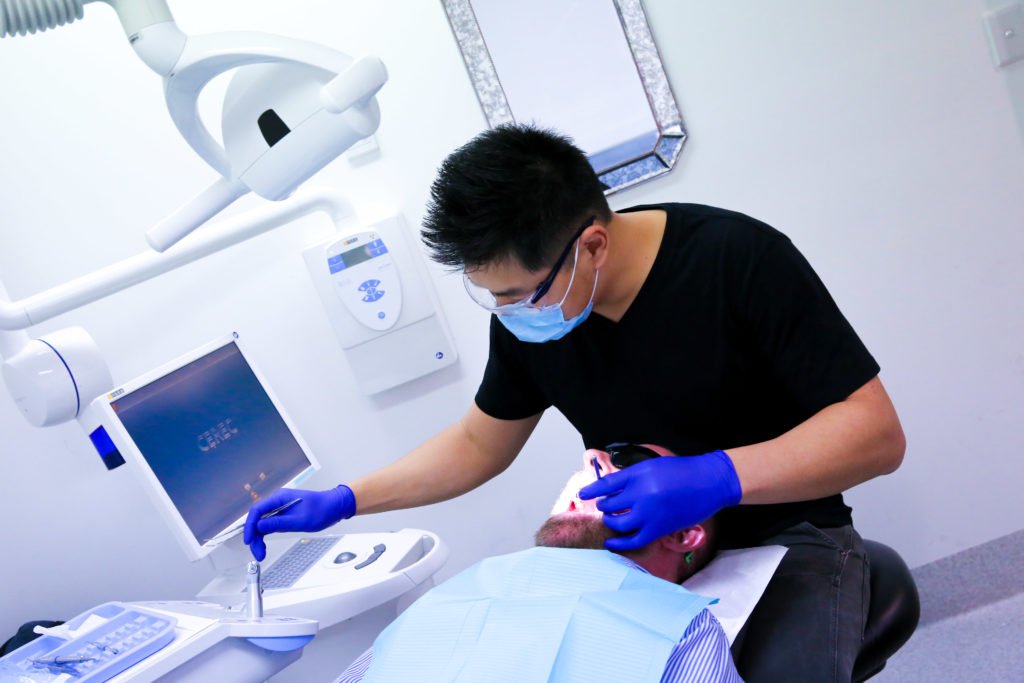
A nice smile does not just happen. You have to care for it each day. Brushing and flossing help a lot, but a dentist still plays a key role. If you search for a Dentist Sydney you can trust, you are more likely to get the right help. This is helpful for a basic exam. It is also important when something more serious comes up with your teeth or gums.
Going to the dentist on a regular schedule can catch small issues early. That way, they do not turn into bigger health concerns later. You also help your mouth stay comfortable and look good.
The Importance of Routine Dental Assessments
Taking care of your mouth is more than brushing and flossing every day. You should also plan on regular checkups with your dentist. At those visits, they can spot areas that you might miss at home. Problems can show up quietly, so an early find can help. You may not feel pain yet, but a dentist can still notice trouble. They can also look for early gum disease, even if nothing seems wrong to you.
During a routine visit, the dental cleaning scrapes away hard plaque and tartar that a normal brush cannot fully remove. This can lower the risk of cavities. It also helps with bad breath. Over time, it may help keep gum issues from starting.
Next, the dentist checks your mouth and shares advice made for you. They tell you what foods to choose and how to brush, step by step. You also learn which oral care items might suit your situation.
Addressing Urgent Dental Concerns Rapidly
Seeing the dentist on a steady schedule helps your teeth stay in good shape. Still, life does not always follow a plan. A tooth may begin to ache without warning. It can also chip, crack, or split. On top of that, an accident can hit you and leave a tooth damaged. If any of these things happen, book a dental visit soon. Getting checked early can ease the discomfort. It can also stop the tooth from getting worse.
If you need an emergency dentist Sydney, you should be seen fast. If you get help fast, you can stop a small problem from turning into a worse one. For example, an infection can spread if it is not treated. Acting early may also mean the tooth can be kept, not pulled. That is why you should book a dentist visit as soon as you can.
Restorative and Cosmetic Dental Care Solutions
A dental clinic can handle chipped, cracked, or missing teeth in a few different ways. The main aim is to get your teeth working well again, and also to improve how they look. Some treatments help areas that feel weaker or less stable. Other options cover spots where enamel has thinned over time. A lot of care plans are set up to make chewing feel easier, with less strain on your jaw.
- Dental Fillings and Bonding: It can help with small cavities, little chips, and shallow surface cracks. It tends to work best when the damage does not go deep.
- Crowns and Bridges: We can fix a chipped or cracked tooth. We can also fill in the gaps between teeth. The dentist will shape the work so it fits your mouth. It is designed to shield the tooth and keep it safe.
- Root Canal Therapy: When a tooth gets infected, we try to keep it. Our focus is to stop the pain and help you feel better soon.
- Teeth Whitening and Aligners: These products help teeth that look stained seem lighter. They also help with minor bite problems and small spacing between teeth.
Restorative work, plus a few minor cosmetic changes, can help a person get a bite that feels correct. It can also make their smile look a little more fresh. After the visit, many people report feeling at ease. They often feel more self-assured too.
Practical Habits for Everyday Oral Health
Good dental results often last because you do a little each day. When you stay on top of daily care, plaque has less room to build up. Over time, those small habits can help your teeth stay strong and steady.
- Brush Twice Daily: Use a toothbrush with soft bristles. Use fluoride toothpaste. Brush for two full minutes each time you clean your teeth.
- Floss Daily: Wipe the gaps between your teeth each day. If you can, floss or use a small interdental brush. This helps stop bits of food from staying put. It also lowers plaque that begins to build over time.
- Stay Hydrated: Drinking enough water can help wash out leftover bits in your mouth. It also supports normal saliva flow.
- Limit Sugary Snacks: Try eating fewer sweets. Also cut down on drinks that are very acidic. Over time, these choices can wear down the enamel on your teeth.
Integrating these daily preventive practices keeps your teeth strong between scheduled professional consultations.
Conclusion
Don’t wait to think about your teeth. A little care each week can help later on. Keeping your gums healthy matters too.
If you need a routine clean, want a cosmetic change, or have had an accident and need attention, choose a dental team that is trained.
For dental care that works around your needs, call Macquarie Dental Sydney CBD and book your next appointment.

Essential Pool Repair Solutions for a Safe, Efficient, and Beautiful Swimming Pool

Inbredward Explained: Meaning, Meme Culture, and Online Humor

What Is Duaction? A Complete Guide to Learning Through Action

Alex Pettyfer Net Worth, Wife, Age, Height, Children, Career and More

Brad Williams Net Worth, Wife, Height, Age, Daughter, Family, Career and More

Eldorado.gg Review 2026: How It Works, Safety, Fees, and Risks
-
Celebrity9 months ago
Alex Pettyfer Net Worth, Wife, Age, Height, Children, Career and More
-
Celebrity9 months ago
Brad Williams Net Worth, Wife, Height, Age, Daughter, Family, Career and More
-
Blog3 weeks ago
Eldorado.gg Review 2026: How It Works, Safety, Fees, and Risks
-
 Anime10 months ago
Sanzoku Bandits of One Piece: Origins, Higuma, and Their Role in Dawn Island
-
 Celebrity9 months ago
John McGinn Net Worth, Age, Height, Wife, Childrens, Career and More
-
 Celebrity9 months ago
Frances de la Tour Net Worth, Age, Height, Husband, Childrens, Career and More
-
 Blog3 weeks ago
What Is Troozer.com? A Clear Guide to the Digital Content Site
-
 Celebrity10 months ago
Will Trickett Net Worth, Wife, Childrens, Age, Career and More