
Blog
Who Delivers Your Offer to the Seller Framework? A Simple Real Estate Guide


Buying a home can feel simple until it is time to make an offer. Then forms, agents, dates, and rules enter the process. The who delivers your offer to the seller framework explains who sends the offer, who receives it, and who puts it in front of the seller.
- What Does Who Delivers Your Offer to the Seller Framework Mean?
- Who Delivers the Offer When Both Sides Have Agents?
- What Is the Buyer’s Agent’s Role?
- What Does the Listing Agent Do?
- How Does the Framework Work With a For Sale By Owner Home?
- What If the Buyer Has No Real Estate Agent?
- Can a Buyer Deliver an Offer Directly to the Seller?
- What Happens After the Seller Gets the Offer?
- How Are Multiple Offers Handled?
- Why Proof of Delivery Matters
- Common Mistakes Buyers Should Avoid
- Conclusion
In most agent led home sales, the buyer’s agent sends the written offer to the listing agent. The listing agent then presents it to the seller. This basic chain is the heart of the who delivers your offer to the seller framework.
The path can change if one side has no agent. Local agency laws can also affect the process. Still, the main goal stays the same. A complete offer must reach the seller through the proper channel.
What Does Who Delivers Your Offer to the Seller Framework Mean?
The who delivers your offer to the seller framework is a simple way to map the path of a home purchase offer. It starts with the buyer and ends when the seller receives the offer and decides what to do.
An offer may include the price, financing terms, earnest money, closing date, inspection terms, and other conditions. These details can affect both sides. That is why clear delivery matters.
The framework also shows who has each job. The buyer’s agent normally submits the offer. The listing agent normally presents it. The seller makes the final choice.
Who Delivers the Offer When Both Sides Have Agents?
This is the most common setup. The buyer has a buyer’s agent, and the seller has a listing agent. The buyer’s agent sends the signed purchase offer to the listing agent.
The offer may arrive by email or through a real estate transaction system. The exact method can vary. What matters is that the listing side receives a complete copy.
The listing agent then presents the offer to the seller. Under the National Association of REALTORS® Code of Ethics, REALTORS® must submit offers and counteroffers objectively and as quickly as possible. Listing brokers also have duties to present offers, subject to written seller instructions and applicable law.
What Is the Buyer’s Agent’s Role?
The buyer’s agent helps turn the buyer’s terms into a written offer. The agent may explain standard forms and discuss common deal terms. The buyer then decides what price and conditions to offer.
In the who delivers your offer to the seller framework, the buyer’s agent handles the first major handoff. The agent sends the signed offer and any required supporting papers to the listing side.
The agent can also follow up after sending it. A short confirmation can show that the offer arrived. But delivery does not mean the seller has accepted it.
What Does the Listing Agent Do?
The listing agent works for the seller. After receiving an offer, the agent normally presents it to the seller and explains its terms. If there are several offers, the agent may help the seller compare them.
The seller makes the decision. The seller may accept the offer, reject it, or make a counteroffer. The agent helps carry out that decision.
This part of the who delivers your offer to the seller framework keeps the roles clear. The buyer’s side submits. The listing side presents. The seller chooses.
How Does the Framework Work With a For Sale By Owner Home?
A For Sale By Owner, or FSBO, home has no listing agent. If the buyer has an agent, that agent may submit the offer directly to the owner, subject to local rules and the seller’s instructions.
If neither side has an agent, the buyer may deliver the offer directly to the seller. The parties may also use an attorney, title company, escrow professional, or another local expert where needed.
This form of the who delivers your offer to the seller framework has fewer people in the chain. The paperwork still matters. The offer should state the price, dates, conditions, and other key terms in clear writing.
What If the Buyer Has No Real Estate Agent?
An unrepresented buyer usually contacts the listing agent or seller through the channel given for the property. The buyer may prepare an offer and send it to the listing side.
The listing agent still represents the seller unless a different legal agency relationship is created. An unrepresented buyer should not assume that the listing agent is also acting for the buyer.
Some states allow forms of dual agency with disclosure and consent. Other states restrict the practice. The NAR Code says REALTORS® may represent both sides only after full disclosure and informed consent, while state law controls what is legal.
Can a Buyer Deliver an Offer Directly to the Seller?
Sometimes. It depends on whether the parties have agents and on local rules. If both sides are represented, direct contact may create confusion and can bypass the normal communication chain.
NAR ethics rules generally say dealings involving an exclusively represented property should go through the client’s representative unless that representative consents or the client starts the contact.
For a FSBO property, direct delivery can be normal because there is no listing agent. Even then, a written offer and proof of delivery can help keep the deal clear.
What Happens After the Seller Gets the Offer?
The seller can accept, reject, or counter the offer. A counteroffer changes one or more terms. It may change the price, closing date, repair terms, or another part of the deal.
The response then moves back toward the buyer. If both sides have agents, the listing agent sends the response to the buyer’s agent. The buyer then decides how to respond.
The who delivers your offer to the seller framework therefore works in both directions. Offers move toward the seller. Counteroffers and replies move back toward the buyer.
How Are Multiple Offers Handled?
A seller may receive two or more offers at the same time. The seller can choose how to respond within the law and the listing agreement. The seller may accept one, reject all, counter one, or ask buyers to improve their terms.
REALTORS® are expected to submit offers and counteroffers objectively and quickly. The existence of other offers may be disclosed when the seller approves that disclosure.
Competition does not change the basic who delivers your offer to the seller framework. The buyer’s side submits the offer. The listing side presents it. The seller decides what happens next.
Why Proof of Delivery Matters
Buyers want to know that an offer reached the right place. Email records, transaction systems, time stamps, and written confirmations can help show when an offer was sent.
NAR rules also allow a cooperating broker, in covered cases, to request written confirmation that an offer was submitted to the seller or notice that the seller waived presentation.
Proof of delivery supports the who delivers your offer to the seller framework because it reduces doubt about the handoff. It does not prove acceptance. It only helps show that the offer reached the expected stage.
Common Mistakes Buyers Should Avoid
One mistake is sending an incomplete offer. Missing signatures or unclear dates can cause delay. Buyers should review the offer package before it is sent.
Another mistake is trying to skip the listing agent when the seller is represented. That can create mixed messages and may conflict with the normal agency structure.
The who delivers your offer to the seller framework works best when each person understands their role. Buyers give clear instructions. Agents use the right channel. Sellers review the offer and give a response.
Conclusion
The who delivers your offer to the seller framework is easy to understand once the roles are clear. In a typical deal, the buyer’s agent sends the offer to the listing agent. The listing agent presents it to the seller. The seller then decides what to do.
FSBO sales and unrepresented buyers can change the path. Dual agency rules can also affect who represents whom. Real estate agency law differs by state, so buyers should follow the rules used where the property is located.
The best offer process is clear, written, and easy to track. Know who represents each side. Use the correct delivery channel. Keep a record of the offer, any counteroffer, and the final response.
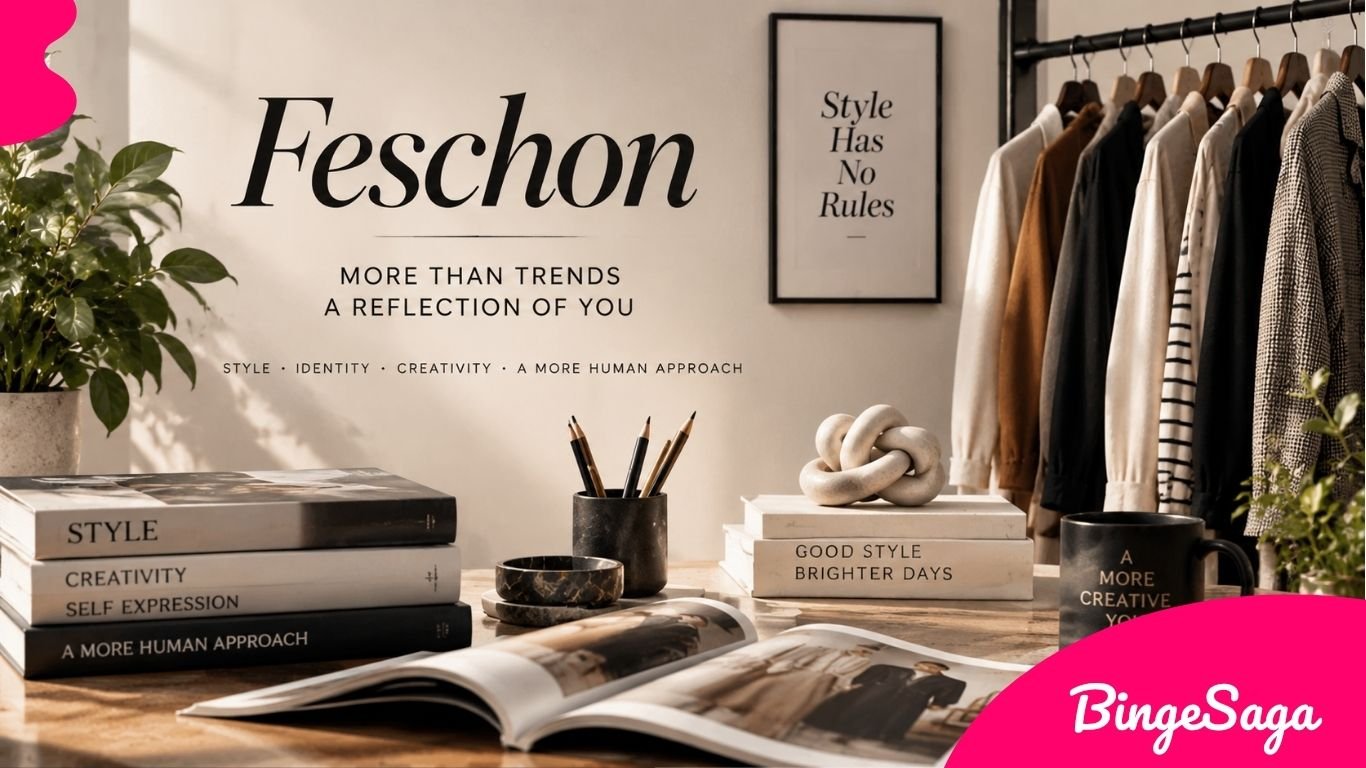
Clothing has always been more than just something people wear. It can show feelings, culture, ideas, and personal stories. While fashion often focuses on trends, brands, and changing styles, some people use the word Feschon to describe a deeper connection between clothing and human expression.
- What Is Feschon?
- The Meaning Behind Feschon
- Feschon vs Traditional Fashion
- How Personal Expression Shapes Style
- The Connection Between Clothing and Identity
- Why Some Creators Use This Term
- The Role of Creativity in Modern Style
- Feschon and the Future of Personal Style
- How Feschon Encourages Self-Confidence
- The Difference Between Trends and True Expression
- Why Feschon Is Gaining Attention
- Final Thoughts
The idea behind Feschon comes from creative writing and style discussions. It looks at clothing as a form of shaping and creating rather than only following popular trends. In this article, we will explore the meaning behind this concept, how it differs from fashion, and why some creators use it to talk about personal identity.
What Is Feschon?
Feschon is a creative spelling of the word fashion. It is used by some writers and artists to give a different feeling to the idea of style. Instead of focusing only on clothing markets and seasonal trends, the term highlights personal choices and creative freedom.
The concept connects style with the idea of making or forming something. It suggests that the way people dress can be a personal creation, much like art, music, or writing.
The Meaning Behind Feschon
The meaning of Feschon is linked to the idea that style comes from people, not only from businesses or magazines. It focuses on how clothing can tell a person’s story and reflect their thoughts.
Many traditional views of fashion are connected with buying new items and following popular looks. This newer approach shifts attention toward creativity, meaning, and the relationship between a person and what they wear.
Feschon vs Traditional Fashion
Fashion usually describes clothing styles that change over time. Designers, brands, celebrities, and social media often influence what becomes popular. These trends can spread quickly and change from season to season.
Feschon takes a different view. It is less about keeping up with what is popular and more about creating a style that feels personal. It encourages people to think about why they choose certain clothes and what those choices represent.
How Personal Expression Shapes Style
People use clothing to express many parts of their lives. A simple outfit can show confidence, mood, culture, or creativity. Style can become a quiet way to communicate without using words.
This idea supports the belief that everyone can create their own visual identity. A person does not need expensive brands or rare items to have a meaningful style. Personal choices and creativity often matter more.
The Connection Between Clothing and Identity
Clothing has always played a role in how people see themselves and how others see them. From traditional clothing to modern streetwear, styles often carry personal and social meanings.
Feschon focuses on this connection by viewing clothing as part of a person’s identity. It suggests that what people wear can represent memories, values, and experiences rather than only appearance.
Why Some Creators Use This Term
Creative writers and artists often create new words or change existing ones to share new ideas. The use of Feschon helps some creators separate personal style from the business side of fashion.
For these creators, the word represents a more human approach to clothing. It moves away from constant buying and encourages people to see style as a creative process.
The Role of Creativity in Modern Style
Modern style is no longer controlled only by major brands. Social media has allowed people from different backgrounds to share their looks and ideas with the world.
This change has made personal creativity more visible. People now mix different cultures, old designs, and new ideas to build styles that feel unique to them.
Feschon and the Future of Personal Style
As people become more interested in individuality, ideas around style continue to change. Many people now care about comfort, meaning, and personal values when choosing clothes.
The idea of Feschon fits into this wider movement by focusing on the person behind the clothing. It presents style as something created through personal choices rather than something people simply follow.
How Feschon Encourages Self-Confidence
A major part of personal style is feeling comfortable with who you are. When people choose clothes that match their personality, they often feel more confident.
This concept encourages people to explore their own tastes instead of copying every popular trend. It reminds people that style does not have one fixed rule.
The Difference Between Trends and True Expression
Trends can be fun and inspiring, but they often change quickly. A style that is popular today may disappear tomorrow. Personal expression, however, can last much longer because it is connected to individual identity.
Feschon represents the idea that clothing can have a deeper purpose. It focuses on creating a style that feels honest and meaningful.
Why Feschon Is Gaining Attention
The growing interest in personal branding, creativity, and self-expression has helped ideas like this become more common. Many people are looking for ways to stand out while staying true to themselves.
Rather than seeing clothing as only a product, this concept views it as a form of communication. It connects style with creativity, personality, and human experience.
Final Thoughts
Feschon is not a replacement for traditional fashion. Instead, it offers another way to think about style and clothing. It focuses on the personal side of dressing and highlights creativity over simple trend-following.
As style continues to evolve, more people are exploring ways to make clothing feel more personal. The idea behind Feschon shows that what we wear can be more than an outfit. It can be a reflection of who we are.
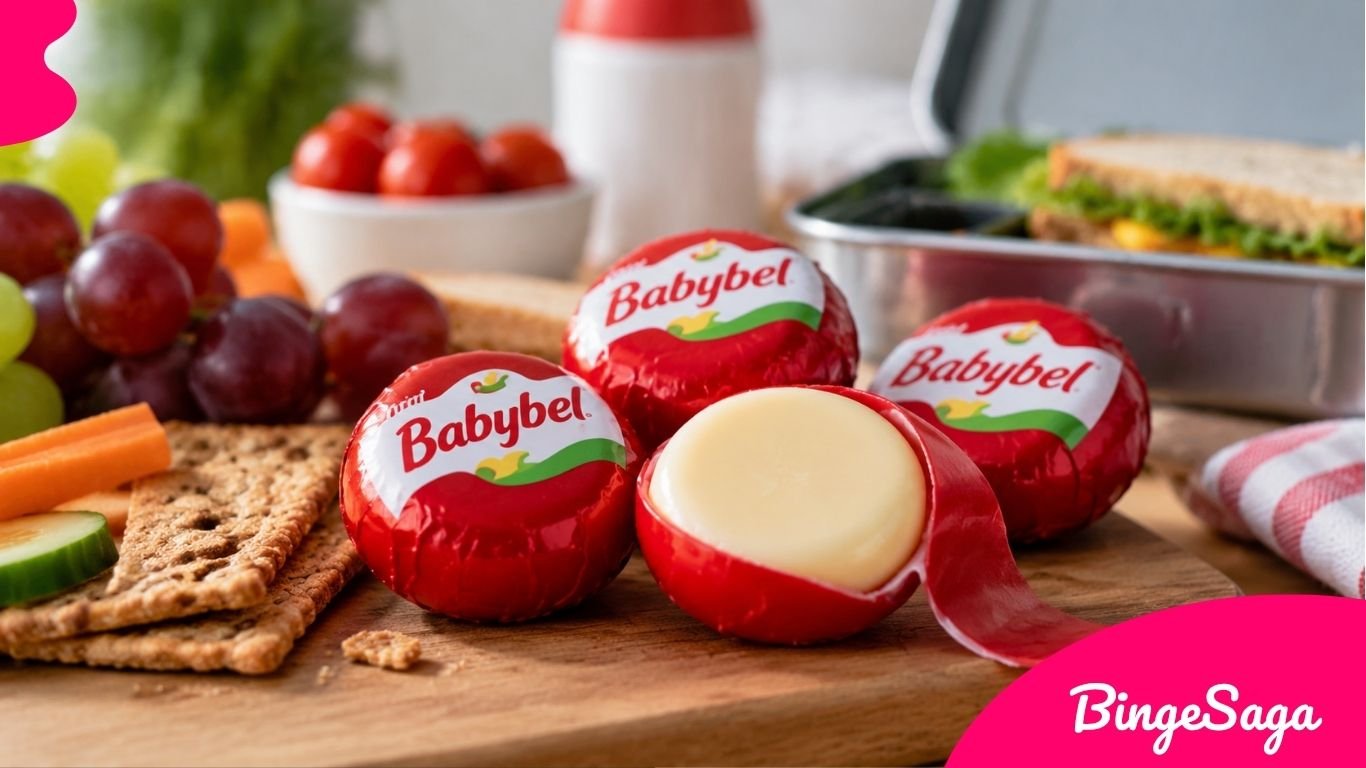
Small snacks often become popular because they are simple, tasty, and easy to enjoy. One such snack has gained fans around the world because of its unique look and fun design. Covered in bright red wax, this little cheese has become a familiar choice for children, families, and cheese lovers.
- The Meaning Behind Babybelletje
- How Babybelletje Became a Popular Snack?
- The Famous Red Wax Cover Explained
- What Makes Babybelletje Cheese Special?
- Different Flavors and Varieties Available
- Why Families Choose Babybelletje?
- Babybelletje as a Fun Lunch Box Snack
- The Role of Packaging in Its Success
- Is Babybelletje a Healthy Snack Choice?
- How People Enjoy Babybelletje Around the World?
- The Lasting Appeal of Babybelletje
Babybelletje is the name often used for the famous Mini Babybel cheese. It is known for its round shape, creamy taste, and easy-to-open wax cover. In this article, we will explore its history, ingredients, flavors, packaging, and why this small cheese remains a favorite snack for many people.
The Meaning Behind Babybelletje
The word Babybelletje comes from the popular Mini Babybel cheese brand. The name is linked to the small size and playful design of the product. In many places, people use this term when talking about the small cheese wheels covered in colorful wax.
The snack is made by the French company Bel Group, a company known for producing different cheese products around the world. The brand created a simple idea: make cheese that is easy to carry, fun to open, and enjoyable to eat anywhere.
Unlike large blocks of cheese, this snack comes in small individual portions. This makes it a useful choice for lunch boxes, quick snacks, and family meals.
How Babybelletje Became a Popular Snack?
The success of this cheese comes from its simple idea. People enjoy snacks that do not require preparation, and this product fits that need perfectly. Its small size makes it easy for children to hold and eat.
The colorful wax coating also helped it stand out from other cheese products. Opening the wax became part of the experience. Many children enjoy pulling the small tab and discovering the cheese inside.
Over the years, the brand expanded into many countries. Its playful appearance and mild taste helped it become a common snack in homes, schools, and workplaces.
The Famous Red Wax Cover Explained
One of the most recognizable features of Babybelletje is its red wax shell. This coating protects the cheese and helps keep it fresh. The wax is made from food-grade materials and is safe to touch.
The outer layer is not meant to be eaten. Before enjoying the cheese, the wax should be removed completely. The small pull tab makes this process quick and easy.
The wax also helps create a strong identity for the product. When people see the red round shape, many instantly recognize the cheese inside.
What Makes Babybelletje Cheese Special?
The cheese inside the wax is usually a mild Edam-style cheese. It has a smooth texture and a gentle flavor that is easy for many people to enjoy. It is not too strong, making it suitable for both children and adults.
The classic version is made with ingredients such as pasteurized milk, salt, and vegetarian enzymes. The simple recipe gives the cheese its familiar creamy taste.
Its small size also makes portion control easier. Instead of cutting a large piece of cheese, people can enjoy one ready-made serving.
Different Flavors and Varieties Available
While the original red version remains the most famous, Babybelletje is available in different flavors and styles. These options give people more choices based on their taste preferences.
Some varieties use different colored wax coverings to help identify each flavor. For example, Light versions often use light blue packaging, while White Cheddar versions may come with darker colors.
Other options include Gouda-style versions and plant-based alternatives. These choices allow more people to enjoy a similar snack experience.
Why Families Choose Babybelletje?
Many parents choose this cheese because it is convenient and easy to pack. It can fit into lunch boxes without needing cutting or extra preparation. Its small shape also makes it less messy compared with many other snacks.
The mild taste is another reason for its popularity. Children who may not enjoy stronger cheeses often find this type of cheese easier to like.
For adults, it can be a quick snack during busy days. It can also be added to meals, picnic baskets, or simple snack plates.
Babybelletje as a Fun Lunch Box Snack
A good lunch box snack needs to be simple, portable, and enjoyable. This cheese meets all three needs. Its individual wrapping helps keep each piece protected until it is ready to eat.
Many families add it to lunch boxes with fruits, crackers, vegetables, or sandwiches. The bright packaging can also make meals feel more exciting for children.
Because it does not need extra preparation, it saves time for busy parents and workers.
The Role of Packaging in Its Success
The packaging of Babybelletje plays a big part in its popularity. The round shape and colorful wax make it different from traditional cheese products.
The design is not only attractive but also practical. Each piece stays separated, making storage and carrying easier. The wax layer also provides a protective cover around the cheese.
Good packaging helped turn a simple cheese snack into a product that people easily remember.
Is Babybelletje a Healthy Snack Choice?
Cheese can be part of a balanced diet when eaten in suitable amounts. This snack provides nutrients commonly found in dairy products, including protein and calcium.
The exact nutrition can vary depending on the type and flavor. Some versions may have lower fat options, while others may have different ingredients.
Like any snack, it is best enjoyed as part of a varied diet that includes fruits, vegetables, grains, and other healthy foods.
How People Enjoy Babybelletje Around the World?
People enjoy this cheese in many different ways. Some eat it directly as a quick snack, while others include it in creative recipes.
It can be added to snack boards, served during trips, or paired with other foods. Its small size makes it flexible for many occasions.
The global popularity of this cheese shows how a simple idea can become a favorite snack across different cultures.
The Lasting Appeal of Babybelletje
The popularity of Babybelletje comes from a mix of taste, convenience, and fun design. It offers a simple way to enjoy cheese without cutting, cooking, or preparing anything.
Its famous wax cover, small size, and mild flavor have helped it remain popular for many years. Whether packed in a lunch box or enjoyed during a quick break, this tiny cheese continues to bring a fun experience to cheese lovers.
As snack choices continue to change, products with simple ideas and easy use often stay memorable. This small cheese is a good example of how a creative design can make an everyday food item special.

Shani Levni is a digital creator who presents herself online as a creative artist. She has built an online identity through her personal blog and social media activity. While she is not a widely known public figure, her online presence shows her interest in sharing creative ideas and connecting with people through digital platforms.
- Early Online Presence and Digital Identity
- Shani Levni’s Creative Artist Profile
- Her Personal Blog and Website
- Social Media Presence and Community
- Building a Digital Brand Through Creativity
- Privacy and Limited Public Information
- The Role of Digital Creators Today
- Why Personal Websites Still Matter
- Shani Levni’s Growing Digital Footprint
- Final Thoughts
Public details about her life, background, education, and personal journey are limited. Unlike many internet personalities, she has kept much of her personal information private. Most available information focuses on her online work and the platforms where she shares her creative side.
Early Online Presence and Digital Identity
The internet has given many creators a place to share their ideas without needing traditional fame. Shani Levni represents this type of modern creator who uses digital platforms to build a personal brand and share creative content.
Her online identity is connected with creative work and digital expression. Through her online activities, she presents herself as someone interested in creating and sharing ideas with a wider audience.
Because there is limited public information available, many details about her early life remain private. However, her online footprint provides a small look into her role as a digital creator.
Shani Levni’s Creative Artist Profile
As a creative artist, Shani Levni focuses on expressing ideas through digital spaces. Creative artists today often use blogs, websites, and social media to show their work and communicate with followers.
Her online profile suggests a focus on creativity rather than public attention. She appears to use the internet as a space for sharing thoughts, projects, and artistic interests.
The growth of digital platforms has allowed creators like her to reach people directly. A personal website and social media page can help artists build a unique identity without depending on traditional media.
Her Personal Blog and Website
One of the main parts of Shani Levni’s online presence is her personal blog. A blog allows creators to publish content, share ideas, and create a direct connection with readers.
Her website is linked with the domain name shanilevni.com. The site represents her digital space where visitors can learn more about her creative work and online activities.
Personal websites remain important for creators because they provide more control over content and branding. They allow artists to create a space that reflects their interests and creative vision.
Social Media Presence and Community
Social media plays an important role in how modern creators connect with audiences. Shani Levni maintains a Facebook profile under the handle @shanilevni, which adds another part to her online presence.
Platforms like Facebook help creators share updates, interact with followers, and introduce their work to new audiences. They also allow people to build communities around shared interests.
Although her social media following and activity details are not widely available, her profile shows her use of online platforms to maintain a connection with the digital world.
Building a Digital Brand Through Creativity
Creating a strong online identity takes time, consistency, and a clear creative direction. Many digital creators use websites and social platforms to develop their personal brands.
Shani Levni’s online presence reflects this modern approach. Instead of relying on traditional fame, she uses digital tools to represent her creative interests.
A digital brand can grow through many forms of content, including writing, artwork, photography, design, or other creative projects. For many creators, the internet becomes a place where ideas can reach people around the world.
Privacy and Limited Public Information
Unlike celebrities and public figures, many digital creators choose to keep their personal lives private. This makes their work visible while keeping private details away from the public.
Information about Shani Levni’s family, education, location, and personal background is not widely available from reliable public sources. It is important to respect this privacy and focus only on confirmed details.
Her case shows how someone can create an online presence while maintaining a level of personal privacy.
The Role of Digital Creators Today
Digital creators have changed the way people share ideas and creative work. Today, a person does not need to appear on television or in major publications to build an audience.
Creators can use websites, blogs, and social media to publish their work and connect with people who share similar interests. This has created new opportunities for artists and independent creators.
Shani Levni’s online journey reflects this wider change. Her presence shows how digital spaces can support creativity and personal expression.
Why Personal Websites Still Matter
Even with the rise of social media, personal websites continue to be valuable tools for creators. A website gives artists a permanent place to display their work and share information.
Social platforms can change their rules and features, but a personal website gives creators more control. It can act as a central place where people discover their work.
For digital artists, having a website can help create a professional image and organize creative projects in one location.
Shani Levni’s Growing Digital Footprint
The online world continues to change, and many creators are building their identities step by step. Shani Levni’s presence shows how personal websites and social platforms can work together.
Her journey represents a quieter side of digital creativity. Not every creator seeks worldwide fame. Some focus on sharing ideas, building connections, and creating meaningful work online.
As more people use digital platforms, creators like Shani Levni show the many ways individuals can express themselves through technology.
Final Thoughts
Shani Levni is a digital creator and creative artist known through her online presence, personal blog, and social media activity. While detailed information about her personal life is limited, her digital footprint shows her connection with modern creative spaces.
Her story reflects a growing trend where individuals use the internet to share their ideas and build their own identities. Through websites and social platforms, creators can reach audiences and showcase their creativity in new ways.

What Is Feschon? Understanding the New Meaning Behind Personal Expression

What Is Babybelletje? Discover the Story Behind the Famous Red Cheese

Who Is Shani Levni? A Look Into the Digital Creator and Creative Artist

Alex Pettyfer Net Worth, Wife, Age, Height, Children, Career and More

Brad Williams Net Worth, Wife, Height, Age, Daughter, Family, Career and More

Eldorado.gg Review 2026: How It Works, Safety, Fees, and Risks
-
Celebrity9 months ago
Alex Pettyfer Net Worth, Wife, Age, Height, Children, Career and More
-
Celebrity9 months ago
Brad Williams Net Worth, Wife, Height, Age, Daughter, Family, Career and More
-
Blog3 weeks ago
Eldorado.gg Review 2026: How It Works, Safety, Fees, and Risks
-
 Anime10 months ago
Sanzoku Bandits of One Piece: Origins, Higuma, and Their Role in Dawn Island
-
 Celebrity9 months ago
John McGinn Net Worth, Age, Height, Wife, Childrens, Career and More
-
 Celebrity9 months ago
Frances de la Tour Net Worth, Age, Height, Husband, Childrens, Career and More
-
 Blog3 weeks ago
What Is Troozer.com? A Clear Guide to the Digital Content Site
-
 Celebrity9 months ago
Will Trickett Net Worth, Wife, Childrens, Age, Career and More