
Real Estate
Vacation Rental Property Management: Turning Your Property Into a Profit Machine

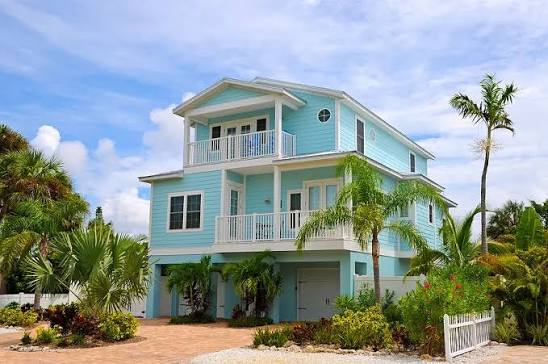
Owning a vacation rental sounds like a dream—until the dream turns into a never-ending to-do list. Guest messages at midnight, last-minute cancellations, cleaning schedules that fall apart, and pricing that never quite matches the market. If you’ve ever felt like your “passive income” property has become a second full-time job, you’re far from alone.
The good news? None of this has to fall entirely on your shoulders. With the right systems, support, and strategy in place, a vacation rental can generate strong returns without consuming every spare hour of your life. That’s where professional oversight changes the game, transforming a stressful side hustle into a reliable, hands-off income stream.
This post breaks down what it really takes to run a successful short-term rental, the common pitfalls that eat into profits, and how expert support can help you get more from your property with far less effort.
Why Short-Term Rentals Are Harder to Manage Than They Look
On the surface, vacation rentals seem simple: list the property, welcome guests, collect payment. In reality, successful hosting requires juggling marketing, pricing, guest communication, maintenance, compliance, and cleaning—often simultaneously.
Markets shift quickly. A nightly rate that performed well last month might price you out of bookings this month. Guest expectations have also risen sharply; travelers now expect hotel-level responsiveness and amenities, even from a private home rental. Add in local regulations around permits, taxes, and occupancy limits, and it becomes clear why so many independent hosts eventually burn out.
The Hidden Costs of DIY Management
Many owners underestimate how much unpaid time goes into managing a rental themselves. Between answering inquiries, coordinating turnovers, and troubleshooting issues remotely, hours add up fast. Worse, mistakes in pricing or guest screening can lead to costly vacancies, property damage, or negative reviews that hurt future bookings.
What Great Property Management Actually Looks Like
Effective management isn’t just about handling logistics—it’s about maximizing the value of your property while protecting your peace of mind. That means:
- Dynamic pricing strategies that adjust nightly rates based on demand, seasonality, and local events
- Professional guest communication available around the clock, so no inquiry goes unanswered
- Reliable cleaning and maintenance coordination between every stay
- Marketing across multiple platforms to maximize visibility and occupancy
- Compliance support to help navigate local short-term rental regulations
When these pieces work together, owners typically see higher occupancy rates, better reviews, and fewer operational headaches.
How Professional Support Boosts Your Rental’s Performance
Partnering with a dedicated management team shifts the workload off your plate without sacrificing control over your investment. Instead of personally fielding every guest question or chasing down a cleaner at 9 p.m., you get a team actively working to keep your property booked, well-maintained, and profitable.
This kind of support is especially valuable for owners managing multiple properties, those who live far from their rental, or anyone who simply wants their investment to generate income without demanding constant attention.
Smarter Pricing Means Stronger Returns
One of the biggest advantages of professional management is access to data-driven pricing tools. Rather than guessing at nightly rates, experienced managers track local market trends, competitor pricing, and seasonal demand to set rates that maximize both occupancy and revenue. This balance—filling calendars without underpricing stays—is often the difference between an average-performing rental and a consistently high-earning one.
Better Guest Experiences Lead to Better Reviews
Guest satisfaction drives everything in the short-term rental world, from repeat bookings to search ranking on platforms like Airbnb and Vrbo. Fast response times, clear communication, and spotless properties consistently translate into five-star reviews, which in turn attract more bookings at better rates.
Choosing the Right Partner for Your Property
Full-service Vacation Rental Property Management offers a stress-free way to protect your investment while significantly increasing the income it generates, giving owners the freedom to enjoy ownership without being tied to daily operations. From dynamic pricing and guest screening to maintenance coordination and regulatory compliance, the right partner handles the details that often overwhelm independent hosts.
Short Term Rental Property Management specializes in exactly this kind of comprehensive support. Rather than treating your property as just another listing, the focus is on building a tailored strategy that reflects your goals, whether that’s maximizing nightly rates, minimizing vacancy, or simply reclaiming your time. Owners gain a dedicated team handling the operational heavy lifting, while staying fully informed through transparent reporting and communication.
Making Your Property Work Harder for You
A vacation rental has the potential to be one of the most rewarding investments you make—financially and otherwise. But that potential is only realized when the property is managed with the right mix of strategy, responsiveness, and local market expertise.
If juggling bookings, guest messages, and maintenance calls has started to feel overwhelming, it may be time to explore what professional management could do for your property. The right support doesn’t just lighten your workload; it can meaningfully increase your bottom line while giving you back the time you invested in owning a rental in the first place.
Frequently Asked Questions
What does a vacation rental property manager actually do?
A property manager typically handles pricing strategy, guest communication, booking coordination, cleaning schedules, maintenance requests, and compliance with local short-term rental regulations—essentially overseeing the day-to-day operations of your rental.
Is professional management worth the cost?
For many owners, yes. The combination of optimized pricing, higher occupancy, and reduced vacancy often offsets management fees, while also saving owners significant time and stress.
Can I still have input on pricing and guest policies?
Absolutely. Most management partnerships are collaborative, allowing owners to set preferences around pricing strategy, guest requirements, and property rules while the management team handles execution.
Is this type of service only for owners with multiple properties?
Not at all. Single-property owners, especially those living far from their rental or lacking time to manage it personally, often benefit the most from professional support.

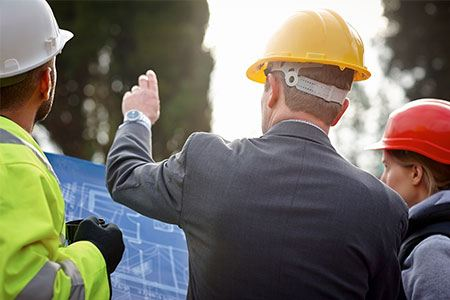
Property development plays an important role in shaping the places where people live, work, shop, and spend their leisure time. Behind many successful residential, commercial, and mixed-use projects is a professional who coordinates the complicated process from the initial concept to the completed property. A real estate developer identifies opportunities, evaluates land, arranges financing, manages professionals, and oversees construction activities. This role requires a combination of financial knowledge, market awareness, project management skills, and an understanding of construction. Developers must also consider planning requirements, environmental factors, design expectations, and the needs of future occupants. Because property projects often involve substantial investment, careful planning and responsible decision-making are essential throughout the development process.
- What Does a Real Estate Developer Do?
- Identifying Development Opportunities
- Conducting Market Research
- Planning and Project Design
- Financing a Property Development
- Managing Construction
- Understanding Regulations and Approvals
- Managing Risk Throughout the Project
- Creating Value Through Development
- Sustainability and Modern Development
- Technology in Property Development
- Building Strong Professional Partnerships
- The Importance of Quality and Long-Term Thinking
- How to Choose the Right Development Professional
- The Future of Property Development
- Conclusion
What Does a Real Estate Developer Do?
A real estate developer is responsible for transforming a property idea into a practical and financially viable project. The process may begin with identifying suitable land or an existing property that has potential for redevelopment. After finding an opportunity, the developer studies the market, examines potential costs, evaluates demand, and determines what type of project could be appropriate. The developer may work with architects, engineers, contractors, lawyers, financial institutions, consultants, and property managers during different stages of the project. Every professional involved contributes specialized knowledge, but the developer usually coordinates these activities and keeps the overall project moving toward its objectives. The exact responsibilities can vary depending on the size, type, and complexity of the development.
Identifying Development Opportunities
Finding the right development opportunity is one of the earliest and most important stages of a property project. Developers examine land availability, property conditions, market demand, development potential, and expected costs before deciding whether an opportunity deserves further investigation. A real estate developer may analyze demographic trends, employment patterns, housing demand, commercial activity, infrastructure, and competing developments as part of this research. The goal is to understand whether a proposed project can satisfy a genuine market need while remaining financially practical. Developers also consider potential challenges such as land restrictions, construction limitations, access issues, and approval requirements. Thorough research at this stage can reduce the risk of investing significant resources into a project that may not achieve its intended results.
Conducting Market Research
Market research provides valuable information that helps developers determine what type of property may have demand. Residential projects, for example, can require research into household preferences, available housing, pricing patterns, unit sizes, amenities, and lifestyle expectations. Commercial projects may require analysis of business demand, customer activity, tenant requirements, and competing properties. A real estate developer uses this information to create a development concept that is connected to actual market conditions rather than relying solely on assumptions. Research may include reviewing industry reports, studying comparable properties, speaking with professionals, and examining broader economic trends. Strong market research can help developers identify opportunities, understand potential risks, and make better-informed decisions before construction begins.
Planning and Project Design
Once a development opportunity has been evaluated, planning and design become central to the project. Developers work with architects and other specialists to determine how the available space can be used effectively. Design decisions can influence construction costs, functionality, appearance, energy efficiency, maintenance requirements, and the experience of future occupants. A real estate developer must balance these factors while keeping the project aligned with its financial objectives and intended market. The planning process can involve creating preliminary concepts, reviewing designs, estimating construction requirements, and making changes based on professional assessments. Effective collaboration during this stage can establish a strong foundation for the later construction and operational phases.
Financing a Property Development
Property development often requires significant capital, making financing a major responsibility for developers. Funding can come from various sources, including personal capital, investment partners, private investors, financial institutions, or other financing arrangements. A real estate developer typically needs to prepare detailed financial projections showing expected costs, revenues, cash flow, and potential returns. Lenders and investors may examine the project’s feasibility, market conditions, development team, risks, and projected performance before committing funds. Financing structures can also affect how a project is planned, phased, and managed. Careful financial planning is therefore essential because unexpected cost increases, delays, or changes in market conditions can place considerable pressure on a development project.
Managing Construction
Construction is one of the most visible stages of property development, but it also involves numerous technical and organizational challenges. Developers generally coordinate with contractors, architects, engineers, suppliers, consultants, and other professionals to keep the project progressing according to the approved plans. A real estate developer may monitor budgets, schedules, quality standards, contractual responsibilities, and significant changes during construction. Regular communication is particularly important because construction projects can encounter material shortages, weather disruptions, design changes, labor issues, or unexpected site conditions. Effective project management helps identify problems early and allows the relevant professionals to develop appropriate solutions. The objective is to complete the development according to its required standards while maintaining control over time, cost, and quality.
Understanding Regulations and Approvals
Property development is influenced by planning rules, building standards, environmental requirements, safety regulations, and other legal considerations. Developers must understand which approvals and permissions may be required before a project can move through its various stages. A real estate developer often works with legal advisers, planning consultants, architects, engineers, and government authorities to address regulatory requirements. Failing to identify an important requirement early can result in delays, additional costs, redesigns, or other complications. Regulatory compliance is therefore not simply an administrative task but an important part of responsible project planning. Developers who incorporate compliance considerations into their strategies from the beginning can create a more organized and predictable development process.
Managing Risk Throughout the Project
Every property development project contains risks, and effective risk management is an important part of professional development. Risks may involve construction expenses, financing conditions, market demand, contractor performance, regulatory changes, project delays, or unexpected site conditions. A real estate developer evaluates these risks and develops strategies to reduce their potential impact on the project. This can include maintaining financial contingencies, conducting detailed due diligence, using qualified professionals, reviewing contracts carefully, and monitoring market conditions. Risk management does not eliminate uncertainty, but it can help a development team prepare for possible challenges. A structured approach allows developers to respond more effectively when circumstances change during the development process.
Creating Value Through Development
One of the broader objectives of property development is to create value from land, buildings, or underutilized properties. Value can be created by improving an existing property, developing new buildings, introducing useful amenities, improving functionality, or responding to unmet market demand. A real estate developer considers how design, construction quality, location characteristics, amenities, sustainability, and long-term usability can influence the overall value of a project. Successful value creation is not necessarily limited to the financial outcome for investors. Well-planned developments can also provide useful housing, productive commercial spaces, community facilities, and improved environments for occupants. This broader perspective can contribute to the long-term relevance and usefulness of a completed project.
Sustainability and Modern Development
Sustainability has become an increasingly important consideration in property development as investors, occupants, businesses, and communities pay greater attention to environmental performance. Developers may consider energy efficiency, water conservation, sustainable materials, waste reduction, natural lighting, ventilation, and efficient building systems during the planning process. A real estate developer can incorporate sustainable features from the earliest design stages rather than treating environmental considerations as an afterthought. Sustainable development may also influence operating expenses, building performance, occupant comfort, and long-term property appeal. However, sustainability goals must be balanced with construction budgets, technical requirements, regulations, and the practical needs of the intended users. Thoughtful planning can help integrate environmental considerations without compromising the overall purpose of the project.
Technology in Property Development
Technology is changing how property projects are researched, designed, constructed, marketed, and managed. Digital modeling tools can help professionals visualize buildings and identify potential design conflicts before construction begins. Project management platforms can improve communication, document sharing, scheduling, and progress tracking among different members of a development team. A real estate developer can also use data analytics to study market conditions, evaluate investment opportunities, monitor project performance, and understand customer preferences. Emerging technologies may provide additional tools for energy management, building operations, property marketing, and construction monitoring. As technology continues to evolve, developers who understand how digital tools can support decision-making may be better positioned to manage increasingly complex projects.
Building Strong Professional Partnerships
Property development is rarely completed by one person or organization working independently. Strong partnerships between developers, architects, engineers, contractors, financial professionals, legal advisers, consultants, and property managers can significantly influence project execution. A real estate developer must communicate expectations clearly and establish effective working relationships with the professionals responsible for different aspects of the development. Selecting experienced partners can help improve planning, reduce avoidable mistakes, and address technical challenges more efficiently. Trust and communication are particularly important when a project experiences unexpected problems or requires changes to its original plan. Long-term professional relationships can also provide developers with access to expertise and resources that may be valuable for future projects.
The Importance of Quality and Long-Term Thinking
Quality should remain a priority throughout development because decisions made during design and construction can affect a property’s performance for many years. Cutting costs without considering long-term consequences can create maintenance problems, reduce occupant satisfaction, or negatively affect the property’s future value. A professional real estate developer considers both immediate project requirements and the long-term performance of the completed property. This may involve selecting durable materials, planning efficient building systems, prioritizing functional layouts, and ensuring that construction work meets appropriate standards. Long-term thinking can also help developers understand how a property may respond to changing market expectations and technological developments. A development designed with durability and adaptability in mind can remain useful and competitive for a longer period.
How to Choose the Right Development Professional
For investors, landowners, or organizations considering a property project, selecting the right development professional is an important decision. Relevant experience, financial understanding, project management capabilities, professional networks, communication skills, and knowledge of the development process should all be considered. Reviewing previous projects can provide insight into a developer’s approach to design, construction, budgeting, and problem-solving. It is also useful to understand how the developer communicates with investors and other stakeholders throughout a project’s lifecycle. Clear agreements should establish responsibilities, financial arrangements, timelines, reporting procedures, and expectations before significant work begins. Careful selection and due diligence can help establish a productive relationship and provide a clearer framework for managing the project.
The Future of Property Development
The property development industry will continue to evolve as consumer expectations, technology, environmental priorities, financing conditions, and market requirements change. Developers will need to remain adaptable while maintaining strong fundamentals such as research, financial discipline, project management, regulatory awareness, and construction oversight. A real estate developer who understands changing market needs can use new technologies and development strategies to respond to emerging opportunities. Future projects may place greater emphasis on efficient buildings, flexible spaces, digital management systems, sustainable construction, and designs that support changing lifestyles and working patterns. At the same time, successful development will continue to depend on careful planning and responsible execution. The ability to combine innovation with sound development principles will remain important as the property industry moves forward.
Conclusion
Property development is a complex process that brings together land, finance, design, construction, regulation, technology, and market demand. The real estate developer plays a central coordinating role by turning an initial concept into a completed and usable property. From identifying opportunities and researching markets to arranging finance, managing construction, and considering long-term performance, developers are involved in many critical decisions. Their work requires collaboration with a wide range of professionals and the ability to respond to challenges throughout the development lifecycle. When projects are planned carefully and managed responsibly, they can create lasting value for investors, occupants, businesses, and the wider community. Understanding the responsibilities and challenges involved in development provides useful insight into why professional expertise is so important in the property industry.
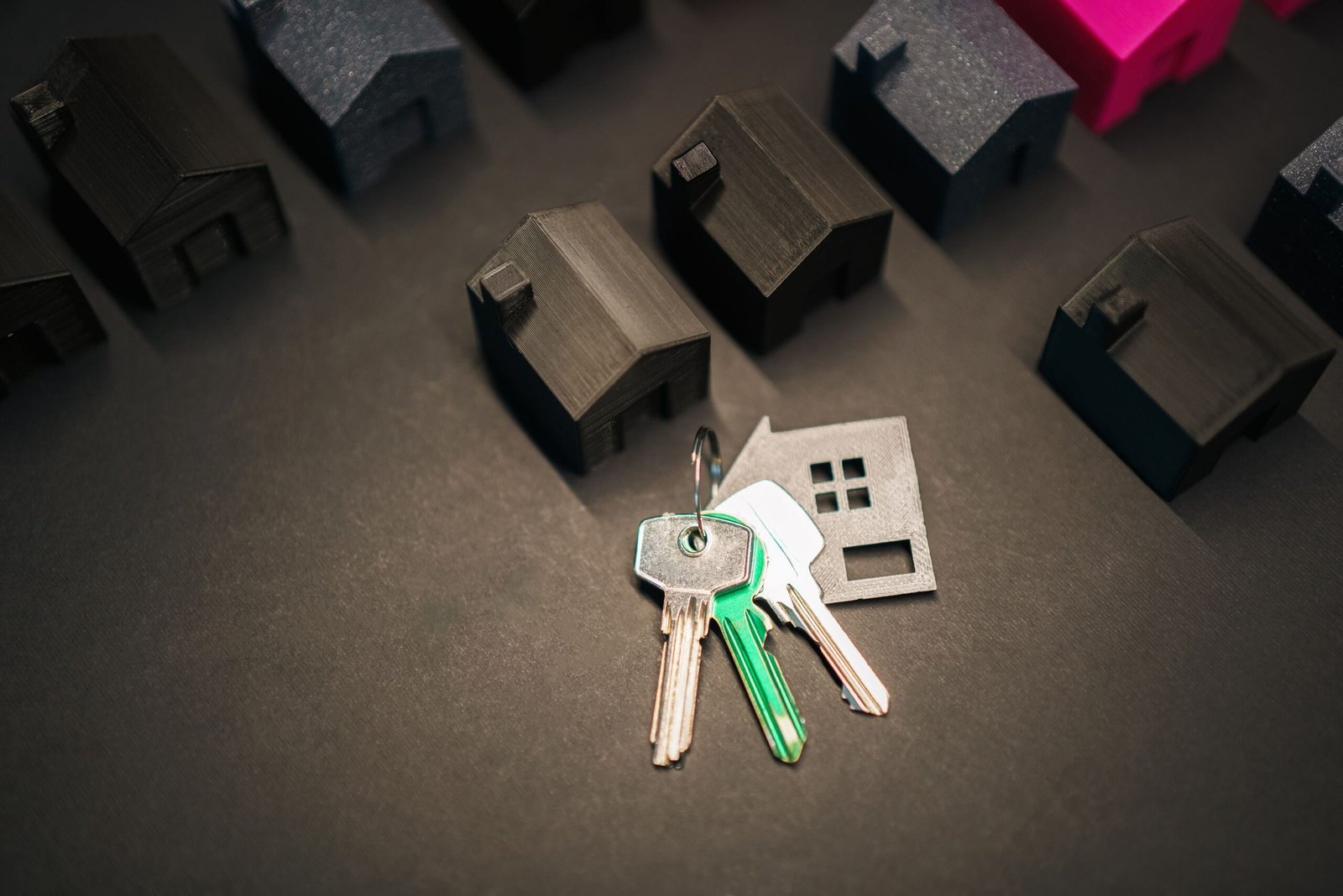
Owning a multi-family property comes with a long list of responsibilities that can quickly overwhelm even the most organized investor. From tenant screening and rent collection to maintenance requests and lease renewals, the day-to-day demands of running an apartment community or multi-unit building add up fast. For many owners, the difference between a thriving investment and a constant source of stress comes down to one thing: who’s managing the property.
That’s where professional oversight changes the game. When owners partner with a team that understands the nuances of multifamily real estate, they free themselves from the operational grind while protecting (and growing) their investment. This post breaks down what effective multifamily management looks like, why it matters, and how the right partner can transform the ownership experience from reactive to strategic.
What Makes Multifamily Properties Different From Other Real Estate Investments?
Multifamily properties aren’t just scaled-up versions of single-family rentals. With multiple units, multiple leases, and multiple tenant relationships to juggle simultaneously, the complexity multiplies with every door added to a portfolio.
Owners managing these properties face unique challenges:
- Higher tenant turnover volume: More units mean more move-ins, move-outs, and the administrative work that comes with each transition.
- Complex maintenance coordination: Shared amenities, common areas, and aging building systems require constant attention and preventative upkeep.
- Regulatory compliance: Multifamily housing is subject to a dense web of fair housing laws, safety codes, and local ordinances that vary by jurisdiction.
- Financial complexity: Tracking income and expenses across dozens or hundreds of units requires robust accounting systems and reporting.
Without dedicated expertise, these challenges can erode profitability and create legal exposure. Owners who try to self-manage larger properties often find themselves stretched too thin, reacting to problems instead of preventing them.
How Does Professional Management Protect Property Value?
A well-managed property doesn’t just run smoothly. It holds and builds value over time. Vacant units, deferred maintenance, and high tenant turnover all chip away at an asset’s long-term worth. Professional managers address these risk factors head-on through consistent processes and proactive planning.
Strong tenant screening reduces the likelihood of lease violations, late payments, and costly evictions. Regular property inspections catch small maintenance issues before they become expensive repairs. Competitive market analysis ensures rental rates stay aligned with local demand, so owners aren’t leaving money on the table or pricing themselves out of the market.
This kind of attentive oversight also improves tenant retention. Residents who feel heard and well-served are far more likely to renew their leases, which means fewer vacancies and lower turnover costs for owners. Over time, these small operational wins compound into meaningfully stronger returns.
What Should Owners Expect From a Property Management Partner?
Not all management services are created equal. Owners should expect a true partnership built around transparency, communication, and measurable results.
Clear financial reporting should be a baseline expectation. Owners deserve detailed, easy-to-understand statements that show exactly where income is coming from and where expenses are going, without digging through confusing spreadsheets or waiting weeks for answers.
Responsive communication matters just as much. Whether it’s a maintenance emergency at 2 a.m. or a question about lease terms, owners and tenants alike need to know someone is available and accountable.
Local market expertise rounds out the picture. A management team that understands the specific submarket, neighborhood trends, and tenant expectations in a given area can price units accurately, market vacancies effectively, and anticipate shifts before they impact occupancy.
Property owners who find a partner delivering on all three fronts typically see the difference reflected directly in their bottom line.
How Can the Right Management Partner Simplify Ownership?
Multi Family Property Management that takes the guesswork out of ownership gives investors something hard to put a price on: peace of mind. Continental Realty and Management (Libertas Property Management) was built around this exact principle, combining hands-on operational expertise with a genuine commitment to protecting owners’ investments.
The team handles the full scope of day-to-day operations, including tenant relations, maintenance coordination, financial reporting, and lease administration, so owners can step back from the daily grind without stepping back from results. Every property under management benefits from established systems refined across years of multifamily experience, not a one-size-fits-all approach cobbled together on the fly.
What sets this approach apart is the balance between operational rigor and genuine care for both owners and residents. Tenants get responsive service and well-maintained communities to call home. Owners get a dedicated partner focused on maximizing occupancy, minimizing costs, and growing asset value over the long term. That combination is what turns a property into a dependable, appreciating investment rather than a constant source of unpredictability.
Making the Shift to Stress-Free Ownership
Multifamily real estate holds enormous potential as a wealth-building tool, but only when it’s managed with precision and care. The owners who get the most out of their investments are rarely the ones trying to do it all themselves. They’re the ones who recognize when to bring in expertise that matches the scale of their ambitions.
If managing tenant turnover, maintenance headaches, or financial reporting has started to feel like a second job, it might be time to explore what a dedicated management partner can offer. Reach out to Continental Realty and Management (Libertas Property Management) to learn how a tailored approach to multifamily oversight can help protect your investment and give you back the time to focus on what matters most.

Reliable Garbage Disposal Repair for a Better-Functioning Kitchen

Building a Reliable Heating System With Professional Boiler Installation

A Complete Guide to Durable and Reliable Metal Roofing

Alex Pettyfer Net Worth, Wife, Age, Height, Children, Career and More
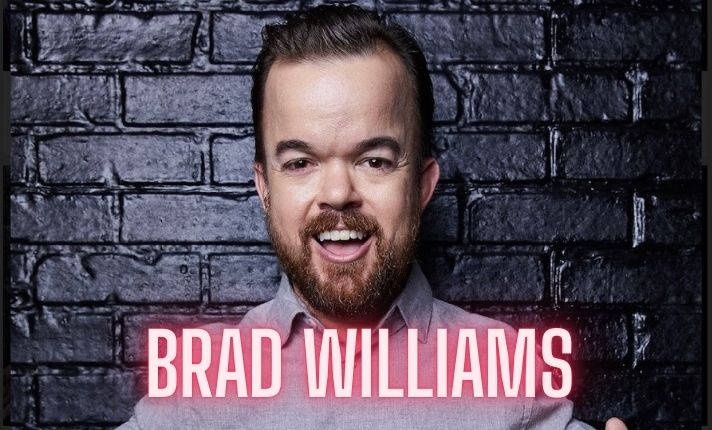
Brad Williams Net Worth, Wife, Height, Age, Daughter, Family, Career and More

Eldorado.gg Review 2026: How It Works, Safety, Fees, and Risks
-
Celebrity9 months ago
Alex Pettyfer Net Worth, Wife, Age, Height, Children, Career and More
-
Celebrity10 months ago
Brad Williams Net Worth, Wife, Height, Age, Daughter, Family, Career and More
-
Blog1 month ago
Eldorado.gg Review 2026: How It Works, Safety, Fees, and Risks
-
 Anime11 months ago
Sanzoku Bandits of One Piece: Origins, Higuma, and Their Role in Dawn Island
-
 Celebrity10 months ago
John McGinn Net Worth, Age, Height, Wife, Childrens, Career and More
-
 Celebrity10 months ago
Frances de la Tour Net Worth, Age, Height, Husband, Childrens, Career and More
-
 Celebrity10 months ago
Will Trickett Net Worth, Wife, Childrens, Age, Career and More
-
 Blog2 months ago
Crackstube: A Complete Guide to the Digital Publishing Platform