
Tech
Translate Video Content Easily With AI Dubbing and Custom AI Voices


Translation of spoken videos is more than just word-for-word translation. Timing, tone, pronunciation, captions, and visuals should all be in sync. Manual dubbing may also involve multiple recordings and lengthy editing. Pippit makes this process easy with AI video creation, dubbing, editing, and exporting. This allows creators to develop multilingual content while maintaining uniformity in communication across language versions.
What Happens When AI Dubbing Translates a Video?
AI dubbing is the process of converting spoken text into translated text, retaining the timing of the video. Pippit is able to take the source dialogue, translate it, and create a voice track. The audio created should match the video in terms of pacing and sequence of the images. Lip synchronization can assist translated speech to be more in sync with visible speech. Pippit can also create scripts and captions along with dubbed content. Captions offer an alternative access for viewers who like to read the dialogue in translation. But not all cultural references can be translated correctly by automated translation. Humor, idioms, technical terminology, names, and context-sensitive statements are important and still require human review.
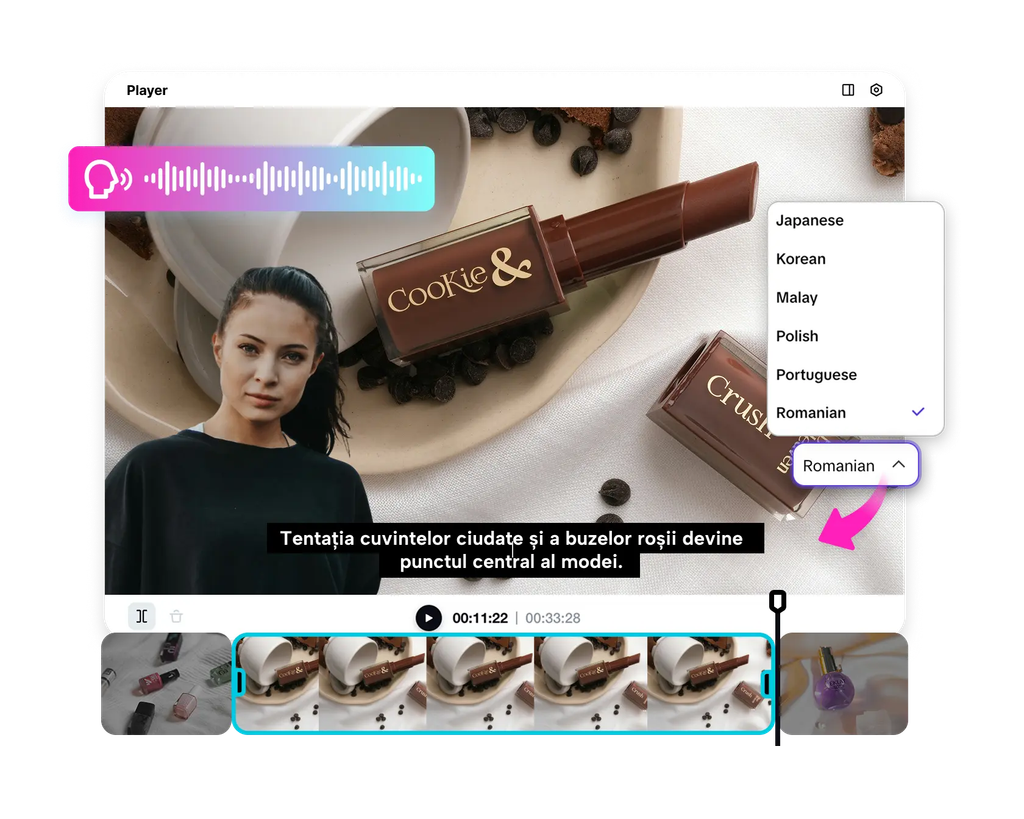
Custom AI Voices and Their Role in Video Translation
Multilingual content can be more consistent across editions using custom AI voices. Pippit offers a choice of AI voices for translated narration. If available, creators can also use their own voice to create a custom voice. When creating new visual content, a workflow like SeedAudio 2.0 can be used alongside other AI video production requirements. If an audience is already familiar with a specific narrator or a brand’s presentation, then voice identity is important. However, by choosing the voice, it is not possible to achieve natural results. There is still an impact of appropriate pacing, pronunciation, emphasis, and tone on listening quality. There may be more technical terms that need to be pronounced before going to print.
Languages, Scripts, and Content Types Suitable for AI Dubbing
Multilingual dubbing can be used for educational videos, promotional videos, product demonstration videos, how-to videos, and explanatory videos. Pippit offers the following language options: English, German, Chinese, Spanish, Arabic, French, and Korean. Availability may vary depending on features, workflow, and platform updates. These scripts can be translated and provided with the generated speech, which allows content creators to check the wording before each edition. When viewers are unfamiliar with words or struggle to understand the pronunciation, subtitles can help to clarify the meaning. This is particularly crucial when running several versions of the same campaign. Product names, feature labels, technical terms, and instructions should not be altered. A well-thought-out translation also helps to maintain the original intent of the video for various audiences.
Steps to Translate Video Content Easily With AI Dubbing and Custom AI Voices
Step 1: Load Your Video Translation Setup
- Sign up for Pippit using Google, TikTok, or Facebook.
- Go to “More” on the left menu and click “Video generator”.
- Choose an AI model, including Dreamina Seedance 1.0, Dreamina Seedance 2.0, Dreamina Seedance 2.0 Fast, Dreamina Seedance 2.0 Mini, or Dreamina Seedance 2.5.
- Enter a detailed prompt with the video style, angles, text, and dubbing script.
- Select the length, language, subtitles, and aspect ratio.
- Click “+” to upload reference images or videos from your device, phone, Dropbox, or a link. You can also select assets.
- Click “Generate”.
Step 2: Produce Your Translated Video
- After “Generate,” Pippit creates the video from your prompt and reference media.
- AI handles transitions, pacing, captions, avatars, voice, lyrics, and visual enhancements.
- Review the video draft.
Step 3: Polish and Export the Translation
- Click “Download” to save it, “Regenerate” for another version, or “Edit more” for customization.
- Edit captions and text, then adjust size, color, alignment, filters, and effects.
- Add music, remove backgrounds, and fine-tune visuals.
- Click “Export”.
- Choose “Publish” for TikTok, Instagram, or Facebook, or “Download” with your preferred format, resolution, frame rate, and quality.
Editing Options After Generating a Dubbed Video
Pippit offers editing tools that help to make automatically generated translated videos more polished. Captions may be manually edited if the translation needs to be altered in worded or timed. Formatting of text can also be modified using sizing, alignment, effects, and other controls. Visual refinements can make a difference in consistency across the various language versions. When the video does not include narration, background AI MV may be used to enhance the mood of the video. Background removal can isolate subjects from pre-existing backgrounds and allow for manipulation of the background to create alternate compositions. Resize and reframe to fit a video for various publishing formats. Further enhancements in presentation quality can be achieved through filters, transitions, animations, and visual changes.
Practical Uses for Translated Videos With Custom Voices
Pippit’s multilingual workflow can be used for different practical content localization tasks:
- Product demonstrations: Translations of product explanations in different languages with the same narration.
- Educational tutorials: Translate educational videos for students with various native languages.
- Short courses: Develop course versions in multiple languages without capturing each lesson multiple times.
- Explainer content: Localise informational clips while keeping familiar narration features.
- Marketing: Create alternative language versions of campaigns for different regions.
- Translations of internal training videos (training materials): Ensure consistency of terminology between the different editions.
Conclusion
AI localization encompasses translation, voice synthesis, synchronization, subtitles, and video editing. Recognizable narration across languages can increase consistency with custom voices. Pippit unifies these production functions, enabling creators to produce, improve, and export multilingual video efficiently. Human review is necessary to ensure accurate meaning, appropriate pronunciation, cultural context, and responsible voice use. With technology taking care of repetitive production tasks, creators can concentrate more on quality and individual interaction with the audience.

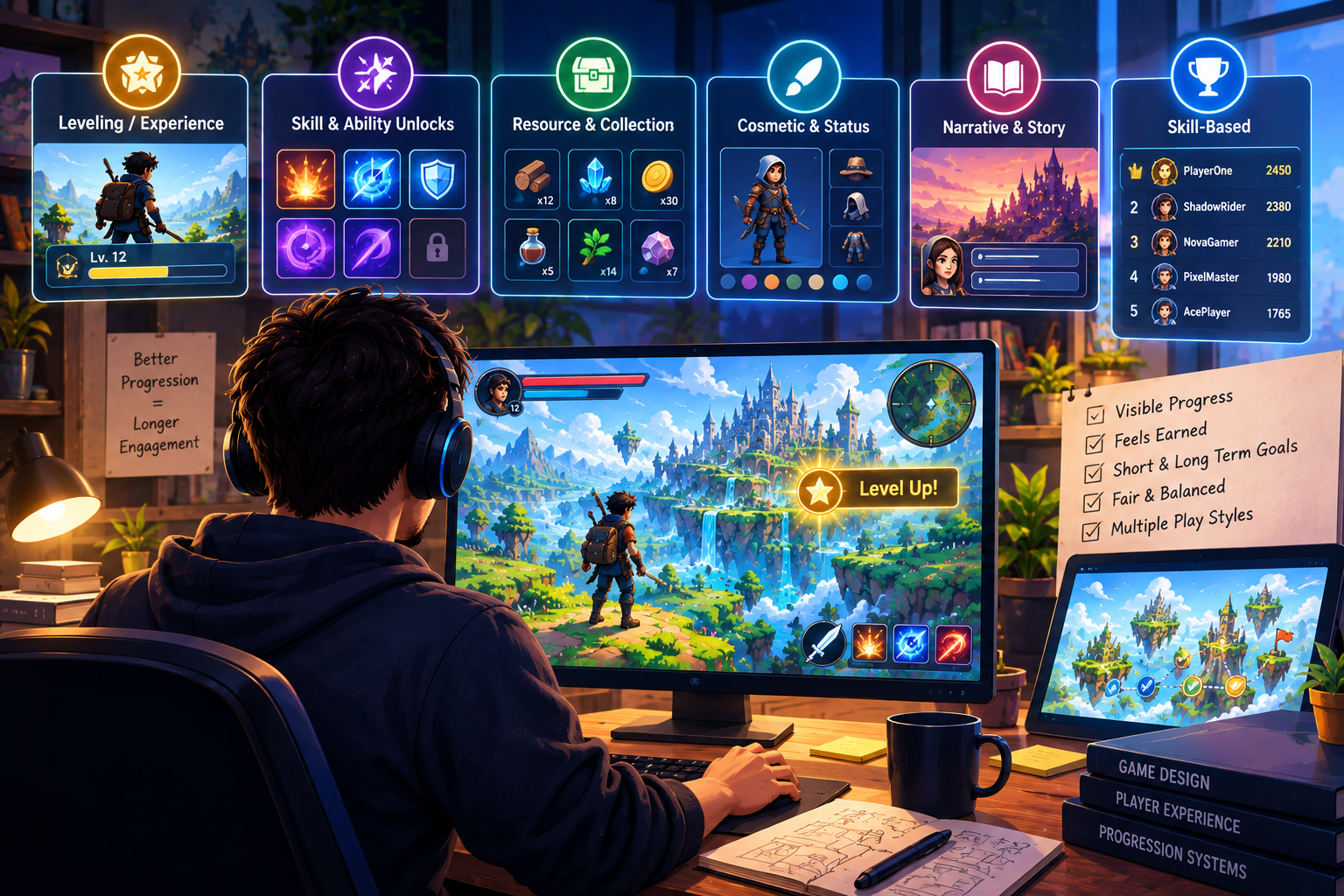
Player progression is what transforms a satisfying core mechanic into a reason to keep returning day after day. A game with a fun action loop but no sense of forward movement loses players quickly. One where every session feels like genuine progress, where players can see how far they’ve come and imagine how much further they can go, sustains engagement far longer than mechanics alone ever could. Strong progression isn’t optional polish, it’s fundamental to whether a player returns or abandons a game after the initial novelty fades.
- Why Progression Matters More Than Most Creators Realize
- Progress Creates Investment in the Outcome
- Progression Provides Direction When Mechanics Alone Don’t
- Visible Progress Affects Player Psychology
- Different Players Progress Differently
- Types of Progression Systems That Work
- Leveling and Experience Progression
- Skill and Ability Unlocks
- Resource and Collection Progression
- Cosmetic and Status Progression
- Narrative and Story Progression
- Skill-Based Progression
- Designing Progression That Actually Feels Good
- Make Progress Visible and Frequent
- Ensure Progression Feels Earned, Not Arbitrary
- Balance Short-Term and Long-Term Goals
- Avoid Creating Unfair Progression Gates
- Mix Mandatory and Optional Progression
- Common Progression Mistakes to Avoid
- Making Progression Too Fast
- Making Progression Too Slow
- Gating Content Behind Progression Artificially
- Letting Progression Diverge From Core Gameplay
- Ignoring Player Feedback About Progression Pacing
- How Progression Interacts With Multiplayer
- Progression Affects Fairness and Balance
- Progression Visibility Drives Social Engagement
- Seasonal Progression Resets Engagement
- Making Progression Flexible Across Different Play Styles
- Support Multiple Paths to the Same Goal
- Allow Progression at Different Paces
- Don’t Force Mandatory Grinding
- Tools for Building Strong Progression
- Final Thoughts
Why Progression Matters More Than Most Creators Realize
Progress Creates Investment in the Outcome
When a player has invested time and effort into progression, they’ve created an emotional stake in the game’s world. Abandoning that progression is harder than walking away from something they just started. That sunk-time effect matters enormously for retention, even when the core mechanic is simple.
Progression Provides Direction When Mechanics Alone Don’t
A well-designed core loop keeps players engaged for a while, but eventually, repetition sets in without external structure. Progression systems provide that structure, giving players clear short-term and long-term goals to chase rather than just doing the same thing indefinitely.
Visible Progress Affects Player Psychology
Humans respond powerfully to seeing measurable progress. A number that ticks up, a level that advances, a bar that fills, these visual representations of progress trigger satisfaction that mechanics alone don’t provide. That psychological response is reliable and powerful.
Different Players Progress Differently
Some players want to reach the endgame quickly. Others prefer a long, gradual climb. A flexible progression system that accommodates multiple paces lets a single game appeal to a wider range of players without requiring multiple difficulty modes or separate experiences.
Types of Progression Systems That Work
Leveling and Experience Progression
Traditional experience-based leveling where players accumulate points and advance through distinct levels. This works well for games where progression should feel consistent and predictable. Players always know roughly how long until the next level and what unlocks when they reach it.
Skill and Ability Unlocks
Rather than abstract levels, progression comes from unlocking new abilities, techniques, or tools that change how the game plays. This keeps the core loop fresh because new progression actually changes what players can do, not just making numbers bigger.
Resource and Collection Progression
Games where progression comes from collecting resources, building inventory, or acquiring items to combine or use. This progression type works especially well for casual games and those with exploration or collection mechanics at their core.
Cosmetic and Status Progression
Visual customization, cosmetic unlocks, and prestige systems that signal progress without changing core mechanics. These work well for games focused on player expression or social comparison, where status visibility matters for engagement.
Narrative and Story Progression
Games that unlock new story content, reveal character backstories, or advance a narrative as reward for progression. This type works particularly well for games where the story is a major engagement driver, not just window dressing.
Skill-Based Progression
Rather than just playing to accumulate rewards, progression comes from measurable improvement in player skill, with difficulty ramping as players improve. Leaderboards, skill ratings, and competitive ranking exemplify this model. Games like Steal an Egg demonstrate how skill-based progression works, where player performance directly determines advancement, creating genuine investment in improving.
Designing Progression That Actually Feels Good
Make Progress Visible and Frequent
Players should see progression happening regularly, not just at distant milestones. A bar that fills incrementally, points that accumulate visibly, unlocks that happen frequently, all create a sense of consistent forward movement that keeps motivation high.
Ensure Progression Feels Earned, Not Arbitrary
Progress based on genuine play, skill improvement, or meaningful choices feels rewarding. Progress that happens automatically or through random chance feels hollow. The connection between player action and progression outcome matters enormously for how meaningful progression feels.
Balance Short-Term and Long-Term Goals
Immediate rewards every few minutes of play keep moment-to-moment motivation high. Longer-term goals spanning weeks or months give players a reason to keep returning. A progression system needs both timeframes to sustain engagement across different play sessions.
Avoid Creating Unfair Progression Gates
A difficult gate that new players can’t pass, or progression that becomes inaccessibly expensive, frustrates players and damages retention. Progression should feel achievable for persistent play, even if the absolute end-game requires significant commitment.
Mix Mandatory and Optional Progression
Some progression should feel required to experience the game’s core loop. Other progression should be entirely optional, available for players who want additional challenge or reward but not necessary for core enjoyment. This mix accommodates different player motivations.
Common Progression Mistakes to Avoid
Making Progression Too Fast
Progression that completes in a few hours of play leaves players with nowhere to go. They’ll have experienced most of what the game offers and lost the sense of forward momentum that sustains engagement.
Making Progression Too Slow
Conversely, progression that takes weeks for any visible advancement frustrates players who want to feel progress happening. The grind becomes discouraging rather than rewarding.
Gating Content Behind Progression Artificially
Progression that just locks away content the game already has, rather than actually adding new experiences, feels like artificial gate-keeping. Players resent progression systems that feel designed purely to extend playtime rather than genuinely enrich the experience.
Letting Progression Diverge From Core Gameplay
Progression systems that reward completely different behavior than core gameplay create a disconnect. A game that’s fun to play but unfun to progress in will eventually lose players, no matter how good the core loop is.
Ignoring Player Feedback About Progression Pacing
Progression systems need adjustment. If players consistently report the grind feeling wrong, that feedback matters more than internal design assumptions. Iterating based on real player experience makes progression better for everyone.
How Progression Interacts With Multiplayer
Progression Affects Fairness and Balance
In multiplayer games, progression that unlocks power advantages creates imbalance if new players face veterans directly. Progression systems need to either separate players by progression level or ensure progression doesn’t create unfair advantage.
Progression Visibility Drives Social Engagement
In multiplayer, visible progression creates comparison. A leaderboard showing where you rank relative to friends, or cosmetics showing how far you’ve progressed, creates social motivation that solo progression doesn’t generate.
Seasonal Progression Resets Engagement
Seasonal systems that reset progression periodically, giving everyone a fresh start while letting long-term players retain cosmetics or status, create regular reasons for the entire community to return simultaneously.
Making Progression Flexible Across Different Play Styles
Support Multiple Paths to the Same Goal
Rather than one optimal progression path, offer different routes to advancement that reward different play styles. Competitive players progress through ranked play, casual players through consistent daily play, creative players through cosmetic collection.
Allow Progression at Different Paces
Some players want to optimize and rush through progression. Others prefer a slow, relaxed climb. Progression systems that accommodate both paces without making either feel disadvantaged work for broader audiences.
Don’t Force Mandatory Grinding
Progression should reward core gameplay, not require tedious repetition of the same tasks to accumulate numbers. If progression feels like a second job separate from enjoying the game itself, players will find something else instead.
Tools for Building Strong Progression
Create a game platforms increasingly support customizable progression systems, letting designers define leveling curves, unlock schedules, and progression mechanics without requiring custom code.
Clear progression documentation helps players understand the system. If players don’t know how progression works or what they’re working toward, the system loses much of its psychological impact.
Regular progression audits based on player data reveal whether the system is actually working as intended. Are players progressing at the pace you intended? Are certain progression gates causing excessive dropoff?
Final Thoughts
Strong player progression doesn’t happen by accident or through a single clever mechanic. It comes from deliberately designing a system where players see consistent forward movement, where that progress feels earned through genuine play, where goals both immediate and distant create reasons to return repeatedly. The specific progression type matters less than ensuring that progression genuinely enhances engagement rather than existing just to extend playtime artificially.
The games sustaining player attention longest aren’t always the ones with the most complex mechanics. They’re often the ones with progression systems that make players feel like they’re advancing meaningfully, unlocking new experiences, or improving measurably at something they care about. Get progression right, and a simple core loop can sustain engagement for months. Get it wrong, and even a sophisticated game loses players once the novelty wears off.

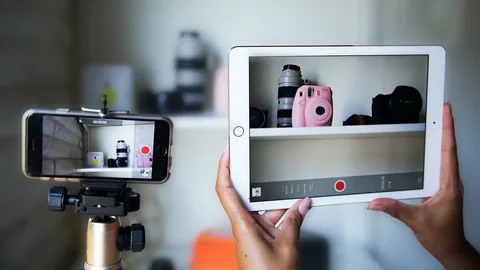
Think about the last time you wanted to turn a moment into something more than a photo. Maybe it was an old picture of your grandmother, a shot of a product you’re selling, or a travel photo you wished you’d filmed instead. A few years ago, your only option was to pick up a camera and start over. That’s not true anymore.
- The Old Way Took Time, Money, and Patience
- Real Situations Where This Actually Helps
- A Small Shop Owner Without a Marketing Budget
- Someone Bringing an Old Photo Back to Life
- A Creator Testing Ideas Fast
- What “Free” Actually Buys You
- Limited Generations, Not Unlimited Ones
- Lower Resolution or Watermarked Output
- A Genuine Way to Test Before Paying
- How to Pick a Tool Without Wasting Time
- A Small Word of Caution
- The Bigger Shift Worth Noticing
AI has quietly rewritten the rules of video creation, and the part that’s catching everyone’s attention right now is how much of it is free. You don’t need equipment, a studio, or editing experience. You need one photo and a tool that knows how to move it. That’s the whole idea behind the rise of “image to video free” as a search term — a photo goes in, a short video comes out, and the gap between the two used to be filled by a film crew.
Tools like Seedance 2.5 are a good example of how far this has come. You upload a single image, describe the kind of motion you want, and within a minute or two you have a clip that looks like it was shot with a camera, not generated by a model.
The Old Way Took Time, Money, and Patience
Making even a short video used to involve a chain of steps: setting up lighting, filming multiple takes, importing footage, cutting it together, adding transitions. If something looked off, you had to reshoot. That process worked fine for professionals with budgets, but it left out almost everyone else — small business owners, hobbyists, people who just wanted to animate a memory without turning it into a project.
Image to video tools skip nearly all of that. There’s no filming stage at all. The “shoot” already happened the moment you took the photo. The AI’s job is just to imagine what happens next — the wind moving through hair, a subtle camera pan, a person’s expression shifting — and render it convincingly.
Real Situations Where This Actually Helps
It’s easier to understand the appeal through examples rather than theory.
A Small Shop Owner Without a Marketing Budget
Picture someone running a small online store. They have decent product photos but no video content, and video consistently performs better on social platforms. Instead of paying for a photoshoot, they turn existing photos into short clips — a candle with a soft flicker, a bag slowly rotating — and suddenly they have content that used to require a whole different skill set.
Someone Bringing an Old Photo Back to Life
There’s also a quieter, more personal use case. People take an old family photo — maybe the only picture they have of a grandparent — and turn it into a few seconds of gentle movement. A blink, a small smile, a soft breeze. It’s not about realism for its own sake. It’s about seeing a still memory feel present again, even briefly.
A Creator Testing Ideas Fast
Content creators often need to test what works before committing real production time. Turning a rough image concept into a moving clip lets them see how an idea plays out before investing hours into a full production. It’s less about the final polish and more about speed of iteration.
What “Free” Actually Buys You
The word “free” gets used loosely in this space, so it helps to know what you’re actually getting before you commit to a tool.
Limited Generations, Not Unlimited Ones
Most platforms that are genuinely free give you a set number of video generations per day or per account, rather than unlimited access. That’s reasonable — generating video with AI isn’t cheap on the backend, even if it costs you nothing directly.
Lower Resolution or Watermarked Output
Free versions sometimes cap resolution or add a small watermark. This is usually fine if you’re testing the tool or making something casual. If you plan to publish the video commercially, you may eventually want a paid tier for cleaner output.
A Genuine Way to Test Before Paying
The upside is that you get a real, honest test drive. A platform such as a free seedance video generator lets you try the actual technology — not a stripped-down demo — before deciding whether it’s worth paying for anything at all. That’s a very different experience from the old model of paying upfront and hoping the result is good.
How to Pick a Tool Without Wasting Time
With so many options claiming to do the same thing, a few questions help narrow it down fast:
- Does the motion look natural, or does it feel jittery and artificial?
- Can you describe what should happen, or does it just apply a generic effect?
- Does it keep the original photo’s mood and colors intact?
- Is the free tier actually usable, or is it just a teaser with no real output?
Testing two or three photos across different platforms usually tells you more in five minutes than any comparison article could.
A Small Word of Caution
As with anything AI-generated, it’s worth being thoughtful about what photos you use and where the final clip ends up. Avoid animating images of people who haven’t given permission, and double check a platform’s terms if you plan to use the video commercially. The technology is impressive, but good judgment still matters more than the tool itself.
The Bigger Shift Worth Noticing
What’s happening here isn’t really about one clever feature. It’s a shift in who gets to make video content at all. For a long time, video belonged to people with equipment and time. Now it belongs to anyone with a single photo and a few minutes to spare. That’s a bigger change than it sounds like, and it’s part of why so many people are searching for a way to try it for free before they believe it actually works.


Television has changed significantly in recent years. Instead of relying only on traditional cable or satellite services, viewers can now access live television and on-demand entertainment through internet-based streaming platforms. IPTV Portugal 4K is becoming a popular search term among viewers who want a modern way to watch Portuguese channels, international content, sports, movies, and entertainment on compatible devices.
- What Is IPTV Portugal?
- Why Choose IPTV Portugal 4K?
- Watch Portuguese Entertainment Online
- IPTV Portugal for Sports Fans
- 4K Streaming: What Do You Need?
- IPTV Portugal on Smart TVs
- IPTV Portugal on Firestick and Streaming Devices
- IPTV on Smartphones and Tablets
- How to Choose the Best IPTV Portugal Service
- Check the Channel Selection
- Consider Video Quality
- Review Device Compatibility
- Look at Customer Support
- Understand the Subscription Terms
- Internet Stability Matters
- Is IPTV Portugal 4K Worth It?
- Frequently Asked Questions
- What is IPTV Portugal 4K?
- Can I watch IPTV Portugal on a Smart TV?
- Does IPTV require fast internet?
- Can I use IPTV on Firestick?
- Does every IPTV channel support 4K?
- What should I check before subscribing?
- Final Thoughts
With the right IPTV setup, viewers can enjoy a flexible television experience across Smart TVs, streaming devices, smartphones, tablets, and computers. The combination of high-resolution video, convenient access, and device compatibility makes internet-based television an attractive option for modern households.
What Is IPTV Portugal?
IPTV stands for Internet Protocol Television. Unlike traditional television broadcasting, IPTV delivers television content through an internet connection.
An IPTV Portugal service may provide access to Portuguese programming alongside international channels and entertainment, depending on the provider and the content rights associated with the service.
The main advantage is flexibility. Instead of being tied to a conventional television receiver, viewers can potentially access supported content on multiple internet-connected devices.
For Portuguese viewers, this can be particularly useful when looking for a centralized entertainment solution that combines live programming, sports, movies, and other content in one platform.
Why Choose IPTV Portugal 4K?
One of the biggest attractions of modern streaming is picture quality. 4K resolution provides a sharper and more detailed image than standard HD when the content, device, and connection all support 4K.
A quality-focused IPTV Portugal 4K experience can be useful for viewers who enjoy:
- Live television
- Portuguese programming
- Sports broadcasts
- Movies and entertainment
- International channels
- High-resolution content
- Streaming on large-screen TVs
However, 4K quality depends on several factors. The content itself needs to be available in 4K, the streaming platform must support the resolution, the playback device needs to be compatible, and the internet connection should provide enough bandwidth.
Watch Portuguese Entertainment Online
Portuguese television offers a wide variety of programming, including news, entertainment, sports, documentaries, cultural programs, and general television shows.
For people who want access to Portuguese-oriented programming while using modern streaming technology, IPTV can provide a convenient alternative to traditional viewing methods.
The exact channels and programs available will depend on the IPTV provider and its licensing arrangements. Therefore, users should always check the current channel list before subscribing.
A good service should also make its available content easy to understand rather than relying on unclear or exaggerated channel claims.
IPTV Portugal for Sports Fans
Sports are one of the major reasons viewers look for internet television services.
Football is particularly important for Portuguese audiences, while international sports can also attract viewers throughout the country. A modern IPTV platform may offer sports-related programming alongside general entertainment, depending on the provider’s legitimate content rights.
For sports streaming, picture quality and connection stability are especially important. A high-resolution stream can make fast-moving action easier to follow, while a reliable internet connection helps reduce interruptions.
Before choosing a service, users should consider:
- Which sports content is officially available?
- Does the service support HD or 4K?
- Which devices can be used?
- Is customer support available?
- Are subscription terms clearly explained?
These questions can help viewers make a more informed decision.
4K Streaming: What Do You Need?
Having a 4K-capable IPTV service does not automatically guarantee 4K playback. Several technical requirements need to work together.
1. A 4K-Compatible Display
A compatible Smart TV, television box, or streaming device is necessary to display 4K video properly.
2. Suitable Internet Speed
Higher-resolution video generally requires more bandwidth than standard-definition streaming. A stable broadband connection is therefore important for a smooth experience.
3. Compatible IPTV Application
The application used to access the service should support the relevant video formats and devices.
4. 4K Content
The original stream must actually be provided in 4K. Upscaling lower-resolution video does not create the same level of detail as native 4K content.
IPTV Portugal on Smart TVs
Smart TVs are among the most convenient devices for IPTV streaming because they allow users to watch content directly on a television screen.
Depending on the platform, viewers may use a compatible IPTV application or another supported streaming solution. The setup process normally involves installing the appropriate application, entering the credentials or playlist information provided by the service, and configuring the available content.
Because applications and interfaces vary between television manufacturers, users should follow the instructions designed for their specific device.
Popular Smart TV platforms can include Samsung and LG televisions, while Android TV and Google TV devices offer additional application options.
IPTV Portugal on Firestick and Streaming Devices
Streaming devices can also turn a compatible television into a more flexible entertainment system.
Amazon Fire TV devices, Android TV boxes, Google TV devices, and similar hardware can provide access to supported IPTV applications. The exact installation method varies depending on the application and operating system.
When setting up an IPTV service, users should avoid downloading applications or playlists from suspicious sources. Using reputable software and legitimate content providers helps reduce security and reliability risks.
IPTV on Smartphones and Tablets
Modern IPTV platforms are not limited to television screens. Compatible services may also work on smartphones and tablets.
This can be useful for viewers who want to watch supported programming while traveling or when they are away from their main television.
Mobile streaming performance depends heavily on the available Wi-Fi or mobile data connection. When using mobile data, users should also consider their data allowance because high-resolution video can consume significantly more data.
How to Choose the Best IPTV Portugal Service
Choosing an IPTV service should involve more than looking at the number of channels advertised.
A better approach is to evaluate the overall service experience.
Check the Channel Selection
Look for the Portuguese and international content you actually want to watch. A smaller, relevant selection can be more useful than an enormous list of channels that you never use.
Consider Video Quality
If 4K streaming is important, confirm whether the specific content you want is genuinely available in 4K.
Review Device Compatibility
Make sure the service works with your preferred Smart TV, Firestick, Android device, iPhone, iPad, computer, or other supported hardware.
Look at Customer Support
Responsive customer support can be helpful when users encounter login, application, or configuration problems.
Understand the Subscription Terms
Always review pricing, renewal conditions, refund policies, trial terms, and other important conditions before purchasing.
Internet Stability Matters
Even the best streaming platform can experience playback problems when the internet connection is unstable.
For a smoother IPTV experience, users can consider connecting their primary television or streaming device through Ethernet when possible. Wi-Fi can also work well when the router is positioned appropriately and the network has sufficient capacity.
Other devices using the same connection can also affect performance. Large downloads, gaming, cloud backups, and multiple simultaneous video streams may reduce available bandwidth.
Is IPTV Portugal 4K Worth It?
For viewers who prefer flexible internet-based television and have compatible equipment, IPTV Portugal 4K can offer an appealing way to combine live television, sports, and entertainment.
The biggest benefits are flexibility, device choice, modern picture quality, and convenient access to compatible content. However, the quality of the experience depends on the provider, content availability, application, hardware, and internet connection.
Rather than choosing a service solely because it advertises a huge channel number, focus on reliability, transparency, supported devices, content quality, and clear subscription conditions.
Frequently Asked Questions
What is IPTV Portugal 4K?
IPTV Portugal 4K refers to internet-based television services designed for Portuguese viewers that may support 4K video where the content, provider, device, and internet connection all support that resolution.
Can I watch IPTV Portugal on a Smart TV?
Yes, compatible IPTV services can be accessed on supported Smart TVs using an appropriate application or streaming method. Compatibility depends on the television platform and service.
Does IPTV require fast internet?
A stable broadband connection is important, particularly for HD and 4K streaming. Higher-resolution video generally requires more bandwidth than standard-definition content.
Can I use IPTV on Firestick?
Compatible IPTV applications can be used on supported Fire TV devices. The exact setup depends on the application and service.
Does every IPTV channel support 4K?
No. A service advertising 4K does not necessarily mean every channel is available in 4K. Resolution depends on the original content and the stream supplied by the provider.
What should I check before subscribing?
Check the available content, supported devices, video quality, pricing, refund terms, customer support, and whether the provider has the necessary rights to distribute the content you intend to watch.
Final Thoughts
IPTV Portugal 4K represents a modern approach to watching television through an internet connection. With compatible hardware, suitable applications, reliable internet, and legitimately provided content, viewers can enjoy a flexible entertainment setup covering live TV, sports, movies, and other programming.
The best IPTV experience is not simply about having the biggest channel list. Reliability, picture quality, compatibility, transparent pricing, customer support, and legitimate content availability are all important factors.
For Portuguese viewers looking to move beyond traditional television, a carefully selected IPTV solution can provide a convenient and modern way to enjoy supported entertainment across the devices they already use.

Why Is Anatomy So Important In Yoga Teacher Training?

Why Employers Should Care About Sleep Health

How to Create a Game With Stronger Player Progression

Alex Pettyfer Net Worth, Wife, Age, Height, Children, Career and More

Brad Williams Net Worth, Wife, Height, Age, Daughter, Family, Career and More

Eldorado.gg Review 2026: How It Works, Safety, Fees, and Risks
-
Celebrity9 months ago
Alex Pettyfer Net Worth, Wife, Age, Height, Children, Career and More
-
Celebrity9 months ago
Brad Williams Net Worth, Wife, Height, Age, Daughter, Family, Career and More
-
Blog3 weeks ago
Eldorado.gg Review 2026: How It Works, Safety, Fees, and Risks
-
 Anime10 months ago
Sanzoku Bandits of One Piece: Origins, Higuma, and Their Role in Dawn Island
-
 Celebrity9 months ago
John McGinn Net Worth, Age, Height, Wife, Childrens, Career and More
-
 Celebrity9 months ago
Frances de la Tour Net Worth, Age, Height, Husband, Childrens, Career and More
-
 Blog3 weeks ago
What Is Troozer.com? A Clear Guide to the Digital Content Site
-
 Celebrity10 months ago
Will Trickett Net Worth, Wife, Childrens, Age, Career and More