
Business
Movers and Packers in Abu Dhabi: How to Choose the Right Moving Service


Moving to a new home sounds exciting until you start thinking about everything that needs to be packed, lifted, transported, and unpacked. One broken television or a delayed moving truck can turn an otherwise happy day into a stressful experience.
- What Do Movers and Packers in Abu Dhabi Actually Do?
- Why Hiring Professional Movers Makes a Difference
- Types of Moving and Packing Services Available in Abu Dhabi
- Apartment Moving Services
- Villa Moving Services
- Office Movers in Abu Dhabi
- Packing and Unpacking Services
- Step-by-Step Guide to Planning Your Move
- 1. Create an Inventory
- 2. Request a Moving Survey
- 3. Compare Written Quotations
- 4. Confirm Building Requirements
- 5. Prepare Essential Belongings
- 6. Check Everything Before Completion
- How Much Do Moving and Packing Services Cost in Abu Dhabi?
- Main Factors Affecting Moving Costs
- Common Moving Mistakes You Should Avoid
- Practical Tips for a Smoother Move in Abu Dhabi
That’s why choosing reliable movers and packers in Abu Dhabi matters more than simply finding the cheapest quotation. Whether you’re shifting from an apartment on Al Reem Island, moving into a villa in Khalifa City, or relocating your workplace, good planning makes a noticeable difference.
This guide explains what professional movers do, how to compare services, what affects moving costs, and how to prepare for a smoother relocation across Abu Dhabi.
What Do Movers and Packers in Abu Dhabi Actually Do?
Professional moving companies help families and businesses relocate safely. Services typically include packing, furniture dismantling, transportation, and reassembly. For business relocations, office movers in Abu Dhabi also handle office furniture, equipment, and workstations to reduce disruption.
Some companies offer complete door-to-door relocation, while others provide transportation and labour only.
For example, moving a furnished two-bedroom apartment from Al Khalidiyah to Al Reem Island may require several workers, a suitable moving truck, protective materials, and coordination with both buildings.
The important thing is understanding exactly what’s included before confirming your booking.
Why Hiring Professional Movers Makes a Difference
It’s tempting to organise a move yourself, especially when you’re trying to control expenses. However, moving heavy furniture through narrow corridors or handling delicate belongings without proper protection creates unnecessary risks.
Professional relocation services can make the process easier in several ways.
- Better furniture protection: Suitable wrapping materials help protect wooden surfaces, glass panels, and delicate furniture.
- Less physical strain: Trained workers handle lifting, carrying, and loading bulky items.
- Organised transportation: A suitable truck allows belongings to be arranged and secured for the journey.
- Faster preparation: Experienced crews can coordinate packing and loading more efficiently.
- Reduced disruption: A planned moving schedule helps families and businesses settle into their new spaces.
Hiring movers doesn’t remove every possible risk. It does, however, give you a more structured way to manage the relocation.
Types of Moving and Packing Services Available in Abu Dhabi
Not every relocation requires the same equipment or number of workers. Understanding the different services helps you avoid paying for work you don’t need.
Apartment Moving Services
Apartment relocations are common in residential areas such as Al Reem Island, Al Raha Beach, and Al Khalidiyah.
A typical apartment move can involve:
- Packing household belongings and kitchen items
- Wrapping sofas, beds, tables, and cabinets
- Dismantling and reassembling suitable furniture
- Loading and transporting household items
- Placing furniture in the designated rooms
Building access is particularly important. Some residential towers require advance approval, specific loading hours, or a reserved service lift.
Villa Moving Services
Villa relocations generally involve larger furniture volumes and more complicated packing requirements.
Homes in Khalifa City, Mohammed Bin Zayed City, and other villa communities may contain outdoor furniture, garden equipment, large wardrobes, and additional storage areas.
A detailed pre-move survey helps determine the crew size, truck capacity, and packing materials needed.
Office Movers in Abu Dhabi
Business relocations require a different approach because delays can interrupt daily operations.
Experienced office movers in Abu Dhabi can assist businesses with shifting workstations, office furniture, filing cabinets, meeting tables, and IT equipment.
For example, relocating an office from the Corniche area to Al Maryah Island may require coordinated loading access, labelled workstations, and a phased moving schedule.
Sensitive documents and computer equipment need particular attention. Businesses should arrange secure handling procedures and ensure that authorised IT personnel manage server shutdowns, connections, and data backups.
Packing and Unpacking Services
Some customers only need help preparing their belongings for transportation.
Professional packing services may include:
- Double-walled cartons for suitable household goods
- Protective wrapping for glass and fragile items
- Mattress covers and furniture blankets
- Labelling boxes according to room
- Unpacking and arranging items at the destination
Always confirm whether packing materials and unpacking are included in the quotation.
Step-by-Step Guide to Planning Your Move
A successful move usually begins several days or weeks before the truck arrives.
1. Create an Inventory
Walk through your property and list the items you intend to move.
Include large furniture, appliances, electronics, and the approximate number of boxes. Mention unusually heavy or fragile belongings separately.
2. Request a Moving Survey
A survey can be conducted in person or through photographs and video, depending on the job.
It allows the moving company to assess furniture volume, access restrictions, and special handling requirements.
3. Compare Written Quotations
Get at least three quotations based on the same inventory.
Don’t compare prices alone. Check the number of workers, truck size, packing materials, dismantling services, and potential additional charges.
4. Confirm Building Requirements
Contact the management teams of both properties.
Ask whether you need a move-in or move-out permit, a No Objection Certificate (NOC), lift reservation, or loading-area approval. Requirements differ between buildings and communities.
5. Prepare Essential Belongings
Keep passports, Emirates IDs, jewellery, medication, important documents, and other valuables with you.
Pack a separate essentials bag containing chargers, toiletries, and clothes for the first day.
6. Check Everything Before Completion
At the destination, inspect large furniture and fragile items before the crew leaves.
Confirm that all cartons have arrived and that agreed furniture reassembly has been completed.
How Much Do Moving and Packing Services Cost in Abu Dhabi?
Moving costs aren’t fixed because every property has different requirements.
A small apartment with minimal furniture may need a relatively simple relocation. A fully furnished villa with outdoor equipment and heavy furniture requires more labour, packing supplies, and transportation capacity.
Rather than relying on a generic advertised price, request a quotation based on your actual inventory.
Main Factors Affecting Moving Costs
| Pricing factor | How it affects your quotation |
| Property size | More rooms and belongings generally require more labour and truck space. |
| Furniture volume | Bulky furniture may require additional handling or dismantling. |
| Travel distance | Longer journeys can increase transportation time and costs. |
| Building access | Stairs, long carrying distances, and restricted lifts may increase labour time. |
| Packing requirements | Full packing costs more than transportation-only services. |
| Special items | Pianos, large safes, and delicate equipment may require specialist handling. |
| Storage needs | Temporary or long-term storage is usually priced separately. |
Also ask whether the quotation includes VAT. The UAE standard VAT rate is 5%, where applicable.
Why the Cheapest Quote Isn’t Always the Best
Imagine receiving two quotations for the same apartment.
The first company offers a lower price but excludes carton packing and furniture reassembly. The second includes those services in its written quotation.
The first option may end up costing more once additional work is charged separately.
A detailed quotation is usually more useful than a low starting price with unclear inclusions.
Common Moving Mistakes You Should Avoid
Even a carefully planned relocation can become difficult when small details are overlooked.
Booking without confirming availability: Popular moving dates can fill quickly, particularly around weekends and month-end.
Ignoring building restrictions: A moving truck arriving without the necessary access approval may face delays.
Underestimating belongings: Forgetting storage cupboards, balconies, or extra furniture can affect the crew and vehicle requirements.
Leaving packing until the last minute: Rushed packing makes fragile items harder to protect and cartons more difficult to organise.
Not discussing damage procedures: Ask how the company records damaged items, what protection is available, and whether any compensation limits apply.
Relying only on verbal agreements: A written quotation helps clarify responsibilities if disagreements arise.
Practical Tips for a Smoother Move in Abu Dhabi
A few preparations can save considerable time on moving day.
Label Boxes by Destination Room
Instead of writing only “Kitchen” or “Bedroom,” add a short description of the contents.
For example, “Kitchen – Glassware” tells the crew where the carton belongs and that careful handling is needed.
Photograph Furniture Before Dismantling
Take photos of complicated furniture, cable connections, and valuable items before packing.
These pictures can help during reassembly and provide a useful record of the item’s condition.
Check Lift and Parking Access Early
Don’t assume that a truck can stop directly outside your building.
In busy residential and commercial areas, designated loading access and service lifts may need to be arranged in advance.
Plan Office Relocations Around Business Operations
If you’re relocating an office, choose a schedule that minimises interruptions.
Assign one employee to coordinate inventory, another to manage IT equipment, and a primary contact to communicate with the moving team.
Check that files, devices, and desks are clearly labelled according to their new locations.
Confirm the Final Scope in Writing
Before moving day, ask the company to confirm its arrival window, crew size, transport arrangements, and included services.
Keep the confirmation accessible so everyone understands the agreed plan.
Final Thoughts
Moving doesn’t have to become a stressful experience. The right planning, clear communication, and an experienced moving team can help protect your belongings and reduce unnecessary delays.
Whether you’re relocating a small apartment, a family villa, or a busy workplace, focus on service quality, transparent quotations, and realistic scheduling.
Before booking, share your inventory, confirm both properties’ access requirements, and request a detailed quotation.
Planning a move in Abu Dhabi? Contact a professional moving team for a personalised assessment and written quote that matches your property, schedule, and packing requirements.


My aunt owns a solid marble dining table that came from her mother’s house, and when she moved from Al Barsha to Dubai Hills a couple of years ago, she lost sleep over it for about three weeks. Not because of the cost, although it wasn’t cheap. Because it weighed more than three grown men could comfortably lift, the top was one single slab with a hairline crack she’d been careful about for fifteen years, and she’d heard enough horror stories about tables arriving in two pieces to expect the worst.
- Heavy Items Are About Technique, Not Muscle
- Why Do Some Heavy Pieces Get Taken Apart Before Moving?
- Fragile Items Need Protection Before They Move, Not After
- How Do Movers Stop Items From Shifting in Transit?
- Valuable Items Get Extra Attention for Reasons Beyond Fragility
- Should You Declare Valuable Items to the Moving Company Beforehand?
- What a Reliable Crew Does Before Anything Is Lifted
- Where Packing Fits Into This
- Questions Worth Asking Before You Book
It arrived fine. Not a chip. What surprised her most was how unremarkable the whole thing felt to the crew. They’d clearly done it a hundred times before, and they had a method for every step, from how the slab got wrapped to how it was strapped inside the truck.
That’s really what separates professional furniture movers Dubai residents can trust from a couple of guys with a pickup. It isn’t strength. It’s a process. Here’s how that process actually works when the item is heavy, fragile, or valuable, since each of those three needs a different kind of care.
Heavy Items Are About Technique, Not Muscle
Most people assume moving something heavy is just a matter of getting enough people to lift it. In practice, brute force is how backs get injured and floors get gouged. Trained crews rely on equipment and positioning far more than raw strength.
A few things they typically use:
- Furniture dollies and sliders to move heavy pieces across floors without lifting
- Lifting straps that spread the weight across shoulders instead of hands and wrists
- Ramps and tail lifts for loading, so nobody’s hauling a wardrobe up a truck bed by hand
- Partial disassembly, so one heavy piece becomes two or three manageable ones
Most of the damage on a bad move happens at the doorway or stairwell, not on the truck. A crew that measures the path ahead of time, doorframes, corners, and landings included, avoids the classic scenario of wedging a wardrobe halfway through a door and having to figure out the rest on the spot. This kind of advance route planning is a big part of what separates experienced movers and packers Dubai teams from a general labor crew.
Why Do Some Heavy Pieces Get Taken Apart Before Moving?
Because it protects both the furniture and the building. A bed frame, a large wardrobe, or a modular sofa often has joints and fittings designed to be separated. Taking them apart means smaller, lighter pieces that are easier to carry, harder to damage, and far less likely to scrape a wall or ding a door frame on the way out.
Fragile Items Need Protection Before They Move, Not After
This is where material choice matters. A glass-top coffee table, a mirror, a china cabinet, or a decorative piece with thin legs can’t just be wrapped in a bedsheet and hoped for the best. Reliable movers use specific materials for each type of item, and they pack them before they’re lifted, not once something’s already gone wrong.
| Item | Typical Protection |
| Glass table tops and mirrors | Edge protectors, bubble wrap, rigid corner boards |
| China cabinets and display units | Contents removed, shelves secured, blankets over the frame |
| Chairs with thin legs | Individually wrapped, legs padded |
| Upholstered pieces | Plastic covers over blankets to block dust and moisture |
One detail that tends to surprise people is how fragile items get positioned inside the truck. They’re not just tossed in wherever there’s room. Glass and mirrors usually travel upright, never flat, and get secured between heavier furniture so nothing can shift or press against them during transport.
How Do Movers Stop Items From Shifting in Transit?
Straps, blankets, and packing order. Heavy furniture goes in first, usually against the walls of the truck. Fragile pieces go in next, wedged into stable positions so they can’t slide. Everything gets strapped down. A poorly secured load is behind more damage claims than careless carrying, because items shift on turns and braking, not while being carried down a hallway.
Valuable Items Get Extra Attention for Reasons Beyond Fragility
A piece can be sturdy and still be irreplaceable. Antique furniture, family heirlooms, pieces with sentimental value, and expensive designer items fall into this category. Wrapping them correctly matters, but so does how the crew handles access, documentation, and coverage.
For anything particularly valuable, it’s worth doing a few things before moving day:
- Photograph the item from every angle, including any existing scratches or marks
- Tell the moving company in advance which pieces are the most valuable or sensitive
- Ask what the insurance covers for high-value items, since standard coverage often has limits
My aunt did the first two without realizing how useful it would be. She photographed the table, told the company about the crack in the slab, and the crew planned around it. They used extra padding along the weak point and avoided any angle that would stress it.
Should You Declare Valuable Items to the Moving Company Beforehand?
Yes, almost always. A crew that knows a piece is irreplaceable or has a known weakness will handle it differently than one that assumes it’s standard furniture. It also matters for insurance, since coverage and claims depend on what was disclosed ahead of time.
What a Reliable Crew Does Before Anything Is Lifted
The best movers don’t start by grabbing the biggest thing in the room. They walk through the property first, check the route out, note anything that needs special handling, and plan the loading order. This takes a few minutes and saves hours of trouble. It’s also usually the clearest sign of whether a crew knows what it’s doing.
United Movers Dubai, for example, typically starts with a walkthrough covering exactly these points, identifying heavy pieces, fragile items, and anything the client flags as especially valuable, before a single box or piece of furniture moves.
Where Packing Fits Into This
Furniture handling and packing often go hand in hand, especially for pieces with removable parts, drawers, glass shelves, or fittings that need to be secured separately. Movers and packers Dubai teams that handle both together tend to coordinate better, since the same crew that wraps a cabinet is also the one loading it and placing it at the new home.
Questions Worth Asking Before You Book
It’s worth asking a company directly how they handle your specific heaviest and most fragile pieces, what materials they use, and what their insurance covers. Vague reassurance is a red flag. Specific answers, like how they’d wrap a particular table or how they’d get a large wardrobe down a narrow stairwell, are a good sign.
Bringing It All Together
Furniture movers in Dubai handle heavy, fragile, and valuable items through three different approaches rather than one general method. Heavy pieces rely on equipment, positioning, and partial disassembly. Fragile pieces need the right materials applied before they’re moved, plus careful placement and securing in the truck. Valuable pieces benefit from advance disclosure, documentation, and a clear understanding of what insurance actually covers. A crew that understands the difference between the three is far more likely to deliver everything in the same condition it left.
My aunt’s marble table is still in her dining room, crack and all, exactly as it was. She told me the thing she remembers most about the move isn’t the relief when it arrived, but how calm the crew was about it. That calm, she figured, came from having a method for every kind of item, which is really the whole point of hiring professionals in the first place.

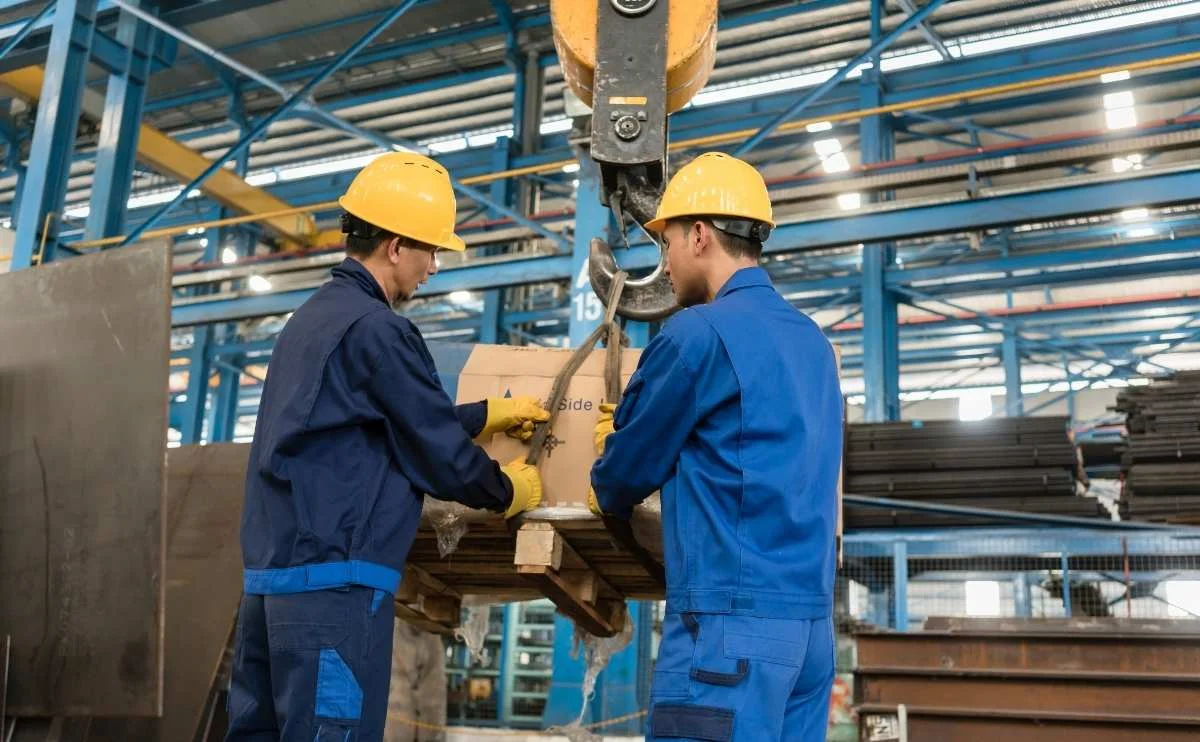
Material handling operations depend on equipment that can perform consistently throughout demanding workdays. Forklifts are often used to transport, stack, load, unload, and position materials, making their reliability an important part of warehouse and industrial productivity. Even when equipment receives regular inspections and preventive maintenance, individual components eventually experience wear and may need to be replaced. Selecting appropriate replacement components is therefore an important part of keeping a fleet dependable. Quality components can support proper equipment operation, reduce the risk of repeated failures, and help businesses maintain safer and more predictable working conditions. When replacement needs are handled proactively rather than after a major breakdown, companies can improve maintenance planning and reduce unnecessary interruptions to daily operations.
- Understanding the Importance of Component Quality
- Recognizing When Replacement Is Necessary
- Supporting Preventive Maintenance Programs
- The Role of Proper Fit and Compatibility
- Reducing Unplanned Equipment Downtime
- Connecting Parts Management With Fleet Planning
- Maintaining Safe Operating Conditions
- Working With Experienced Service Professionals
- Planning for Different Operating Demands
- Keeping Accurate Maintenance Records
- Considering Total Maintenance Value
- Building a Proactive Maintenance Strategy
- Supporting Long-Term Equipment Reliability
- Conclusion
Understanding the Importance of Component Quality
Every forklift depends on numerous mechanical, hydraulic, electrical, and structural components working together as a complete system. A problem with one relatively small component can sometimes affect the performance of several other systems. For example, worn components can contribute to unusual equipment behavior, reduced operating efficiency, inconsistent lifting performance, or increased stress on related parts. Because forklifts operate under significant loads and are frequently used throughout the day, replacement components should be selected according to the equipment’s specifications and operating requirements. Using appropriate Forklift parts can help technicians restore equipment functionality while maintaining compatibility with the original design. Businesses should consider component quality, fit, durability, manufacturer requirements, and installation procedures rather than selecting replacements based only on initial cost.
Recognizing When Replacement Is Necessary
Identifying worn or damaged components early can make equipment maintenance more manageable. Operators are often among the first people to notice changes in forklift behavior because they work directly with the equipment during daily operations. Unusual sounds, reduced lifting performance, steering changes, fluid leaks, warning indicators, inconsistent braking, vibration, or difficulty controlling equipment can indicate that inspection is necessary. These symptoms do not always identify a specific failed component, which is why professional diagnosis can be valuable. A technician can inspect the equipment, determine the underlying cause, and identify which components require adjustment, repair, or replacement. Addressing developing problems before they become serious failures can help businesses avoid larger repair requirements and minimize unexpected downtime.
Supporting Preventive Maintenance Programs
Preventive maintenance provides businesses with an organized way to monitor equipment condition and address developing concerns before they interfere with operations. Maintenance schedules may include inspections, lubrication, fluid checks, safety evaluations, adjustments, and replacement of worn components. A structured program can also help businesses keep accurate records of repairs and identify recurring problems across individual machines. When replacement components are needed, technicians can use service records and equipment information to select the appropriate items. Keeping commonly required Forklift parts available can also make certain maintenance procedures more efficient, particularly for businesses operating larger fleets. However, stocking decisions should be based on equipment type, usage patterns, manufacturer requirements, and historical maintenance needs so that businesses avoid unnecessary inventory while still being prepared for common service situations.
The Role of Proper Fit and Compatibility
Compatibility is one of the most important considerations when selecting replacement components. A component that appears similar to an existing part may not necessarily provide the correct fit or performance characteristics for a particular forklift model. Differences in dimensions, materials, specifications, connections, capacity, or design can affect how a component interacts with the rest of the machine. Installing an unsuitable replacement can create additional maintenance concerns and may result in premature wear. Businesses should therefore provide accurate equipment information when ordering replacement components and work with knowledgeable suppliers or technicians who understand the requirements of different forklift models. Proper identification can help reduce ordering mistakes, avoid unnecessary delays, and support a more reliable repair process.
Reducing Unplanned Equipment Downtime
Unexpected equipment downtime can affect more than the forklift itself. When a machine becomes unavailable, operators may need to wait for repairs, workloads may be redistributed to other equipment, and scheduled material movement can be delayed. In busy warehouses, these disruptions can influence receiving, storage, order preparation, loading, and shipping activities. Having a planned approach to replacement components can help reduce the impact of these situations. Businesses can monitor equipment condition, maintain maintenance records, identify frequently replaced components, and establish relationships with reliable service providers. When a replacement is required, accurate diagnosis and access to suitable components can allow repairs to proceed more efficiently. This approach can make equipment availability more predictable and help management plan operations with greater confidence.
Connecting Parts Management With Fleet Planning
Parts management should be considered alongside broader fleet management practices. Businesses with several forklifts may operate machines with different ages, capacities, brands, attachments, and operating schedules. Each equipment category may have different maintenance requirements, which means a single replacement strategy may not work for the entire fleet. Fleet managers can review repair histories to determine which machines require frequent attention and which components are commonly replaced. This information can help identify aging equipment and support decisions about repair, replacement, or future fleet expansion. Effective parts planning also gives managers a clearer understanding of the long-term costs associated with individual machines and can contribute to more informed equipment management.
Maintaining Safe Operating Conditions
Equipment maintenance has an important relationship with workplace safety. Forklifts are designed to carry substantial loads, operate in active work environments, and maneuver around people, storage systems, vehicles, and other equipment. Worn or damaged components can affect equipment behavior and may create conditions that require immediate attention. Regular inspections and timely repairs help businesses identify potential issues before equipment returns to demanding service. Maintenance personnel should follow appropriate procedures and manufacturer recommendations when installing or servicing components. Operators should also report unusual equipment behavior rather than continuing to use a machine that appears to have a developing mechanical or safety concern. A strong maintenance culture supports both equipment reliability and responsible workplace practices.
Working With Experienced Service Professionals
Replacement components are most effective when they are supported by accurate diagnosis and proper installation. Experienced service professionals can evaluate equipment symptoms, inspect relevant systems, identify the cause of a problem, and determine the appropriate repair procedure. Their knowledge can be particularly useful when a problem involves several connected components or when a forklift has a history of repeated failures. Professional service can also help businesses avoid replacing components unnecessarily when the real cause of a problem lies elsewhere. In addition, technicians can provide information about maintenance intervals, equipment condition, and potential future repair needs. Combining dependable components with knowledgeable service creates a more complete approach to maintaining material handling equipment.
Planning for Different Operating Demands
Not every forklift operates under the same conditions. Some machines may be used for occasional material movement, while others can operate continuously in demanding warehouse or industrial environments. Factors such as load weight, operating hours, floor conditions, environmental exposure, travel distances, and lifting frequency can influence component wear. Businesses should consider these factors when planning maintenance and replacement schedules. Equipment that operates heavily may require more frequent inspection than a machine with limited use. By connecting maintenance planning with actual operating conditions, fleet managers can create more realistic service schedules and identify potential problems earlier. This can also help businesses make better decisions about inventory, technician availability, and equipment utilization.
Keeping Accurate Maintenance Records
Detailed maintenance records provide valuable information about the history of each machine. Records can include inspection dates, repair descriptions, component replacements, service observations, operating hours, and recurring problems. Over time, this information can reveal patterns that may not be obvious from a single repair. For example, repeated replacement of the same component could indicate excessive operating stress, incorrect adjustment, an underlying mechanical issue, or equipment that is approaching the later portion of its useful service life. Accurate records also make it easier for technicians to understand previous work before beginning a new repair. This historical information can support better maintenance decisions and help businesses manage equipment costs more effectively.
Considering Total Maintenance Value
The purchase price of a replacement component is only one part of its overall value. Businesses should also consider installation requirements, expected service life, compatibility, maintenance frequency, equipment downtime, and the potential consequences of premature failure. A lower initial cost may not provide long-term value if the component wears quickly or creates additional service requirements. Conversely, an appropriate high-quality component may support more dependable operation and reduce the frequency of certain repairs. Evaluating total maintenance value allows businesses to look beyond the immediate purchase and consider how replacement decisions affect equipment performance over time. This broader perspective can contribute to more consistent fleet management and better control of maintenance resources.
Building a Proactive Maintenance Strategy
A proactive maintenance strategy combines regular inspections, operator communication, accurate records, professional service, and appropriate replacement planning. Instead of waiting for equipment to fail completely, businesses can monitor changes in performance and respond when early warning signs appear. This approach can be especially useful for operations where forklift availability is closely connected to productivity. Managers can establish inspection procedures, review maintenance records regularly, schedule service according to equipment requirements, and ensure that technicians have access to appropriate components. Businesses can also evaluate whether recurring maintenance issues indicate a need for operational changes, additional training, equipment replacement, or changes in fleet configuration. A proactive strategy turns maintenance from a reactive expense into an organized part of operational planning.
Supporting Long-Term Equipment Reliability
Long-term forklift reliability depends on many factors, including proper operation, preventive maintenance, timely repairs, appropriate loading practices, and the quality of replacement components. Businesses that treat component management as an important part of fleet planning can make equipment maintenance more organized and predictable. Reliable forklift parts can help support repairs when selected correctly and installed according to equipment requirements. At the same time, component replacement should always be combined with professional evaluation when the cause of a problem is uncertain. Simply replacing a visibly worn item may not resolve an underlying issue if another system is responsible for the failure. A complete maintenance approach considers the entire machine rather than focusing only on individual components.
Conclusion
Reliable material handling depends on equipment that can perform consistently, safely, and efficiently throughout its working life. Replacement components play an important role in maintaining that performance because normal wear, demanding operating conditions, and equipment age can eventually affect individual systems. Businesses can strengthen their maintenance programs by monitoring equipment condition, keeping accurate service records, selecting compatible components, scheduling preventive inspections, and working with experienced technicians. They can also use maintenance history to identify recurring issues and make informed decisions about future fleet requirements. When component management becomes part of a broader maintenance strategy, businesses are better positioned to reduce avoidable downtime and maintain dependable equipment performance. Careful planning, proper installation, and timely service can help extend equipment usefulness while supporting the productivity of the operation as a whole.

Plumbing problems do not always develop gradually or appear at a convenient time. A small leak can suddenly become a major water issue, a blocked drain can prevent essential fixtures from being used, or a damaged pipe can release a large amount of water into a property within minutes. Situations like these require more than basic maintenance because delaying service may allow the original problem to affect floors, walls, cabinets, ceilings, electrical components, or other plumbing fixtures. Understanding how urgent plumbing situations develop and knowing when professional assistance is appropriate can help property owners respond more effectively. An experienced plumber can evaluate the source of the problem, determine whether immediate repairs are necessary, and take steps to reduce further damage while developing a suitable long-term solution. Professional support is especially valuable when the plumbing issue involves hidden pipes, pressurized water lines, sewer connections, water heaters, or multiple fixtures that are experiencing problems at the same time.
- Recognizing Serious Plumbing Problems
- Why Prompt Professional Service Matters
- Common Causes of Plumbing Emergencies
- Protecting the Property During a Plumbing Emergency
- The Role of Professional Diagnosis
- Preventing Future Plumbing Emergencies
- Choosing the Right Plumbing Support
- Long-Term Plumbing Reliability
- Conclusion
Recognizing Serious Plumbing Problems
One of the most important aspects of handling plumbing emergencies is recognizing when a problem requires immediate professional attention. Not every dripping faucet or slow drain represents an emergency, but certain warning signs should not be ignored. A rapidly increasing leak, overflowing fixture, burst pipe, complete loss of water, sewage backup, or water accumulating in areas where it should not be present can indicate a more serious plumbing failure. Homeowners may also notice unusual sounds behind walls, sudden changes in water pressure, persistent odors, or moisture appearing around ceilings and floors. These symptoms can sometimes indicate a problem that is occurring outside the visible plumbing fixtures. Attempting to ignore these warning signs may allow water to travel through concealed spaces and create additional structural or property concerns. Professional assessment helps identify the actual source rather than simply treating the visible symptom.Another reason prompt attention matters is that plumbing systems are interconnected. A problem affecting one component can sometimes place additional pressure on another part of the system. For example, a damaged supply line may cause significant water loss, while a sewer blockage can affect several fixtures throughout the property. A water heater problem may also create leakage, temperature issues, or pressure-related concerns that require more than a simple component adjustment. When several fixtures begin behaving abnormally at approximately the same time, it is useful to consider the possibility of a larger plumbing issue rather than assuming each fixture has developed an unrelated problem. A qualified technician can inspect the system, identify relationships between different symptoms, and determine what type of repair is appropriate.
Why Prompt Professional Service Matters
When a plumbing problem develops suddenly, property owners may be tempted to postpone professional assistance until a more convenient time. This approach can sometimes increase the eventual cost and complexity of repairs. Water can move quickly through porous materials, flooring systems, cabinetry, drywall, insulation, and other building components. Even when the original leak is relatively small, continued moisture exposure can create conditions that are much more difficult to correct. A professional response can help limit the duration of the problem and provide a structured approach to repair. Instead of repeatedly attempting temporary fixes, homeowners can receive an evaluation of the underlying plumbing condition and determine what work is necessary to restore reliable performance.Professional plumbing service is also important because some urgent problems cannot be safely or effectively resolved with household tools. A pipe located inside a wall, a damaged sewer line, or a failed connection beneath a fixture may require specialized equipment and technical knowledge. Attempting to access concealed plumbing without understanding the system can result in unnecessary damage to surrounding materials. Experienced technicians can use appropriate diagnostic methods to locate the problem and determine how extensive the repair needs to be. This can reduce unnecessary disruption while helping ensure that the repaired plumbing system is capable of handling normal use after the service is completed.
Common Causes of Plumbing Emergencies
Plumbing emergencies can develop for many different reasons, and the cause is not always immediately visible. Aging pipes are one common factor because plumbing materials can gradually deteriorate after years of use. Corrosion, mineral buildup, weakened connections, pressure fluctuations, and physical damage can eventually compromise a pipe or fitting. In other situations, a plumbing emergency may result from improper installation, accidental damage, frozen pipes in suitable climates, excessive pressure, or a blockage that has been developing over an extended period. Fixtures and appliances connected to plumbing systems can also experience failures that release water unexpectedly.Drain and sewer problems represent another significant source of urgent plumbing concerns. A blockage may begin as a minor reduction in drainage speed, but continued accumulation of grease, debris, hair, foreign materials, or other substances can eventually prevent wastewater from moving properly. If wastewater begins backing up through sinks, tubs, floor drains, or other fixtures, the situation should receive prompt attention. Sewer-related problems are particularly important because contaminated water can create sanitation concerns and may affect multiple areas of a property. Professional technicians can determine whether the problem is located within the property’s plumbing or connected to a larger drainage condition and recommend appropriate repair or cleaning methods.
Protecting the Property During a Plumbing Emergency
Before professional help arrives, property owners can often take reasonable steps to limit additional damage, provided those actions can be performed safely. If a leaking fixture has an accessible shutoff valve, closing the valve may reduce water flow. For larger leaks, the main water supply may need to be shut off if the property owner knows where the valve is located and can access it safely. Electrical equipment should be approached carefully when water is present, and homeowners should avoid entering areas where standing water may create an electrical hazard. The goal is not to perform a complicated repair without professional knowledge but to control the situation as much as reasonably possible while qualified assistance is arranged.Documentation can also be useful after a significant plumbing incident. Property owners may want to note when the problem began, what symptoms appeared first, which fixtures were affected, and whether previous repairs had been performed in the same area. Photographs of visible water damage or leaking components can provide useful information as well. These details can help a technician understand how the problem developed and may make diagnosis more efficient. Maintaining records of previous plumbing work is especially helpful in older properties where several components may have been replaced or repaired at different times.
The Role of Professional Diagnosis
Accurate diagnosis is one of the most important parts of effective plumbing repair. A visible leak does not always reveal the actual point where water is escaping, and the location where water appears may be different from the location of the damaged pipe or connection. Water can travel through building materials before becoming visible, which means repairing only the visible moisture source may fail to address the underlying issue. Professional technicians can evaluate the plumbing layout, inspect accessible components, assess water pressure, examine drainage behavior, and use appropriate diagnostic equipment when necessary.Diagnosis also helps property owners distinguish between a temporary problem and a condition that may require broader repair. For example, a recurring blockage may indicate deterioration, improper pipe slope, damaged piping, or another underlying concern rather than ordinary debris buildup. Similarly, repeated leaks around the same connection may indicate that simply replacing a washer or tightening a fitting will not provide a lasting solution. A professional assessment provides an opportunity to understand why the problem is occurring and whether additional work should be considered.
Preventing Future Plumbing Emergencies
Although not every plumbing failure can be predicted, regular maintenance can reduce the likelihood of some urgent problems. Property owners can monitor fixtures for changes in performance, pay attention to unusual noises, inspect visible supply lines, and respond promptly to small leaks. Drains should be used responsibly, and materials that can contribute to blockages should not be intentionally introduced into plumbing systems. Water heaters, shutoff valves, exposed pipes, and other accessible components can also be inspected periodically for signs of corrosion, leakage, or deterioration.Routine professional inspections can provide another level of protection, particularly for older plumbing systems. During an inspection, a technician may identify conditions that have not yet developed into an obvious emergency. Addressing those concerns earlier can sometimes be simpler than waiting until a component fails completely. Preventive maintenance can also help property owners understand the remaining condition of important plumbing components and plan future improvements based on actual system needs rather than reacting to unexpected failures.
Choosing the Right Plumbing Support
When an urgent plumbing problem occurs, selecting a qualified service provider is an important part of the response. Property owners should consider whether the plumber has experience with the type of issue involved, provides clear information about recommended repairs, and can evaluate both the immediate symptom and the underlying plumbing condition. Professional communication is valuable because emergency situations can be stressful, and homeowners need to understand what is happening before making decisions about repair work. A technician should be able to explain the problem in understandable terms and identify which repairs are necessary immediately and which improvements may be considered later.Reliable service should also extend beyond the immediate emergency. Once the active problem has been controlled, the technician can evaluate whether additional plumbing components have been affected or whether the original failure indicates broader system deterioration. This follow-up perspective can help prevent repeated service calls caused by an unresolved underlying condition. In some cases, a larger repair or replacement may be more appropriate than continuing to make temporary fixes to an aging component. Professional guidance allows property owners to consider these choices with a clearer understanding of the system’s condition.
Long-Term Plumbing Reliability
A plumbing system should be treated as an interconnected part of the property rather than a collection of unrelated fixtures. Water supply lines, drains, sewer connections, faucets, toilets, water heaters, pressure-regulating components, and other equipment all contribute to overall performance. When one component begins failing, it may affect the operation of other parts of the system. Maintaining reliable plumbing therefore requires attention to both immediate repairs and long-term system condition. Property owners who keep service records, respond to warning signs, and schedule appropriate inspections are generally better positioned to identify developing concerns before they become major disruptions.Long-term planning is particularly valuable when plumbing infrastructure is approaching the later part of its useful service life. Instead of waiting for a complete failure, homeowners can discuss replacement options, repair priorities, material choices, and installation requirements with a professional. This approach can make future projects easier to organize and may reduce the stress associated with unexpected failures. It also provides an opportunity to coordinate plumbing improvements with renovations or other property upgrades when appropriate.
Conclusion
Plumbing emergencies require a timely and informed response because water-related problems can quickly affect more than the original fixture or pipe. Recognizing serious warning signs, limiting water flow when it is safe to do so, protecting vulnerable areas, and arranging professional assistance can help reduce the consequences of an unexpected plumbing failure. Professional diagnosis is especially important when the source of the problem is hidden, several fixtures are affected, or the same issue continues to return. Rather than relying on temporary solutions, property owners can benefit from understanding the underlying condition of their plumbing system and addressing necessary repairs properly.A dependable emergency plumber can provide valuable assistance when sudden leaks, severe blockages, damaged pipes, sewer problems, or other urgent plumbing conditions interrupt normal property use. However, effective plumbing care should not end when the immediate emergency is resolved. Regular maintenance, responsible fixture use, professional inspections, and timely replacement of aging components can all contribute to long-term reliability. By combining immediate response with preventive planning, property owners can maintain a plumbing system that performs more consistently and is better prepared to handle the demands of everyday use.

Mosquito Behavior, Prevention, and Effective Control Strategies

How Furniture Movers Dubai Handle Heavy, Fragile, and Valuable Items

Choosing Reliable Components for Long-Term Material Handling Performance

Alex Pettyfer Net Worth, Wife, Age, Height, Children, Career and More

Brad Williams Net Worth, Wife, Height, Age, Daughter, Family, Career and More

Eldorado.gg Review 2026: How It Works, Safety, Fees, and Risks
-
Celebrity10 months ago
Alex Pettyfer Net Worth, Wife, Age, Height, Children, Career and More
-
Celebrity10 months ago
Brad Williams Net Worth, Wife, Height, Age, Daughter, Family, Career and More
-
Blog1 month ago
Eldorado.gg Review 2026: How It Works, Safety, Fees, and Risks
-
 Anime11 months ago
Sanzoku Bandits of One Piece: Origins, Higuma, and Their Role in Dawn Island
-
 Celebrity10 months ago
John McGinn Net Worth, Age, Height, Wife, Childrens, Career and More
-
 Celebrity10 months ago
Frances de la Tour Net Worth, Age, Height, Husband, Childrens, Career and More
-
 Celebrity10 months ago
Will Trickett Net Worth, Wife, Childrens, Age, Career and More
-
 Blog2 months ago
Crackstube: A Complete Guide to the Digital Publishing Platform