
Business
Movers and Packers in Abu Dhabi: How to Choose the Right Moving Service


Moving to a new home sounds exciting until you start thinking about everything that needs to be packed, lifted, transported, and unpacked. One broken television or a delayed moving truck can turn an otherwise happy day into a stressful experience.
- What Do Movers and Packers in Abu Dhabi Actually Do?
- Why Hiring Professional Movers Makes a Difference
- Types of Moving and Packing Services Available in Abu Dhabi
- Apartment Moving Services
- Villa Moving Services
- Office Movers in Abu Dhabi
- Packing and Unpacking Services
- Step-by-Step Guide to Planning Your Move
- 1. Create an Inventory
- 2. Request a Moving Survey
- 3. Compare Written Quotations
- 4. Confirm Building Requirements
- 5. Prepare Essential Belongings
- 6. Check Everything Before Completion
- How Much Do Moving and Packing Services Cost in Abu Dhabi?
- Main Factors Affecting Moving Costs
- Common Moving Mistakes You Should Avoid
- Practical Tips for a Smoother Move in Abu Dhabi
That’s why choosing reliable movers and packers in Abu Dhabi matters more than simply finding the cheapest quotation. Whether you’re shifting from an apartment on Al Reem Island, moving into a villa in Khalifa City, or relocating your workplace, good planning makes a noticeable difference.
This guide explains what professional movers do, how to compare services, what affects moving costs, and how to prepare for a smoother relocation across Abu Dhabi.
What Do Movers and Packers in Abu Dhabi Actually Do?
Professional moving companies help families and businesses relocate safely. Services typically include packing, furniture dismantling, transportation, and reassembly. For business relocations, office movers in Abu Dhabi also handle office furniture, equipment, and workstations to reduce disruption.
Some companies offer complete door-to-door relocation, while others provide transportation and labour only.
For example, moving a furnished two-bedroom apartment from Al Khalidiyah to Al Reem Island may require several workers, a suitable moving truck, protective materials, and coordination with both buildings.
The important thing is understanding exactly what’s included before confirming your booking.
Why Hiring Professional Movers Makes a Difference
It’s tempting to organise a move yourself, especially when you’re trying to control expenses. However, moving heavy furniture through narrow corridors or handling delicate belongings without proper protection creates unnecessary risks.
Professional relocation services can make the process easier in several ways.
- Better furniture protection: Suitable wrapping materials help protect wooden surfaces, glass panels, and delicate furniture.
- Less physical strain: Trained workers handle lifting, carrying, and loading bulky items.
- Organised transportation: A suitable truck allows belongings to be arranged and secured for the journey.
- Faster preparation: Experienced crews can coordinate packing and loading more efficiently.
- Reduced disruption: A planned moving schedule helps families and businesses settle into their new spaces.
Hiring movers doesn’t remove every possible risk. It does, however, give you a more structured way to manage the relocation.
Types of Moving and Packing Services Available in Abu Dhabi
Not every relocation requires the same equipment or number of workers. Understanding the different services helps you avoid paying for work you don’t need.
Apartment Moving Services
Apartment relocations are common in residential areas such as Al Reem Island, Al Raha Beach, and Al Khalidiyah.
A typical apartment move can involve:
- Packing household belongings and kitchen items
- Wrapping sofas, beds, tables, and cabinets
- Dismantling and reassembling suitable furniture
- Loading and transporting household items
- Placing furniture in the designated rooms
Building access is particularly important. Some residential towers require advance approval, specific loading hours, or a reserved service lift.
Villa Moving Services
Villa relocations generally involve larger furniture volumes and more complicated packing requirements.
Homes in Khalifa City, Mohammed Bin Zayed City, and other villa communities may contain outdoor furniture, garden equipment, large wardrobes, and additional storage areas.
A detailed pre-move survey helps determine the crew size, truck capacity, and packing materials needed.
Office Movers in Abu Dhabi
Business relocations require a different approach because delays can interrupt daily operations.
Experienced office movers in Abu Dhabi can assist businesses with shifting workstations, office furniture, filing cabinets, meeting tables, and IT equipment.
For example, relocating an office from the Corniche area to Al Maryah Island may require coordinated loading access, labelled workstations, and a phased moving schedule.
Sensitive documents and computer equipment need particular attention. Businesses should arrange secure handling procedures and ensure that authorised IT personnel manage server shutdowns, connections, and data backups.
Packing and Unpacking Services
Some customers only need help preparing their belongings for transportation.
Professional packing services may include:
- Double-walled cartons for suitable household goods
- Protective wrapping for glass and fragile items
- Mattress covers and furniture blankets
- Labelling boxes according to room
- Unpacking and arranging items at the destination
Always confirm whether packing materials and unpacking are included in the quotation.
Step-by-Step Guide to Planning Your Move
A successful move usually begins several days or weeks before the truck arrives.
1. Create an Inventory
Walk through your property and list the items you intend to move.
Include large furniture, appliances, electronics, and the approximate number of boxes. Mention unusually heavy or fragile belongings separately.
2. Request a Moving Survey
A survey can be conducted in person or through photographs and video, depending on the job.
It allows the moving company to assess furniture volume, access restrictions, and special handling requirements.
3. Compare Written Quotations
Get at least three quotations based on the same inventory.
Don’t compare prices alone. Check the number of workers, truck size, packing materials, dismantling services, and potential additional charges.
4. Confirm Building Requirements
Contact the management teams of both properties.
Ask whether you need a move-in or move-out permit, a No Objection Certificate (NOC), lift reservation, or loading-area approval. Requirements differ between buildings and communities.
5. Prepare Essential Belongings
Keep passports, Emirates IDs, jewellery, medication, important documents, and other valuables with you.
Pack a separate essentials bag containing chargers, toiletries, and clothes for the first day.
6. Check Everything Before Completion
At the destination, inspect large furniture and fragile items before the crew leaves.
Confirm that all cartons have arrived and that agreed furniture reassembly has been completed.
How Much Do Moving and Packing Services Cost in Abu Dhabi?
Moving costs aren’t fixed because every property has different requirements.
A small apartment with minimal furniture may need a relatively simple relocation. A fully furnished villa with outdoor equipment and heavy furniture requires more labour, packing supplies, and transportation capacity.
Rather than relying on a generic advertised price, request a quotation based on your actual inventory.
Main Factors Affecting Moving Costs
| Pricing factor | How it affects your quotation |
| Property size | More rooms and belongings generally require more labour and truck space. |
| Furniture volume | Bulky furniture may require additional handling or dismantling. |
| Travel distance | Longer journeys can increase transportation time and costs. |
| Building access | Stairs, long carrying distances, and restricted lifts may increase labour time. |
| Packing requirements | Full packing costs more than transportation-only services. |
| Special items | Pianos, large safes, and delicate equipment may require specialist handling. |
| Storage needs | Temporary or long-term storage is usually priced separately. |
Also ask whether the quotation includes VAT. The UAE standard VAT rate is 5%, where applicable.
Why the Cheapest Quote Isn’t Always the Best
Imagine receiving two quotations for the same apartment.
The first company offers a lower price but excludes carton packing and furniture reassembly. The second includes those services in its written quotation.
The first option may end up costing more once additional work is charged separately.
A detailed quotation is usually more useful than a low starting price with unclear inclusions.
Common Moving Mistakes You Should Avoid
Even a carefully planned relocation can become difficult when small details are overlooked.
Booking without confirming availability: Popular moving dates can fill quickly, particularly around weekends and month-end.
Ignoring building restrictions: A moving truck arriving without the necessary access approval may face delays.
Underestimating belongings: Forgetting storage cupboards, balconies, or extra furniture can affect the crew and vehicle requirements.
Leaving packing until the last minute: Rushed packing makes fragile items harder to protect and cartons more difficult to organise.
Not discussing damage procedures: Ask how the company records damaged items, what protection is available, and whether any compensation limits apply.
Relying only on verbal agreements: A written quotation helps clarify responsibilities if disagreements arise.
Practical Tips for a Smoother Move in Abu Dhabi
A few preparations can save considerable time on moving day.
Label Boxes by Destination Room
Instead of writing only “Kitchen” or “Bedroom,” add a short description of the contents.
For example, “Kitchen – Glassware” tells the crew where the carton belongs and that careful handling is needed.
Photograph Furniture Before Dismantling
Take photos of complicated furniture, cable connections, and valuable items before packing.
These pictures can help during reassembly and provide a useful record of the item’s condition.
Check Lift and Parking Access Early
Don’t assume that a truck can stop directly outside your building.
In busy residential and commercial areas, designated loading access and service lifts may need to be arranged in advance.
Plan Office Relocations Around Business Operations
If you’re relocating an office, choose a schedule that minimises interruptions.
Assign one employee to coordinate inventory, another to manage IT equipment, and a primary contact to communicate with the moving team.
Check that files, devices, and desks are clearly labelled according to their new locations.
Confirm the Final Scope in Writing
Before moving day, ask the company to confirm its arrival window, crew size, transport arrangements, and included services.
Keep the confirmation accessible so everyone understands the agreed plan.
Final Thoughts
Moving doesn’t have to become a stressful experience. The right planning, clear communication, and an experienced moving team can help protect your belongings and reduce unnecessary delays.
Whether you’re relocating a small apartment, a family villa, or a busy workplace, focus on service quality, transparent quotations, and realistic scheduling.
Before booking, share your inventory, confirm both properties’ access requirements, and request a detailed quotation.
Planning a move in Abu Dhabi? Contact a professional moving team for a personalised assessment and written quote that matches your property, schedule, and packing requirements.

There is a difference between watching television and settling in for a proper binge. Three episodes in, the difference announces itself in your neck, your eyes and the nest of cables you keep meaning to sort out. A room that works for a half-hour show can quietly punish you over a five-hour finale weekend, which is why the best viewing rooms are designed for endurance as much as for looks.
The encouraging part is that none of the fixes require a cinema room or a wall-sized screen. They come down to five decisions: what the television sits on, how high the screen is, where the cables go, what you sit on, and how the light behaves after dark. Get those right and the room disappears, leaving just you and the story.
Start with the console and the screen height
The piece under the television does more than hold it up. A well-chosen tv console sets the screen at a comfortable height, hides the boxes and consoles every setup collects, and gives soundbars and speakers a stable home. Too high and you will feel the strain in your neck before the second episode ends. Too low and you end up looking down, which is just as tiring over a long session.
A reliable guide is that the centre of the screen should sit close to eye level when you are seated, roughly one hundred to one hundred and ten centimetres from the floor for most sofas. Measure your seat height first, then work backwards to the console height you need. If you wall-mount the screen, the console still earns its place below it, grounding the setup visually and housing everything that would otherwise sprawl across the floor.
Choose a stand that suits the room, not just the screen
Style is not a distraction from function here; it decides whether the viewing wall feels calm or chaotic for the hundreds of hours you will spend facing it. A modern tv stand with clean lines, closed cabinets and a low profile tends to suit binge rooms especially well, because it hides visual clutter and keeps attention on the screen once the lights go down.
Win the cable war once and for all
Nothing breaks immersion like a glowing power strip and a tangle of leads reflected in a dark scene. The fix takes an afternoon and lasts for years. Route everything through the back of the console, group cables by destination, and label both ends of each one with a small tag. When you eventually swap a device, you will thank yourself.
A cable management box on the floor behind the console hides the power strip and the worst of the slack. Velcro ties beat plastic zip ties because you can undo them without scissors. Keep power cables and speaker or signal cables in separate bundles where you can, which reduces the chance of interference hum through speakers.
Seating for the long haul
Your sofa is the true marathon equipment. For long sessions, look for a seat depth that lets you sit back with your feet up without sliding forward, lumbar support that holds you when you stop paying attention to posture, and armrests at a height that supports a drink, a bowl and a tired arm. Recliners and chaise ends are popular for a reason, but a firm, supportive sofa with good cushions and a footstool can serve just as well.
Distance completes the equation. As a comfortable starting point, sit roughly one and a half to two and a half metres from a large television, adjusting until text on screen is easy to read and your eyes are not scanning left and right during wide shots. If two people watch at very different angles, a curved arrangement or swivel chairs at the edges keep necks happier than a straight line of seats facing forwards.
Lighting that protects your eyes and the picture
Watching in total darkness feels cinematic and strains your eyes, because they constantly adjust between the bright screen and the black room. A soft light behind the television, known as bias lighting, eases that contrast and can make dark scenes look richer. Failing that, a dim lamp behind the seating, pointed away from the screen, achieves a similar balance.
What you want to avoid is any light reflecting in the screen. Position lamps to the side or behind viewers, use shades that direct light down or up, and put everything on dimmers if you can. Blackout curtains or a good blind matter for daytime viewing, especially in rooms with windows opposite the television, where one bright reflection can wash out an entire afternoon match or matinee.
Sound and the small finishing touches
Soft furnishings are quiet sound treatment. A rug between sofa and screen, curtains and upholstered furniture all reduce echo in hard-floored rooms. Finish with the ritual objects: a tray for snacks, coasters where drinks actually land, and a blanket that lives in the room. The perfect binge room is not the most expensive one. It is the one where, at episode four, nothing hurts, nothing buzzes, and nothing pulls you out of the story.
Ready when the next season drops
A great binge-watching room is built from unglamorous decisions made carefully: the screen at eye level, a console that swallows the clutter, cables tamed once and forgotten, a seat that supports you for hours and light that flatters the picture instead of fighting it. None of it needs to happen in one weekend. Start with screen height and cables, and each upgrade after that will be felt in every episode. When the next season lands at midnight, your room will be ready, even if you pretend you will only watch one.
Business
Custom Label: How to Choose the Right Materials, Adhesives, and Manufacturer for Your Business

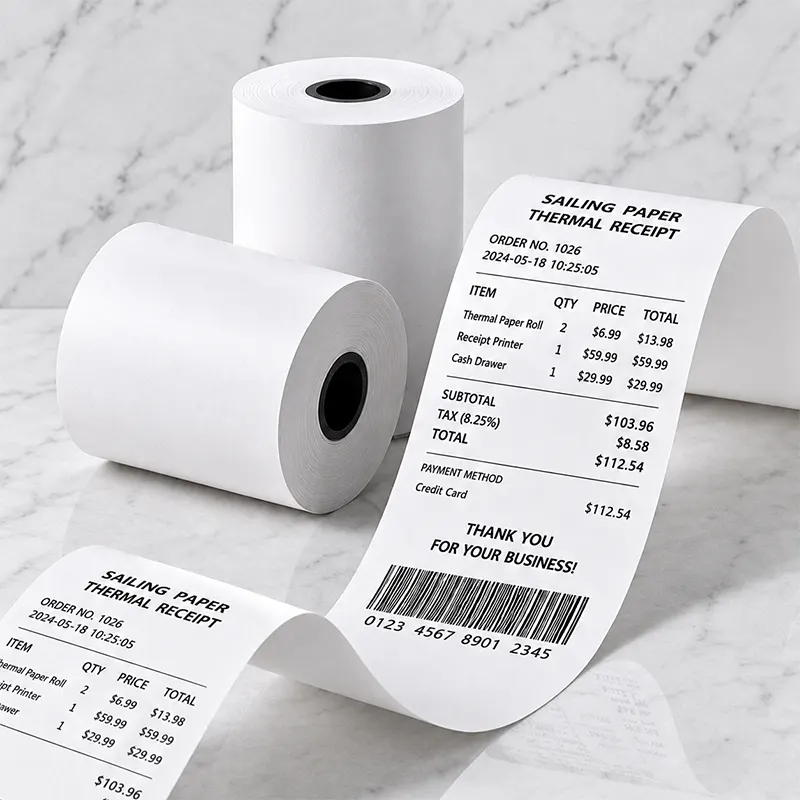
A custom label plays an important role in product identification, packaging, branding, and everyday business operations. Manufacturers, retailers, wholesalers, and eCommerce companies use labels to display product information, organize inventory, support shipping processes, and maintain a consistent brand image. Choosing the right label is therefore an important decision for businesses that depend on reliable packaging and product presentation.
- Quick Answer: What Should You Consider When Ordering a Custom Label?
- 1. Understand the Different Types of Custom Label Materials
- 2. Select the Right Adhesive for Your Custom Label
- 3. Customize the Label Design According to Your Business Needs
- 4. Check Printing Compatibility Before Placing an Order
- 5. Choose the Right Custom Label for Different Industries
- 6. Why Choose a Reliable Custom Label Manufacturer?
- 7. Evaluate Standard Label Quality Before Bulk Purchasing
- 8. Consider International Shipping, Storage, and Long-Term Supply
- Frequently Asked Questions About Custom Label
- 1. What is a custom label?
- 2. Which material is best for a custom label?
- 3. Can custom label have different adhesive options?
- 4. What information should I provide when requesting a custom label quotation?
- 5. Why should I request samples before bulk production?
- 6. Can custom label be supplied for international markets?
- Final Takeaway
However, selecting a suitable custom label involves more than choosing a design or printing a company logo. Material quality, adhesive performance, label dimensions, printing compatibility, and manufacturing consistency all affect how well a label performs. A label designed for a cardboard package, for example, may require different material and adhesive characteristics from one applied to a plastic container or glass bottle.
For businesses purchasing labels in bulk, understanding these factors can help reduce production problems, improve packaging consistency, and establish a dependable supply relationship. This guide explains what buyers should consider when selecting standard custom label and evaluating a suitable manufacturer.
Quick Answer: What Should You Consider When Ordering a Custom Label?
When choosing a custom label for your business, focus on the following factors:
- Label material: Select paper or synthetic material according to the packaging surface and application.
- Adhesive type: Choose an adhesive that provides reliable bonding under normal storage and handling conditions.
- Label dimensions: Confirm the required width, length, shape, and roll specifications.
- Printing requirements: Make sure the material supports your preferred printing method.
- Design and customization: Consider branding, product information, barcodes, and packaging requirements.
- Quality inspection: Evaluate material consistency, print clarity, adhesive performance, and cutting accuracy.
- Manufacturer reliability: Choose a supplier that can support samples, bulk orders, and repeat production.
These factors help businesses select standard labels that meet their practical requirements rather than making purchasing decisions based only on appearance or price.
1. Understand the Different Types of Custom Label Materials
Material selection is one of the first decisions buyers need to make when ordering custom label. The right option depends on the product being labeled, the packaging surface, the printing method, and the conditions in which the label will be used.
Paper labels are widely used for retail products, shipping packages, cartons, and general product identification. They provide a practical printing surface for text, logos, barcodes, and other product information. For many everyday packaging applications, paper labels offer a cost-effective solution.
Synthetic materials may be more suitable when a label needs additional resistance to moisture, oil, tearing, or frequent handling. They are commonly considered for products that require more durable identification during storage and distribution.
Thermal label materials are another option for businesses that print variable information, including shipping addresses, barcodes, product details, and inventory codes. They are particularly useful in retail, logistics, and warehouse operations.
Before choosing a material, buyers should consider:
- The type and texture of the packaging surface.
- Whether the product will be stored indoors or outdoors.
- The expected exposure to moisture, heat, or cold.
- How long the label needs to remain readable.
- The printing equipment and process used by the business.
- The required appearance and durability of the finished label.
A suitable manufacturer should explain the available material options and help buyers select a product that matches their actual application.
2. Select the Right Adhesive for Your Custom Label
The adhesive is just as important as the label’s face material. Even a well-designed custom label may fail if it cannot remain securely attached to the intended surface.
Different packaging materials have different surface characteristics. Cardboard, glass, plastic, metal, and coated packaging may require different adhesive performance. Buyers should therefore avoid assuming that one adhesive will work equally well for every product.
Permanent adhesives are commonly used when labels need to remain attached throughout normal product handling, storage, and transportation. Removable adhesives are suitable for applications where labels need to be taken off without leaving excessive residue or damaging the underlying surface.
Some products also require specialized adhesives. For example, labels applied to refrigerated packaging may need an adhesive designed for low-temperature conditions. Similarly, packaging with textured or difficult surfaces may require stronger initial bonding.
| Adhesive Type | Main Characteristics | Common Applications |
| Permanent adhesive | Designed for lasting attachment | Product packaging and shipping |
| Removable adhesive | Allows easier removal when required | Temporary identification and promotional labels |
| High-tack adhesive | Provides strong initial bonding | Selected packaging surfaces requiring stronger adhesion |
| Freezer-grade adhesive | Designed for low-temperature applications | Refrigerated and frozen product packaging |
The best way to evaluate adhesive performance is to test a sample on the actual packaging surface. Buyers should check whether the label attaches evenly, stays in place, and performs as expected under normal working conditions.
3. Customize the Label Design According to Your Business Needs
Customization allows businesses to create labels that match their product identity and operational requirements. A custom label can include a company logo, product name, barcode, instructions, ingredients, or other information relevant to its application.
However, customization should not focus only on visual appearance. The design must also remain practical and readable after printing and application.
Important design considerations include:
Label layout: Arrange product information, branding elements, and other details in a clear and organized way. Important information should be easy to locate.
Color and printing: Select colors and printing methods that produce consistent results and support brand recognition. The chosen material should be suitable for the intended printing process.
Finish: Depending on the application, businesses may consider glossy, matte, or other available surface finishes. The finish should complement the product design without affecting readability.
Shape and cutting: The label shape should fit the available packaging surface. Accurate cutting also helps maintain a consistent appearance across different products.
Functional information: Consider whether the label needs to include barcodes, batch numbers, product details, handling instructions, or variable information.
For businesses with multiple product lines, it is useful to maintain consistent branding while adjusting label dimensions and information according to each product. A well-planned design can improve product presentation and make packaging operations more organized.
4. Check Printing Compatibility Before Placing an Order
Printing compatibility is an important part of the purchasing process. A custom label must work with the printing equipment used by the business. Otherwise, companies may experience feeding problems, inconsistent print quality, or unnecessary material waste.
Different applications may require different printing methods. Direct thermal printing is commonly used for shipping, retail, and logistics labels because it supports the printing of variable information without requiring a separate ink ribbon. Thermal transfer printing may be preferred for applications requiring a different material and printing combination.
Other printing methods may be suitable for pre-printed product labels, depending on the design, quantity, and material selected.
Before approving an order, buyers should confirm:
- Whether the material supports the intended printing method.
- Whether the label dimensions are compatible with the printer.
- Whether barcodes and small text print clearly.
- Whether the labels feed and dispense properly.
- Whether the adhesive and surface finish suit the application.
- Whether the printed design remains consistent across the production batch.
Requesting samples and testing them with the actual equipment is a practical way to identify compatibility issues before purchasing in bulk.
5. Choose the Right Custom Label for Different Industries
Different industries have different labeling priorities. A manufacturer labeling industrial products may focus on durability and clear identification, while a food business may need labels that display product information and remain attached under the expected storage conditions.
Understanding the application helps buyers avoid selecting a label based only on general specifications.
| Industry | Important Label Requirements | Key Buying Consideration |
| Food and beverage | Clear product information and suitable material performance | Moisture and storage conditions |
| Retail and eCommerce | Product details, branding, and barcodes | Printing and application efficiency |
| Logistics and warehousing | Readable shipping information and dependable adhesion | Printer compatibility and handling |
| Manufacturing | Consistent product identification | Material suitability and durability |
| Healthcare and laboratory | Clear identification and accurate information | Application-specific material requirements |
For international buyers, regional requirements may also influence material and design decisions. Products distributed across different markets may need multilingual information, specific product details, or labeling formats suitable for local business and regulatory requirements.
Companies selling across North America, Europe, the Middle East, and Asia should discuss these requirements with their manufacturer before production begins. This helps ensure that the selected custom label supports the intended market without requiring avoidable changes later.
6. Why Choose a Reliable Custom Label Manufacturer?
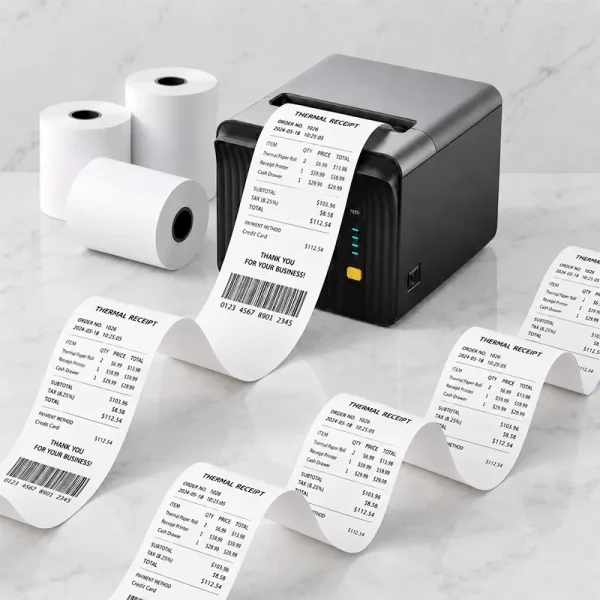
Finding a suitable manufacturer is an important step for businesses that purchase labels regularly. A supplier should understand the buyer’s application, explain available material and adhesive options, and provide clear information about customization and production.
SailingLabel is a brand that businesses can explore when looking for customized labeling solutions. Buyers can review its available label products and discuss their requirements regarding materials, adhesives, dimensions, printing, and finishes.
When evaluating a potential manufacturer, consider the following:
- Experience with the type of label your business requires.
- Availability of suitable face materials and adhesives.
- Support for customized designs and product specifications.
- Printing and converting capabilities relevant to the order.
- Die-cutting and slitting options, where applicable.
- Quality inspection procedures.
- Sample availability before bulk production.
- Communication and support for international orders.
It is also important to understand which production processes the manufacturer performs directly. Some companies produce label materials, while others focus on printing, converting, slitting, and finishing. Confirming these capabilities helps buyers understand what the supplier can provide for a specific order.
A reliable manufacturing relationship should be based on product suitability, consistent quality, and clear communication rather than simply the lowest quotation.
7. Evaluate Standard Label Quality Before Bulk Purchasing
Standard labels are widely used for product identification, packaging, shipping, retail operations, and inventory management. Before placing a bulk order, businesses should evaluate whether the labels meet their everyday operational requirements.
Quality assessment should cover several practical areas.
Material consistency: Check that the label material has a uniform surface and is suitable for the intended packaging application. The material should also support the required printing process.
Printing clarity: Examine text, logos, graphics, and barcodes to ensure that important information is sharp, readable, and correctly positioned.
Adhesive performance: Apply the label to the intended packaging surface. Check that it attaches evenly and remains in place during normal storage, handling, and transportation.
Cutting accuracy: Review the label dimensions, shape, and edges. Consistent cutting helps ensure that labels fit the packaging and can be applied properly.
Printer compatibility: Test the labels with the equipment used in daily operations. Check whether they feed smoothly, print correctly, and dispense without unnecessary interruptions.
Packaging condition: Confirm that finished labels are properly packed to protect them from dust, moisture, and physical damage during storage and transportation.
For wholesalers, distributors, and manufacturers, these checks are particularly important because product inconsistencies can affect multiple customers and repeat orders. Approving a sample before mass production helps businesses confirm the required specifications and reduce the risk of receiving unsuitable products.
8. Consider International Shipping, Storage, and Long-Term Supply
For businesses sourcing labels internationally, the purchasing process does not end when the product is manufactured. Packaging, transportation, communication, and repeat-order planning can all affect the overall buying experience.
Before confirming an international order, buyers should clarify the agreed delivery terms, shipping method, production schedule, and packaging arrangements. They should also confirm how the manufacturer will communicate progress and handle any quality concerns.
Storage is another consideration. Unused labels should be kept in suitable conditions and protected from excessive moisture, direct sunlight, dust, and other factors that may affect the material or adhesive.
For businesses operating in multiple regions, it is also useful to maintain consistent product specifications between orders. Keeping approved samples, design files, and material details can make repeat purchasing more straightforward.
A dependable supply arrangement helps businesses maintain product consistency and plan their packaging operations with greater confidence.
Frequently Asked Questions About Custom Label
1. What is a custom label?
A custom label is a label designed according to a business’s specific requirements. It may include a company logo, product information, barcode, instructions, or other details, with selected materials, adhesives, and finishes.
2. Which material is best for a custom label?
The best material depends on the product, packaging surface, printing method, and working environment. Paper, thermal paper, and synthetic materials may all be suitable for different applications.
3. Can custom label have different adhesive options?
Yes. Depending on the manufacturer’s available materials, buyers may choose permanent, removable, or specialized adhesives for particular applications, including low-temperature environments.
4. What information should I provide when requesting a custom label quotation?
Buyers should provide the intended application, label design, material preference, adhesive requirements, printing method, estimated order quantity, and delivery destination. Sharing a sample or reference image can also help clarify the requirements.
5. Why should I request samples before bulk production?
Samples allow businesses to evaluate material quality, printing clarity, adhesive performance, and compatibility with their packaging or equipment before committing to a larger order.
6. Can custom label be supplied for international markets?
Manufacturers may support international buyers with customized products and export arrangements. Buyers should confirm product specifications, labeling requirements, shipping terms, and delivery arrangements for their destination market.
Final Takeaway
Choosing the right custom label requires a clear understanding of the product, packaging surface, printing process, and conditions in which the label will be used. Material selection, adhesive performance, design quality, and manufacturing consistency all contribute to the final result.
Businesses should evaluate their requirements carefully, request samples, and confirm production details before placing bulk orders. Working with a manufacturer that understands customization and can communicate clearly about product options can also make international sourcing more manageable.
By focusing on practical performance rather than appearance alone, businesses can choose a custom label that supports product identification, brand presentation, and reliable day-to-day operations.

Buying a used car is exciting until something goes wrong a few weeks later. The gearbox starts making a noise, the engine warning light comes on, or you discover rust damage that nobody mentioned at the viewing. Many buyers assume they simply have bad luck, especially if the car was sold at a fair price and seemed fine during the test drive. Under Swedish consumer law, that is often not the end of the story. If you bought the car from a dealer, you have stronger rights than most people realise.
The Consumer Sales Act Protects Buyers
When a consumer buys a car from a business, the purchase is covered by the Consumer Sales Act, called konsumentköplagen. The key rule is that the seller is responsible for defects that were present when the car was delivered, even if the problem only showed itself later. A defect can be a fault that was hidden, wear that is far beyond what the age and mileage of the car would suggest, or a mismatch between the car and what the dealer promised in the advert or during the sale.
This protection cannot be signed away. A dealer cannot remove your legal rights by writing that the car is sold as seen, although the price and the information you were given still matter when a defect is assessed. The older and cheaper the car, the more wear you are expected to accept. The newer and more expensive it is, the stronger your position when something fails.
Complain in Time and Know Your Remedies
The most important step is to complain to the dealer, called reklamation, within a reasonable time after you discover the defect. Do not just book the car into a workshop and pay the bill yourself, because repairing the car first can make it much harder to prove what was wrong. Contact the dealer in writing, describe the problem clearly and keep copies of everything, including the purchase agreement, the advert and any inspection reports.
The usual order of remedies starts with repair. The dealer normally has the right to fix the defect first, or to offer a replacement car of the same kind. If repair is not possible, takes too long or fails, you can demand a price reduction that matches the defect. For a serious defect that substantially affects the value or use of the car, you may be able to cancel a car purchase in Sweden altogether and return the car against a refund. Each step depends on how significant the defect is and how the dealer responds.
When a Dispute Needs Legal Help
Many cases are solved once the dealer understands that the buyer knows the rules. Others stall, with the dealer blaming normal wear or claiming the fault appeared after delivery. That is when documentation and a clear legal assessment matter. An independent inspection can show when a fault likely started, and a lawyer can judge whether your claim is strong enough to push further, for example through the National Board for Consumer Disputes or the court.
Buyers who want an early view of their position often speak to a firm that handles car purchase disputes, such as Advantage Law Firm in Stockholm. The main point, though, applies to everyone. If a defect appears soon after you buy a used car from a dealer in Sweden, act quickly, complain in writing and get advice before you pay for repairs yourself. Your rights are real, but they work best when you use them in the right order.

Build a Living Room Worth Bingeing In: The Complete Setup for Marathon Viewing Nights

How to Help Your Child Prepare for a Science Fair: A Step-by-Step Guide for Parents

Custom Label: How to Choose the Right Materials, Adhesives, and Manufacturer for Your Business

Alex Pettyfer Net Worth, Wife, Age, Height, Children, Career and More

Brad Williams Net Worth, Wife, Height, Age, Daughter, Family, Career and More

Eldorado.gg Review 2026: How It Works, Safety, Fees, and Risks
-
Celebrity11 months ago
Alex Pettyfer Net Worth, Wife, Age, Height, Children, Career and More
-
Celebrity11 months ago
Brad Williams Net Worth, Wife, Height, Age, Daughter, Family, Career and More
-
Blog3 months ago
Eldorado.gg Review 2026: How It Works, Safety, Fees, and Risks
-
 Anime1 year ago
Sanzoku Bandits of One Piece: Origins, Higuma, and Their Role in Dawn Island
-
 Celebrity12 months ago
John McGinn Net Worth, Age, Height, Wife, Childrens, Career and More
-
 Anime1 year ago
Shimotsuki Ushimaru – The Last Daimyo of Wano Country Explained
-
 Celebrity12 months ago
Frances de la Tour Net Worth, Age, Height, Husband, Childrens, Career and More
-
 Celebrity12 months ago
Will Trickett Net Worth, Wife, Childrens, Age, Career and More