
Business
How Local Service Businesses Can Win Clients With an AI Presentation Maker for Quotes and Proposals


“Hi Karen, patio with fire pit would be $14,500. Let me know. Thanks, Rick.”
That was the whole quote. Rick runs a three-person hardscaping crew outside Charlotte, North Carolina, and his patios are good: proper base, compacted in lifts, edge restraints that don’t wander after the first winter. He lost the job anyway, to a company whose price was $1,100 higher. Karen told him why when he followed up, and she was kind about it. The other company had sent her a six-slide PDF with photos of three patios they’d built in her neighborhood, a drawing of her own backyard with the fire pit marked, two price options and a start date. “It felt like they’d actually listened,” she said.
Rick had listened too. He’d walked the yard with her for forty minutes. None of that made it into the email.
What do homeowners do with three quotes?
They sit at the kitchen table, usually two of them, and compare. A one-line email gives them a number and nothing to compare it against, so they compare numbers, and you’re competing on price with whoever bid lowest. A proposal gives them something else to weigh: evidence that you understood the job, photos of work you’ve done, a clear idea of what happens on day one.
Hardscapers, remodelers, cleaning companies and HVAC contractors all run into this. The trades that sell bigger tickets feel it most, since a $14,500 patio or a $12,000 heat pump replacement is a decision a household makes once in a decade, and they want to feel sure.
An HVAC contractor in Greensboro described the same pattern to me from the other side. His crew had been sending a model number and a total. When a furnace dies in January, the household calls three companies, and the one that comes back with “here’s the system, here’s why it fits a house your size, here’s what we do with the old unit, here’s when we can install” often wins even when it isn’t the cheapest, because the family is cold, worried and wants somebody to sound organized.
Six slides a homeowner will actually read
Keep it to six. Each slide answers one thing the homeowner is wondering anyway.
- What we understood. Their words back to them. “A patio big enough for a table of eight, a gas fire pit, and a step down from the back door that your father can manage.”
- What we’ll do. The work in plain order: excavate, base, pavers, fire pit, cleanup.
- Jobs like yours. Three photos of your own past work, similar size, ideally nearby.
- The price, with options. Two or three, each with what’s included.
- The timeline. How many working days, what weather does to it, when you could start.
- What happens next. Sign, deposit, schedule, who calls them.
The second option on slide four does a lot. Homeowners shown one price decide yes or no. Shown two, they usually decide which.
Building it from the truck
Rick builds his now from the cab of his truck between site visits, using Quillbot’s ai presentation maker, which turns a typed prompt, pasted notes or attached files into a draft deck with slide titles and text. It’s free to use and labelled Beta on its page, and a Premium plan adds unlimited presentations and faster generation. He opens it in the browser on a tablet he keeps in the door pocket, because editing on a phone screen with work gloves on is miserable.
Type the job notes. He used to keep them in his head. Now he types them into his notes app during the walk-through: yard dimensions, slope, where the gas line runs, the step height at the door, what Karen said she wanted, what she said she didn’t want (no stamped concrete, she’d had it before and it cracked). Those notes get pasted straight into the tool.
Attach photos of past work. The maker accepts PNG, JPG, JPEG and WebP images, plus PDFs, Word and PowerPoint files. He keeps a phone album of finished jobs sorted by type, and attaches the three closest matches. If a supplier’s paver spec sheet is a PDF, that can go in too.
Write the prompt with the homeowner’s name in it. This is roughly his, for a different customer:
Make a 6-slide proposal for Dave and Lin Morales, 14 Oakhurst Lane, for a backyard patio. Tone: friendly, plain, confident, no sales talk. Slide 1: what we understood (420 sq ft patio for outdoor dining for 8, gas fire pit, low step from the back door for Lin’s mother, no stamped concrete). Slide 2: what we’ll do, in order. Slide 3: use the three attached photos of our past patios with a one-line caption each. Slide 4: two options, Option A $14,500 (concrete pavers, gas fire pit, 6 working days), Option B $17,200 (natural stone border, seat wall, gas fire pit, 8 working days). Slide 5: timeline in working days, weather caveat. Slide 6: next steps: sign, 30% deposit, scheduling call. Use the exact prices I gave. Do not add stock photos.
Set the slide count. Six, on the selector, before generating.
Edit. The draft comes back with titles and text. Rick rewrites anything that sounds like a brochure (he cut “transform your outdoor living experience” from his first one and has never let it back in), checks every price against his estimate sheet character by character, and reorders sections if a job needs it. You can add, delete or reorder sections, then choose from the AI-generated layouts and themes.
Clean up the photos. The editor lets you crop images, remove image backgrounds and apply filters. Cropping matters for job photos, since half of Rick’s pictures include his trailer or a neighbor’s recycling bins. Background removal is handy for product shots. An HVAC contractor quoting a heat pump replacement can take the manufacturer’s photo of the outdoor unit, or a phone photo of the one in the shop, remove the background, and drop it cleanly on the options slide next to the price. A remodeler can do the same with a vanity or a tile sample.
Export and send. PDF, standard, emailed or texted to the homeowner from the truck while the visit is still fresh in their mind. Export options also include print PDF, PPTX, JPG, PNG and GIF. A single slide exported as a JPG works well as a text-message preview (“here’s your options page, full proposal in your email”). There are no automatic animations, transitions or speaker notes, and none of that belongs in a patio quote anyway.
He sends it the same day. Speed counts. A homeowner who gets a proper proposal before dinner, from the company that left their yard at two o’clock, remembers it.
Your camera roll is half the proposal
Slide three carries more weight than any sentence you write, and most contractors have the raw material already, scattered across a phone with 9,000 pictures of job sites, receipts and their kids.
Spend one rainy afternoon sorting it. Make albums by job type (patios, retaining walls, walkways; or kitchens, baths, basements; or furnaces, heat pumps, ductwork) and keep only finished shots taken in decent light. Add the town to each photo’s caption while you still remember it, since “built in Matthews, 2025” next to a picture is worth more to a homeowner in Matthews than any adjective.
A few habits make future proposals easier. Take the finished photo from the same angle as the homeowner will see it, usually the back door. Take one before photo on day one, every job, even when it feels pointless. And ask the customer at the final walk-through whether you can use the pictures, which almost everyone agrees to.
When you attach photos to the prompt, three is plenty. A fourth rarely helps and often shows a job that’s a slightly worse match.
Before and after
The old quote, in full:
Hi Karen, patio with fire pit would be $14,500. Let me know. Thanks, Rick.
Slide four of the new version, for the Moraleses:
Your two options Option A, $14,500: 420 sq ft concrete paver patio, gas fire pit with key valve, low step at the back door, full cleanup. About 6 working days. Option B, $17,200: everything in A, plus a natural stone border and an 18-inch seat wall along the north side. About 8 working days. Both include a 3-year workmanship warranty on the patio base. Gas hookup by a licensed plumber is included in both prices.
Same crew, same base, same price for Option A. But Option B exists now, and the warranty and the gas hookup are written down instead of mentioned in passing in a driveway.
Proposal section by section
| Proposal section | What the homeowner wants to know | One line that answers it |
|---|---|---|
| What we understood | Did they listen to me? | “A low step at the back door so Lin’s mother can get out to the patio safely.” |
| Jobs like yours | Have they done this before, around here? | “Three patios we built within two miles of you in the last year.” |
| Price with options | What am I paying for, exactly? | “Option A is $14,500 and includes the gas hookup and full cleanup.” |
| Timeline | How long will my yard be torn up? | “About 6 working days, starting the week you choose, with rain days added.” |
| What happens next | What do I do now? | “Sign, pay a 30% deposit, and we’ll call within a day to schedule.” |
If you can’t write the right-hand column for a job, you don’t know enough about the job to quote it yet.
Mistakes that lose the job anyway
Generic stock images instead of your own jobs. Homeowners can spot a stock patio, and a glossy one from a catalog is worse than no photo, because it suggests you don’t have pictures of your own work. Use your photos even when they’re imperfect. Crop out the trailer. Say “do not add stock photos” in the prompt and check the draft anyway.
Prices the tool rounded. If your estimate says $16,860 and the slide says “about $17,000” or “$16.9K,” you’ve got a problem at signing. A rounded figure in a proposal reads as a commitment, and the homeowner will hold you to the lower number. Type exact prices into the prompt, tell it to use them exactly, and read each digit on the finished slide before export.
Promising dates you can’t keep. “Start October 14” sounds confident until it rains for nine days or a supplier is late with the pavers. Quote working days and a start window: “starts the week of your choice, subject to weather, about 6 working days.” Missing a date you put in writing costs more trust than the proposal ever earned.
Reusing last week’s proposal without reading it. Building from an old deck saves time, right up until the Moraleses receive a slide promising a low step “for Karen’s father.” Paste fresh notes for every job, search the finished draft for the previous customer’s name and street before export, and reread slide one out loud. If it doesn’t sound like this homeowner’s yard, it isn’t ready.
Too many slides. A twelve-slide deck with your company history, values and a team photo buries the price. Six.
Sending a PPTX. Homeowners open it on a phone and the layout breaks. Send the PDF.
Not following up. The proposal is half of it. Call two days later, and say on slide six that you will.
Questions contractors usually have
Can I upload my estimating spreadsheet? Not as a spreadsheet. The maker doesn’t accept .xlsx files, so type the line items and totals into the prompt, or attach the estimate as a PDF.
Is it worth it for small jobs, like a one-time deep clean? For a $300 cleaning job, probably not; a clear text message is fine. For a recurring cleaning contract with a property manager or a move-out package, a short proposal with before-and-after photos from your own jobs helps you stand out from a field of quick text replies.
Can my office manager edit the proposal before it goes out? Yes. The editor supports real-time collaboration by email invite or shared link, so someone in the office can fix the wording while you’re on the next site, then you export and send. If the homeowner asks for a change later, Quillbot’s ai presentation maker lets you edit the same deck and export a fresh PDF instead of starting over.
Can I make it a Google Slides file? Not directly yet; the page lists Google Slides export as coming soon. Export a PPTX and upload it if you need one.
The next quote you write
Pick the job you’re quoting this week, the biggest one. Before you leave the driveway, type up your notes, pick three photos from your own album, and build the six slides while you’re still parked. Then send the PDF before you start the truck, and see how long it takes the homeowner to reply. Rick’s record so far is eleven minutes, from a couple who had been waiting three weeks for a remodeler who never sent anything at all.


Many parents face an overwhelming challenge as their children accumulate toys, clothes, and gear year after year. Closets overflow, playrooms become storage units, and families struggle to decide what to keep, donate, or discard. What if that pile of outgrown items could become more than just clutter? Converting excess children’s belongings into a profitable venture is not only possible but increasingly common among entrepreneurs who recognize the value in secondhand kids’ merchandise.
Understanding the Market for Used Children’s Items
The secondhand children’s goods market has experienced significant growth over the past decade. Parents constantly seek affordable options for items their kids will quickly outgrow, and quality used merchandise provides an excellent solution. Items such as infant gear, toys, clothing, and educational materials hold substantial resale value when they remain in good condition. Many families budget for children’s expenses by purchasing secondhand, and this trend shows no signs of slowing. Understanding this demand is the first step toward recognizing that your household clutter represents genuine market opportunity.
Evaluating What’s Worth Selling
Not every toy or outfit deserves shelf space in your inventory. Begin by honestly assessing the condition of items you plan to sell. Toys should have all original pieces, function properly, and show minimal wear. Clothing must be clean, free from stains or damage, and in styles that remain current or classic. Items recalled by manufacturers should never be sold, and electronics require thorough testing before listing. By curating a collection of quality merchandise, you establish credibility with buyers and increase the likelihood of successful sales.
Choosing Your Sales Platform
Multiple platforms exist for selling children’s items, each with distinct advantages and audiences. Online marketplaces designed specifically for family goods attract buyers actively searching for children’s merchandise. Social media groups focused on local buying and selling create community connections and reduce shipping costs. Consignment shops offer a hands-off approach where you bring items and split profits with the store. Traditional e-commerce platforms provide broader reach but involve more competition and sustained marketing effort. Your choice depends on the volume of items you have, the time available for managing sales, and your target audience.
Building a Sustainable Inventory System
Success in this business model requires organization and consistency. Establish a dedicated space in your home where you can photograph, store, and manage inventory. Create a simple tracking system noting purchase dates, original prices, and when items are listed for sale. Regular rotation of new merchandise keeps customers interested and encourages repeat purchases. Many successful sellers develop relationships with local families, schools, and daycare centers who become steady sources of both supply and demand. Building this system early prevents the very clutter problem you set out to solve.
Marketing Your Children’s Merchandise Business
Effective marketing does not require a large budget, but it does require deliberate effort and consistency. Photographs are your most powerful tool, so invest time in capturing clear, well-lit images of items from multiple angles against a neutral background. Write honest product descriptions that include brand names, sizes, and any wear or imperfections, as transparency builds buyer trust and reduces return requests. Engage with your customer base through social media, respond quickly to inquiries, and maintain professional communication at every stage of a transaction. Word-of-mouth recommendations from satisfied customers are invaluable, so prioritize exceptional service and fair pricing above all other promotional tactics. Building an email list of repeat customers creates opportunities to notify them of new inventory before it goes to general audiences, which rewards loyalty and drives faster sales.
Scaling From Side Project to Real Business
What begins as clearing household clutter can evolve into a legitimate business operation. Some sellers eventually establish storefronts, hire help, or partner with other parents to source merchandise. Entrepreneurs who want to enter the children’s resale space with an established brand and proven systems often rely on a kidswear franchise to provide the operational framework, supplier relationships, and brand recognition that accelerate growth beyond what independent selling typically allows. As your operation grows, you will need to consider business registration, sales tax collection, and accurate record keeping for tax purposes. Reinvesting profits into better photography equipment, storage solutions, or targeted marketing accelerates that growth further. The transition from casual selling to a structured business requires planning, but it is entirely achievable for motivated entrepreneurs willing to treat the process seriously from the start.
Conclusion
Transforming childhood clutter into a business venture requires honest assessment of your inventory, selection of appropriate sales channels, and commitment to customer service. The market for quality secondhand children’s items continues to expand as families seek value and sustainability. By organizing your approach, maintaining high standards for merchandise quality, and engaging effectively with customers, you can turn what was once excess into a legitimate income source. This opportunity demonstrates that household items gathering dust represent untapped potential for entrepreneurs willing to invest time and effort into building a structured, scalable business model.

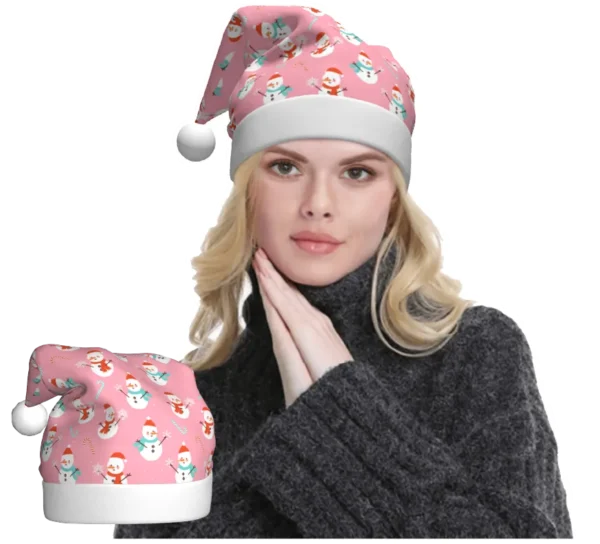
Santa hats have become one of the most recognizable symbols of Christmas, bringing color, excitement, and festive spirit to holiday celebrations. From family gatherings and office parties to school events and community festivals, these cheerful accessories help people feel connected to the season. Wearing matching hats, taking holiday photographs, and participating in themed activities can turn simple moments into lasting memories. Families and event organizers also explore Custom Santa Hats designs to add personal touches through different colors, names, patterns, and decorative details. With their familiar appearance and playful charm, Santa hats help people celebrate traditions, express creativity, and make every holiday season feel more special.
- The Meaning Behind Santa Hats During Christmas
- How Santa Hats Make Holiday Traditions More Special
- Creative Santa Hat Designs for Different Celebrations
- Santa Hats at Schools, Offices, and Community Events
- Choosing Comfortable and Durable Santa Hats
- Frequently Asked Questions
- Why are Santa hats popular during Christmas celebrations?
- How can Santa hats become part of family traditions?
- Are personalized Santa hats suitable for group events?
- What materials are best for Santa hats?
- How should Santa hats be stored after the holidays?
- Conclusion
The Meaning Behind Santa Hats During Christmas
Santa hats represent the joyful atmosphere associated with Christmas. Their traditional red fabric, white trim, and soft pom-pom make them instantly recognizable during the holiday season. Although they are simple accessories, they can create a festive mood wherever they appear.
People often wear Santa hats while decorating Christmas trees, exchanging presents, attending parties, or enjoying seasonal activities. Their familiar appearance helps establish a connection with childhood memories and long-standing holiday customs.
Bringing Families Together
Christmas is often an opportunity for families to spend meaningful time together. Wearing Santa hats during shared activities can make ordinary moments feel more celebratory. Parents and children might wear matching hats while decorating the home, preparing holiday meals, or opening presents.
These small traditions can become important memories that families look forward to repeating every year. Children may particularly enjoy choosing their own hats or helping relatives select festive accessories.
Creating a Festive Atmosphere
Santa hats can quickly transform a gathering into a Christmas celebration. When guests arrive wearing red and white hats, the setting feels more playful and welcoming.
They can also complement Christmas decorations such as wreaths, lights, stockings, and ornaments. Whether a celebration takes place at home or in a large event venue, Santa hats add a recognizable seasonal detail without requiring elaborate preparation.
How Santa Hats Make Holiday Traditions More Special
Holiday traditions often involve repeating enjoyable activities that bring people closer together. Santa hats can become part of these rituals, helping families and groups create recognizable customs that continue over time.
Annual Christmas Photography
Taking photographs is one of the easiest ways to preserve holiday memories. Families can wear Santa hats for an annual portrait and compare the pictures from different years.
Children growing older, new family members joining the celebration, and changing decorations make each photograph unique. Matching hats can create a consistent visual theme while allowing everyone to participate.
Friends can also use Santa hats during group photographs at Christmas dinners, office parties, and festive outings. These pictures often become treasured reminders of shared experiences.
Gift Exchanges and Holiday Games
Santa hats can make traditional Christmas activities more entertaining. During gift exchanges, participants might wear them while selecting presents or guessing who brought a particular gift.
They can also become part of holiday games, costume contests, and festive challenges. For example, families can organize a competition for the most creative decorated hat, encouraging everyone to participate.
These activities are easy to organize and can be adapted for different ages, making Santa hats useful additions to many types of celebrations.
Creative Santa Hat Designs for Different Celebrations
Although traditional red and white Santa hats remain popular, different designs can help match specific events and personal preferences. Choosing suitable colors, fabrics, and decorative features can make holiday accessories more memorable.
Traditional and Modern Styles
Traditional Santa hats feature a red body, white trim, and a white pom-pom. Their familiar design works well for family gatherings, school celebrations, workplace events, and community festivals.
Modern variations may include glittering details, embroidered patterns, contrasting colors, or festive illustrations. Some people prefer understated designs, while others enjoy bright decorations that stand out in photographs.
Choosing a style that suits the occasion helps maintain the Christmas theme while allowing people to express their creativity.
Personalized Hats for Family Members
Personalization can make Santa hats feel more meaningful. Adding names, initials, or small decorative symbols helps distinguish each person’s hat, particularly during large family gatherings.
Families might choose matching hats with individual names or select different colors for children and adults. These coordinated accessories can create a unified appearance without making everyone look exactly the same.
Personalized hats can also become keepsakes that people bring out every Christmas. Storing them carefully after the holiday helps preserve the memories associated with each celebration.
Santa Hats at Schools, Offices, and Community Events
Santa hats are not limited to family celebrations. Schools, workplaces, charities, and local organizations often use them to encourage participation and create a cheerful environment during December.
School Activities and Children’s Celebrations
Schools can incorporate Santa hats into Christmas performances, classroom parties, craft activities, and seasonal assemblies. Children may enjoy wearing them during songs, storytelling sessions, and group photographs.
Teachers can also organize creative decoration activities in which students add safe, lightweight embellishments to their hats. This encourages artistic expression and gives children something personal to wear during celebrations.
Workplace Parties and Charity Events
In offices, Santa hats can help create a relaxed atmosphere during holiday lunches, team gatherings, and year-end celebrations. Employees wearing festive accessories can make group photographs more engaging and encourage participation.
Charity events and community fundraisers can also use Santa hats to create visual consistency among volunteers. Coordinated accessories help participants feel part of the same activity while making the event more recognizable.
For outdoor celebrations, organizers should consider weather conditions and select materials that offer suitable comfort and warmth.
Choosing Comfortable and Durable Santa Hats
A Santa hat should look festive while remaining comfortable enough to wear throughout an event. Fabric quality, sizing, stitching, and decorative details all influence how well it performs.
Selecting Suitable Materials
Soft fabrics can make hats more comfortable against the forehead and scalp. Felt, fleece, and plush materials are common options, although their warmth and breathability vary.
Lightweight materials may be better for indoor parties, while warmer fabrics can be useful for outdoor Christmas markets and winter events. People who plan to wear hats for extended periods should consider comfort as well as appearance.
Caring for Santa Hats After Christmas
Proper care helps keep Santa hats in good condition for future celebrations. Always check the cleaning instructions before washing, particularly when the hat contains embroidery, glued decorations, or delicate trim.
Allowing hats to dry completely before storage helps prevent unpleasant odors. Keeping them in a clean, dry container can also protect them from dust and damage.
Families who reuse their hats each year can make storage part of their holiday routine, bringing out the same accessories when decorating the home for Christmas.
Frequently Asked Questions
Why are Santa hats popular during Christmas celebrations?
Santa hats are popular because they are instantly associated with Christmas. Their recognizable design creates a festive atmosphere and makes them suitable for family gatherings, parties, school events, and holiday photographs.
How can Santa hats become part of family traditions?
Families can wear Santa hats during annual photographs, gift exchanges, Christmas dinners, and decorating activities. Repeating these activities each year helps create familiar customs that family members can enjoy together.
Are personalized Santa hats suitable for group events?
Yes, personalized Santa hats are suitable for schools, workplaces, family gatherings, and community celebrations. Names, initials, or matching designs can help create a coordinated appearance and make the accessories more memorable.
What materials are best for Santa hats?
Soft felt, fleece, and plush fabrics are common choices. The best material depends on the intended use, temperature, and desired comfort. Lightweight fabrics often suit indoor parties, while warmer options may be preferable outdoors.
How should Santa hats be stored after the holidays?
Santa hats should be cleaned according to their care instructions, dried completely, and stored in a clean, dry place. Keeping them away from excessive moisture and crushing pressure helps preserve their shape and appearance.
Conclusion
Santa hats help create memorable holiday traditions by bringing families, friends, coworkers, and communities together through simple but meaningful activities. From annual photographs and gift exchanges to school celebrations and festive gatherings, these accessories add color and excitement to Christmas occasions. Choosing comfortable materials, exploring creative designs, and caring for hats properly can make them useful for many holiday seasons. With thoughtful personalization and shared experiences, Santa hats become more than seasonal decorations; they become part of the memories people cherish every year. FastPrintStar inspires creative printing and personalization ideas that help make festive products more distinctive, meaningful, and memorable for everyone celebrating the holiday season.
Business
Perfume Packaging Guide: Choosing the Right Box for Bottle Size, Protection, and Brand Image


Perfume is a product that many people use. There are a variety of scents available, helping one find the perfect one they like. Many businesses are selling perfume because they know the product is a high-demand one. To draw people to your product, it is important that you manufacture and sell a high-quality perfume that smells pleasant and good.
One way to market the product and get the attention of people, even when it is with the competition, is with the help of perfume boxes. When designed right, they will protect the perfume bottle by securing it safely in the box and promoting the brand in the competitive market.
The following looks at selecting the right box for bottle size, safety, and brand image:
Getting the box size right
Perfume bottles are often made of glass and are sensitive. They must remain stable in the box, especially when the product is being shipped, transported, and handled. If they move around too much, they will end up breaking, wasting the product.
The box should be the correct dimensions to suit the bottle size. Packaging manufacturers provide brands with custom-dimension packaging suiting the needs of the bottle. The bottle is measured to get the right size box to fit it in properly.
The bottle needs to be measured completely, including its height, width, depth, as well as weight. If there are protruding sprayers, heavy caps, and decorative necks, these need to be kept in mind.
The common 50ml-100ml bottles often have a box that is around 8 x 4 x 20 cm. The box has a compact footprint to ensure dead space is not present.
A brand needs to avoid getting oversized boxes, which will make the glass bottle shift and rattle. This can make it break. The box should also not be so small that it ends up breaking, exposing the perfume to negative external impacts.
Internal cushioning
The bottle must be held securely in place in the box to ensure it is protected from bumps and jolts. Custom inserts are useful here. Precision-cut foam or velvet-lined trays and molded pulp, for instance, can be considered. They are made to the shape of the bottle plus cap to hold it securely.
The insert you are using needs to anchor or shield the glass neck along with the sprayer mechanism. These will remain secure if the box is dropped or experiences vibration or shock.
These inserts have the ability to secure the perfume and present it in a premium way when the box is opened. If a brand is packaging more than one item, it can add custom cardboard inserts, which will separate the products, making them easy to find and use.
Durable box design
The packaging must be strong and durable if the perfume bottle is to be protected in it. It should be made with high-quality material to give a strong box, which will also immediately convey quality even before people open it.
The packaging can be made with rigid cardboard, greyboard, or chipboard. This will be thick packaging that is linked with luxury and premium brands. Sustainable brands can use recycled paperboard and make a strong box with this.
Reinforced cardboard stock may be used to make the box if the product is being shipped directly to the customers. It can handle shipping and transportation pressures.
Designed to appeal to the consumer base
If you want people to notice your perfume among the competition, it is important to design the box appealingly. Colors and designs should be used strategically here to enhance the appearance of the box.
Brands can add a shade related to the scent of the perfume to let people know about it. The brand will even keep its values in mind when choosing what shades to include.
Luxury and haute fragrances that have a deep and rich scent can add colors such as deep emerald, rich plum, matte black, etc. on the box to give it a premium look.
If the scent is a minimalist and modern one, the brand can add crisp white or soft pastel undertones on the box.
Vibrant, citrus, and exotic scents need packaging that stands out. Bright fuchsia or electric coral can, for instance, be used.
Romantic and floral scents will include shades that will convey a soft and floral scent, such as soft lavender, rose gold, etc.
Details that are included on the box, such as the scent of the perfume, its ingredients, expiry date, etc., must be added in a font that is readable and looks appealing with the rest of the packaging design.
A brand can add a transparent die-cut window on the box to let people get a glimpse of the perfume bottle and be convinced to buy it.
Luxury brands will aim to keep the packaging design minimal with limited details on it. For floral scents, a brand can add watercolor botanical illustrations related to the scent. Abstract art swirls can be added to a box that is selling perfume with a vibrant scent.
Finishing impacts
The packaging can include certain surface finishes to enhance its appearance and let people know a premium brand is selling the fragrance.
This will include details like embossing or debossing, or foiling in gold or silver. A tactile element can be added to make the box feel luxurious and high-end.
Consistent brand information
The packaging will promote the brand and convey its values according to the way it is designed. It will also include consistent information about the brand to let people know about it.
A brand logo and brand colors must be added to the box because they are used for recognition purposes. The brand can add its physical address on the packaging as well.
Perfume packaging is an important part of the product because it protects it and markets the brand in the competitive market. Rigid boxes wholesale will give an image of luxury and quality, whilst eco-friendly packaging will convey the sustainable values of the business.

How Local Service Businesses Can Win Clients With an AI Presentation Maker for Quotes and Proposals

VICTRIP Black Friday & Cyber Monday 2026: Unbeatable eBike Deals From $499

Understanding SPRAVATO Treatment Safety and Monitoring

Alex Pettyfer Net Worth, Wife, Age, Height, Children, Career and More

Brad Williams Net Worth, Wife, Height, Age, Daughter, Family, Career and More

Eldorado.gg Review 2026: How It Works, Safety, Fees, and Risks
-
Celebrity10 months ago
Alex Pettyfer Net Worth, Wife, Age, Height, Children, Career and More
-
Celebrity11 months ago
Brad Williams Net Worth, Wife, Height, Age, Daughter, Family, Career and More
-
Blog2 months ago
Eldorado.gg Review 2026: How It Works, Safety, Fees, and Risks
-
 Anime11 months ago
Sanzoku Bandits of One Piece: Origins, Higuma, and Their Role in Dawn Island
-
 Celebrity11 months ago
John McGinn Net Worth, Age, Height, Wife, Childrens, Career and More
-
 Celebrity11 months ago
Frances de la Tour Net Worth, Age, Height, Husband, Childrens, Career and More
-
 Celebrity11 months ago
Will Trickett Net Worth, Wife, Childrens, Age, Career and More
-
 Blog3 months ago
Crackstube: A Complete Guide to the Digital Publishing Platform