
Health
How General Dentistry Provides Comfort Through Modern Techniques

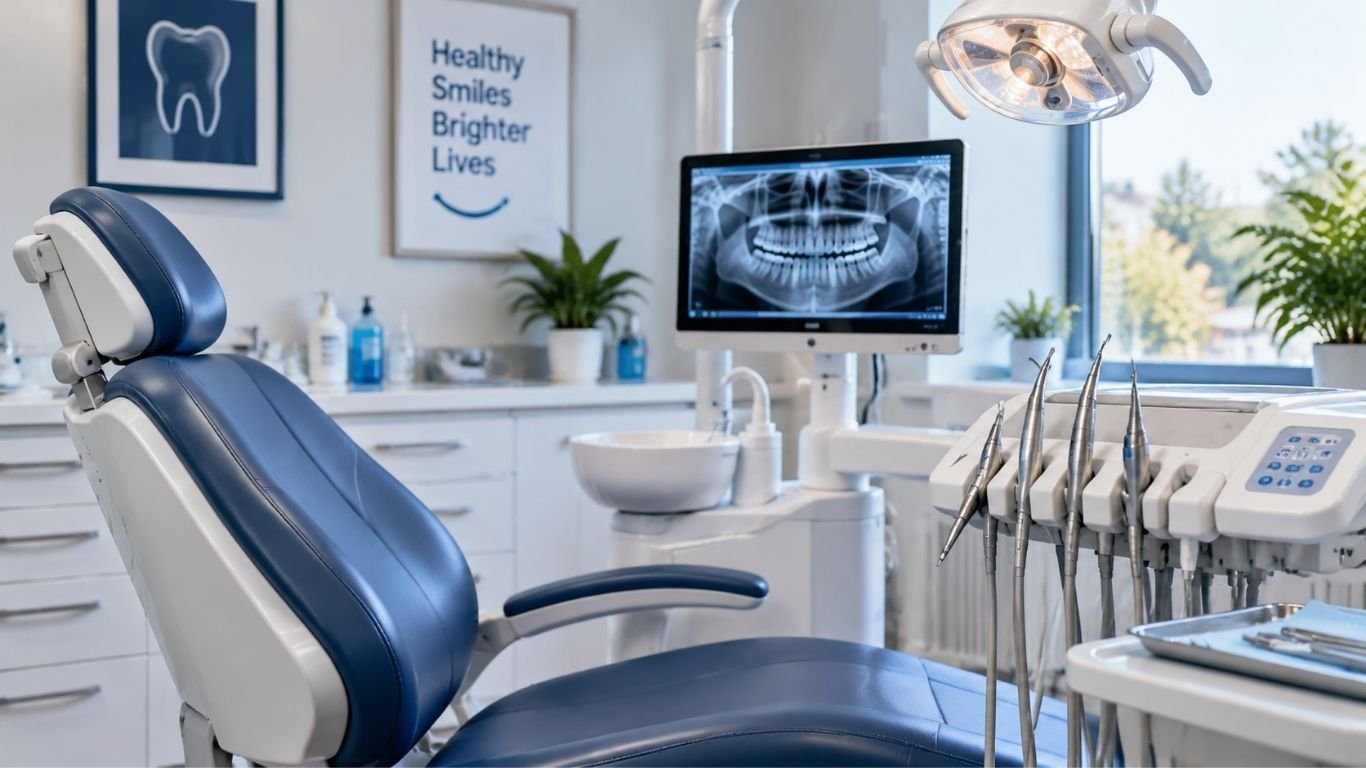
You might put off a dental visit for weeks, sometimes months, because the worry starts before the appointment does. Maybe it is the memory of a rough cleaning years ago, the sound of a drill, a numb lip that lasted all afternoon, or the fear of hearing that a small problem has turned into a bigger one. That stress is real, and it is one of the main reasons people avoid care they actually need. If you are looking for a dentist in Westchester, IL, finding someone who understands those concerns can make it easier to take the first step.
- Modern general dentistry reduces pain, anxiety, and uncertainty
- Technology in general dental care changes the day to day experience
- Modern techniques make preventive and restorative care easier to handle
- Comfort at home and comfort in the dental chair are not the same
- Small actions can make your next dental visit more comfortable
The good news is that modern dental care is built around comfort far more than many people realize. Today, general dentistry comfort techniques include better numbing methods, quieter tools, digital imaging, stronger infection control, and sedation options for people who need more support. The goal is simple. Protect your oral health without making the process harder than it needs to be.
Modern general dentistry reduces pain, anxiety, and uncertainty
Fear usually grows in the gaps. You do not know if something will hurt, how long it will take, or whether you will feel out of control in the chair. Older experiences can make every future visit feel like a repeat, even when dental offices have changed a lot.
Many modern practices start by reducing the unknown. Digital X rays are faster and more precise. Intraoral cameras can show you what the dentist sees, which makes treatment feel less mysterious. Numbing gels can be used before local anesthetic, and the anesthetic itself is often delivered with techniques that make the injection easier to tolerate. For many people, the hardest moment is the anticipation, not the treatment.
That matters because untreated dental issues rarely stay still. A small cavity can become deep decay. Mild gum irritation can turn into bleeding, tenderness, and bone loss. A cracked tooth can stay manageable for a while, then suddenly become painful on a weekend. Comfort in care is not just about feeling better during the visit. It helps you come in sooner, when treatment is simpler and often less expensive.
Comfort-focused dentistry also means clean, predictable systems. Patients notice when a team uses careful sterilization and barrier methods, and that confidence is part of comfort too. The CDC outlines clear standards for dental infection control in clinical settings, which support safer care and help patients feel protected while they are being treated.
Technology in general dental care changes the day to day experience
Comfort is not only about pain control. It is also about pace, noise, pressure, and communication. Modern handpieces are often smoother and quieter than older equipment. Digital records can shorten time spent repeating forms or waiting for film to develop. Laser and minimally invasive approaches may be used in some cases, depending on the issue being treated. Even small changes can make a long appointment feel more manageable.
If you have ever gripped the armrest because you were waiting for pain that never quite arrived, you know how much tension the body can carry into a dental visit. A dentist who explains each step, checks in during treatment, and responds when you need a pause can change the whole experience. That is one reason many people who once avoided the dentist now keep regular appointments. The visit feels more collaborative and less like something being done to you.
For people with stronger anxiety, sedation may be part of the plan. According to the ADA’s guidance on anesthesia and sedation in dentistry, options can range from local anesthesia to different levels of sedation based on the procedure and the patient’s needs. Not everyone needs sedation, but knowing it exists can remove a major mental barrier.
Modern techniques make preventive and restorative care easier to handle
Routine cleanings, fillings, crowns, and gum care are still the core of a general dentist’s work. What has changed is how these services are delivered. Better imaging helps catch problems earlier. Better materials can improve the fit and feel of restorations. Better planning can reduce the number of visits needed for some treatments.
Picture two different paths. In one, you ignore a tooth that feels sensitive to cold because you assume the appointment will be miserable. Months later, the decay reaches the nerve, and you need more time, more treatment, and more money. In the other, you go in early, the dentist finds a small cavity, numbs the area well, and treats it before it becomes disruptive. The second path is usually what modern general dental care is trying to support.
Comfort at home and comfort in the dental chair are not the same
| Concern | At Home Response | Modern General Dentist Approach |
| Tooth sensitivity | Switch toothpaste, avoid cold drinks, hope it settles | Find the cause with an exam and imaging, then treat decay, wear, or gum recession early |
| Dental anxiety | Delay the visit and wait until pain forces action | Use clear communication, topical numbing, local anesthesia, and sedation when appropriate |
| Fear of infection | Assume every office follows the same standards | Follow structured sterilization, disinfection, and barrier protocols based on current guidance |
| Cost concerns | Postpone care to avoid an immediate bill | Address smaller problems before they become more expensive restorative needs |
The pattern is familiar. You try to manage symptoms quietly, then the issue keeps taking up more space in your day. Eating changes. Sleep gets interrupted. You chew on one side. You stop smiling fully in photos. A modern general dentist is not only treating teeth. They are helping remove the stress that comes from living around a problem.
Small actions can make your next dental visit more comfortable
1. Share your past experience clearly. Tell the office if you are nervous, sensitive to numbing injections, embarrassed about the condition of your teeth, or worried about cost. That information helps shape the appointment. A team cannot adjust for a concern they do not know about.
2. Ask what comfort options are available. You can ask about topical anesthetic, local anesthesia, breaks during treatment, noise reduction, and sedation choices. This is not asking for special treatment. It is part of good care.
3. Do not wait for pain to become severe. If something feels off, schedule an exam while the problem is still small. Earlier treatment is usually shorter, simpler, and easier on both your body and your budget.
If dental care has felt hard in the past, that does not mean every future visit will feel the same. Modern techniques have changed what a general dentist can offer, and comfort is no longer an afterthought. It is part of the standard people should expect. When you are ready, schedule a visit and ask how today’s approach to general dentistry can make care feel more manageable from the start.


Somewhere around 40, a lot of men notice their body responding differently to the same effort. Workouts that used to build muscle now seem to just maintain it, or lose ground. Weight settles around the midsection no matter how disciplined the diet gets.
- Aging vs. Something More
- Signs Low Testosterone Might Be the Real Cause
- Why Bloodwork (Done Right) Matters
- What Testosterone Replacement Therapy Actually Involves
- Why the Right Provider Matters
- TRT Is a Long-Term Commitment, Not a One-Time Fix
- Common Myths Worth Clearing Up
- What Symptom Improvement Actually Looks Like
- The Bottom Line
Energy that used to carry through a full day starts running out by mid-afternoon. The easy explanation is always the same: this is just what getting older feels like.
Aging vs. Something More
Sometimes that explanation is true. Aging does slow recovery and shift metabolism, and not every change is hormonal. But testosterone naturally declines with age too, gradually for most men, starting in the 30s and continuing through the decades that follow.
For a meaningful number of men, that decline crosses a threshold where it starts producing symptoms that feel a lot like “just getting older” but actually have a specific, treatable cause.
Signs Low Testosterone Might Be the Real Cause
The overlap with normal aging is exactly what makes low testosterone easy to miss. Watch for:
- Fatigue that doesn’t improve with more sleep
- A drop in muscle mass or strength despite consistent training
- Increased body fat, especially around the abdomen
- Reduced motivation or a flatter mood
- A noticeable decline in libido or sexual performance
- Trouble concentrating, sometimes described as mental fog
Any one of these could have a dozen explanations. Several of them together, persisting for weeks or months, are worth actually investigating rather than absorbing as the new normal.
Why Bloodwork (Done Right) Matters
The only way to know for certain is bloodwork, specifically a testosterone panel done correctly. Levels naturally fluctuate through the day, typically peaking in the morning, so a single random draw in the afternoon can be misleading.
A proper evaluation usually involves a morning blood draw, sometimes repeated to confirm a consistent low reading, along with a look at related markers like free testosterone, LH, and general metabolic health.
What Testosterone Replacement Therapy Actually Involves
For men whose bloodwork confirms clinically low levels and whose symptoms match, testosterone replacement therapy is a legitimate, well-studied medical treatment, not a shortcut or a bodybuilding gimmick.
Delivered under proper medical supervision, with regular monitoring of levels and health markers over time, it’s designed to bring testosterone back into a healthy range and, for many men, meaningfully improve energy, mood, strength, and drive. It isn’t the right fit for every man with a low number on paper, which is why a real evaluation has to come first.
Why the Right Provider Matters
Not every clinic treating low testosterone offers the same level of ongoing monitoring, and TRT is a long-term commitment that works best with regular check-ins rather than a prescription and a goodbye.
For men in the Lehigh Valley area, testosterone replacement therapy in Allentown, PA is available through a provider-led approach built specifically around that kind of ongoing management, not a one-time prescription handed off with no follow-up.
TRT Is a Long-Term Commitment, Not a One-Time Fix
Responsible treatment includes regular follow-up bloodwork, typically every few months at first, to confirm testosterone has reached a healthy range and adjust dosing as needed.
Lifestyle factors matter alongside treatment too. Resistance training, adequate sleep, and stress management all support healthy testosterone production and tend to amplify the benefits of therapy. The men who see the most complete results usually treat it as part of a broader approach to their health.
Common Myths Worth Clearing Up
A few misconceptions keep men from looking into this who otherwise would. TRT is not the same as anabolic steroid abuse; it’s a medically supervised treatment aimed at restoring a normal physiological range, not exceeding it. It also doesn’t automatically cause aggression or mood swings, a common myth. When dosed and monitored correctly, most men report the opposite: steadier mood, not less stable.
What Symptom Improvement Actually Looks Like
Men starting TRT often ask how quickly they’ll notice a difference, and the honest answer is that it varies by symptom. Energy and mood tend to improve within the first several weeks for many men, while changes in muscle mass, body composition, and libido typically take longer, often a few months, to become clearly noticeable.
That timeline is part of why regular follow-up matters so much. It gives a provider the chance to confirm bloodwork is trending in the right direction even before every symptom has fully resolved, rather than leaving a man to guess whether treatment is working based on how he feels in any given week.
The Bottom Line
If the list above sounds familiar, the next step isn’t guessing harder or pushing through another few months of feeling off. It’s getting actual labs drawn and having an honest conversation with someone who treats this specifically.
Maverick Men’s Health Allentown is one option built specifically around that kind of ongoing, provider-led care.


Facial swelling is never something to ignore, particularly when it appears alongside a toothache, gum pain, or sensitivity when biting. A swollen cheek, jawline, or area near the eye can be a sign that a dental infection has moved beyond the tooth itself. While some people hope the swelling will settle after taking pain relief or waiting overnight, dental infections can worsen quickly and require urgent assessment, which is when a Sydney emergency dentist should be contacted without delay.
The face contains closely connected tissues, nerves, blood vessels, and airways. When an infection develops in a tooth or gum, it can spread into the surrounding areas and create pressure, pain, and visible swelling. Early treatment is important because an untreated infection may become more difficult to manage and, in serious cases, affect overall health.
Why Facial Swelling Happens
Dental infections usually begin when bacteria enter a vulnerable area of the mouth. This may happen through decay, a damaged filling, a crack in a tooth, or diseased gum tissue. Once bacteria reach the inner portion of a tooth or deeper gum structures, the body responds with inflammation. Fluid and immune cells collect around the infected area, leading to tenderness, pressure, and swelling.
An abscess is one common cause. It is a pocket of pus caused by bacterial infection and may form at the root of a tooth or within the gums. As pressure builds, pain can become intense and may spread towards the jaw, ear, neck, or cheek. In some cases, the swelling is mild at first but becomes more noticeable over a short period.
Common Causes of Dental Infections
Untreated tooth decay is a frequent cause of infection. A cavity can gradually deepen until bacteria reach the pulp inside the tooth, where the nerves and blood vessels are located. Once this happens, infection can travel through the root and into the surrounding bone or soft tissue.
Cracked or chipped teeth can create a similar pathway for bacteria. Even a small crack may allow bacteria to enter beneath the surface, particularly if it is not treated promptly. Gum disease can also lead to infection when bacteria collect below the gumline and affect the tissues supporting the teeth.
Previous dental work does not always cause infection, but a damaged filling, failing crown, or exposed tooth surface can make a tooth more vulnerable. In some cases, an infection develops after trauma to a tooth, even if the injury occurred months or years earlier.
Warning Signs to Watch For
A toothache is often the first sign of a developing dental infection. The pain may be sharp, throbbing, or constant, and it may become worse when chewing or biting. Sensitivity to hot or cold foods and drinks can also occur. Other warning signs include:
- Swelling of the gums, cheeks, jaw, or neck.
- A bad taste in the mouth, unpleasant breath, or fever.
- Swollen glands under the jaw or in the neck.
- A sudden release of foul-tasting fluid if an abscess ruptures.
If an abscess ruptures, the pressure and pain may temporarily reduce, but this does not mean the infection has resolved. Swelling that moves towards the eye, spreads down the neck, or makes it difficult to open the mouth should be treated as especially urgent. Difficulty swallowing, breathing, speaking clearly, or managing saliva requires immediate hospital assessment rather than waiting for a routine dental appointment.
Why It Becomes an Emergency Quickly
A dental infection can remain localised for a short time, but it does not always stay contained. The infection may spread through the jaw, face, neck, or deeper spaces around the throat. This can cause severe swelling and may affect the airway, making the situation potentially dangerous.
Waiting for pain to become unbearable is not a safe approach. Pain levels can fluctuate, especially if an abscess drains, yet the source of infection can remain inside the tooth or gum. An untreated abscess will not disappear on its own and can lead to serious complications if bacteria spread beyond the original site.
People with weakened immune systems, poorly controlled diabetes, or other health conditions may be at greater risk of complications. However, facial swelling should be assessed promptly regardless of a person’s general health.
Immediate Steps to Take
If facial swelling is linked to a suspected tooth or gum infection, arrange urgent dental care as soon as possible. While you wait to be seen:
- Avoid applying heat to the outside of the face, as it may increase blood flow and worsen swelling.
- Keep your head elevated, particularly when resting, as lying flat can increase pressure and discomfort.
- Use a gentle warm salt-water rinse to help keep the mouth clean, but not as a substitute for treatment.
- Do not place aspirin directly on the tooth or gum, as this can burn the soft tissue.
- Do not try to squeeze, puncture, or drain a swollen area at home.
If there is trouble breathing or swallowing, severe swelling around the eye or neck, a high fever, or rapidly worsening symptoms, seek emergency medical care immediately.
Professional Treatment Options
An urgent dental assessment will focus on identifying the source and extent of the infection. A dentist may examine the tooth and gums, assess swelling, and take an X-ray to determine whether the infection has reached the root, jawbone, or nearby tissues. More extensive imaging may be needed if there are signs that the infection has spread.
Treatment depends on the cause and severity of the infection. If an abscess is present, drainage may be needed to release pus and reduce pressure. The affected tooth may require root canal treatment to remove infected tissue and preserve the tooth, or extraction if the tooth cannot be saved.
Antibiotics may be prescribed when an infection is spreading or there are systemic symptoms, but they do not replace treatment of the underlying dental source. In our experience, the sooner the source is treated, the lower the risk of the infection spreading and the more straightforward the treatment tends to be.
When to See a Sydney Emergency Dentist
Sudden facial swelling should be treated as a warning sign, especially when it occurs with tooth pain, gum tenderness, fever, or difficulty chewing. Seeking help early can reduce discomfort, limit the spread of infection, and protect the affected tooth where possible.
If swelling appears suddenly or is worsening, contacting a Sydney emergency dentist promptly can help ensure the infection is assessed and treated before complications develop. If breathing or swallowing becomes difficult, attend the nearest emergency department immediately. If you are dealing with facial swelling now, get in touch with us so it can be assessed urgently.
FAQs
Can a tooth infection cause swelling in the face?
Yes. Infection from a tooth or gum can spread into nearby soft tissues, causing swelling in the cheek, jaw, face, or neck.
Is facial swelling from a tooth always an emergency?
It should always be assessed urgently. It becomes an immediate medical emergency if swelling affects breathing or swallowing, spreads towards the eye or neck, or occurs with severe illness or fever.
Can antibiotics cure a dental abscess?
Antibiotics may help control a spreading infection, but the underlying source usually needs dental treatment such as drainage, root canal treatment, or extraction.
What should I avoid doing if my face is swollen from tooth pain?
Avoid applying heat, squeezing the swollen area, placing aspirin on the gums, or delaying professional care in the hope that the swelling will disappear.
What happens if an abscess bursts?
Pain and pressure may reduce after an abscess drains, but the infection can remain. Dental treatment is still necessary to address the source and prevent recurrence or spread.
Can I wait until morning if the swelling is mild?
Even mild swelling should be discussed with an urgent dental provider as soon as possible. If it is increasing, accompanied by fever, or affecting swallowing or breathing, seek emergency care immediately.


Losing a tooth can affect much more than appearance. It can make chewing harder, affect speech, and sometimes lead to changes in confidence. For decades, dental professionals have worked to develop better ways to replace missing teeth and restore normal oral function. One of the most significant advancements in modern dentistry has been the development of dental implants.
Dental implants have become a widely used option for replacing missing teeth because they are designed to support long-term function and stability. However, today’s implants are very different from those used years ago.
Advances in materials, technology, treatment planning, and surgical techniques have helped improve the patient experience and treatment outcomes. Understanding how dental implants have evolved over time can help patients make informed decisions about their oral health.
Understanding Dental Implants
Dental implants are small posts that are placed into the jawbone to support replacement teeth. They serve as artificial tooth roots and provide a foundation for crowns, bridges, or dentures. Once the implant integrates with the surrounding bone, a custom restoration is attached to restore appearance and function.
A modern dental implant system generally consists of three parts. The implant post is placed into the jawbone, an abutment connects the post to the restoration, and the final crown or prosthetic tooth completes the treatment. Together, these components are intended to mimic the function of a natural tooth as closely as possible.
Patients exploring our Tumwater dental implants often discover that treatment plans are customized based on their specific needs. What was once considered a developing treatment option has become a well-studied solution supported by decades of clinical research.
The Early Days of Dental Implants
The concept of replacing missing teeth has existed for centuries. Historical records show that different civilizations experimented with materials such as shells, stones, and metals in an attempt to replace lost teeth. While these efforts demonstrated creativity, they lacked the scientific understanding necessary for long-term success.
One of the main challenges was that early practitioners did not fully understand how the body interacts with implant materials. As a result, many early replacements failed to remain stable over time. Infection, poor fit, and inadequate support from the jawbone often limited the effectiveness of these treatments.
A major turning point occurred when researchers discovered that titanium could form a direct connection with living bone. This process, known as osseointegration, became the foundation of modern implant dentistry. The discovery helped transform dental implants from an experimental concept into a predictable treatment option for many patients.
Major Improvements in Implant Materials
Stronger and Safer Materials
One of the most important developments in dental implant technology has been the improvement of implant materials. Titanium remains one of the most commonly used materials because of its strength, durability, and compatibility with the human body. Over time, manufacturers have refined titanium implant designs to improve performance and support long-term use.
Researchers have also developed ceramic implant options for certain patients. While titanium continues to be widely used, ceramic materials may be considered in specific situations based on individual treatment goals and clinical recommendations. These additional options allow dental professionals to customize treatment plans according to patient needs.
Modern implant materials undergo extensive testing before being approved for clinical use. This focus on quality and safety has contributed to the advancement of implant dentistry and improved confidence among both patients and dental professionals.
Better Surface Technology
Another significant advancement involves the surface of the implant itself. Earlier implant designs often featured smoother surfaces, which limited the amount of contact between the implant and surrounding bone.
Today, many implants have specially treated surfaces that are designed to encourage bone attachment during healing. These surface modifications help support osseointegration and may contribute to improved stability after placement. Researchers continue to study surface technologies to better understand how they influence healing and long-term implant performance.
Advances in Treatment Planning
Digital Imaging
Treatment planning has improved dramatically over the years. In the past, dentists relied heavily on traditional two-dimensional X-rays when evaluating implant cases. Although helpful, these images provided only limited information about bone volume and surrounding structures.
Modern dental practices often use three-dimensional imaging systems to gather more detailed information before treatment begins. These scans allow dental professionals to examine the jawbone from multiple angles and evaluate important anatomical structures.
The ability to view detailed images before surgery helps improve planning and allows dental professionals to identify potential challenges before implant placement. This technology supports a more informed treatment process and can contribute to greater accuracy during procedures.
Computer-Guided Placement
Computer-guided implant planning has added another layer of precision to modern treatment. Using digital software, dentists can create virtual treatment plans before surgery takes place. These plans help determine the ideal location, angle, and depth for implant placement.
By combining digital imaging with computer-guided techniques, dental professionals can improve accuracy and consistency during treatment. While every case is different, these advancements have helped make implant procedures more predictable than they were in the past.
Faster Healing and Better Comfort
Improved Surgical Techniques
Surgical methods have become more refined over time. Years ago, implant procedures often involved larger incisions and less advanced planning methods. Modern approaches benefit from improved technology, specialized instruments, and a deeper understanding of oral anatomy.
Many procedures today can be performed with greater precision, which may reduce unnecessary disruption to surrounding tissues. Some patients experience less swelling and discomfort compared to older treatment approaches, although individual experiences vary.
Advancements in anesthesia, patient monitoring, and surgical protocols have also helped improve the overall treatment experience. These developments contribute to a more comfortable process for many individuals considering dental implants.
Bone Support Procedures
In the past, patients with significant bone loss often had limited options for implant treatment. Modern dentistry has introduced techniques that can help rebuild or preserve bone in certain situations.
Bone grafting procedures, for example, may help create additional support for future implant placement when clinically appropriate. Advances in regenerative materials and treatment techniques have expanded the number of patients who may qualify for implant therapy.
Because every patient has different oral health needs, a comprehensive evaluation is necessary to determine whether supportive procedures are recommended before implant placement.
Higher Success Rates Over Time
Research conducted over several decades has shown that dental implants can achieve high long-term success rates when treatment is carefully planned and patients maintain good oral hygiene habits. Clinical studies frequently report high long-term success rates according to peer-reviewed research for many implant systems, although outcomes vary based on factors such as oral health, smoking status, medical history, and ongoing maintenance.
Several factors have contributed to these improved outcomes. Better implant materials, advanced imaging systems, refined surgical techniques, and a stronger understanding of bone healing have all played important roles. In addition, patients today receive more education about maintaining implant health after treatment.
Regular dental checkups and proper home care remain essential components of long-term implant maintenance. While no dental procedure can guarantee a specific outcome, ongoing research continues to support the effectiveness of dental implants for many qualified patients.
Who Can Benefit from Modern Dental Implants?
Modern dental implants may be an option for adults who are missing one or more teeth and have adequate bone support. They can be used to replace a single tooth, multiple teeth, or, in some cases, provide support for a full-arch restoration.
However, dental implants are not automatically appropriate for every individual. Factors such as overall oral health, bone quality, medical history, and lifestyle habits may influence treatment recommendations. This is why a thorough examination is an important first step.
Individuals exploring our Tumwater dental implants often discover that treatment plans are customized based on their specific needs. A solution that works well for one patient may not be the best choice for another. A qualified dental professional can evaluate each situation and discuss available options based on clinical findings and treatment goals.
Conclusion
Dental implants have advanced significantly over the years, transforming the way missing teeth are replaced. Improvements in implant materials, surface technology, digital imaging, computer-guided planning, and surgical techniques have helped make treatment more predictable and accessible for many patients.
As dental technology continues to develop, future innovations may further improve patient care and treatment planning. Anyone considering dental implants should speak with a qualified dental professional to learn about available options, understand potential benefits and risks, and determine the most appropriate treatment approach for their individual needs.

How to Create AI Outfit Transition Videos

How General Dentistry Provides Comfort Through Modern Techniques

Who Is Marshall Trenkmann? The Real Story Of Karla Souza’s Husband

Alex Pettyfer Net Worth, Wife, Age, Height, Children, Career and More

Brad Williams Net Worth, Wife, Height, Age, Daughter, Family, Career and More

Sanzoku Bandits of One Piece: Origins, Higuma, and Their Role in Dawn Island
-
Celebrity9 months ago
Alex Pettyfer Net Worth, Wife, Age, Height, Children, Career and More
-
Celebrity9 months ago
Brad Williams Net Worth, Wife, Height, Age, Daughter, Family, Career and More
-
Anime10 months ago
Sanzoku Bandits of One Piece: Origins, Higuma, and Their Role in Dawn Island
-
 Blog2 weeks ago
Eldorado.gg Review 2026: How It Works, Safety, Fees, and Risks
-
 Celebrity9 months ago
John McGinn Net Worth, Age, Height, Wife, Childrens, Career and More
-
 Celebrity9 months ago
Frances de la Tour Net Worth, Age, Height, Husband, Childrens, Career and More
-
 Blog2 weeks ago
What Is Troozer.com? A Clear Guide to the Digital Content Site
-
 Celebrity9 months ago
Will Trickett Net Worth, Wife, Childrens, Age, Career and More