
Business
Furnace Installation: Essential Considerations for Better Heating Performance, Energy Efficiency, and Indoor Comfort

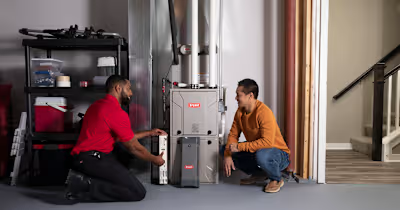
Installing a dependable heating system is an important investment for maintaining comfortable indoor temperatures and creating a pleasant environment throughout colder months. A properly selected furnace can provide consistent warmth, improve energy efficiency, and support reliable heating performance for residential and commercial properties. However, choosing the right equipment involves more than purchasing a heating appliance because property size, insulation, ventilation, energy requirements, and equipment capacity all influence its performance. Poor equipment selection or incorrect installation can result in uneven heating, higher energy expenses, frequent breakdowns, and unnecessary maintenance costs. Understanding the installation process and the importance of professional expertise can help property owners make informed decisions. Professional furnace installation plays an important role in creating an efficient heating environment that delivers dependable performance, long-term value, and improved indoor comfort.
- Understanding How Modern Furnaces Work
- Choosing the Right Heating Equipment
- Understanding Furnace Size and Heating Capacity
- Preparing the Property Before Installation
- Why Professional Installation Matters
- Understanding the Installation Process
- Improving Energy Efficiency With Modern Heating Equipment
- The Importance of Proper Ductwork
- Selecting Compatible Thermostats and Smart Controls
- Improving Indoor Air Quality and Ventilation
- Common Mistakes to Avoid During Installation
- Preparing New Equipment for Regular Operation
- The Importance of Regular Preventive Maintenance
- Choosing a Reliable Heating Installation Professional
- When Should an Existing Furnace Be Replaced?
- Long-Term Benefits of a Properly Installed Heating System
- Conclusion
Understanding How Modern Furnaces Work
A furnace is a heating appliance designed to generate warmth and distribute heated air throughout an indoor space. Most forced-air furnaces use a heat source to warm air before a blower motor moves it through ductwork and into different rooms. Depending on the equipment type, the heating process may use natural gas, propane, oil, or electricity. Each system has specific operating requirements and installation considerations that must be followed to ensure dependable performance. Modern furnaces contain several important components, including a heat exchanger, burners or heating elements, blower motor, thermostat, air filter, ignition system, and safety controls. These components work together to provide consistent heating whenever indoor temperatures fall below the selected thermostat setting. Advanced equipment may also include variable-speed blowers, improved heat exchangers, and smart control features. Understanding how these components operate helps property owners recognize the importance of selecting suitable equipment and ensuring that every part is installed correctly.
Choosing the Right Heating Equipment
Selecting the right heating equipment is one of the most important decisions when planning a new heating system. Different properties have different heating requirements depending on their size, ceiling height, insulation quality, window placement, construction materials, and overall layout. A furnace that is too small may struggle to maintain comfortable temperatures, while an oversized unit may switch on and off too frequently. Both situations can affect energy consumption, indoor comfort, and equipment lifespan. Property owners should compare available furnace types, energy sources, efficiency ratings, warranty coverage, and expected operating expenses before making a purchase. Natural gas, propane, oil, and electric furnaces each have different installation and operating requirements. It is also important to consider replacement part availability and the long-term servicing needs of the selected model. A qualified heating professional can evaluate the property and recommend equipment that meets its actual requirements. Careful selection helps create a dependable heating system that delivers suitable performance without unnecessary operating expenses.
Understanding Furnace Size and Heating Capacity
Heating capacity is an important factor because it determines how effectively a furnace can provide warmth throughout a property. Capacity is commonly measured in British thermal units, or BTUs, and indicates how much heat the equipment can produce during operation. Selecting the correct capacity helps ensure that the heating system can maintain comfortable temperatures without operating under unnecessary strain. However, choosing a larger furnace does not automatically provide better comfort or improved efficiency. An oversized system may reach the thermostat setting quickly and shut down before distributing warmth evenly throughout the building. Frequent cycling can increase mechanical wear and affect overall performance. An undersized furnace may operate for extended periods while struggling to maintain the desired temperature during colder conditions. Professional technicians evaluate building size, insulation, air leakage, window performance, and other relevant factors before recommending equipment capacity. Accurate calculations help support balanced heating, efficient operation, and consistent indoor comfort.
Preparing the Property Before Installation
Proper preparation helps make the installation process more organized and reduces the possibility of unexpected complications. Before work begins, technicians generally inspect the existing heating equipment, available installation space, ductwork, electrical connections, ventilation arrangements, and relevant safety requirements. If an older furnace is being replaced, the existing appliance may need to be disconnected and removed according to appropriate procedures. Reviewing the manufacturer’s specifications also helps determine the clearances and connections required for the new equipment. Property owners can prepare by removing unnecessary objects from the equipment area and ensuring that technicians have suitable access to the installation space. Existing ductwork should be checked for visible damage, leakage, and airflow restrictions. Electrical arrangements and fuel connections must also be evaluated by qualified professionals where applicable. Identifying these concerns before the project begins can help prevent delays and reduce additional expenses. Proper preparation creates a suitable foundation for the new heating equipment and supports a smoother installation process.
Why Professional Installation Matters
Heating equipment contains electrical components, combustion systems, moving parts, and ventilation connections that require specialized knowledge. Incorrect installation can affect equipment performance and create serious safety concerns. Problems involving unsuitable electrical connections, improper fuel arrangements, inadequate ventilation, or incorrect equipment clearances may result in operational failures and hazardous conditions. Even advanced heating equipment may perform poorly if installation procedures do not follow manufacturer specifications. Experienced technicians understand the requirements of different furnace models and have the training needed to complete installation work correctly. They can evaluate equipment compatibility, inspect existing connections, and identify potential problems before the new system begins operating. Professional furnace installation also includes important testing procedures to verify that the equipment functions according to its intended specifications. Working with qualified professionals helps reduce avoidable problems, protect applicable warranties, and provide greater confidence in the heating system.
Understanding the Installation Process
The installation process generally begins with a detailed property assessment and confirmation of the selected heating equipment. Technicians review the manufacturer’s specifications, evaluate the available installation area, and inspect existing ductwork and relevant connections. If an older furnace is being replaced, the previous equipment is disconnected and removed using appropriate procedures. The installation area is then prepared according to the requirements of the new appliance. After preparation, technicians position the furnace and complete the required mechanical, electrical, fuel, and ventilation connections. They also examine the relationship between the new equipment and existing ductwork to ensure suitable air distribution. Once the physical installation is complete, the system must be tested to verify thermostat communication, airflow, heating performance, and safety controls. Proper commissioning helps identify installation concerns before the equipment enters regular operation. Property owners should also receive instructions about thermostat settings, filter replacement, and recommended servicing requirements.
Improving Energy Efficiency With Modern Heating Equipment
Energy efficiency is an important consideration because heating equipment can account for a significant portion of household energy consumption during colder months. Modern furnaces are available with different efficiency ratings and operating features designed to reduce unnecessary energy use. High-efficiency models may include improved heat exchangers, advanced controls, and more effective combustion technology. Comparing available efficiency ratings can help property owners understand how effectively a furnace converts its energy source into useful heat. However, equipment efficiency alone does not determine overall heating performance. Correct system sizing, suitable ductwork, proper installation, and regular servicing also influence energy consumption. An efficient furnace may still use more energy than expected if heated air escapes through damaged ducts or the property has inadequate insulation. Sealing air leaks, improving insulation, and using appropriate thermostat settings can complement the benefits of modern equipment. Considering both initial purchase expenses and expected operating costs helps property owners make informed decisions about their heating investment.
The Importance of Proper Ductwork
Ductwork plays an essential role in distributing heated air from the furnace to different rooms throughout a property. Supply ducts carry warm air into indoor spaces, while return ducts transport indoor air back toward the heating equipment for filtration and reheating. If ducts contain leaks, damaged sections, or airflow restrictions, the heating system may struggle to maintain consistent temperatures. These problems can also increase energy consumption and place additional strain on the blower motor. Before installing new equipment, technicians should evaluate the condition and compatibility of existing ductwork. Damaged connections, poorly sealed joints, and blocked vents may require attention before the furnace begins operating. In some situations, duct modifications may be necessary to improve airflow and support the heating capacity of the new equipment. A properly designed distribution system helps deliver warmth more evenly and allows the furnace to operate more effectively. Paying attention to ductwork during installation can prevent performance concerns later.
Selecting Compatible Thermostats and Smart Controls
The thermostat is an essential part of a heating system because it controls when the furnace starts and stops according to indoor temperature settings. When the temperature falls below the selected level, the thermostat communicates with the equipment to begin heating. Once the desired temperature is reached, it signals the system to stop operating. A compatible thermostat helps maintain comfortable indoor conditions and supports efficient equipment performance. Modern smart thermostats offer additional features that make temperature management more convenient. Depending on the model, these devices may provide programmable schedules, remote access, energy usage information, and automatic temperature adjustments. However, compatibility should always be checked before selecting a new thermostat because some heating systems require specific wiring arrangements or control features. Professional technicians can verify compatibility, complete the necessary connections, and configure the controls according to manufacturer instructions. Suitable temperature controls can improve convenience and help reduce unnecessary heating when indoor spaces are unoccupied.
Improving Indoor Air Quality and Ventilation
Indoor air quality is another important consideration when selecting and installing heating equipment. Dust, pollen, pet dander, and other airborne particles can accumulate indoors when filtration and ventilation arrangements are inadequate. Heating systems circulate indoor air, so suitable filters and clean ductwork are important for maintaining appropriate air movement. Proper ventilation also helps manage indoor moisture and supports a more comfortable environment. Property owners should choose filters that match the furnace manufacturer’s recommendations and replace them according to the suggested schedule. A filter with an unsuitable size or filtration rating may interfere with airflow and affect equipment performance. Technicians can evaluate ventilation arrangements and identify potential concerns involving ductwork, filtration, and air circulation. Depending on the building, additional ventilation improvements may be appropriate. Combining suitable filtration with effective ventilation practices supports a cleaner indoor environment and helps maintain dependable heating operation.
Common Mistakes to Avoid During Installation
One common mistake is selecting equipment based only on advertised heating capacity or initial purchase price. A furnace must be suitable for the property’s actual heating requirements, and choosing an oversized or undersized unit can create long-term performance problems. Another mistake is ignoring existing ductwork, because leaks and airflow restrictions can affect the effectiveness of a newly installed heating system. Property owners should also consider thermostat compatibility, ventilation requirements, and available energy sources before making a final decision. Attempting complex installation work without appropriate training is another serious concern. Heating equipment may involve electrical connections, fuel supply arrangements, combustion components, and ventilation requirements that must be handled correctly. Improper work can create safety hazards and may affect equipment warranties. Choosing qualified professionals and requesting a detailed installation plan helps reduce these risks. Proper planning, suitable equipment selection, and professional workmanship are essential for achieving reliable heating performance.
Preparing New Equipment for Regular Operation
After installation, property owners should become familiar with the furnace controls, operating instructions, and manufacturer recommendations. Understanding thermostat settings and filter replacement requirements helps ensure that the equipment is used correctly. The area surrounding the furnace should remain clean and unobstructed, while supply vents and return grilles should remain free from furniture and other objects. These simple practices support proper airflow and help maintain dependable heating. It is also important to monitor the equipment for unusual noises, odors, warning indicators, or changes in heating performance. Before periods of increased heating demand, homeowners should check accessible filters and confirm that thermostat settings are appropriate. Any unusual operating behavior should receive attention from a qualified technician. Understanding the basic requirements of new equipment helps property owners protect their investment and maintain comfortable indoor conditions throughout colder months.
The Importance of Regular Preventive Maintenance
Even newly installed heating equipment requires regular attention to maintain its performance and efficiency. Dust accumulation, dirty filters, worn components, and electrical connection problems can gradually affect normal operation. Preventive servicing helps identify these concerns before they develop into more serious equipment failures. Professional inspections may include evaluating blower operation, checking electrical connections, examining heating components, and testing relevant safety controls. Homeowners should replace or clean accessible filters according to manufacturer recommendations and keep the equipment area free from unnecessary obstructions. Professional servicing should also follow the schedule recommended for the specific furnace model. A successful furnace installation project should always include consideration of future servicing requirements because proper maintenance helps protect the equipment investment and supports reliable heating. Keeping a consistent care schedule makes it easier to monitor system conditions and address developing problems before they become expensive.
Choosing a Reliable Heating Installation Professional
Selecting a qualified installation professional is important because workmanship directly affects equipment performance, reliability, and safety. Property owners should look for technicians with relevant training, appropriate licensing where required, insurance coverage, and experience working with the selected furnace type. Reviewing customer feedback and asking about previous installation projects can help when comparing service providers. A dependable professional should be willing to explain equipment options and the installation requirements associated with each choice. Before approving a project, property owners should request a detailed estimate that explains the selected equipment, installation procedures, included services, and expected expenses. It is also useful to discuss warranty coverage, replacement parts, and future servicing requirements. Clear communication helps prevent misunderstandings and makes it easier to plan the project. Working with an experienced professional provides greater confidence that the equipment will be installed according to appropriate technical standards.
When Should an Existing Furnace Be Replaced?
An existing furnace may eventually become less practical to operate because of age, declining efficiency, repeated breakdowns, or increasing repair expenses. Property owners should monitor recurring problems and compare the cost of continued repairs with the potential benefits of installing newer equipment. Other considerations include replacement part availability, heating consistency, equipment condition, and expected future operating expenses. A professional inspection can help determine whether the existing furnace remains suitable for continued operation. Modern heating equipment may provide improved energy efficiency, quieter operation, advanced temperature controls, and additional convenience features. However, selecting a replacement involves more than comparing purchase prices. Equipment capacity, installation requirements, ductwork compatibility, warranty coverage, and long-term operating costs should all be considered. A qualified technician can evaluate the property and recommend suitable options based on its heating requirements. Making an informed replacement decision can improve comfort and reduce repeated expenses associated with aging equipment.
Long-Term Benefits of a Properly Installed Heating System
A properly installed furnace can provide several long-term benefits for residential and commercial properties. Reliable heating helps maintain comfortable indoor temperatures, while suitable equipment capacity supports consistent warmth throughout different rooms. Correct installation also helps reduce unnecessary operating strain and allows the equipment to function according to manufacturer specifications. These factors can contribute to better efficiency and more dependable heating performance. Another important benefit is greater confidence in the equipment’s operation. When property owners select suitable equipment and work with qualified professionals, they can reduce the possibility of common installation problems. Proper installation also creates a strong foundation for future maintenance and servicing. Combining professional workmanship with responsible operating habits and regular inspections helps protect equipment value and supports comfortable indoor conditions over time.
Conclusion
Selecting and installing suitable heating equipment requires careful planning, appropriate system sizing, professional expertise, and attention to important technical requirements. Property owners should evaluate heating capacity, energy efficiency, ductwork condition, thermostat compatibility, ventilation arrangements, and future maintenance needs before making a final decision. Avoiding common installation mistakes and choosing qualified technicians can help prevent unnecessary expenses and support dependable heating performance. Professional furnace installation is an important investment in indoor comfort, energy efficiency, and long-term equipment reliability. Experienced technicians can assess property requirements, recommend suitable equipment, complete necessary connections, and test the system to verify proper operation. Whether the goal is replacing an aging furnace, improving heating performance, or installing equipment in a new property, professional planning and workmanship provide valuable benefits. By selecting suitable equipment and following manufacturer maintenance recommendations, property owners can enjoy reliable heating, improved energy management, and greater peace of mind throughout colder months.


Jewelry brands that concentrate on packaging are able to stand out in the competitive market. This is because people are drawn to what they are selling and are impressed that the brand has put effort into all parts of the product. The right jewelry boxes nowadays not only protect the product in them but also advertise it in a competitive market.
It draws people to it when it is with the competition and convinces them the brand is selling products that are worth buying. The packaging will convince people that a quality product is in the box that will give results. A brand can therefore get customers in the competitive market when it opts for the right packaging.
The following looks at jewellery packaging ideas that increase perceived value and customer loyalty:
Strong packaging
Jewelry is sensitive and should be placed in the right box. The packaging should be able to protect the product that is placed in it. Different products require a different strength and quality box. A brand must keep its products in mind to get the right strength box so that packaging material is not wasted.
Choosing the right board, like single-wall, double-wall, or triple-wall cardboard, will ensure the box is the right strength and protects the product in it when it is being transported and handled.
Brands that invest in the right packaging material are more likely to get a strong box that ensures no damage occurs to the product when it is being transported and shipped. The packaging will be made with high-quality materials suitable for the needs of the product, such as cardboard or paperboard.
High-end and premium brands choose materials that will give a strong box, such as a rigid box that is made with chipboard or greyboard. These brands will stand out and convince people to pay a higher price for the product when it is put in a rigid box.
Sustainability is trending, and brands need to get packaging that will not damage the environment with waste whilst protecting the product. Eco-luxury can be conveyed when the box is made with recycled paperboard to give it its strong structure.
Internal product protection
Jewelry needs to remain stable in the box and be presented in a high-end way. The way the product is held in the box matters as well. Brands need to be careful here and select a box that will comfortably fit the product in it, ensuring it does not move around carelessly or get forced into extremely small packaging.
Packaging dimensions are therefore important because the right size box will hold the product comfortably. It will not be too large for the product and not extremely small for it as well.
Internal inserts such as custom foam, molded pulp, and paperboard inserts have the ability to lock the items in place and absorb shock. They protect products and ensure customers get them in good condition as they hold them in place.
They will also separate products, ensuring they do not bump into one another, and customers find it easy to locate what they are looking for in the box.
Details on the box
People need to know about the jewelry in the box to make a buying decision. Packaging needs to include information about the product to help people make an informed and confident buying decision. The details that will be included need to be precise and relevant so people are not confused.
They need to be included in a font that is readable and looks good with the box design. The information should state what the product is and mention its characteristics briefly.
To avoid including too much on the box but still let people know about the brand and product, a business can add a scannable QR code on the packaging. This code gets scanned by people, and they learn interesting details about the brand and product.
A brand can also add a transparent die-cut window on the packaging that lets people see part of the product. This encourages and further convinces people to buy it, as they will be confident to do so after having a glimpse of it without needing to open the box.
Attractive packaging appearance
When people look at the box, they should know a high-end jewelry product worth buying is in the box. The packaging must stand out amongst the competition, making people notice it and want to buy from the business whilst ignoring the competition. The right details should be included for this so that people will be able to notice and know the values of the business.
A premium brand will opt for colors that convey luxury, such as matte black. This is a timeless color linked with premium quality. The packaging design will not include images, and it will not be crowded with too many details, as this does not look luxurious. It can include elements like line art.
Sustainable brands will use colors that immediately let people know an eco-friendly product is in the box and that it is organic. The brand can include earthy neutrals such as brown or a shade of green.
Colors should be chosen carefully, as they let people get a certain impression of the brand and product and can encourage people to choose the item.
Finishing touches to enhance packaging look
The packaging must look expensive like the product. Surface finishes have become an important part of the packaging design and are being chosen by many brands. They enhance the appearance of the box and make it seem more high-end and luxurious.
A brand can add a finishing impact, such as a textured impact, to make the box feel different and engaging. A brand may include embossing, debossing, or foiling on part of the box design to highlight it so people want to find out about the product.
Promote jewelry brand details
The brand needs to get known in the market, and this can be done if the packaging stands out and draws people to it. The packaging must include relevant and consistent information about the brand to let people know about it and recognize what it is selling.
The details that will be included will be an easily recognizable brand logo. The brand can also include its brand colors and contact information.
Custom product boxes for jewelry have the ability to get the attention of the target audience when the box is strong and designed to convey the unique values of the brand. Packaging like this can help a brand get customers who end up being loyal to the business when they try out its products and love them.


Smart packaging has turned that simple container into an experience — a digital handshake between brand and customer. Flip open a box today, and it can greet you, teach you, or even take you somewhere else entirely.
We’re talking about packaging that talks back. Literally.
Why Magnetic Boxes Are the Perfect Canvas
The Magnetic boxes design already feels premium — magnetic closure, smooth lid movement, the subtle “click.” That moment when someone opens it? Perfect stage for digital magic.
That’s not just packaging. That’s theatre.
Step 1: Embedding QR Codes That Actually Get Scanned
Let’s be honest: most QR code packaging fails because people ignore them. The trick isn’t just adding a black-and-white square. It’s designing the invitation.
Here’s what works:
- Placement — put the QR code where curiosity peaks. Under the lid, near the opening tab, or right where the hands land.
- Context — tell them why to scan: “See how your product was made,” “Unlock your warranty,” or “Watch it in AR.”
- Design Integration — blend it with your artwork, make it part of the visual story. Not an afterthought.
Done right, a QR code becomes the bridge between your brand and your buyer’s screen.
Step 2: Adding AR Magic
Now, AR packaging (Augmented Reality) — that’s the next level. It lets customers use their phone camera to see virtual objects on top of real packaging.
Picture this:
A skincare brand lets users point their phone at the custom magnetic packaging and see the serum’s ingredients swirling in 3D. A toy box could make a character come to life right on the table.
The beauty of AR packaging is that it turns routine unboxing into a memorable moment. A small burst of surprise, curiosity, and delight.
But balance matters. If it feels gimmicky, it dies fast.
Designing for Experience, Not Just Looks
Let’s talk texture and flow. When you create interactive Magnetic boxes, design isn’t just visual — it’s rhythmic. The box opens, the magnet clicks, the code appears, and then the digital content takes over.
The user feels guided, step by step.
That’s experience design — merging tactile and digital cues into one dance.
- Use soft-touch finishes to make the surface feel premium.
- Keep the QR code matte, so phones can scan easily.
- Position the digital trigger (QR or AR mark) where the customer’s gaze naturally lands.
This subtle choreography turns opening into anticipation.
Small Business? You Can Still Play
You don’t need a tech lab or a million-dollar budget. QR code packaging is easy to start with. Free tools, basic printing — and you can already connect your customer to your site, a video, or a story.
Even AR packaging tools are getting simpler. Platforms like Zappar or Adobe Aero let you create small, brand-specific animations without coding.
Start small. Test. See what your customers like. Then grow.
Smart doesn’t have to mean expensive — it just has to mean thoughtful.
The Psychology Behind the Scan
Ever wonder why scanning a QR code feels satisfying? It’s curiosity and control — the mix of I wonder what happens next and I chose to see it.
That’s where custom rigid boxes shine. They reward curiosity. The person who opens the lid gets a “secret” — something others don’t see unless they engage. It creates a sense of discovery and ownership.
That’s psychology-based design. That’s sticky branding.
Making It All Work Together
The best smart designs don’t scream “tech.” They whisper it. Subtle cues, seamless flow. The QR code doesn’t dominate — it invites. The AR effect doesn’t distract — it delights.
Think of your Magnetic box as a stage:
- The surface tells the story.
- The code opens the curtain.
- The AR brings it to life.
When all three align — touch, design, and digital — the result feels human, not mechanical.
In the end, technology doesn’t make packaging powerful. Emotion does. Smart packaging just helps us convey that emotion on a faster and more deep level.
The brands that get their act together in a practical way will get great hype in the market.


CloudKitchens introduces a tool designed to estimate platform fees and help restaurant operators better understand their delivery-related expenses
For restaurants that rely on delivery, selling more through apps does not always mean increasing profitability. Fees charged by platforms, packaging costs, labor, and other operating expenses can significantly reduce a business’s margins. To help entrepreneurs visualize this impact, CloudKitchens developed a calculator that estimates how much of the revenue generated through delivery is consumed by costs associated with the channel.
Designed primarily for small restaurants and entrepreneurs considering investing in delivery, the tool allows users to enter information such as monthly revenue, average order value, the share of sales coming from delivery, dine-in, and pickup, as well as the rate negotiated with delivery platforms. Based on this data, the CloudKitchens calculator estimates the impact of delivery on the operation and presents the so-called “delivery drain,” an indicator that represents the amount paid to delivery platforms in fees over a given period.
“The main goal is to give operators a practical way to visualize the future of their business when it depends on delivery apps. Restaurants often look at the revenue generated through delivery but cannot clearly see how much of that amount is being consumed by the costs associated with the channel,” explains CloudKitchens.
Delivery can affect different parts of the operation
The tool was developed based on market and industry research and data, incorporating benchmarks for food costs, labor, occupancy, packaging, platform fees, and the market share of major delivery apps. The analysis is particularly relevant for businesses that combine different service models within the same kitchen.
According to CloudKitchens, operations that attempt to serve dine-in, pickup, and delivery customers simultaneously may face additional capacity and organizational challenges. When demand from one channel grows without the kitchen being prepared to handle it, increased sales can be accompanied by delays, a decline in the customer experience, and pressure on margins.
The calculator is part of CloudKitchens’ strategy to provide practical content and tools for industry operators. By turning market data into an accessible analysis, the company aims to help entrepreneurs better understand the relationship between revenue, sales channels, and costs and, based on that understanding, make more informed decisions about the role of delivery in their businesses.

Jewelry Boxes: Jewelry Packaging Ideas That Increase Perceived Value and Customer Loyalty

How to Turn Your iPad Into the Perfect Binge-Watching Device: 7 Easy Tips

Smart Packaging Integration: How to Embed QR Codes and AR into Your Magnetic Box Design

Alex Pettyfer Net Worth, Wife, Age, Height, Children, Career and More

Brad Williams Net Worth, Wife, Height, Age, Daughter, Family, Career and More

Eldorado.gg Review 2026: How It Works, Safety, Fees, and Risks
-
Celebrity11 months ago
Alex Pettyfer Net Worth, Wife, Age, Height, Children, Career and More
-
Celebrity11 months ago
Brad Williams Net Worth, Wife, Height, Age, Daughter, Family, Career and More
-
Blog2 months ago
Eldorado.gg Review 2026: How It Works, Safety, Fees, and Risks
-
 Anime12 months ago
Sanzoku Bandits of One Piece: Origins, Higuma, and Their Role in Dawn Island
-
 Celebrity11 months ago
John McGinn Net Worth, Age, Height, Wife, Childrens, Career and More
-
 Celebrity11 months ago
Frances de la Tour Net Worth, Age, Height, Husband, Childrens, Career and More
-
 Celebrity11 months ago
Will Trickett Net Worth, Wife, Childrens, Age, Career and More
-
 Blog3 months ago
Crackstube: A Complete Guide to the Digital Publishing Platform