
Construction
When Storms Strike: Why Every Homeowner Needs a Roofing Plan

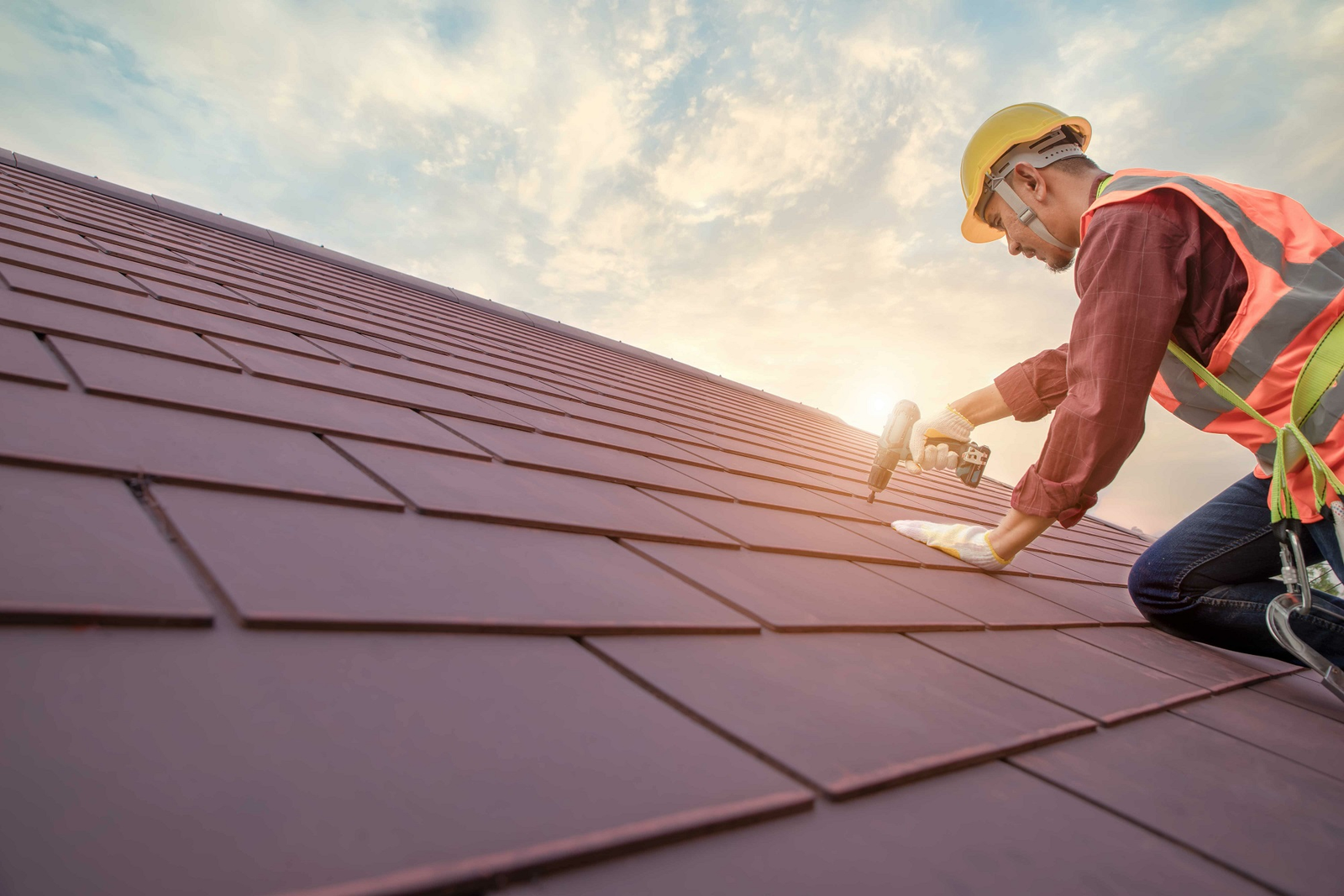
A leaking ceiling at 2 a.m. has a way of putting everything else into perspective. Suddenly, that work deadline or weekend plan doesn’t matter nearly as much as the water pooling on your hardwood floors. Roof damage rarely waits for a convenient moment, and when it happens, the difference between a minor repair and a major renovation often comes down to how quickly you respond.
Keystone Roofing has spent years helping homeowners navigate exactly these situations. From fallen branches during a summer storm to ice dams that crack shingles in the dead of winter, roofing problems come in many forms, but they share one thing in common: they only get worse with time. This post explores why a fast, professional response matters so much, what typically causes sudden roof damage, and how Keystone Roofing helps families protect their homes when it matters most.
What Causes Sudden Roof Damage?
Most roofing crises don’t build up gradually. They happen in the span of an afternoon, triggered by weather events or wear and tear that finally gives way. Some of the most common culprits include:
- High winds and storms: Gusts can lift shingles, snap branches, and send debris crashing into your roofline.
- Hailstorms: Even small hail can dent, crack, or puncture roofing materials, especially on older roofs.
- Heavy rain and flooding: Water finds the smallest gaps and turns them into major leaks within hours.
- Snow and ice accumulation: Excess weight and ice dams can stress your roof’s structure beyond its limits.
- Fallen trees or limbs: A single branch can tear through shingles, underlayment, and decking in seconds.
Each of these scenarios shares a common thread: once the damage starts, it rarely stays contained. Water intrusion spreads to insulation, drywall, and even electrical systems if left unaddressed. What starts as a small leak can quickly become a much larger, costlier problem.
Why Timing Matters So Much in Roof Repair
Roofs are designed to be your home’s first line of defense. When that defense is compromised, every hour of delay increases the risk of secondary damage. Mold can begin forming within 24 to 48 hours of water exposure, and structural wood can weaken significantly if moisture sits unaddressed for days.
Beyond the physical damage, there’s also the financial side to consider. Insurance companies often look favorably on homeowners who act quickly to mitigate damage. Waiting too long to address a known issue can sometimes complicate a claim or even lead to a reduced payout. Acting fast isn’t just about comfort. It’s a smart financial decision, too.
How Keystone Roofing Approaches Urgent Repairs
Keystone Roofing built its reputation on responsiveness. The team understands that roofing problems don’t follow a 9-to-5 schedule, which is why they prioritize fast assessments and clear communication from the very first call.
A Thorough Inspection, Every Time
Before any repair begins, Keystone Roofing’s technicians conduct a detailed inspection to understand the full scope of the damage. This isn’t just about patching the visible problem. The team looks for underlying issues, like compromised flashing or weakened decking, that could cause future leaks if left untreated.
Transparent Communication
Nobody wants to be left guessing about the condition of their home. Keystone Roofing walks homeowners through what they find, explains the recommended repair approach, and provides a clear cost estimate before any work begins. There are no surprise charges or vague explanations, just straightforward information so homeowners can make confident decisions.
Quality Materials Built to Last
Patching a roof with subpar materials might solve the problem temporarily, but it rarely holds up long term. Keystone Roofing uses durable, weather-resistant materials designed to withstand the specific climate challenges of the region, so repairs don’t just look good, they actually last.
Protecting Your Home Before the Next Storm Hits
A fast, reliable response can mean the difference between a simple fix and extensive water damage, which is exactly why having access to an emergency roof repair team matters so much. Waiting until a small leak becomes a ceiling collapse isn’t a risk worth taking. Keystone Roofing’s team is trained to assess damage quickly, stabilize the situation, and begin repairs without unnecessary delays, helping homeowners avoid the cascading costs that come with prolonged exposure to the elements.
Beyond emergency response, Keystone Roofing also encourages homeowners to schedule routine inspections, particularly after major storms or seasonal changes. Catching small issues early, like lifted shingles or minor flashing gaps, can prevent them from becoming the kind of problem that requires a late-night phone call in the first place.
Take the Guesswork Out of Roof Damage
A damaged roof can feel overwhelming, especially when it happens unexpectedly. But homeowners don’t have to navigate it alone. Keystone Roofing combines fast response times, transparent pricing, and quality craftsmanship to make the repair process as smooth as possible, from the first inspection to the final shingle.
If your roof has seen better days or you simply want peace of mind before the next storm rolls in, reach out to Keystone Roofing today for a professional assessment. A little preparation now can save a lot of stress later.
Frequently Asked Questions
How quickly can Keystone Roofing respond to urgent roof damage?
Keystone Roofing prioritizes fast response times and aims to assess and address urgent roofing issues as soon as possible after a homeowner reaches out.
What should I do if I notice a leak during a storm?
Place a container to catch dripping water, move valuables away from the affected area, and contact a roofing professional as soon as it’s safe to do so.
Does Keystone Roofing work with insurance claims?
Keystone Roofing can provide detailed documentation of damage and repair estimates, which homeowners can use to support their insurance claims.
How can I prevent future roof damage?
Regular inspections, timely repairs, and proper attic ventilation all help extend the life of your roof and reduce the likelihood of sudden damage.
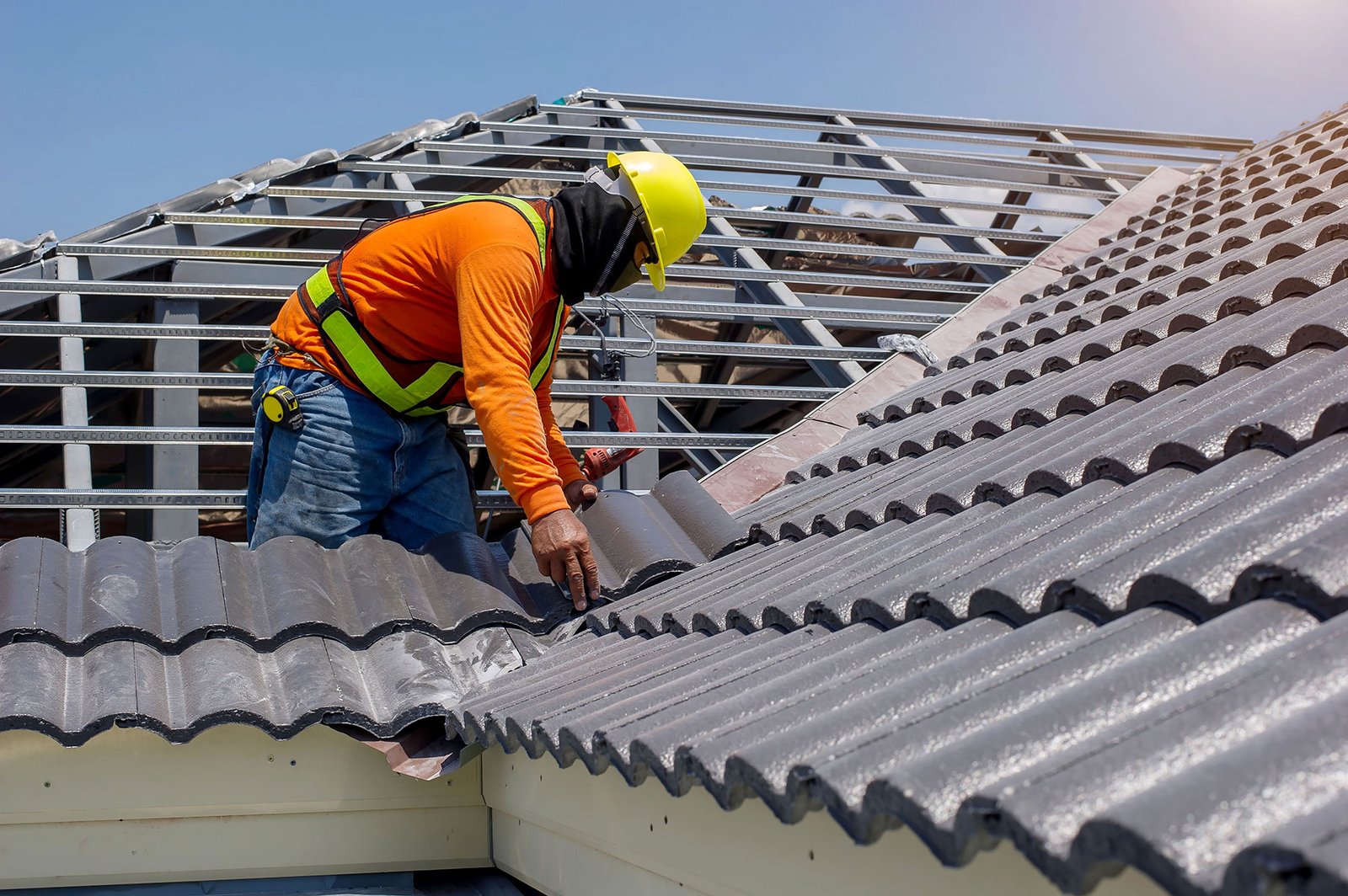
Your roof works quietly in the background, shielding your home from rain, wind, heat, and everything else nature throws at it. But even the toughest roofing materials wear down eventually. When that happens, waiting too long to act can turn a manageable repair into a major (and expensive) headache.
- How Do You Know When It’s Time for a New Roof?
- Why Timing Matters More Than You Think
- What Does the Roof Replacement Process Look Like?
- Step 1: Inspection and Estimate
- Step 2: Material Selection
- Step 3: Removal and Installation
- Step 4: Final Inspection and Cleanup
- Why Choose Tetti Roofing for Your Next Project?
- Ready for a Roof That Works as Hard as You Do?
- Frequently Asked Questions
If you’ve noticed water stains on your ceiling, missing shingles, or a spike in your energy bills, your roof might be trying to tell you something. This post walks through the clearest signs that your home needs a new roof, what the replacement process actually looks like, and why choosing the right team makes all the difference.
How Do You Know When It’s Time for a New Roof?
Most roofs last between 20 and 30 years, depending on the material and how well they’ve been maintained. But age alone isn’t the only factor. Here are some telltale signs that your roof may be nearing the end of its lifespan:
- Curling or missing shingles: Shingles that are cracked, curled at the edges, or completely gone leave your home exposed to leaks.
- Granules in the gutters: Finding gritty, sand-like granules piling up in your gutters is a sign your shingles are breaking down.
- Sagging rooflines: A roof that dips or sags could indicate structural damage that needs immediate attention.
- Daylight through the attic: If you can see sunlight peeking through your attic boards, water can get through just as easily.
- Rising energy bills: Poor insulation caused by roof damage can make your HVAC system work overtime.
Catching these signs early can save you from more extensive (and costly) damage down the road, including compromised insulation, mold growth, or even structural issues.
Why Timing Matters More Than You Think
Delaying a roof replacement rarely saves money. In fact, it usually does the opposite. A small leak left unaddressed can lead to rotted decking, damaged insulation, and even mold growth inside your walls. What starts as a simple fix can snowball into a full-blown renovation project.
Seasonal timing matters too. Many homeowners wait until a storm causes visible damage before taking action, but scheduling a replacement during milder weather often means faster installation and fewer complications. Planning ahead gives you more flexibility to choose quality materials and avoid the rush that comes with emergency repairs.
What Does the Roof Replacement Process Look Like?
Replacing a roof might sound like a massive undertaking, but a well-organized team can make the process surprisingly smooth. Here’s a general idea of what to expect:
Step 1: Inspection and Estimate
A thorough inspection identifies the extent of the damage and helps determine whether a full replacement or targeted repair is the right call. This is also when you’ll receive a clear estimate outlining costs, materials, and timelines.
Step 2: Material Selection
From asphalt shingles to metal roofing, the material you choose affects everything from durability to curb appeal. A knowledgeable team will walk you through the pros and cons of each option based on your home’s style, climate, and budget.
Step 3: Removal and Installation
Old roofing materials are removed, the underlying structure is inspected for damage, and new materials are installed with attention to proper ventilation and waterproofing.
Step 4: Final Inspection and Cleanup
A quality roofing company won’t consider the job done until everything is inspected, cleaned up, and left looking as good as it performs.
Why Choose Tetti Roofing for Your Next Project?
Protecting your home from costly water damage and long-term structural issues starts with a dependable roof replacement built to withstand the elements for decades. At Tetti Roofing, that’s exactly what we deliver. Our team brings years of hands-on experience, a commitment to quality materials, and a straightforward process designed to make homeowners feel informed every step of the way.
We understand that a new roof is a significant investment, which is why we prioritize transparent estimates, skilled craftsmanship, and respectful communication from the first inspection to the final walkthrough. Whether you’re dealing with storm damage, an aging roof, or simply want to boost your home’s value, our team is ready to help you make the right decision with confidence.
Ready for a Roof That Works as Hard as You Do?
A sturdy, well-installed roof does more than protect your home. It adds value, improves energy efficiency, and gives you peace of mind during every season. If you’ve spotted any warning signs or it’s simply been a while since your last inspection, now is a great time to take action.
Reach out to Tetti Roofing today to schedule your inspection and find out what a difference a quality roof replacement can make for your home.
Frequently Asked Questions
How long does a roof replacement typically take?
Most residential roof replacements take one to three days, depending on the size of the roof, the materials used, and weather conditions.
Will my homeowner’s insurance cover a roof replacement?
Many insurance policies cover roof replacement if the damage results from a covered event, such as a storm. It’s best to check with your provider and document any damage thoroughly.
Can I replace just part of my roof instead of the whole thing?
In some cases, partial replacement is possible, but mismatched materials or hidden structural damage can make a full replacement the more cost-effective long-term solution.
What type of roofing material lasts the longest?
Metal roofing tends to last the longest, often 40 to 70 years, while asphalt shingles typically last 20 to 30 years depending on quality and maintenance.
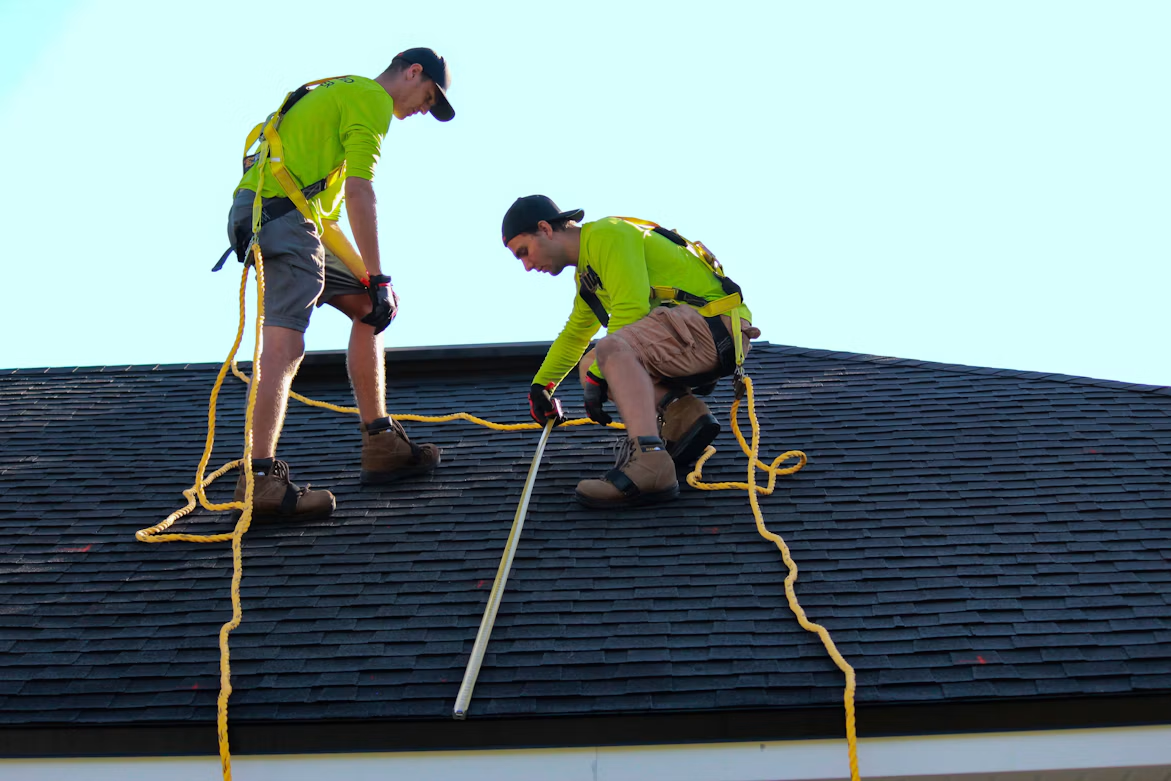
Your roof works harder than almost any other part of your home. It shields you from rain, wind, snow, and scorching summer heat, year after year, often without a second thought. But even the sturdiest roofs develop problems over time: missing shingles, sagging sections, leaks that creep into your ceiling, or flashing that’s pulled away from the chimney. Left unaddressed, these issues can spiral into costly structural damage.
- Signs Your Roof Needs Attention
- Water Stains and Ceiling Discoloration
- Missing, Cracked, or Curling Shingles
- Granules Collecting in Gutters
- Sagging Rooflines
- Why Timely Repairs Matter
- What to Expect During a Professional Roof Inspection
- Trust Elegant Exteriors, LLC Roofing Siding Windows & Gutters for Your Roofing Needs
- Keep Your Roof in Top Shape Year-Round
At Elegant Exteriors, LLC Roofing Siding Windows & Gutters, we’ve seen firsthand how a small, neglected repair can turn into a major headache for homeowners. That’s why we’re committed to catching problems early and fixing them right the first time. This post walks through the most common roofing issues homeowners face, how to spot them before they worsen, and why professional repair makes all the difference in protecting your biggest investment.
Signs Your Roof Needs Attention
Many roofing problems don’t announce themselves with a dramatic leak. Instead, they show up as subtle clues that are easy to miss if you’re not looking for them.
Water Stains and Ceiling Discoloration
A brownish stain on your ceiling or upper walls is one of the clearest signs that water is finding its way through your roofing system. Even a small stain can indicate a significant amount of water infiltration happening above, often traveling along rafters before dripping down in a visible spot.
Missing, Cracked, or Curling Shingles
Shingles are your roof’s first line of defense. When they crack, curl at the edges, or go missing entirely, the underlying layers of your roof become exposed to sun, moisture, and wind. A quick visual inspection from the ground, using binoculars if needed, can reveal a lot about your shingles’ condition.
Granules Collecting in Gutters
Asphalt shingles are coated with granules that protect against UV rays and add durability. As shingles age, these granules shed and often collect in gutters or at the base of downspouts. A buildup of granules is a strong signal that your shingles are wearing down and may need attention soon.
Sagging Rooflines
A roof should maintain a straight, even line from end to end. Any dipping or sagging suggests structural issues, possibly from water damage, rot, or excessive weight from snow or debris. This is not a wait-and-see situation. Sagging rooflines require prompt evaluation from a roofing professional.
Why Timely Repairs Matter
Ignoring minor roofing issues rarely saves money in the long run. What starts as a small leak can quickly compromise insulation, drywall, and even the structural framing of your home.
Preventing Costly Water Damage
Water that penetrates your roof doesn’t stay contained. It travels, soaking into insulation, staining ceilings, and sometimes reaching electrical systems. Addressing a leak within days of noticing it can mean the difference between a simple patch and a full ceiling replacement.
Extending Your Roof’s Lifespan
Routine maintenance and prompt repairs help your roof reach, and sometimes exceed, its expected lifespan. Asphalt shingle roofs typically last between 20 and 30 years with proper care, but neglect can shorten that significantly.
Maintaining Your Home’s Value
A well-maintained roof is a major factor in your home’s curb appeal and resale value. Prospective buyers and home inspectors alike pay close attention to roof condition, and visible damage can lower offers or stall a sale altogether.
What to Expect During a Professional Roof Inspection
A thorough inspection is the foundation of any effective repair strategy. At Elegant Exteriors, LLC Roofing Siding Windows & Gutters, our process is designed to catch issues that might otherwise go unnoticed.
Exterior Assessment
Our team examines the condition of your shingles, flashing, vents, and gutters. We look for signs of wear, damage from storms, and any areas where water might be pooling instead of draining properly.
Interior Evaluation
Since many roofing problems reveal themselves inside the home first, we also check attics and ceilings for signs of moisture, mold, or insulation damage. This step often uncovers issues that aren’t visible from the roof’s surface.
Detailed Reporting and Recommendations
After the inspection, we provide a clear summary of our findings along with recommended next steps. We believe in transparent communication, so you understand exactly what’s happening with your roof and why we’re suggesting a particular course of action.
Trust Elegant Exteriors, LLC Roofing Siding Windows & Gutters for Your Roofing Needs
Roof repair can address minor damage before it spreads, helping homeowners avoid expensive repairs and protect the overall integrity of their homes. Whether you’ve noticed missing shingles after a storm or a slow leak that has been lingering for weeks, our experienced crew takes the time to diagnose the underlying issue and provide a dependable, lasting solution. By addressing problems early, we help keep your roof performing properly while giving you greater peace of mind about your home’s protection.
We take pride in using quality materials and proven techniques that stand up to the demands of your local climate. Every project, large or small, receives the same level of attention to detail and craftsmanship. Our goal isn’t just to patch a problem for now. It’s to give you confidence that your roof will perform reliably for years to come.
Beyond repairs, our team also handles siding, windows, and gutters, making us a one-stop resource for maintaining the exterior of your home. This comprehensive approach means fewer contractors to coordinate and a consistent standard of quality across every project we complete.
Keep Your Roof in Top Shape Year-Round
A roof in good condition gives you peace of mind through every season, from heavy spring rains to winter snow loads. Regular inspections, prompt attention to minor issues, and working with an experienced team all play a part in keeping your home protected.
If you’ve spotted any warning signs discussed above, or if it’s simply been a while since your last inspection, now is a good time to reach out. The team at Elegant Exteriors, LLC Roofing Siding Windows & Gutters is ready to help you assess your roof’s condition and recommend the right next steps for your home.
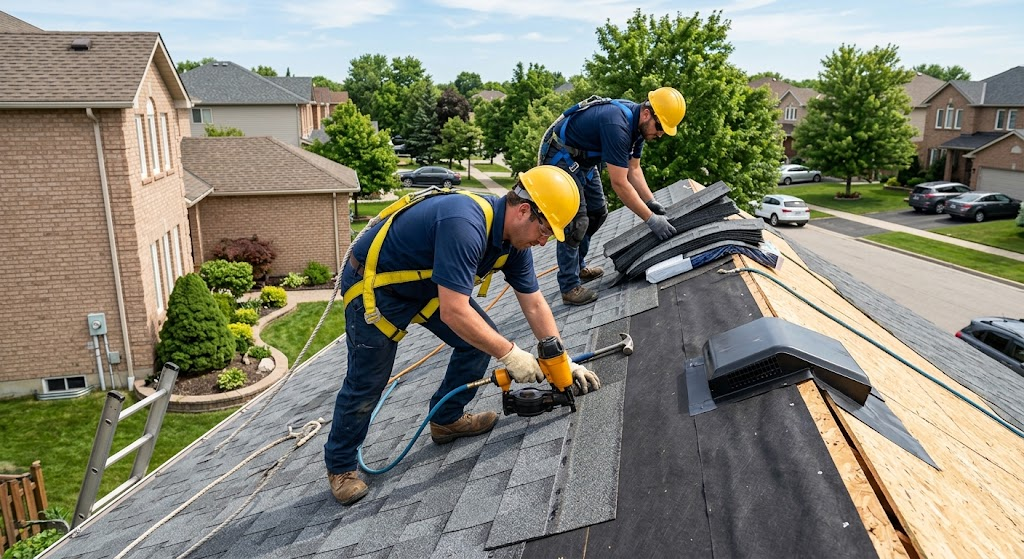
A roof does more than sit atop a house. It shields your family, safeguards your belongings, and holds back everything the sky throws at you. Yet most homeowners only think about their roof when something goes wrong—a leak stains the ceiling, shingles scatter across the lawn after a storm, or an inspection report flags issues before a home sale. By then, small problems have often grown into expensive ones.
- The hidden cost of ignoring roof maintenance
- Why material quality determines how long a roof lasts
- What separates a reliable roofing crew from the rest
- Storm damage: what to do in the first 48 hours
- Choosing a roofing partner you can count on for years, not just one project
- Protect your home before the next storm hits
That’s the gap worth closing before it opens. A proactive approach to roof care saves money, prevents stress, and extends the life of one of the most valuable parts of your property. This post explores what sets quality roofing service apart, from material selection to long-term maintenance, and why choosing the right team matters more than most homeowners realize.
The hidden cost of ignoring roof maintenance
Roofs rarely fail all at once. They degrade slowly, often invisibly, until a minor issue becomes a major repair. A missing shingle lets moisture seep into the decking. That moisture, left unaddressed, leads to rot, mold, and eventually structural damage that costs far more to fix than the original problem would have.
Routine inspections catch these issues early. A trained eye can spot cracked flashing, granule loss, or soft spots that an untrained homeowner might miss entirely. Scheduling an annual check-up, ideally after winter and before storm season, keeps small concerns from snowballing into costly repairs.
Why material quality determines how long a roof lasts
Not all roofing materials perform equally, and the difference shows up years down the line. Asphalt shingles remain popular for their balance of cost and durability, typically lasting 20 to 30 years when installed correctly. Metal roofing, while pricier upfront, can last 40 to 70 years and holds up exceptionally well against high winds and heavy snow loads.
Choosing the right material depends on climate, budget, and the home’s architectural style. A steep-pitched roof in a snowy region benefits from materials that shed snow efficiently, while a flat roof on a commercial building might call for a membrane system designed to resist pooling water. Matching the material to the environment isn’t a minor detail—it’s often the single biggest factor in how long a roof performs well.
What separates a reliable roofing crew from the rest
Technical skill matters, but so does how a crew treats a home and the people living in it. A reliable roofing team communicates clearly, shows up on schedule, and protects landscaping and property throughout the project. Transparent pricing, written warranties, and a willingness to explain the “why” behind every recommendation all signal a contractor worth trusting.
Experience also plays a quiet but important role. Crews who have worked through different weather patterns, roof styles, and structural quirks tend to catch problems that newer teams might overlook. That depth of knowledge translates into fewer callbacks, fewer surprises, and a roof that performs the way it’s supposed to.
Storm damage: what to do in the first 48 hours
High winds, hail, and falling debris can compromise a roof in minutes. Acting quickly afterward makes a measurable difference in the outcome. Here’s a practical sequence to follow:
- Document everything. Take photos of visible damage from the ground, including shingles, gutters, and any debris in the yard.
- Check for interior leaks. Water stains on ceilings or walls often indicate a breach that needs immediate attention.
- Cover exposed areas. A tarp can prevent further water intrusion until a professional repair is scheduled.
- Contact your insurance provider. Early documentation supports a smoother claims process.
- Schedule a professional inspection. Even if damage looks minor, a trained inspector can identify issues not visible from the ground.
Skipping these steps, or waiting too long to act, often turns a manageable repair into a full replacement.
Choosing a roofing partner you can count on for years, not just one project
Dave Adams Roofing has built a reputation on showing up when it matters most, whether that means an emergency repair after a storm or a scheduled inspection that catches a problem before it becomes one. The difference between a roof that lasts decades and one that needs constant patching often comes down to who’s doing the work and how much care they put into it.
A roofing company earns long-term trust by treating every project, large or small, with the same level of attention. That means honest assessments instead of upsells, clear timelines instead of vague promises, and materials chosen to match the home rather than the easiest option on hand. Homeowners who find a contractor like this rarely need to shop around again.
Protect your home before the next storm hits
Roof problems rarely wait for a convenient time to show up. The best defense is a combination of regular inspections, quality materials, and a contractor who treats your home like it matters. Whether you’re dealing with storm damage, planning a replacement, or simply due for a check-up, taking action now prevents bigger headaches later.
If your roof hasn’t been inspected in the last year, consider scheduling a check-up before the next season of harsh weather arrives. A small investment of time today can save thousands in repairs tomorrow.

How Family Dentistry Prepares Children For Lifelong Dental Confidence

How Dentists Use Layered Composite To Recreate Depth And Dimension

How Dental Clearance Can Help Children Preparing For Major Medical Care

Alex Pettyfer Net Worth, Wife, Age, Height, Children, Career and More

Brad Williams Net Worth, Wife, Height, Age, Daughter, Family, Career and More

Eldorado.gg Review 2026: How It Works, Safety, Fees, and Risks
-
Celebrity10 months ago
Alex Pettyfer Net Worth, Wife, Age, Height, Children, Career and More
-
Celebrity10 months ago
Brad Williams Net Worth, Wife, Height, Age, Daughter, Family, Career and More
-
Blog1 month ago
Eldorado.gg Review 2026: How It Works, Safety, Fees, and Risks
-
 Anime11 months ago
Sanzoku Bandits of One Piece: Origins, Higuma, and Their Role in Dawn Island
-
 Celebrity10 months ago
John McGinn Net Worth, Age, Height, Wife, Childrens, Career and More
-
 Celebrity10 months ago
Frances de la Tour Net Worth, Age, Height, Husband, Childrens, Career and More
-
 Celebrity10 months ago
Will Trickett Net Worth, Wife, Childrens, Age, Career and More
-
 Blog2 months ago
Crackstube: A Complete Guide to the Digital Publishing Platform