
Health
Buy Orlistat Online: Fast, Discreet Weight Loss Treatment in the UK


Quick Summary: Orlistat at a Glance
- Active Ingredient: Orlistat (generic Xenical).
- Clinical Purpose: Medically proven prescription treatment for sustainable weight loss in adults with a BMI of 30 or higher (or 28+ with related health conditions like hypertension or type 2 diabetes).
- Mechanism of Action: A gastrointestinal lipase inhibitor that stops roughly one-third (30%) of the dietary fat you consume from being broken down and absorbed by the body.
- Dosage & Administration: One 120 mg capsule taken three times daily with water immediately before, during, or up to one hour after meals containing dietary fat.
- Expected Clinical Results: When paired with a reduced-calorie, lower-fat diet and moderate activity, clinical studies show orlistat can help individuals lose up to 50% more weight than lifestyle interventions alone.
- UK Legal Status: Prescription-only medicine (POM) for the 120 mg dose, available via online consultation from regulated UK pharmacies such as Post My Meds.
What Is Orlistat and How Does It Work?
Orlistat is a clinically backed, non-systemic weight loss medication designed to help individuals struggling with obesity or weight-related health conditions. Unlike appetite suppressants or central nervous system stimulants, orlistat does not enter your bloodstream or alter brain chemistry to dampen hunger signals. Instead, it works locally inside your stomach and small intestine.
- Quick Summary: Orlistat at a Glance
- What Is Orlistat and How Does It Work?
- Where Can You Purchase Orlistat in the UK?
- 1. Online Prescribing Services (Post My Meds)
- 2. High Street Pharmacies (Over-the-Counter)
- 3. The NHS Route
- Weight Loss Medications Compared: Orlistat vs Xenical vs Alli vs Injections
- 5 Proven Strategies to Maximise Results on Orlistat
- How Much Does Orlistat Cost? Pricing & Pack Sizes
- Why Choose Post My Meds for Your Weight Loss Journey?
- Fully Licensed UK Healthcare Providers
- Genuine, MHRA-Approved Medications
- Rapid Delivery and Total Privacy
- Exceptional Patient Satisfaction on Trustpilot
- Frequently Asked Questions (FAQ)
- Can I legally buy orlistat online in the UK?
- What are the eligibility criteria for taking orlistat?
- How much weight can I expect to lose on orlistat?
- What happens if I eat a high-fat meal while taking orlistat?
- Can I drink alcohol while taking orlistat?
- How quickly does orlistat start working?
- Ready to Begin Your Treatment?
The Mechanism of Action
When you eat foods containing fat, your digestive system produces enzymes known as gastric and pancreatic lipases. These enzymes break down complex dietary triglycerides into smaller free fatty acids so your intestines can absorb them into your body.
Orlistat binds directly to these lipase enzymes, blocking them from hydrolysing dietary fat. Because the fats cannot be broken down:
- Approximately 30% of the fat consumed in your meal passes through the gastrointestinal tract unabsorbed.
- The unabsorbed fat is eliminated naturally in your bowel movements.
- This creates a significant net caloric reduction, which accelerates steady, sustainable fat loss.
Where Can You Purchase Orlistat in the UK?
In the United Kingdom, your route to accessing orlistat depends on the formulation, dosage, and provider model you select:
1. Online Prescribing Services (Post My Meds)
Purchasing orlistat online from a General Pharmaceutical Council (GPhC) registered provider like Post My Meds offers immediate, private access without needing to book an in-person GP appointment. Patients complete an asynchronous medical assessment that is reviewed by qualified UK prescribers. If approved, genuine generic orlistat 120 mg or branded Xenical is dispensed by our UK-based pharmacy and posted directly to your door in plain, unbranded packaging.
2. High Street Pharmacies (Over-the-Counter)
Over-the-counter options are strictly restricted to low-dose formulations (Alli 60 mg). While you can purchase 60 mg capsules without a prescription at high street chemists, you are still required to complete an on-the-spot screening with the pharmacist to confirm your BMI meets the required threshold.
3. The NHS Route
You can consult your local NHS GP to request an orlistat prescription. However, NHS criteria are stringent. Most regional Integrated Care Boards (ICBs) mandate:
- A documented BMI of 30 or above (or 28 with co-morbidities).
- Prior formal completion of a supervised tier-2 or tier-3 lifestyle weight-management program.
- Strict benchmarks to continue the medication (such as proving a loss of at least 5% of starting weight after 12 weeks of treatment).
Weight Loss Medications Compared: Orlistat vs Xenical vs Alli vs Injections
Understanding the differences between oral fat binders and newer injectable appetite modulators helps identify the best medical treatment for your daily routine:
| Medication | Formulation | Dose | How It Works | Regulatory Status | Typical Monthly Cost |
| Generic Orlistat | Oral capsule | 120 mg | Blocks ~30% of dietary fat absorption | Prescription only (POM) | Affordable (From ~£17.49–£38.99) |
| Xenical | Oral capsule | 120 mg | Identical active drug; original brand name | Prescription only (POM) | Moderate (From ~£34.99–£49.99) |
| Alli | Oral capsule | 60 mg | Lower-strength version blocking ~25% fat | Pharmacy medicine (P) | Moderate (Over the counter) |
| GLP-1 Injections (e.g. Wegovy / Mounjaro) | Weekly subcutaneous injection | Variable titration | Mimics gut hormones to delay gastric emptying & reduce appetite | Prescription only (POM) | Premium (From ~£130–£200+) |
Generic orlistat provides identical clinical efficacy to branded Xenical at a fraction of the cost, making it the most cost-effective first-line medical intervention for individuals aiming to reduce caloric uptake from dietary fats.
5 Proven Strategies to Maximise Results on Orlistat
Achieving the best results with orlistat requires consistency and a clear understanding of how the medication interacts with food:
- Adhere to the 30% Fat Distribution Rule:
- Ensure that no more than 30% of your total daily calories come from fats, distributed evenly across your three main meals. If a meal contains approximately 600 calories, no more than 20 grams should come from fat. Consuming excessive fat while taking orlistat leads directly to gastrointestinal distress, such as steatorrhoea (oily stools) and bowel urgency.
- Skip Doses on Fat-Free Meals:
- Because orlistat acts directly on dietary fat inside the stomach, it serves no physiological purpose if a meal contains zero fat (e.g., a green salad with lemon juice or fruit bowl), or if you skip a meal altogether. Skipping your capsule in these instances conserves medication and prevents unnecessary dosing.
- Take a Bedtime Fat-Soluble Multivitamin:
- Because orlistat impedes the absorption of dietary lipids, it can also decrease the uptake of fat-soluble vitamins (A, D, E, and K) and beta-carotene. To ensure balanced nutrition, take a comprehensive multivitamin every night at bedtime, at least two hours before or after taking your last orlistat capsule.
- Maintain an Active Daily Calorie Deficit:
- Orlistat blocks roughly one-third of fat calories, but it does not block carbohydrates, refined sugars, or alcoholic drinks. Long-term weight reduction still requires a sustainable caloric deficit of 500 to 600 kcal per day alongside your medication.
- Track Meals Using a Dedicated Food Diary:
- Using a mobile nutritional app helps you audit meal ingredients for “hidden” cooking oils, butter, cheese, and salad dressings. Keeping fat content steady per plate prevents accidental spikes that trigger digestive side effects.
How Much Does Orlistat Cost? Pricing & Pack Sizes
Purchasing generic orlistat online from Post My Meds provides an economical alternative to expensive weekly injections or branded medications:
- 2-Week Starter Pack (42 Capsules, 120 mg): From £17.49 – ideal for new patients confirming gastrointestinal tolerance.
- 4-Week Supply (84 Capsules, 120 mg): From £34.99–£38.99 – the standard first-month course.
- 8-Week Supply (168 Capsules, 120 mg): From £69.99–£74.99 – designed for continuous progress tracking.
- 12-Week Maintenance Course (252 Capsules, 120 mg): From £99.99–£109.99 – maximum savings for reaching your target clinical weight loss milestones.
All orders include our free digital consultation, clinical prescriber review, and tracked UK shipping options.
Why Choose Post My Meds for Your Weight Loss Journey?
Managing your weight requires clinical safety, ongoing guidance, and reliable access to licensed treatments. Post My Meds is recognised as a leading UK online pharmacy providing regulated healthcare to thousands of patients across England, Scotland, and Wales.
Fully Licensed UK Healthcare Providers
Post My Meds operates as a fully registered pharmacy under the supervision of the General Pharmaceutical Council (GPhC) and the Medicines and Healthcare products Regulatory Agency (MHRA). All prescriptions are independently vetted by licensed UK prescribers who adhere strictly to clinical safety guidelines.
Genuine, MHRA-Approved Medications
Every capsule supplied by Post My Meds is sourced directly from accredited UK pharmaceutical wholesalers. You receive 100% genuine, batch-tested generic orlistat or branded Xenical with complete manufacturing traceability.
Rapid Delivery and Total Privacy
We believe clinical support should fit your schedule. Post My Meds provides:
- Fast, asynchronous online consultations taking less than 5 minutes.
- Same-day clinical assessment by registered pharmacists.
- Express delivery across the UK in plain, tamper-proof packaging without any indication of the contents inside.
Exceptional Patient Satisfaction on Trustpilot
Patients consistently rate Post My Meds highly for speed, communication, and professionalism. Our verified Trustpilot reviews reflect thousands of 5-star ratings, highlighting our transparent pricing, attentive clinical customer care team, and prompt dispatch times.
Frequently Asked Questions (FAQ)
Can I legally buy orlistat online in the UK?
Yes. It is completely legal to buy orlistat 120 mg online in the UK provided you order from a registered online pharmacy such as Post My Meds. A qualified prescriber will review your medical history, current BMI, and concurrent medications via an online consultation before issuing a prescription.
What are the eligibility criteria for taking orlistat?
Under UK clinical guidelines, orlistat 120 mg is suitable for adults aged 18 and older who have:
- A Body Mass Index (BMI) of 30 kg/m² or above, OR
- A BMI of 28 kg/m² or above with associated risk factors, such as high blood pressure, elevated cholesterol, or type 2 diabetes.
- It is not suitable for individuals with chronic malabsorption syndrome, cholestasis, or those who are pregnant or breastfeeding.
How much weight can I expect to lose on orlistat?
Clinical trials demonstrate that patients combining orlistat with a nutritionally balanced, calorie-controlled diet lose significantly more weight than those using lifestyle changes alone. Most patients expect to lose 5% of their starting body weight within the first 12 weeks of treatment. If you have not lost at least 5% after 12 weeks, your prescriber will review whether orlistat is the right treatment for your physiology.
What happens if I eat a high-fat meal while taking orlistat?
Because orlistat stops approximately one-third of consumed fat from being processed, eating an excessively fatty meal sends large amounts of undigested lipids into your colon. This typically causes oily spotting, flatulence with discharge, sudden bowel urgency, and fatty, loose stools. Sticking strictly to a low-fat diet (under 15 g of fat per meal) significantly reduces or completely prevents these symptoms.
Can I drink alcohol while taking orlistat?
Orlistat does not chemically interact with alcohol. However, alcoholic drinks are calorie-dense and often impair dietary self-control, leading to accidental high-fat snacking. To maximise your weight loss progress and reduce strain on your digestive system, keep alcohol consumption to a minimum.
How quickly does orlistat start working?
Orlistat begins inhibiting digestive enzymes during the very first meal you take it with. The unabsorbed fat will begin passing through your system within 24 to 48 hours. When supported by a calorie deficit, visible weight loss typically appears on the scales within the first two weeks.
Ready to Begin Your Treatment?
Take control of your health with safe, evidence-based medical weight loss. Complete your 5-minute clinical consultation with Post My Meds today to buy orlistat online with tracked UK delivery.

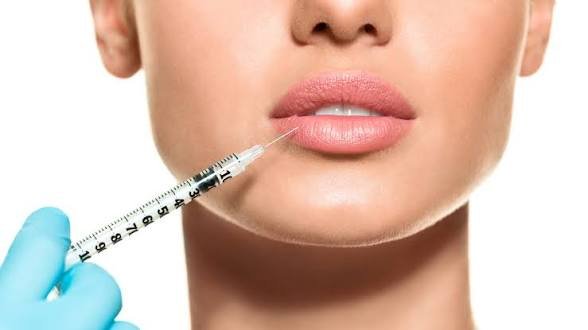
The most popular injectable treatment, lip augmentation, is often undertreated and even revised frequently. The largest difference between patient satisfaction and dissatisfaction with aesthetic treatments usually occurs prior to the actual treatment with needles, with the key decisions made prior to administration of the fillers.
Reading the consultation properly
The only useful questions in a lip augmentation consultation are structural. Where is the Vermilion Border in relation to the Philtral Columns? Are there any pre-existing asymmetries that the patient can see for themselves in a mirror before you start? How does the upper lip move? What is the amount of Tooth Show at rest and at maximum smile?
The assessment of the perioral region extends beyond the lips. The volume deficiency of the mid-face, the maxillary retrusion and a long thin upper lip all impact upon what is achievable with fillers. A patient with a large upper lip and very little incisor show will not get the results they expect from fillers of volume alone.
Documenting expectation, not just consent
Remember that a patient returning at 2 weeks for swelling stating that it is uneven needs to be shown side by side images of their pre-existing asymmetry. These images will turn a complaint into a conversation and serve as a useful reference.
Practitioner qualifications and what they actually signal
Regulation of non-medical injectors of lip fillers is patchy across different countries and often set at a floor that patients falsely assume has been set. Qualification of a practitioner in non-medical settings to inject lip fillers is of little value as it merely indicates that the person has passed a couple of hours of training; in practice the key areas of a practitioner’s ability that one would wish to be embedded within their qualification are, a) good knowledge of the labial arteries; b) ability to recognize early signs of vascular occlusion ASAP rather than hours later; c) access to hyaluronidase and a protocol for its use.
People looking for lip fillers in Milton Keynes should ask, Who is going to inject your lips? What would happen in an emergency out of hours? Does the practitioner have medical indemnity to cover their aesthetic treatments?
Product selection as a clinical decision
Different Hyaluronic Acid Fillers have different properties (G’prime, cohesivity and hydrophilicity) and these should be the deciding factor as to which product to use and not simply the brand name. Softer gels with low cohesivity are better suited for filling the body of the lip and allowing for good integration and natural movement of the skin. Anyone weighing up lip injections in Jacksonville, FL is better served by a clinic that explains these material properties rather than one that leads with a brand name. A slightly firmer product would be more suited for definition at the vermilion border but it is an area where error with placement is obvious and difficult to correct.
| Treatment goal | Typical approach | Main trade-off |
| Subtle hydration and texture | Low-volume, superficial placement of a soft gel | Short duration, often six to nine months |
| Volume restoration | Deeper placement in the submucosa, staged across sessions | Risk of over-projection if done in one visit |
| Border definition | Linear threading along the vermilion | Visible edges or product migration if too superficial |
| Correcting asymmetry | Targeted unilateral correction, small aliquots | Requires review appointment to assess accurately |
What to tell patients about preparation
Be brief and realistic to make sure they actually read and follow it.
- Avoid non-essential blood thinning agents such as fish oil, high-dose vitamin E, and NSAIDs for several days beforehand, provided no prescribing clinician has advised otherwise.
- Skip alcohol for 24 hours before the appointment.
- Reschedule if there is an active cold sore, and consider antiviral prophylaxis for patients with a history of recurrent herpes simplex.
- Do not book within two weeks of a wedding, photo shoot, or significant event.
- Arrive without makeup on the perioral area to reduce contamination risk.
Setting the timeline honestly
It’s generally the case that swelling settles down within 24-48 hours to reveal something larger than the final product. It’s also generally the case that panicked patients make poor decisions regarding the removal of fillers. It’s therefore very important to inform patients of the 2-week timeframe within which settling occurs and to schedule a review appointment prior to seeing the patient for assessment.
Aftercare that prevents avoidable problems
The majority of complications are self-limiting, however some are of an urgent nature. Ensure the patient is aware of the difference before they leave the clinic.
- Expect tenderness, swelling, and possible bruising for several days. Cool compresses help, direct ice on the tissue does not.
- Avoid heat exposure, strenuous exercise, and facial massage for 48 hours.
- Report blanching, mottled discoloration, disproportionate pain, or delayed-onset swelling immediately, not at the review appointment.
- Delay dental work and facial treatments for roughly two weeks.
Give them the aftercare information in writing and provide them with contact information, that is able to deal with queries out of hours, for example 9pm at night. This ensures that should a vascular occlusion occur and it is outside of clinic hours the patient is able to contact for treatment with hyaluronidase whilst it is still active.
Health
Grief Counseling Guide: Practical Support for Processing Loss, Managing Emotions, and Moving Forward


Grief is a deeply personal response to losing someone, something, or a way of life that was meaningful. Although grief is commonly associated with the death of a loved one, it can also follow the end of an important relationship, a major change in circumstances, loss of independence, or the disappearance of expectations for the future. Emotional reactions can vary greatly from one person to another, and there is no universal schedule for recovery. Grief counseling can provide a supportive setting where individuals can discuss difficult feelings, understand changes in their daily lives, and develop healthy strategies for adapting to loss. Professional guidance can be especially useful when grief becomes difficult to manage or begins to affect relationships, responsibilities, sleep, or overall well-being.
- Understanding the Nature of Grief
- Recognizing Different Forms of Loss
- Allowing Yourself to Feel
- Managing Feelings of Guilt
- Coping With Loneliness
- Adjusting to Everyday Changes
- Understanding Emotional Fluctuations
- Maintaining Supportive Relationships
- Finding Meaningful Ways to Remember
- Developing Healthy Coping Strategies
- Recognizing When Additional Support May Be Useful
- Supporting Children and Teenagers
- Balancing Responsibilities With Grief
- Preparing for Difficult Dates
- Creating a New Sense of Normal
- Practicing Self-Compassion
- Looking Toward the Future
- Building Emotional Resilience
- Moving Forward While Honoring the Past
- Final Thoughts
Understanding the Nature of Grief
Grief is not a simple process that follows the same predictable stages for everyone. A person may experience sadness, anger, loneliness, guilt, confusion, relief, fear, or emotional numbness, sometimes moving between several emotions within a short period. Certain days may feel manageable while other days bring a sudden return of intense feelings because of memories, conversations, anniversaries, or familiar routines. Grief can also affect concentration, motivation, appetite, sleep, and energy. Recognizing these variations can help individuals understand that emotional changes are not necessarily signs that they are handling the loss incorrectly. Each person’s response is influenced by their relationship with the loss, personal history, support system, and current circumstances.
Recognizing Different Forms of Loss
Bereavement is one of the most familiar forms of grief, but significant emotional loss can occur in many circumstances. The end of a marriage or close relationship, loss of employment, major changes in health, separation from loved ones, or a substantial change in lifestyle can all lead to grief. Some individuals may also grieve an expected future that is no longer possible because circumstances have changed. Other people may experience grief after losing a role, ability, routine, or sense of security that was important to their identity. Grief counseling can help individuals recognize the emotional significance of these experiences and create space to process them without feeling that their reactions need to be justified to others.
Allowing Yourself to Feel
People sometimes feel pressure to remain strong after experiencing a major loss. They may believe they need to immediately return to work, care for family members, maintain social responsibilities, or appear positive around others. While everyday responsibilities may still need attention, suppressing emotions can make the adjustment process more difficult for some people. Allowing appropriate space for sadness, anger, confusion, loneliness, or other emotions can be a healthy part of adapting to change. Grief counseling provides an environment where individuals can discuss difficult feelings without being expected to hide them. Expressing emotions in a safe and constructive setting can help reduce isolation and make complicated experiences easier to understand.
Managing Feelings of Guilt
Guilt can be one of the most painful emotions associated with grief. People may repeatedly think about conversations, decisions, or actions that occurred before a loss and wonder whether they could have done something differently. Some may blame themselves for circumstances that were outside their control, while others may feel guilty when they begin enjoying ordinary activities again. These thoughts can become repetitive and emotionally exhausting. Exploring guilt with patience can help individuals distinguish between actual responsibility and self-blame that may not accurately reflect the circumstances. A supportive professional can help a person examine these thoughts without dismissing the importance of their emotions and can encourage a more balanced understanding of what was and was not within their control.
Coping With Loneliness
A significant loss can create a powerful sense of loneliness, particularly when the person or relationship was central to everyday life. Familiar routines may suddenly feel empty, and ordinary activities may bring reminders of what has changed. Even when friends and family members are available, a grieving person may feel that others cannot fully understand the particular absence they are experiencing. Maintaining supportive connections can help reduce isolation, but individuals should not feel forced to socialize before they are ready. Grief counseling can help people explore loneliness and identify manageable ways to stay connected with supportive individuals. Over time, rebuilding social routines can provide companionship while still allowing appropriate space for personal grief.
Adjusting to Everyday Changes
Loss can affect practical responsibilities as well as emotional well-being. Someone may suddenly need to manage household tasks, financial responsibilities, parenting duties, work requirements, or other activities that were previously shared with another person. These changes can feel especially overwhelming when grief is already affecting concentration and energy. Breaking responsibilities into smaller steps can make them more manageable. Establishing simple routines around meals, sleep, work, personal care, and social connection can also provide structure during an uncertain period. Small, consistent actions can help individuals regain a sense of stability without requiring them to stop grieving or pretend that the loss has not affected them.
Understanding Emotional Fluctuations
Grief can involve emotional changes that seem unpredictable. A person may feel calm for several hours and then suddenly experience intense sadness after hearing a familiar song, seeing a photograph, visiting a familiar setting, or remembering an important conversation. These emotional fluctuations do not necessarily mean that the person has lost progress. Grief can be influenced by memories, anniversaries, traditions, conversations, and everyday experiences. Understanding this possibility can make sudden emotions feel less alarming. Individuals can learn to acknowledge difficult feelings without automatically interpreting them as evidence that they are unable to move forward. Emotional adjustment is often gradual and may include both difficult and relatively peaceful periods.
Maintaining Supportive Relationships
Trusted relationships can provide important emotional and practical support during grief. Friends, family members, colleagues, and other supportive people may offer companionship, assistance with responsibilities, or simply a willingness to listen. However, people do not always know what to say to someone who is grieving, and some comments may unintentionally create pressure to recover quickly. It can be helpful for grieving individuals to communicate what kind of support they need. This might involve asking someone to listen without giving advice, requesting help with practical tasks, or explaining when social interaction feels overwhelming. Healthy relationships can provide connection while still allowing the grieving person to maintain personal boundaries.
Finding Meaningful Ways to Remember
Memories can bring both sadness and comfort after a significant loss. Some individuals may find meaning in photographs, letters, personal reflections, traditions, favorite activities, or conversations about positive experiences. Remembering does not mean refusing to move forward. Instead, meaningful remembrance can allow people to acknowledge the importance of what they have lost while continuing to participate in present life. Grief counseling can help individuals explore how memories affect their emotions and identify ways to preserve meaningful connections without becoming overwhelmed. There is no universal method for remembering someone or something important. What matters is finding an approach that feels respectful and emotionally manageable for the individual.
Developing Healthy Coping Strategies
Healthy coping strategies can provide practical support during difficult periods of grief. Useful activities may include maintaining regular sleep and meal routines, taking appropriate physical activity, journaling, engaging in creative interests, practicing relaxation exercises, spending time with supportive people, and allowing time for rest. Different strategies may be helpful at different points in the grieving process. Individuals should also be aware of coping behaviors that temporarily numb emotional pain but may create additional problems over time. Grief counseling can help people identify healthier coping options and develop a broader set of tools for managing difficult moments. Having several strategies available can provide flexibility when emotional needs change.
Recognizing When Additional Support May Be Useful
Strong emotions following a major loss can be a normal part of grief, but additional support may be appropriate when distress becomes persistent or significantly interferes with daily functioning. A person may have difficulty completing ordinary responsibilities, maintaining relationships, sleeping, eating, concentrating, or participating in previously meaningful activities. Some individuals may also experience intense isolation or feel unable to adapt to changes created by the loss. Grief counseling can provide a structured opportunity to discuss these concerns and determine whether additional professional support may be beneficial. A qualified mental health professional can consider the individual’s circumstances, emotional responses, history, and current level of functioning when discussing appropriate options.
Supporting Children and Teenagers
Children and teenagers may experience grief differently from adults. Younger children may not fully understand the permanence of death and may express distress through changes in play, behavior, sleep, attachment, or physical complaints. Teenagers may become withdrawn, irritable, unusually quiet, or reluctant to discuss their emotions. Adults can provide age-appropriate explanations and allow young people to ask questions as they become ready. Maintaining familiar routines can provide a sense of stability during periods of uncertainty. It is also important not to assume that a young person has stopped grieving simply because they appear happy or continue with normal activities. Emotional responses can appear at different times, and supportive adults can help children and teenagers feel comfortable discussing their experiences.
Balancing Responsibilities With Grief
People often need to continue working, studying, caring for children, managing households, or completing other responsibilities while grieving. Trying to perform every responsibility exactly as before may create unnecessary pressure, particularly when concentration and energy are affected. When possible, it can be useful to identify essential tasks and temporarily reduce less important demands. Asking trusted people for practical assistance can also make everyday life easier. Grief counseling can help individuals think through realistic approaches to balancing emotional needs with necessary responsibilities. The goal is not to ignore grief while continuing daily activities but to develop a sustainable routine that allows space for emotional processing alongside practical commitments.
Preparing for Difficult Dates
Birthdays, anniversaries, holidays, family traditions, and other meaningful dates can bring stronger emotions. Even an ordinary activity may become a reminder of the person, relationship, or circumstances that have been lost. Preparing for these moments can help individuals decide what kind of support they may want. Some people prefer to maintain familiar traditions, while others choose to create new ones. There is no universally correct approach. Preparation might involve spending time with supportive people, adjusting expectations, allowing additional rest, or creating a meaningful remembrance activity. Recognizing that difficult dates may intensify emotions can help people approach them with greater understanding rather than feeling surprised or discouraged by temporary increases in grief.
Creating a New Sense of Normal
After a significant loss, returning to exactly the way life was before may not be possible. Individuals may need to gradually create new routines that acknowledge what has changed while leaving room for meaningful experiences. Moving forward does not mean forgetting the person, relationship, or circumstances that were important. It can mean learning how to participate in everyday life while carrying memories and emotions associated with the loss. Grief counseling can support this adjustment by helping individuals identify meaningful activities, personal values, supportive relationships, and realistic future goals. Developing a new sense of normal can take considerable time and may involve both difficult periods and moments of renewed interest in life.
Practicing Self-Compassion
People experiencing grief sometimes criticize themselves for how they are responding to the loss. They may believe they should be feeling better, returning to normal activities, or handling responsibilities more effectively. Self-criticism can add unnecessary emotional pressure during an already difficult period. Self-compassion involves recognizing that grief can affect concentration, energy, motivation, sleep, and emotions. It means allowing reasonable flexibility while still attending to important responsibilities and seeking assistance when needed. Treating oneself with patience does not minimize the significance of a loss. Instead, it acknowledges that emotional recovery can take time and that individuals deserve understanding while adapting to major changes.
Looking Toward the Future
Thinking about the future can feel uncomfortable after a significant loss because previous expectations may no longer apply. Individuals may need time before they feel ready to create new goals or imagine positive experiences. Moving forward does not require abandoning memories or eliminating sadness. It can involve gradually discovering how meaningful activities, relationships, responsibilities, and personal goals can exist alongside the experience of loss. Grief counseling can help individuals explore these changes and identify realistic steps toward rebuilding daily life. Over time, people may discover that experiencing moments of happiness, connection, or excitement does not diminish the importance of the person, relationship, or experience they have lost.
Building Emotional Resilience
Resilience after loss does not mean forgetting what happened or avoiding painful emotions. Instead, it involves developing the ability to adapt to changed circumstances while continuing to build a meaningful life. Supportive relationships, healthy routines, problem-solving skills, self-awareness, and appropriate professional assistance can all contribute to resilience. Individuals may gradually discover strengths they did not realize they had, although having strengths does not make the loss less significant. Grief counseling can help people recognize progress and develop practical strategies for managing difficult periods. Resilience often develops gradually, and setbacks do not necessarily mean that meaningful progress has disappeared.
Moving Forward While Honoring the Past
Moving forward after loss is not the same as leaving the past behind. Memories, traditions, relationships, and experiences can remain meaningful even as a person develops new routines and goals. Individuals may find ways to honor what mattered while also making room for future experiences. This might involve continuing meaningful traditions, supporting others, pursuing personal goals, or maintaining connections with people who share important memories. The process is highly individual and may change over time. What feels helpful during one period may feel different later. Allowing flexibility can help individuals adapt naturally while maintaining respect for the significance of their loss.
Final Thoughts
Grief can affect emotions, relationships, routines, confidence, concentration, and expectations for the future. There is no single correct way to grieve, and individuals may experience periods of sadness, adjustment, connection, and renewed interest in life at different rates. Grief counseling can provide professional support for people who need help understanding difficult emotions and adapting to significant changes. Healthy routines, supportive relationships, meaningful remembrance, self-compassion, and practical coping strategies can all contribute to adjustment. With patience and appropriate support, individuals can gradually develop a new sense of stability while continuing to honor the people, relationships, and experiences that have been important in their lives.

Facial appearance is influenced by many factors, including genetics, age, lifestyle, skin condition, muscle activity, and the natural distribution of facial tissue. As people become more interested in personalized beauty and skincare routines, techniques designed to enhance the appearance of facial contours have gained considerable attention. Among these approaches, facial sculpting has become a popular term for a range of practices intended to define, shape, or visually enhance different areas of the face. Depending on the technique, the process may involve massage, skincare methods, makeup, facial exercises, specialized tools, or professional cosmetic procedures.
- Understanding Facial Contours
- What Facial Sculpting Can Mean
- The Role of Facial Massage
- Facial Tools and At-Home Techniques
- The Connection Between Skincare and Appearance
- Facial Exercises and Muscle Engagement
- Makeup as a Sculpting Technique
- Professional Approaches to Facial Contouring
- Setting Realistic Expectations
- The Importance of Skin Health
- Choosing the Right Technique
- Safety Considerations for At-Home Routines
- How Lifestyle Can Affect Facial Appearance
- Maintaining Consistency
- Understanding the Difference Between Temporary and Long-Term Results
- Making an Informed Beauty Decision
- Building a Balanced Facial Care Routine
- Conclusion
The appeal of these approaches often comes from the desire to create a more refreshed and balanced appearance without necessarily changing the fundamental characteristics of the face. Some people are interested in emphasizing the jawline, while others want to highlight the cheekbones, reduce the appearance of puffiness, or create a more lifted-looking appearance. Understanding what different techniques can and cannot achieve is important because results vary significantly depending on the method, individual anatomy, and consistency of care.
Understanding Facial Contours
The shape of the face is determined by a combination of bone structure, muscle, connective tissue, fat distribution, skin elasticity, and other anatomical characteristics. These factors create the natural contours that define the cheeks, jawline, chin, forehead, and other areas.
Changes in any of these structures can affect facial appearance. Aging may gradually reduce skin elasticity and alter the distribution of facial volume. Temporary fluid retention can make certain areas appear more swollen, while lifestyle factors such as sleep patterns, hydration, stress, and diet may also influence how the face looks from day to day.
Because facial structure is complex, no single technique can produce identical results for everyone. A method that creates a noticeable visual improvement for one person may have a subtler effect for another. This is why realistic expectations are an important part of any beauty or skincare routine.
What Facial Sculpting Can Mean
The term facial sculpting can refer to several different approaches rather than one specific treatment. In a skincare context, it may describe massage techniques intended to improve the appearance of facial contours or temporarily reduce the look of puffiness. Beauty professionals may use specialized tools or hands-on techniques to manipulate the skin and underlying soft tissue.
Makeup can also be considered a form of visual sculpting. Contouring products use differences in light and shadow to create the appearance of more defined cheekbones, a sharper jawline, or a different facial shape. Unlike physical changes to facial tissue, makeup works primarily through visual perception and can be adjusted or removed easily.
Professional cosmetic treatments may use different technologies or techniques to alter the appearance of facial contours. These procedures vary considerably in purpose, invasiveness, cost, recovery requirements, and potential risks. Anyone considering a professional treatment should receive information from an appropriately qualified practitioner rather than relying solely on promotional descriptions.
The Role of Facial Massage
Facial massage is one of the most accessible techniques associated with facial contouring routines. Gentle massage may temporarily improve the appearance of puffiness by encouraging fluid movement through the tissues. It can also feel relaxing and may become a useful part of a broader skincare routine.
The technique used matters. Excessive pressure can irritate sensitive skin, particularly when performed frequently or aggressively. Gentle movements are generally more appropriate for routine skincare, while specialized techniques should be learned from qualified professionals when necessary.
Massage should also be viewed realistically. It cannot permanently reshape facial bones or dramatically alter underlying anatomy. Any visible change from reduced puffiness or improved circulation is likely to be temporary and may vary according to the individual and the circumstances.
Facial Tools and At-Home Techniques
A variety of facial tools are marketed for sculpting and contour-enhancing routines. These may include rollers, massage stones, cooling tools, or other handheld devices. Their popularity is partly related to the relaxing experience and the ritualistic nature of incorporating them into skincare.
When using a facial tool, cleanliness is important. Tools should be maintained according to the manufacturer’s instructions to reduce the risk of transferring bacteria or other contaminants to the skin. Pressure should also remain appropriate for the individual’s skin condition.
People with irritated, inflamed, injured, or highly sensitive skin should be particularly cautious. Applying pressure to compromised skin may worsen irritation. If a person has a dermatological condition or is recovering from a cosmetic procedure, professional guidance can help determine whether massage or tools are appropriate.
The Connection Between Skincare and Appearance
Healthy-looking skin can significantly influence how facial contours appear. Hydration, texture, pigmentation, and overall skin condition can affect the way light reflects from the face. A well-maintained skincare routine may therefore make existing facial structure appear more defined without changing the underlying shape.
Cleansing, moisturizing, and sun protection are fundamental parts of many skincare routines. Sun exposure can contribute to premature skin aging, making consistent protection an important consideration for people who want to maintain skin quality over time.
Other products may target specific concerns such as dryness, uneven texture, or the appearance of fine lines. However, skincare products should be selected according to individual needs rather than assuming that a particular ingredient or product will produce dramatic contouring effects.
Facial Exercises and Muscle Engagement
Facial exercises are sometimes promoted as a way to improve facial definition by strengthening or engaging certain muscles. The scientific evidence for significant long-term reshaping through facial exercises is limited, and results should not be assumed to be comparable to professional cosmetic procedures.
That does not mean facial movement has no effect on appearance. Facial muscles naturally influence expressions and the way soft tissues sit on the face. Exercises may also increase awareness of facial tension and movement.
However, excessive or repetitive movements may not necessarily produce the desired aesthetic effect. People interested in facial exercises should approach claims of dramatic transformation cautiously and avoid techniques that cause pain or discomfort.
Makeup as a Sculpting Technique
Makeup offers one of the simplest ways to alter the perceived shape of the face. Contouring uses darker and lighter shades to create visual depth. Highlighting can draw attention to areas such as the cheekbones, bridge of the nose, or center of the forehead, while strategically placed darker shades can make selected areas appear less prominent.
The effectiveness of makeup contouring depends on lighting, product placement, blending, and the individual’s facial structure. Unlike physical treatments, the effect is temporary and can be changed according to personal preference.
Makeup also offers significant flexibility. A subtle approach can enhance natural features, while a more dramatic application can create a stronger visual transformation for photography, performances, or special occasions.
Professional Approaches to Facial Contouring
Professional cosmetic treatments can provide more pronounced or longer-lasting changes than topical skincare or makeup, but they also involve additional considerations. Different procedures may target skin laxity, facial volume, muscle activity, or other aspects of facial appearance.
Non-surgical procedures may use energy-based technologies, injectable treatments, or other techniques. Surgical options can produce more substantial structural changes but generally involve greater recovery requirements and potential risks.
Because these treatments differ considerably, consumers should avoid treating them as interchangeable. A qualified practitioner can assess facial anatomy, discuss goals, explain expected results, and identify potential risks. The appropriate choice depends on individual circumstances rather than a universal formula.
Setting Realistic Expectations
One of the most important considerations when exploring facial sculpting is maintaining realistic expectations. Marketing language can sometimes make cosmetic techniques appear capable of producing dramatic changes quickly. Actual results may be more subtle and can vary significantly between individuals.
Temporary improvements in puffiness, hydration, or visual definition should not be confused with permanent structural changes. Similarly, a technique designed primarily to improve skin appearance may not significantly alter facial shape.
A realistic approach focuses on enhancement rather than perfection. Facial features naturally vary, and symmetry is rarely exact. A successful beauty routine should support an individual’s preferences without creating unrealistic expectations about how facial anatomy can be changed.
The Importance of Skin Health
Skin health should remain a priority when experimenting with any facial technique. Irritation, excessive exfoliation, aggressive massage, and inappropriate products can compromise the skin barrier and create redness or discomfort.
A healthy skin barrier helps protect against environmental stressors and supports moisture retention. Using gentle products and avoiding unnecessary irritation can contribute to a smoother and more comfortable appearance.
Sun protection is particularly important for long-term skin health. Ultraviolet exposure can contribute to changes in pigmentation, texture, and elasticity. Consistent sun protection can therefore support the overall appearance of the face even though it does not directly sculpt facial structure.
Choosing the Right Technique
There is no single facial contouring method that is appropriate for everyone. The best approach depends on the desired outcome. Someone interested in temporarily reducing morning puffiness may prefer a gentle massage routine, while someone seeking a visual change for an event may choose makeup contouring.
A person concerned about changes in skin laxity may want to discuss professional options with a qualified practitioner. Someone primarily interested in maintaining healthy-looking skin may benefit more from a consistent skincare routine than from specialized contouring techniques.
Understanding the purpose of each method makes it easier to avoid unrealistic expectations. The more clearly a person defines the desired outcome, the easier it becomes to identify an appropriate approach.
Safety Considerations for At-Home Routines
At-home techniques can be convenient, but they should still be performed responsibly. Facial skin can be delicate, and excessive pressure or repeated friction may lead to irritation.
Tools should be cleaned appropriately, and products should be used according to their intended purpose. People should avoid applying pressure to areas that are painful, swollen, bruised, or otherwise abnormal.
If a person experiences persistent redness, pain, swelling, or another unusual reaction, the technique should be discontinued and appropriate professional advice should be sought. Individuals who have recently undergone cosmetic or dermatological procedures should follow their provider’s aftercare instructions rather than introducing new massage techniques independently.
How Lifestyle Can Affect Facial Appearance
Facial appearance is not determined solely by skincare or cosmetic techniques. Sleep, hydration, nutrition, stress, physical activity, and general health can all influence how the face looks.
Temporary puffiness, for example, may be affected by sleep patterns, fluid retention, dietary factors, or other everyday circumstances. Improving general lifestyle habits can therefore contribute to a healthier-looking appearance even when no specific contouring technique is used.
This does not mean lifestyle changes can dramatically reshape facial anatomy. Rather, they can support overall skin and body health, which may influence how refreshed or vibrant the face appears.
Maintaining Consistency
Consistency is often more useful than constantly changing techniques. A simple routine that is comfortable and sustainable may produce more useful long-term results than repeatedly experimenting with aggressive methods.
For skincare, this may mean regularly cleansing, moisturizing, and protecting the skin from excessive sun exposure. For massage, it may mean using gentle movements rather than applying excessive pressure in an attempt to achieve faster results.
Professional treatments may require a specific schedule determined by a qualified provider. Following aftercare and maintenance recommendations can be important for both results and safety.
Understanding the Difference Between Temporary and Long-Term Results
Consumers should distinguish between techniques that create temporary visual changes and treatments that can produce more lasting effects. Massage may temporarily reduce the appearance of puffiness, while makeup can alter facial definition for as long as it remains applied.
Professional procedures can have longer-lasting effects, but their duration varies depending on the treatment, individual factors, and maintenance requirements. Some procedures may require repeat sessions, while others may involve a more permanent structural change.
Understanding these differences helps people make informed choices and evaluate claims more realistically. A technique does not necessarily need to produce permanent results to be useful, but its expected duration should be understood before investing time or money.
Making an Informed Beauty Decision
When researching facial sculpting, it is useful to examine the specific technique rather than relying on the broad term alone. Consumers should consider what the method is designed to accomplish, how long results are expected to last, what evidence supports its claims, and what potential risks may exist.
For professional procedures, choosing a qualified and appropriately trained practitioner is especially important. A consultation should provide an opportunity to discuss goals, expected outcomes, possible side effects, recovery requirements, and alternatives.
Consumers should also be cautious about exaggerated promises. Claims suggesting that a simple technique can permanently transform facial anatomy should be evaluated carefully. Reliable information should distinguish between temporary cosmetic effects, gradual skincare improvements, and structural changes produced by medical or surgical procedures.
Building a Balanced Facial Care Routine
A balanced routine does not need to include numerous products, devices, or treatments. Basic skin care, adequate hydration, sun protection, healthy lifestyle habits, and gentle techniques can provide a strong foundation.
If contouring is part of a person’s routine, it can be treated as one component rather than the sole focus. Combining healthy skin practices with appropriate cosmetic techniques may provide a more natural-looking and sustainable approach to facial appearance.
People should also recognize that facial features naturally change over time. Aging is a normal process, and no routine can completely prevent every change. The goal of personal care can instead be maintaining healthy skin and choosing cosmetic approaches that align with individual preferences.
Conclusion
Facial appearance is shaped by anatomy, skin health, lifestyle, aging, and many other factors. Techniques associated with facial sculpting can provide different types of benefits, from temporary reductions in visible puffiness to visual contouring through makeup or more substantial changes through professional cosmetic procedures. Because these approaches work in different ways, understanding their limitations and expected results is essential.
Gentle massage, suitable skincare, facial tools, makeup techniques, and professional treatments each have different purposes. The safest and most effective choice depends on individual goals, skin condition, expectations, and the specific method being considered. Professional guidance is particularly important when a technique involves medical procedures, injections, energy-based devices. Rather than chasing dramatic promises, individuals can evaluate each option based on its actual purpose and, or surgery.
A thoughtful approach focuses on healthy skin, realistic expectations, and techniques that can be used safely and consistently. Rather than chasing dramatic promises, individuals can evaluate each option based on its actual purpose and potential results. With informed choices and appropriate care, facial sculpting can be incorporated into a broader beauty routine focused on enhancing natural features while maintaining healthy-looking skin.

Outdoor Glass Room 2026: Modern Designs, Prices & Installation Guide

Motorized Pergolas Dubai (2026): 7 Designs, Prices & Benefits

Double Glazed Sliding Windows Dubai 2026: Prices & 7 Designs

Alex Pettyfer Net Worth, Wife, Age, Height, Children, Career and More

Brad Williams Net Worth, Wife, Height, Age, Daughter, Family, Career and More

Eldorado.gg Review 2026: How It Works, Safety, Fees, and Risks
-
Celebrity9 months ago
Alex Pettyfer Net Worth, Wife, Age, Height, Children, Career and More
-
Celebrity10 months ago
Brad Williams Net Worth, Wife, Height, Age, Daughter, Family, Career and More
-
Blog1 month ago
Eldorado.gg Review 2026: How It Works, Safety, Fees, and Risks
-
 Anime11 months ago
Sanzoku Bandits of One Piece: Origins, Higuma, and Their Role in Dawn Island
-
 Celebrity10 months ago
John McGinn Net Worth, Age, Height, Wife, Childrens, Career and More
-
 Celebrity10 months ago
Frances de la Tour Net Worth, Age, Height, Husband, Childrens, Career and More
-
 Celebrity10 months ago
Will Trickett Net Worth, Wife, Childrens, Age, Career and More
-
 Blog2 months ago
Crackstube: A Complete Guide to the Digital Publishing Platform