
Health
Vitamin C Cream Benefits, Uses & How It Supports Brighter Skin

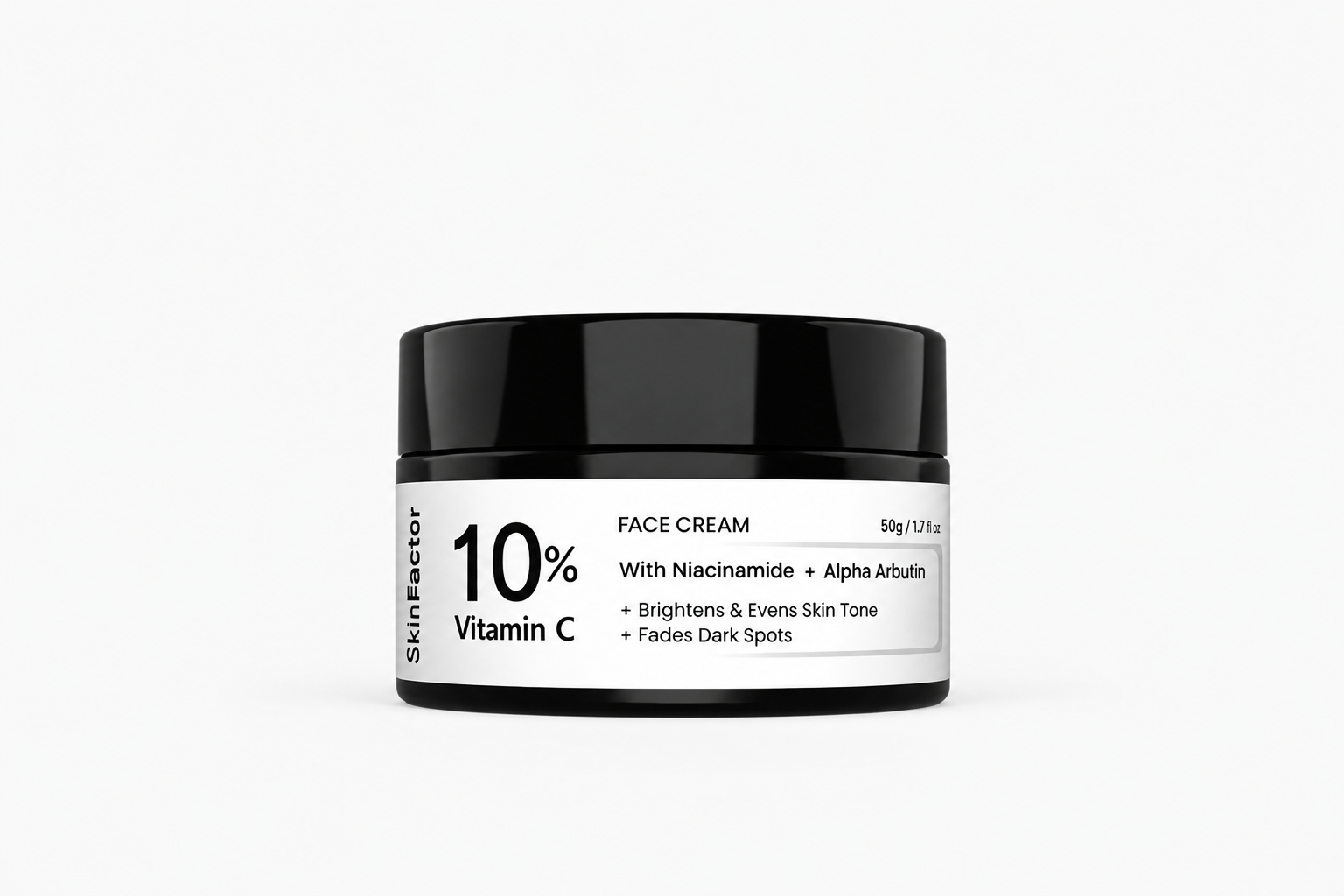
Vitamin C has become one of the most talked-about ingredients in modern skincare, and for good reason. Known for its antioxidant properties and skin-brightening benefits, vitamin C is commonly found in serums, moisturizers, creams, and other skincare products. Among these options, vitamin c cream can be a convenient choice for people who want to add this popular ingredient to their everyday routine.
Whether your goal is to achieve a more radiant-looking complexion, support smoother-looking skin, or protect your skin from everyday environmental stressors, a well-formulated vitamin C cream can become a useful part of your skincare routine.
In this guide, we will explore the benefits, uses, application tips, and important considerations when choosing a vitamin C cream.
What Is Vitamin C Cream?
Vitamin C cream is a topical skincare product formulated with vitamin C or a vitamin C derivative. Depending on the formula, it may contain other ingredients such as moisturizers, antioxidants, botanical extracts, or skin-conditioning agents.
Vitamin C is an antioxidant that helps neutralize free radicals generated by environmental factors such as pollution and UV exposure. Because the skin is constantly exposed to these external stressors, antioxidants are often included in skincare routines designed to maintain a healthy-looking appearance.
Unlike a traditional vitamin C serum, a cream typically has a richer or more moisturizing texture. This makes it particularly appealing to people who prefer skincare products that combine treatment-focused ingredients with hydration.
Why Is Vitamin C Important for Skin?
The skin naturally contains antioxidants that help defend against oxidative stress. However, environmental exposure can contribute to the formation of free radicals.
Vitamin C works as an antioxidant by helping neutralize these molecules. Topical vitamin C is also associated with supporting collagen production and improving the appearance of uneven skin tone.
This is why vitamin C has become a popular ingredient in products designed for dullness, uneven-looking complexion, and visible signs of environmental stress.
Benefits of Vitamin C Cream
1. Supports Brighter-Looking Skin
One of the main reasons people use vitamin C skincare is to improve the appearance of dull skin.
With consistent use, a suitable vitamin C cream may help the complexion look more fresh and radiant. Instead of relying on harsh exfoliation, vitamin C provides an antioxidant-focused approach to supporting a brighter appearance.
2. Helps Improve the Appearance of Uneven Skin Tone
Uneven skin tone can result from several factors, including sun exposure and post-inflammatory marks.
Vitamin C is widely used in skincare products intended to improve the appearance of discoloration and uneven-looking skin. Regular application may help the complexion appear more uniform over time.
However, results can vary depending on the formulation, concentration, skin type, and consistency of use.
3. Provides Antioxidant Support
Modern life exposes your skin to environmental factors every day.
Pollution, UV radiation, and other environmental stressors can contribute to oxidative stress. Vitamin C’s antioxidant properties make it a valuable ingredient for skincare routines focused on maintaining healthy-looking skin.
For this reason, vitamin C cream can complement a broader daily skincare routine.
4. Supports Collagen
Collagen is an important structural protein in the skin. It contributes to the skin’s firmness and overall structure.
Vitamin C plays a role in normal collagen formation, which is one reason it is frequently included in skincare products targeting visible signs of aging.
While a topical cream cannot stop the natural aging process, a consistent skincare routine containing beneficial ingredients can help support the appearance of healthy-looking skin.
5. Helps Skin Look More Radiant
Sometimes skin does not necessarily need a complicated routine—it simply needs consistent care.
Vitamin C cream can help give the complexion a more refreshed and radiant appearance when used as part of an appropriate skincare routine. This makes it an appealing ingredient for people who feel their skin looks tired or dull.
How to Use Vitamin C Cream
Adding vitamin C cream to your routine does not have to be complicated.
Start with clean skin. After cleansing, apply a suitable amount of vitamin C cream according to the product’s directions.
If you use other skincare products, apply them in an order that works with their textures. Generally, lighter products are applied before heavier creams.
During the daytime, finish your routine with a broad-spectrum sunscreen. This is especially important when your skincare routine focuses on improving the appearance of uneven tone or pigmentation.
A Simple Morning Routine
A basic routine could look like this:
- Cleanse your face with a gentle cleanser.
- Apply toner if it is part of your routine.
- Use vitamin C cream as directed.
- Apply moisturizer if additional hydration is needed.
- Finish with broad-spectrum sunscreen.
The exact routine can vary according to your skin type and the other products you use.
Can You Use Vitamin C Cream Every Day?
Many vitamin C products are designed for regular use, but the appropriate frequency depends on the specific formulation and your skin’s tolerance.
If you are new to vitamin C, consider introducing the product gradually. Applying it less frequently at first can give your skin time to adjust.
Always follow the manufacturer’s instructions rather than assuming that a higher frequency will produce faster results.
Vitamin C Cream for Different Skin Types
Different skin types can have different skincare needs.
For Oily Skin
People with oily skin may prefer lightweight vitamin C creams or formulas that do not feel excessively heavy. Look for a texture that provides hydration without leaving the skin feeling overly greasy.
For Dry Skin
A cream-based vitamin C product can be especially appealing to dry skin because the moisturizing texture may help support the skin’s hydration needs.
Ingredients such as hyaluronic acid, glycerin, ceramides, or nourishing emollients can also complement a vitamin C-focused formula.
For Combination Skin
Combination skin may benefit from a balanced formula that provides hydration without feeling too rich in areas that tend to become oily.
For Sensitive Skin
If you have sensitive skin, introduce new products slowly. Vitamin C products can vary significantly in formulation and strength, and some people may experience irritation.
A patch test can be a useful precaution before applying a new product more broadly.
Vitamin C Cream vs. Vitamin C Serum
Both creams and serums can contain vitamin C, but their textures and formulations are usually different.
A serum is often lightweight and designed to deliver concentrated active ingredients. A cream generally has a more moisturizing texture and may combine vitamin C with ingredients designed to support hydration and skin comfort.
Neither format is automatically right for everyone. Your choice can depend on your skin type, routine, and personal preference.
How to Choose a Vitamin C Cream
When shopping for a vitamin C cream, pay attention to the ingredient list, packaging, texture, and product instructions.
Look for a formula that fits your skin type and contains a form of vitamin C appropriate for the product’s intended use.
Packaging can also matter because some forms of vitamin C are sensitive to light and air. Proper packaging and storage can help maintain product quality.
Most importantly, choose a product from a reputable skincare brand and follow its storage and usage instructions.
Important Tips for Using Vitamin C Cream
Getting good results from skincare is usually about consistency rather than using large amounts.
Here are a few useful tips:
- Start with a small amount of product.
- Follow the product’s recommended application instructions.
- Introduce vitamin C gradually if you are new to it.
- Avoid combining too many potentially irritating products at once.
- Keep the product stored according to its instructions.
- Use sunscreen during the day.
- Stop using the product if you experience significant irritation.
- Give your skincare routine time to work rather than expecting overnight changes.
When Can You Expect Results?
Skincare results do not happen overnight. The time required to notice visible changes can depend on the formulation, frequency of use, skin condition, and individual factors.
Some people may notice that their skin feels or looks more refreshed relatively quickly, while improvements in uneven-looking tone can take longer.
Consistency is key. Using a product occasionally is unlikely to provide the same routine-based benefits as regular use.
Is Vitamin C Cream Worth Adding to Your Routine?
If you are looking for an ingredient that combines antioxidant support with skin-brightening and collagen-supporting properties, vitamin C can be a useful addition to a skincare routine.
A cream format is particularly convenient for people who prefer a moisturizing product rather than a lightweight serum. The most important consideration is finding a formula that suits your skin type and using it consistently.
Remember that vitamin C cream should complement—not replace—the fundamentals of skincare, including gentle cleansing, adequate moisturization, and daily sun protection.
Final Thoughts
Creams is a popular skincare option for people who want brighter, more radiant-looking skin while adding antioxidant support to their routine. Its association with collagen formation, antioxidant protection, and the appearance of more even skin tone makes vitamin C a versatile ingredient.
The key is choosing a suitable formula, introducing it appropriately, and using it consistently. Most importantly, pair your daytime skincare routine with sunscreen to help protect your skin from UV exposure.
With a simple, consistent routine, vitamin C cream can be an easy way to give your skin-focused regimen an antioxidant and brightening boost.


Choosing strength machines for a commercial gym more than just choosing equipment that looks good or has lots of features. From individual machines to an outdoor weight set, discover options for developing practical outdoor training spaces with Performaxx. Every machine in the facility should have a specific purpose, support its members’ training needs, and contribute to a well-rounded workout environment. Making the right investment for gym owners and fitness operators entails knowing who will use the equipment, how they will train, and what outcomes the facility hopes to achieve.
With such a diverse choice of commercial strength equipment accessible, a careful selection process may aid in the creation of a facility that caters to all fitness levels while maintaining functionality and space.
Understand Your Members and Their Training Requirements
The first step is to identify your gym’s primary audience. A facility catering to general fitness enthusiasts will require different equipment than a performance centre working with athletes or a strength-focused training facility.
Consider the following factors before selecting machines:
- Training experience: Beginners may benefit from selectorised machines with straightforward adjustments and guided movement patterns.
- Training objectives: Members focused on muscle development may require targeted resistance machines, while athletes might need equipment supporting strength, power and conditioning.
- Membership demographics: Consider the range of ages, abilities and training preferences within your membership base.
- Usage frequency: High-traffic facilities need equipment suited to frequent use and demanding commercial environments.
Understanding these needs allows gym owners to prioritise equipment that members will use frequently rather than investing in machines with limited practical benefit.
Select a Balanced Range of Strength Machines
A well-equipped commercial gym should offer enough variation to accommodate different muscle groups and training preferences. Rather than purchasing many machines that perform similar functions, aim to create a well-balanced equipment selection.
Upper Body Strength Equipment
Most commercial strength training facilities have machines that address the chest, shoulders, back, and arms. Chest press machines, lat pulldowns, seated rows, and shoulder press machines allow members to train specific muscle areas with controlled resistance.
These machines are especially effective in facilities that cater to beginners since they offer structured movement patterns and adjustable resistance.
Lower Body Strength Equipment
Lower body training requires equipment that accommodates various movement patterns and muscle groups. Leg presses, leg extensions, seated leg curls, and calf raise machines can all contribute to a more comprehensive lower-body training area.
When choosing this equipment, consider their flexibility, ease of use, and compatibility for the planned training demands.
Functional and Performance-Based Equipment
Plate-loaded machines, racks, cable systems, and specialised strength equipment may also be useful in facilities catering to experienced lifters, athletes, and performance-focused members.
These alternatives increase the flexibility for progressive resistance training and various exercise programmes.
Consider Row Machines and Back Training Requirements
Back training an important factor when creating a well-balanced strength training area. Including diverse pulling movements helps members to target multiple muscle groups and add variation to their workouts.
Row machines are especially handy in this scenario. Depending on the design, they can accommodate various rowing movements, resistance preferences, and training types. Seated rowing machines, for example, enable regulated horizontal pulling movements, although plate-loaded varieties may provide a varied resistance feel for more advanced users.
When comparing options, consider:
- Resistance type and adjustment requirements.
- Seat, handle and footplate positioning.
- Range of motion and movement comfort.
- Suitability for different member heights and abilities.
- Build quality and suitability for commercial usage.
The goal isn’t just another machine to the floor. Its purpose is to provide equipment that complements the facility’s current strength training options while also supporting the facility’s overall programming needs.
Evaluate Quality, Adjustability and Long-Term Value
Commercial gym equipment represents investment; thus equipment quality is a key buying factor. Machines should be chosen based on their intended use, design, functionality, and compatibility for the facility.
Pay attention to the frame construction, upholstery, adjustment mechanisms, moving components, and overall stability of each machine. Equipment utilised throughout the day in a busy commercial gym must withstand regular use.
Adjustability is equally important. Machines that can suit various body shapes and training experience levels can make the facility more accessible to a wider membership base.
Gym owners looking for gym equipment Melbourne should also examine product availability, installation requirements, warranties, replacement parts, and continuing servicing arrangements. These aspects influence the overall ownership experience and should be considered before making a purchase decision.
Plan Equipment Around Available Space
Even high-quality might become ineffective if they are improperly positioned in a facility. Before placing an equipment order, consider the available floor space and how members will travel between training stations.
Allow enough space around the machines for safe entry, mobility, and exercise execution. Grouping equipment by training function can also help with navigation and provide a more ordered training environment.
A well-planned architecture should allow for peak-hour usage while avoiding excessive congestion near popular machines.
Make Equipment Selection a Strategic Investment
Choosing strength, a thorough assessment of member needs, training goals, available space, and long-term operational concerns. The most efficient equipment selection is not always the largest one. It is the one that serves the facility’s purpose and offers members actual training opportunities.
Gym owners can make more educated purchasing decisions and build training environments that remain relevant as their membership and business needs change by focusing on functionality, equipment quality, and a diverse range of strength machines.


Ever wondered why some dark spots don’t fade away? Sometimes they take weeks or even months. The reason may lie beneath your skin’s surface. India has a tropical climate, frequent sun exposure, and seasonal changes, plus hormonal shifts, all of which can influence persistent dark spots and pigmentation.
Melanin production can impact your skin colour. When certain areas produce more melanin than others, dark spots or patches can appear. Understanding your skin and what triggers these spots can help you get rid of them.
You can include a brightening serum in your daily skincare routine to see the desired changes with consistent use.
Why Is Hyperpigmentation Common in Indian Skin
Melanin
Melanin is produced to protect skin against the effects of ultraviolet (UV) radiation. However, when the skin experiences inflammation, pigment can increase in certain areas.
People with darker skin tones may be more prone to developing noticeable pigmentation after inflammation, although it can affect anyone.
Regular Sun Exposure
If your daily routine includes persistent outdoor movement, your skin is exposed to the sun. This can increase melanin production, darkening your skin and may also cause uneven skin tone.
Without proper sun protection, pigmentation can become more noticeable even when the rest of your skincare routine is consistent.
Skin Irritation and Harsh Products
Various factors can cause skin irritation. Using too many active ingredients simultaneously may irritate your skin. Additionally, the use of harsh products can increase inflammation.
Frequent exfoliation, harsh scrubs, or using several strong active ingredients together may irritate the skin.
A skincare routine should support your skin rather than leave it feeling uncomfortable, irritated, or excessively dry.
Ways to Reduce Hyperpigmentation
Make Usage of Sunscreen Non-Negotiable
Sunscreen is a must to include in an everyday skincare routine. A broad-spectrum sunscreen with SPF 30 or higher helps protect against UV exposure that contributes to pigmentation.
Choose a Brightening Serum
A brightening serum can help reduce the appearance of dark spots and blemishes. Ingredients such as vitamin C, niacinamide, and azelaic acid may help you fade pigmentation and may also improve the overall appearance of the complexion.
Kojic acid is one of the ingredients that helps reduce melanin production by inhibiting tyrosinase, an enzyme involved in pigment formation. You can consider using kojic acid serum.
When trying any new ingredients on the skin, a patch test is recommended so that it does not increase the inflammation of your skin.
Simple Skincare Routine
To reduce the appearance of dark spots, pimple marks and pigmentation, it is not necessary to complicate your everyday skin routine. Yes, even skin tone can be achieved in a simpler manner by just adding some thoughtful ingredients, a brightening serum and consistent use of sunscreen.
Final Thoughts
Hyperpigmentation and dark spots can take time to fade. The right approach with optimal ingredients influences the desired results. Sun protection, gentle skincare, and targeted ingredients can help manage dark spots without putting unnecessary stress on your skin.
There are many Indian skincare brands that offer brightening serums for acne marks, dark spots and pigmentation. Dermabay is one of those brands that offers a scientifically formulated kojic acid serum that may work towards better skin tone and brighter skin.


Foot and knee pain when walking often starts in the feet. Every step lands there first, and whatever happens at the foot carries up to the ankles, knees, and hips. Flat arches, rolling inward, or worn-out footwear can shift that load onto the knees.
- What Happens to Your Knees When Your Feet Lack Proper Support?
- How Does Overpronation Change the Way Your Knees Move?
- Can Flat Feet Contribute to Knee Discomfort?
- What Are the Signs That Your Knee Pain May Be Related to Your Feet?
- How Can Custom Orthotics Help Improve Foot Support?
- What Should You Expect During a Professional Foot Support Assessment?
- Is It Time to Get Your Foot and Knee Pain Checked?
- How Does Foot Support Help You Move More Comfortably?
Most of us blame the knees first. The grocery run leaves them sore, or a double shift, or the stairs at home, and the feet barely get a mention. Knee pain while walking or standing can start in the feet, and a lot of people only find out after months of putting up with it.
If the pain starts to change how you plan your day, it’s worth dealing with. Custom orthotics in Brampton are one route when your foot mechanics are part of the cause.
What Happens to Your Knees When Your Feet Lack Proper Support?
Start from the ground up. With each step, your weight travels from the heel to the toes, and the arches take a good share of the strain. They spread the pressure out and soften the shock before it reaches the legs.
Now picture the feet not coping so well. The ankles tilt a little. The knees and hips adjust to make up for it. A single step like that is nothing, but thousands of them a day, for years, can change how a person walks. Sore feet and sore knees often get linked this way.
The pain rarely shows up straight away. Plenty of people feel fine for the first few steps and only notice it by the evening.
Poor foot support isn’t the only possible cause. Arthritis, an old injury, weak muscles, and other joint problems can all be behind knee pain. Foot alignment is one part of the picture, and seldom the whole of it.
How Does Overpronation Change the Way Your Knees Move?
When a foot overpronates, it rolls inward past the point it should. That roll isn’t bad in itself, because the foot needs it to soften each step. The issue is too much of it, which shifts the load onto the ankle and knee.
Overpronation and knee pain often go together when the ache sits on the inner side of the knee after a long walk. Your old shoes can say a lot. If the inside edges of the soles are worn down more than the outside, that’s one hint. Ankles that lean inward are another. Feet that feel finished by bedtime point the same way.
None of that proves a specific condition. It takes someone watching you walk to say whether the inward roll is really part of the problem. They don’t stop at the knee, since the whole movement matters.
Can Flat Feet Contribute to Knee Discomfort?
Flat feet means low arches, or arches that drop when you stand on them. A healthy arch helps carry body weight and keeps you steady. Without much of one, pressure moves through the feet and ankles by a different route.
Flat feet and knee pain don’t always come as a pair. Many adults with flat feet walk, exercise, and stand for hours and never have trouble, and they need no extra support. Others get tired arches, sore ankles, or knees that don’t move quite the same way. Every person is a bit different.
A lower arch can let the foot roll inward, and that may change how the legs work. It’s no guarantee of joint trouble, though. Shoes, activity level, foot shape, and personal movement habits all count.
What Are the Signs That Your Knee Pain May Be Related to Your Feet?
There are a few giveaways. One is pain that worsens after a long walk. Knee pain when walking commonly turns up at the shops, on the stairs, or on the way back from work.
Hard floors can do the same job on your knees. Hours of standing leave them stiff by evening. Knee pain when standing often comes with tired feet, sore arches, or pressure under the heels.
- Shoes wearing down unevenly on one edge.
- Ankles that lean inward as you move.
- Feet that feel worn out late in the day.
- A slightly changed walk to protect a sore spot.
Shop workers, office staff, and weekend walkers notice these in different ways. They’re clues, not a diagnosis. Only a proper assessment can show whether the feet are involved. Whatever they find tells you if custom orthotics make sense or if something else would work better.
Assessment can show whether the feet are involved.
How Can Custom Orthotics Help Improve Foot Support?
Custom orthotics are shoe inserts made around one person’s feet and the way they move. Ordinary cushioned insoles are a different product. They’re made to fit almost anybody, so there’s no personal design in them.
Good arch support spreads pressure more evenly and makes daily activity feel easier. Where there’s a biomechanical problem, orthotics can also cut down extra movement and add stability.
The idea isn’t to force every foot into the same position. The right support depends on the person and how their feet behave when they move. Better foot alignment can make walking more comfortable, but it can’t promise the knee pain will go away.
Orthotics alone can only do so much. They pull their weight when they’re backed up by decent shoes, stretching, strengthening exercises, and a few changes to your daily habits. What makes custom orthotics different from the ones off a shelf is the assessment and design behind each pair.
What Should You Expect During a Professional Foot Support Assessment?
It begins with a conversation. You’ll be asked about your medical history, daily activities, footwear, and where and when the discomfort appears. Often they’ll watch you stand and walk as well.
Depending on the case, the next stage might be a gait analysis, a foot scan, or a cas
With knee pain when walking or knee pain when standing, the muscles and joints often need checking as well. A Chiropractor Brampton is a fair place to start. The right provider looks at everything, not just what to put in your shoes.
Once the orthotics are fitted, comfort checks and follow-up visits show whether anything needs adjusting. A good pair feels fine for everyday use. It shouldn’t bring new aches of its own.
Is It Time to Get Your Foot and Knee Pain Checked?
If the pain hangs around, or gets worse, don’t just wait it out. That’s especially true once it starts messing with your day. Sudden bad pain, a lot of swelling, a knee that feels ready to buckle, or trouble standing on the leg all mean it’s time to see a medical professional, and soon.
Someone trained can tell where the problem really sits. It could be the foot or the knee. It could be a muscle or a ligament. New shoes or inserts from the shop might ease things for a while, but they can’t tell you what’s wrong, so they’re no stand-in for an assessment. The sooner you know the cause, the easier it is to pick what to do next.
How Does Foot Support Help You Move More Comfortably?
Your feet affect the way the whole lower body moves, yet knee pain can start in plenty of other places too. Treating the symptoms only gets you so far. Finding the cause is what counts. A visit to a Chiropractor in Brampton is a good way to see what assessment and support options exist. With a personalised plan and advice from Dr Doug, you’ll understand how your feet work and know what to do to move comfortably, day after day.

Renting a Stylish Coupe in Dubai: What Actually Matters

How to Tell Real Korean Toxin Brands From Copycat Vials Before You Buy

A Practical Guide to Fortnite Accounts and V-Bucks

Alex Pettyfer Net Worth, Wife, Age, Height, Children, Career and More

Brad Williams Net Worth, Wife, Height, Age, Daughter, Family, Career and More

Eldorado.gg Review 2026: How It Works, Safety, Fees, and Risks
-
Celebrity11 months ago
Alex Pettyfer Net Worth, Wife, Age, Height, Children, Career and More
-
Celebrity11 months ago
Brad Williams Net Worth, Wife, Height, Age, Daughter, Family, Career and More
-
Blog2 months ago
Eldorado.gg Review 2026: How It Works, Safety, Fees, and Risks
-
 Anime12 months ago
Sanzoku Bandits of One Piece: Origins, Higuma, and Their Role in Dawn Island
-
 Celebrity11 months ago
John McGinn Net Worth, Age, Height, Wife, Childrens, Career and More
-
 Celebrity11 months ago
Frances de la Tour Net Worth, Age, Height, Husband, Childrens, Career and More
-
 Celebrity11 months ago
Will Trickett Net Worth, Wife, Childrens, Age, Career and More
-
 Blog3 months ago
Crackstube: A Complete Guide to the Digital Publishing Platform