
Health
How General Dentists Provide Care For Patients Of Every Age


You may be juggling a child’s first checkup, your own overdue cleaning, and an older parent’s new tooth pain all at once. That kind of family dental planning gets stressful fast. Different ages bring different needs, and it is easy to assume you need a different office for each stage of life. In many cases, you do not. A general dentist serving Wellston, Ohio often serves as the steady point of care for children, teens, adults, and older adults, handling prevention, routine treatment, and early detection in one place.
- General dentists support oral health across every life stage
- Age specific dental needs can turn into bigger problems when care is delayed
- Routine dental visits offer different benefits at different ages
- Simple steps can make family dental care easier right away
- Steady dental care gives every age group a better path forward
That matters because oral health does not sit off to the side from the rest of your life. It affects eating, speaking, sleep, school, work, and confidence. The CDC explains oral health as a key part of overall health, which lines up with what families already feel day to day. When someone in your home has dental pain, the whole routine shifts.
General dentists support oral health across every life stage
A general dentist for all ages focuses on the basics that matter most over time. Exams, cleanings, fillings, gum care, X rays, sealants, fluoride treatments, and guidance on home care are the core of that work. The details change with age, but the goal stays the same. Keep the mouth healthy, catch problems early, and treat issues before they grow into pain or bigger bills.
For young children, that may mean watching how baby teeth come in, checking bite development, and helping parents handle thumb sucking, pacifiers, or early cavities. For school age kids and teens, it often shifts toward cavity prevention, sports mouthguards, sealants, and habits around sugary drinks. Adults usually need support with gum health, worn teeth, fillings that need replacement, and the effects of stress, grinding, or skipped appointments. Older adults may deal with dry mouth, root decay, tooth loss, crowns, bridges, dentures, and medication related changes.
This is where dental care for every age becomes practical, not just convenient. One office can build a history over time. A dentist who has seen a patient for years may notice small changes sooner, whether that is gum recession, a shifting bite, or a pattern of repeated decay.
Age specific dental needs can turn into bigger problems when care is delayed
Most people do not ignore dental care because they do not care. Life gets crowded, insurance is confusing, and many people are trying to avoid one more expense. You might tell yourself a sensitive tooth can wait or that bleeding gums are from brushing too hard. Then the issue lingers, eating gets uncomfortable, and what could have been a simple fix becomes a larger treatment plan.
Children can move from a small cavity to pain that affects sleep and school. Teens may hide embarrassment about bad breath or crowded teeth. Adults often push through discomfort until a cracked filling or infection forces an urgent visit. Older adults may assume tooth loss or gum trouble is just part of aging, even though many problems can be managed or prevented with regular care.
Reliable daily habits make a real difference, but they do not replace professional care. The MedlinePlus dental health resource outlines common conditions such as cavities, gum disease, and tooth loss, all of which tend to become harder and more expensive to treat when they are caught late.
Routine dental visits offer different benefits at different ages
| Age Group | Common Dental Concerns | How a General Dentist Helps |
|---|---|---|
| Children | Early cavities, bite development, oral habits | Exams, cleanings, fluoride, sealants, parent guidance |
| Teens | Decay, sports injuries, braces related hygiene issues | Preventive care, mouthguards, monitoring growth and hygiene |
| Adults | Gum disease, worn teeth, cracked fillings, grinding | Cleanings, fillings, gum care, nightguard evaluation, restoration planning |
| Older Adults | Dry mouth, root decay, tooth loss, denture fit | Decay prevention, restorative care, denture support, monitoring medication effects |
That range is why many families choose a general dental care provider instead of bouncing between separate offices for basic needs. Continuity helps with records, scheduling, and trust. It also helps with prevention. The CDC oral health tips for adults stress brushing with fluoride toothpaste, flossing, limiting sugar, and keeping regular dental visits. Those same prevention principles show up in every age group, even though the risks look different.
There is also a financial side to this. Preventive visits usually cost far less than emergency care, root canal treatment, extractions, or replacing missing teeth. A child’s sealant or an adult’s small filling may not feel urgent today, but delaying often leads to more time in the chair and more money out of pocket later.
Simple steps can make family dental care easier right away
1. Group care by stage, not by crisis. Write down each family member’s current need. One child may need a routine cleaning, another may need sealants, and an older adult may need a denture adjustment or gum evaluation. Seeing the list clearly helps you plan ahead instead of reacting only when someone is in pain.
2. Ask for a prevention first plan. During a visit, ask what matters most in the next six to twelve months. That question often gets you clearer guidance than asking for everything at once. You can learn which treatments are urgent, which are watch areas, and which home care changes would lower risk now.
3. Build one daily routine everyone can follow. Keep fluoride toothpaste, soft toothbrushes, floss or floss picks, and water easy to reach. Younger kids need help and supervision. Teens need reminders without lectures. Adults and older adults may need dry mouth support or a nightguard if grinding is an issue. The routine does not need to be fancy. It needs to happen every day.
Steady dental care gives every age group a better path forward
When one provider can care for patients from childhood through older adulthood, dental care feels less scattered and more manageable. You get prevention, treatment, and a long view of your oral health in one place. That can mean fewer surprises, earlier treatment, and less stress for your family.
If you have been putting off care because the needs feel too mixed or too overwhelming, start with the next basic appointment. A general dentist can help sort out what needs attention now, what can wait, and how to protect each smile at every stage of life.
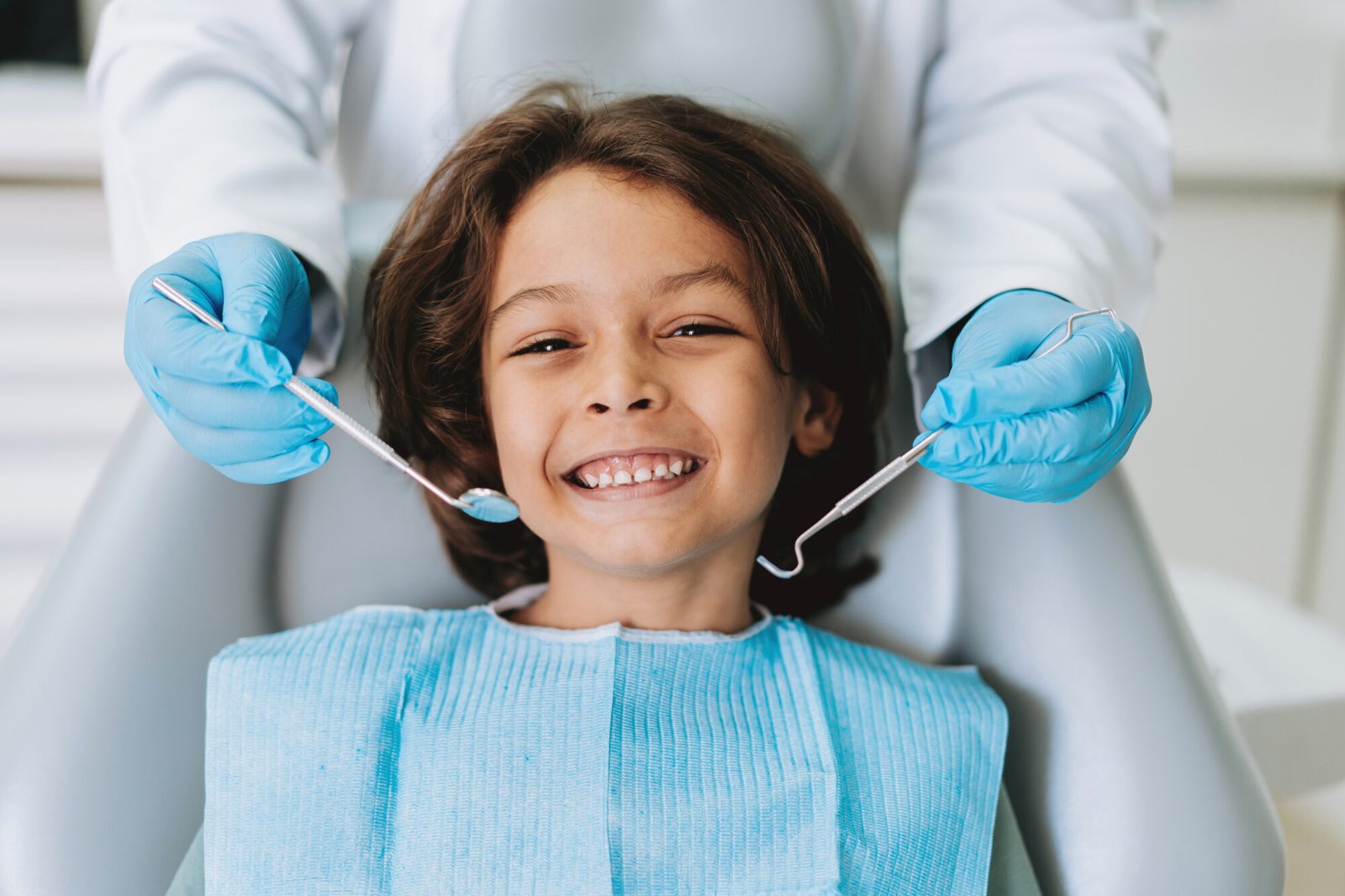
You may already be doing the mental math before every appointment. Will the waiting room be loud. Will your child tolerate the lights, the sounds, the new faces, the feeling of someone working inside their mouth. If your child has sensory needs, anxiety, autism, ADHD, a medical condition, or past dental trauma, even a routine cleaning can feel like too much for everyone involved. Finding a pediatric dentist in Ontario, CA can help make those visits feel more manageable.
- Good dental accommodations start with clear, specific questions
- Questions to ask a pediatric dentist about special needs accommodations reveal how the office really works
- Comparing accommodation options before your child’s dental visit
- Three steps you can take before booking the appointment
- The right accommodations can protect both oral health and trust
That stress is real, and it often starts long before you walk through the door. You are not just looking for a pediatric dentist. You are trying to find a team that understands your child, respects limits, and can adjust care without turning the visit into a fight. The short version is simple. Ask direct questions about sensory support, scheduling, communication, behavior guidance, medical coordination, and what happens if your child cannot complete treatment in one visit.
Good dental accommodations start with clear, specific questions
Many parents hear that a practice is “great with kids,” then show up and find out that the office means kids who are nervous for five minutes, not children who need a slower pace, visual supports, breaks, or a different approach to touch and sound. That gap matters. A hard appointment can make the next one harder.
Research on dental visits for children with special health care needs shows that preparation, flexibility, and communication can shape whether care feels manageable or overwhelming. You do not need to ask for everything at once. You do need to know what the office can actually do.
1. What accommodations do you offer for sensory or behavioral needs? Ask for details, not general reassurance. Can they dim lights, lower noise, use a quiet room, offer sunglasses, let your child wear headphones, or schedule extra time? A real answer sounds specific.
2. Can we schedule at a quieter time of day? The first appointment of the day often helps children who struggle with waiting, transitions, or crowded spaces. If your child gets overwhelmed fast, timing is not a small detail. It can change the whole visit.
3. How do you prepare children before treatment starts? Some offices use visual schedules, social stories, photos of the space, step by step explanations, or short desensitization visits. The Autism Smiles program at Tufts highlights how familiarization and predictable routines can reduce stress for autistic children and their families.
4. How do you communicate during the appointment if my child needs a break? Your child may not say “I need to stop” in a clear way. Ask whether the team uses hand signals, simple language, tell show do techniques, or planned pause points. If your child masks distress until they shut down, this question matters even more.
5. What behavior guidance methods do you use, and when do you recommend sedation or other supports? You need honest information here. Some children do well with coaching and short visits. Others need nitrous oxide, sedation, or treatment in a hospital setting. Ask how the office decides, what alternatives exist, and how they handle a visit that starts going badly.
6. How do you coordinate care if my child has medical, developmental, or therapy related needs? If your child has seizures, a heart condition, feeding differences, trauma history, oral aversion, or support from OT, speech, or behavioral specialists, the dentist should be willing to listen and adapt. A strong office sees that information as useful, not inconvenient.
Questions to ask a pediatric dentist about special needs accommodations reveal how the office really works
The answers tell you more than the website ever will. A practice that welcomes your child will not sound annoyed by these questions. They will expect them. They may even ask for your child’s triggers, calming tools, preferred words, and signs of distress before you bring your child in.
You might also want to ask what happens if the appointment does not go as planned. That is not negativity. That is planning. If your child cannot tolerate X rays today, will the team stop and regroup, or will they push until everyone is in tears. If a cleaning becomes too much halfway through, can they split care into shorter visits. Families often need a child dental care accommodations plan, not just a one time promise to “try our best.”
For children with autism, practical supports can make a major difference. These tips for making dentist visits easier for children with autism reflect what many parents already know from daily life. Predictability lowers stress. Surprises raise it.
Comparing accommodation options before your child’s dental visit
| Area | Basic approach | Accommodation focused approach |
|---|---|---|
| Scheduling | Next available appointment, standard time slot | Quiet time of day, longer visit, reduced waiting |
| Preparation | Arrive and begin | Photos, social story, pre visit call, short practice visit |
| Sensory support | Bright lights, routine sounds, limited adjustments | Dimmed lights, headphones, sunglasses, fewer people in room |
| Communication | Fast instructions, adult centered | Simple steps, visual cues, agreed break signal, child paced |
| Treatment planning | Everything completed in one visit if possible | Shorter visits, phased care, backup plan if tolerance drops |
| When distress rises | Push through if safe | Pause, reassess, reschedule, discuss sedation or referral if needed |
This is where a general dentist and a pediatric dentist can differ in meaningful ways. Pediatric offices are often more used to behavior guidance, shorter attention spans, and parent collaboration. Still, not every pediatric practice offers the same level of flexibility, so asking these six questions is the fastest way to sort that out.
Three steps you can take before booking the appointment
Write a one page comfort plan. Include triggers, sensory preferences, communication style, medical concerns, and what helps your child recover when upset. Keep it short enough that staff will actually read it.
Call before you schedule. Ask the six questions before you commit. Listen for specifics. If the answers stay vague, keep looking.
Prepare your child in the way they learn best. Some children need pictures, some need practice, some need a countdown, and some need to know exactly what will touch their mouth and for how long. Match the prep to your child, not to what sounds ideal on paper.
The right accommodations can protect both oral health and trust
Your child does not need a perfect appointment. They need a dental team that can work with who they are right now. When an office respects limits, explains choices, and adjusts the plan, dental care becomes more possible and less frightening over time.
If you are looking for a pediatric dentist, start with these six questions and trust the answers you hear. The right fit should feel clear, not confusing.

You may be thinking about braces or clear aligners because of how your smile looks, but the day to day reality is usually bigger than that. Food gets stuck in crowded teeth. Floss snaps or won’t slide through. Your jaw feels sore after chewing. Maybe you have a child whose teeth are coming in at odd angles, and you’re trying to figure out whether this is cosmetic or something that could turn into a real health problem. Talking with an orthodontist in Chicago, IL can help you understand what’s happening and what your options are. That uncertainty wears on you.
- Orthodontic treatment reduces plaque traps and supports cleaner teeth
- Orthodontists help protect your gums from chronic irritation
- Better bite alignment can reduce tooth wear and jaw strain
- Orthodontic care improves chewing, speech, and daily comfort
- Early orthodontic guidance can shape healthier growth in children and teens
- Orthodontist care compared with leaving bite and alignment issues untreated
- Practical steps to protect your oral health before and during orthodontic treatment
The short version is simple. Orthodontic care does more than straighten teeth. It can make your mouth easier to clean, lower the risk of gum trouble, reduce uneven wear, support better biting and chewing, and help guide healthy development in growing mouths. A skilled orthodontist is not just working on appearance. They are helping protect function, comfort, and long term oral health.
Orthodontic treatment reduces plaque traps and supports cleaner teeth
When teeth overlap, twist, or leave very tight spaces, brushing and flossing stop being straightforward. You can be diligent and still miss the spots where plaque collects. Over time, that buildup raises the chance of cavities and inflamed gums. Good home care matters, but if the tooth position itself is the obstacle, effort alone does not always solve it.
That is one of the clearest health benefits of orthodontics. Better alignment often means fewer hard to reach areas and a cleaner mouth overall. The National Institute of Dental and Craniofacial Research explains that steady brushing and flossing are the core of good oral hygiene. Orthodontic treatment can make those basics more effective because your tools can actually reach the surfaces they need to clean.
Orthodontists help protect your gums from chronic irritation
Crooked or crowded teeth do not just affect enamel. They can also put stress on the gumline. When plaque sits along the gums, irritation can become ongoing, and swollen gums can bleed when you brush or floss. That tends to make people avoid cleaning sore areas, which feeds the cycle.
Gum disease often starts quietly. The CDC notes that gum or periodontal disease can range from mild inflammation to more serious tissue and bone damage. Orthodontists improve oral health by creating a bite and alignment that are easier to maintain. That does not replace cleanings or home care, but it can remove one of the reasons your gums keep struggling.
Better bite alignment can reduce tooth wear and jaw strain
Some people notice this as chipping at the edges of front teeth. Others feel it as tension in the jaw, headaches, or soreness after meals. When upper and lower teeth do not meet properly, certain teeth absorb more force than they were built to handle. The result can be uneven wear, small fractures, or pressure on the jaw joints and muscles.
An orthodontist looks at more than whether teeth appear straight in photos. They study how your bite closes, how teeth contact each other, and where force is concentrated. Correcting those issues can spread pressure more evenly. That protects enamel and may lessen strain that builds every time you chew or clench.
Orthodontic care improves chewing, speech, and daily comfort
You do not have to have severe misalignment for bite problems to affect daily life. A crossbite, open bite, or large overbite can make chewing awkward and inefficient. Some people compensate without realizing it. They chew on one side, avoid certain foods, or feel like they never get a clean bite through sandwiches, apples, or tougher meats.
Speech can be affected too, especially when tooth position changes how the tongue contacts the teeth. According to MedlinePlus information on orthodontia, orthodontic treatment addresses irregularities in the teeth and jaws that can interfere with normal function. This is where teeth alignment treatment becomes more than a cosmetic choice. It can improve how your mouth works during ordinary moments you repeat every day.
Early orthodontic guidance can shape healthier growth in children and teens
Parents often wonder if they should wait until all permanent teeth are in. Sometimes that makes sense. Sometimes it does not. If a child has crowding, a narrow palate, a bite that shifts, or a tooth that is erupting in the wrong place, early evaluation can catch problems while the jaw is still developing.
This does not mean every child needs braces right away. It means an orthodontist can monitor growth, make space when needed, and reduce the chance of more difficult issues later. In many cases, early guidance lowers the risk of impacted teeth, severe crowding, or bite patterns that become harder to correct with age. That is one reason orthodontic care has a strong preventive role.
Orthodontist care compared with leaving bite and alignment issues untreated
| Concern | When Alignment Issues Are Left Untreated | When Managed by an Orthodontist |
|---|---|---|
| Daily cleaning | Plaque collects in crowded or overlapping areas | Brushing and flossing become more effective |
| Gum health | Ongoing irritation and bleeding may continue | Cleaner tooth spacing can support healthier gums |
| Tooth wear | Uneven pressure can chip or wear down enamel | Bite correction can spread force more evenly |
| Chewing comfort | Some foods stay hard to bite or chew | Improved bite often supports smoother chewing |
| Growing mouths | Jaw and eruption issues may become more severe | Early monitoring can guide healthier development |
Practical steps to protect your oral health before and during orthodontic treatment
Schedule an orthodontic evaluation before problems feel urgent. You do not need to wait for major pain or obvious crowding. If flossing is hard, your bite feels off, or your child’s teeth are erupting unevenly, an evaluation can clarify whether the issue is cosmetic, functional, or both.
Track the signs you notice at home. Pay attention to bleeding gums, worn tooth edges, jaw soreness, mouth breathing, or chewing mostly on one side. These details help connect what you feel with what is happening in your bite. They also make consultations more useful because you are not trying to remember everything on the spot.
Keep routine dental care in place. Orthodontics works best alongside regular cleanings and daily home care. A general dentist and an orthodontist are solving different parts of the same problem. One helps maintain the health of teeth and gums. The other helps create an alignment that is easier to keep healthy.
Straight teeth can look great, but the bigger win is a mouth that functions better and is easier to care for. If you have been brushing around crowded teeth, dealing with bite discomfort, or wondering whether your child’s smile needs more than time, getting clear answers can take a lot of pressure off. Orthodontic treatment is often about prevention as much as appearance, and early guidance can spare you more complicated problems later.

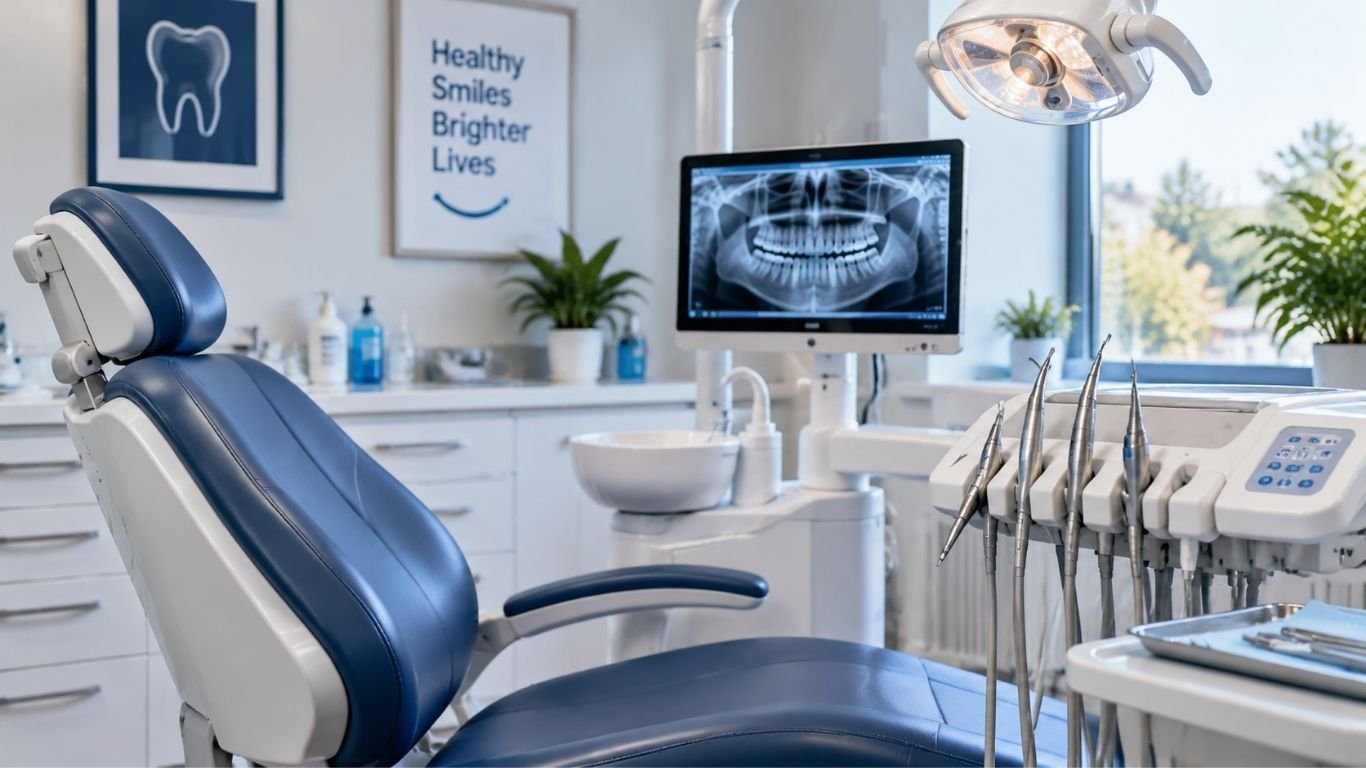
You might put off a dental visit for weeks, sometimes months, because the worry starts before the appointment does. Maybe it is the memory of a rough cleaning years ago, the sound of a drill, a numb lip that lasted all afternoon, or the fear of hearing that a small problem has turned into a bigger one. That stress is real, and it is one of the main reasons people avoid care they actually need. If you are looking for a dentist in Westchester, IL, finding someone who understands those concerns can make it easier to take the first step.
- Modern general dentistry reduces pain, anxiety, and uncertainty
- Technology in general dental care changes the day to day experience
- Modern techniques make preventive and restorative care easier to handle
- Comfort at home and comfort in the dental chair are not the same
- Small actions can make your next dental visit more comfortable
The good news is that modern dental care is built around comfort far more than many people realize. Today, general dentistry comfort techniques include better numbing methods, quieter tools, digital imaging, stronger infection control, and sedation options for people who need more support. The goal is simple. Protect your oral health without making the process harder than it needs to be.
Modern general dentistry reduces pain, anxiety, and uncertainty
Fear usually grows in the gaps. You do not know if something will hurt, how long it will take, or whether you will feel out of control in the chair. Older experiences can make every future visit feel like a repeat, even when dental offices have changed a lot.
Many modern practices start by reducing the unknown. Digital X rays are faster and more precise. Intraoral cameras can show you what the dentist sees, which makes treatment feel less mysterious. Numbing gels can be used before local anesthetic, and the anesthetic itself is often delivered with techniques that make the injection easier to tolerate. For many people, the hardest moment is the anticipation, not the treatment.
That matters because untreated dental issues rarely stay still. A small cavity can become deep decay. Mild gum irritation can turn into bleeding, tenderness, and bone loss. A cracked tooth can stay manageable for a while, then suddenly become painful on a weekend. Comfort in care is not just about feeling better during the visit. It helps you come in sooner, when treatment is simpler and often less expensive.
Comfort-focused dentistry also means clean, predictable systems. Patients notice when a team uses careful sterilization and barrier methods, and that confidence is part of comfort too. The CDC outlines clear standards for dental infection control in clinical settings, which support safer care and help patients feel protected while they are being treated.
Technology in general dental care changes the day to day experience
Comfort is not only about pain control. It is also about pace, noise, pressure, and communication. Modern handpieces are often smoother and quieter than older equipment. Digital records can shorten time spent repeating forms or waiting for film to develop. Laser and minimally invasive approaches may be used in some cases, depending on the issue being treated. Even small changes can make a long appointment feel more manageable.
If you have ever gripped the armrest because you were waiting for pain that never quite arrived, you know how much tension the body can carry into a dental visit. A dentist who explains each step, checks in during treatment, and responds when you need a pause can change the whole experience. That is one reason many people who once avoided the dentist now keep regular appointments. The visit feels more collaborative and less like something being done to you.
For people with stronger anxiety, sedation may be part of the plan. According to the ADA’s guidance on anesthesia and sedation in dentistry, options can range from local anesthesia to different levels of sedation based on the procedure and the patient’s needs. Not everyone needs sedation, but knowing it exists can remove a major mental barrier.
Modern techniques make preventive and restorative care easier to handle
Routine cleanings, fillings, crowns, and gum care are still the core of a general dentist’s work. What has changed is how these services are delivered. Better imaging helps catch problems earlier. Better materials can improve the fit and feel of restorations. Better planning can reduce the number of visits needed for some treatments.
Picture two different paths. In one, you ignore a tooth that feels sensitive to cold because you assume the appointment will be miserable. Months later, the decay reaches the nerve, and you need more time, more treatment, and more money. In the other, you go in early, the dentist finds a small cavity, numbs the area well, and treats it before it becomes disruptive. The second path is usually what modern general dental care is trying to support.
Comfort at home and comfort in the dental chair are not the same
| Concern | At Home Response | Modern General Dentist Approach |
| Tooth sensitivity | Switch toothpaste, avoid cold drinks, hope it settles | Find the cause with an exam and imaging, then treat decay, wear, or gum recession early |
| Dental anxiety | Delay the visit and wait until pain forces action | Use clear communication, topical numbing, local anesthesia, and sedation when appropriate |
| Fear of infection | Assume every office follows the same standards | Follow structured sterilization, disinfection, and barrier protocols based on current guidance |
| Cost concerns | Postpone care to avoid an immediate bill | Address smaller problems before they become more expensive restorative needs |
The pattern is familiar. You try to manage symptoms quietly, then the issue keeps taking up more space in your day. Eating changes. Sleep gets interrupted. You chew on one side. You stop smiling fully in photos. A modern general dentist is not only treating teeth. They are helping remove the stress that comes from living around a problem.
Small actions can make your next dental visit more comfortable
1. Share your past experience clearly. Tell the office if you are nervous, sensitive to numbing injections, embarrassed about the condition of your teeth, or worried about cost. That information helps shape the appointment. A team cannot adjust for a concern they do not know about.
2. Ask what comfort options are available. You can ask about topical anesthetic, local anesthesia, breaks during treatment, noise reduction, and sedation choices. This is not asking for special treatment. It is part of good care.
3. Do not wait for pain to become severe. If something feels off, schedule an exam while the problem is still small. Earlier treatment is usually shorter, simpler, and easier on both your body and your budget.
If dental care has felt hard in the past, that does not mean every future visit will feel the same. Modern techniques have changed what a general dentist can offer, and comfort is no longer an afterthought. It is part of the standard people should expect. When you are ready, schedule a visit and ask how today’s approach to general dentistry can make care feel more manageable from the start.

Megazee.com: A Complete Guide to the Multi-Topic Digital Platform

Charfen.co.uk: A Multi-Niche Platform for Digital Content

6 Questions To Ask About Accommodations For Your Child’s Dental Care

Alex Pettyfer Net Worth, Wife, Age, Height, Children, Career and More

Brad Williams Net Worth, Wife, Height, Age, Daughter, Family, Career and More

Eldorado.gg Review 2026: How It Works, Safety, Fees, and Risks
-
Celebrity9 months ago
Alex Pettyfer Net Worth, Wife, Age, Height, Children, Career and More
-
Celebrity9 months ago
Brad Williams Net Worth, Wife, Height, Age, Daughter, Family, Career and More
-
Blog3 weeks ago
Eldorado.gg Review 2026: How It Works, Safety, Fees, and Risks
-
 Anime10 months ago
Sanzoku Bandits of One Piece: Origins, Higuma, and Their Role in Dawn Island
-
 Celebrity9 months ago
John McGinn Net Worth, Age, Height, Wife, Childrens, Career and More
-
 Celebrity9 months ago
Frances de la Tour Net Worth, Age, Height, Husband, Childrens, Career and More
-
 Blog3 weeks ago
What Is Troozer.com? A Clear Guide to the Digital Content Site
-
 Celebrity9 months ago
Will Trickett Net Worth, Wife, Childrens, Age, Career and More