
Health
How General Dentistry Provides Comfort Through Modern Techniques

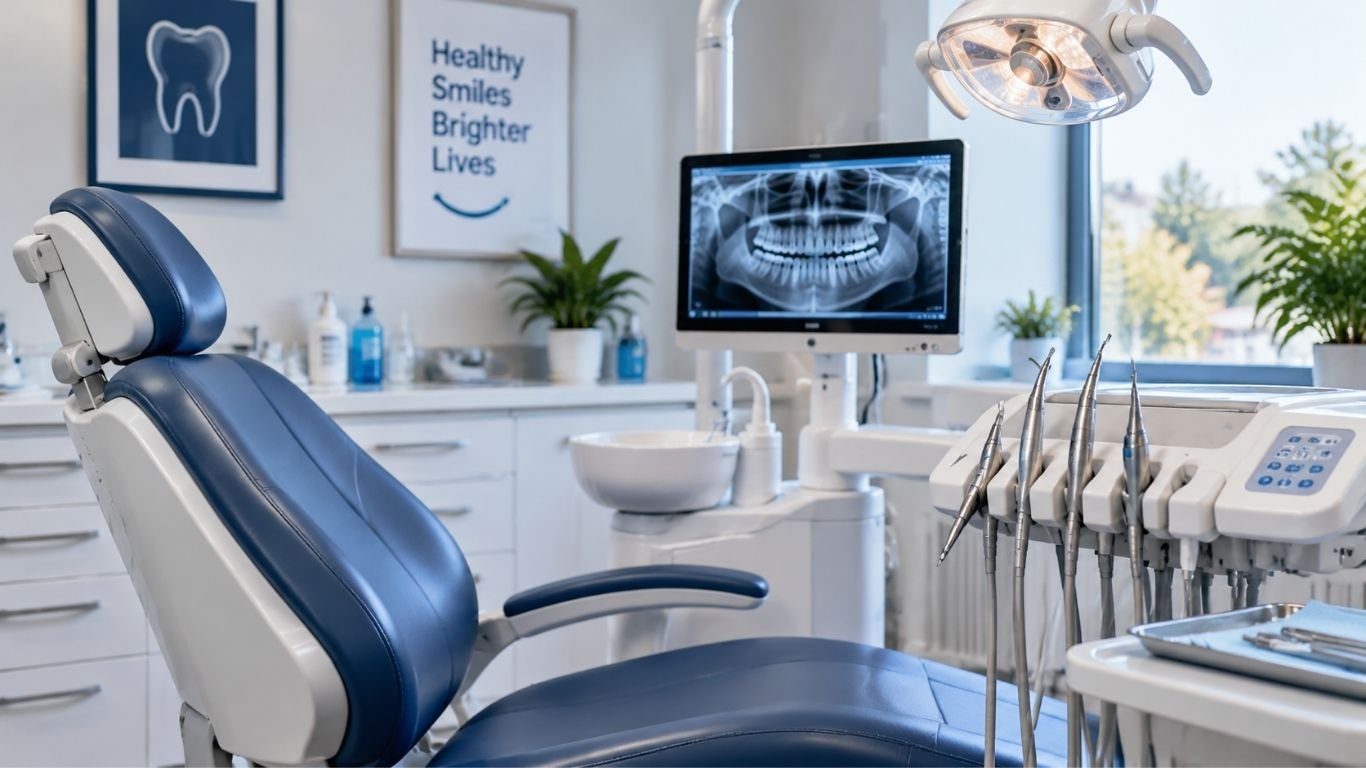
You might put off a dental visit for weeks, sometimes months, because the worry starts before the appointment does. Maybe it is the memory of a rough cleaning years ago, the sound of a drill, a numb lip that lasted all afternoon, or the fear of hearing that a small problem has turned into a bigger one. That stress is real, and it is one of the main reasons people avoid care they actually need. If you are looking for a dentist in Westchester, IL, finding someone who understands those concerns can make it easier to take the first step.
- Modern general dentistry reduces pain, anxiety, and uncertainty
- Technology in general dental care changes the day to day experience
- Modern techniques make preventive and restorative care easier to handle
- Comfort at home and comfort in the dental chair are not the same
- Small actions can make your next dental visit more comfortable
The good news is that modern dental care is built around comfort far more than many people realize. Today, general dentistry comfort techniques include better numbing methods, quieter tools, digital imaging, stronger infection control, and sedation options for people who need more support. The goal is simple. Protect your oral health without making the process harder than it needs to be.
Modern general dentistry reduces pain, anxiety, and uncertainty
Fear usually grows in the gaps. You do not know if something will hurt, how long it will take, or whether you will feel out of control in the chair. Older experiences can make every future visit feel like a repeat, even when dental offices have changed a lot.
Many modern practices start by reducing the unknown. Digital X rays are faster and more precise. Intraoral cameras can show you what the dentist sees, which makes treatment feel less mysterious. Numbing gels can be used before local anesthetic, and the anesthetic itself is often delivered with techniques that make the injection easier to tolerate. For many people, the hardest moment is the anticipation, not the treatment.
That matters because untreated dental issues rarely stay still. A small cavity can become deep decay. Mild gum irritation can turn into bleeding, tenderness, and bone loss. A cracked tooth can stay manageable for a while, then suddenly become painful on a weekend. Comfort in care is not just about feeling better during the visit. It helps you come in sooner, when treatment is simpler and often less expensive.
Comfort-focused dentistry also means clean, predictable systems. Patients notice when a team uses careful sterilization and barrier methods, and that confidence is part of comfort too. The CDC outlines clear standards for dental infection control in clinical settings, which support safer care and help patients feel protected while they are being treated.
Technology in general dental care changes the day to day experience
Comfort is not only about pain control. It is also about pace, noise, pressure, and communication. Modern handpieces are often smoother and quieter than older equipment. Digital records can shorten time spent repeating forms or waiting for film to develop. Laser and minimally invasive approaches may be used in some cases, depending on the issue being treated. Even small changes can make a long appointment feel more manageable.
If you have ever gripped the armrest because you were waiting for pain that never quite arrived, you know how much tension the body can carry into a dental visit. A dentist who explains each step, checks in during treatment, and responds when you need a pause can change the whole experience. That is one reason many people who once avoided the dentist now keep regular appointments. The visit feels more collaborative and less like something being done to you.
For people with stronger anxiety, sedation may be part of the plan. According to the ADA’s guidance on anesthesia and sedation in dentistry, options can range from local anesthesia to different levels of sedation based on the procedure and the patient’s needs. Not everyone needs sedation, but knowing it exists can remove a major mental barrier.
Modern techniques make preventive and restorative care easier to handle
Routine cleanings, fillings, crowns, and gum care are still the core of a general dentist’s work. What has changed is how these services are delivered. Better imaging helps catch problems earlier. Better materials can improve the fit and feel of restorations. Better planning can reduce the number of visits needed for some treatments.
Picture two different paths. In one, you ignore a tooth that feels sensitive to cold because you assume the appointment will be miserable. Months later, the decay reaches the nerve, and you need more time, more treatment, and more money. In the other, you go in early, the dentist finds a small cavity, numbs the area well, and treats it before it becomes disruptive. The second path is usually what modern general dental care is trying to support.
Comfort at home and comfort in the dental chair are not the same
| Concern | At Home Response | Modern General Dentist Approach |
| Tooth sensitivity | Switch toothpaste, avoid cold drinks, hope it settles | Find the cause with an exam and imaging, then treat decay, wear, or gum recession early |
| Dental anxiety | Delay the visit and wait until pain forces action | Use clear communication, topical numbing, local anesthesia, and sedation when appropriate |
| Fear of infection | Assume every office follows the same standards | Follow structured sterilization, disinfection, and barrier protocols based on current guidance |
| Cost concerns | Postpone care to avoid an immediate bill | Address smaller problems before they become more expensive restorative needs |
The pattern is familiar. You try to manage symptoms quietly, then the issue keeps taking up more space in your day. Eating changes. Sleep gets interrupted. You chew on one side. You stop smiling fully in photos. A modern general dentist is not only treating teeth. They are helping remove the stress that comes from living around a problem.
Small actions can make your next dental visit more comfortable
1. Share your past experience clearly. Tell the office if you are nervous, sensitive to numbing injections, embarrassed about the condition of your teeth, or worried about cost. That information helps shape the appointment. A team cannot adjust for a concern they do not know about.
2. Ask what comfort options are available. You can ask about topical anesthetic, local anesthesia, breaks during treatment, noise reduction, and sedation choices. This is not asking for special treatment. It is part of good care.
3. Do not wait for pain to become severe. If something feels off, schedule an exam while the problem is still small. Earlier treatment is usually shorter, simpler, and easier on both your body and your budget.
If dental care has felt hard in the past, that does not mean every future visit will feel the same. Modern techniques have changed what a general dentist can offer, and comfort is no longer an afterthought. It is part of the standard people should expect. When you are ready, schedule a visit and ask how today’s approach to general dentistry can make care feel more manageable from the start.

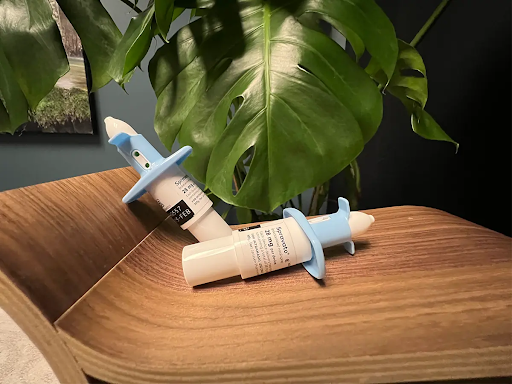
Trying a new depression treatment often comes with practical questions about safety, possible side effects, and what happens during an appointment. SPRAVATO treatment uses esketamine nasal spray and is administered under medical supervision for eligible patients with certain depressive conditions. If you’re exploring SPRAVATO treatment, understanding the monitoring process can help you prepare for appointments and know why clinical observation is an essential part of care.
- Why Is Safety Monitoring Important During SPRAVATO Treatment?
- What Happens Before a SPRAVATO Session?
- What Side Effects May Occur During Treatment?
- Why Are Patients Monitored for Two Hours?
- Can You Drive After SPRAVATO Treatment?
- Who Should Discuss Additional Safety Considerations With a Provider?
- What Should You Tell Your Healthcare Team?
- The Role of Ongoing Depression Care
- Final Thoughts
Why Is Safety Monitoring Important During SPRAVATO Treatment?
SPRAVATO contains esketamine, a prescription medication that can affect alertness, perception, blood pressure, and breathing. Although it may be an option for some people with depression, it can cause side effects that require medical observation.
For this reason, SPRAVATO isn’t a nasal spray that patients simply take home and use on their own. It must be administered under the direct supervision of a healthcare provider in an appropriate healthcare setting.
The monitoring process allows the clinical team to observe how a patient responds, check for potential complications, and determine when it’s safe to leave. The FDA prescribing information requires monitoring for at least two hours after each treatment session, followed by an assessment of the patient’s clinical stability.
What Happens Before a SPRAVATO Session?
Preparation begins before the medication is administered. Your healthcare provider will review relevant medical information, current medications, and any concerns that could affect treatment safety.
Depending on your circumstances, the team may ask about:
- Your current depression symptoms and previous treatment experiences.
- Existing medical conditions, including cardiovascular concerns.
- Prescription medications and other substances you use.
- Any previous problems with sedation or changes in awareness.
- Practical arrangements for getting home after the appointment.
Blood pressure is checked before treatment because SPRAVATO can cause a temporary increase. The provider will consider your readings and medical history when deciding whether it’s appropriate to proceed that day.
Following the clinic’s preparation instructions is also important. For example, prescribing guidance recommends avoiding food for at least two hours and liquids for at least 30 minutes before administration to help reduce the risk of nausea and vomiting.
What Side Effects May Occur During Treatment?
People respond differently to SPRAVATO. Some experience temporary effects during or after administration, while others may have fewer noticeable symptoms.
Possible side effects include:
- Dizziness or sleepiness: You may feel drowsy, lightheaded, or less alert.
- Dissociation: Your sense of time, space, or connection to your surroundings may feel unusual.
- Nausea or vomiting: These effects can occur during treatment.
- Increased blood pressure: Blood pressure may rise temporarily and require assessment.
- Anxiety or an uncomfortable sensation: Some people experience uneasiness or changes in perception.
More serious risks include respiratory depression, which affects breathing, and loss of consciousness. These risks are why supervised administration and post-dose monitoring are required. Tell the healthcare team promptly if you feel faint, have difficulty staying awake, or notice breathing problems.
Experiencing a side effect doesn’t necessarily mean the treatment must always be discontinued. Your provider can assess what happened and decide what steps are appropriate for your safety.
Why Are Patients Monitored for Two Hours?
The two-hour observation period is a core part of the SPRAVATO safety process. During this time, the clinical team monitors the patient’s condition and checks for effects that could make it unsafe to leave.
Monitoring may include:
- Blood pressure checks before and after administration.
- Assessment of alertness and possible sedation.
- Observation for dissociation or changes in perception.
- Respiratory monitoring, including pulse oximetry when required by prescribing guidance.
- A final clinical assessment to determine whether the patient is stable enough to leave.
The two-hour period is a minimum, not a guaranteed discharge time. If symptoms or measurements require additional attention, the healthcare team may continue monitoring. <Cite refs={[“turn487767search0″,”turn487767search2”]}/>
This process is intended to identify potential problems before a patient leaves the healthcare setting. It also gives patients an opportunity to tell the team how they’re feeling rather than trying to manage unexpected effects alone.
Can You Drive After SPRAVATO Treatment?
No. Patients should arrange transportation home and must not drive or operate machinery until the next day after a restful night’s sleep, according to the prescribing information. SPRAVATO can affect alertness and judgment even after the appointment has ended.
Before your first session, plan how you’ll get to and from the clinic. If you rely on someone else for transportation, confirm the arrangements in advance so you don’t need to make last-minute decisions after treatment.
It’s also sensible to keep the rest of your appointment day flexible. Follow any additional instructions provided by your treatment team, particularly if you experience lingering dizziness, sleepiness, or other symptoms.
Who Should Discuss Additional Safety Considerations With a Provider?
SPRAVATO may not be appropriate for everyone. A careful clinical evaluation is particularly important for people with certain blood vessel conditions, a history of bleeding in the brain, or other medical issues that could make a rise in blood pressure dangerous.
Your provider should also know about your medication use and any history of substance misuse, because SPRAVATO carries a risk of abuse and misuse. These factors don’t all lead to the same decision; the clinician must assess the individual circumstances and weigh potential benefits against risks.
SPRAVATO is available through a restricted safety program known as SPRAVATO REMS. This program includes requirements for certified healthcare settings and supervised administration.
Be open about your medical history and ask questions if you’re uncertain whether a condition or medication could affect treatment. Accurate information helps your care team make better-informed decisions.
What Should You Tell Your Healthcare Team?
Good communication is an important part of safe treatment. Before starting SPRAVATO, let your provider know about your health history, all medications and supplements you use, and any previous reactions to treatments.
During an appointment, report symptoms rather than assuming they’re expected or unimportant. If you feel unusually faint, cannot stay awake, or experience difficulty breathing, alert the clinical team immediately.
You may also want to ask:
- What should I expect during the observation period?
- Which side effects should I report immediately?
- How will you monitor my blood pressure and breathing?
- What should I do if I feel unwell after leaving?
- What transportation arrangements do I need?
- How will we evaluate my response to treatment over time?
These questions can help you understand the process and feel more prepared for each session.
The Role of Ongoing Depression Care
Safety monitoring is one part of treatment, but ongoing care matters too. Your provider will need to assess how your symptoms respond over time and whether the treatment plan remains appropriate. SPRAVATO is used for specific indications and isn’t suitable for every person experiencing depression.
At Family Care Psychiatry, patients exploring depression care can learn more about available treatment options and discuss their individual circumstances with a qualified professional. Understanding the potential benefits, limitations, and safety requirements of a treatment is an important step toward making an informed decision.
If you’re considering SPRAVATO treatment, Family Care Psychiatry can be a starting point for learning about care options and preparing questions for a clinical evaluation. Every treatment decision should be based on an individual’s medical history, symptoms, and provider assessment—not on the assumption that one option works for everyone.
For more information about the practice and its mental health services, visit Family Care Psychiatry.
Final Thoughts
Understanding SPRAVATO safety and monitoring can make the treatment process easier to navigate. Pre-treatment assessment, supervised administration, at least two hours of observation, and transportation planning all play important roles in reducing risk.
SPRAVATO may be helpful for some eligible patients, but it has potentially serious side effects and requires careful clinical oversight. Discuss your medical history, ask questions, and follow your provider’s instructions throughout treatment.
The aim is to make informed decisions about depression care while ensuring that safety remains central to every session.


You brush, rinse, maybe floss when you can, and you assume more effort should mean a cleaner, healthier mouth. Then your gums start feeling sore, your teeth seem more sensitive, and brushing leaves your mouth feeling raw instead of fresh. That disconnect is frustrating because you are trying to do the right thing, and a compassionate dental team in Abilene can help you understand what may be causing it.
- Overbrushing can cause real damage to teeth and gums
- Signs your oral hygiene routine is too aggressive often start small
- Gentle technique usually protects your mouth better than force
- Daily oral care damage signs are easier to spot when you compare healthy care to harsh care
- Small changes can calm irritation before it turns into bigger dental problems
- A healthier routine should not hurt
Harsh oral care is more common than most people think. People scrub harder, use whitening products too often, or reach for mouthwash that burns and assume that sting means it works. Sometimes the routine meant to protect your smile starts wearing it down. If any of this sounds familiar, the issue may not be poor hygiene at all. Your routine may be too aggressive.
A good daily routine should clean your teeth and support your gums without causing pain, irritation, or enamel wear. Guidance from the National Institute of Dental and Craniofacial Research on oral hygiene and the National Institute on Aging’s advice for taking care of your teeth and mouth points in the same direction. Gentle, consistent care works better than force.
Overbrushing can cause real damage to teeth and gums
One of the clearest signs your routine is too rough is bleeding or tenderness that keeps showing up after brushing or flossing. Gum disease can cause bleeding, but so can snapping floss into the gums or brushing with too much pressure. If your gums look irritated day after day, your technique may be part of the problem.
Tooth sensitivity is another common clue. You take a sip of cold water and feel that sharp flash near the gumline. That can happen when enamel wears down or when gums recede, exposing the softer root surface underneath. Hard scrubbing does not make teeth cleaner. It can strip away the protection your teeth need.
You may also notice your toothbrush wearing out fast. If the bristles splay after a few weeks, that often means you are pressing too hard. A toothbrush should not look crushed or flattened almost right away. Excess force usually shows up on the brush before it shows up clearly in your mouth.
Some people also develop a dry, irritated feeling from frequent use of strong mouthwash or whitening rinses. A minty burn can feel like proof that a product is working, but your mouth tissue does not need to feel scorched to be clean. If your cheeks, tongue, or gums feel stripped after rinsing, the product may be too harsh for daily use.
Signs your oral hygiene routine is too aggressive often start small
The early signs are easy to shrug off. A little bleeding. A little zing when you eat ice cream. A rough patch near the gums. You tell yourself you just need to brush better, so you brush even harder. That is where the cycle gets worse.
There are seven signs worth paying attention to. First, your gums bleed often during brushing or flossing. Second, your teeth feel more sensitive to hot, cold, or sweet foods. Third, your gumline looks like it is pulling back. Fourth, your toothbrush bristles flatten quickly. Fifth, your mouth feels dry or irritated after rinsing. Sixth, your teeth look dull or more yellow near the edges because enamel can thin over time. Seventh, brushing feels painful instead of routine.
If you have more than one of these signs, your daily care may be doing too much. This is where a general dentist can help separate harmless irritation from gum disease, enamel erosion, cavities, or grinding. The fix may be as simple as changing your brush, pressure, or products before the damage becomes harder to reverse.
Gentle technique usually protects your mouth better than force
Many people were never shown how to brush without scrubbing. The better approach is usually a soft bristled brush, a gentle circular motion, and enough time to clean each area without pressing down. The dentists’ guide to proper brushing technique from University of Utah Health explains this clearly. Clean every surface, but do it lightly.
Flossing should slide between the teeth and curve around each tooth, not snap into the gums. Whitening toothpaste can help some people, but daily use of abrasive products can wear on enamel, especially when combined with hard brushing. If your routine includes multiple whitening steps, stronger is not always better.
Daily oral care damage signs are easier to spot when you compare healthy care to harsh care
| Habit | Gentle Daily Care | Too Harsh |
|---|---|---|
| Brushing pressure | Light pressure, soft bristles, bristles stay straight for months | Heavy pressure, bristles fray quickly, gum soreness follows |
| Flossing | Slides and curves around teeth | Snaps into gums and causes repeated bleeding |
| Mouthwash | Leaves mouth fresh and comfortable | Leaves burning, dryness, or peeling tissue |
| Whitening products | Used as directed with breaks if sensitivity starts | Frequent use despite pain or increased sensitivity |
| How your mouth feels | Clean, calm, normal | Raw, sore, sensitive, or tight |
This is often the difference between a routine that supports long term oral health and one that slowly irritates the teeth and gums. Overbrushing your teeth does not always look dramatic at first, but the wear adds up.
Small changes can calm irritation before it turns into bigger dental problems
Use a softer touch. Switch to a soft or extra soft toothbrush and hold it with less pressure than you think you need. If you use an electric brush, let the brush do the work. If your brush has a pressure sensor, pay attention to it.
Cut back on irritating products. If your mouth burns after rinsing or your teeth ache after whitening, pause those products for a bit. Choose a mild fluoride toothpaste and a non irritating rinse, or skip the rinse unless your dentist recommends one.
Get your symptoms checked early. If bleeding, sensitivity, or gum recession keeps happening, schedule a visit with a general dentist. Ongoing irritation is not something to push through. The earlier you catch enamel wear or gum problems, the simpler treatment usually is.
A healthier routine should not hurt
If your mouth feels worse the more effort you put in, that is not failure on your part. It usually means your routine needs adjustment, not more force. Gentle daily care protects teeth and gums better than aggressive scrubbing, and small changes can make a real difference in comfort and long term health.
If these signs sound familiar, reach out to a general dentist and have your routine reviewed. A few simple changes today can help protect your smile for years to come.

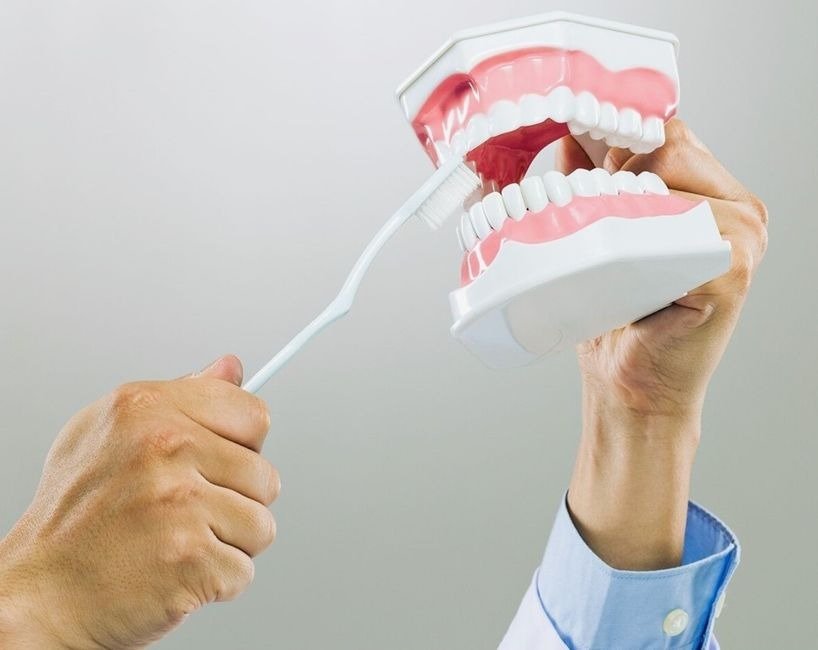
You probably think preventive dental care means brushing twice a day and showing up for a cleaning every six months. That’s part of it, but the bigger picture is more practical and a lot more personal. Preventive care is really about catching small oral health issues before they turn expensive, painful, and time-consuming. If you want fewer dental surprises, better long-term health, and more control over costs, it helps to understand what prevention actually includes.
- Cleanings matter, but diagnostics do a lot of the heavy lifting
- Preventive care is more than a checklist
- Your mouth usually gives early warnings before serious problems start
- Home care works better when you stop copying generic advice
- Diet affects your teeth in ways most people underestimate
- Gum health deserves more attention than it gets
- Prevention also protects your budget and your time
Cleanings matter, but diagnostics do a lot of the heavy lifting
People often think the cleaning is the main event. It’s important, especially if tartar has built up in spots your toothbrush can’t handle, but diagnostics are what make preventive care strategic. Dental exams, bite evaluations, periodontal charting, and radiographs can reveal things that a mirror never will.
For example, interproximal decay often forms between teeth where it stays invisible for a while. Bone loss linked to gum disease can also progress without obvious pain. If your provider tracks these changes over time, they can compare images, gum pocket depths, and wear patterns instead of guessing.
If you’re looking for a dentist Loveland has local practices like The Dental Team, offering preventive, restorative, and cosmetic dental care to help patients maintain healthy smiles.
Preventive care is more than a checklist
A lot of people treat dental care like a pass-fail routine: brush, floss sometimes, book an appointment, move on. Real preventive care works more like risk management. Your enamel, gums, bite alignment, saliva flow, and diet all affect what happens inside your mouth over time.
That means two people with the same brushing habits can end up with totally different outcomes. If you sip sports drinks during practice, grind your teeth at night, or breathe through your mouth when you sleep, your risk profile changes. A dentist isn’t just looking for cavities. They’re checking for gingival inflammation, occlusal wear, plaque retention zones, and early signs of periodontal disease. Those details shape what kind of prevention actually makes sense for you.
Your mouth usually gives early warnings before serious problems start
Most major dental issues don’t appear out of nowhere. They build slowly, often with signs that are easy to brush off. Maybe your gums bleed when you floss. Maybe one tooth feels sensitive to cold. Maybe your breath stays off even when your hygiene is decent. None of that automatically signals a crisis, but it does mean something is changing.
The hard part is that many oral conditions are quiet in the early stages. Tooth decay can spread under the surface before pain starts. Gum disease can progress while your teeth still look fine in selfies. Small cracks in molars may only show up when pressure hits at a certain angle. Preventive visits matter because a clinician can catch patterns you’re not trained to spot. Early detection usually means simpler treatment and less disruption to your schedule.
Home care works better when you stop copying generic advice
You’ve probably heard the same tips for years: use fluoride toothpaste, floss daily, cut back on sugar. Those basics still matter, but generic advice has limits. The way you care for your teeth at home should reflect your actual habits and vulnerabilities.
If you wear clear aligners, for example, trapped sugars and acids can sit against enamel longer if you snack and put trays back in too fast. If you have crowded lower front teeth, floss picks or interdental brushes may work better than pretending string floss is going great. If you deal with dry mouth from medication, cavity risk often rises because saliva isn’t buffering acids the way it should.
Good home care is less about perfection and more about fit. The best routine is the one you’ll actually follow consistently and adjust when your needs change.
Diet affects your teeth in ways most people underestimate
You don’t need to cut out every sweet food to protect your teeth, but you do need to understand frequency. Your mouth handles occasional sugar far better than constant exposure. Sipping soda over three hours, nursing an energy drink during a study session, or snacking all afternoon keeps oral pH low and gives bacteria more chances to produce acid.
Sticky carbs can be just as annoying as candy. Crackers, dried fruit, and chips tend to cling to grooves and contact points. Acidic drinks add another layer by softening enamel, especially if you brush right after having them.
Water helps more than people think. It clears food debris, supports saliva production, and can reduce how long acids stay active. A practical move is pairing sweets with meals instead of stretching them across the day. That small change can lower cavity risk without turning eating into a punishment.
Gum health deserves more attention than it gets
A lot of people focus on teeth because teeth are visible. Gums tend to get ignored until they hurt, swell, or recede enough to look alarming. That’s a mistake because gum health affects the support system holding your teeth in place.
When plaque sits along the gumline, inflammation can begin fast. Early gingivitis may only cause mild bleeding or puffiness. Leave it alone long enough and it can move into periodontitis, where deeper tissues and bone become involved. At that stage, treatment gets more complex and long-term maintenance becomes a bigger deal.
You don’t need dramatic symptoms to justify concern. Chronic tenderness, flossing blood, gum recession, and persistent bad breath all deserve attention. Preventive dental care includes keeping soft tissues stable, not just keeping cavities away. If your gums aren’t healthy, your oral health isn’t stable, even when your teeth look white.
Prevention also protects your budget and your time
Dental prevention gets framed as a health issue, but it’s also a scheduling and financial issue. A routine exam and cleaning are easier to plan for than a cracked tooth before school pictures, a sudden abscess during finals, or a crown you didn’t see coming.
Restorative work can be completely worth it when you need it, but very few people want to spend money fixing damage that could have been intercepted earlier. Small fillings are usually simpler than root canals. A night guard for bruxism may cost less than repairing years of wear and fractures. Targeted fluoride treatments can be useful if enamel is starting to weaken.
Think of prevention as reducing friction in your life. You miss fewer classes or work hours, deal with fewer urgent appointments, and make choices from a calmer place instead of under pressure.

Understanding SPRAVATO Treatment Safety and Monitoring

Too Much Kid Clutter? Turn it Into a Business

How Santa Hats Help Create Memorable Holiday Traditions Every Year

Alex Pettyfer Net Worth, Wife, Age, Height, Children, Career and More

Brad Williams Net Worth, Wife, Height, Age, Daughter, Family, Career and More

Eldorado.gg Review 2026: How It Works, Safety, Fees, and Risks
-
Celebrity10 months ago
Alex Pettyfer Net Worth, Wife, Age, Height, Children, Career and More
-
Celebrity11 months ago
Brad Williams Net Worth, Wife, Height, Age, Daughter, Family, Career and More
-
Blog2 months ago
Eldorado.gg Review 2026: How It Works, Safety, Fees, and Risks
-
 Anime11 months ago
Sanzoku Bandits of One Piece: Origins, Higuma, and Their Role in Dawn Island
-
 Celebrity11 months ago
John McGinn Net Worth, Age, Height, Wife, Childrens, Career and More
-
 Celebrity11 months ago
Frances de la Tour Net Worth, Age, Height, Husband, Childrens, Career and More
-
 Celebrity11 months ago
Will Trickett Net Worth, Wife, Childrens, Age, Career and More
-
 Blog3 months ago
Crackstube: A Complete Guide to the Digital Publishing Platform