
Blog
What You Need to Know Before Becoming a Menstrual Cycle Coach


Before becoming a menstrual cycle coach, you need to understand that this growing profession combines body awareness, habit change, and caring client support. It is not medical practice. Working in this field calls for a strong base in female endocrinology, an understanding that every body responds differently, trauma-aware communication skills, and clear limits around what you can offer. The role is not about giving medical orders or promising hormone cures. It is about giving people useful tools, confidence in their bodies, and ways to observe their patterns so they can work and live in line with their natural biological rhythms.
- What Is Menstrual Cycle Coaching?
- Why Become a Menstrual Cycle Coach?
- Create Career Opportunities in Wellness and Coaching
- Integrate Cycle Coaching into an Existing Professional Practice
- What Should You Learn Before Coaching Clients?
- Menstrual Cycle Phases, Hormones, and Ovulation
- Period Symptoms, Cycle Irregularities, and Common Conditions
- Cycle Awareness, Tracking, and Evidence-Based Health Education
- What Are the Boundaries of Menstrual Cycle Coaching?
- Coaching Versus Medical Diagnosis and Treatment
- When Should You Refer a Client to a Doctor or Therapist?
- Privacy, Consent, Confidentiality, and Professional Conduct
- How Do You Choose a Menstrual Cycle Coach Certification?
- Accreditation, Recognition, and Professional Standards
- Curriculum Depth and Practical Coaching Skills
- Mentorship, Community, and Practical Experience
- What Does Menstrual Cycle Coach Training Involve?
- Typical Certification Steps and Study Requirements
- Client Assessments, Goal Setting, and Coaching Conversations
- How Can You Build a Menstrual Cycle Coaching Practice?
- Choose a Niche and Define Your Ideal Client
- Design Personalised One-to-One and Group Coaching Offers
- Set Prices, Policies, and Client Agreements
- What Can You Earn as a Menstrual Cycle Coach?
- Should You Become a Menstrual Cycle Coach?
For people researching “How to become a certified menstrual cycle coach?“, the process starts with understanding both the benefits and the professional duties involved. You do not need to be a doctor or clinical endocrinologist to enter this profession. You do need a commitment to health education based on sound evidence, an interest in the mind-body link, and the discipline to avoid medical diagnosis or prescribing nutrition plans.
What Is Menstrual Cycle Coaching?
Menstrual cycle coaching is a shared, client-focused practice that helps menstruators, from menarche through menopause, understand, track, and respect the changing stages of their cycle. Instead of seeing the menstrual cycle as only a monthly bleeding event or a problem to manage, cycle coaching treats it as a useful health sign and an internal guide. It can offer information about physical energy, emotional capacity, food needs, and mental focus.
This type of coaching brings together lifestyle support, body awareness, and hormone education. Coaches work with clients to spot monthly patterns, manage cycle changes, and challenge the shame and silence that often surround periods. By building body knowledge and emotional strength, coaches help people make informed choices about work, exercise, rest, and speaking up for their needs in personal and professional settings.
What Does a Menstrual Cycle Coach Do?
A menstrual cycle coach gives organized guidance, regular support, and practical lifestyle plans that help clients understand what their bodies may be communicating during each cycle stage. In a session, a coach might review personal symptom records, look at energy and recovery patterns, discuss ways to calm the nervous system, or help a client plan work around expected changes in mood and stamina. Coaches often support people dealing with premenstrual tension, tiredness, mood changes, and the emotional weight of conditions such as endometriosis or polycystic ovary syndrome (PCOS).
A cycle coach is a helpful guide, not a medical textbook or prescriber. Your role is not to give a diagnosis or read blood test results. Your role is to listen carefully, support habit changes, build self-kindness, and help clients prepare for useful conversations with healthcare professionals. Coaches help clients take an active part in their health instead of feeling controlled by their hormones. The aim is to help them feel more settled and aware of their bodies.
Why Become a Menstrual Cycle Coach?
Create Career Opportunities in Wellness and Coaching
The wellness sector is going through a major shift. For many years, fitness, productivity, and food advice followed a fixed 24-hour circadian rhythm based mainly on male physiology. As more people learn about the infradian rhythm, the monthly biological pattern linked to menstruation, the need for cycle-aware support has grown. A career as a menstrual cycle coach can lead to several types of work, including private online coaching, workplace wellness sessions, and group programs.
Starting your own coaching practice can also give you more control over your lifestyle. Certified coaches may work remotely, choose hours that fit their own body rhythms, and create digital programs or memberships that can serve many clients. Many people now want personal, preventive health support instead of rushed ten-minute appointments. Qualified cycle coaches can meet this need by offering time, education, and ongoing help with daily habits.
Integrate Cycle Coaching into an Existing Professional Practice
Cycle coaching training can add value to the work of professionals in related fields. Personal trainers, nutritionists, yoga teachers, therapists, doulas, naturopaths, and workplace HR facilitators often work with clients whose recovery, mood, or performance changes throughout the month. Knowledge of cycle health lets these professionals view client concerns through a more specific physical lens instead of giving the same advice to everyone.
For example, a psychotherapist with training in menstrual awareness may be better able to tell the difference between severe premenstrual mood symptoms and general anxiety. They can then include nervous system tools that fit the client’s cycle stage. Athletic coaches and fitness trainers can also adjust training levels, reduce the risk of overtraining, and watch for low energy availability without forcing every client into the same exercise plan. This added qualification can make an existing practice stand out, build trust, and encourage clients to stay longer.
What Should You Learn Before Coaching Clients?
Menstrual Cycle Phases, Hormones, and Ovulation
Good coaching starts with a clear understanding of the hormone activity behind the menstrual cycle. A strong course covers four main stages: menstruation, when the uterine lining is shed; the follicular phase, when follicles develop with the help of follicle-stimulating hormone and rising estradiol; ovulation, when a mid-cycle luteinizing hormone surge causes a mature egg to be released; and the luteal phase, when progesterone prepares the body for a possible pregnancy. Coaches should also study the early and late parts of each stage, since hormone changes in these periods may lead to different physical and emotional experiences.
Ovulation deserves special attention because it is the main biological event that leads to the next menstrual period. Coaches learn how estradiol may affect brain function, joint movement, and insulin sensitivity. They also learn how progesterone after ovulation acts on GABA receptors in the brain, raises resting body temperature, and changes the amount of energy the body uses. This knowledge helps coaches avoid myths and base lifestyle advice on real body processes.
Period Symptoms, Cycle Irregularities, and Common Conditions
Before meeting with clients, coaches need to know about a wide range of menstrual health experiences. These include common symptoms such as primary dysmenorrhea, or pelvic cramping, mastalgia, or breast tenderness, as well as digestive changes, headaches, and food cravings. Training should also cover long-term conditions such as endometriosis, adenomyosis, uterine fibroids, and PCOS. Coaches should understand the nervous system and mood sensitivity linked to Premenstrual Dysphoric Disorder (PMDD). Severe mood changes before a period are a brain response to normal hormone shifts, not simply a person being in a bad mood.
Training should also cover irregular cycles. These include primary amenorrhea, or no period by age 15; secondary amenorrhea, or no bleeding for three or more months; oligomenorrhea, when cycles regularly last more than 35 days; cycles without ovulation; and reduced luteal phase activity. Coaches also need to understand how combined hormonal birth control changes the body. Bleeding while using contraceptive pills or patches is a withdrawal bleed caused by a drop in synthetic hormones. It is not the same as a natural menstrual period that reflects the body’s own ovulation.
Cycle Awareness, Tracking, and Evidence-Based Health Education
Coaches need to teach cycle observation without causing clients to worry about every symptom. Research suggests that strict phase-based systems, such as fixed cycle-syncing diets or firm exercise schedules for each phase, do not have strong research support. Hormone responses can vary widely between people and can also change from one month to another. A better method uses the client’s symptoms and responses as a guide, while looking at basic patterns across several cycles.
Clients can learn to record physical signs such as changes in basal body temperature, cervical fluid, and cervical position. They can also record sleep quality, pain levels, energy, emotional steadiness, and digestive comfort. This information may help separate cycle-related changes from outside pressures such as eating too little, workplace stress, or poor sleep. The goal is health education that supports personal choice rather than strict online rules.
What Are the Boundaries of Menstrual Cycle Coaching?
Coaching Versus Medical Diagnosis and Treatment
Health coaching is mostly unregulated, so your professional reputation depends heavily on the limits you set. A cycle coach is an educator, support partner, and guide for behavior change. You are not a licensed medical provider. Coaches cannot diagnose health conditions, read hormone panels for diagnosis, prescribe medicine, create medical treatment diets, or recommend specific supplement plans to treat disease.
Mixing lifestyle support with medical treatment can put clients at risk and create legal problems for your practice. The words you use matter. Claims such as “I balance hormones,” “cure your PCOS naturally,” or “reverse your endometriosis pain” can become unlawful medical claims. Safer coaching language focuses on sleep habits, daily routines, nervous system support, body awareness, cycle-aware planning, and general wellness practices.
When Should You Refer a Client to a Doctor or Therapist?
Knowing the warning signs and recognizing when medical care is needed is one of the most valuable skills a coach can develop. Guidelines from the American College of Obstetricians and Gynecologists (ACOG) state that unusual uterine bleeding needs medical review. Warning signs include bleeding for more than seven days, bleeding between periods, cycles shorter than 21 days or longer than 35 days, sudden cycle changes of more than 7 to 9 days, or unexpected bleeding after sex or after menopause.
A client needs urgent medical care if heavy bleeding soaks through one or more pads or tampons each hour for two hours in a row, especially if it occurs with dizziness, trouble breathing, chest pain, or fainting. Coaches who work with female athletes should also watch for signs of Relative Energy Deficiency in Sport (RED-S), including bone stress injuries, restrictive eating, and sudden loss of periods. If a client reports deep depression, thoughts of suicide, or severe despair linked to PMDD, refer them at once to a licensed mental health professional or psychiatrist.
Privacy, Consent, Confidentiality, and Professional Conduct
Menstrual tracking records contain private reproductive information. Many digital health apps do not protect this data well. Research has found that some popular platforms share personal information with outside companies or respond to legal requests for user records. A professional cycle coach has a clear duty to protect client information through careful privacy practices.
Coaches should use messaging systems with end-to-end encryption, collect only the information needed for lifestyle support, use client codes instead of full names where possible, and offer paper or locally stored spreadsheet options for people who do not want to use an app. Consent forms should clearly explain how data will be stored, how long records will be kept, how cancellations work, and what confidentiality means. Ethical coaching should also make room for different identities and life situations. Avoid assumptions about gender, sexuality, plans for children, or a client’s ability to buy period products. Safe, trauma-aware services should include women, transgender men, and nonbinary people who menstruate.

How Do You Choose a Menstrual Cycle Coach Certification?
Accreditation, Recognition, and Professional Standards
As more menstrual health courses become available, a credential with formal recognition can support your reputation and access to professional liability insurance. Well-regarded training providers may seek approval from third-party groups such as the International Practitioners of Holistic Medicine (IPHM) or the International Institute of Complementary Therapists (IICT). These organizations offer recognition in many countries. Programs approved by such bodies generally follow set education, ethics, and quality requirements.
Approved programs may also offer Continuing Professional Development (CPD) points, showing that the course content has gone through an education review. A qualification linked to recognized complementary health registries can give future clients more confidence in your basic knowledge. It may also help you obtain professional liability insurance, which is a key part of running a responsible coaching business.
Curriculum Depth and Practical Coaching Skills
A good certification should give equal attention to hormone science and the skills needed for real coaching conversations. Be careful with courses that explain body processes but do not teach behavior change, active listening, or useful questions. Choose a provider that also covers trauma-aware methods, nervous system regulation, including Polyvagal Theory, and the social issues connected to reproductive healthcare.
Check whether the course covers the full reproductive lifespan. It should include menarche, the cycling years, pregnancy and the postpartum period, perimenopause, and menopause. Strong courses explain hormone patterns in plain language while also making the limits of coaching clear. They should give you intake forms, ethical practice examples, and ways to set client boundaries instead of offering only slides filled with theory.
Mentorship, Community, and Practical Experience
Becoming a capable cycle coach takes more than practical skills. It requires supervised practice and chances to use the skills you learn. The better training providers include peer coaching groups, case study reviews, and live practice hours in which students work with practice clients while teachers observe. Feedback during training can build professional confidence much more effectively than studying alone.
Look at the support offered after graduation as well. Working in a growing field can feel isolated, so alumni calls, ongoing education, and peer referral groups can be very useful. Search for programs led by experienced teachers with strong clinical or industry backgrounds. Examples include Jema Lee of Cyclical School and Lisa de Jong of the Menstrual Coach Academy. Teachers who join mentorship calls and share practical business guidance can offer help beyond hormone education.
What Does Menstrual Cycle Coach Training Involve?
Typical Certification Steps and Study Requirements
Many professional menstrual cycle coaching certifications are fully online and last four to nine months. Six months is a common course length. Students may attend live online lectures each week, complete self-paced lessons, read assigned material, and do body-tracking activities that help them learn about their own cycles. Programs often require students to attend around 40% to 50% of live group sessions, along with watching recordings for any missed lessons.
Students usually need to complete several assessments before graduating. These may include written exams on hormone function, case studies based on practice clients, and live coaching tests. Some schools also require business tasks, such as creating branded intake documents, writing service agreements, and building a list of referral contacts. These tasks help graduates prepare to start working with clients after completing the course.
Client Assessments, Goal Setting, and Coaching Conversations
Learning how to carry out the first client assessment is a major part of training. Students learn to record a client’s menstrual history, identify possible safety concerns, review lifestyle stress, and ask about past menstrual trauma without making the client feel threatened. Courses teach open and respectful questions that help people explore their own experiences instead of feeling that they must match a perfect 28-day cycle.
Coaches learn to create realistic small goals with clients. A client may want to reduce luteal-phase tiredness by improving their bedtime routine, set clearer limits with family, or track basal body temperature before speaking with a doctor about possible lack of ovulation. Training shows coaches how to break large behavior changes into simple steps. Students also practice difficult situations, such as helping an anxious tracker become calmer or supporting someone who is grieving over fertility problems or long-term pelvic pain.
How Can You Build a Menstrual Cycle Coaching Practice?
Choose a Niche and Define Your Ideal Client
Menstrual cycle coaching may help many people who menstruate, but trying to speak to everyone can weaken your marketing and make it harder to attract the right clients. Choosing a clear area of focus can show people what you do and who you help. Some coaches work with female endurance athletes or CrossFit competitors who want better recovery and support with RED-S prevention. Others work with corporate leaders who want practical ways to plan work around monthly energy patterns.
Other areas of focus include helping people through perimenopause, supporting clients with PCOS or endometriosis through lifestyle and emotional tools, or running body-awareness programs for young people approaching menarche. Learning about the concerns, daily demands, and emotional challenges of your chosen client group helps you write clear and caring marketing that speaks to the people you can support best.
Design Personalised One-to-One and Group Coaching Offers
Coaching businesses are often more stable when they use clear packages instead of relying on one-off appointments. Useful observations and lasting habit changes usually take place over several months, so a basic package may cover three to six menstrual cycles. A one-to-one package could include a 90-minute first lifestyle assessment, 50-minute coaching calls every two weeks, voice messages or written support between sessions, and digital tracking forms made for the client’s needs.
Once your private client list grows, group courses and workshops can provide ways to serve more people. You might create seasonal memberships, cycle education groups for workplace teams, or workshops in fitness studios, yoga centers, or community health spaces. Offering several types of service can support steadier income and allow your education to reach a wider audience.
Set Prices, Policies, and Client Agreements
Clear business policies protect your income and the coach-client relationship. Your client agreement should include a clear scope-of-practice statement explaining that your service is not medical, nutritional, or psychological treatment. Add information about cancellation deadlines, payment plans, refunds, contact hours, and emergency mental health resources.
Pricing depends on the local economy, your experience, and the people you want to serve. Instead of billing only by the hour, you can package your service around a clear result or period of support. Many coaches offer plans that last several months. This gives the business a more predictable income while giving clients the regular support they need to make lasting changes to daily health habits.
What Can You Earn as a Menstrual Cycle Coach?
Factors That Affect Menstrual Cycle Coach Income
Your income as a menstrual cycle coach depends on your business model, location, client group, and professional reputation. Coaches in large cities or those serving higher-income international clients online may charge more than coaches running community group programs. Your previous training also matters. A coach who adds cycle education to a licensed background in physical therapy, psychotherapy, or clinical nutrition may charge higher fees for this combined support.
Marketing skills, brand presentation, and client retention also affect income. Coaches who build referral relationships with gynecologists, pelvic health physical therapists, acupuncturists, and naturopaths may develop a steady source of new clients. Coaches who depend only on social media reach can experience less predictable income until personal referrals and professional connections become stronger.
Employment, Freelance, and Private Practice Options
Income can differ by location and work format. Common options include:
- Private Practice One-to-One Sessions: In the United States, individual private coaching often costs $80 to $120 per hour, while specialist practitioners may charge more than $150. In Australia, private hourly prices often range from $80 to $200 AUD. In the UK and European Union, sessions commonly cost €80 to €150. Multi-month private packages often sell for $1,000 to $3,500, depending on the amount of support and contact.
- Group Programs and Digital Courses: Group coaching programs and six-to-twelve-week cycle education courses often cost $300 to $1,200 per participant. This lets coaches work with several people during the same teaching hours.
- Corporate Wellness and Educational Consulting: Coaches who give workplace workshops or help companies create cycle-aware policies may charge $500 to $3,000 or more for a corporate event.
- Allied Clinical and Studio Partnerships: Some coaches work on a freelance basis in wellness centers, women’s health clinics, or small fitness studios. They may receive an hourly fee or split package income 50/50, while the partner handles some marketing tasks.
Should You Become a Menstrual Cycle Coach?
Skills and Personal Qualities That Support Effective Coaching
Deciding whether this career suits you calls for honest self-reflection. Strong cycle coaches are active listeners with emotional awareness, patience, and an open, non-judgmental attitude. If you often give advice without being asked, try to solve every problem quickly, or hold strict beliefs about health, coaching may feel difficult. Good practitioners give clients room to talk about body discomfort, poor treatment by healthcare providers, or emotional stress at their own pace.
You also need to be able to read and question scientific information. Menstrual health is vulnerable to false wellness claims and pseudoscience, so coaches should keep learning, check original research, and accept that biology is not always simple. Effective coaches recognize that every body is different. They avoid strict rules and offer humble, personal, trauma-aware support.
A rewarding practice also calls for personal awareness and steady resilience. Clients can often tell whether a coach follows cycle-aware principles in their own life. If you are ready to respect your own body limits, combine empathy with clear professional boundaries, and support health education in your community, this career can be deeply meaningful and satisfying.
This career also connects with wider changes in reproductive fairness and public institutions. Workplaces, sports organizations, and healthcare systems are slowly paying more attention to the physical effects of menstrual and reproductive health. Certified coaches may advise on menstrual leave, help create supportive community spaces, and lead school education programs. By building a practice based on sound science, clear ethical limits, and inclusive language, you can help create a professional field that respects human biology and supports kinder, more sustainable healthcare for future generations.


If you’re thinking about veneers, you’re probably not chasing a “perfect” smile as much as a cleaner, more balanced one that feels like you. That’s a smart place to start. In a coastal area like Marina del Rey, where professional, social, and visual impressions often overlap, cosmetic dentistry tends to be part aesthetics and part strategy. Before you commit, it helps to understand how veneers work, who they suit, and what daily life with them actually looks like.
- Why porcelain remains the standard for long-term aesthetics
- What veneers actually change and what they don’t
- The consultation matters more than most people expect
- A natural-looking result depends on restraint
- Daily life with veneers is easier than you think, but not maintenance-free
- Cost, value, and the tradeoffs behind the price
- How to decide if veneers are the right move for you
Why porcelain remains the standard for long-term aesthetics
Porcelain stays popular for good reasons. It reflects light in a way that looks more like natural enamel, which matters if you want your smile to look believable up close, not just bright in photos. It also resists staining better than composite, which is helpful if coffee, tea, red wine, or pigmented foods are part of your routine.
If you’re looking for porcelain veneers Marina del Rey has local dental practices like Yeo Dental that offer customized veneer treatments to improve the appearance of your smile.
In real terms, you’re often paying for color stability, durability, and a more refined finish.
Composite veneers can still make sense for some cases, especially when you want a less expensive or more conservative option. Still, porcelain usually wins on longevity and surface texture. A smoother, more enamel-like finish tends to age better and collect less visible discoloration over time.
What veneers actually change and what they don’t
Veneers are thin shells, usually made from porcelain, bonded to the front surface of your teeth. They’re designed to improve color, shape, size, spacing, and overall symmetry. If your teeth are healthy but chipped, uneven, worn down, or deeply stained, veneers can create a polished result that whitening or orthodontics alone may not deliver.
They don’t fix every dental issue. If you have active gum disease, untreated decay, major bite problems, or weak enamel, those problems usually need treatment first. Veneers are a cosmetic restoration, not a shortcut around oral health.
The best outcomes happen when you treat them like a precision treatment plan, not a beauty add-on. A dentist evaluates occlusion, enamel quality, soft tissue health, and smile line before anyone talks about shade charts or final shape.
The consultation matters more than most people expect
A veneer case can look amazing or artificial based on decisions made before treatment even starts. The consultation is where those decisions happen. Your dentist should assess facial proportions, lip movement, gum display, tooth show at rest, bite mechanics, and how much tooth structure needs preparation.
You should also expect a conversation about your goals in plain language. Do you want a subtle upgrade? Do you want to close gaps? Are you trying to soften sharp edges, lengthen worn teeth, or brighten a smile that whitening couldn’t lift? Those are different cases with different design choices.
Photos, digital imaging, mock-ups, and temporary restorations can help you preview the result. That preview stage has real value. It gives you a chance to react to shape and size before the final veneers are fabricated, which cuts down the risk of ending up with a smile that feels technically nice but personally off.
A natural-looking result depends on restraint
The most convincing veneers rarely announce themselves. They look proportionate to your face, age, skin tone, and natural dental anatomy. A common mistake is assuming whiter automatically means better. Extremely opaque or oversized veneers can flatten your features and make your smile look disconnected from the rest of you.
Good cosmetic dentistry usually includes tiny irregularities that mimic real teeth: slight translucency near the edges, subtle contour differences, and shade layering instead of one block of uniform white. Those details matter more than people realize.
If you bring inspiration photos, use them to show general preferences, not to request someone else’s exact smile. Your bone structure, lip posture, gingival architecture, and existing dentition create different design limits. A skilled dentist builds around those realities instead of forcing a template that looked good on another face.
Daily life with veneers is easier than you think, but not maintenance-free
Once veneers are bonded, they don’t usually require a complicated routine. You still brush twice a day, floss daily, and keep up with professional cleanings and exams. The difference is that maintenance becomes more about protecting the margins, surrounding gum tissue, and the teeth underneath.
You’ll want to avoid using your teeth like tools. Opening packages, chewing ice, biting pen caps, and cracking hard foods with the front teeth can put stress on veneers and natural enamel alike. If you grind or clench at night, a custom night guard may be part of the plan.
It also helps to know that veneers won’t be immortal. They can last many years, often well over a decade, but replacement eventually becomes part of the long-term picture. Cement integrity, bite changes, wear, and gum recession can all influence timing.
Cost, value, and the tradeoffs behind the price
Veneers can be expensive, and the fee often reflects more than the final material. You’re paying for diagnosis, smile design, tooth preparation, provisional work, lab craftsmanship, bonding protocol, and follow-up care. A high-end lab can make a major difference in shade blending, translucency, and fit.
If a price seems dramatically lower than average, look closely at what may be missing. It could mean rushed planning, lower-grade materials, or a one-size-fits-all design approach. Those shortcuts may not show immediately, but they often appear later as bulkiness, gum irritation, bite discomfort, or a smile that photographs better than it functions.
Value comes from fit, comfort, realism, and longevity. You’re not just buying a cosmetic upgrade. You’re investing in a restoration that sits in one of the most visible and functional parts of your body every single day.
How to decide if veneers are the right move for you
The best candidates usually have healthy teeth and gums, realistic expectations, and a clear reason for wanting change. If your concerns center on shape, moderate spacing, wear, discoloration that won’t respond to whitening, or old restorations that no longer match, veneers may be a strong option.
If your issue is mostly alignment, orthodontics might make more sense first. If the problem is minor edge repair, bonding could be enough. If you’re trying to copy a trend rather than solve a real concern, pause before committing.
A good decision feels specific. You know what bothers you, you understand the prep involved, and you’ve seen a treatment plan that respects your natural features. That approach usually leads to the kind of result people notice without knowing exactly what changed. For most patients, that’s the sweet spot: a smile that looks refreshed, functions well, and still feels like yours.
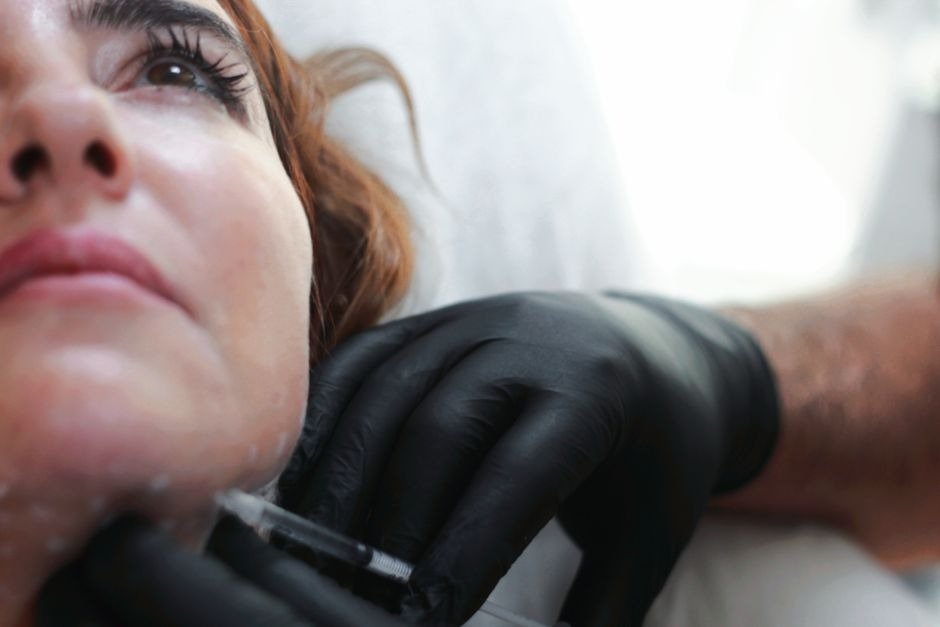
Wanting a more defined jawline is often about balance, not dramatic change. Before considering injections, learn what filler can improve, how treatment is planned, and which risks matter. The American Society of Plastic Surgeons recorded more than 5.3 million hyaluronic acid filler procedures in the United States in 2024, although that figure is not specific to jawline injections. For people exploring options in Spring Hill, popularity should never replace careful assessment.
What Jawline Filler Can—and Cannot—Change
Jawline filler is a nonsurgical injectable treatment that adds volume along the lower face to create definition. It may sharpen the jaw’s edge, improve mild asymmetry, or smooth the transition between chin and jaw. It does not change bone structure, remove fat, or tighten significant loose skin.
Many contouring fillers contain hyaluronic acid, which attracts water and can be broken down with an enzyme in appropriate circumstances. Other products may not be reversible in the same way. Ask which product is proposed and why it suits your anatomy.
Natural-looking results depend on proportion. Too much volume can make the lower face look heavy, while ignoring the chin, cheeks, and neck can exaggerate imbalance.
Why the Right Plan Matters More Than Trends
Video calls, selfies, and social media can draw attention to details you previously barely noticed. Yet one photograph rarely shows how your face looks in motion, from different angles, or in ordinary lighting.
Identify the specific change you want. Is your jawline unclear because of facial structure, skin laxity, fullness beneath the chin, or a combination? These concerns do not all respond to filler. A qualified clinician should explain whether injections are likely to help and discuss alternatives.
If you are considering jawline filler in Spring Hill, compare providers by their assessment process, product knowledge, and safety practices—not just striking before-and-after images. Ask how the proposed treatment would suit your facial proportions and what result would be realistic for you.
Who May Be a Suitable Candidate?
Filler may suit adults seeking modest definition or correction of mild contour differences, provided their health history and anatomy make treatment appropriate. Skin elasticity, facial volume, jaw shape, and tissue beneath the chin affect what injections can achieve.
Filler may be less useful for significant skin laxity, pronounced fat beneath the chin, or structural concerns it cannot correct. Adding volume to an already full lower face may create bulk rather than definition. A clinician may recommend another approach or advise against treatment.
Be cautious of anyone promising a particular jawline regardless of your starting point. Good aesthetic care includes explaining limitations, not simply agreeing to a requested look.
What a Thorough Consultation Should Cover
A responsible consultation covers your medical history, allergies, previous filler treatments, medicines, and goals. The provider should assess your face from several angles, then explain the product, placement plan, amount, cost, duration, and possible side effects.
Ask who will inject you and what training they have in facial anatomy and complication management. Confirm the product is approved for its intended use in your jurisdiction and comes from a legitimate source. Ask what happens if you dislike the result or develop a complication. Disclose previous facial procedures, medical conditions, and any history of severe allergic reactions to your provider before treatment.
Also ask whether jawline use is an approved indication for the specific filler in your country; approvals differ by product and location. Request aftercare instructions and an emergency contact. If you have a dental procedure, infection, or skin inflammation, disclose it and ask whether treatment should be postponed.
Before-and-after photos can help you understand a provider’s style, but look for consistent results across different faces and angles. Lighting, expression, camera position, and editing can all change how a jawline appears.
What Treatment and Recovery May Feel Like
During treatment, the skin is cleaned, and injection points may be marked. A numbing product or filler containing lidocaine may reduce discomfort. You may feel pressure, pinching, or tenderness. For more context, read Cleveland Clinic’s jawline filler guide.
Swelling, redness, bruising, and tenderness can occur afterward. The area may initially look fuller, so avoid judging the result while swelling remains. Follow instructions about exercise, alcohol, touching the area, and other aftercare precautions.
Allow swelling to settle before assessing the result. Contact your provider if symptoms worsen or do not improve as expected.
How Long Results Last
Jawline filler is temporary, and its duration varies. Product type, amount, metabolism, movement, and treatment area all affect how long results last. Your provider should give a realistic estimate for the specific product rather than promise a fixed lifespan.
Maintenance may be an option, but repeated treatment should not become automatic. Reassess your result and goals before adding product. Chasing an increasingly sharp jawline can create excess volume and disrupt facial balance. Consider the long-term cost, not just the first appointment.
Recognize the Risks and Red Flags
Filler carries risks even when administered by an experienced professional. Common effects include swelling, bruising, redness, and tenderness. Complications can include infection, lumps, asymmetry, migration, and inflammatory reactions.
For details on filler side effects, read the FDA’s overview of dermal fillers. Rarely, filler can enter a blood vessel and reduce blood supply, causing tissue damage or threatening vision. Seek urgent medical attention for severe pain, pale or dusky skin, vision changes, or other sudden symptoms after injection.
Do not choose an injector on price alone. Be wary of pressure to book immediately, vague product information, unclear credentials, or claims that complications never happen. Ask how emergencies are managed and whom to contact afterward.
Decide Based on Your Own Goals
Jawline filler may suit you if you want measured improvement and understand its limits, temporary nature, cost, and risks. It is less likely to satisfy if you expect injections to change bone structure, remove substantial fat, or recreate a filtered image in every setting.
Take time to decide. Consider whether your goal extends beyond a passing reaction to a photograph, and make sure you feel free to decline treatment. The best result is a balanced appearance achieved through informed choice, realistic expectations, and care that puts safety first.
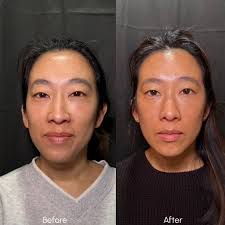
Skin can gradually lose firmness as collagen and elastin change with age. You might notice softer jawline definition, fine lines, or loose-looking skin around the cheeks and neck. These changes are natural, but they can leave some people looking for ways to support a firmer, smoother appearance without surgery.
XERF is a non-invasive skin-tightening treatment designed to address these concerns using radiofrequency energy. Whether it is suitable for you depends on your skin condition, treatment goals, and individual needs.
For those exploring skin tightening in Phoenix, understanding available non-surgical options can help them make informed decisions.
Why Does Skin Begin to Sag?
Collagen gives structure, and elastin allows the skin to stretch and spring back to its normal shape. These proteins undergo changes in their production and organization in the body over time. Other factors such as sun exposure, genetics, and natural aging can also affect the appearance of the skin.
This can cause the skin to feel less firm and cause fine lines to become more visible. While skincare and sun protection are still relevant, they may not be as effective for issues relating to deeper layers of the skin.
How Does XERF Treatment Work?
XERF focuses the radiofrequency energy on specific areas of skin tissue. This is designed to aid collagen remodelling and enhance skin firmness over time.
XERF is a procedure that does not require an incision, unlike surgery. But not all non-invasive is risk-free and outcomes differ. A consultation will be useful to determine if the treatment is going to be what you are looking for and if another treatment might work better.
Those interested in XERF treatment in Phoenix can consult an experienced provider to understand the treatment process and suitability.
Who May Benefit From XERF Skin Tightening?
If you are experiencing mild to moderate skin laxity, an under-delineated jawline, fine lines or loss of firmness in the neck, you might consider XERF. It’s made for individuals wanting to boost firmness without any surgical intervention.
Remember that non-surgical treatments can’t duplicate all of the outcomes of surgery. Improvement will vary based on skin laxity, age, and individual responses. It is best to get professional advice as to whether XERF is right for you.
What Is the Treatment Experience Like?
In a consultation with a provider, discuss your concerns, review areas you want to work on, and review what you can expect and any limitations. XERF is based on radiofrequency energy, and treatment settings can be optimized based on the treatment plan.
A few people feel warm, red or tender following treatment. While there is not a lot of downtime to expect, there may be variations in recovery experiences. Please adhere to your provider’s instructions and discuss any possible risks.
Finding Skin Tightening in Phoenix
When researching skin tightening services, consider the provider’s qualifications, experience with radiofrequency technology, and approach to personalized care. Ask when results may become noticeable, whether additional sessions are recommended, and how long improvements might last.
If you are considering XERF treatment in Phoenix, choose a provider who explains the procedure clearly and sets realistic expectations rather than promising dramatic results. A thoughtful consultation can help you compare options and decide on an approach that suits your skin and aesthetic goals.
For those exploring physician-led skin tightening and personalized aesthetic care in Phoenix, Reid MD Aesthetics offers XERF consultations to discuss skin concerns, treatment suitability, and potential outcomes.
Disclaimer: This article is for general informational purposes only and does not constitute medical advice, diagnosis, or treatment. XERF may not be suitable for everyone, and results and risks vary by individual. Consult a qualified healthcare professional to determine whether this treatment is appropriate for your skin concerns.

Perfume Packaging Guide: Choosing the Right Box for Bottle Size, Protection, and Brand Image

Veneers in Real Life: What You Should Know Before You Change Your Smile

What Most People Get Wrong About Preventive Dental Care

Alex Pettyfer Net Worth, Wife, Age, Height, Children, Career and More

Brad Williams Net Worth, Wife, Height, Age, Daughter, Family, Career and More

Eldorado.gg Review 2026: How It Works, Safety, Fees, and Risks
-
Celebrity10 months ago
Alex Pettyfer Net Worth, Wife, Age, Height, Children, Career and More
-
Celebrity11 months ago
Brad Williams Net Worth, Wife, Height, Age, Daughter, Family, Career and More
-
Blog2 months ago
Eldorado.gg Review 2026: How It Works, Safety, Fees, and Risks
-
 Anime11 months ago
Sanzoku Bandits of One Piece: Origins, Higuma, and Their Role in Dawn Island
-
 Celebrity11 months ago
John McGinn Net Worth, Age, Height, Wife, Childrens, Career and More
-
 Celebrity11 months ago
Frances de la Tour Net Worth, Age, Height, Husband, Childrens, Career and More
-
 Celebrity11 months ago
Will Trickett Net Worth, Wife, Childrens, Age, Career and More
-
 Blog2 months ago
Crackstube: A Complete Guide to the Digital Publishing Platform