
Blog
RLP Letter: Meaning, Legal Status, Payment and Court Action in the UK

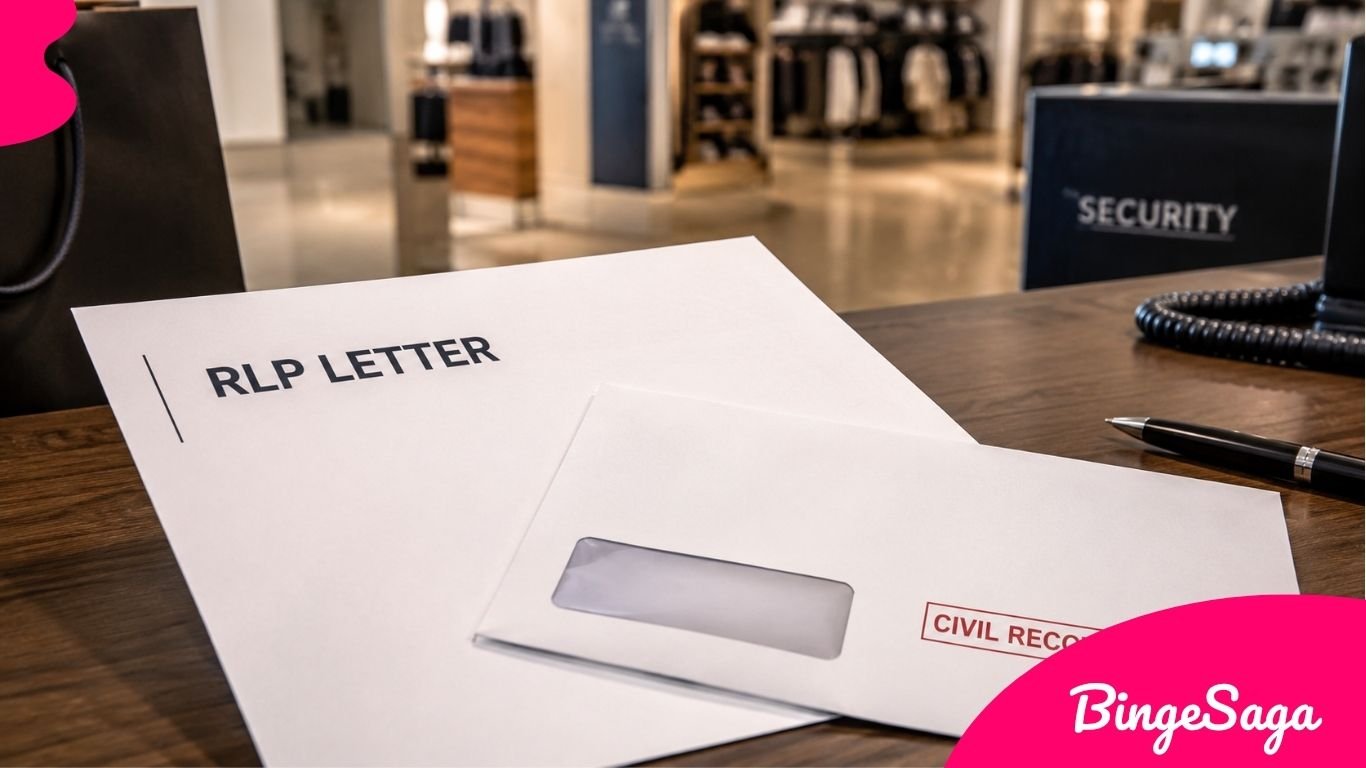
Receiving an RLP letter can feel serious. The wording may mention civil liability, losses, payment, and possible court action. Yet the letter is not the same as a criminal fine or a court judgment.
- What Is an RLP Letter?
- Who Sends the Letter and Why?
- Is an RLP Letter a Fine?
- Is It Connected to a Criminal Record?
- What Costs Can a Retailer Claim?
- Do You Have to Pay an RLP Letter?
- What Happens If You Ignore It?
- How Can You Dispute the Claim?
- Can an RLP Letter Affect Your Credit Score?
- What If the Recipient Is Under 18?
- Can the Retailer Take the Case to Court?
- What Should You Do After Receiving the Letter?
Retail Loss Prevention Limited, often called RLP, acts for UK retailers in civil recovery cases. These cases may follow alleged shoplifting, employee theft, fraud, or another event that a retailer says caused a loss. This guide explains what the letter means, what may be claimed, and the main choices open to a recipient.
What Is an RLP Letter?
An RLP letter is a demand for civil compensation sent by Retail Loss Prevention Limited on behalf of a retailer. RLP describes itself as an agent that provides civil recovery services to UK businesses. The claim relates to money the retailer says it lost because of an alleged wrongful act.
The document is a civil demand. It does not prove that the recipient committed a crime. It also does not mean that a court has decided the money is owed. Citizens Advice says a business must prove its right to compensation if the dispute reaches court.
Who Sends the Letter and Why?
A retailer may pass details of an alleged incident to RLP. RLP then writes to the person involved for its client. According to RLP, its first letter normally gives the date, place, retailer, basis of the claim, and amount being requested.
An RLP letter can follow an allegation of shoplifting, theft, fraud, or another event that may have caused a business loss. Police action is separate. A civil claim may still be considered whether or not the police were involved.
Is an RLP Letter a Fine?
No. An RLP letter is not a fine issued by the police or a court. RLP itself describes civil recovery as a claim for damages rather than a fine or ordinary debt at the claim stage.
This difference matters. A demand for compensation is not the same as a legal judgment. The retailer may say money is due, but a disputed amount must be proved if the matter reaches court.
A demand letter should therefore not be described as an official penalty. It is part of a civil recovery process between a retailer and the person it says caused a loss.
Is It Connected to a Criminal Record?
Receiving the demand does not create a criminal record. Civil recovery and criminal proceedings are separate processes. RLP says a civil claim can exist even where the police were not involved.
A criminal conviction may still matter as evidence in a civil case. However, the civil demand itself is not a conviction. Paying the requested amount does not turn the matter into a criminal penalty.
This also means police action and the retailer’s civil claim should not be treated as the same issue. One process does not always depend on the other.
What Costs Can a Retailer Claim?
An RLP letter may seek money for missing or damaged goods. It may also include staff time, investigation work, administration, security costs, or other claimed losses linked to the event.
The requested amount can therefore be higher than the value of the goods involved. However, that does not mean every cost listed will automatically be accepted by a court.
Citizens Advice says the costs claimed must be reasonable. When a business claims staff, administration, investigation, or security costs, it must be able to prove the costs that arose in the individual case. Citizens Advice states that a business cannot simply claim fixed staff, administration, or security costs without proving them.
Do You Have to Pay an RLP Letter?
There is no automatic court order requiring payment just because an RLP letter arrives. The recipient must decide how to deal with the civil claim.
The right choice will depend on the facts. Relevant points can include the evidence, any admission already made, the value of any loss, and whether the extra costs seem reasonable.
Citizens Advice lists several possible approaches. A person might dispute liability, make an offer, pay the amount, or decide not to respond. It recommends speaking with an adviser when deciding what action is best.
Paying may bring the dispute to an end. But a person should understand what the payment relates to before making that choice.
What Happens If You Ignore It?
Ignoring the correspondence does not mean it will stop at once. More payment demands may arrive. They may refer to possible legal action or further recovery activity.
Citizens Advice says ignoring a civil recovery demand means taking the chance that the business will not take further action. It also warns that there is no guarantee a retailer will decide against court action.
RLP gives similar information on its own website. It says a client may instruct it to start proceedings and that ignoring correspondence may lead to further recovery steps.
This does not mean every unpaid demand will reach court. It means court action should not be described as impossible. If official court papers arrive, they should not be ignored.
How Can You Dispute the Claim?
If you believe the allegation is wrong, the amount is unfair, or the retailer has not shown a real loss, you can dispute the RLP letter. A response should stay clear and factual.
Explain the main reason for disputing liability. Keep copies of the demand, later letters, emails, receipts, witness details, or other useful records.
RLP says that where wrongful action is denied, it expects an explanation of what happened rather than only a short statement that liability is denied.
Do not add facts that are not true. If the issue is complex, independent advice may help before sending a detailed response. Citizens Advice says an adviser can assess the strength of the case and explain the available options.
Can an RLP Letter Affect Your Credit Score?
An RLP letter by itself does not create a County Court Judgment, or CCJ. The arrival of a demand is therefore not the same as already having a court judgment registered against you.
Credit problems can arise later if court proceedings take place and a judgment is entered. GOV.UK says a CCJ normally remains on the Register of Judgments, Orders and Fines for six years.
There is also an important detail about payment. If a CCJ is paid in full within one month, a person can apply to have it removed from the register. If it is paid later, it can normally be marked as satisfied but remain on the register for six years.
So it is not accurate to say that the original demand alone damages a person’s credit score.
What If the Recipient Is Under 18?
A civil recovery letter addressed to someone under 18 should be handled with care. A parent, guardian, or trusted adult should review the papers with the young person.
The legal position may depend on the person’s age, the facts, and the part of the UK where the matter happened. It is therefore risky to make a broad claim that a parent always has to pay or that a claim involving a minor can always be ignored.
A family can ask Citizens Advice or a solicitor to review the facts. This can be useful before admitting liability, agreeing to payment, or sending a detailed response.
Keeping every letter and record is also important. The original paperwork can help an adviser understand exactly what the retailer is claiming.
Can the Retailer Take the Case to Court?
Yes. A retailer can seek civil compensation through the courts. Citizens Advice says a business must prove that it is entitled to the compensation it claims.
Past civil recovery cases have also raised questions about staff and security costs. In the 2012 Oxford County Court case A Retailer v Ms B and Ms K, the retailer’s claim was dismissed after the court examined the claimed losses and the work performed by security staff.
That case does not mean every later RLP letter will fail. It also does not mean every demand will lead to court. Each claim depends on its facts, evidence, losses, and legal arguments.
The safest approach is to avoid absolute statements. Court action is possible, but receiving a demand does not mean a court has already accepted the retailer’s case.
What Should You Do After Receiving the Letter?
First, read the letter in full. Check the person’s name, incident date, store, allegation, reference number, and amount claimed. Keep the original document and every later message.
Next, check whether the facts are correct. Consider whether there was a financial loss and whether the extra costs have been explained. Do not confuse a private civil demand with official court papers.
If you accept the claim, you may consider payment or another settlement option. If you dispute it, keep your response focused on the facts. If the amount is large, the evidence is contested, or court papers arrive, independent legal advice becomes more important.
An RLP letter is best treated as a civil claim that must be assessed on its own facts. It is not a criminal fine, and it is not a court judgment. But it should still be read carefully so you can understand the claim, preserve useful evidence, and make an informed choice.


There’s nothing quite like walking into a perfectly cooled home after a scorching summer afternoon, or sinking into a warm living room while snow falls outside. Comfort like this doesn’t happen by accident. It takes a reliable HVAC system, regular maintenance, and a team of professionals who genuinely care about keeping your home running smoothly. That’s exactly what homeowners find when they turn to a trusted local provider for their heating and cooling needs.
Finding the right HVAC partner can feel overwhelming. There are countless companies promising fast service and fair prices, but few actually deliver on both. Homeowners want more than a quick fix. They want a team that shows up on time, explains the problem clearly, and offers solutions that fit their budget and lifestyle. This is where a dedicated, customer-first approach truly makes a difference.
Why HVAC Maintenance Matters More Than You Think
Many homeowners only think about their heating and cooling systems when something breaks. By then, the damage is often more extensive, and the repair bill reflects it. Routine maintenance catches small issues before they snowball into costly breakdowns. A clogged filter, a worn belt, or a refrigerant leak might seem minor, but left unchecked, these issues can shorten the lifespan of an entire system.
Regular tune-ups also improve energy efficiency. A well-maintained HVAC system doesn’t have to work as hard to heat or cool a home, which translates directly into lower utility bills. Over the course of a year, those savings add up significantly. Beyond the financial benefits, consistent maintenance improves indoor air quality, which matters for families with allergies, asthma, or young children.
What Sets Quality HVAC Service Apart
Not all HVAC companies operate the same way. The best ones combine technical expertise with genuine customer care. Technicians should arrive fully equipped, diagnose issues accurately, and explain findings in plain language rather than confusing jargon. Transparency around pricing matters too. Nobody wants to be surprised by hidden fees after the work is already done.
Response time is another critical factor, especially during extreme weather. A broken air conditioner in the middle of a heat wave isn’t just inconvenient; it can be a genuine health risk for young children, older adults, and pets. Similarly, a failed furnace during a winter storm demands immediate attention. Companies that prioritize fast response times and emergency availability earn the trust of their communities for good reason.
Installation, Repair, and Everything In Between
HVAC needs vary widely from one household to the next. Some homeowners need a complete system replacement because their current unit is outdated or inefficient. Others simply need a repair to get through the season. A comprehensive HVAC provider handles the full spectrum of services, including:
- System Installation: Helping homeowners choose the right size and type of unit for their space, ensuring optimal performance and energy efficiency.
- Routine Maintenance: Seasonal tune-ups that keep systems running smoothly and extend their operational lifespan.
- Emergency Repairs: Fast, reliable fixes when a system unexpectedly breaks down.
- Air Quality Solutions: Options like air purifiers, humidifiers, and duct cleaning to improve the air circulating through a home.
Offering this range of services under one roof saves homeowners the hassle of juggling multiple contractors. It also means technicians become familiar with a property over time, which can lead to more accurate diagnostics and personalized recommendations.
Choosing a Company That Treats Your Home Like Their Own
Trust is the foundation of any good HVAC relationship. Homeowners are inviting technicians into their personal space, often around their families, so professionalism and respect matter just as much as technical skill. Licensed, insured technicians who communicate clearly and leave the workspace clean reflect a company’s commitment to doing things the right way.
Experience real peace of mind knowing a dependable local team has your home’s comfort covered year-round with NexAir Home Services. From the first phone call to the final walkthrough, NexAir Home Services focuses on building lasting relationships with homeowners rather than chasing one-time transactions. That means honest assessments, fair pricing, and a genuine commitment to getting the job done right the first time.
Whether it’s a routine seasonal check-up, an unexpected breakdown, or a full system upgrade, having a dependable partner on call brings real peace of mind. Homeowners shouldn’t have to worry about whether their HVAC provider will show up on time or stand behind their work. That reliability is what turns a one-time service call into a long-term relationship.
Comfort You Can Count On, Season After Season
A well-functioning HVAC system is one of those things people rarely think about until it stops working. But when temperatures spike or plunge, having a trustworthy team just a phone call away makes all the difference. Investing in regular maintenance, choosing a transparent and responsive provider, and staying ahead of small issues before they escalate are the keys to year-round comfort.
If your home is due for a tune-up or you’re facing an HVAC issue that needs expert attention, don’t wait until the problem worsens. Reach out to a team that treats your comfort as seriously as you do, and experience the difference reliable, professional service can make.

A small chip in your windshield might seem harmless at first glance. You might even convince yourself it’s not worth the hassle of getting it looked at. But that tiny flaw can spread faster than you’d expect, especially when temperature swings or rough roads come into play. What starts as a pebble-sized nick can turn into a jagged line across your entire field of vision within days.
At Avision Auto Glass, we see this scenario play out constantly. Drivers put off addressing minor damage, only to find themselves facing a full windshield replacement a few weeks later. The good news? Catching cracks early almost always means a faster, more affordable fix. Understanding how windshield damage progresses, and why acting quickly matters, can save you time, money, and unnecessary stress.
How Does a Small Chip Turn Into a Major Crack?
Your windshield isn’t just a sheet of glass. It’s a laminated structure made of two glass layers bonded to a plastic interlayer, designed to flex slightly under pressure. When a rock or piece of road debris strikes the surface, it disrupts that structural balance. Even if the damage looks minor, stress builds around the impact point.
Several everyday factors can turn a tiny chip into a sprawling crack:
- Temperature changes: Parking in direct sunlight after a cold morning causes the glass to expand unevenly, putting pressure on weak spots.
- Road vibrations: Potholes and uneven pavement send shockwaves through your vehicle, which can widen existing damage.
- Humidity and moisture: Water seeping into a chip can expand during freezing conditions, prying the crack further open.
- Car washes and pressure changes: High-pressure water jets or rapid air pressure shifts (like slamming a door) can stress already-weakened glass.
This is exactly why windshield damage should never be treated as a “wait and see” situation. The longer a chip sits untreated, the more likely it is to spread beyond repair.
What Makes Quick Action So Important?
Beyond the obvious cost savings, addressing windshield damage promptly protects something far more valuable: your safety. Your windshield plays a critical structural role in your vehicle. It supports roughly 30% of your car’s structural integrity in a frontal collision and provides a stable surface for airbags to deploy correctly. A compromised windshield weakens that entire safety system.
There’s also the matter of visibility. A crack directly in your line of sight can scatter light, create glare, and distract you while driving, particularly at night or during rain. Even a small flaw in the wrong spot can impair your ability to react quickly to hazards on the road.
From a financial standpoint, timing matters too. Many insurance providers cover minor chip repairs at little to no cost to policyholders, since it’s far cheaper for them than paying for a full replacement later. Once a crack spreads past a certain size, though, repair is no longer an option, and you’re left footing the bill for a complete windshield swap.
What Should You Look For When Choosing a Repair Service?
Not every auto glass provider delivers the same level of quality, and that distinction matters more than most drivers realize. A rushed or poorly executed repair can leave behind distortion, weak spots, or a crack that resurfaces within months. Here’s what to prioritize when selecting a service:
Experience and specialization. Technicians who work exclusively with auto glass understand the nuances of different windshield types, from standard models to those with embedded sensors for driver-assistance systems.
Quality materials. The resin used in a repair directly affects how well it bonds and how clear the finish looks. Cheap fillers might save money upfront but often fail to hold up over time.
Turnaround time. A reputable provider should be able to assess and repair minor damage in under an hour, minimizing disruption to your day.
Transparent pricing. Clear, upfront quotes without hidden fees reflect a company that values trust over upselling.
Mobile service options. Life doesn’t always allow for a trip to a repair shop. Providers who come to you add convenience without compromising on quality.
Why Drivers Across the Region Trust Avision Auto Glass
Windshield Crack Repair that restores your visibility and peace of mind in less time than you’d expect is exactly what sets Avision Auto Glass apart from other providers in the industry. Our technicians are trained to assess damage accurately, using industrial-grade resin that bonds seamlessly with your existing glass and restores structural strength.
We understand that a cracked windshield isn’t just inconvenient, it disrupts your entire day. That’s why we’ve built our process around speed without cutting corners. Most minor chip and crack repairs are completed in 30 to 45 minutes, and for drivers who can’t make it to us, our mobile repair units bring the service directly to your home or workplace.
Our team also works directly with most major insurance providers, helping you navigate claims so you’re not stuck managing paperwork on your own. Combined with a satisfaction guarantee on every repair, our goal is simple: get you back on the road safely, without the runaround.
Take the Next Step Before That Crack Spreads
Windshield damage rarely improves on its own. The sooner it’s addressed, the simpler and more affordable the solution tends to be. Whether you’ve noticed a fresh chip from this morning’s commute or a crack that’s been creeping across your windshield for weeks, waiting any longer only narrows your options.
Reach out to Avision Auto Glass today to schedule an assessment. Our team will walk you through your repair options, provide a transparent quote, and get your windshield back to full strength, often on the very same day you call.

Owning a multi-family property comes with a long list of responsibilities that can quickly overwhelm even the most organized investor. From tenant screening and rent collection to maintenance requests and lease renewals, the day-to-day demands of running an apartment community or multi-unit building add up fast. For many owners, the difference between a thriving investment and a constant source of stress comes down to one thing: who’s managing the property.
That’s where professional oversight changes the game. When owners partner with a team that understands the nuances of multifamily real estate, they free themselves from the operational grind while protecting (and growing) their investment. This post breaks down what effective multifamily management looks like, why it matters, and how the right partner can transform the ownership experience from reactive to strategic.
What Makes Multifamily Properties Different From Other Real Estate Investments?
Multifamily properties aren’t just scaled-up versions of single-family rentals. With multiple units, multiple leases, and multiple tenant relationships to juggle simultaneously, the complexity multiplies with every door added to a portfolio.
Owners managing these properties face unique challenges:
- Higher tenant turnover volume: More units mean more move-ins, move-outs, and the administrative work that comes with each transition.
- Complex maintenance coordination: Shared amenities, common areas, and aging building systems require constant attention and preventative upkeep.
- Regulatory compliance: Multifamily housing is subject to a dense web of fair housing laws, safety codes, and local ordinances that vary by jurisdiction.
- Financial complexity: Tracking income and expenses across dozens or hundreds of units requires robust accounting systems and reporting.
Without dedicated expertise, these challenges can erode profitability and create legal exposure. Owners who try to self-manage larger properties often find themselves stretched too thin, reacting to problems instead of preventing them.
How Does Professional Management Protect Property Value?
A well-managed property doesn’t just run smoothly. It holds and builds value over time. Vacant units, deferred maintenance, and high tenant turnover all chip away at an asset’s long-term worth. Professional managers address these risk factors head-on through consistent processes and proactive planning.
Strong tenant screening reduces the likelihood of lease violations, late payments, and costly evictions. Regular property inspections catch small maintenance issues before they become expensive repairs. Competitive market analysis ensures rental rates stay aligned with local demand, so owners aren’t leaving money on the table or pricing themselves out of the market.
This kind of attentive oversight also improves tenant retention. Residents who feel heard and well-served are far more likely to renew their leases, which means fewer vacancies and lower turnover costs for owners. Over time, these small operational wins compound into meaningfully stronger returns.
What Should Owners Expect From a Property Management Partner?
Not all management services are created equal. Owners should expect a true partnership built around transparency, communication, and measurable results.
Clear financial reporting should be a baseline expectation. Owners deserve detailed, easy-to-understand statements that show exactly where income is coming from and where expenses are going, without digging through confusing spreadsheets or waiting weeks for answers.
Responsive communication matters just as much. Whether it’s a maintenance emergency at 2 a.m. or a question about lease terms, owners and tenants alike need to know someone is available and accountable.
Local market expertise rounds out the picture. A management team that understands the specific submarket, neighborhood trends, and tenant expectations in a given area can price units accurately, market vacancies effectively, and anticipate shifts before they impact occupancy.
Property owners who find a partner delivering on all three fronts typically see the difference reflected directly in their bottom line.
How Can the Right Management Partner Simplify Ownership?
Multi Family Property Management that takes the guesswork out of ownership gives investors something hard to put a price on: peace of mind. Continental Realty and Management (Libertas Property Management) was built around this exact principle, combining hands-on operational expertise with a genuine commitment to protecting owners’ investments.
The team handles the full scope of day-to-day operations, including tenant relations, maintenance coordination, financial reporting, and lease administration, so owners can step back from the daily grind without stepping back from results. Every property under management benefits from established systems refined across years of multifamily experience, not a one-size-fits-all approach cobbled together on the fly.
What sets this approach apart is the balance between operational rigor and genuine care for both owners and residents. Tenants get responsive service and well-maintained communities to call home. Owners get a dedicated partner focused on maximizing occupancy, minimizing costs, and growing asset value over the long term. That combination is what turns a property into a dependable, appreciating investment rather than a constant source of unpredictability.
Making the Shift to Stress-Free Ownership
Multifamily real estate holds enormous potential as a wealth-building tool, but only when it’s managed with precision and care. The owners who get the most out of their investments are rarely the ones trying to do it all themselves. They’re the ones who recognize when to bring in expertise that matches the scale of their ambitions.
If managing tenant turnover, maintenance headaches, or financial reporting has started to feel like a second job, it might be time to explore what a dedicated management partner can offer. Reach out to Continental Realty and Management (Libertas Property Management) to learn how a tailored approach to multifamily oversight can help protect your investment and give you back the time to focus on what matters most.

Charleston’s Trusted Roofing Company for Lasting Protection

Why Phoenix Homeowners Are Choosing Professional Cleaning Services

Why Your Pipes Deserve Better Than a Quick Fix

Alex Pettyfer Net Worth, Wife, Age, Height, Children, Career and More

Brad Williams Net Worth, Wife, Height, Age, Daughter, Family, Career and More

Eldorado.gg Review 2026: How It Works, Safety, Fees, and Risks
-
Celebrity9 months ago
Alex Pettyfer Net Worth, Wife, Age, Height, Children, Career and More
-
Celebrity10 months ago
Brad Williams Net Worth, Wife, Height, Age, Daughter, Family, Career and More
-
Blog1 month ago
Eldorado.gg Review 2026: How It Works, Safety, Fees, and Risks
-
 Anime10 months ago
Sanzoku Bandits of One Piece: Origins, Higuma, and Their Role in Dawn Island
-
 Celebrity10 months ago
John McGinn Net Worth, Age, Height, Wife, Childrens, Career and More
-
 Celebrity10 months ago
Frances de la Tour Net Worth, Age, Height, Husband, Childrens, Career and More
-
 Celebrity10 months ago
Will Trickett Net Worth, Wife, Childrens, Age, Career and More
-
 Blog2 months ago
Crackstube: A Complete Guide to the Digital Publishing Platform