
Technology
USB Connectors: Convenience and Speed Simplified

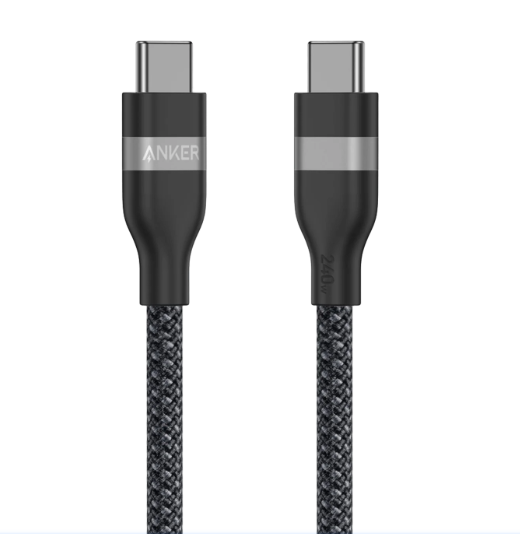
A usb connector connection is among the most popular methods of connecting electronic devices today and for good reason. Nearly everyone relies on USB technology to charge their smartphone, support their computer or laptop with peripheral devices like a keyboard, mouse, or an external hard drive, and more. USB technology has continued to evolve, bringing with it faster and more reliable technology. People have come to appreciate and actively use a usb to usb 3.0 cable because of its speed and reliable technology. Knowing USB technology and its connectors lets you select the right cable for your devices, both at home, the office, or on the go.
- Understanding a USB Connector Connection
- Reasons Sockets for USB Connections Are Used Most Commonly
- Understanding the Cable USB to USB 3.0
- Benefits of Using Cable USB to USB 3.0
- Different Types of USB Connectors
- How USB 3.0 Improves Performance
- Common Uses of USB Connector Connection
- Choosing the Right Cable USB to USB 3.0
- USB Connector Connection for External Hard Drives
- USB connections and safety
- Using USB Connectors for Charging Devices
- What to Expect in USB Technology
- Conclusion
Understanding a USB Connector Connection
A usb connector connection makes it possible for two separate electronic devices to interface with the aid of a usb cable. The technology makes the easy transfer of either power or data possible through the use of a single cable. This convenience has made USB technology among the most innovative of our time. A user is no longer required to have and use several different cables to connect their devices.
Reasons Sockets for USB Connections Are Used Most Commonly
The main reason USB connections are used most commonly is their simplicity. Most connectors use the plug-and-play feature which allows the connection to be made and the device to be functional almost instantaneously. Most operating and machine systems have the capability of automatically identifying newly connected devices within a few seconds. USB technology has the added benefit of being able to carry out charging while transfers of data are being done, and that solves a greater number of connection problems. The ease of one solution for many tasks is far better than the chaos of having to manage different connection types.
Understanding the Cable USB to USB 3.0
USB to USB 3.0 cables are most probably the most used today among connectors for their ability to perform their primary function, to connect devices, and allow transfer of high speed data. They connect devices which have the capability of high speeds and high volume data transfers. USB 3.0 is the benchmark for most USB cables. When transfers are done successfully, the cables perform the function of supporting the transfer well. A good number of SSDs, external hard drives, docking stations, and printers use USB 3.0 cables.
Benefits of Using Cable USB to USB 3.0
The most outstanding benefit of using USB to USB 3.0 cables is speed. Power delivery is also better. Other USB 3.0 cables also improve transfer signal quality which reduces transfer errors. Because of the backward compatibility with older USB devices, using USB 3.0 is a good choice.
Different Types of USB Connectors
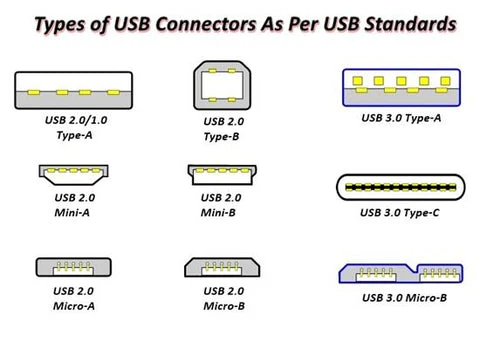
USB connections come in multiple forms such as USB-A, USB-B, Micro USB, Mini USB, and USB-C. USB-A connections are usually located on desktop computers as well as computer and wall chargers. USB-B connections are usually located on printers and scanners. Micro USB connections used to be dominant in mobile phones and other small electronics until USB-C took over. The biggest advantage of USB-C is that it is universal and supports the fastest standards of charging and data transfer, as well as a reversible design.
How USB 3.0 Improves Performance
USB 3.0 connections improved the performance of previous generations of USB connections, especially with the addition of new data channels. These new data channels improved the efficiency of USB communications by allowing multiple operations to be performed simultaneously. Benefits of using USB 3.0 systems and protocols are mostly visible among users that have to transfer large files and data frequently, as well as users of external data storage solutions. USB 3.0 is favored the most by professionals that deal with video and graphic files and software projects, as it boosts their productivity and helps them get their work done faster.
Common Uses of USB Connector Connection
A USB connector connection makes a variety of everyday activities easier. A user is able to connect a flash drive, printer, keyboard, mouse, webcam, speaker, external hard drive, and smartphone using a USB connection. Businesses integrate USB connections to connect all the office equipment. A student may use USB connections for a school project or a presentation. USB connections are used by gamers to connect a game controller or game accessories. Photographers use a USB connection to transfer images from a camera to a computer. USB technology is used in a wide variety of settings, making it one of the most useful technologies.
Choosing the Right Cable USB to USB 3.0
Choosing the right cable USB to USB 3.0 may depend on the specifications of your devices, along with your own personal preference. Always check that the USB 3.0 cable will mate with both of your devices. USB cables are made with different materials. Stronger materials typically mean a longer lasting USB cable. Reinforced connectors may help cables to sustain a longer lifespan. Additionally, a USB cable with the correct length is optimal to avoid clutter.
USB Connector Connection for External Hard Drives
Most external hard drives use a USB connector connection to perform both functions of power supply and data transfer. USB technology is fast and convenient for file transfers of backups and for moving data. A USB cable of the type USB to USB 3.0 connected to an external hard drive enhances the drive’s performance.
USB connections and safety
There are always risks associated with USB connections and safety for both your files and your devices. A storage device should always be properly ejected before physically being removed to avoid the risk of data being corrupted. Damaged cables are unsafe to use because broken or exposed wiring can be unsafe for file transfers and can be dangerous to the devices. USB ports should be kept tidy and free of dust and dirt as they can get stuck in the port and can prevent a proper connection. Using USB cables that are certified are a good way to avoid unsafe practices and are a good way to maintain the integrity of your files.
Using USB Connectors for Charging Devices
Besides transferring data, using a USB connector is a great way to charge electronic devices. USB charging is used daily on smartphones, tablets, wireless headphones, power banks, cameras, etc. USB, being one of the relatively new technologies, is used to charge devices at a faster rate while ensuring that the devices are safe. Many modern chargers adjust the output power to the connected devices to help the batteries of the connected devices from being overcharged and overheating.
What to Expect in USB Technology
As technology continues to advance, the USB connector is also expected to improve. New USB standards mean faster speeds, better performance when charging, and better compatibility. USB-C connectors are becoming popular due to their reversible nature and being powerful. Future USB to USB 3.0 cables may continue to be easy to use, and offer faster transfer speeds.
Conclusion
Whether you are charging a Smartphone, connecting a Printer, or transferring files and external storage, USB technology is a part of the solutions for the most mundane and common daily needs. The USB to USB 3.0 cable is even better for the common daily needs as it provides faster and more reliable data transfers with extensive device support. The high-quality cables, USB technology, and proper maintenance all provide peace of mind so that your daily digital activities can work as best as they can without any problems.
Technology
Understanding Material Handling Systems: Types, Benefits, Applications, and Best Practices


Material handling plays an important role in almost every industry where products, raw materials, components, or finished goods need to be moved, stored, protected, and controlled. Efficient movement of materials can directly influence productivity, workplace safety, operating costs, and customer satisfaction. Businesses that manage large quantities of goods often depend on reliable systems to reduce unnecessary manual work and maintain smooth workflows. The term material handling equipment covers a broad range of machines, tools, and systems designed to transport, lift, position, store, and organize materials throughout a facility. From simple carts and hand trucks to advanced conveyors, forklifts, cranes, hoists, and automated storage solutions, these systems can be selected according to specific operational requirements. Choosing the right solution requires careful consideration of the type of material being handled, available space, load capacity, movement frequency, safety requirements, and overall workflow. A properly planned handling system can help organizations create a more organized working environment while improving efficiency and reducing avoidable delays.
What Is Material Handling?
Material handling refers to the organized movement, storage, protection, and control of goods and materials during manufacturing, warehousing, distribution, construction, and other industrial activities. It is not limited to moving products from one location to another; it also includes loading, unloading, stacking, picking, sorting, positioning, and storing materials in an efficient manner. The primary goal is to ensure that materials reach the correct destination safely, quickly, and with minimal unnecessary effort. Modern operations increasingly use mechanical and automated solutions because manual movement can become expensive, time-consuming, and physically demanding when dealing with heavy or high-volume loads. The right handling strategy can also minimize product damage and improve inventory organization. When businesses understand the complete flow of materials through their operations, they can identify bottlenecks and determine where equipment can provide the greatest benefit. This makes material handling an essential part of operational planning rather than simply an additional warehouse function.
Major Types of Handling Solutions
There are many different types of handling solutions available, and each serves a particular purpose within industrial and commercial operations. Transport equipment is commonly used to move materials horizontally or vertically, while storage equipment helps businesses organize inventory and make better use of available space. Lifting solutions are designed for heavier loads that cannot be safely moved manually, whereas positioning equipment helps workers place products or components at suitable heights and angles. Conveyors are frequently used where materials need to follow a consistent route between different stages of a process. Forklifts, pallet jacks, stackers, cranes, hoists, carts, shelves, racks, and automated systems can all contribute to a complete material movement strategy. The selection process should focus on operational needs instead of simply choosing the most powerful or expensive machine. Businesses should evaluate load dimensions, weight, movement distance, operating conditions, frequency of use, and available workforce before making a decision. A properly matched system can improve performance without creating unnecessary complexity.
Importance of Workplace Safety
Safety is one of the most important considerations when selecting and operating material handling equipment. Heavy loads, moving machinery, elevated materials, and crowded work areas can create serious hazards if appropriate procedures are not followed. Businesses should ensure that employees receive proper training before operating lifting or transportation machinery. Routine inspections are also essential because worn components, damaged wheels, faulty controls, hydraulic problems, or other mechanical issues can increase the risk of accidents. Operators should understand the rated capacity of each machine and avoid exceeding recommended limits. Clear pathways, suitable storage practices, visible warning signs, and appropriate protective equipment can further support a safer working environment. Maintenance schedules should be followed consistently rather than waiting until equipment fails. Businesses can also improve safety by separating pedestrian routes from machinery operating areas wherever practical. A strong safety program combines reliable equipment, trained operators, preventive maintenance, proper load handling, and clear workplace procedures to reduce risks while maintaining productivity.
Improving Warehouse Productivity
Warehouse productivity depends heavily on how efficiently goods move between receiving areas, storage locations, picking zones, packing stations, and shipping points. Poorly planned movement can result in excessive travel distances, unnecessary lifting, congestion, and delays. The appropriate material handling equipment can help streamline these activities by reducing manual transportation and creating predictable movement patterns. For example, conveyors can move packages between fixed workstations, while pallet-handling solutions can make it easier to transport large quantities of goods at once. Storage systems can also be integrated with handling processes to reduce the time employees spend searching for products or rearranging inventory. Businesses should study their current workflow before investing in new systems because the most useful solution depends on the nature of their operation. Improving productivity does not always mean purchasing more machines; sometimes repositioning existing equipment, redesigning storage areas, or changing movement routes can produce significant results. A well-organized warehouse allows employees to focus on productive activities rather than spending excessive time moving materials from one location to another.
Role in Manufacturing Operations
Manufacturing environments involve the continuous movement of raw materials, work-in-progress components, tools, packaging materials, and finished products. Every stage of production may require materials to be transported, lifted, positioned, or stored temporarily. Delays in these activities can interrupt production schedules and reduce the overall efficiency of a manufacturing line. Using suitable material handling equipment can support a smoother flow between receiving, processing, assembly, inspection, packaging, and storage areas. Conveyors, cranes, hoists, carts, lift tables, forklifts, and automated guided systems can all be used depending on the size and nature of the operation. The right system can also reduce unnecessary manual lifting and help workers maintain consistent production rates. Manufacturers should consider factors such as product dimensions, production volume, workplace layout, cycle times, and handling frequency when selecting solutions. Integrating handling processes into production planning can reduce bottlenecks and improve coordination between departments. In a competitive manufacturing environment, even small improvements in material flow can contribute to meaningful gains in efficiency and operating performance.
Choosing the Right Equipment
Selecting the right handling solution requires more than comparing prices and specifications. Businesses should begin by identifying exactly what needs to be moved, how much it weighs, how frequently it must be transported, and how far it needs to travel. Environmental conditions are also important because some operations involve heat, moisture, dust, chemicals, outdoor exposure, or other challenging circumstances. Available floor space and ceiling height may influence whether a business should choose horizontal transportation, vertical lifting, compact storage, or automated systems. The material handling equipment selected should have an appropriate load capacity and should be compatible with the dimensions and characteristics of the products being handled. Businesses should also consider energy consumption, maintenance requirements, spare parts availability, operator training, and expected service life. Purchasing decisions should take the total cost of ownership into account rather than focusing only on the initial purchase price. A less expensive machine may become costly if it requires frequent repairs or does not meet operational requirements. Careful planning helps ensure that the chosen solution provides reliable performance and long-term value.
Benefits of Automation
Automation has changed the way many businesses approach the movement and storage of materials. Automated systems can perform repetitive transportation, sorting, picking, and storage tasks with consistent speed and accuracy. They can be particularly valuable in operations where large volumes of products move through predictable routes. Automated conveyors, robotic systems, automated storage and retrieval solutions, and guided vehicles can reduce the need for repetitive manual transportation while helping businesses maintain consistent workflows. Modern material handling equipment can also be integrated with warehouse management and inventory control systems, allowing businesses to monitor movements and improve visibility. Automation does not necessarily mean eliminating human involvement; instead, it can allow employees to focus on tasks that require judgment, supervision, problem-solving, and quality control. Before investing in automation, companies should evaluate whether their product volume, process consistency, available space, and financial objectives justify the investment. A carefully planned automated system can deliver significant long-term benefits, particularly when it is designed around actual operational requirements rather than introduced simply because automation is a popular trend.
Maintenance and Long-Term Performance
Regular maintenance is essential for keeping handling systems safe, reliable, and productive. Even high-quality machines can experience wear when they are used frequently, especially in demanding working environments. Preventive maintenance programs can help identify problems before they become expensive breakdowns that interrupt operations. Inspections should cover important components such as tires, wheels, brakes, chains, cables, hydraulic systems, electrical connections, controls, safety devices, and structural components, depending on the type of machine. Operators should also be encouraged to report unusual noises, vibrations, leaks, performance changes, or other warning signs immediately. Proper maintenance of material handling equipment can extend service life and reduce unexpected downtime. Replacement parts should meet appropriate specifications, and repairs should be performed by qualified personnel when specialized knowledge is required. Maintenance records can also help businesses identify recurring problems and determine whether equipment needs refurbishment or replacement. A proactive approach generally provides better results than waiting for failures to occur, particularly when a single machine plays an important role in a production or distribution process.
Future Trends in Material Movement
The future of material movement is expected to involve greater automation, improved connectivity, advanced data analysis, and more intelligent decision-making. Sensors and connected systems can provide information about equipment performance, operating conditions, usage patterns, and maintenance needs. This data can help businesses identify inefficiencies and schedule maintenance before serious failures occur. Artificial intelligence and machine learning may also contribute to improved route planning, inventory movement, demand forecasting, and automated decision-making. At the same time, businesses are increasingly interested in energy efficiency and sustainable operations. Electric-powered machinery, optimized transportation routes, efficient storage layouts, and systems designed to reduce unnecessary movement can contribute to lower operating costs and reduced environmental impact. Future material handling equipment is likely to become more connected with broader warehouse and manufacturing systems, creating greater visibility across the entire material flow. However, technology should always serve a clear operational purpose. Businesses that combine practical planning with useful technology will be better positioned to improve productivity while maintaining safety, reliability, and flexibility.
Conclusion
Efficient material movement is a fundamental requirement for businesses that manufacture, store, distribute, or process physical goods. The right combination of transportation, lifting, positioning, storage, and automation solutions can improve productivity while reducing unnecessary labor, delays, product damage, and workplace risks. Businesses should evaluate their material flow carefully before selecting new systems and should consider factors such as load capacity, operating environment, facility layout, frequency of movement, maintenance requirements, safety, and long-term costs. Well-maintained material handling equipment can provide dependable performance for years when it is properly selected, operated, and serviced. As technology continues to develop, connected and automated solutions are likely to become increasingly important in modern operations. Nevertheless, successful material handling is ultimately about creating an efficient system in which people, processes, equipment, and technology work together. A thoughtful approach can help organizations build safer workplaces, improve workflow consistency, control operating expenses, and create a stronger foundation for long-term operational growth.


Creating a professional presentation can take hours when you have to plan the content, write every slide, choose a suitable design, and organize visuals manually. An ai presentation generator can make this process much easier by helping users create structured slides from a simple topic or prompt. Many of these tools offer free plans, making them useful for students, freelancers, teachers, marketers, and small businesses.
- What Is an AI Presentation Generator?
- Key Features Available in Free AI Presentation Tools
- Understanding Free Credits
- Export Limits You Should Know
- Watermarks and Branding
- How to Get More Value From Free Plans
- 1. Start With a Detailed Prompt
- 2. Keep Your First Draft Focused
- 3. Edit Instead of Regenerating
- 4. Prepare Your Content First
- Free AI Presentation Tools for Different Users
- Free Plan vs. Paid Plan
- Common Mistakes When Using Free AI Presentation Tools
- A Simple Workflow for Creating a Presentation
- Step 1: Choose Your Topic
- Step 2: Define Your Audience
- Step 3: Write Your Prompt
- Step 4: Generate the First Version
- Step 5: Review the Content
- Step 6: Improve the Design
- Step 7: Check Credits and Export Requirements
- Step 8: Present or Share
- Are Free AI Presentation Tools Worth Using?
- Final Checklist Before Exporting
- Conclusion
However, free access usually comes with certain restrictions. Understanding features, credits, export options, and usage limits can help you choose the right tool and get the most value from its free plan.
What Is an AI Presentation Generator?
An AI presentation generator is a tool that uses artificial intelligence to help create presentation slides automatically. Instead of starting with a blank presentation, users can provide a topic, outline, document, or short description.
The tool may then help with:
- Creating a presentation structure
- Writing slide content
- Generating titles and subtitles
- Suggesting images and visuals
- Designing individual slides
- Organizing information into sections
- Improving existing presentation content
This makes AI-powered presentation creation particularly useful when time is limited.
Key Features Available in Free AI Presentation Tools
Free ai presentation generator platforms can provide many useful capabilities without requiring an immediate subscription. The exact features vary between platforms, but several functions are commonly available.
AI-Powered Slide Creation
The main feature is automatic slide generation. You can enter a topic such as “Digital Marketing Trends” and allow the AI to create an initial presentation structure.
This can save time during the planning stage because the tool can suggest a logical flow for the presentation.
Ready-Made Templates
Templates help users create visually attractive presentations without designing every slide manually.
Free users may have access to:
- Business templates
- Educational layouts
- Simple professional designs
- Marketing presentation styles
- Portfolio formats
- Project presentation templates
Templates can be especially helpful for beginners who are not familiar with presentation design.
Content Assistance
An ai presentation generator can also help with writing. Instead of manually creating paragraphs for every slide, users can provide key information and let the AI turn it into concise presentation content.
For example, a long explanation can be converted into:
- A short slide heading
- Several important points
- A supporting explanation
- A suitable visual suggestion
This approach keeps slides easier to read.
Understanding Free Credits
One of the most important things to check before using a free AI presentation tool is its credit system.
Many platforms use credits to control AI-powered activities. A user might receive a limited number of credits when creating a free account. Each AI generation or advanced action may consume some of those credits.
For example, credits could potentially be used for:
- Generating a new presentation
- Regenerating slides
- Creating AI-written content
- Producing visuals
- Making major edits
- Using advanced AI features
The exact credit system differs from one platform to another.
Why Credits Matter
A presentation that requires several revisions may consume more credits than a simple first-generation project.
For this reason, users should avoid repeatedly generating complete presentations when a small edit would solve the problem.
A smarter approach is to:
- Prepare your topic before generating slides
- Write a clear prompt
- Decide the approximate number of slides
- Review the first version carefully
- Make targeted changes instead of starting over
This can help extend limited free credits.
Export Limits You Should Know
Creating a presentation is only part of the process. You also need to consider how you can save or share the final result.
Free plans may place restrictions on exporting presentations. Depending on the platform, users may have limited access to formats such as:
- PowerPoint
- Images
- Online presentation links
Some free versions may also add branding or watermarks to exported files.
Why Export Options Are Important
Imagine spending time creating a presentation and then discovering that your preferred export format requires a paid plan. This can become inconvenient, particularly when you need a presentation for school, work, or a client project.
Before starting an important project, check whether the free plan supports the format you need.
Watermarks and Branding
Another common limitation of free presentation tools is platform branding.
A free export may include:
- A small logo
- A watermark
- Platform branding on specific slides
- Branded presentation links
For casual presentations, this may not be a problem. However, freelancers and businesses may prefer clean exports without third-party branding.
If branding affects the professional appearance of your presentation, you should consider the export conditions before depending entirely on a free plan.
How to Get More Value From Free Plans
You do not necessarily need a premium subscription to create useful presentations. The key is to use the available features efficiently.
Try these strategies:
1. Start With a Detailed Prompt
A clear prompt can produce a better first draft.
Instead of writing:
“Make a presentation about marketing.”
Try:
“Create a 10-slide presentation explaining digital marketing for small businesses, including SEO, social media, email marketing, common mistakes, and practical tips.”
The second prompt provides more direction and can reduce the need for repeated generations.
2. Keep Your First Draft Focused
Do not try to include every possible detail in one presentation. Decide what your audience actually needs to know.
A focused presentation usually has a stronger structure and requires fewer revisions.
3. Edit Instead of Regenerating
If only one slide has a problem, avoid generating the entire presentation again.
Review the slide and make a targeted adjustment whenever the platform allows it.
4. Prepare Your Content First
Having your main points ready can make AI generation more efficient. You can provide the tool with your own information and let it organize that material into a presentation.
Free AI Presentation Tools for Different Users
Different users have different requirements. A student may care more about ease of use, while a freelancer may focus on export quality and professional appearance.
For Students
Students can use free AI presentation tools for:
- Class projects
- Research presentations
- Group assignments
- Study summaries
- Academic topics
The main advantage is saving time while creating a clear structure.
For Freelancers
Freelancers can use presentations for:
- Client proposals
- Service explanations
- Marketing plans
- Project reports
- Portfolio presentations
For freelancers, export quality and professional design can be particularly important.
For Teachers
Teachers can create presentations for:
- Classroom lessons
- Training sessions
- Educational explanations
- Workshop materials
- Course summaries
AI can help turn a large amount of information into organized teaching material.
For Business Owners
Business owners can use presentations to explain:
- Business plans
- Product ideas
- Sales strategies
- Company goals
- Market research
- Team projects
A well-structured presentation can make complicated information easier for an audience to understand.
Free Plan vs. Paid Plan
The biggest difference between free and paid presentation tools is usually not the basic ability to create slides. Instead, premium plans often provide greater flexibility.
| Feature | Free Plan | Paid Plan |
| AI slide generation | Usually limited | Usually expanded |
| AI credits | Limited | More credits |
| Templates | Limited selection | Larger selection |
| Export options | May be restricted | More options |
| Watermark | May appear | Often reduced or removed |
| Advanced AI features | Limited | More access |
| Presentation volume | Lower | Higher |
These differences mean that free plans are often ideal for testing a platform or creating occasional presentations, while frequent users may benefit from additional access.
Common Mistakes When Using Free AI Presentation Tools
Even a powerful ai presentation generator cannot automatically guarantee a great presentation. Users should still review the generated material.
Avoid these common mistakes:
- Accepting AI-generated information without checking it
- Putting too much text on slides
- Using overly complicated designs
- Generating too many slides
- Ignoring the target audience
- Spending all free credits on unnecessary regenerations
- Checking export restrictions too late
AI should be treated as a helpful assistant rather than a complete replacement for human judgment.
A Simple Workflow for Creating a Presentation
A practical workflow can make the entire process faster.
Step 1: Choose Your Topic
Decide exactly what the presentation should explain.
Step 2: Define Your Audience
Think about whether you are presenting to students, customers, employees, teachers, or business professionals.
Step 3: Write Your Prompt
Include the topic, desired slide count, tone, audience, and important points.
Step 4: Generate the First Version
Use the ai presentation generator to create your initial structure and slide designs.
Step 5: Review the Content
Check facts, grammar, flow, and relevance.
Step 6: Improve the Design
Make sure the fonts, visuals, spacing, and slide layouts are easy to understand.
Step 7: Check Credits and Export Requirements
Before finishing, confirm that you still have enough credits and that your preferred export option is available.
Step 8: Present or Share
Once everything looks correct, export or share the presentation according to your needs.
Are Free AI Presentation Tools Worth Using?
For many users, yes. Free tools can be an excellent starting point when you want to experiment with AI-powered presentation creation without paying immediately.
They are particularly useful when:
- You create presentations occasionally
- You are learning how AI presentation tools work
- You need a quick first draft
- You want design inspiration
- You have a limited budget
The main limitation is that free plans may not be suitable for users who create presentations frequently or require unrestricted exports.
Final Checklist Before Exporting
Before you finish your presentation, quickly review:
- Is the main message clear?
- Does every slide have a purpose?
- Are the facts accurate?
- Is there too much text?
- Are the visuals relevant?
- Is the presentation suitable for the audience?
- Do you have enough credits for final changes?
- Is your preferred export format available?
- Does the free version add branding or a watermark?
A few minutes of checking can significantly improve the final result.
Conclusion
Free AI presentation tools make it easier to transform ideas into organized and visually appealing slides. An ai presentation generator can help with planning, writing, design, templates, and slide creation, allowing users to complete presentations much faster than starting from scratch.
However, free plans often include restrictions involving AI credits, presentation generation, templates, exports, and watermarks. Understanding these limits before beginning a project can help you use free resources more efficiently.
With clear prompts, careful editing, and a smart workflow, free AI presentation tools can be a practical solution for students, freelancers, teachers, professionals, and business users who want to create effective presentations without immediately investing in a premium plan.


Online learning gives people more ways to study. But it can still feel flat. Videos, slides, and quizzes often ask learners to watch instead of act. EDIVAWER is an emerging immersive learning concept that tries to change this model. It combines digital lessons with virtual reality, augmented reality, wearable tools, and interactive spaces.
- What Is EDIVAWER?
- Why Immersive Learning Is Getting Attention
- How the EDIVAWER Framework Works
- Virtual Reality and Augmented Reality in Learning
- Can EDIVAWER Improve Content Retention?
- Medical and Surgical Training Uses
- Corporate Safety and Technical Training
- The Role of Wearables and Biometric Feedback
- Benefits for Schools, Universities, and Businesses
- Challenges and Limits to Consider
- The Future of EDIVAWER and Immersive EdTech
- Final Thoughts
The idea is simple. People may remember more when they can see, move, test, and practice. Instead of reading about a process, learners can step into a simulated version of it. This approach may be useful in schools, universities, medical training, and workplace safety programs.
What Is EDIVAWER?
EDIVAWER is described as a modern education technology framework built around immersive and experiential learning. A SlideShare presentation about the concept describes a mix of education, digital tools, virtual reality, augmented reality, wearable technology, and experiential reality.
The framework does not depend on one type of screen. A learner may use a VR headset for full immersion. Another user may use AR for digital overlays. A normal computer could also provide basic access.
This flexible setup may help the same lesson work in different places. Schools may use simple devices, while technical training centers could use full VR systems.
Why Immersive Learning Is Getting Attention
Traditional online courses can be useful. Yet many depend on passive content. A student watches a video, reads some text, and answers a quiz.
That method can work for basic facts. It may be weaker when someone needs to build a practical skill.
Immersive education changes the learner’s role. Users can explore a 3D space, move objects, make choices, and see what happens. This can make a lesson feel closer to a real task.
The framework aims to turn information into an experience instead of another set of slides.
How the EDIVAWER Framework Works
The framework uses an idea called spatial learning. Instead of moving through lessons in one fixed line, users may explore connected digital spaces. Each space can represent a topic, task, system, or real location.
A science student could enter a 3D model of a human cell. An engineering student could study a virtual machine. A worker could practice an emergency process inside a safe simulation.
The goal is to connect knowledge with action.
Interactive learning tools
The SlideShare material also describes AI-supported groups and biometric engagement tools. These tools may use signs such as eye movement, voice, or gestures to change learning content.
These features are presented as parts of the proposed framework. They should not be treated as verified functions of a widely deployed product without further evidence.
Virtual Reality and Augmented Reality in Learning
Virtual reality can place a user inside a fully digital scene. This can help when the real setting is costly, dangerous, rare, or hard to reach.
A medical student could practice a procedure without placing a patient at risk. A worker could learn how to use equipment without stopping a real production line.
Augmented reality works in another way. It places digital information over the physical world. A worker might point a device at a machine and see instructions or safety notes.
EDIVAWER combines these methods with normal digital tools. This matters because not every lesson needs a headset. Full immersion should be used when it adds real learning value.
Can EDIVAWER Improve Content Retention?
One of the strongest figures connected with the framework is a reported 340% improvement in content retention after 30 days.
The figure appears in the SlideShare presentation about the concept. The same material reports improvements in problem solving, course completion, and creative thinking.
Reported results need context
These numbers sound impressive. But they need careful treatment.
The available source material does not provide enough independent academic evidence to verify the 340% figure. It is safer to describe it as a reported result rather than an established fact.
The main idea is still easy to understand. Active practice can give learners more ways to connect new information with actions, images, and places. EDIVAWER is designed around this type of learning.
Medical and Surgical Training Uses
Healthcare education is a natural area for simulation training. Students often need to practice difficult steps before they work with real patients.
A virtual setting can give students more chances to practice. They can make mistakes, repeat steps, and learn without creating the same risk found in a real medical setting.
The SlideShare material states that a Johns Hopkins example produced 43% faster surgical skill acquisition. However, the material surfaced in search does not provide enough information to independently verify the method behind that figure.
Even so, the example shows why EDIVAWER could interest medical educators. A virtual environment may help students study anatomy, procedures, tools, and decision making from several angles.
Corporate Safety and Technical Training
Workplace training often uses manuals, videos, presentations, and checklists. These methods are easy to share. But they may not prepare workers for stressful events.
Immersive training can create a safe version of a dangerous situation.
A worker could practice a machine shutdown. Another person could train for a fire, equipment fault, or workplace hazard. The learner can make decisions without facing real danger.
The presentation linked with EDIVAWER reports lower workplace incidents and higher course completion in a corporate example. Those figures come from promotional material and should be independently checked before being used as formal evidence.
Still, simulated training has a clear practical goal. It moves safety lessons from reading into action.
The Role of Wearables and Biometric Feedback
Wearable technology can add another layer to immersive education.
A headset can track head movement. Other sensors may track hands, eye focus, heart rate, or other physical signs.
In the EDIVAWER model, this information could help a learning system detect when a user is confused or distracted. The system might then slow down a lesson, repeat a step, or offer extra practice.
But biometric information needs strong protection.
Schools and businesses should collect only the data they truly need. Users should know what is being recorded and why. Strong security, clear consent, and limited storage would be important parts of any real deployment.
Benefits for Schools, Universities, and Businesses
The main benefit of the framework is its focus on learning by doing.
Students can explore difficult ideas in visual form. Technical workers can practice procedures. Medical students can rehearse skills. Teams may also work together inside shared digital spaces.
Another possible benefit is repeatability.
A physical training setup may cost money and take time to reset. A digital simulation can often start again within seconds. That makes repeated practice easier.
Immersive tools can also give students access to places they cannot visit. A class could explore an ancient city, a laboratory, a factory, or a complex machine without leaving the classroom.
But technology alone does not create good education. The lesson itself still needs a clear purpose.
Challenges and Limits to Consider
Immersive education has several limits.
VR headsets cost money. Schools may need new computers, software, internet access, technical support, and staff training. Some people may also experience eye strain or motion sickness while using VR.
Content quality creates another challenge.
A poor lesson does not become useful simply because it is shown in 3D. Teachers still need clear goals, simple explanations, useful practice, and fair assessments.
The concept also needs stronger public evidence if it wants to support major performance claims. Independent research should explain study methods, sample sizes, comparison groups, and results.
Privacy may become another major issue. Systems that track eyes, voices, gestures, or body signals can collect sensitive data. Clear rules would be needed before such tools are widely used.
The Future of EDIVAWER and Immersive EdTech
Immersive learning may grow as VR and AR hardware becomes lighter, cheaper, and easier to use.
AI could also make training simulations more responsive. A virtual patient could react to a medical student’s choices. A digital customer could respond to a sales trainee. A virtual machine could show the result of an incorrect repair step.
The future of EDIVAWER will depend on more than new devices.
It will need useful educational content, safe data practices, accessible design, and better evidence of real learning gains.
If those parts come together, the framework could support training that feels more active and practical. The aim should not be to replace teachers. It should be to give learners more chances to practice before a real situation matters.
Final Thoughts
EDIVAWER presents an interesting vision for the next stage of digital learning. It brings together VR, AR, wearable technology, spatial lessons, and interactive practice.
This approach could work well in areas where learners need real skills, not just facts. Medical education, technical training, workplace safety, engineering, and science are strong examples.
Reported results around retention, medical training, and workplace safety are notable. But they should remain source claims until independent research confirms them.
Even with that caution, the main concept has value. Learning can become more useful when people can see, test, repeat, and experience what they are trying to understand.

Understanding Material Handling Systems: Types, Benefits, Applications, and Best Practices

Understanding Furnace Repair: Key Factors for Diagnosing Problems, Improving Performance, Reducing Energy Waste, and Extending Equipment Life

Water Heater Guide: How to Choose the Best System for Comfort, Efficiency, Performance, and Long-Term Value

Alex Pettyfer Net Worth, Wife, Age, Height, Children, Career and More

Brad Williams Net Worth, Wife, Height, Age, Daughter, Family, Career and More

Eldorado.gg Review 2026: How It Works, Safety, Fees, and Risks
-
Celebrity9 months ago
Alex Pettyfer Net Worth, Wife, Age, Height, Children, Career and More
-
Celebrity9 months ago
Brad Williams Net Worth, Wife, Height, Age, Daughter, Family, Career and More
-
Blog2 weeks ago
Eldorado.gg Review 2026: How It Works, Safety, Fees, and Risks
-
 Anime10 months ago
Sanzoku Bandits of One Piece: Origins, Higuma, and Their Role in Dawn Island
-
 Celebrity9 months ago
John McGinn Net Worth, Age, Height, Wife, Childrens, Career and More
-
 Celebrity9 months ago
Frances de la Tour Net Worth, Age, Height, Husband, Childrens, Career and More
-
 Blog3 weeks ago
What Is Troozer.com? A Clear Guide to the Digital Content Site
-
 Celebrity9 months ago
Will Trickett Net Worth, Wife, Childrens, Age, Career and More