
Business
Understanding Furnace Repair: Key Factors for Diagnosing Problems, Improving Performance, Reducing Energy Waste, and Extending Equipment Life

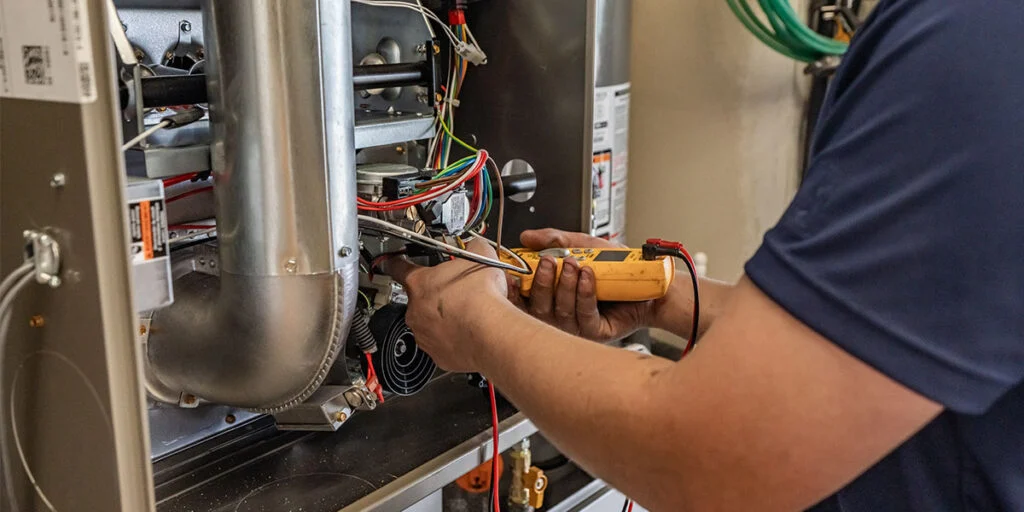
A reliable heating system is essential for maintaining a comfortable indoor environment when temperatures become colder, and a properly functioning furnace plays an important role in delivering consistent warmth. Like other mechanical and electrical equipment, a furnace can gradually develop problems because of normal wear, restricted airflow, dirty components, electrical faults, ignition issues, thermostat problems, or insufficient maintenance. Small issues may initially appear minor, but ignoring them can place additional strain on important components and eventually result in expensive breakdowns. Professional furnace repair provides a systematic way to identify the underlying cause of heating problems and determine the most suitable solution. Whether the equipment is producing unusual sounds, cycling too frequently, delivering weak airflow, failing to maintain the desired temperature, or consuming more energy than usual, timely attention can help restore dependable operation. Understanding the major factors involved in diagnosis, maintenance, efficiency, safety, and equipment replacement allows property owners to make informed decisions and protect the long-term performance of their heating systems.
- Understanding How a Furnace Operates
- Recognizing Early Warning Signs
- Maintaining Proper Airflow
- Addressing Ignition and Heating Problems
- Evaluating Thermostat Performance
- Improving Heating Efficiency
- Understanding Electrical Problems
- Keeping Furnace Components Clean
- Paying Attention to Unusual Noises and Odors
- The Importance of Preventive Maintenance
- Considering Safety During Service
- Deciding Between Repair and Replacement
- Choosing Qualified Service Professionals
- Extending the Useful Life of a Furnace
- Final Thoughts
Understanding How a Furnace Operates
A furnace is designed to generate heat and distribute it throughout indoor spaces through an appropriate air circulation system. Depending on the equipment design, heat may be produced through gas combustion, electrical resistance, or another heating method. A typical forced-air furnace includes several interconnected components, such as a heat exchanger, blower motor, burner or heating elements, thermostat, air filter, electrical controls, sensors, and safety devices. Because these components work together, a problem in one area can affect the performance of the entire system. When professional furnace repair is required, technicians generally inspect multiple components rather than assuming that the most obvious symptom identifies the actual cause. Understanding the basic operation of the equipment can help property owners recognize changes in performance and provide useful information during service. Reliable operation depends on adequate airflow, correct temperature control, functional heating components, and properly operating safety systems.
Recognizing Early Warning Signs
A furnace will often display warning signs before experiencing a complete breakdown. Uneven indoor temperatures, weak airflow, repeated cycling, delayed startup, unusual noises, strange odors, unexpected shutdowns, and increasing energy consumption can all indicate that the system requires attention. Some problems may result from a simple issue such as a dirty filter, while others can involve motors, electrical controls, ignition systems, sensors, heating components, or airflow restrictions. Professional furnace repair begins with identifying these symptoms and performing an appropriate inspection to determine their underlying cause. Property owners should not automatically assume that poor heating performance is normal for an older appliance. A system that suddenly behaves differently from its normal operating pattern may be experiencing a developing problem. Responding to these signs early can help prevent additional strain on other components and reduce the possibility of a major failure. Keeping track of unusual behavior can also make professional diagnosis more efficient.
Maintaining Proper Airflow
Proper airflow is essential for efficient furnace operation because heated air must move effectively through the system and into the occupied areas. A dirty filter, blocked return vent, restricted duct, contaminated blower, or other obstruction can reduce airflow and force the furnace to operate for longer periods. Insufficient airflow can contribute to overheating, frequent cycling, uneven temperatures, and increased energy consumption. Regular filter maintenance is one of the simplest ways to support proper airflow, although the appropriate replacement or cleaning schedule depends on the filter type, system design, indoor conditions, and frequency of use. Professional furnace repair may include inspecting the blower assembly, return-air pathways, supply ducts, and other components when airflow remains inadequate. Property owners should also keep supply registers and return vents free from furniture, curtains, stored items, or other obstructions. Maintaining unrestricted airflow helps the furnace distribute heat more effectively and reduces unnecessary stress on important components.
Addressing Ignition and Heating Problems
Furnaces use different methods to generate heat, and each design has its own potential failure points. Gas-powered equipment may experience problems involving burners, ignition components, flame sensors, fuel delivery, or combustion controls, while electric systems may develop problems with heating elements, relays, wiring, or electrical controls. A furnace that repeatedly attempts to start, fails to ignite, shuts down shortly after starting, or produces insufficient heat should be professionally evaluated. During furnace repair, technicians can inspect the relevant heating and control components to determine whether the problem is caused by ignition, airflow, temperature control, or another system condition. Safety mechanisms should never be bypassed to keep a malfunctioning furnace operating because those controls are designed to protect the equipment and occupants. Professional diagnosis allows the underlying issue to be addressed using appropriate procedures and compatible replacement components. Prompt service can also reduce the possibility that a heating problem will damage additional components or cause an unexpected system failure.
Evaluating Thermostat Performance
The thermostat controls when the heating system operates and plays an important role in maintaining the desired indoor temperature. A malfunctioning thermostat can sometimes create symptoms that appear to be furnace problems even when the heating equipment is functioning correctly. Incorrect temperature readings, wiring problems, weak batteries, communication issues, or faulty sensors may cause the furnace to cycle incorrectly or fail to respond to a heating demand. Professional furnace repair may therefore include checking thermostat operation as part of the overall diagnostic process. A properly functioning thermostat should accurately detect indoor conditions and communicate the appropriate operating instructions to the furnace. Property owners can also support efficient operation by selecting reasonable temperature settings and avoiding frequent extreme adjustments. If the furnace appears to run normally but indoor temperatures remain inconsistent, examining the thermostat and its connection to the system may help identify the actual source of the problem. Proper thermostat operation contributes to comfort, efficiency, and reliable system control.
Improving Heating Efficiency
Energy efficiency is an important part of furnace performance because an inefficient system can consume more fuel or electricity while producing less useful heat. Dirty filters, restricted airflow, contaminated components, worn motors, faulty controls, and combustion problems can all cause unnecessary energy consumption. Professional furnace repair can help identify mechanical or electrical conditions that are causing the system to operate inefficiently. Property owners can also support efficiency by maintaining clean filters, keeping vents unobstructed, using appropriate thermostat settings, and arranging professional inspections when performance changes. A furnace that runs almost continuously or cycles unusually often may be using more energy than necessary. Identifying and correcting the underlying cause can reduce operating time and improve indoor comfort. Efficiency should be considered as part of the complete heating system rather than as a feature of one individual component. Proper maintenance, adequate airflow, correct controls, and timely service all contribute to better overall heating efficiency.
Understanding Electrical Problems
Modern furnaces depend on electrical components to operate blowers, motors, sensors, controls, ignition systems, safety devices, and other functions. Over time, electrical connections can loosen, motors can wear, capacitors can weaken, and control boards can develop faults. Symptoms such as humming, intermittent operation, delayed startup, unexpected shutdowns, or complete loss of heating may indicate an electrical problem. Professional furnace repair requires appropriate testing because electrical components can present serious hazards if they are handled incorrectly. Technicians can evaluate wiring, connections, motors, capacitors, relays, controls, and other relevant components to determine where the fault is occurring. Replacing a component without first confirming the actual cause may fail to solve the problem and can create additional expenses. Qualified service helps ensure that electrical work is performed safely and that replacement components are compatible with the equipment. Property owners should avoid opening electrical compartments or attempting advanced troubleshooting without the necessary training, tools, and safety procedures.
Keeping Furnace Components Clean
Dust and debris can accumulate inside heating equipment over time, especially when routine maintenance is neglected. Although filters capture a significant amount of airborne material, some contaminants can still enter the system and collect on components such as blower assemblies, sensors, burners, and other internal surfaces. Excessive buildup can interfere with airflow, heat transfer, combustion, and sensor operation. Professional furnace repair may include cleaning appropriate components when contamination is contributing to reduced performance. Cleaning should always follow the equipment manufacturer’s recommendations because certain parts may require specialized procedures or careful handling. Property owners should also keep the area surrounding the furnace reasonably clean and accessible so technicians can inspect the system effectively. Regular maintenance can reduce accumulated debris and make it easier to identify worn or damaged components. A clean system generally has a better opportunity to operate efficiently and reliably, while neglected buildup can contribute to increased operating stress and premature component wear.
Paying Attention to Unusual Noises and Odors
Unusual noises and odors can provide valuable clues about developing furnace problems. Rattling sounds may indicate loose panels or components, while squealing or grinding can be associated with worn bearings, blower motors, or other moving parts. Repeated banging, popping, or vibrating sounds may require professional evaluation because they can indicate mechanical or heating-related problems. Odors can also have different causes depending on their type and duration. A temporary dusty smell may occur when a furnace is operated after a long period of inactivity, while persistent burning or unusual odors may indicate a more serious condition. Professional furnace repair allows technicians to investigate these symptoms and determine whether they are related to mechanical, electrical, airflow, or heating components. Property owners should not attempt to dismantle the equipment to investigate unfamiliar sounds or odors. Prompt professional inspection is a safer way to determine whether the issue requires cleaning, adjustment, component replacement, or immediate attention.
The Importance of Preventive Maintenance
Preventive maintenance is one of the most effective ways to reduce avoidable heating problems and support long-term equipment reliability. A professional maintenance visit can include inspection of filters, blower operation, electrical connections, thermostat performance, heating components, safety controls, airflow, and other important parts. Regular furnace repair may become less frequent when developing issues are identified and corrected during scheduled maintenance rather than being allowed to progress into major failures. Preventive service can also identify components that are showing signs of wear and may require attention in the future. Property owners can complement professional maintenance by replacing or cleaning filters as recommended and monitoring the system for changes in sound, temperature, airflow, or operating cycles. Although maintenance cannot eliminate every possible failure, it can reduce avoidable problems and make equipment performance more predictable. A proactive approach also gives property owners more time to plan for significant repairs or eventual replacement instead of dealing with an unexpected breakdown.
Considering Safety During Service
Furnaces may involve combustion, electricity, high temperatures, moving components, and other potentially hazardous conditions. Gas-powered equipment requires appropriate combustion and ventilation, while electric furnaces require safe electrical connections and suitable protective devices. Safety switches, sensors, and automatic shutoff mechanisms should never be bypassed simply to keep the equipment running. Professional furnace repair ensures that technicians can inspect and service the system using appropriate safety procedures and diagnostic tools. If there is a suspected fuel-related issue, unusual combustion behavior, significant electrical concern, or other serious warning sign, professional attention should be sought promptly. Attempting complex repairs without appropriate training can lead to burns, electrical shock, equipment damage, or other dangerous outcomes. Maintaining functional safety controls is particularly important because these devices are designed to stop the system when unsafe operating conditions occur. Proper service protects the equipment while also helping safeguard the people who rely on the heating system.
Deciding Between Repair and Replacement
There are situations where repairing a furnace is a practical solution and others where replacement may provide better long-term value. An appliance that is relatively new and has experienced one isolated component failure may be worth repairing, particularly if the rest of the system remains in good condition. In contrast, an older furnace with repeated breakdowns, declining efficiency, major component problems, or increasing maintenance expenses may be approaching the end of its useful service life. When considering furnace repair, property owners should evaluate the equipment’s age, repair history, energy consumption, current performance, and expected future service requirements. Looking only at the cost of the immediate repair can provide an incomplete picture. A lower repair bill may not be economical if similar failures are likely to occur again. Professional assessment can help compare the expected cost of continued service with the potential benefits of replacement. A carefully planned replacement can provide improved efficiency, updated controls, and greater reliability while reducing the likelihood of recurring problems.
Choosing Qualified Service Professionals
The quality of repair work can directly influence the reliability and service life of a furnace. Experienced technicians use systematic diagnostic methods to identify the actual cause of a problem instead of replacing components based solely on symptoms. When choosing a provider for furnace repair, property owners should consider technical experience, safety practices, diagnostic capabilities, communication, warranty information, and familiarity with the particular equipment type. A reputable service professional should explain the identified problem and describe the recommended solution before performing significant work. It can also be helpful to understand whether the proposed repair is intended as a long-term correction or a temporary measure. Proper repairs should use compatible components and follow manufacturer requirements. Selecting qualified professionals reduces the risk of incorrect repairs, repeated failures, unnecessary component replacement, and avoidable expenses. Good service should focus on restoring reliable heating while also identifying conditions that could contribute to future problems.
Extending the Useful Life of a Furnace
Proper care can help a furnace provide dependable service for many years. Regular filter maintenance, adequate airflow, appropriate thermostat settings, professional inspections, and timely attention to unusual symptoms can reduce unnecessary stress on important components. Property owners should avoid waiting until the furnace completely stops working before arranging professional service. Timely furnace repair can protect other components from damage and may prevent a relatively small problem from developing into a much more expensive failure. Keeping maintenance records can also help technicians understand the equipment’s history and identify recurring issues. The actual service life of a furnace depends on its design, installation quality, operating conditions, usage patterns, maintenance, and component quality. A proactive approach allows property owners to address problems earlier and make better decisions about future repairs or replacement. Consistent care can support dependable heating, improve efficiency, and provide greater predictability in long-term operating costs.
Final Thoughts
Reliable furnace performance depends on proper installation, sufficient airflow, regular maintenance, safe operation, and timely attention to developing problems. Warning signs such as weak airflow, unusual noises, inconsistent temperatures, frequent cycling, ignition difficulties, strange odors, and rising energy consumption should not be ignored. Professional furnace repair provides a structured approach to identifying the source of these symptoms and determining whether cleaning, adjustment, component replacement, or more extensive work is required. Preventive maintenance can reduce unnecessary stress on important components while supporting efficient operation and dependable indoor comfort. Property owners should also consider equipment age, repair history, energy consumption, and future service requirements when deciding whether continued repairs or replacement provide better long-term value. By combining regular maintenance with qualified diagnosis and timely service, property owners can improve heating performance, reduce energy waste, protect important equipment, minimize unexpected breakdowns, and extend the useful life of their heating systems.
ALSO READ: Matt Danzeisen: Bio, Career, Net Worth, Peter Thiel Marriage & Family (2026)


Since the ATO’s Small Business Superannuation Clearing House closed on 1 July 2026, many small employers have had to rethink how they pay super. One thing hasn’t changed, though. Every contribution still needs to meet SuperStream rules.
With Payday Super now in force, SuperStream compliance matters more than ever. Payments are more frequent, deadlines are tighter and errors have less time to be fixed. Below are answers to the questions small business owners ask most.
What Is SuperStream, in Plain English?
SuperStream is the government’s standard for how employers send super payments and information to funds. It requires contributions to be paid electronically, with the money and the matching employee data sent together in a set format.
Think of it as a common language between employers, clearing houses and super funds. Because everyone uses the same format, funds can match each payment to the right member quickly. Most employers don’t deal with the technical side directly. Their payroll software or clearing house uses a Super Stream gateway to package and send the data correctly.
Does SuperStream Still Apply Now the SBSCH Has Closed?
Yes. The SBSCH was simply one way of sending SuperStream-compliant payments. Its closure doesn’t change the rules, only the tool you use to follow them.
Whatever you’ve switched to, whether a commercial clearing house, a payroll system with built-in super payments or a fund’s own employer portal, it must send contributions in a SuperStream-compliant way. If you’re unsure, ask your provider to confirm it in writing.
What Data Has to Be Right?
SuperStream relies on accurate information. For each employee, you’ll generally need their full name, date of birth, tax file number, address, fund name, the fund’s unique superannuation identifier (USI) and their member number.
If an employee uses a self-managed super fund (SMSF), the details are different. You’ll need the SMSF’s ABN, bank account details and its electronic service address, which tells the system where to send the data.
Getting any of these wrong can lead to rejected payments. Under Payday Super, where contributions generally need to reach the fund within seven business days of payday, a rejection can quickly push you past your deadline.
How Does Single Touch Payroll Fit In?
Single Touch Payroll (STP) is how employers report wages, tax and super information to the ATO each time they pay staff. SuperStream sends the payment and data to the fund. STP tells the ATO what you owed.
Under Payday Super, these two systems work side by side. The ATO can compare the super liabilities reported through STP with the contributions funds actually receive. If the numbers don’t line up, it’s much easier to spot.
That makes reliable STP software an essential part of compliance. Your payroll data, super calculations and reporting should all agree, every pay cycle.
What Happens When a Payment Bounces?
Funds can reject a contribution if the details don’t match their records. Common reasons include an incorrect member number, a closed account, a mismatched name or date of birth, or wrong SMSF banking details.
When this happens, the fund sends an error message back through the SuperStream system. Your clearing house or payroll provider should alert you so you can correct the details and resubmit.
The key is speed. Under the old quarterly system, a rejection could sit for a while. Now, you need to act quickly to stay within the deadline. Check rejection alerts as part of every pay run, not once a month.
How Do You Stay Compliant Week to Week?
Good habits make all the difference. Collect super details properly when new staff start, including a completed super choice form or a stapled fund check through the ATO. Confirm the details with the employee before their first pay.
Review your process after each pay run. Make sure contributions were sent, check for rejections and fix them the same day where possible. Keep records showing when you paid and when funds received the money.
Finally, choose systems that work together. Providers such as SuperChoice connect payroll, clearing house processing and SuperStream messaging, which cuts down on manual steps and the errors that come with them.
The Simple Rule to Remember
Super now moves at the speed of payroll. Treat SuperStream compliance as part of every pay run, keep employee data clean and use systems that flag problems early. Do that, and life after the SBSCH becomes a routine task rather than a quarterly headache.


Modern athletic facilities are expected to provide more than a suitable space for sports. Players need surfaces that support movement, facility owners want durable materials that can withstand frequent use, and designers must consider safety, performance, maintenance, and long term usability.
- 1. Performance Focused Court Surfaces
- 2. Multi Sport Flooring Is Gaining Attention
- 3. Improved Shock Absorption and Player Comfort
- 4. Durable Flooring for High Traffic Facilities
- 5. Hardwood Continues to Be a Popular Choice
- 6. Specialized Indoor Court Installation
- 7. Renovation and Resurfacing Instead of Complete Replacement
- 8. Court Markings Are Becoming More Versatile
- 9. Maintenance Is Part of Modern Court Planning
- 10. Choosing Flooring Based on Facility Requirements
- What to Consider Before Your Next Indoor Court Project
- Build a Better Indoor Athletic Space
As these expectations continue to evolve, indoor court flooring has become an important part of athletic facility design. From shock absorption and traction to surface durability and maintenance requirements, flooring choices can influence how a court performs and how well it holds up over time.
Whether you are developing a new basketball court, renovating a multi sport facility, or upgrading an existing gymnasium, understanding the latest flooring trends can help you make informed decisions.
1. Performance Focused Court Surfaces
One of the biggest trends in modern athletic facilities is a stronger focus on player performance. Indoor courts need to provide an appropriate balance between traction, ball response, comfort, and surface consistency.
Depending on the sport and facility requirements, flooring systems may be selected to provide:
- Consistent traction for quick movements and changes in direction
- Appropriate shock absorption to help reduce impact on players
- Reliable ball response
- A comfortable playing surface
- Long term durability under frequent athletic use
An experienced indoor court designer can help determine which flooring system is appropriate based on the sport, facility usage, subfloor conditions, and expected traffic.
2. Multi Sport Flooring Is Gaining Attention
Many modern facilities are designed to accommodate more than one sport or activity. A single court may be used for basketball, volleyball, pickleball, training sessions, community events, or other recreational programs.
This has increased demand for versatile flooring systems that can support different activities without compromising performance.
During the planning stage, facility owners should consider how the court will be used throughout the year. The right indoor court flooring should align with the facility’s intended activities, maintenance requirements, and expected level of use.
3. Improved Shock Absorption and Player Comfort
Player comfort is another important consideration when selecting a court surface. Athletic activities involve repeated running, jumping, stopping, and changes in direction, making impact management an important part of court design.
Modern athletic flooring systems can incorporate cushioning or subfloor systems designed to provide controlled shock absorption.
The goal is not simply to create a softer surface. Instead, the flooring system should provide an appropriate balance between cushioning, stability, traction, and performance for the intended sport.
4. Durable Flooring for High Traffic Facilities
Indoor athletic facilities can experience significant daily use. Schools, recreation centers, sports clubs, universities, and professional training facilities may have multiple groups using the same court throughout the week.
As a result, durability remains a major consideration in flooring selection.
A well planned flooring system should be capable of handling regular athletic activity while maintaining its appearance and performance. Proper cleaning, maintenance, and timely repairs can also help extend the useful life of the surface.
5. Hardwood Continues to Be a Popular Choice
Hardwood flooring remains a familiar option for many basketball and gymnasium environments. Maple hardwood gym floors, in particular, are widely associated with traditional indoor athletic facilities.
Hardwood can provide a combination of performance, appearance, and long term usability when properly designed, installed, maintained, and refinished.
However, the right flooring choice depends on the facility. Usage patterns, sports requirements, maintenance expectations, subfloor conditions, and environmental factors should all be considered before selecting a system.
6. Specialized Indoor Court Installation
Installing athletic flooring requires more than simply placing a surface over an existing floor. Subfloor preparation, moisture considerations, leveling, surface selection, line marking, and finishing can all affect the final result.
Professional indoor court installation should begin with an assessment of the existing conditions and the facility’s requirements.
The installation process may include:
1. Evaluating the existing subfloor
2. Preparing and leveling the surface
3. Selecting the appropriate athletic flooring system
4. Installing the flooring according to manufacturer requirements
5. Applying court lines and markings
6. Completing finishing and quality checks
Proper preparation is particularly important because problems underneath the playing surface can eventually affect its appearance, performance, and durability.
7. Renovation and Resurfacing Instead of Complete Replacement
Not every aging court requires a completely new flooring system. Depending on the condition of the existing surface, resurfacing may provide an effective way to restore an indoor athletic court.
Indoor court resurfacing solutions can address issues such as worn finishes, surface deterioration, faded markings, and other signs of regular use.
Before choosing resurfacing, the existing flooring should be evaluated to determine whether the underlying system remains suitable for continued use.
A professional assessment can help determine whether resurfacing, refinishing, repairs, or replacement is the more appropriate approach.
8. Court Markings Are Becoming More Versatile
As facilities accommodate multiple sports, court markings have become an increasingly important part of indoor court design.
A single facility may require markings for several sports while maintaining a clean and organized appearance. Planning the placement, color, and visibility of different court lines is therefore an important part of the overall design process.
An experienced indoor court professional can help coordinate court dimensions and markings so the finished space supports its intended uses.
9. Maintenance Is Part of Modern Court Planning
Flooring selection should not end once installation is complete. Regular maintenance plays an important role in protecting the surface and preserving its performance.
Facility managers should establish maintenance routines based on the flooring material and level of use. These may include:
- Routine cleaning
- Inspection for surface damage
- Prompt repair of minor issues
- Periodic refinishing or resurfacing where appropriate
- Monitoring areas with heavy traffic
Planning maintenance from the beginning can make it easier to preserve the court and identify potential problems before they become more significant.
10. Choosing Flooring Based on Facility Requirements
There is no single flooring system that works for every indoor athletic facility. Basketball courts, multi-sport gyms, training spaces, schools, recreation centers, and professional facilities can have very different requirements.
When planning a new court or renovation, consider:
- Which sports will use the facility?
- How frequently will the court be used?
- What level of player performance is required?
- What are the existing subfloor conditions?
- How much maintenance can the facility support?
- Will the court need multiple sport markings?
- Is resurfacing practical, or is replacement necessary?
Working with an experienced indoor court designer can help bring these considerations together during the planning process.
What to Consider Before Your Next Indoor Court Project
The latest trends in indoor court flooring are centered around performance, durability, versatility, player comfort, and long term facility use. However, trends should not replace proper planning.
Before starting an indoor court installation or renovation, evaluate the facility’s current condition, intended sports, usage requirements, and long term maintenance needs.
For courts with a suitable underlying floor, resurfacing can provide an effective way to restore surface quality and prolong its service life. Contact a professional indoor court builder for a professional assessment and resurfacing recommendations.
Build a Better Indoor Athletic Space
The right indoor court flooring can contribute to a safer, more functional, and durable athletic environment. From maple hardwood gym floors to other specialized athletic flooring systems, the best choice depends on how the facility will be used and the performance requirements of the space.
Whether you are planning a new athletic facility or improving an existing court, working with experienced court professionals can help ensure that flooring, preparation, installation, markings, and long term maintenance are considered together.
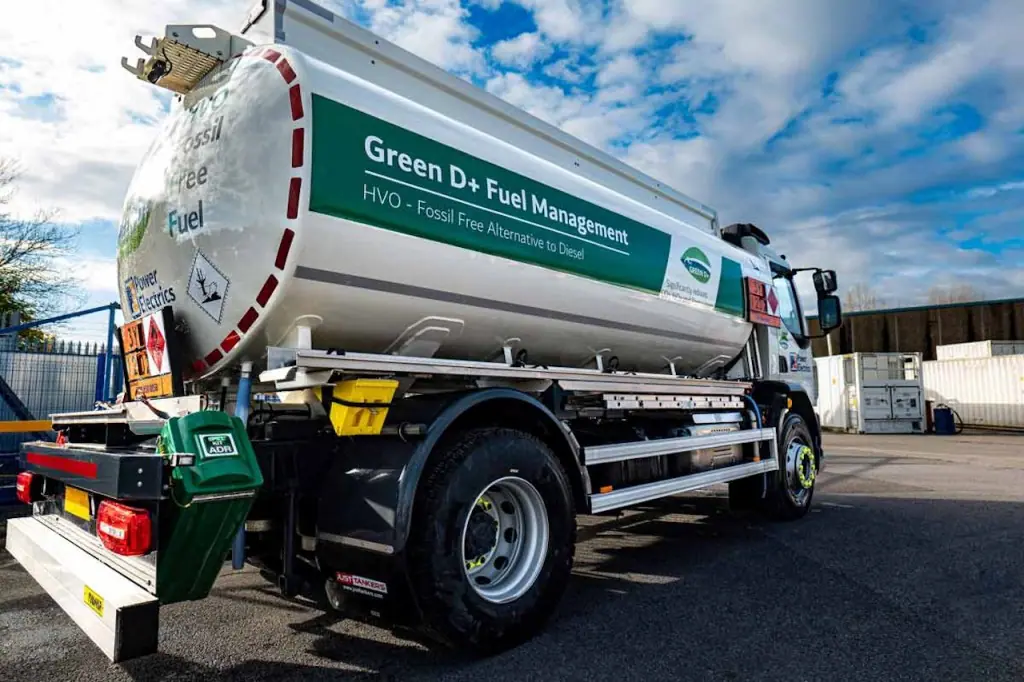
Generators are an important source of backup electricity for facilities, businesses, homes, construction operations, events, and critical services that cannot afford extended power interruptions. However, owning a generator does not automatically guarantee dependable performance during an outage. The equipment needs regular maintenance, suitable operating conditions, and an adequate supply of clean, usable fuel. Among these requirements, fuel management deserves particular attention because even a well-maintained generator may fail to perform if its fuel is contaminated, insufficient, improperly stored, or unavailable when an emergency occurs. A carefully organized generator fueling program helps keep backup equipment prepared and reduces the risk of unexpected interruptions.Fuel is essentially the energy source that allows an engine-driven generator to produce electricity. When the engine receives the correct fuel in the required quantity, it can operate according to its design and provide power to connected equipment. When fuel quality or availability becomes a problem, however, the generator may experience difficult starting, unstable operation, reduced output, excessive smoke, filter blockage, or complete shutdown. These issues can be particularly troublesome during emergencies because there may be little time to diagnose and correct them. Understanding the fundamentals of fuel storage, inspection, delivery, consumption, and maintenance therefore provides an important foundation for reliable generator operation.
- Understanding How Generator Fuel Systems Work
- The Importance of Clean and Suitable Fuel
- Proper Fuel Storage Practices
- Planning Fuel Consumption
- Preparing for Extended Outages
- The Role of Regular Generator Maintenance
- Avoiding Common Fuel-Related Mistakes
- Improving Fuel Efficiency
- Benefits of Professional Fuel Services
- Monitoring Fuel Systems With Technology
- Safety During Fuel Handling
- Building a Reliable Fuel Management Program
- Long-Term Reliability Through Better Fuel Management
- Conclusion
Understanding How Generator Fuel Systems Work
A generator fuel system includes several components that work together to move fuel from storage to the engine. Depending on the generator design, these components can include storage tanks, fuel lines, pumps, filters, valves, injectors, gauges, vents, and connections. Each component has a role in ensuring that the engine receives a consistent supply of appropriate fuel. If one component becomes damaged, blocked, contaminated, or improperly maintained, the entire fuel delivery process can be affected. This is why fuel-system inspections should form part of a generator’s broader maintenance routine rather than being treated as an occasional task.Different generator models are designed for different fuel types, and operators should always use the fuel specified by the manufacturer. Diesel, natural gas, propane, and other approved fuels have different characteristics, storage requirements, and handling considerations. The fuel type can also influence the generator’s maintenance requirements and operating costs. Before establishing a fuel management plan, operators should review the equipment documentation to understand recommended fuel specifications, storage limits, operating procedures, and inspection requirements. Following those instructions helps protect the engine while supporting consistent performance.
The Importance of Clean and Suitable Fuel
Fuel quality can have a major effect on generator reliability. Stored fuel can become contaminated by water, dust, sediment, rust, or microbial growth under certain conditions. Contamination can interfere with filters, pumps, injectors, and other components that depend on clean fuel. In severe cases, contaminated fuel can cause the generator to lose power or stop operating. For equipment that may sit unused for long periods before an emergency, fuel quality deserves particular attention because problems may not become obvious until the generator is started.A good generator fueling routine includes regular observation and inspection of the fuel supply. Operators should monitor fuel levels and look for signs of contamination, unusual deposits, leaks, corrosion, or other abnormalities around the tank and associated equipment. Where appropriate, professional fuel testing can provide additional information about the condition of stored fuel. Testing can be particularly valuable when fuel has been stored for an extended period or when there are signs that its quality may have deteriorated. Any treatment, filtration, or fuel replacement should be performed according to equipment requirements and applicable safety procedures.
Proper Fuel Storage Practices
Fuel storage requires careful attention because the storage environment can influence fuel quality and safety. Tanks should be appropriate for the fuel being stored and maintained according to applicable requirements. Storage areas should be kept orderly and inspected regularly for leaks, corrosion, damaged fittings, or other conditions that could create a hazard. Proper containment and spill-response arrangements are also important because accidental fuel releases can create environmental and safety concerns.Temperature, moisture, air exposure, and contamination can affect stored fuel over time. For this reason, organizations that depend on standby generators should not assume that fuel can simply remain in a tank indefinitely without inspection. A documented storage program can help track when fuel was delivered, how long it has remained in storage, and when inspections or testing are due. Depending on the fuel type and application, fuel rotation, filtration, or other maintenance measures may be appropriate. The goal is to ensure that the fuel available during an emergency remains suitable for the generator’s intended operation.
Planning Fuel Consumption
Understanding how much fuel a generator consumes is essential for effective emergency planning. Consumption can vary significantly depending on generator size, engine design, electrical load, operating conditions, and duration of operation. A generator working under a heavy electrical load will generally consume more fuel than the same equipment operating under a lighter load. Operators should therefore consider realistic operating conditions when estimating how long their available fuel supply can support the generator.Fuel consumption records can be particularly useful because they provide a historical reference for future planning. If operators know how much fuel the generator normally consumes during testing and different load conditions, they can make more informed decisions during an extended outage. Regular records can also reveal unusual changes in consumption. A sudden increase may indicate higher demand, a developing mechanical problem, a leak, or another issue requiring investigation. Maintaining accurate information allows fuel planning to become a proactive process rather than an emergency response.
Preparing for Extended Outages
A generator may be required to operate for only a short period during a minor interruption, but major outages can continue for many hours or even days. Facilities that depend on backup electricity should consider how much fuel they would need if normal power remained unavailable for an extended period. They should also consider whether fuel deliveries could be delayed by severe weather, transportation problems, widespread outages, or other emergencies.An effective emergency plan should identify who is responsible for monitoring fuel levels, who can authorize replenishment, how fuel deliveries will be arranged, and what procedures should be followed if the primary supply becomes unavailable. This planning should be completed before an emergency occurs. Waiting until the generator is close to running out of fuel can create unnecessary pressure and may leave insufficient time to arrange a delivery. Establishing clear fuel thresholds and response procedures can make emergency operations more organized and predictable.
The Role of Regular Generator Maintenance
Fuel management should never be separated from general generator maintenance. The engine, cooling system, battery, lubrication system, exhaust system, electrical components, and fuel system all need appropriate attention. A generator can have a full tank and still fail to start if its battery is weak, filters are blocked, electrical controls are defective, or other critical components have been neglected.Regular generator fueling inspections can be integrated into scheduled maintenance visits. During these inspections, technicians or responsible operators can examine fuel levels, tank condition, lines, connections, filters, pumps, and other relevant components. They can also check for visible signs of leakage or contamination. Combining fuel inspections with mechanical and electrical maintenance provides a more complete understanding of the generator’s condition and reduces the possibility of overlooking an important problem.
Avoiding Common Fuel-Related Mistakes
One of the most common mistakes is waiting until the fuel level becomes critically low before arranging a replenishment. Although this approach may appear convenient during normal conditions, it can create significant difficulties during an unexpected outage. Fuel suppliers may be busy serving other customers, transportation may be disrupted, or access to the facility may become difficult. Establishing a minimum fuel level and replenishing supplies before reaching that point provides additional operating flexibility.Another common mistake is failing to inspect stored fuel. A tank can appear full while the fuel inside has developed contamination or quality problems. Similarly, damaged seals, vents, hoses, and connections may allow moisture or contaminants into the system. Regular visual inspections and appropriate testing can help identify these issues earlier. Operators should also avoid relying entirely on a fuel gauge because gauges and monitoring systems can malfunction. Physical inspections and accurate records provide useful confirmation of the actual condition of the fuel system.
Improving Fuel Efficiency
Fuel efficiency matters because unnecessary consumption increases operating costs and reduces the amount of time a generator can operate from a fixed fuel supply. Generator efficiency can be influenced by electrical load, engine condition, maintenance quality, operating practices, and environmental conditions. Keeping the generator properly maintained is therefore one of the most practical ways to support efficient fuel consumption.Load management can also affect performance. Generators should generally be operated within the ranges recommended by their manufacturers. Extremely light or unusually heavy operating conditions may create efficiency or maintenance concerns depending on the particular engine and application. Operators should understand the expected electrical demand and use the generator appropriately. If fuel consumption begins to rise without an obvious change in load, the situation should be investigated rather than simply accepting higher consumption as normal.
Benefits of Professional Fuel Services
Some generator owners can manage routine fuel monitoring internally, while larger facilities or critical operations may benefit from professional fuel management services. Specialized providers can assist with fuel delivery, storage inspections, fuel testing, filtration, tank cleaning, and other services depending on the equipment and requirements involved. Professional assistance can be particularly useful when generators are large, operate frequently, or must remain available for critical applications.When selecting a service provider, organizations should consider experience, safety practices, equipment capabilities, response procedures, and the provider’s ability to meet the facility’s expected requirements. Clear communication is also important. Responsible personnel should understand when fuel should be replenished, who should be contacted, and what information needs to be provided during an emergency. A reliable service arrangement can complement an organization’s internal maintenance and emergency preparedness program.
Monitoring Fuel Systems With Technology
Modern monitoring technology can make fuel management more convenient and responsive. Depending on the generator system, sensors and monitoring platforms may provide information about fuel levels, operating conditions, alarms, and other equipment data. Automated alerts can notify responsible personnel when fuel levels fall below a defined threshold, allowing replenishment to be arranged before the supply becomes critical.Technology should nevertheless complement rather than completely replace physical inspections. Sensors can fail, gauges can become inaccurate, and communication systems can experience interruptions. Combining automated monitoring with routine visual inspections and maintenance provides a stronger approach. The objective is not simply to collect information but to ensure that the information is accurate enough to support timely decisions about fuel supply and generator operation.
Safety During Fuel Handling
Fuel handling should always be approached with appropriate safety precautions. Personnel involved in fuel transfer or maintenance should understand the hazards associated with the particular fuel being handled and follow applicable procedures. Ignition sources, spills, damaged equipment, improper containers, and poor ventilation can create serious hazards depending on the fuel type and environment.A suitable safety program should include procedures for preventing spills, responding to leaks, storing fuel correctly, and keeping unauthorized personnel away from fuel-handling areas where necessary. Emergency equipment and spill-response materials should be available according to the needs of the facility. Employees should also know how to report fuel-related hazards. Safe handling practices protect personnel and equipment while helping reduce environmental risks.
Building a Reliable Fuel Management Program
A dependable generator program should include written procedures rather than relying entirely on individual memory. Documentation can specify inspection schedules, fuel-level thresholds, delivery procedures, testing requirements, maintenance responsibilities, and emergency contacts. These procedures can then be reviewed periodically to ensure that they remain appropriate for the generator and facility.Documentation also makes it easier to identify patterns over time. Fuel delivery records can show how much fuel is being used, while inspection records can reveal recurring issues with tanks, filters, or connections. Maintenance records can help confirm whether required inspections and services are being completed. Together, these records create a clearer picture of the generator’s overall readiness.
Long-Term Reliability Through Better Fuel Management
The purpose of generator fueling is ultimately to ensure that a generator has the right fuel, in the right condition and quantity, when it is needed. This requires more than occasional refilling. It involves planning, inspection, storage management, consumption monitoring, maintenance, safety procedures, and emergency preparation. Each part of the process contributes to the generator’s ability to provide dependable power when normal electricity is unavailable.Organizations that take fuel management seriously can reduce avoidable problems and improve their preparedness for unexpected power interruptions. Regular inspections help identify issues before they become emergencies, while accurate consumption information supports better replenishment planning. Proper storage protects fuel quality, and professional assistance can provide additional support when systems become complex or operational requirements are demanding.
Conclusion
A generator is only as dependable as the systems that support its operation. Fuel availability and quality are fundamental to keeping an engine running, making proper fuel management an essential part of backup power planning. From selecting the correct fuel and maintaining clean storage conditions to monitoring consumption and arranging timely deliveries, every step can contribute to more reliable generator performance.A well-organized generator fueling strategy should be combined with routine mechanical maintenance, electrical inspections, safety procedures, and emergency planning. Operators should follow manufacturer recommendations and applicable regulations while maintaining accurate records of fuel levels, inspections, deliveries, and maintenance activities. With consistent attention to these areas, generator owners can keep their equipment better prepared and reduce the risk of fuel-related problems when dependable backup electricity is required.

Why a Spotless-Looking Home Might Still Be Hiding Dirt
Do Bought Google Reviews Get Removed?

How Nicole Kidman’s ’90s Style Became a Blueprint for Modern Hollywood Glamour

Alex Pettyfer Net Worth, Wife, Age, Height, Children, Career and More

Brad Williams Net Worth, Wife, Height, Age, Daughter, Family, Career and More

Eldorado.gg Review 2026: How It Works, Safety, Fees, and Risks
-
Celebrity9 months ago
Alex Pettyfer Net Worth, Wife, Age, Height, Children, Career and More
-
Celebrity10 months ago
Brad Williams Net Worth, Wife, Height, Age, Daughter, Family, Career and More
-
Blog1 month ago
Eldorado.gg Review 2026: How It Works, Safety, Fees, and Risks
-
 Anime10 months ago
Sanzoku Bandits of One Piece: Origins, Higuma, and Their Role in Dawn Island
-
 Celebrity10 months ago
John McGinn Net Worth, Age, Height, Wife, Childrens, Career and More
-
 Celebrity10 months ago
Frances de la Tour Net Worth, Age, Height, Husband, Childrens, Career and More
-
 Celebrity10 months ago
Will Trickett Net Worth, Wife, Childrens, Age, Career and More
-
 Blog2 months ago
Crackstube: A Complete Guide to the Digital Publishing Platform