
Business
Practical Pigeon Prevention for Modern Balcony Spaces

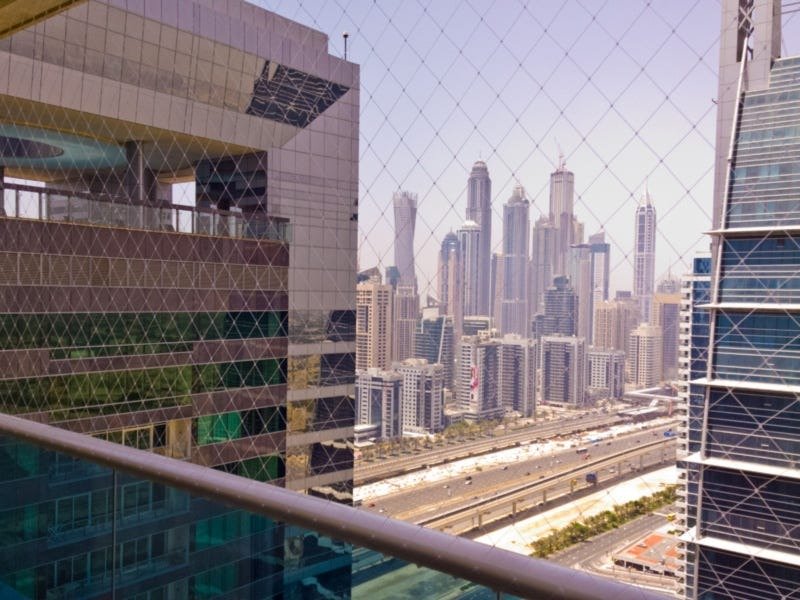
A balcony can be one of the most enjoyable parts of a modern home. It offers fresh air, natural light, and a quiet place to relax. Unfortunately, open balconies can also become attractive nesting spots for pigeons. Once pigeons discover a comfortable ledge, sheltered corner, or unused planter, they may return repeatedly, leaving behind feathers, droppings, nesting material, and unpleasant odors. The good news is that practical pigeon prevention does not require turning a beautiful balcony into an unattractive fortress. With thoughtful planning and pigeon net for balcony humane deterrents, homeowners can protect their outdoor spaces while maintaining a clean, modern appearance.
- Why Balconies Attract Pigeons
- Start With a Clean and Uninviting Environment
- Use Physical Barriers Where They Matter Most
- Make Balcony Design Work in Your Favor
- Be Careful With Visual and Sound Deterrents
- Deal With Nesting Before It Becomes a Bigger Problem
- Keep Prevention Consistent
- A Cleaner Balcony Starts With Smart Prevention
Why Balconies Attract Pigeons
Pigeons are naturally drawn to places that provide shelter, food, water, and bird control in dubai for a secure location for nesting. Modern balconies often offer several of these conditions at once. Air-conditioning units, balcony furniture, storage areas, railings, and decorative planters can create sheltered spaces where pigeons feel protected from weather and predators.
When food and water are easy to find, the visits can keep going. Loose seed, kitchen bits left out, open garbage, and crumbs after meals can all draw pigeons back. Water in plant trays or in small containers can do the same. Once you know what attracts them, you can stop the repeated trips.
Start With a Clean and Uninviting Environment
Start by taking away what makes pigeons linger. Sweep balcony floors often, and clear away feathers, old nest bits, leftover food, and droppings when you see them. Pigeons tend to come back to spots where they already settled in, so acting early can help a lot.
Do not leave pet food outside. Keep trash in closed bins, and do not leave scraps where birds can reach them. Look at planters and decorative pots too. If you find standing water, dump it, especially after storms or when you water plants. A balcony that stays dry and neat is less tempting, and it does not need any harm to the birds.
Use Physical Barriers Where They Matter Most
One of the most reliable prevention strategies is to physically limit access to preferred nesting areas. Balcony netting can be particularly useful when installed correctly around an open balcony. High-quality, appropriately fitted netting can create a barrier while allowing sunlight and balcony safety net in dubai airflow to enter the space.
For smaller problem areas, discreet bird spikes or ledge deterrents can make narrow surfaces uncomfortable for pigeons to land on. These products should be selected and installed carefully so they do not create sharp hazards for people, pets, or wildlife. The goal is to remove convenient landing and nesting opportunities rather than injure birds.
Make Balcony Design Work in Your Favor
Modern balcony design can actually support pigeon prevention. Instead of leaving broad, unused ledges available for nesting, consider using attractive planters, outdoor furniture, or architectural features that reduce open landing space. However, these additions should not accidentally create new sheltered nesting corners.
Choose balcony furniture that is easy to clean and avoid creating dark, enclosed spaces behind cabinets or large decorative objects. If you are renovating or designing a new balcony, prevention can be incorporated from the beginning rather than added later as a corrective measure.
Be Careful With Visual and Sound Deterrents
Reflective objects, moving decorations, and certain commercial bird deterrents may initially make pigeons cautious. However, pigeons can become accustomed to objects that remain unchanged for long periods. For that reason, visual deterrents tend to work better as part of a broader prevention strategy rather than as a single solution.
Similarly, ultrasonic or balcony safety net sound-based products may have varying results depending on the environment and the individual birds. Before purchasing a deterrent, consider whether it is appropriate for a residential setting and whether it could disturb neighbors or pets.
Deal With Nesting Before It Becomes a Bigger Problem
If pigeons start a nest, do not mess with an active nest right away. First, check your local wildlife rules. Also think about whether you need a trained helper. Taking the nest away, without figuring out why pigeons chose that spot, may lead to them building again close by.
A better way is to find what drew them there. It might be a protected corner, a ledge they can reach, or a nearby food source. Once it is safe and allowed by law, deal with that attraction.
Keep Prevention Consistent
Prevention is easier when you do it over time, not only once. Check balcony railings, edges, planters, and places near air-conditioning units on a regular schedule. Watch for early clues such as loose twigs, feathers, droppings, or pigeons showing up again and again in the same spot.
A few minutes of maintenance can prevent a small attraction from becoming a recurring infestation. Consistency is particularly important because pigeons are creatures of habit and may continue returning to familiar locations.
A Cleaner Balcony Starts With Smart Prevention
A pigeon-free balcony does not have to sacrifice style, comfort, or natural beauty. The most practical approach combines cleanliness, reduced food and water access, physical barriers, thoughtful balcony design, and timely action when pigeons begin showing nesting behavior.
Rather than relying on a single gimmick, modern homeowners can create a layered prevention strategy that blends naturally into their outdoor space. With the right measures in place, a balcony can remain what it was designed to be: a clean, comfortable extension of the home rather than an unwanted nesting site.

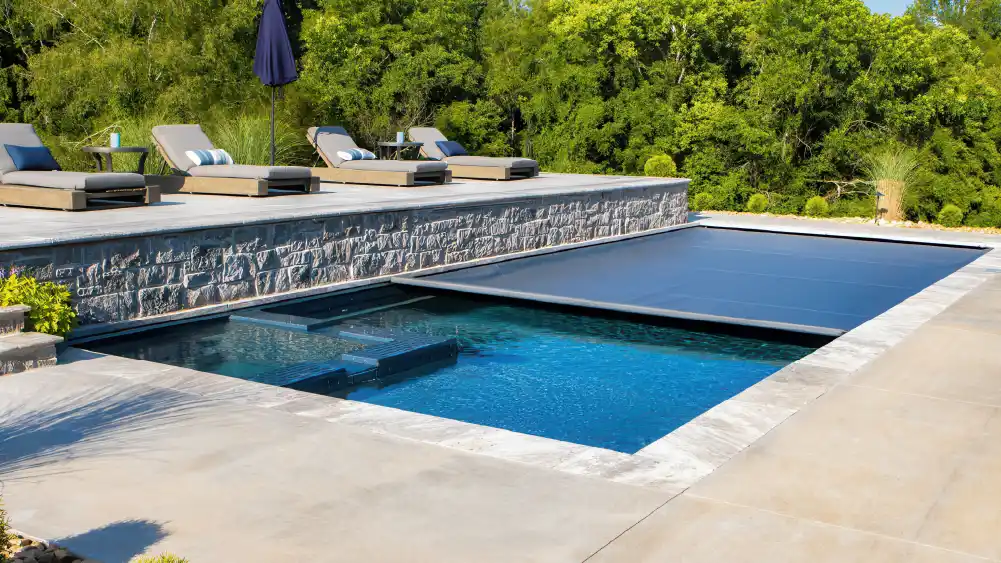
A swimming pool can be one of the most enjoyable features of a property, offering a place to relax, exercise, entertain guests, and spend quality time outdoors. However, like any major feature of a home, a pool requires regular care and occasional repairs to remain safe and functional. Pumps, filters, heaters, plumbing, lights, surfaces, automatic cleaners, and other components can experience wear over time. Ignoring small problems may eventually lead to more serious damage, higher operating costs, and an unpleasant swimming environment. Understanding common pool problems and knowing when professional assistance is necessary can help property owners protect their investment.
- Understanding the Importance of Pool Maintenance
- Recognizing the Signs of a Pool Problem
- Pool Pump Problems and Their Causes
- Filter Issues and Their Impact on Water Quality
- Detecting and Repairing Pool Leaks
- Pool Heater and Temperature Problems
- Plumbing and Circulation Repairs
- Pool Surface and Structural Repairs
- Pool Lighting and Electrical Components
- Automatic Pool Cleaner Problems
- Why Professional Diagnosis Matters
- Choosing the Right Pool Repair Professional
- Preventing Expensive Repairs
- Upgrading Older Pool Equipment
- Seasonal and Weather-Related Considerations
- The Long-Term Benefits of Timely Pool Repairs
- Final Thoughts on Reliable Pool Care
Professional pool repair tampa services can address a wide range of problems, from equipment failures and leaks to circulation issues and damaged pool surfaces. Although some basic maintenance can be handled by homeowners, complicated repairs often require specialized knowledge and equipment. A professional technician can identify the underlying cause of a problem rather than simply treating the visible symptom. This approach can help prevent recurring issues and improve the overall performance of the swimming pool.
Understanding the Importance of Pool Maintenance
Regular maintenance is one of the most effective ways to reduce the need for unexpected repairs. A pool contains several connected systems that must work together properly. The circulation system moves water through the pump and filter, the sanitation system helps control contaminants, and additional equipment may regulate temperature, lighting, cleaning, or automation. If one component begins to malfunction, it can affect the performance of other parts of the system.
Routine maintenance typically involves monitoring water chemistry, cleaning the pool, checking baskets and filters, observing equipment operation, and looking for visible leaks or damage. These simple steps can reveal developing problems before they become major failures. For example, unusual pump noises, reduced water flow, cloudy water, or repeated changes in water level may indicate an issue that deserves professional attention.
Maintenance is also important because neglected equipment often works harder than necessary. A clogged filter, restricted plumbing line, or malfunctioning pump can increase strain on the system. Over time, this additional stress may shorten equipment life and increase energy consumption. Keeping the entire system clean and properly adjusted can therefore contribute to both performance and longevity.
Recognizing the Signs of a Pool Problem
Some pool problems are obvious, while others develop gradually. Recognizing warning signs can help property owners respond before damage becomes extensive. One of the clearest indicators is unusual water loss. While some water naturally disappears through evaporation and normal use, a significant or persistent drop in water level may indicate a leak.
Changes in water clarity can also be meaningful. Cloudy or discolored water may result from poor filtration, inadequate circulation, incorrect chemical balance, or other underlying problems. Simply adding chemicals without identifying the cause may provide only a temporary improvement.
Unusual equipment noises deserve attention as well. Pumps and motors normally produce a consistent operating sound, so grinding, rattling, screeching, or sudden changes in noise may indicate mechanical wear or another problem. Similarly, equipment that repeatedly shuts off, struggles to start, or runs for unusually long periods should be inspected.
Other warning signs include weak return-jet pressure, air bubbles in the system, water around equipment connections, broken lights, malfunctioning controls, or an automatic cleaner that no longer moves correctly. Addressing these symptoms early can help prevent a relatively simple repair from becoming a larger project.
Pool Pump Problems and Their Causes
The pump is one of the most important components in a swimming pool system because it helps circulate water through filtration and treatment equipment. When the pump does not operate correctly, water quality can deteriorate quickly because the system is no longer circulating water efficiently.
Several issues can affect pump performance. A clogged basket may restrict water flow, while air entering the system can interfere with normal operation. Worn seals, damaged bearings, electrical problems, and motor failures can also cause performance issues. In some cases, a pump may operate but produce insufficient circulation, making it difficult to maintain clean and balanced water.
Strange noises are particularly important to investigate. A pump that suddenly becomes louder may be experiencing mechanical wear or another internal problem. Continuing to operate damaged equipment can potentially make the repair more expensive, so professional evaluation is recommended when unusual symptoms appear.
In some situations, repairing a component may be more practical than replacing the entire pump. In other cases, an aging or severely damaged pump may be more economical to replace with a newer, efficient model. The right choice depends on the equipment’s condition, age, repair requirements, and long-term operating needs.
Filter Issues and Their Impact on Water Quality
The filter plays a central role in removing suspended particles and keeping pool water clear. Different systems use different filter technologies, but all filters require appropriate maintenance to function effectively. When a filter becomes clogged or damaged, water may circulate poorly and become increasingly difficult to keep clean.
A sudden increase in filter pressure can indicate that the filter requires cleaning or servicing. Reduced flow can also suggest a blockage or filter problem. In some cases, damaged internal components may allow debris to pass through rather than being captured properly.
Filter maintenance should follow the manufacturer’s recommendations and the specific requirements of the system. Cartridge filters may need cleaning or replacement, while other types require different procedures. Attempting to use an inappropriate cleaning method can damage filter components.
When water remains cloudy despite appropriate chemical levels and routine cleaning, the filtration system should be considered as a potential cause. A professional inspection can determine whether the problem involves the filter, circulation system, plumbing, or another part of the pool.
Detecting and Repairing Pool Leaks
Leaks are among the most concerning pool problems because they can waste water and potentially damage surrounding structures or landscaping. A small leak may be difficult to locate because water can travel through soil or other materials before becoming visible.
Leak symptoms can include unexplained water loss, wet areas around the pool, unusually damp soil, cracks, or water accumulating near equipment. However, evaporation should also be considered when evaluating water loss. Professional leak detection methods can help distinguish normal water loss from an actual plumbing or structural leak.
Leaks may occur in plumbing connections, equipment, fittings, lights, drains, skimmers, or the pool structure itself. The repair method depends on the source and severity of the leak. Repairing a damaged fitting may be relatively straightforward, while a leak beneath the pool deck or within underground plumbing may require more specialized work.
Prompt attention is important because allowing a leak to continue can increase water waste and potentially contribute to more extensive damage. Early detection can make repairs easier and reduce disruption.
Pool Heater and Temperature Problems
A pool heater can extend swimming comfort by allowing water temperature to remain more suitable during cooler periods. When a heater stops working properly, several possible causes should be considered. Electrical problems, restricted water flow, damaged components, control issues, and maintenance-related concerns can all affect heating performance.
If the heater runs but fails to produce adequate heat, the problem may involve the heating system or water circulation. A heater that repeatedly turns off may also require professional diagnosis. Attempting to disassemble complex heating equipment without the appropriate knowledge can create safety risks.
Regular inspection and maintenance can help identify developing problems before a heater fails completely. Keeping filters clean and maintaining proper circulation can also support efficient heater operation because the equipment depends on adequate water flow.
When a heater reaches the end of its useful life, replacement may provide an opportunity to improve efficiency. Modern equipment may offer improved controls and operating performance compared with older systems, although the appropriate choice depends on the pool configuration and the owner’s needs.
Plumbing and Circulation Repairs
Pool plumbing connects the various components that allow water to move through the system. Cracked pipes, damaged fittings, restricted lines, or air leaks can interfere with circulation and may eventually lead to water loss.
One common indication of a circulation issue is reduced pressure at return jets. Air entering the system can create bubbles or cause the pump to struggle to maintain proper flow. A blockage may also reduce circulation and place additional strain on the pump.
Professional technicians can inspect visible plumbing and use diagnostic methods to investigate less accessible areas. Identifying the exact location of a plumbing problem can prevent unnecessary excavation or replacement work.
Proper plumbing repair is important because temporary fixes may not withstand continuous water pressure. Using compatible materials and securing connections correctly can provide a more reliable long-term solution.
Pool Surface and Structural Repairs
The interior surface of a swimming pool can deteriorate over time due to age, chemical exposure, environmental conditions, and general use. Cracks, discoloration, rough areas, peeling finishes, or other visible changes may indicate that the surface requires attention.
Not every cosmetic imperfection requires immediate major work. However, structural cracks, significant deterioration, or areas that continue to worsen should be evaluated professionally. Surface problems can sometimes allow water to reach areas where it does not belong, potentially creating more serious concerns.
Depending on the condition of the pool, repairs may range from localized patching to resurfacing or more extensive renovation. The appropriate solution depends on the material, age, extent of deterioration, and desired appearance.
Addressing surface problems can also improve the swimming experience. A damaged or rough surface may be uncomfortable underfoot and can make cleaning more difficult. A properly restored surface can provide a smoother, more attractive environment while helping protect the underlying structure.
Pool Lighting and Electrical Components
Pool lighting improves visibility and can enhance the appearance of a swimming area during evening use. However, because electrical equipment and water must coexist safely, lighting problems should be handled carefully.
A light that flickers, stops working, or shows signs of damage should not simply be ignored. Electrical faults can involve wiring, fixtures, transformers, connections, or controls. Professional technicians can determine the source of the issue and recommend a safe repair.
Modern lighting upgrades may also provide opportunities to improve energy efficiency and create more flexible control options. However, any electrical work associated with a pool should be completed according to applicable safety requirements and by appropriately qualified professionals.
Automatic Pool Cleaner Problems
Automatic cleaners can save time by removing debris from the pool, but they also contain moving parts that can wear out. A cleaner that becomes stuck, moves slowly, loses suction, or stops operating may have a blocked component, damaged hose, worn mechanism, or circulation-related problem.
Before assuming that the cleaner itself has failed, it is useful to check whether the pool’s circulation system is operating correctly. A cleaner often depends on proper suction or water pressure, meaning a problem elsewhere in the system can affect its performance.
Professional diagnosis can determine whether cleaning, component replacement, or complete equipment replacement is the most appropriate solution. Keeping the cleaner maintained can also extend its service life and reduce the amount of manual cleaning required.
Why Professional Diagnosis Matters
One of the biggest advantages of professional repair is accurate diagnosis. A visible symptom does not always identify the actual cause of a problem. For example, cloudy water could result from filtration, circulation, chemical balance, or contamination issues. Similarly, low pressure could be caused by a blocked line, dirty filter, pump issue, or air entering the system.
A professional can evaluate multiple components together instead of focusing on only one symptom. This can prevent unnecessary replacement of equipment that is still functional.
Experienced technicians can also recognize patterns that may not be obvious to homeowners. A recurring problem may indicate an underlying issue rather than a series of unrelated failures. Addressing the root cause can provide a more dependable solution and reduce future service calls.
Choosing the Right Pool Repair Professional
Selecting a qualified repair provider is an important part of protecting a pool investment. Property owners should look for professionals who have relevant experience, appropriate licensing or qualifications where required, and a reputation for clear communication.
Before approving major work, it is reasonable to ask for an explanation of the problem, recommended repair method, expected materials, and estimated cost. Written estimates can help clarify what is included and reduce misunderstandings.
It is also beneficial to ask whether replacement parts and labor are covered by warranties. A reputable professional should be willing to explain the work and answer questions rather than pressuring the customer into unnecessary repairs.
For larger projects, comparing multiple qualified estimates may help property owners understand the available options. The cheapest proposal is not always the best choice, particularly if it involves lower-quality materials or a temporary solution.
Preventing Expensive Repairs
Preventive care can significantly reduce the likelihood of unexpected failures. Keeping the pool clean, monitoring water chemistry, maintaining appropriate circulation, and checking equipment regularly can help identify problems early.
Property owners should pay attention to small changes in performance. A pump that becomes louder, a filter that requires increasingly frequent cleaning, or water that repeatedly becomes cloudy may be providing an early warning.
Regular professional inspections can also be worthwhile, especially for older pools or systems with complex equipment. Identifying worn components before they fail completely may allow repairs to be scheduled at a convenient time instead of requiring emergency service.
Another useful practice is keeping records of repairs and equipment replacements. Knowing when a pump, filter, heater, or other major component was installed can help with future maintenance planning and budgeting.
Upgrading Older Pool Equipment
Repairing existing equipment is not always the only option. Older systems may become increasingly expensive to maintain as components wear out and replacement parts become harder to obtain. In these situations, upgrading equipment may provide better long-term value.
Energy-efficient pumps, modern automation systems, improved filtration equipment, and updated lighting can potentially improve convenience and operating performance. However, upgrades should be selected based on the pool’s actual requirements rather than simply choosing the newest available technology.
A professional can evaluate the existing system and determine which upgrades are worthwhile. In some cases, replacing one inefficient component may provide meaningful improvement, while in others, a coordinated equipment upgrade may make more sense.
Seasonal and Weather-Related Considerations
Outdoor pools are exposed to changing environmental conditions throughout the year. Heavy rain can introduce debris and alter water chemistry, while strong winds can place additional debris into the pool. Periods of intense heat can also increase evaporation and place additional demands on water management.
After severe weather, property owners should inspect the pool area for damaged equipment, debris, loose covers, broken accessories, and unusual water levels. Electrical components should receive particular attention if they have been exposed to water or physical damage.
Preparing equipment and maintaining appropriate protection during periods of severe weather can reduce the risk of damage. However, if equipment has been affected by flooding, lightning, or other hazardous conditions, professional evaluation should be obtained before attempting to restart it.
The Long-Term Benefits of Timely Pool Repairs
Prompt repairs can protect more than the pool itself. A malfunctioning circulation system can affect water quality, while a leak can waste water and potentially damage nearby structures. A failing pump can place additional stress on connected equipment, and an unresolved electrical problem may create a serious safety concern.
Addressing problems early often provides more repair options. A worn component may be replaceable before it causes damage to surrounding parts. A small plumbing leak may be easier to repair before the surrounding area becomes extensively affected.
Professional pool repair tampa services can therefore play an important role in maintaining both the functionality and value of a swimming pool. The goal is not simply to restore operation temporarily but to identify the underlying issue and provide a durable solution whenever possible.
Final Thoughts on Reliable Pool Care
A swimming pool is a significant investment, and maintaining it properly can help preserve its appearance, performance, and usability. From pumps and filters to heaters, plumbing, surfaces, lighting, and automatic cleaners, every component has a role in keeping the system functioning correctly. Small changes in performance should not be ignored because they can sometimes signal developing problems.
Professional pool repair tampa assistance can provide valuable expertise when equipment stops working, leaks develop, water circulation declines, or structural components require attention. Proper diagnosis allows repairs to focus on the actual cause rather than simply treating symptoms.
The best approach to pool ownership combines regular maintenance with timely professional intervention. Cleaning and monitoring the pool consistently, paying attention to warning signs, maintaining equipment, and addressing defects early can help reduce unexpected expenses. When repairs or upgrades become necessary, choosing experienced professionals and understanding the recommended solution can make the process much easier.
A properly maintained pool should provide enjoyment rather than constant frustration. By taking a proactive approach to maintenance and seeking professional help when necessary, property owners can protect their investment and keep their swimming environment comfortable, attractive, and dependable. Whether the concern is a minor equipment issue or a more complex repair, timely attention can make a meaningful difference in the long-term performance of the entire pool system. Reliable pool repair tampa solutions are ultimately about more than fixing broken equipment; they are about preserving the safety, efficiency, appearance, and enjoyment of the swimming pool for years to come.


In the rapidly evolving landscape of digital content creation, artificial intelligence (AI) has emerged as a powerful tool, transforming the way we produce and consume media. Among the most innovative advancements is the uncensored AI video generator, a technology that empowers users to create dynamic video content with remarkable ease and flexibility. Unlike traditional video production methods, which often involve extensive planning, scripting, and editing, these AI-driven platforms leverage sophisticated algorithms to generate videos that can range from engaging animations to realistic simulations. At the core of this technology lies a combination of machine learning models, natural language processing, and computer vision, enabling the generator to interpret input prompts and produce coherent visual narratives. However, the term “uncensored” raises important questions about the ethical implications and potential misuse of this technology. As AI video generators become increasingly accessible, understanding their operational mechanics is crucial for both creators and consumers. This article delves into the underlying principles of uncensored AI video generation, exploring how these systems function, their applications, and the ethical considerations that accompany them in an era of unprecedented digital creativity.
– Understanding the technology behind uncensored AI video generation.
The technology at the core of uncensored AI video generation relies on advanced machine learning algorithms, particularly deep learning models that are trained on vast datasets of visual and auditory content. These models utilize generative adversarial networks (GANs) to create realistic video content by learning the intricate patterns and structures present in the training data. By employing sophisticated techniques such as reinforcement learning and data augmentation, these systems continuously improve their ability to produce high-quality videos that are both contextually relevant and visually appealing. Furthermore, the integration of natural language processing allows for the generation of coherent narratives, enhancing the overall realism and engagement of the output.
In addition, uncensored AI video generators often incorporate user input to tailor content to specific preferences, effectively enabling a more personalized viewing experience. The flexibility of these systems is augmented by their ability to analyze real-time data and trends, ensuring that the generated videos remain relevant to current topics and societal interests. Such adaptability not only broadens the potential applications of uncensored AI video generation—from entertainment to education—but also challenges existing ethical boundaries, provoking discussions surrounding content moderation and responsible use of this powerful technology.
– Key features of an uncensored AI video generator.
One of the standout features of an uncensored AI video generator is its adaptability to diverse content genres and styles, allowing creators to produce videos that range from educational materials to entertainment and beyond. This versatility is largely facilitated by user-friendly interfaces that empower individuals without extensive technical knowledge to engage with the technology. Furthermore, these generators often include customizable parameters such as tone, pacing, and visual aesthetics, offering users the ability to refine outputs according to their vision and audience needs.
Additionally, the capability to generate content without restrictions enables a broad spectrum of creative expression, providing users with the freedom to explore themes and narratives that may be otherwise constrained by conventional content creation platforms. This unrestricted approach not only fosters innovation but also encourages deeper engagement with audiences who seek unique and varied perspectives. Ultimately, the combination of personalization, versatility, and creative freedom positions the uncensored AI video generator as a powerful tool in the realm of digital media production.
– Ethical considerations in uncensored AI video creation.
The deployment of an uncensored AI video generator raises significant ethical considerations that merit careful examination. Issues surrounding consent, particularly when using real individuals or personas in generated content, become paramount. The potential for misuse, such as creating misleading or harmful videos that may violate personal rights or generate misinformation, poses risks not only to individuals featured but also to broader societal norms. As such, the responsibility to ensure that generated content adheres to ethical standards falls heavily on creators and developers alike, necessitating robust guidelines and frameworks to navigate the complex landscape of uncensored media.
Moreover, the implications of unrestricted content creation extend to the potential reinforcement of harmful stereotypes or the propagation of offensive material. The ability to produce videos that explore controversial topics without oversight may inadvertently contribute to the normalization of unethical practices or ideologies. Thus, it is crucial for stakeholders involved in the development and utilization of uncensored AI video generators to engage in thoughtful discourse regarding the societal impact of their creations. Establishing ethical guidelines and promoting responsible usage will be essential in harnessing the creative potential of this technology while safeguarding against its possible detrimental effects.
In conclusion, understanding how an uncensored AI video generator operates sheds light on the significant advancements in artificial intelligence and machine learning. By leveraging vast datasets and sophisticated algorithms, these systems are capable of generating realistic and engaging video content that pushes the boundaries of creativity. While the potential for innovation is immense, it is crucial to approach these technologies with a sense of responsibility and ethical consideration. As we continue to explore the capabilities of uncensored AI video generators, ongoing dialogue around their implications will be essential in ensuring that they are used to enhance human creativity rather than undermine it.

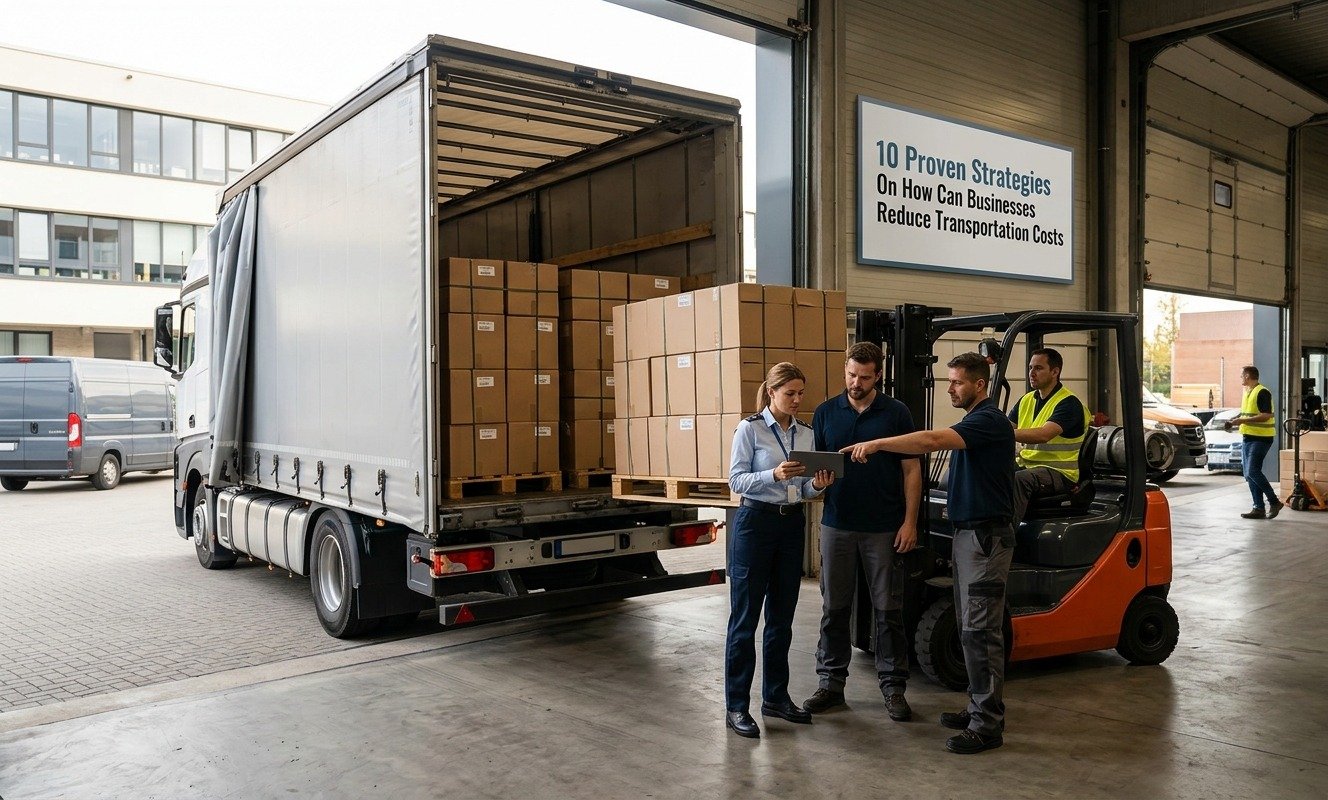
In most organisations in the UK, transportation costs are rising. Efficient logistics and proper planning are necessary to control and cut down costs and ensure high profit margins. Such smart choices will also improve the supply chain in the organizations. The ten effective ways outlined below are efficient when it comes to saving transport cost and providing the customers with the best services.
- 1. Optimize Route Planning and Transportation Logistics
- 2. Implement Transportation Management Systems
- 3. Use Freight Consolidation Strategies
- 4. Improve Warehouse Operations
- 5. Leverage Real-Time Data and Analytics
- 6. Reduce Fuel Consumption
- 7. Build Strong Partnership Networks
- 8. Automate Daily Logistics Tasks
- 9. Choose Cost-Effective Transportation Modes
- 10. Strengthen Supply Chain Management
- Final Thoughts
1. Optimize Route Planning and Transportation Logistics
Better route planning cuts waste and saves money. Use route optimization tools to find faster routes. This helps reduce transportation costs and improve speed & reliability of delivery van service. Fewer delays also lower fuel consumption and transportation expenses. Good transportation logistics creates lasting cost savings.
2. Implement Transportation Management Systems
A modern transportation management system improves daily work. Many transportation management companies have systems that provide real-time tracking and better visibility. Managers can optimize loads and avoid mistakes. Strong automation supports better logistics management. These tools improve cost management and reduce logistics cost.
3. Use Freight Consolidation Strategies
Freight consolidation is about consolidating various shipments to form a larger one so that there will be fewer trips per week, which will lead to saving money. These tips about consolidation are good methods of cutting transportation costs of your firm.
4. Improve Warehouse Operations
A well-managed warehouse speeds every shipment. Better layouts reduce handling time and storage costs. Fast loading improves utilization and avoids unnecessary waiting. Efficient warehouses support efficient logistics and smoother logistics and supply chain operations. This also helps reduce costs.
5. Leverage Real-Time Data and Analytics
Use real-time data to make smarter choices. Predictive analytics and analytics reveal weak areas early. Teams can prevent every delay before costs increase. Better tracking systems improve supply chain visibility. This proactive approach delivers significant cost savings.
6. Reduce Fuel Consumption
Fuel remains a major expense. Choose fuel-efficient vehicles whenever possible. Train drivers to reduce fuel use during trips. Good driving habits reduce fuel consumption and reduce fuel costs. Watching every fuel price change also supports better pricing decisions.
7. Build Strong Partnership Networks
A trusted partnership with carriers creates better value. Reliable third-party logistics providers improve flexibility. Some companies also use collaborative logistics to share transportation resources. These logistics networks help businesses adapt to changing demand. Strong relationships also improve the service level.
8. Automate Daily Logistics Tasks
One needs to automate their company wherever possible. Automation leads to reduced processing times because automation avoids manual mistakes, and therefore there is efficient processing. It also supports better cost reduction and operational efficiency. Simple systems often deliver a significant cost advantage.
9. Choose Cost-Effective Transportation Modes
Review different transportation modes for every freight movement. Intermodal transportation often lowers long-distance costs. The right mix can significantly reduce transportation spending. Such smart planning does not affect customer service but increases profitability. This is perhaps the best strategy of reducing transportation costs.
10. Strengthen Supply Chain Management
Strong supply chain management supports lasting success. Review your supply chain often and remove waste. Use operational strategies and risk management strategies to prevent disruption. Improper planning leads to unnecessary expedited transportation; hence, these strategies will optimize your supply chain and reduce logistics costs.
Final Thoughts
No company would want higher transportation costs and lower profitability margins. Such strategies of cutting down costs without affecting the quality of service are very essential.

Essential Pool Repair Solutions for a Safe, Efficient, and Beautiful Swimming Pool

Inbredward Explained: Meaning, Meme Culture, and Online Humor

What Is Duaction? A Complete Guide to Learning Through Action

Alex Pettyfer Net Worth, Wife, Age, Height, Children, Career and More

Brad Williams Net Worth, Wife, Height, Age, Daughter, Family, Career and More

Eldorado.gg Review 2026: How It Works, Safety, Fees, and Risks
-
Celebrity9 months ago
Alex Pettyfer Net Worth, Wife, Age, Height, Children, Career and More
-
Celebrity9 months ago
Brad Williams Net Worth, Wife, Height, Age, Daughter, Family, Career and More
-
Blog3 weeks ago
Eldorado.gg Review 2026: How It Works, Safety, Fees, and Risks
-
 Anime10 months ago
Sanzoku Bandits of One Piece: Origins, Higuma, and Their Role in Dawn Island
-
 Celebrity9 months ago
John McGinn Net Worth, Age, Height, Wife, Childrens, Career and More
-
 Celebrity9 months ago
Frances de la Tour Net Worth, Age, Height, Husband, Childrens, Career and More
-
 Blog3 weeks ago
What Is Troozer.com? A Clear Guide to the Digital Content Site
-
 Celebrity10 months ago
Will Trickett Net Worth, Wife, Childrens, Age, Career and More