
Home Improvement
Mayday Heating and Cooling: Comfort That Lasts Through Every Season

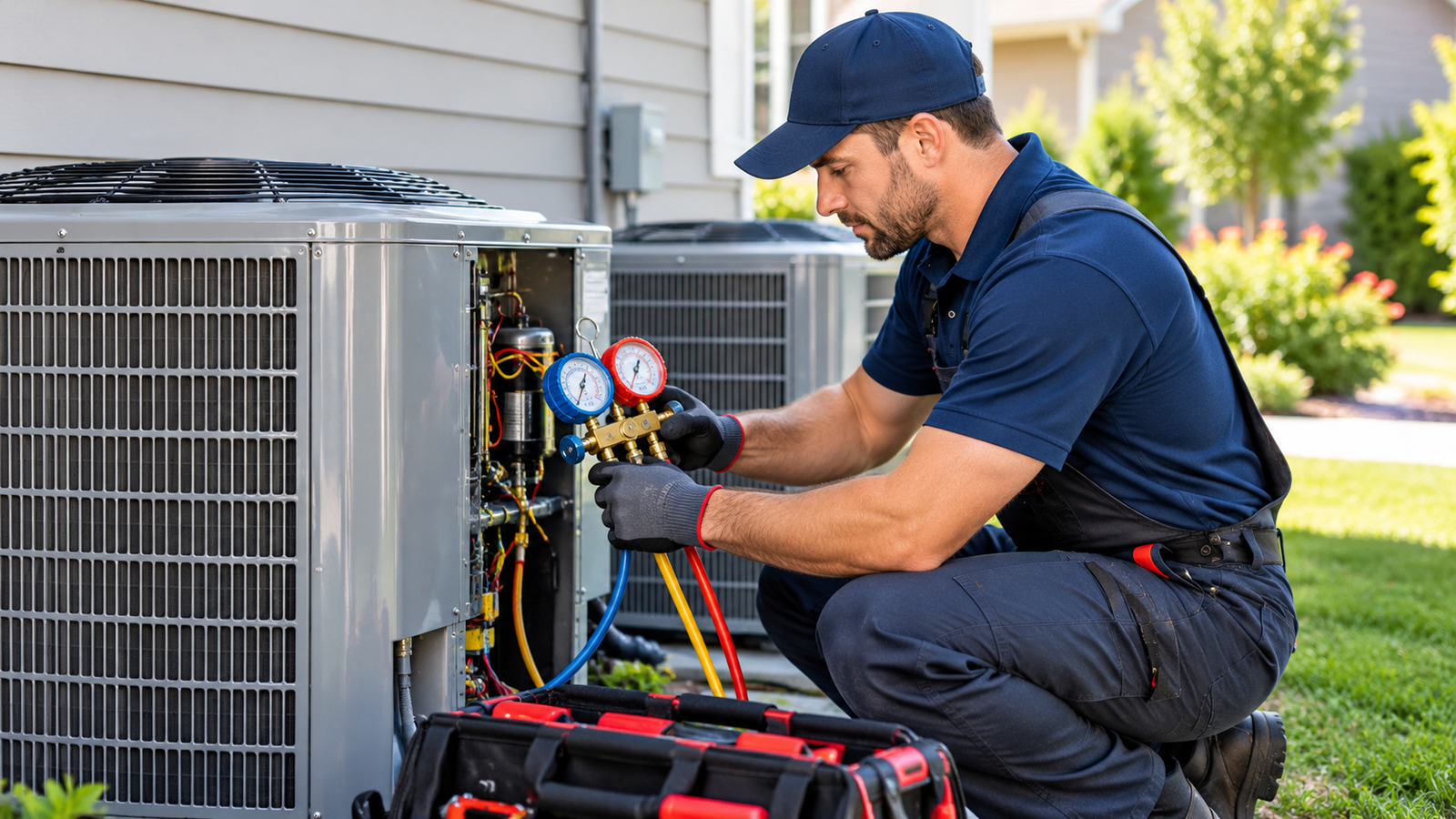
Nothing disrupts a household faster than a furnace that quits in January or an air conditioner that gives up mid-July. Temperature control isn’t a luxury — it’s one of the few things that needs to work, every single day, without exception. Yet so many homeowners only think about their HVAC system once something breaks.
That reactive approach often costs more in the long run, both in emergency repair fees and in the discomfort of waiting days for a fix. A proactive relationship with a dependable heating and cooling provider changes that entirely. It means knowing who to call before the crisis hits, and trusting that the work will be done right the first time.
This post looks at what it actually takes to keep a home’s heating and cooling system running smoothly year-round, from installation choices to maintenance habits, and why partnering with experienced local professionals makes all the difference.
Why Your Home Deserves Reliable Heating and Cooling
A well-functioning HVAC system does more than keep the thermostat at a comfortable number. It manages humidity, filters indoor air, and keeps energy bills predictable. When any part of that system falls out of balance, the effects show up fast: musty air, inconsistent temperatures between rooms, or a utility bill that spikes without warning.
Homeowners often underestimate how much their comfort depends on routine attention. A system that’s serviced regularly tends to run quieter, last longer, and use less energy than one that’s left alone until it breaks down. Think of it the same way you’d think about a car: skipping oil changes might not cause problems immediately, but the wear adds up.
Expert HVAC Installation for Every Season
Choosing the right heating and cooling system starts long before installation day. Home size, insulation quality, local climate, and even the number of windows all factor into which unit will perform best. Installing an oversized or undersized system is one of the most common — and costly — mistakes homeowners make, often leading to short cycling, uneven heating, or premature equipment failure.
A thoughtful installation process includes:
- Load calculations that size the system correctly for the home’s square footage and layout
- Ductwork inspection to catch leaks or blockages before they undercut efficiency
- Energy-efficient equipment options that reduce long-term operating costs
- Clear walkthroughs so homeowners understand how to operate and maintain their new system
Getting installation right the first time saves thousands of dollars in avoidable repairs and energy waste over the system’s lifespan.
Keeping Your System Running with Professional Maintenance
Routine maintenance is the single most effective way to extend the life of a heating and cooling system. Twice-yearly tune-ups — once before the heating season and once before the cooling season — catch small issues before they become expensive ones. A technician checking refrigerant levels, tightening electrical connections, and cleaning coils can mean the difference between a unit lasting ten years or twenty.
Many homeowners skip maintenance simply because the system seems to be working fine. But HVAC problems rarely announce themselves early. A failing capacitor or a clogged filter won’t necessarily cause noticeable issues until the hottest or coldest day of the year, when the system is working hardest and repairs are most urgent.
Fast, Friendly Repairs When You Need Them Most
Even with the best maintenance plan, equipment occasionally fails. What separates a good HVAC experience from a frustrating one is how quickly and transparently that failure gets resolved. Homeowners deserve technicians who diagnose problems accurately, explain the options clearly, and complete repairs without unnecessary delays or upsells.
A repair visit should leave a homeowner with more confidence in their system, not more questions. That means honest pricing, clear communication about what’s being fixed and why, and a technician who treats the home with respect.
Local Expertise You Can Trust
Mayday Heating and Cooling brings decades of combined technical know-how to every job, paired with a genuine commitment to treating each home like it’s their own. Based in the community they serve, the team understands the specific climate demands local homeowners face and tailors every installation, repair, and maintenance visit accordingly.
What sets a local provider apart is accountability. Technicians who live in the same neighborhoods as their customers have a reputation to uphold that goes beyond a single service call. That accountability shows up in punctuality, in transparent pricing, and in a willingness to stand behind completed work.
Homeowners working with a trusted local team also benefit from faster response times during peak seasons, when national chains often stretch their technicians thin across wide service areas. Familiarity with the region’s housing stock, common ductwork configurations, and typical seasonal challenges means problems get diagnosed faster and solved more accurately.
Comfort Is Worth Investing In
A heating and cooling system works hardest when it’s least convenient to notice — the coldest night of winter, the hottest afternoon of summer. Investing in quality installation, consistent maintenance, and a dependable repair team pays off in fewer surprises and a more comfortable home throughout the year.
Homeowners who want fewer breakdowns, lower energy bills, and a team they can rely on should start by scheduling a seasonal inspection before the next big temperature swing hits. A small step now can prevent a much bigger headache later.
Introduction
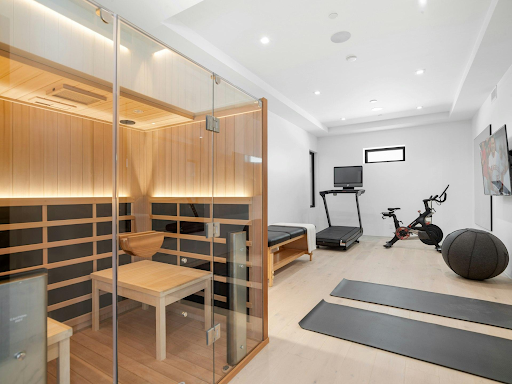
An unused room can become one of the most valuable spaces in a home when it is designed around the way you live. A spare bedroom, a section of a home gym, or an underused extension can offer the opportunity to create a private wellness area without undertaking a complete home renovation.
- 1. Look at the Room as a Complete Space
- 2. Decide Which Type of Sauna Suits Your Lifestyle
- 3. Make Florida’s Climate Part of the Plan
- 4. Choose Materials That Create the Right Atmosphere
- 5. Plan Lighting and Controls Before Installation
- 6. Think Beyond the Sauna Cabin
- 7. Understand the Professional Installation Process
- Benefits of Adding a Home Sauna
- Conclusion
A sauna can form the centre of that space, but its success depends on more than the cabin itself. Room dimensions, heating technology, electrical planning, ventilation, and interior finishes all influence the result.
For homeowners considering sauna installation Orlando, a custom approach makes it possible to work with the property’s existing layout instead of adapting daily routines around a standard unit.
1. Look at the Room as a Complete Space
Before choosing a sauna, consider how the entire room will function. You may want the sauna to be the main feature, or you may prefer a more balanced arrangement that includes seating, storage, and space for changing.
Start by measuring the available floor area and ceiling height. Check the doorways and access route to ensure the sauna components can reach the installation location. Consider the position of nearby walls, windows, and existing utilities.
A compact layout can work well when space is limited. Larger rooms offer more flexibility for additional benches or complementary wellness features.
The aim is to avoid filling every available corner. Leave suitable access around the sauna for entry, maintenance, and any clearances required by the manufacturer.
WellnessPro offers custom sauna design and fabrication, allowing the dimensions and layout to be planned around the property. Its design process can include 3D renderings, helping homeowners review the proposed arrangement before fabrication begins.
2. Decide Which Type of Sauna Suits Your Lifestyle
The heating system is one of the most important decisions because it affects the experience, equipment requirements, and design of the cabin.
Traditional electric sauna
A traditional sauna uses a heater to warm the enclosed room. Depending on the selected equipment, water can be added to suitable sauna stones to create additional humidity.
This style may suit homeowners who prefer a conventional sauna environment with wooden benches and a classic interior.
The heater must be appropriately sized for the room and installed according to the manufacturer’s specifications. The design should also account for clearances, controls, and electrical requirements.
Infrared sauna
An infrared sauna uses infrared heating technology rather than the same room-heating approach used by a traditional sauna. It offers an alternative for homeowners who prefer this style of heat.
An infrared sauna Orlando can be designed to suit a spare room, dedicated wellness suite, or home gym. Cabin dimensions, seating, controls, and finishes can be selected according to the available space and intended use.
Neither option is automatically better for every household. Compare the operating instructions, equipment specifications, installation requirements, and personal preferences before making a decision.
3. Make Florida’s Climate Part of the Plan
Orlando’s warm, humid summers make moisture management an important consideration when designing a home wellness space. An indoor sauna still needs appropriate ventilation and construction details, even though it is protected from direct rain.
The surrounding room should be suitable for the installation. Discuss how the proposed sauna will affect airflow, nearby finishes, and maintenance requirements.
Outdoor installations require additional attention to weather exposure, drainage, and exterior materials. The foundation, roof protection, ventilation, and any required anchoring should suit the site and applicable local building requirements.
WellnessPro plans custom saunas for Central Florida homes with attention to humidity-aware construction and ventilation. A professional assessment can help identify the details needed for your chosen location.
Planning these requirements before fabrication is easier than trying to correct problems after the cabin has been installed.
4. Choose Materials That Create the Right Atmosphere
The materials inside a sauna influence its appearance and the overall feeling of the room. Wood can create a warm, natural contrast with the cooler finishes often found in modern homes.
WellnessPro offers several wood options, including Canadian cedar, Nordic spruce, and hemlock.
Canadian cedar has a distinctive grain and natural aroma. Nordic spruce provides a lighter appearance, while hemlock can suit a more understated design.
Your choice should reflect the home’s interior, personal preferences, and the intended application of each material. Interior paneling, benches, and exterior components may have different requirements, so discuss the full specification with the installer.
Glass can also change the appearance of a sauna. A glazed door or panel may help the cabin feel more open, while a more enclosed design can provide a different visual style. The final arrangement should balance aesthetics, privacy, and the manufacturer’s safety requirements.
5. Plan Lighting and Controls Before Installation
Lighting can make a wellness room feel like a considered part of the home rather than a separate utility space.
Soft ambient lighting can establish a relaxed atmosphere. Optional chromotherapy lighting provides another customization choice, while smart controls may offer convenient operation when compatible with the selected equipment.
Sound preparation can also be considered if you want to include audio in the wider wellness area.
These features are easier to coordinate during the design stage. Electrical connections, control placement, and equipment compatibility should be confirmed before construction begins.
Avoid adding features simply because they are available. A practical setup with reliable heating, suitable ventilation, comfortable seating, and well-planned lighting may serve you better than an unnecessarily complicated system.
6. Think Beyond the Sauna Cabin
A dedicated wellness room can include additional features if the space and budget allow. The important thing is to create a layout that supports your routine without becoming crowded.
For example, a nearby shower may be useful for convenience. A small changing area can help keep towels and clothing organized. A comfortable chair outside the sauna provides a place to sit, while built-in storage can reduce clutter.
Some homeowners may also consider a cold plunge or a home gym as part of a larger wellness project. These additions require their own space, electrical or plumbing planning, and maintenance considerations.
WellnessPro also provides cold plunge and broader wellness-space solutions. Discussing the overall room plan at the beginning can help coordinate the different elements and avoid having to redesign the space later.
7. Understand the Professional Installation Process
A custom sauna project usually involves several connected stages.
Consultation and assessment: The installer reviews your intended use, preferred location, available space, and design priorities.
Design development: Dimensions, materials, seating, heating equipment, and optional features are selected. Renderings can help you visualize the proposed result.
Fabrication and preparation: The selected components are prepared, and the site is checked for the required access, utilities, and installation conditions.
Installation and commissioning: The sauna is assembled, the relevant components are checked, and the equipment is commissioned according to the manufacturer’s requirements.
WellnessPro provides an end-to-end approach that includes design, fabrication coordination, installation, and final commissioning. Depending on the project, permits and electrical work may also need to be coordinated in accordance with local requirements.
The schedule depends on the size, materials, equipment, and site readiness. Confirm the expected timeline and exactly what the quotation includes before approving the project.
Benefits of Adding a Home Sauna
A well-planned sauna can offer several practical advantages for homeowners.
- Convenience: Enjoy a dedicated wellness space without travelling to a spa or fitness centre.
- Personalized design: Select the size, heating system, wood finish, and seating arrangement to suit your home.
- Better use of unused space: Transform a suitable spare room or home gym into a functional area.
- Privacy: Use the sauna in a familiar setting according to your own routine.
- A coordinated home environment: Integrate the sauna with storage, lighting, a shower, or other wellness features.
Sauna use should follow the manufacturer’s instructions. Stay hydrated and leave the sauna if you feel dizzy or unwell. If you have medical concerns, consult a qualified healthcare professional before regular use.
Conclusion
Turning an unused room into a wellness suite requires thoughtful planning, but the result can be a practical addition to everyday home life. Choosing the right heating system, selecting appropriate materials, and addressing ventilation and electrical requirements early can help you avoid unnecessary complications.
Whether you prefer a traditional cabin or an infrared setup, custom design allows the sauna to fit the space you actually have.
If you are considering sauna installation in Orlando, WellnessPro can help you explore the available designs, materials, and installation requirements. Contact the team to discuss an infrared sauna in Orlando or a complete home wellness space tailored to your property.

- What Does Full Service Removals Actually Mean?
- What’s Included in a Full Service Move?
- How Much Do Full Service Removalists Cost in Sydney?
- Full Service vs DIY vs Hire a Truck: Which Wins?
- How to Choose the Right Full Service Removalist in Sydney
- Why Sydney Moves Especially Need Full Service
- FAQs
- What is the difference between full service and standard removals?
- How far in advance should I book removalists in Sydney?
- Do full service removalists pack everything?
- Is transit insurance worth it?
- Can I get a fixed price instead of an hourly rate?
- Ready to Move Without the Stress?
Moving house in Sydney is stressful enough without doing all the heavy lifting yourself. That is where full service removalists Sydney come in. Instead of packing boxes for weeks, hiring a truck, and begging friends to help on moving day, a full service team handles everything from the first box to the last piece of furniture in your new home.
But what exactly does “full service” include? How much does it cost in Sydney? And how do you pick the right team? This guide answers all of it.
What Does Full Service Removals Actually Mean?
A full service removalist does not just show up with a truck. The team manages your entire move from start to finish. You point at what needs to go, and they take care of the rest.
With full service removalists Sydney, you do not lift a single box. The crew brings packing materials, wraps your belongings, loads the truck, drives to your new address, unloads everything, and can even unpack for you. It is the closest thing to a stress free move.
This is very different from a standard removalist, who usually only loads, transports, and unloads. With full service, the packing, the materials, and the careful handling of fragile items are all part of the deal.
What’s Included in a Full Service Move?
Every company defines its package a little differently, but a proper full service move in Sydney should include:
- Professional packing. Trained packers wrap your kitchenware, electronics, artwork, and furniture using quality materials. Fragile items get extra protection.
- Packing materials supplied. Boxes, bubble wrap, packing paper, tape, and mattress covers are all provided. You do not need to buy anything.
- Furniture disassembly and reassembly. Beds, tables, and large wardrobes are taken apart for safe transport and put back together at the other end.
- Loading and transport. The team loads the truck in the right order so nothing shifts or breaks during the drive.
- Unloading and placement. Boxes and furniture go into the correct rooms, not just dumped at the front door.
- Unpacking service (optional). Many Sydney removalists offer unpacking as an add on, so you can walk into a liveable home on day one.
- Transit insurance options. Your belongings are covered while they are in the team’s hands.
Before you book, ask for the inclusions in writing. A trustworthy company will list exactly what is covered and what costs extra.

Removalists carefully loading boxes onto the truck
How Much Do Full Service Removalists Cost in Sydney?
Price depends on the size of your home, the distance, and how much packing you need. As a rough guide for Sydney in 2026:
- 1 bedroom apartment: $600 to $1,100
- 2 bedroom home: $900 to $1,600
- 3 bedroom house: $1,300 to $2,200
- 4 bedroom house: $1,800 to $3,000+
These are full service prices, so packing labour and materials are built in. A standard (non packing) move for the same homes would cost roughly 30 to 40 percent less, but then you are doing all the packing yourself.
The biggest cost drivers are access issues (stairs, no lift, long carry distances), the volume of belongings, and peak day surcharges. Moving on a Saturday or at month end in Sydney almost always costs more than a midweek move.
To avoid surprises, always get a fixed written quote after an inspection or a detailed inventory. The cheapest quote on the phone often grows on moving day. If you want honest pricing with no hidden fees, get a free moving quote and compare it against two others before you decide.
Full Service vs DIY vs Hire a Truck: Which Wins?
Doing it yourself looks cheaper until you add everything up. Truck hire in Sydney runs $150 to $300 a day, plus fuel, plus boxes and wrap (easily $200+), plus the value of your time and the risk of injury or damage.
Then there is the hidden cost: a DIY move usually takes two to three times longer. Packing a 3 bedroom house properly takes one person about 3 to 4 full days. A professional team does it in one.
Backloading (sharing truck space) is cheaper for interstate moves but you lose control over timing. Your belongings travel on someone else’s schedule.
For local Sydney moves, full service wins on total value once you count your time, the packing materials, and the lower damage risk. For interstate moves from Sydney, compare full service against backloading based on how flexible your dates are.
How to Choose the Right Full Service Removalist in Sydney
Sydney has hundreds of removalists, and quality varies wildly. Use this checklist:
1. Check reviews across platforms. Look at Google reviews with attention to how the company responds to complaints, not just the star rating.
2. Confirm they are insured. Ask what transit insurance is included and what it covers.
3. Get everything in writing. The quote should list inclusions, the truck size, the team size, and arrival windows.
4. Ask about their team. Are they trained employees or day hire labour? It matters for how your belongings are treated.
5. Watch for red flags. No physical address, cash only payments, or quotes given without asking a single question about your home are all warning signs.
A good removalist will ask about stairs, parking access, and fragile items before quoting. If they do not ask, they are guessing, and you will pay for that guess later.
Why Sydney Moves Especially Need Full Service
Sydney is not an easy city to move in. Narrow streets in the Inner West, high rise apartments with strict lift booking rules in the CBD, steep driveways on the North Shore, and limited parking in the Eastern Suburbs all make DIY moves painful.
Professional teams deal with these problems daily. They know which buildings need lift bookings, how to protect common areas from damage claims, and how to load a truck so it survives Sydney traffic and tight turns.
If you are moving into or out of a strata building, check the by laws for moving hours and lift bookings before moving day. Your removalist should remind you of this, but many do not.
FAQs
What is the difference between full service and standard removals?
Full service includes professional packing, materials, disassembly, transport, unloading, and optional unpacking. Standard removals usually cover loading, transport, and unloading only, and you handle all the packing yourself.
How far in advance should I book removalists in Sydney?
Book 2 to 4 weeks ahead for a normal move, and 4 to 6 weeks ahead for month end, Saturdays, or the December to January peak. Last minute bookings are possible but you will pay more and get less choice.
Do full service removalists pack everything?
Yes, unless you tell them otherwise. Most people ask the team to skip personal documents, valuables, and anything they want to transport themselves. Just point out what stays with you before packing starts.
Is transit insurance worth it?
Yes. Even the best teams can hit a pothole or brake hard in Sydney traffic. Transit insurance is cheap compared to replacing a damaged TV or dining table. Ask what is included as standard and what the upgrade options are.
Can I get a fixed price instead of an hourly rate?
Yes, and you should. Fixed quotes protect you from slow work and traffic delays. Make sure the fixed price is based on a proper inventory or inspection, not a guess over the phone.
Ready to Move Without the Stress?
A full service move costs more upfront than doing it yourself, but most Sydney families find it pays for itself in saved time, avoided damage, and pure peace of mind. The key is choosing a team with real reviews, proper insurance, and a written fixed quote.
Start with a free, no obligation quote and see exactly what your move would cost. It takes two minutes and there is no pressure to book.
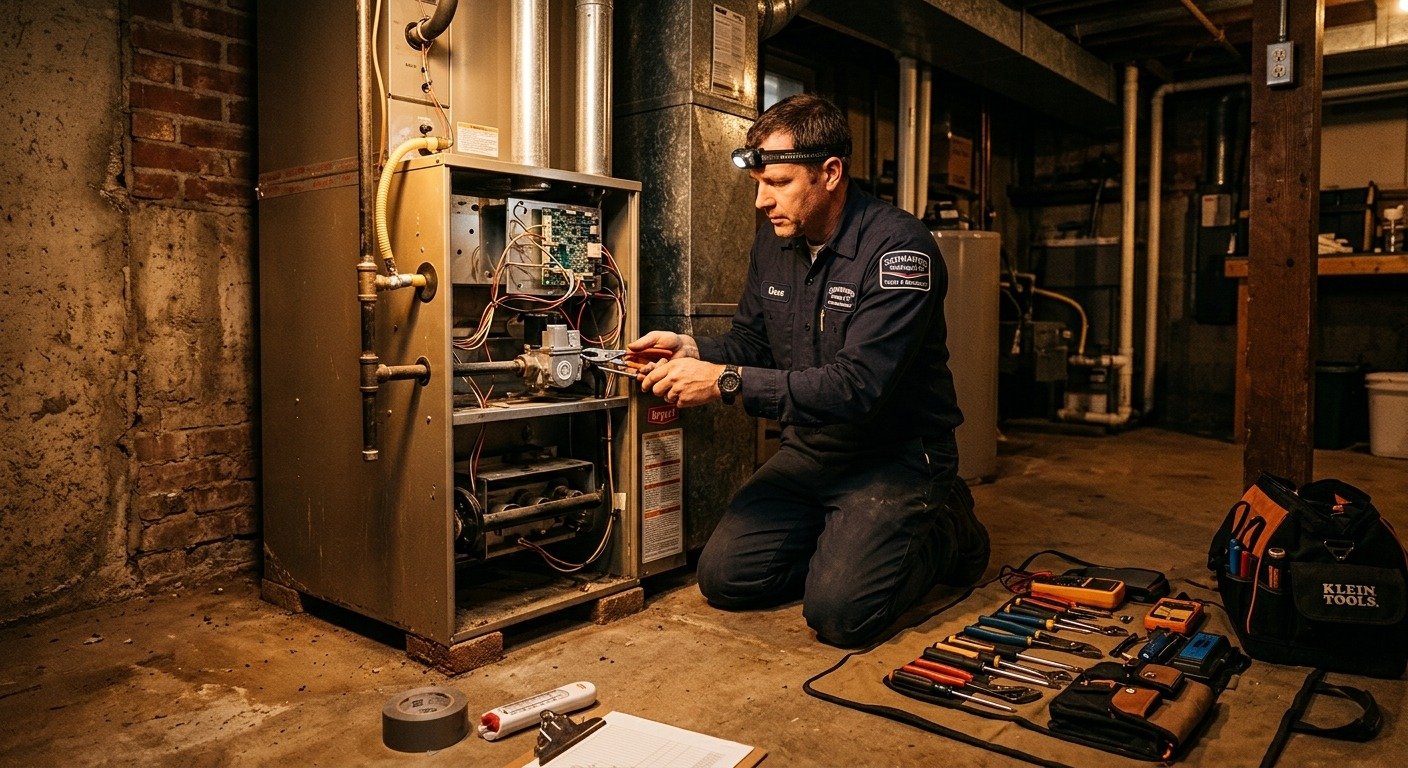
Winter doesn’t give second chances when your furnace quits in the middle of the night. One moment you’re cozy on the couch, and the next you’re bundled in blankets, watching your breath fog up in your own living room. For homeowners across the region, a malfunctioning furnace isn’t just an inconvenience — it’s a genuine safety concern, especially when temperatures drop below freezing.
- What Are the Most Common Signs a Furnace Needs Repair?
- Strange Noises Coming From the Unit
- Uneven Heating Throughout the Home
- Rising Energy Bills Without Explanation
- Frequent Cycling On and Off
- Yellow Burner Flame Instead of Blue
- Why Does Professional Furnace Repair Matter So Much?
- How Often Should Furnaces Be Inspected or Serviced?
- What Should Homeowners Expect During a Furnace Repair Visit?
- Why Choose Schwantes Heating and Air Conditioning, Inc. for Your Heating Needs?
- Keep Your Home Warm This Season
- Frequently Asked Questions
At Schwantes Heating and Air Conditioning, Inc., we’ve spent years helping families stay warm through harsh winters. We understand that a furnace breakdown rarely happens at a convenient time. It’s usually during the coldest night of the year, right before a holiday gathering, or just as guests are about to arrive. That’s why knowing the warning signs of furnace trouble matters so much, and why having a trusted team on speed dial can make all the difference.
This post walks through the most common furnace problems homeowners face, explains why professional attention matters, and shows you how Schwantes Heating and Air Conditioning, Inc. approaches every repair with care, skill, and respect for your home.
What Are the Most Common Signs a Furnace Needs Repair?
Furnaces rarely fail without warning. Most systems give off subtle clues well before a complete breakdown occurs. Catching these signs early can save homeowners from costly emergency calls and uncomfortable nights.
Strange Noises Coming From the Unit
A healthy furnace runs with a soft hum, not a symphony of bangs, rattles, or squeals. Banging sounds often point to a delayed ignition, where gas builds up before igniting. Squealing can indicate a worn belt or motor bearing in need of lubrication. Rattling might simply mean a loose panel, but it could also signal something more serious inside the blower assembly.
Uneven Heating Throughout the Home
If one room feels like a sauna while another feels like a walk-in freezer, your furnace or ductwork may not be distributing air evenly. This often results from blocked vents, a failing blower motor, or ductwork that has come loose over time.
Rising Energy Bills Without Explanation
Furnaces lose efficiency as components wear down. A sudden spike in heating costs, especially when usage habits haven’t changed, often points to a system working harder than it should to produce the same amount of heat.
Frequent Cycling On and Off
Short cycling, when a furnace turns on and off repeatedly without completing a full heating cycle, puts unnecessary strain on internal components. It can stem from a dirty air filter, a malfunctioning thermostat, or an oversized unit that was never properly matched to the home’s square footage.
Yellow Burner Flame Instead of Blue
A healthy gas furnace burns with a crisp blue flame. A yellow or flickering flame can indicate incomplete combustion, which may lead to dangerous carbon monoxide buildup. This sign should never be ignored, and a technician should be called right away.
Why Does Professional Furnace Repair Matter So Much?
Furnace systems combine gas lines, electrical components, and mechanical parts working together under pressure and heat. A small oversight during a DIY repair attempt can lead to bigger problems, including gas leaks, electrical hazards, or voided manufacturer warranties.
Professional technicians bring diagnostic tools and training that go beyond what most homeowners have access to. They can pinpoint the exact cause of a malfunction rather than guessing based on symptoms alone. This precision saves time, money, and frustration in the long run.
There’s also a safety dimension that can’t be overstated. Gas furnaces, when not properly maintained or repaired, pose risks ranging from carbon monoxide exposure to fire hazards. Choosing a trained, licensed professional protects both your home and the people living in it.
How Often Should Furnaces Be Inspected or Serviced?
Most heating professionals recommend an annual inspection, ideally performed in early fall before the heating season begins. Regular maintenance catches small issues before they become expensive repairs and extends the overall lifespan of the unit.
During a typical maintenance visit, a technician will check the heat exchanger for cracks, test the thermostat’s accuracy, inspect electrical connections, clean the blower components, and verify that the system is operating at the manufacturer’s recommended efficiency level. Homeowners who stay consistent with annual service visits often avoid the stress of mid-winter breakdowns entirely.
What Should Homeowners Expect During a Furnace Repair Visit?
A trustworthy furnace repair experience starts with clear communication. Technicians should explain what they find, outline available options, and provide upfront pricing before any work begins. There shouldn’t be any guesswork or pressure involved in the process.
At Schwantes Heating and Air Conditioning, Inc., every service call begins with a thorough inspection of the entire heating system, not just the symptom the homeowner reported. This comprehensive approach often reveals underlying issues that, left unaddressed, could cause repeat breakdowns. Technicians walk homeowners through their findings in plain language, answer questions patiently, and never leave a job site until the homeowner feels confident in the work performed.
Why Choose Schwantes Heating and Air Conditioning, Inc. for Your Heating Needs?
Homeowners have plenty of choices when searching for a heating company, so trust has to be earned. Schwantes Heating and Air Conditioning, Inc. has built a reputation on reliability, honest pricing, and a genuine commitment to keeping families comfortable throughout the colder months.
Fast, reliable, and affordable Furnace Repair keeps your home warm and your family safe all winter long, and that commitment shapes every decision our technicians make on the job. From the moment a service call comes in, our team prioritizes quick response times because we know that a cold home can quickly become an unsafe one. Every technician on staff undergoes ongoing training to stay current with the latest furnace models and repair techniques, ensuring that whether your system is brand new or decades old, it’s in capable hands.
Beyond the technical expertise, what sets Schwantes Heating and Air Conditioning, Inc. apart is the way we treat every home like our own. Technicians wear shoe covers, clean up after every job, and take the time to answer questions without rushing. We believe that heating repair should feel straightforward and stress-free, not confusing or overwhelming.
Our pricing structure also reflects that same philosophy. Before any repair begins, homeowners receive a clear, upfront estimate with no hidden fees buried in the fine print. We’d rather build long-term relationships with our customers than make a quick profit on a single visit, and that approach has kept families coming back to us year after year.
Keep Your Home Warm This Season
A furnace that’s struggling to keep up doesn’t just make your home less comfortable. It can drive up energy costs, shorten the lifespan of your heating system, and in some cases, create real safety risks for your household. Paying attention to the warning signs, scheduling regular maintenance, and partnering with a team you trust can make all the difference when temperatures drop.
If your furnace has been acting up, or if it’s simply been a while since your last inspection, now is a smart time to schedule service before winter settles in for good. Schwantes Heating and Air Conditioning, Inc. is ready to help keep your home warm, safe, and comfortable all season long.
Frequently Asked Questions
How much does furnace repair typically cost?
Costs vary depending on the specific issue, the age of the unit, and the parts required. Minor repairs like thermostat replacements tend to cost less, while major component failures, such as a cracked heat exchanger, can run higher. A technician can provide an accurate estimate after inspecting the unit.
Is it better to repair or replace an old furnace?
Generally, if a furnace is under ten years old and the repair cost is reasonable, repair is the more cost-effective choice. For older units facing frequent breakdowns, replacement may offer better long-term value through improved efficiency and fewer repair calls.
How long does a typical furnace repair take?
Most repairs can be completed within a single visit, often within one to three hours, depending on the complexity of the issue and parts availability.
Can a furnace be repaired in freezing temperatures?
Yes, furnace repairs can be performed regardless of outdoor temperature. Technicians are trained to work efficiently to restore heat as quickly as possible, especially during emergency situations.

From Room to Wellness Suite: Sauna That Works for Your Orlando Home

Full Service Removalists Sydney: What’s Included, Costs & How to Book (2026)

Why Furnace Repair Can’t Wait: Signs Your Heating System Needs Help

Alex Pettyfer Net Worth, Wife, Age, Height, Children, Career and More

Brad Williams Net Worth, Wife, Height, Age, Daughter, Family, Career and More

Eldorado.gg Review 2026: How It Works, Safety, Fees, and Risks
-
Celebrity10 months ago
Alex Pettyfer Net Worth, Wife, Age, Height, Children, Career and More
-
Celebrity10 months ago
Brad Williams Net Worth, Wife, Height, Age, Daughter, Family, Career and More
-
Blog2 months ago
Eldorado.gg Review 2026: How It Works, Safety, Fees, and Risks
-
 Celebrity10 months ago
John McGinn Net Worth, Age, Height, Wife, Childrens, Career and More
-
 Anime11 months ago
Sanzoku Bandits of One Piece: Origins, Higuma, and Their Role in Dawn Island
-
 Celebrity10 months ago
Frances de la Tour Net Worth, Age, Height, Husband, Childrens, Career and More
-
 Celebrity10 months ago
Will Trickett Net Worth, Wife, Childrens, Age, Career and More
-
 Blog2 months ago
Crackstube: A Complete Guide to the Digital Publishing Platform