
Blog
How Intelligent Courier Management Technology Helps Businesses Improve Delivery Efficiency and Operational Control


Courier companies must manage increasingly complex delivery networks while maintaining speed, accuracy, and dependable customer service. Every shipment requires coordination between dispatchers, drivers, customers, and management teams. As delivery volumes grow, businesses need technology that improves visibility, simplifies workflows, and helps teams maintain control over daily operations.
- Creating Better Operational Visibility
- Improving Dispatch Efficiency
- Optimizing Routes and Resources
- Supporting Mobile Delivery Teams
- Improving Customer Communication
- Using Analytics for Operational Improvement
- Supporting Scalable Delivery Operations
- Choosing Intelligent Courier Management Technology
- Conclusion
- Contact Key Software Systems
Intelligent courier management technology connects dispatching, dynamic route optimization, mobile workforce management, proof of delivery, customer communication, workflow automation, and reporting into one integrated platform. This allows businesses to improve delivery efficiency while creating more reliable and scalable logistics operations.
Creating Better Operational Visibility
Limited visibility can make it difficult for businesses to monitor shipments, track driver progress, and respond quickly to operational changes. Real-time information is essential for maintaining efficient delivery networks.
Courier management technology provides centralized visibility into delivery status, route performance, driver activity, and completed shipments, helping teams make faster and more informed decisions.
Improving Dispatch Efficiency
Dispatch teams coordinate driver availability, delivery priorities, customer requirements, and changing conditions throughout the day. Manual scheduling can become challenging as operations expand.
Intelligent dispatch automation evaluates operational data to support efficient driver assignments, improve scheduling accuracy, and reduce administrative workload.
Optimizing Routes and Resources
Efficient routing helps courier companies control costs while improving delivery performance. Dynamic route optimization considers traffic conditions, delivery locations, customer commitments, and available resources.
Optimized routes allow businesses to complete more deliveries while reducing unnecessary mileage and improving fleet utilization.
Supporting Mobile Delivery Teams
Drivers need reliable tools while working in the field. Mobile workforce applications provide navigation, customer instructions, barcode scanning, electronic signatures, proof of delivery, delivery photos, and communication with dispatch.
These connected tools improve delivery accuracy while reducing paperwork and increasing driver productivity.
Improving Customer Communication
Customers expect transparency throughout the delivery process. Automated notifications provide shipment confirmations, estimated arrival windows, tracking updates, and delivery confirmations after successful completion.
Better communication strengthens customer trust while reducing routine service inquiries.
Using Analytics for Operational Improvement
Courier management platforms generate valuable insights into fleet utilization, dispatch performance, route efficiency, driver productivity, and customer service metrics.
Managers can use this information to identify improvement opportunities, optimize resources, and make strategic decisions that support long-term growth.
Supporting Scalable Delivery Operations
As courier companies expand, they need technology that can support additional drivers, customers, service areas, and shipment volumes without increasing unnecessary complexity.
Scalable courier management technology provides the flexibility businesses need to grow while maintaining operational control and consistent service quality.
Choosing Intelligent Courier Management Technology
Courier companies should invest in solutions that combine intelligent dispatching, workflow automation, dynamic route optimization, mobile driver applications, proof of delivery, reporting, customer communication, and flexible integrations.
Xcelerator Courier Software from Key Software Systems helps businesses improve delivery efficiency through intelligent dispatch automation, MobileTek mobile technology, dynamic route optimization, real-time operational visibility, advanced reporting, and integrated courier management capabilities.
Conclusion
Intelligent courier management technology helps businesses improve delivery efficiency by connecting every stage of logistics operations through one powerful platform. Companies benefit from better coordination, optimized routes, improved communication, and greater operational control.
As delivery demands continue to increase, investing in connected courier technology provides businesses with the scalability, flexibility, and intelligence needed to remain competitive while delivering reliable customer experiences.
Contact Key Software Systems
Key Software Systems LLC
5100 Belmar Blvd, Suite 2
Farmingdale, NJ 07727
Phone: (732) 409-6068
Email: sales@keysoftwaresystems.com
Blog
Water Heater Guide: How to Choose the Best System for Comfort, Efficiency, Performance, and Long-Term Value


Having reliable hot water is an important part of everyday comfort. From taking a warm shower in the morning to washing dishes, cleaning household items, and completing routine chores, hot water supports many activities throughout the day. Although heating water may seem like a simple process, the system behind it involves several components that work together to deliver the right temperature efficiently and safely. Understanding how these systems operate can help homeowners make better decisions about installation, maintenance, energy use, and replacement. A well-maintained water heater can provide consistent performance for years, while poor maintenance may result in higher energy bills, reduced efficiency, leaks, or unexpected breakdowns.
- How Hot Water Systems Work
- Choosing the Right System
- Tank-Based Systems
- Tankless Technology
- Understanding Energy Efficiency
- The Importance of Regular Maintenance
- Common Signs of Trouble
- Temperature and Safety Considerations
- Improving Performance and Lifespan
- Repair or Replacement?
- Smart Features and Modern Controls
- Installation Considerations
- Making a Practical Long-Term Choice
- Final Thoughts
How Hot Water Systems Work
A typical hot water system is designed to heat and store water or heat it as it is needed. Traditional storage models contain an insulated tank where heated water remains available until someone turns on a faucet or shower. Depending on the model, electricity, gas, or another energy source supplies the heat required to raise the temperature of incoming cold water. Once the water reaches the selected setting, the system works to maintain that temperature. Tankless designs operate differently because they generally heat water as it passes through the unit, eliminating the need for a large storage tank and allowing the system to produce hot water when demand occurs.The basic operating process may appear straightforward, but several parts are essential to reliable performance. Heating elements or burners provide energy, thermostats regulate temperature, and safety controls help prevent dangerous operating conditions. Storage tanks require insulation to reduce heat loss, while pipes carry incoming cold water and distribute heated water throughout the building. Expansion tanks, pressure-relief valves, anodes, and other components may also be included depending on the installation. When these parts function properly, the system can maintain a steady supply of hot water without unnecessary energy consumption.
Choosing the Right System
Selecting a suitable water heater requires more consideration than simply choosing the largest available model. Household size, daily hot-water demand, available energy sources, installation space, budget, and efficiency goals all influence the decision. A small household may not require the same capacity as a large family with several bathrooms and appliances operating at the same time. Choosing an oversized unit can increase energy consumption and purchase costs, while selecting one that is too small may result in frequent shortages and reduced convenience.Energy efficiency is another important factor. Modern systems are designed with improved insulation, more accurate controls, and technologies that reduce wasted energy. Some models can heat water more efficiently than conventional systems, while others use advanced technology to recover and reuse heat. When comparing options, it is useful to consider both the purchase price and the expected operating cost over the life of the equipment. A model with a higher initial price may ultimately provide better value if it consumes substantially less energy and requires fewer repairs.
Tank-Based Systems
Traditional storage-tank systems remain popular because they provide a ready supply of heated water. The tank stores a specific amount, allowing several fixtures to receive hot water without requiring the system to begin heating from scratch every time a faucet is opened. These systems are available in different capacities, making it possible to select an option that matches household demand. Proper insulation can also help minimize standby heat loss, which occurs when stored hot water gradually loses heat while waiting to be used.One consideration with tank-based systems is their physical size. A storage tank requires sufficient floor or utility-room space, and larger households may need a larger tank to meet peak demand. Over time, sediment can collect at the bottom of the tank, particularly in areas where the incoming water contains minerals. This buildup can reduce efficiency and contribute to unusual noises or premature component wear. Periodic inspection and maintenance can help keep the tank operating effectively and identify developing problems before they become expensive failures.
Tankless Technology
Tankless systems have become increasingly attractive to people interested in saving space and reducing standby energy loss. Instead of keeping a large volume of water continuously heated, a tankless water heater activates when hot water is requested. Cold water passes through the unit, where powerful heating elements or burners raise its temperature before it reaches the faucet. Because there is no large storage tank, these systems can often be mounted on a wall and may occupy considerably less space.However, tankless technology is not automatically the ideal solution for every household. Installation requirements can be more demanding, particularly when an existing property needs electrical upgrades, new gas lines, improved ventilation, or changes to plumbing. Flow rate is another consideration because a unit has a maximum amount of water it can heat at one time. If several showers and appliances operate simultaneously, the system must have enough capacity to meet that combined demand. Careful sizing is therefore essential when considering a tankless model.
Understanding Energy Efficiency
Energy efficiency has a direct effect on operating costs and environmental impact. A water heater that loses less heat or uses energy more effectively can reduce the amount of fuel or electricity required to provide the same amount of hot water. Insulation, thermostat accuracy, heating technology, and system condition can all affect efficiency. Even a highly efficient unit may perform poorly if it has mineral buildup, damaged insulation, faulty controls, or incorrectly adjusted temperatures.Household habits also influence energy consumption. Taking shorter showers, repairing dripping faucets, using efficient fixtures, and washing clothes with appropriate settings can reduce hot-water demand. Insulating accessible hot-water pipes can further reduce heat loss between the heating system and the fixtures. These small improvements may not seem significant individually, but together they can reduce unnecessary energy use and help a household get more value from its heating equipment.
The Importance of Regular Maintenance
Routine maintenance is one of the simplest ways to extend equipment life and preserve performance. A professional can inspect connections, valves, heating components, thermostats, vents, and other important parts to determine whether they are functioning correctly. For storage systems, flushing the tank may help remove accumulated sediment and maintain efficient heat transfer. Depending on the design, checking or replacing the anode rod may also help protect the tank from corrosion.Maintenance should also include checking for visible leaks and unusual operating behavior. Water around the base of a tank, inconsistent temperatures, strange noises, discolored water, or repeated shutdowns can indicate an underlying problem. Ignoring these signs may allow a minor issue to become a major failure. Prompt attention can sometimes prevent water damage, reduce repair expenses, and extend the useful life of the equipment.
Common Signs of Trouble
A failing water heater often provides warning signs before it stops working completely. One of the most common symptoms is inconsistent water temperature. If the water becomes excessively hot, remains lukewarm, or changes temperature unexpectedly, the thermostat, heating element, burner, or another component may require inspection. Strange sounds are another warning sign. Rumbling, popping, cracking, or banging noises from a storage tank can occur when sediment accumulates and interferes with normal heating.Leaks deserve particular attention because even a small amount of water can cause damage if the source is not addressed. Connections, valves, fittings, and tanks can all develop leaks for different reasons. A leaking tank may indicate internal corrosion or structural deterioration, in which case replacement could be more practical than repair. Reduced hot-water capacity, rising energy bills, frequent cycling, and visible corrosion are additional signs that professional evaluation may be necessary.
Temperature and Safety Considerations
Temperature settings should balance comfort, energy efficiency, and safety. Water that is excessively hot can cause serious burns, particularly for young children, older adults, or anyone with limited sensitivity to temperature. On the other hand, setting the temperature too low may affect comfort and, depending on system conditions, can create other concerns. Following the manufacturer’s recommendations and applicable safety guidance is important when adjusting temperature controls.Safety devices are equally important. Pressure-relief valves, temperature controls, proper electrical connections, and correctly installed gas components help protect the system and the people around it. Gas-powered equipment must have appropriate ventilation and combustion-air arrangements, while electrical systems should be installed and serviced according to applicable safety requirements. Homeowners should avoid bypassing safety controls or attempting complicated repairs without the necessary expertise.
Improving Performance and Lifespan
Several practical measures can help a water heater operate more effectively over time. Keeping the surrounding area accessible makes inspections and servicing easier, while avoiding storage of combustible materials near equipment can improve safety. For tank models, periodic flushing can help manage sediment accumulation. For any system, promptly replacing worn components and correcting small leaks can prevent secondary damage.Water quality can also affect equipment performance. Mineral-heavy water may contribute to scale buildup inside pipes, tanks, heating elements, and heat exchangers. Over time, scale can act as an insulating layer that makes heat transfer less efficient. Depending on water conditions, filtration or water-treatment equipment may help reduce these problems. The correct approach depends on the specific system and water characteristics, so professional assessment is often worthwhile when scale becomes a recurring issue.
Repair or Replacement?
Deciding whether to repair or replace an aging system depends on several factors. A relatively new unit with a minor, easily replaceable component may be worth repairing. However, repeated breakdowns, significant corrosion, persistent leaks, poor efficiency, or expensive replacement parts can make a new installation a better long-term investment. Age is also relevant because older systems may be less efficient and may have components that are increasingly difficult to source.When comparing replacement options, homeowners should consider expected service life, energy consumption, maintenance requirements, capacity, installation costs, and available space. It is also useful to think about future household needs rather than selecting equipment solely according to current demand. A professional assessment can help determine the appropriate size and technology while identifying installation requirements that might not be obvious during a basic comparison.
Smart Features and Modern Controls
Technology has introduced additional features that can improve convenience and monitoring. Some newer systems offer digital temperature controls, diagnostic displays, scheduling functions, leak detection, and connectivity through smart-home platforms. These features can make it easier to identify unusual behavior, monitor energy consumption, and adjust operation according to household routines. Smart controls may be particularly useful for people who want greater visibility into how much energy their equipment uses.Despite these advances, sophisticated features do not eliminate the need for basic maintenance. Sensors and digital controls can help identify certain problems, but physical components still require inspection and care. Homeowners should view smart functionality as an additional convenience rather than a substitute for professional servicing and proper installation.
Installation Considerations
Professional installation is important because the heating system must be correctly matched to the building’s plumbing, electrical, gas, ventilation, and structural requirements. Improper installation can result in poor performance, safety hazards, premature failure, or code violations. Before installation begins, the technician should evaluate the existing connections and determine whether modifications are necessary.The installation area should also provide appropriate access for future maintenance. Clearances, drainage, ventilation, and shutoff access can all affect long-term serviceability. A well-planned installation does more than get the equipment operating on the first day; it creates conditions that make inspection, repair, and replacement easier throughout the system’s life.
Making a Practical Long-Term Choice
The best water heater for one household may not be the best option for another. A practical decision should consider hot-water demand, available energy sources, installation limitations, efficiency objectives, budget, and expected maintenance. Comparing total ownership costs is often more useful than focusing only on the initial purchase price. Equipment that consumes less energy and requires fewer repairs may provide greater value over several years.Homeowners should also pay attention to manufacturer instructions and service recommendations. Keeping records of installation, maintenance, repairs, and replacement components can make future troubleshooting easier. When a system reaches the end of its expected service life, planning replacement before a complete failure can reduce disruption and prevent emergency installation decisions.
Final Thoughts
Reliable hot water depends on the right equipment, proper installation, sensible usage, and regular maintenance. Whether a household chooses a conventional storage model or a modern tankless system, understanding capacity, efficiency, safety, and maintenance requirements makes it easier to achieve dependable performance. Paying attention to warning signs and addressing problems early can also prevent costly damage and extend equipment life.A thoughtful approach to selecting and maintaining a water heater can improve household comfort while controlling energy consumption and reducing unexpected repair expenses. As heating technology continues to develop, homeowners have more options than ever, but the fundamental principles remain the same: choose equipment that fits actual demand, install it correctly, maintain it consistently, and replace it when continued repairs no longer make financial sense. With these practices in place, a hot-water system can remain an efficient and dependable part of the home for many years.


The connecticut 203 area code is one of the oldest telephone codes in the United States. It serves much of southwestern Connecticut. The region includes large cities, coastal towns, business centers, and communities close to New York.
- What Is the Connecticut 203 Area Code?
- Where Is Connecticut 203 Located?
- Major Cities Served by Area Code 203
- Fairfield County and the 203 Area Code
- When Was Area Code 203 Created?
- What Happened During the 1995 Area Code Split?
- Why Does Area Code 475 Share the Same Region?
- How Does 10-Digit Dialing Work?
- What Time Zone Does the 203 Area Code Use?
- Why Businesses Use Local 203 Numbers
- Are Calls From 203 Numbers Safe?
- Conclusion
People often search for connecticut 203 when they get a call from an unknown number. Others may want a local number for work or business. Knowing where the code is used can help you understand who may be calling and what part of the state the number may represent.
Area code 203 has also changed over time. It once covered all of Connecticut. Today, it shares its service area with area code 475. This guide explains its cities, history, time zone, dialing rules, and common uses.
What Is the Connecticut 203 Area Code?
The connecticut 203 code is part of the North American Numbering Plan. It mainly serves southwestern Connecticut and parts of the state’s southern coastal area.
Its coverage includes much of Fairfield County and New Haven County. It also reaches some nearby communities. Many places in this region have close business and travel links with New York City.
A phone number with 203 does not always tell you the caller’s exact location. Mobile users can move while keeping the same number. People can also keep old phone numbers after moving to another city or state.
Still, the area code is a useful clue. It shows where a number was first issued in most cases.
Where Is Connecticut 203 Located?
The connecticut 203 service region sits in the southwest part of Connecticut. It covers a busy part of the state with cities, suburbs, coastal towns, schools, hospitals, and major employers.
The region runs along parts of Long Island Sound. It also extends inland toward cities such as Waterbury. Several communities in the code are part of the wider New York metropolitan area.
This location makes 203 valuable for both residents and companies. Many people in southwestern Connecticut travel to New York for work. At the same time, local cities have their own strong business and service sectors.
The area also has major roads and rail links. These connections make travel between Connecticut and New York easier.
Major Cities Served by Area Code 203
Several well-known Connecticut cities use 203 numbers. Bridgeport is one of the largest. It sits on Long Island Sound and has a long industrial and maritime history.
New Haven is another major city in the service region. It is widely known as the home of Yale University. The city also has health care, education, research, food, and cultural industries.
Stamford is a major business center near New York. Many firms have offices there because of its location and transport links.
Other major places include Norwalk and Waterbury. Smaller cities and towns also use numbers from the 203 and 475 numbering pool.
Because the service area is broad, a connecticut 203 number can come from many different communities.
Fairfield County and the 203 Area Code
Fairfield County is one of the main areas linked with 203. It is in the southwestern corner of Connecticut and borders New York State.
The county contains cities such as Stamford, Bridgeport, and Norwalk. It also has towns including Greenwich, Fairfield, Westport, and Darien.
Many residents work in finance, health care, education, retail, technology, and professional services. Some also commute to jobs in New York City.
For businesses, a local 203 phone number can create a clear connection with southwestern Connecticut. Customers may see the code and know that the business serves their region.
However, the introduction of area code 475 means new numbers in the same places may use either code.
When Was Area Code 203 Created?
The connecticut 203 code has a long history. It was created in 1947 as part of the original North American area code system.
At first, 203 covered the entire state of Connecticut. A single code was enough because there were far fewer phone lines at the time.
Phone use grew over the next few decades. Homes added more lines. Businesses needed more numbers. Fax machines, mobile phones, and other services also increased demand.
The supply of available 203 numbers started to fall. Connecticut eventually needed another area code to support its growing phone network.
This led to one of the biggest changes in the history of 203.
What Happened During the 1995 Area Code Split?
In August 1995, Connecticut divided its telephone numbering system. The northern and eastern parts of the state moved to area code 860.
The connecticut 203 code remained in the southwestern part of Connecticut. This change created the basic geographic pattern that people know today.
The split gave telephone providers more numbers to issue. It also meant many homes and companies outside southwestern Connecticut had to begin using a new area code.
Area code 860 later became closely linked with places such as Hartford and much of northern and eastern Connecticut.
For a time, the split solved the shortage. But demand for new telephone numbers continued to rise.
Why Does Area Code 475 Share the Same Region?
Another major change came in December 2009. Area code 475 was added as an overlay for the 203 service region.
An overlay works differently from an area code split. With a split, separate areas receive separate codes. With an overlay, two codes serve the same geographic area.
That means a person in Stamford may have a 203 number while another person nearby may have a 475 number.
Existing users were generally able to keep their numbers. New customers could receive either code based on number availability.
The connecticut 203 area therefore no longer has only one telephone code. Both 203 and 475 identify the same general service territory.
How Does 10-Digit Dialing Work?
The overlay changed local dialing rules. Callers in the 203 and 475 region use the area code along with the seven-digit local number.
For example, a local call may be entered as the three-digit area code followed by the seven-digit phone number.
This process is known as 10-digit dialing. It helps the telephone network tell the difference between a 203 number and a 475 number in the same location.
People should save full numbers in their phone contacts. Doing this can reduce failed calls and make dialing easier.
An area code alone also does not show whether a call is local, long distance, free, or costly. That depends on the phone plan and service provider.
What Time Zone Does the 203 Area Code Use?
The connecticut 203 region uses the Eastern Time Zone.
Connecticut observes Eastern Standard Time during part of the year. It also follows daylight saving time, when applicable.
This is useful to know before calling a person or company in the region. A call placed from the West Coast, Europe, Asia, or another time zone may arrive at a very different local hour.
Companies that work with customers across the country should pay close attention to this difference. Calling during normal local business hours can improve response rates and avoid unwanted late calls.
The time zone is the same as New York City, Boston, and many other major East Coast markets.
Why Businesses Use Local 203 Numbers
A connecticut 203 number can be useful for a company that serves southwestern Connecticut. Local numbers can make a business easier for nearby customers to recognize.
This may be useful for plumbers, real estate firms, medical offices, stores, law firms, repair services, restaurants, and other local companies.
A local number does not prove that a company has a physical office in Connecticut. Modern phone systems allow businesses to use virtual numbers from many places.
For that reason, customers should still check a company’s website, address, reviews, and contact details before making a payment or sharing private information.
Legitimate companies often use both traditional phone systems and cloud-based business calling tools.
Are Calls From 203 Numbers Safe?
A connecticut 203 number can belong to a real resident or business, but the area code alone cannot prove that a call is safe.
Scammers can use caller ID spoofing. This technology can make a call appear to come from a local number even when the caller is somewhere else.
Be careful if an unknown caller asks for passwords, banking details, gift cards, one-time security codes, or urgent payments. Do not give sensitive data just because the phone number looks local.
If a caller claims to represent a bank, government office, hospital, or company, end the call if you are unsure. Then contact the organization through its official phone number.
You can also search an unfamiliar number before calling back. This may help you find reports linked with known spam calls.
Conclusion
The connecticut 203 area code remains an important part of the state’s telephone system. It has served Connecticut since 1947 and is closely linked with the southwest part of the state.
Today, it covers major communities such as Bridgeport, New Haven, Stamford, Norwalk, and Waterbury. It also shares its geographic region with area code 475.
Its long history shows how telephone systems change as cities grow and new technology appears. What once served the whole state now serves a smaller but highly populated region.
If you see a 203 number, it most often points to southwestern Connecticut. Still, remember that mobile phones, virtual numbers, and caller ID spoofing mean an area code cannot confirm a caller’s true location.uding its cities, location, history, 475 overlay, Eastern Time Zone, dialing rules, and tips for handling unknown calls.
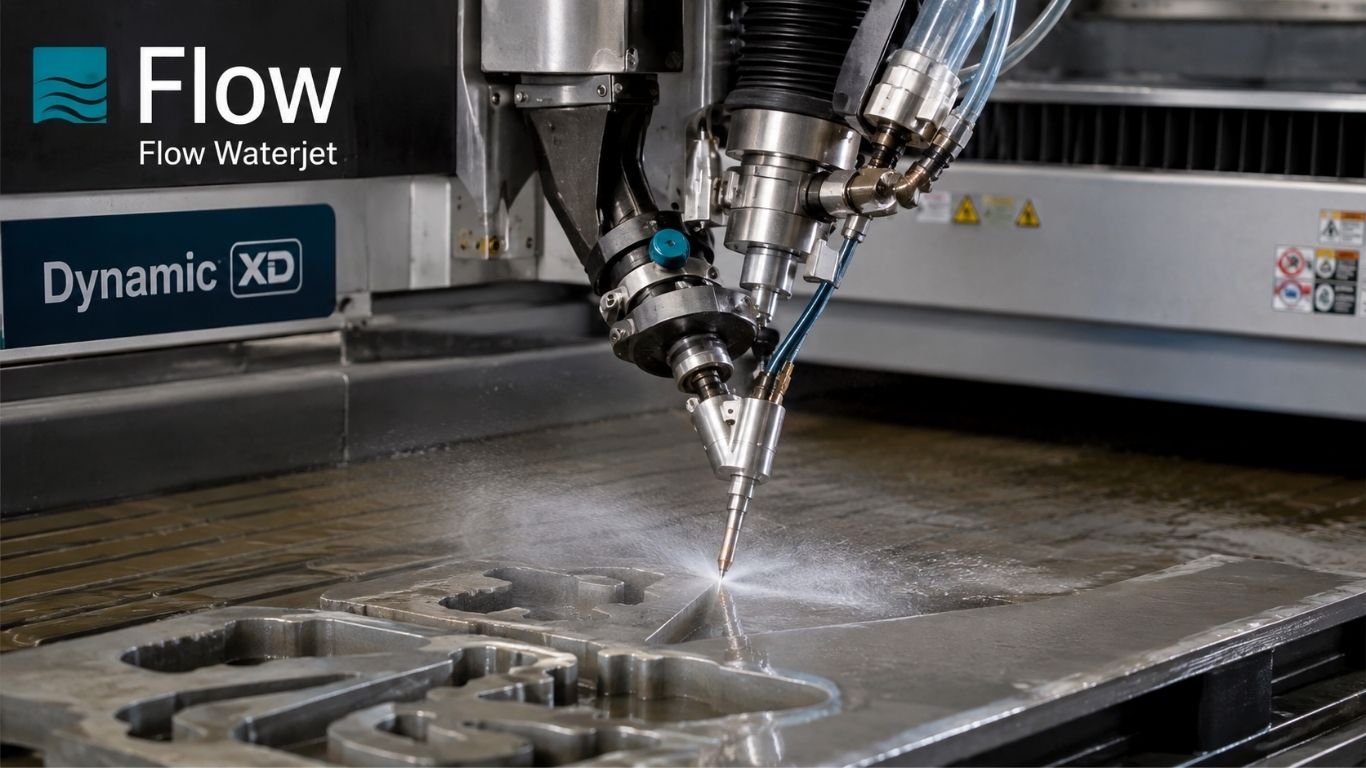
In this guide, FlowXD refers to Flow’s advanced Dynamic Waterjet XD cutting technology. The official product name on Flow’s website is Dynamic Waterjet® XD. It is made for precise bevel cuts and complex 3D work. The system uses controlled head movement to improve the shape and quality of each cut.
- What Does the Term Mean?
- How Dynamic XD Waterjet Cutting Works
- Why Five-Axis Motion Matters
- Active Tolerance Control and Better Edges
- Materials That Can Be Cut
- Precision for Bevel and 3D Parts
- Software and Programming
- Production Benefits for Fabrication Shops
- Dynamic XD vs Standard Waterjet Cutting
- What to Check Before Choosing a System
- Is Dynamic XD Right for Your Shop?
- Bottom Line
Waterjet cutting uses a fast stream of water. For hard materials, abrasive garnet is added. It can cut metal, stone, glass, ceramic, and composites without heat. Dynamic XD adds multi-axis motion, so shops can make more complex parts.
What Does the Term Mean?
FlowXD is not the formal product name shown by Flow International. Flow calls the technology Dynamic Waterjet® XD. Here, the shorter term simply points readers to that five-axis waterjet system.
The key idea is simple. A normal waterjet often cuts straight down. Dynamic XD can tilt and move the cutting head as it follows a set path. That motion helps it create bevels, angles, and 3D shapes with a high level of control.
This helps shops that need more than basic flat cutting. It suits jobs where edge angle, fit, and repeatable geometry matter.
How Dynamic XD Waterjet Cutting Works
A waterjet starts with an ultrahigh-pressure pump. Water passes through a tiny opening and becomes a fast cutting stream. Garnet abrasive lets the jet cut hard materials.
Flow describes waterjet as a cold cutting process. It avoids the heat-affected zone linked with many thermal methods. That helps with heat-sensitive material.
Dynamic XD then adds controlled movement at the cutting head. The head changes angle as the machine moves through its toolpath. Software and motion controls work together to guide the cut.
Why Five-Axis Motion Matters
A major reason people search for flowxd is its five-axis cutting ability. Multi-axis motion lets a machine approach material from more than one angle. This opens the door to bevel cutting and true 3D work.
Flow states that Dynamic Waterjet XD is designed for accurate bevel and 3D cutting. Its wrist can move through a wide range. The company lists wrist motion of up to 89 degrees on its Dynamic XD product page.
This range gives fabricators more design freedom. It may also reduce some secondary cutting steps.
Active Tolerance Control and Better Edges
Waterjet cutting has two common issues: stream lag and taper. Stream lag happens when the jet exits the material behind the point where it entered. Taper can make the cut wider on one side than the other.
Flow uses Active Tolerance Control to address these errors. The system changes the angle of the cutting head as it moves. This helps control taper and correct for stream lag.
For users, this feature can support cleaner edges and closer part geometry. It helps when a shop wants speed and accuracy on detailed cuts.
Materials That Can Be Cut
Flow lists metals, stone, glass, ceramics, and composites for abrasive waterjet. Pure waterjet can handle softer goods such as foam, rubber, paper, carpet, and some plastics.
Dynamic XD is most useful when a hard material needs a shaped edge, bevel, or complex form. Common fabrication work may include aluminum, stainless steel, stone, glass, and composite parts.
The right setup depends on material, thickness, finish, and production goals. A shop should test its real material first.
Precision for Bevel and 3D Parts
The strongest reason to consider flowxd is not simply that it cuts. Many machines can cut. The value comes from controlling the direction of the jet while the part is being made.
A bevel may be needed for welding, fit-up, assembly, or a finished edge. A 3D cut may also use changing angles or contours that cannot be made by a fixed vertical head.
Dynamic XD combines this motion with Flow’s taper and stream-lag control. The system aims to produce detailed parts where the final shape matters as much as the cut line.
Where This Can Help
It may help advanced job shops, metal fabricators, stone processors, and other plants that produce complex parts. The best fit depends on the actual part mix and required tolerance.
When a Standard Head May Be Enough
If a shop mainly cuts simple 2D profiles, a standard cutting head may meet its needs. Extra axes give the most value when the work actually needs bevels or complex shapes.
Software and Programming
A multi-axis machine also needs software that can turn a design into a safe, accurate toolpath.
Flow lists FlowXpert Infinity as the software used with Dynamic Waterjet XD. Flow also describes its software tools as supporting integrated 2D and 3D modeling and pathing.
For flowxd workflows, good programming matters because the nozzle angle changes during a cut. The machine must keep the jet on the planned path. It must also work around clamps, fixtures, and other objects.
Good software can make complex cutting easier to plan. It can also help reduce setup mistakes before production begins.
Production Benefits for Fabrication Shops
The main production benefit is process consolidation. If a waterjet can make a profile and its bevel in one controlled setup, a shop may avoid some later handling or cutting steps.
This can reduce part movement and manual steps. Real savings still depend on part design, volume, material, labor cost, and machine use.
Flow promotes its Dynamic Waterjet technology as faster than standard non-Dynamic waterjet cutting. The company says its standard Dynamic Waterjet system can cut some parts two to four times faster than conventional flat-stock waterjet systems. Results still depend on the job and desired quality.
Dynamic XD vs Standard Waterjet Cutting
A standard waterjet keeps the cutting stream straight in relation to the material. It is a strong choice for many flat parts and can cut a broad range of hard materials.
Dynamic XD adds a much wider range of head movement. It is built for bevels and 3D parts as well as flat cutting. That extra control makes it more capable for complex work.
For simple profiles, standard cutting may be enough. For compound angles, shaped edges, and complex geometry, flowxd may be the more relevant search path when comparing Flow equipment.
The choice should depend on the parts a shop makes most often. Buying extra capability only makes sense when it can improve real production work.
What to Check Before Choosing a System
Machine choice should start with the parts, not the brochure. A buyer should review material type, maximum thickness, part size, edge quality, tolerance, production volume, and cutting angles.
Also review pump pressure, table size, software, service, abrasive use, maintenance, and training. The cutting head must match the machine and production plan.
A test cut can be useful before purchase. It gives the shop a real sample made from its own material and geometry. That can provide a clearer view of finish, speed, and part quality.
Safety and Maintenance Needs
Waterjet equipment uses very high pressure. Operators need training and must follow the maker’s safety rules. Guards, emergency stops, high-pressure lines, abrasive handling, and maintenance all matter. Flow notes that waterjet systems can operate at ultrahigh pressures and include emergency-stop systems as part of safe machine control.
The cutting head, orifice, mixing tube, pump, plumbing, motion system, and abrasive feed can affect uptime. Regular care helps protect cut quality and may reduce unplanned stops.
For flowxd systems, accurate multi-axis motion also depends on calibration and position feedback. A machine needs sound mechanical and control systems to make repeatable complex cuts.
Is Dynamic XD Right for Your Shop?
FlowXD may be worth exploring if your work includes bevels, compound angles, or 3D waterjet parts. It can also make sense when you want to combine several cutting steps into one programmed process.
It is not automatically the best choice for every shop. A company that only cuts basic 2D shapes may not need the added ability. Cost, workload, support, training, and future part demand should all be part of the decision.
Compare real sample parts and total production needs. Dynamic Waterjet XD adds value when the work truly needs its advanced features.
Bottom Line
FlowXD is best understood here as a search-friendly name for Flow’s Dynamic Waterjet XD technology. The official system focuses on high-precision bevel cutting, 3D cutting, and automatic control of common waterjet errors.
Its five-axis motion gives fabricators more control over complex edges and shapes. It may also reduce extra cutting steps on the right jobs.
For buyers, the best next step is a practical comparison based on real parts, real materials, and real production goals. Advanced equipment offers the most value when its features match the work a shop needs to complete.

Understanding Material Handling Systems: Types, Benefits, Applications, and Best Practices

Understanding Furnace Repair: Key Factors for Diagnosing Problems, Improving Performance, Reducing Energy Waste, and Extending Equipment Life

Water Heater Guide: How to Choose the Best System for Comfort, Efficiency, Performance, and Long-Term Value

Alex Pettyfer Net Worth, Wife, Age, Height, Children, Career and More

Brad Williams Net Worth, Wife, Height, Age, Daughter, Family, Career and More

Eldorado.gg Review 2026: How It Works, Safety, Fees, and Risks
-
Celebrity9 months ago
Alex Pettyfer Net Worth, Wife, Age, Height, Children, Career and More
-
Celebrity9 months ago
Brad Williams Net Worth, Wife, Height, Age, Daughter, Family, Career and More
-
Blog2 weeks ago
Eldorado.gg Review 2026: How It Works, Safety, Fees, and Risks
-
 Anime10 months ago
Sanzoku Bandits of One Piece: Origins, Higuma, and Their Role in Dawn Island
-
 Celebrity9 months ago
John McGinn Net Worth, Age, Height, Wife, Childrens, Career and More
-
 Celebrity9 months ago
Frances de la Tour Net Worth, Age, Height, Husband, Childrens, Career and More
-
 Blog3 weeks ago
What Is Troozer.com? A Clear Guide to the Digital Content Site
-
 Celebrity9 months ago
Will Trickett Net Worth, Wife, Childrens, Age, Career and More