
Blog
A Complete Guide to Professional Tree Care and Maintenance

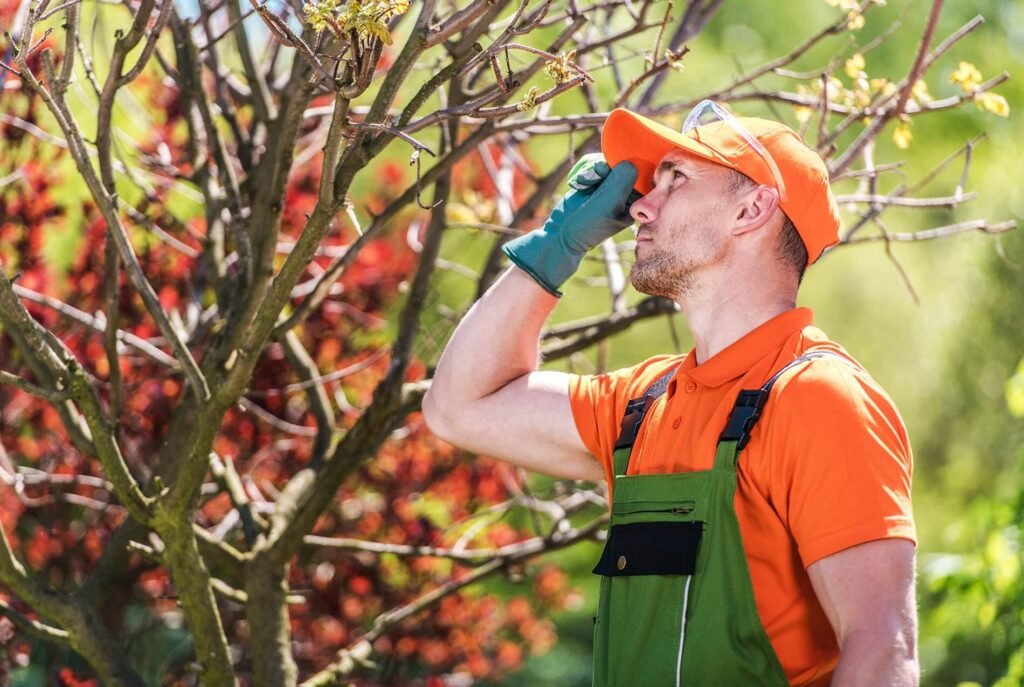
Trees are an important part of any property because they provide shade, privacy, beauty, and valuable environmental benefits. They also create a natural atmosphere that can make outdoor areas more comfortable and inviting. However, trees are living organisms that require regular attention to remain healthy and structurally strong. Branches can become damaged, diseases can develop, insects can attack weakened areas, and roots can experience problems because of soil conditions. If these concerns are ignored, they may eventually create safety risks for people and surrounding structures. Regular inspections and maintenance can identify potential problems before they become difficult to handle. Professional tree service can provide property owners with the knowledge, equipment, and practical assistance needed to maintain trees properly throughout their lives.
- Why Regular Tree Care Is Important
- Understanding Professional Tree Pruning
- Signs That a Tree May Need Attention
- When Tree Removal Becomes Necessary
- Managing Storm-Damaged Trees
- The Importance of Stump Grinding
- Protecting Trees From Diseases
- Controlling Insects and Pest Problems
- Benefits of Professional Equipment
- Protecting Surrounding Property
- Improving the Appearance of Outdoor Spaces
- Seasonal Tree Maintenance
- Choosing a Qualified Tree Care Provider
- Avoiding Improper Pruning Practices
- Supporting Long-Term Tree Health
- When Professional Assistance Is Needed
- Creating a Practical Maintenance Plan
- Final Thoughts
Why Regular Tree Care Is Important
Regular tree care is essential for maintaining both the health and safety of trees. Trees are constantly exposed to wind, rain, sunlight, changing temperatures, insects, and diseases, all of which can affect their condition over time. Even a tree that appears healthy from the ground may have weak branches, damaged roots, or structural issues that are difficult to notice without a closer inspection. Routine maintenance helps identify these concerns before they develop into major problems. Proper care can also encourage balanced growth, improve airflow through the canopy, and reduce the presence of dead or hazardous branches. Property owners who establish a consistent maintenance routine can often avoid unexpected emergencies while preserving the natural beauty and usefulness of their trees.
Understanding Professional Tree Pruning
Pruning is one of the most common forms of tree maintenance, but it should always be performed with a clear purpose. Cutting branches without understanding the natural structure of a tree can cause unnecessary damage and affect future growth. Proper pruning generally focuses on removing dead, diseased, broken, or poorly positioned branches while preserving healthy areas of the canopy. It may also improve clearance around buildings, driveways, walkways, windows, and outdoor structures. Young trees can benefit from structural pruning that encourages strong and balanced development as they mature. Mature trees often require more selective pruning because large cuts can take longer to recover. A professional tree service provider can assess the condition and structure of a tree and determine which branches should be removed without creating unnecessary stress.
Signs That a Tree May Need Attention
Property owners should regularly observe their trees for signs that could indicate declining health or structural problems. Cracked branches, cavities in the trunk, peeling bark, dead limbs, unusual leaning, and fungal growth are examples of conditions that may deserve further inspection. Changes in foliage can also provide important clues, particularly when leaves become unusually thin, discolored, or begin falling earlier than expected. Root problems can be more difficult to recognize because most of the root system remains below the soil surface. Exposed roots, soil movement, poor drainage, and sudden changes in tree growth can sometimes indicate underlying issues. A single symptom does not necessarily mean that a tree is unsafe, but several warning signs appearing together should not be ignored. Early professional evaluation can help determine whether pruning, treatment, support, or removal may be necessary.
When Tree Removal Becomes Necessary
Tree removal may be required when a tree is dead, severely damaged, unstable, or affected by a condition that makes preservation impractical. Large trees can be especially challenging because their branches and trunks may be extremely heavy and difficult to control during removal. The situation becomes more complicated when a tree is positioned close to a building, vehicle, fence, walkway, or other valuable structure. Professionals evaluate the tree’s size, condition, surrounding obstacles, and available working space before choosing a suitable removal method. In many cases, large trees are removed in carefully controlled sections rather than being cut down all at once. This provides greater control over individual branches and pieces of wood. Professional tree service can make complex removal projects more organized by using suitable equipment and established safety procedures.
Managing Storm-Damaged Trees
Severe weather can create serious problems for trees, even when they appeared healthy before a storm. Strong winds can break branches, split trunks, uproot trees, or cause major limbs to become unstable. Heavy rainfall can also weaken soil around roots and contribute to instability. After a storm, some broken branches may remain suspended in the canopy, creating a potentially dangerous situation for anyone nearby. Property owners should avoid approaching heavily damaged trees, particularly when electrical lines or unstable branches are involved. A professional assessment can determine the extent of the damage and identify hazards that require immediate attention. Emergency tree service can assist with fallen trees, hazardous limbs, blocked access areas, and other storm-related issues while helping reduce the possibility of additional property damage.
The Importance of Stump Grinding
Removing a tree does not always mean that the entire problem has been resolved. A remaining stump can interfere with lawn maintenance, landscaping, construction, and the general use of outdoor space. It may also become a tripping hazard or provide a suitable environment for insects and fungal growth. Stump grinding is a common method used to reduce a stump below the surrounding ground level. Specialized equipment breaks the remaining wood into smaller pieces, making the area easier to clean and prepare for future use. Complete stump removal may be preferred in situations where the entire root structure needs to be excavated. The appropriate method depends on the size and location of the stump and the property owner’s future plans. Professional tree service providers may offer stump-related solutions as part of broader tree maintenance work.
Protecting Trees From Diseases
Trees can experience many different diseases that affect their leaves, bark, branches, roots, and overall development. Some diseases progress slowly, while others can cause rapid decline under favorable conditions. Warning signs may include unusual leaf spots, discoloration, dying branches, fungal growth, bark abnormalities, or changes in normal growth patterns. Correctly identifying the underlying problem is important because different diseases require different management approaches. Treating a tree without understanding the cause of the symptoms may be ineffective and can sometimes create additional stress. Regular inspections provide an opportunity to identify unusual changes at an earlier stage. Professional tree service can help property owners understand whether a tree is experiencing a disease, environmental stress, insect damage, or another condition requiring attention.
Controlling Insects and Pest Problems
Insects can affect trees in several ways, depending on the type of pest and the overall condition of the tree. Some insects feed on leaves, while others damage bark, branches, stems, or roots. Severe infestations can weaken trees and make them more vulnerable to environmental stress and secondary problems. Signs of insect activity may include holes in bark, damaged foliage, unusual residue, visible insects, or gradual branch decline. However, not every insect found on a tree is harmful, which means proper identification should come before treatment. Unnecessary chemical applications may not solve the actual problem and can affect beneficial organisms. Professional evaluation can help determine whether pest activity is significant and what type of management may be appropriate for the tree.
Benefits of Professional Equipment
Tree maintenance frequently requires specialized equipment, especially when work involves large branches, tall trees, or difficult access areas. Professionals may use ropes, climbing systems, chainsaws, elevated platforms, wood chippers, stump grinders, and other specialized tools. The right equipment can make challenging work more controlled and efficient while reducing unnecessary physical risks. However, equipment must be used correctly because improper operation can create serious hazards. Workers need to understand how branches respond when they are cut, how heavy sections should be lowered, and how equipment can affect nearby structures. Experience is particularly important when trees are located near buildings, vehicles, fences, or utility infrastructure. Professional tree service teams can combine appropriate equipment with established work practices to handle complicated projects more safely.
Protecting Surrounding Property
Tree maintenance should always take the surrounding property into consideration. Large branches and sections of trunks can cause substantial damage if they fall onto roofs, vehicles, fences, gardens, sidewalks, or other structures. Before starting work, professionals generally inspect the area and identify obstacles that could affect the project. Ropes and controlled lowering techniques may be used to guide branches safely toward designated areas. Larger pieces can also be divided into smaller sections to make handling easier. Protecting lawns and gardens is another important consideration when heavy equipment is needed. Careful planning allows workers to complete necessary tree work while reducing the possibility of avoidable damage. A responsible tree service approach considers the tree, the workers, the property, and the people who may be nearby.
Improving the Appearance of Outdoor Spaces
Healthy and properly maintained trees can greatly improve the appearance of a property. Overgrown branches may block windows, interfere with walkways, reduce visibility, or make an outdoor area look neglected. Selective pruning can improve the shape and balance of a tree while creating useful clearance around important areas. Removing dead and broken branches can also make trees look healthier and reduce potential hazards. However, pruning should not be based entirely on appearance because excessive cutting can weaken the tree. A good maintenance plan balances aesthetic goals with the biological needs of the tree. Professional tree service can help property owners determine how much pruning is appropriate and which branches should be retained. Thoughtful maintenance can create a cleaner landscape while supporting the long-term health of the trees.
Seasonal Tree Maintenance
Trees face different challenges during different seasons, so regular observation throughout the year can be valuable. During periods of active growth, property owners may notice new branches, changes in foliage, or signs of insects and diseases. Severe weather can expose weak limbs and structural defects that were previously difficult to identify. Heavy rain can affect soil conditions around roots, while strong winds can place additional pressure on large branches. Seasonal changes can also influence the best timing for certain maintenance activities. Creating a regular inspection schedule helps property owners monitor their trees instead of waiting until a problem becomes obvious. Professional tree service can be scheduled according to the specific condition and maintenance requirements of the landscape, helping property owners stay ahead of potential concerns.
Choosing a Qualified Tree Care Provider
Choosing a tree care provider should involve more than simply comparing prices. Property owners should consider experience, training, equipment, safety procedures, communication, and the specific services included in the project. A dependable provider should be able to explain why particular work is recommended and what the process will involve. Written estimates can help property owners understand the scope of work and reduce misunderstandings about costs. It can also be helpful to ask whether cleanup, debris removal, stump grinding, or other related tasks are included. For larger projects, property owners should understand how workers plan to protect nearby structures and manage branches during removal. Selecting a qualified tree service provider can make the project more organized and help ensure that important safety considerations are addressed from the beginning.
Avoiding Improper Pruning Practices
Improper pruning can cause long-term problems even when the original intention is to improve the appearance of a tree. Removing too much foliage can reduce the tree’s ability to produce energy and may increase stress during difficult environmental conditions. Poorly positioned cuts can create large wounds that take longer to close and may increase opportunities for insects and disease organisms. Excessive topping can also interfere with the natural structure of a tree and encourage weak new growth. Responsible pruning should have a specific objective and should remove only the growth that needs attention. Understanding the tree’s species, age, health, and structural condition helps determine the most appropriate approach. Professional tree service can provide careful pruning based on the actual needs of the tree rather than using the same cutting method for every situation.
Supporting Long-Term Tree Health
Tree care should be considered an ongoing investment rather than a one-time task. As trees become older and larger, their maintenance requirements can change significantly. Young trees may need structural guidance, while mature trees may require more frequent inspections and selective pruning. Keeping records of previous maintenance can help property owners understand how trees have developed over time. Regular observation also makes it easier to identify new problems before they become severe. Soil conditions, drainage, root development, canopy density, and branch structure can all influence long-term tree health. A planned approach gives property owners an opportunity to prioritize necessary work and avoid unnecessary emergency situations. Consistent professional attention can help preserve healthy trees while reducing the risks associated with neglected maintenance.
When Professional Assistance Is Needed
Some basic tree maintenance tasks may be manageable for property owners, but complicated projects require specialized knowledge and equipment. Large trees, damaged limbs, unstable trunks, elevated branches, and trees located near structures can create significant hazards. Working at height or cutting heavy branches without appropriate preparation can result in serious injuries or property damage. Professional assistance is particularly important when there is limited space for falling branches or when the tree is difficult to access. Experienced workers can assess the situation, identify potential risks, and select appropriate tools and techniques. A professional tree service can therefore be especially valuable when a project involves significant height, weight, structural uncertainty, or nearby obstacles. Getting qualified assistance can help property owners avoid unnecessary risks while ensuring that the work is completed in a controlled manner.
Creating a Practical Maintenance Plan
A long-term tree maintenance plan can make it easier for property owners to manage their landscapes effectively. Instead of waiting until a tree becomes hazardous, owners can schedule periodic inspections and address smaller concerns as they appear. A maintenance plan may include seasonal inspections, selective pruning, disease monitoring, pest observation, storm assessments, and stump management when necessary. It can also include keeping records of major work performed on individual trees. These records can be useful because they provide information about previous pruning, removal, treatment, or structural concerns. A planned approach can make expenses more predictable and reduce the likelihood of unexpected emergency work. It also allows property owners to focus on preserving healthy trees rather than reacting only when significant problems occur.
Final Thoughts
Trees can provide lasting beauty, shade, privacy, and environmental value, but they need responsible care to remain healthy and safe. Regular inspections, appropriate pruning, disease monitoring, pest awareness, storm assessments, and proper removal all play important roles in effective tree management. Property owners can reduce many potential problems by identifying warning signs early and addressing maintenance needs before conditions become serious. Professional assistance is especially valuable when projects involve large trees, heavy branches, specialized equipment, or nearby structures. A consistent maintenance plan can protect valuable trees while also reducing potential hazards around the property. By treating tree care as an ongoing responsibility rather than an occasional task, property owners can maintain healthier landscapes and enjoy the benefits of mature trees for many years.


A familiar transition can become a fresh fashion clip when the outfit and character are yours. This guide shows how AI genjutsu can help you adapt the motion, choose better reference images, and keep the result watchable.
Pick the moment viewers will remember
Outfit videos work when the change happens at a satisfying moment: a spin, a step past the camera, or a quick turn back into frame. Before gathering images, choose a short clip with a transition you would watch twice. The motion should be clear enough to understand without sound.
You do not need a complicated dance. A simple gesture often gives the clothes more room to register. Use a clip you created or have permission to adapt, especially if you plan to post the finished video publicly.
Choose outfit images that match the movement
If the reference subject turns, collect images that show the outfit from more than one angle. If the shot is full length, avoid using only a portrait crop. Try to keep lighting, body position, and color consistent across the images you give AI genjutsu. These details make the change feel intentional instead of jumpy.
Think about what the viewer should notice first. A bold coat needs enough screen space to show its silhouette. A pair of shoes needs a source clip that actually shows the feet. Matching the image to the action matters more than adding a long list of style words to the prompt.
Build a version with your own details
With AI genjutsu, you can start from a short video or template, add pictures of your character or outfit, and describe the change you want. The new clip follows the reference’s motion and timing while bringing in your own visual material. For a quick fashion test, a prompt such as “keep the spin and camera position, but use the silver jacket and black trousers in the reference images” gives the tool a clear job.
Choose the shape of the final post before generating. A vertical 9:16 frame suits many short video feeds, while square or wide formats may work better elsewhere. If the source keeps the subject near an edge, check that the chosen frame does not cut off the outfit reveal.
Make the reveal worth replaying
Watch the finished clip on a phone, where most viewers will see it. Does the outfit change happen at the beat you expected? Can you still recognize the fabric and shape after the transition? Pause on a few frames around the change to spot distorted sleeves, shoes, or hands.
If the AI genjutsu outfit looks wrong, simplify the source action or replace the weakest image. If the timing feels flat, try another reference with a clearer trigger moment. Keep any caption short enough that it does not compete with the visual reveal.
Finish with a clip you can stand behind
Trend inspired does not have to mean identical. The strongest version keeps the satisfying rhythm of a format while giving viewers a real reason to notice your character, styling, or product. Obtain permission for the footage and images you use, and review the result before posting.
AI genjutsu makes the experiment approachable: choose a good movement, provide images that match it, and keep your request specific. Your taste in the outfit and the final edit is what turns a familiar transition into your own short video.


A car accident can turn an ordinary drive into a situation involving medical treatment, vehicle damage, insurance questions, and unexpected financial pressure. Even when the collision appears straightforward at first, injuries may become more noticeable later and the process of dealing with insurance can become increasingly complicated. For someone recovering from an accident, understanding what happened and documenting its consequences can be important. New Jersey has specific automobile insurance rules, including Personal Injury Protection and different coverage options that can affect an injured person’s rights.
- Why the Details of a Collision Matter
- Evidence Can Help Tell the Story
- New Jersey Auto Insurance Can Affect the Process
- Medical Treatment Should Be Taken Seriously
- A Serious Injury Can Affect More Than Health
- Understanding Potential Losses
- Determining Who May Be Responsible
- How Legal Review Can Help
- Insurance Companies May Request Detailed Information
- Hit-and-Run and Uninsured Driver Cases
- Documenting the Recovery Process
- When a Bergenfield Car Accident Lawyer May Be Helpful
- Final Thoughts
Why the Details of a Collision Matter
No two car accidents are exactly alike. A crash at an intersection may involve different evidence from a collision on a busy roadway, while an accident involving a distracted driver may require a different investigation from one involving dangerous road conditions.
The circumstances surrounding the collision can influence how responsibility and insurance issues are evaluated. Police reports, photographs, witness accounts, traffic signals, road conditions, vehicle damage, and available video footage may all help create a clearer picture of what occurred.
Evidence Can Help Tell the Story
Evidence can become particularly important when the people involved have different accounts of how the accident happened. Photographs taken shortly after the collision can document vehicle damage, roadway conditions, debris, visibility, and other details that may change over time.
A Bergenfield car accident lawyer may review these materials together with medical records, insurance documents, and other information to understand the circumstances of the collision. Preserving relevant evidence early can also make it easier to reconstruct the events later.
Evidence That May Be Important
- Police or crash reports
- Photographs of the vehicles and accident scene
- Witness contact information
- Available security or traffic-camera footage
- Medical records and treatment documentation
- Vehicle repair estimates
- Insurance correspondence
New Jersey Auto Insurance Can Affect the Process
Auto insurance is required in New Jersey, and drivers can choose between Basic and Standard policies with different coverage options. The Standard Policy includes Personal Injury Protection, while uninsured and underinsured motorist coverage may also be available depending on the policy.
The policy selected can also affect certain rights after an accident. New Jersey’s Standard Policy requires a choice concerning the right to sue, and that choice can affect claims for pain and suffering or other non-economic losses.
Medical Treatment Should Be Taken Seriously
Some injuries are immediately obvious after a crash, while others may develop or become more noticeable as the initial shock wears off. Pain, stiffness, headaches, dizziness, and other symptoms may require medical evaluation.
Medical records can create an important timeline of what happened after the collision. Emergency treatment, diagnostic testing, physician appointments, prescriptions, physical therapy, and other care can help document both the injury and the recovery process.
A Serious Injury Can Affect More Than Health
A significant injury can interfere with work, family responsibilities, transportation, and everyday activities. Someone who was able to perform a full work schedule before an accident may suddenly need time away from employment or may require modified duties during recovery.
The financial consequences can also continue after the initial treatment. Rehabilitation, follow-up appointments, medication, transportation, and other expenses may add to the economic impact of the accident. In more serious cases, an injury may affect future earning ability as well.
Understanding Potential Losses
The consequences of a car accident can involve several different types of losses. Some are relatively easy to document, while others may require a broader examination of the injured person’s circumstances.
| Potential Loss | Examples |
| Medical expenses | Emergency care, diagnostic testing, treatment, medication |
| Lost income | Time missed from work during recovery |
| Future earnings | Reduced ability to work because of lasting limitations |
| Rehabilitation | Physical therapy and other continuing treatment |
| Transportation | Travel expenses associated with medical care |
| Property damage | Vehicle repair or replacement costs |
| Daily assistance | Help required with certain everyday activities |
Determining Who May Be Responsible
A vehicle collision does not automatically establish legal responsibility. The circumstances leading up to the crash need to be examined to determine what happened and whether another driver’s conduct or another factor contributed to the accident.
Depending on the circumstances, relevant issues may include distracted driving, speeding, unsafe lane changes, failure to yield, poor visibility, roadway conditions, or other factors. Evidence should be used to establish these facts rather than relying solely on assumptions.
How Legal Review Can Help
A serious accident can create several questions at once. An injured person may need to understand insurance coverage, medical expenses, lost income, property damage, and the potential effect of continuing injuries.
A Bergenfield car accident lawyer can review the available documentation and examine how the accident and resulting injuries may relate to a potential claim. This may involve looking at the accident report, medical records, photographs, witness information, insurance policy, and employment documentation.
Insurance Companies May Request Detailed Information
After an accident, insurers may ask for information about the collision, vehicle damage, medical treatment, and other losses. Keeping records organized can make it easier to provide accurate information and maintain a clear history of the claim.
New Jersey’s insurance system can involve PIP coverage as well as uninsured and underinsured motorist coverage, depending on the policy. The state’s Department of Banking and Insurance explains that coverage limits and options vary between policies, making it important to examine the actual policy involved.
Hit-and-Run and Uninsured Driver Cases
A collision can become more complicated when the responsible driver leaves the scene or does not have sufficient insurance coverage. In those circumstances, identifying available insurance protection may become particularly important.
New Jersey Standard Policies provide uninsured and underinsured motorist coverage, subject to applicable policy terms and selected limits. The circumstances of the accident and the specific coverage available can determine what options may exist.
Documenting the Recovery Process
Keeping accident-related records organized can help preserve important information. Medical bills, treatment records, prescriptions, repair estimates, insurance correspondence, and employment documents can all contribute to a clearer timeline.
It can also be useful to document meaningful changes in everyday activities. Difficulties with work, transportation, household responsibilities, or normal routines can provide additional context when evaluating the broader effect of an injury.
When a Bergenfield Car Accident Lawyer May Be Helpful
Some collisions are resolved relatively quickly, while others involve serious injuries, disputed facts, complicated insurance coverage, or continuing financial losses. The more complicated the circumstances become, the more important it may be to understand the legal and insurance issues involved.
A Bergenfield car accident lawyer can review the available evidence and help explain the legal considerations that may apply to the particular circumstances. A careful review can help identify relevant documentation, potential insurance issues, and questions that may need further attention.
Final Thoughts
A car accident can create consequences that extend well beyond vehicle repairs. Medical treatment, lost income, insurance questions, rehabilitation, and changes to everyday life can all become part of the recovery process when injuries are involved. New Jersey’s automobile insurance system contains specific rules concerning PIP, uninsured and underinsured motorist coverage, and lawsuit options.
For someone dealing with the aftermath of a serious collision, understanding the available evidence and insurance coverage can provide a clearer foundation for making informed decisions. A Bergenfield car accident lawyer can evaluate the circumstances of the collision, review relevant documentation, and help an injured person understand the legal options that may apply to the particular case.
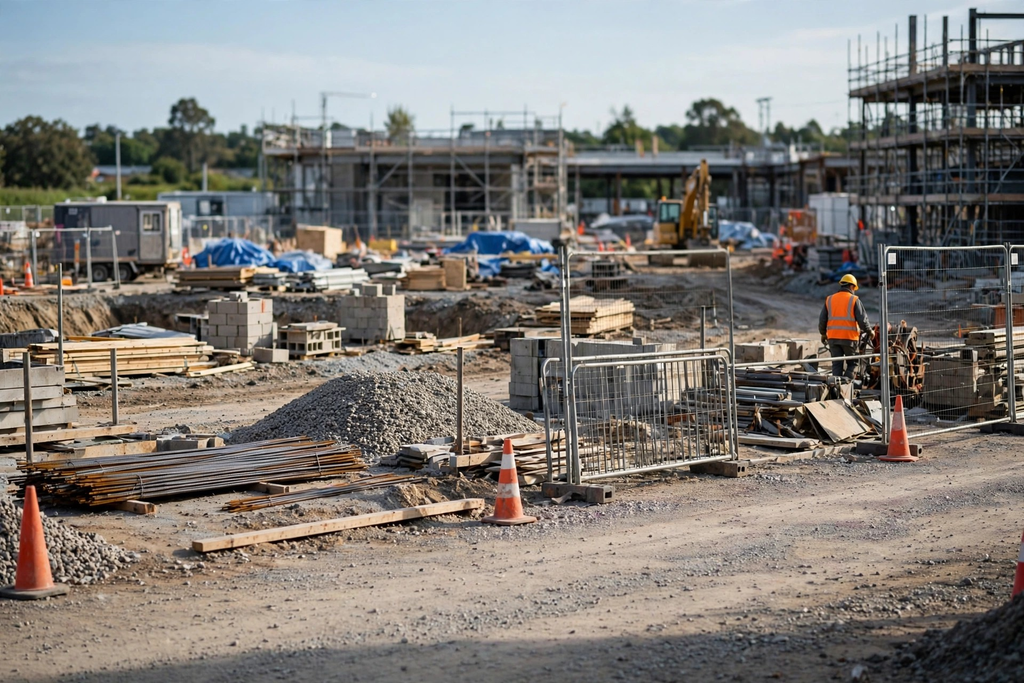
Workplace injuries can turn your life upside down in North Myrtle Beach. You may be facing chronic pain, limited mobility, time out of work, extensive medical bills, and mental health struggles as you work to recover and reclaim your life. That list is not dramatic language. It is what a work injury actually looks like a month later, when the first sympathy has faded and the bills have not.
Fortunately, there are legal avenues you can pursue to secure financial support during this difficult time, but you need an experienced workplace injury attorney to guide you. At Jebaily Law Firm, the team has been protecting the rights of hardworking people in South Carolina for over 50 years. Contact them today to learn more in a free consultation with one of their experienced workplace injury lawyers. The consultation is free. The guidance is not generic. It is built around your job, your injury, and your deadlines.
The First Four Moves After a Work Injury
If you are hoping to receive workers’ compensation benefits in South Carolina, there are a few things you should do after suffering an injury in the workplace. Report the injury immediately. Do not wait to inform your supervisor or manager, preferably in writing. A report creates official documentation linking your injury to the accident and ensures that your employer is made aware of it. When reporting, note the time, place of injury, how you were injured, the injuries received, and names of witnesses, and keep a copy of this information.
Seek immediate medical attention. Always get evaluated, even if the injury seems minor at first. Some injuries do not show symptoms until long after they occur, and if you wait to get care, the delay could be used against you when seeking benefits. Gather evidence too: take accident scene photos and videos documenting the hazards that caused your injury, collect witness contact information, and save copies of all medical bills, prescriptions, invoices, receipts, and communications with your employer. A North Myrtle Beach Workers Compensation Attorney will tell you that these four moves, done early, are worth more than any argument made later.
How the Firm Builds a Case That Holds Up
The firm’s attorneys take a personalized and comprehensive approach to building a compelling case to help you receive your benefits. Whether you work at one of the hotels on the beachfront, a construction site near Cherry Grove, a restaurant on Highway 17, or somewhere else in North Myrtle Beach, they know how to investigate the accident and gather the evidence needed to build a strong case. Local knowledge matters here, because a beachfront hotel and a construction site do not injure people the same way.
All successful workers’ comp claims require clear, detailed medical documentation proving the extent and impact of your injuries, and the firm can coordinate with your healthcare providers to secure the medical records, imaging, and reports that tell your whole story. They can also look at your employer’s injury logs, safety protocols, OSHA postings, and any history of similar complaints or injuries in the workplace where your accident occurred.
The Injuries That Take You Off the Job
The firm’s North Myrtle Beach workers’ compensation attorneys have represented clients suffering from a wide range of work-related injuries across various industries. Some of the most common and most severe workplace injuries include trips, slips, and falls, back and neck injuries, repetitive stress injuries, fractures and broken bones, crush injuries, burns and chemical exposures, spinal cord injuries, and traumatic brain injuries. That list covers the hotel housekeeper, the construction worker, and the restaurant cook in one breath.
Whether an injury is deemed minor or severe, it can have a tremendous impact on your daily life, finances, and ability to work. A bad back does not care whether your job title sounds dangerous. A repetitive stress injury does not need a dramatic accident to end a career. The firm fights for your right to receive benefits that reflect those impacts, not just the injuries that photograph well.
Five Benefits, and What Each One Actually Pays
Depending on the nature and severity of your injury, you may have access to several types of workers’ compensation benefits under South Carolina law. Working with a North Myrtle Beach Workers Compensation Attorney starts with sorting out which of the five benefits fits your injury, because each one pays for something different, and claiming the wrong one is how people leave money behind.
| Benefit | What it covers |
| Medical benefits | All reasonable and necessary care: visits, hospital, surgery, prescriptions, therapy |
| Temporary total disability | Partial income replacement while you recover, typically two-thirds of average weekly wage, up to a cap |
| Temporary partial disability | Part of the gap between pre- and post-injury wages when you return in a limited capacity |
| Permanent partial disability | Lump-sum or structured award based on a doctor’s impairment rating |
| Permanent total disability | 500 weeks of benefits, or lifelong benefits in some cases |
Two Deadlines You Cannot Miss
To obtain workers’ compensation benefits in South Carolina, you must notify your employer within 90 days from the date of the incident. However, the sooner you inform them, the better. Once notified, your employer must file an injury report with their insurance carrier and inform the South Carolina Workers’ Compensation Commission within 10 days. A North Myrtle Beach Workers Compensation Attorney will say the same thing about both clocks: sooner is not just better, it is safer, because memories fade and records get harder to obtain.
If your employer or their insurer denies your claim for workers’ comp benefits, you will need to file a formal claim with the South Carolina Workers’ Compensation Commission within two years of the date of the injury. The firm’s attorneys can handle that process for you, and they can lead you through any hearings, depositions, or informal conferences required by the Commission, including prepping you for what to expect, presenting evidence, questioning witnesses, and calling on expert witnesses as needed. Many cases resolve through negotiations, and the firm takes on the insurance company to fight for the benefits you deserve.
What Treatment Gets Covered, and What Gets Paid
When your claim is accepted, you may be entitled to all reasonable and necessary medical treatments related to your injury, including emergency care, follow-up visits, diagnostic imaging, prescribed medications, medical devices, physical therapy, and surgeries.
That list is the treatment side of the case, and it is generous on purpose: the system is supposed to cover the full cost of all reasonable and necessary treatment and rehabilitation for a work injury or occupational illness.
The payment side has its own small print, and it is worth knowing before you count on it. You should be paid for the time your doctor has you out of work, but you are not entitled to compensation until you have been out of work at least 8 days. You should be reimbursed for mileage to and from your doctor’s appointments, but you must travel at least 5 miles each way.
Workers are generally entitled to compensation at a rate of 66-2/3 percent of average weekly wage, based on the previous four quarters before the injury, up to the maximum average weekly wage set yearly by the South Carolina Employment Security Commission.
Fierce Representation, and a Free First Call
The firm offers not only fierce representation to its clients, but also the compassion and understanding they need to see their claim through and continue along the road to recovery. A North Myrtle Beach Workers Compensation Attorney will also warn you about two traps that cost people money.
You should not use your own health insurance policy to get treatment for a work-related injury, because some private health insurance policies expressly exclude coverage for work-related healthcare, and your insurer may demand reimbursement from your employer or its workers’ compensation insurer.
To be eligible for workers’ compensation benefits, you must have been injured within the scope and course of your employment. All injuries are not accidents: some are caused by repetitive motion, exposure to harmful substances, or extraordinary or unusual conditions of the job, and generally most injuries suffered during working hours at the employer’s place of business would qualify.

How to Make a Trend Inspired Outfit Video Feel Like Your Own

Long-Term Trailer Parking: How to Find the Right Monthly Trailer Parking

Long Island Homeowners Are Rethinking Their Floors—Here’s Why

Alex Pettyfer Net Worth, Wife, Age, Height, Children, Career and More

Brad Williams Net Worth, Wife, Height, Age, Daughter, Family, Career and More

Eldorado.gg Review 2026: How It Works, Safety, Fees, and Risks
-
Celebrity11 months ago
Alex Pettyfer Net Worth, Wife, Age, Height, Children, Career and More
-
Celebrity11 months ago
Brad Williams Net Worth, Wife, Height, Age, Daughter, Family, Career and More
-
Blog2 months ago
Eldorado.gg Review 2026: How It Works, Safety, Fees, and Risks
-
 Anime12 months ago
Sanzoku Bandits of One Piece: Origins, Higuma, and Their Role in Dawn Island
-
 Celebrity11 months ago
John McGinn Net Worth, Age, Height, Wife, Childrens, Career and More
-
 Celebrity11 months ago
Frances de la Tour Net Worth, Age, Height, Husband, Childrens, Career and More
-
 Celebrity11 months ago
Will Trickett Net Worth, Wife, Childrens, Age, Career and More
-
 Blog3 months ago
Crackstube: A Complete Guide to the Digital Publishing Platform