
Health
Top Qualities to Look for When Choosing a Medical Director in Phoenix

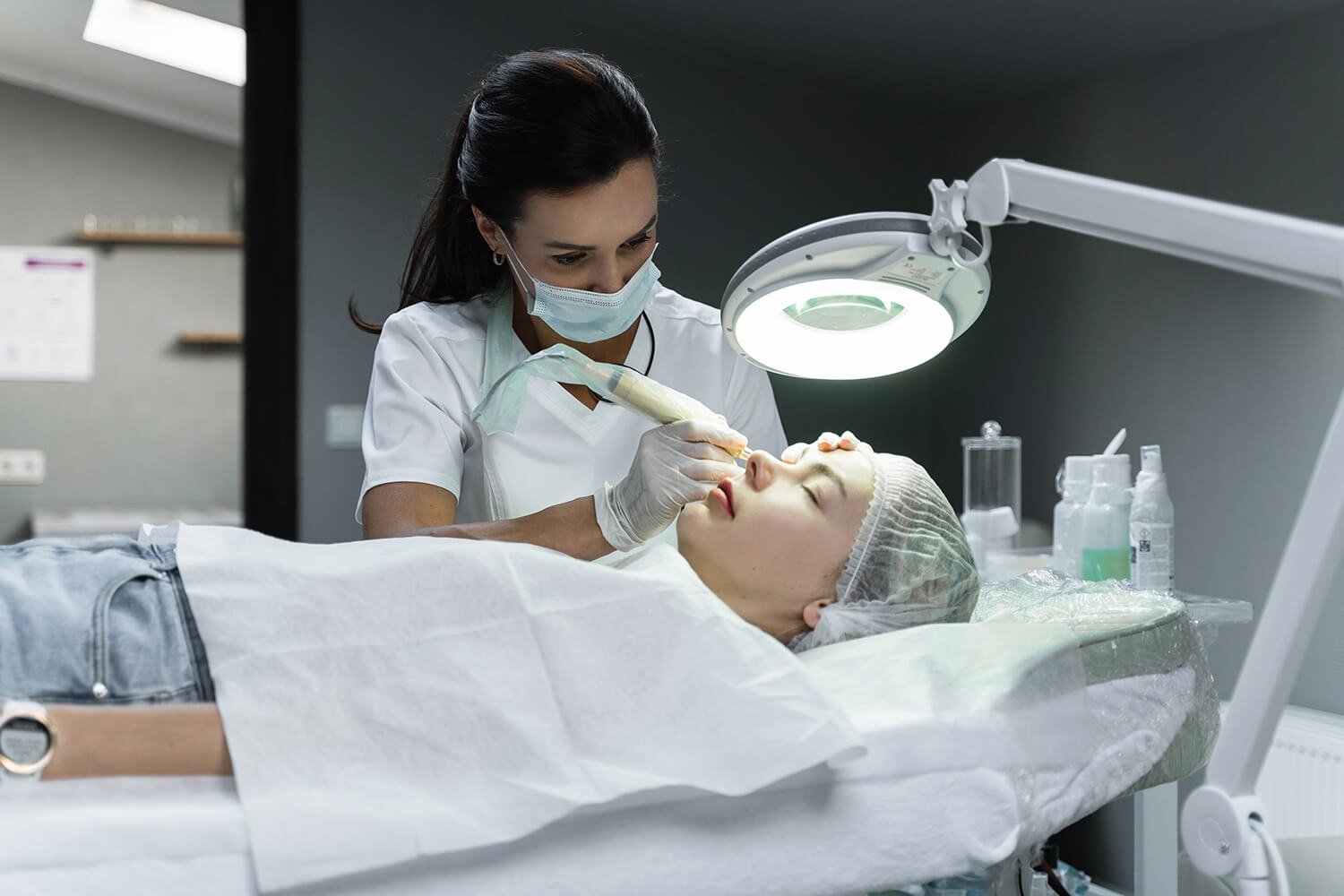
Choosing the right medical director is an important decision for any aesthetic practice. A medical director can provide clinical guidance, supervision, training resources, and support with business documentation. The right professional should understand medical aesthetics and the needs of med spas, nurses, and estheticians.
- 1. Experience in Medical Aesthetics
- 2. Knowledge of Arizona Requirements
- 3. Strong Communication Skills
- 4. Support With Clinical Protocols and Documentation
- 5. Training and Provider Guidance
- 6. Ongoing Availability and Support
- 7. Services That Match Your Practice Needs
- Find the Right Medical Director for Your Aesthetic Practice
If you are searching for a medical director in Phoenix, look beyond basic qualifications. Experience, communication, industry knowledge, and ongoing support are all important when selecting someone to work with your practice.
1. Experience in Medical Aesthetics
First, you will need to consider experience in the aesthetic industry. An understanding medical director can offer more pertinent advice to cosmetic professionals.
See if the doctor has experience in using these treatments: neuromodulators, dermal fillers, chemical peels, microneedling. This knowledge can be useful when creating treatment regimens and when advising professionals who are delivering such services. Medical spa experience is also beneficial, as a medical spa is a clinical business.
2. Knowledge of Arizona Requirements
A medical director should be knowledgeable of the regulatory aspects of aesthetic procedures in the state of Arizona. Licences, roles, and scope of practice vary from profession to profession.
When selecting a medical director in Arizona, inquire if they know what is involved with the services and professional team. They should be able to offer advice on clinical procedures, supervision plans and related documentation. It is important to also confirm the credentials of professionals, and who is liable for each clinical activity.
3. Strong Communication Skills
Communication is key when having a medical director. The aesthetic provider might ask questions regarding treatment protocols, documentation, patient concerns or business practices.
Your medical director should be readily available and be able to guide you if necessary when you need help. Good communication also ensures that everyone is aware of the changes in the protocol and expectations for practice.
Before agreeing, enquire how and how often consultations occur, and how urgent questions are facilitated.
4. Support With Clinical Protocols and Documentation
A medical director should be able to support your practice to develop structured clinical workflows. These can include client intake forms, consent forms, SOPs, and incident reporting.
Providers have clear documentation, which helps them understand their responsibilities and have consistent processes in the practice.
Request to see what papers and information are part of the medical director service. Also, check if there are forms already that can be reviewed and amended according to the services provided by your practice.
5. Training and Provider Guidance
Additionally, training support is crucial. Medical aesthetics nurses and estheticians are required to learn treatment protocols, medical responsibilities, and proper procedures, which may require guidance.
Seek a medical director who can offer access to relevant training and training support. This can be useful for providers to develop their knowledge and understanding of the expectations of their roles.
6. Ongoing Availability and Support
Medical direction should not be a signing of an agreement. A professional should be able to discuss how they offer continuous support and what occurs if the practice requires guidance.
Inquire about clinical consultation, emergency access, compliance support, and how to discuss clinical concerns. Knowing this information prior to making your choice of medical director can prevent any confusion later on.
7. Services That Match Your Practice Needs
Each beauty therapy treatment is unique. There are those that provide laser treatments, microneedling, or esthetician services, and there are those that provide injectables.
Select a medical director who is of a similar nature to your practice. Examine the contents of the package, whether off-site supervision is available, if business forms are provided, if compliance assistance is provided, and if other resources are included.
Find the Right Medical Director for Your Aesthetic Practice
The right medical director should bring relevant experience, clear communication, clinical guidance, and practical support to your aesthetic business. Before making a decision, review their services and make sure they match your practice requirements.
Disclaimer
This article is for general educational purposes only and does not constitute medical, legal, or professional advice. Medical director responsibilities and supervision requirements may vary depending on the services offered and professional licenses involved. Always verify current Arizona requirements with the appropriate licensing authorities and qualified legal professionals.

Maintaining a healthy weight can be challenging, especially when busy schedules, eating habits, stress, and other lifestyle factors make it difficult to stay consistent. For individuals looking for professional support, Medical Weight Loss Anthem services can provide personalized guidance and structured weight management solutions.
While diet plans and regular exercise are important, some people need additional guidance to achieve their health goals. Professional medical weight loss programs offer an approach that focuses on individual needs, overall wellness, and long-term lifestyle improvements.
What Are Professional Medical Weight Loss Programs?
Medical weight loss programs are supervised approaches designed to help individuals manage their weight with professional guidance. Unlike generic diet plans, these programs may consider a person’s medical history, current health, lifestyle, and weight management goals.
A qualified healthcare provider can evaluate individual needs and recommend appropriate strategies. Depending on the person, these may include nutritional guidance, physical activity recommendations, behavioral support, and medically appropriate treatment options.
The main goal is to develop a realistic plan that supports gradual and sustainable progress rather than relying on quick fixes.
Benefits of Choosing Professional Weight Loss Support
One of the biggest advantages of professional weight loss programs is personalized guidance. Every individual has different health needs, habits, and challenges. A customized approach can make it easier to follow a plan that fits into everyday life.
Here are some important benefits:
1. Personalized Weight Management Plans
Professional programs take individual circumstances into account. Healthcare providers can help establish achievable goals based on a person’s health status, lifestyle, and preferences.
2. Medical Supervision and Guidance
Medical supervision can help identify potential health concerns that may affect weight management. Regular assessments also allow providers to monitor progress and make appropriate adjustments when necessary.
3. Nutritional Education
Understanding healthy eating habits is an important part of maintaining a healthy weight. Professional guidance can help individuals make informed food choices, understand portion sizes, and develop balanced eating habits.
4. Long-Term Lifestyle Improvements
Sustainable weight management involves more than losing pounds. Building consistent habits, staying physically active, improving sleep quality, and managing stress can contribute to overall well-being.
Why Consider Medical Weight Loss Anthem Services?
Individuals looking for structured weight management support may explore Medical Weight Loss Anthem services to understand the professional options available in their area.
Working with an experienced healthcare provider can help individuals better understand their weight management challenges and identify suitable strategies. Rather than following restrictive diets or unverified online advice, patients can receive guidance based on their personal health circumstances.
When researching local options, it is important to consider the provider’s qualifications, available services, treatment approach, and commitment to patient education. A good program should prioritize safety, realistic expectations, and ongoing support.
Choosing the Right Weight Loss Clinic
Selecting a suitable clinic is an important step toward developing a sustainable weight management routine. Before choosing a provider, consider the following factors:
- Qualified Professionals: Look for appropriately licensed healthcare providers with relevant experience.
- Personalized Care: Choose a clinic that evaluates individual health needs instead of offering the same plan to everyone.
- Clear Communication: Providers should explain available treatments, potential risks, benefits, and expected outcomes.
- Ongoing Support: Regular follow-ups can help patients stay informed and adjust their plans when needed.
- Realistic Goals: Be cautious of programs promising rapid or guaranteed weight loss.
For individuals researching an az enhancement weight loss clinic, understanding the available services and approach to patient care can help them make a more informed decision.
Building Healthy Habits for Lasting Results
Professional support works best when combined with everyday lifestyle changes. Eating balanced meals, including regular physical activity, drinking enough water, and maintaining a consistent sleep schedule can all support general health.
It is also important to remember that weight management is a gradual process. Progress may look different for each person, and occasional setbacks are normal. Staying consistent and seeking professional guidance when needed can make the journey more manageable.
Final Thoughts
Professional medical weight loss programs provide structured guidance for individuals who want to improve their weight management habits. With personalized planning, appropriate medical supervision, and ongoing lifestyle support, people can work toward realistic health goals.
Whether exploring Medical Weight Loss Anthem services or researching an az enhancement weight loss clinic, choosing a qualified provider and focusing on sustainable habits are important steps toward better long-term wellness.
Disclaimer: This article is for informational and educational purposes only and should not be considered medical advice. Weight loss results and treatment outcomes may vary from person to person. Always consult a qualified healthcare professional before starting any medical weight loss program or treatment.

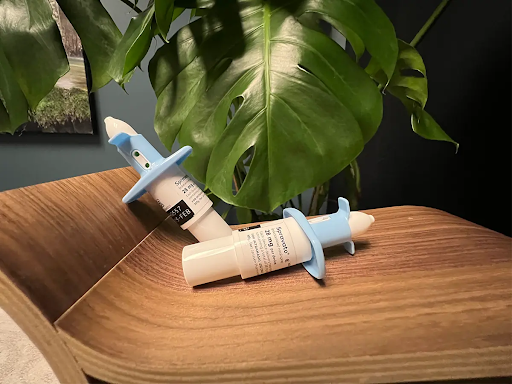
Trying a new depression treatment often comes with practical questions about safety, possible side effects, and what happens during an appointment. SPRAVATO treatment uses esketamine nasal spray and is administered under medical supervision for eligible patients with certain depressive conditions. If you’re exploring SPRAVATO treatment, understanding the monitoring process can help you prepare for appointments and know why clinical observation is an essential part of care.
- Why Is Safety Monitoring Important During SPRAVATO Treatment?
- What Happens Before a SPRAVATO Session?
- What Side Effects May Occur During Treatment?
- Why Are Patients Monitored for Two Hours?
- Can You Drive After SPRAVATO Treatment?
- Who Should Discuss Additional Safety Considerations With a Provider?
- What Should You Tell Your Healthcare Team?
- The Role of Ongoing Depression Care
- Final Thoughts
Why Is Safety Monitoring Important During SPRAVATO Treatment?
SPRAVATO contains esketamine, a prescription medication that can affect alertness, perception, blood pressure, and breathing. Although it may be an option for some people with depression, it can cause side effects that require medical observation.
For this reason, SPRAVATO isn’t a nasal spray that patients simply take home and use on their own. It must be administered under the direct supervision of a healthcare provider in an appropriate healthcare setting.
The monitoring process allows the clinical team to observe how a patient responds, check for potential complications, and determine when it’s safe to leave. The FDA prescribing information requires monitoring for at least two hours after each treatment session, followed by an assessment of the patient’s clinical stability.
What Happens Before a SPRAVATO Session?
Preparation begins before the medication is administered. Your healthcare provider will review relevant medical information, current medications, and any concerns that could affect treatment safety.
Depending on your circumstances, the team may ask about:
- Your current depression symptoms and previous treatment experiences.
- Existing medical conditions, including cardiovascular concerns.
- Prescription medications and other substances you use.
- Any previous problems with sedation or changes in awareness.
- Practical arrangements for getting home after the appointment.
Blood pressure is checked before treatment because SPRAVATO can cause a temporary increase. The provider will consider your readings and medical history when deciding whether it’s appropriate to proceed that day.
Following the clinic’s preparation instructions is also important. For example, prescribing guidance recommends avoiding food for at least two hours and liquids for at least 30 minutes before administration to help reduce the risk of nausea and vomiting.
What Side Effects May Occur During Treatment?
People respond differently to SPRAVATO. Some experience temporary effects during or after administration, while others may have fewer noticeable symptoms.
Possible side effects include:
- Dizziness or sleepiness: You may feel drowsy, lightheaded, or less alert.
- Dissociation: Your sense of time, space, or connection to your surroundings may feel unusual.
- Nausea or vomiting: These effects can occur during treatment.
- Increased blood pressure: Blood pressure may rise temporarily and require assessment.
- Anxiety or an uncomfortable sensation: Some people experience uneasiness or changes in perception.
More serious risks include respiratory depression, which affects breathing, and loss of consciousness. These risks are why supervised administration and post-dose monitoring are required. Tell the healthcare team promptly if you feel faint, have difficulty staying awake, or notice breathing problems.
Experiencing a side effect doesn’t necessarily mean the treatment must always be discontinued. Your provider can assess what happened and decide what steps are appropriate for your safety.
Why Are Patients Monitored for Two Hours?
The two-hour observation period is a core part of the SPRAVATO safety process. During this time, the clinical team monitors the patient’s condition and checks for effects that could make it unsafe to leave.
Monitoring may include:
- Blood pressure checks before and after administration.
- Assessment of alertness and possible sedation.
- Observation for dissociation or changes in perception.
- Respiratory monitoring, including pulse oximetry when required by prescribing guidance.
- A final clinical assessment to determine whether the patient is stable enough to leave.
The two-hour period is a minimum, not a guaranteed discharge time. If symptoms or measurements require additional attention, the healthcare team may continue monitoring. <Cite refs={[“turn487767search0″,”turn487767search2”]}/>
This process is intended to identify potential problems before a patient leaves the healthcare setting. It also gives patients an opportunity to tell the team how they’re feeling rather than trying to manage unexpected effects alone.
Can You Drive After SPRAVATO Treatment?
No. Patients should arrange transportation home and must not drive or operate machinery until the next day after a restful night’s sleep, according to the prescribing information. SPRAVATO can affect alertness and judgment even after the appointment has ended.
Before your first session, plan how you’ll get to and from the clinic. If you rely on someone else for transportation, confirm the arrangements in advance so you don’t need to make last-minute decisions after treatment.
It’s also sensible to keep the rest of your appointment day flexible. Follow any additional instructions provided by your treatment team, particularly if you experience lingering dizziness, sleepiness, or other symptoms.
Who Should Discuss Additional Safety Considerations With a Provider?
SPRAVATO may not be appropriate for everyone. A careful clinical evaluation is particularly important for people with certain blood vessel conditions, a history of bleeding in the brain, or other medical issues that could make a rise in blood pressure dangerous.
Your provider should also know about your medication use and any history of substance misuse, because SPRAVATO carries a risk of abuse and misuse. These factors don’t all lead to the same decision; the clinician must assess the individual circumstances and weigh potential benefits against risks.
SPRAVATO is available through a restricted safety program known as SPRAVATO REMS. This program includes requirements for certified healthcare settings and supervised administration.
Be open about your medical history and ask questions if you’re uncertain whether a condition or medication could affect treatment. Accurate information helps your care team make better-informed decisions.
What Should You Tell Your Healthcare Team?
Good communication is an important part of safe treatment. Before starting SPRAVATO, let your provider know about your health history, all medications and supplements you use, and any previous reactions to treatments.
During an appointment, report symptoms rather than assuming they’re expected or unimportant. If you feel unusually faint, cannot stay awake, or experience difficulty breathing, alert the clinical team immediately.
You may also want to ask:
- What should I expect during the observation period?
- Which side effects should I report immediately?
- How will you monitor my blood pressure and breathing?
- What should I do if I feel unwell after leaving?
- What transportation arrangements do I need?
- How will we evaluate my response to treatment over time?
These questions can help you understand the process and feel more prepared for each session.
The Role of Ongoing Depression Care
Safety monitoring is one part of treatment, but ongoing care matters too. Your provider will need to assess how your symptoms respond over time and whether the treatment plan remains appropriate. SPRAVATO is used for specific indications and isn’t suitable for every person experiencing depression.
At Family Care Psychiatry, patients exploring depression care can learn more about available treatment options and discuss their individual circumstances with a qualified professional. Understanding the potential benefits, limitations, and safety requirements of a treatment is an important step toward making an informed decision.
If you’re considering SPRAVATO treatment, Family Care Psychiatry can be a starting point for learning about care options and preparing questions for a clinical evaluation. Every treatment decision should be based on an individual’s medical history, symptoms, and provider assessment—not on the assumption that one option works for everyone.
For more information about the practice and its mental health services, visit Family Care Psychiatry.
Final Thoughts
Understanding SPRAVATO safety and monitoring can make the treatment process easier to navigate. Pre-treatment assessment, supervised administration, at least two hours of observation, and transportation planning all play important roles in reducing risk.
SPRAVATO may be helpful for some eligible patients, but it has potentially serious side effects and requires careful clinical oversight. Discuss your medical history, ask questions, and follow your provider’s instructions throughout treatment.
The aim is to make informed decisions about depression care while ensuring that safety remains central to every session.


You brush, rinse, maybe floss when you can, and you assume more effort should mean a cleaner, healthier mouth. Then your gums start feeling sore, your teeth seem more sensitive, and brushing leaves your mouth feeling raw instead of fresh. That disconnect is frustrating because you are trying to do the right thing, and a compassionate dental team in Abilene can help you understand what may be causing it.
- Overbrushing can cause real damage to teeth and gums
- Signs your oral hygiene routine is too aggressive often start small
- Gentle technique usually protects your mouth better than force
- Daily oral care damage signs are easier to spot when you compare healthy care to harsh care
- Small changes can calm irritation before it turns into bigger dental problems
- A healthier routine should not hurt
Harsh oral care is more common than most people think. People scrub harder, use whitening products too often, or reach for mouthwash that burns and assume that sting means it works. Sometimes the routine meant to protect your smile starts wearing it down. If any of this sounds familiar, the issue may not be poor hygiene at all. Your routine may be too aggressive.
A good daily routine should clean your teeth and support your gums without causing pain, irritation, or enamel wear. Guidance from the National Institute of Dental and Craniofacial Research on oral hygiene and the National Institute on Aging’s advice for taking care of your teeth and mouth points in the same direction. Gentle, consistent care works better than force.
Overbrushing can cause real damage to teeth and gums
One of the clearest signs your routine is too rough is bleeding or tenderness that keeps showing up after brushing or flossing. Gum disease can cause bleeding, but so can snapping floss into the gums or brushing with too much pressure. If your gums look irritated day after day, your technique may be part of the problem.
Tooth sensitivity is another common clue. You take a sip of cold water and feel that sharp flash near the gumline. That can happen when enamel wears down or when gums recede, exposing the softer root surface underneath. Hard scrubbing does not make teeth cleaner. It can strip away the protection your teeth need.
You may also notice your toothbrush wearing out fast. If the bristles splay after a few weeks, that often means you are pressing too hard. A toothbrush should not look crushed or flattened almost right away. Excess force usually shows up on the brush before it shows up clearly in your mouth.
Some people also develop a dry, irritated feeling from frequent use of strong mouthwash or whitening rinses. A minty burn can feel like proof that a product is working, but your mouth tissue does not need to feel scorched to be clean. If your cheeks, tongue, or gums feel stripped after rinsing, the product may be too harsh for daily use.
Signs your oral hygiene routine is too aggressive often start small
The early signs are easy to shrug off. A little bleeding. A little zing when you eat ice cream. A rough patch near the gums. You tell yourself you just need to brush better, so you brush even harder. That is where the cycle gets worse.
There are seven signs worth paying attention to. First, your gums bleed often during brushing or flossing. Second, your teeth feel more sensitive to hot, cold, or sweet foods. Third, your gumline looks like it is pulling back. Fourth, your toothbrush bristles flatten quickly. Fifth, your mouth feels dry or irritated after rinsing. Sixth, your teeth look dull or more yellow near the edges because enamel can thin over time. Seventh, brushing feels painful instead of routine.
If you have more than one of these signs, your daily care may be doing too much. This is where a general dentist can help separate harmless irritation from gum disease, enamel erosion, cavities, or grinding. The fix may be as simple as changing your brush, pressure, or products before the damage becomes harder to reverse.
Gentle technique usually protects your mouth better than force
Many people were never shown how to brush without scrubbing. The better approach is usually a soft bristled brush, a gentle circular motion, and enough time to clean each area without pressing down. The dentists’ guide to proper brushing technique from University of Utah Health explains this clearly. Clean every surface, but do it lightly.
Flossing should slide between the teeth and curve around each tooth, not snap into the gums. Whitening toothpaste can help some people, but daily use of abrasive products can wear on enamel, especially when combined with hard brushing. If your routine includes multiple whitening steps, stronger is not always better.
Daily oral care damage signs are easier to spot when you compare healthy care to harsh care
| Habit | Gentle Daily Care | Too Harsh |
|---|---|---|
| Brushing pressure | Light pressure, soft bristles, bristles stay straight for months | Heavy pressure, bristles fray quickly, gum soreness follows |
| Flossing | Slides and curves around teeth | Snaps into gums and causes repeated bleeding |
| Mouthwash | Leaves mouth fresh and comfortable | Leaves burning, dryness, or peeling tissue |
| Whitening products | Used as directed with breaks if sensitivity starts | Frequent use despite pain or increased sensitivity |
| How your mouth feels | Clean, calm, normal | Raw, sore, sensitive, or tight |
This is often the difference between a routine that supports long term oral health and one that slowly irritates the teeth and gums. Overbrushing your teeth does not always look dramatic at first, but the wear adds up.
Small changes can calm irritation before it turns into bigger dental problems
Use a softer touch. Switch to a soft or extra soft toothbrush and hold it with less pressure than you think you need. If you use an electric brush, let the brush do the work. If your brush has a pressure sensor, pay attention to it.
Cut back on irritating products. If your mouth burns after rinsing or your teeth ache after whitening, pause those products for a bit. Choose a mild fluoride toothpaste and a non irritating rinse, or skip the rinse unless your dentist recommends one.
Get your symptoms checked early. If bleeding, sensitivity, or gum recession keeps happening, schedule a visit with a general dentist. Ongoing irritation is not something to push through. The earlier you catch enamel wear or gum problems, the simpler treatment usually is.
A healthier routine should not hurt
If your mouth feels worse the more effort you put in, that is not failure on your part. It usually means your routine needs adjustment, not more force. Gentle daily care protects teeth and gums better than aggressive scrubbing, and small changes can make a real difference in comfort and long term health.
If these signs sound familiar, reach out to a general dentist and have your routine reviewed. A few simple changes today can help protect your smile for years to come.

Top Qualities to Look for When Choosing a Medical Director in Phoenix

Exploring the Benefits of Professional Medical Weight Loss Programs

How Local Service Businesses Can Win Clients With an AI Presentation Maker for Quotes and Proposals

Alex Pettyfer Net Worth, Wife, Age, Height, Children, Career and More

Brad Williams Net Worth, Wife, Height, Age, Daughter, Family, Career and More

Eldorado.gg Review 2026: How It Works, Safety, Fees, and Risks
-
Celebrity10 months ago
Alex Pettyfer Net Worth, Wife, Age, Height, Children, Career and More
-
Celebrity11 months ago
Brad Williams Net Worth, Wife, Height, Age, Daughter, Family, Career and More
-
Blog2 months ago
Eldorado.gg Review 2026: How It Works, Safety, Fees, and Risks
-
 Anime11 months ago
Sanzoku Bandits of One Piece: Origins, Higuma, and Their Role in Dawn Island
-
 Celebrity11 months ago
John McGinn Net Worth, Age, Height, Wife, Childrens, Career and More
-
 Celebrity11 months ago
Frances de la Tour Net Worth, Age, Height, Husband, Childrens, Career and More
-
 Celebrity11 months ago
Will Trickett Net Worth, Wife, Childrens, Age, Career and More
-
 Blog3 months ago
Crackstube: A Complete Guide to the Digital Publishing Platform