
Technology
Planning a Reliable HVAC System for Modern Commercial Buildings

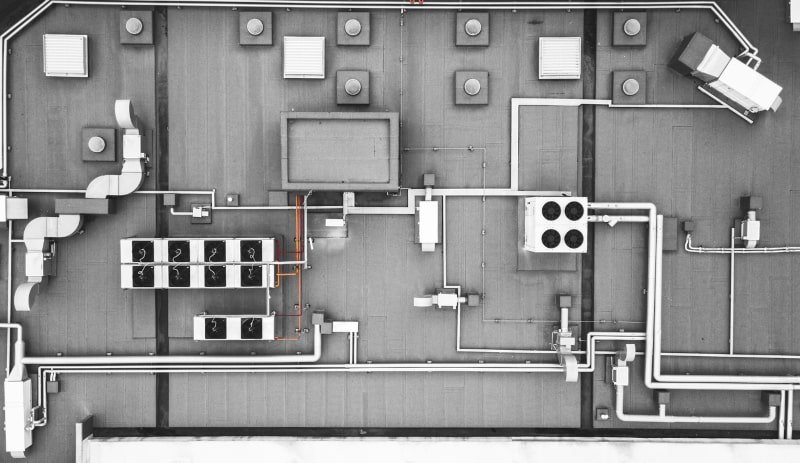
A commercial heating and cooling system is an important part of any building because it influences indoor comfort, air movement, energy use, equipment performance, and the overall working environment. Unlike residential systems that generally serve a smaller area with relatively predictable occupancy, commercial HVAC equipment may need to support large spaces, multiple zones, changing occupancy levels, extended operating schedules, and different temperature requirements at the same time. For this reason, installing a commercial HVAC system requires careful planning rather than simply selecting equipment and placing it inside a building. Proper design, sizing, installation, controls, ventilation, and ongoing maintenance all contribute to how effectively the system performs over time. Property owners and facility managers who understand these factors can make more informed decisions and create an HVAC solution that supports both present requirements and future building needs.
- Understanding Commercial HVAC Requirements
- Importance of Proper System Sizing
- Designing Effective Air Distribution
- Selecting Appropriate Equipment
- The Value of Professional Installation
- Considering Energy Efficiency
- Supporting Indoor Air Quality
- Preparing for Future Maintenance
- Integrating Heating and Cooling Controls
- Preparing the Building Before Installation
- When Replacement and New Installation Differ
- Why Commissioning and Testing Matter
- Planning for Long-Term Performance
- Choosing the Right Installation Partner
- Conclusion
Understanding Commercial HVAC Requirements
Every commercial property has its own heating and cooling requirements, which means an HVAC system should be selected according to the characteristics of the building rather than based only on equipment capacity. Factors such as building size, ceiling height, insulation, windows, occupancy, lighting, equipment loads, operating hours, ventilation requirements, and interior layout can influence the amount of heating and cooling required. A system that is too small may struggle to maintain comfortable temperatures during periods of high demand, while an oversized system may cycle inefficiently and create inconsistent indoor conditions. A professional assessment before installation can help identify the property’s specific requirements and establish a foundation for a properly designed system.The intended use of the building also plays an important role in HVAC planning. An office, retail space, warehouse, restaurant, medical facility, and industrial environment can have very different temperature, ventilation, and airflow requirements. Occupancy patterns can also change throughout the day, creating varying demands across different areas. A well-designed system can account for these differences through appropriate zoning, controls, equipment selection, and air distribution. Taking time to understand these requirements before installation can reduce the likelihood of performance problems later and help ensure that the equipment is appropriate for the building’s actual operating conditions.
Importance of Proper System Sizing
Correct equipment sizing is one of the most important considerations during HVAC installation. Choosing equipment solely according to the size of a building does not necessarily produce the best result because other factors influence heating and cooling loads. A professional evaluation can consider the building envelope, insulation, windows, occupancy, equipment, lighting, ventilation, and other variables that affect indoor temperature. This information helps determine the capacity needed to maintain appropriate conditions without forcing the system to operate inefficiently.An improperly sized system can create several problems. Equipment that lacks sufficient capacity may run for extended periods without adequately conditioning the space, particularly during periods of high demand. On the other hand, equipment with excessive capacity may reach thermostat settings too quickly and cycle on and off more frequently than intended. This can affect comfort, humidity control, energy consumption, and component wear. Proper sizing therefore contributes not only to comfort but also to the long-term operation of the entire HVAC system. Professional planning before installation can help avoid these problems and create a more balanced solution.
Designing Effective Air Distribution
Installing HVAC equipment is only one part of creating a functional climate-control system. The distribution of conditioned air throughout the building is equally important. Ductwork, vents, registers, dampers, fans, and other distribution components must work together to move air effectively into the spaces that require heating or cooling. Poorly planned distribution can result in uneven temperatures, restricted airflow, excessive system operation, and uncomfortable areas within the building.Commercial properties may benefit from zoning strategies that allow different sections of the building to be managed according to their individual needs. Areas with different occupancy schedules or heat loads may not require identical temperature settings throughout the day. Proper zoning and control systems can provide greater flexibility while helping avoid unnecessary conditioning of spaces that are not heavily occupied. During installation, professionals can evaluate the building layout and determine how air distribution can best support the property’s operational requirements.
Selecting Appropriate Equipment
Equipment selection should consider more than the initial purchase price. Commercial HVAC systems represent a significant investment, so property owners should consider expected operating requirements, maintenance needs, efficiency, available space, controls, replacement parts, and long-term service considerations. Different types of systems can provide different advantages depending on the building’s design and intended use. A professional HVAC contractor can help evaluate these factors and explain how different equipment configurations may perform under the property’s specific conditions.The equipment should also be compatible with the existing electrical, structural, ventilation, and mechanical requirements of the building. Installation space must be evaluated carefully because commercial equipment may require adequate clearance for airflow, service access, and safe operation. Outdoor components should also be positioned appropriately to support airflow and provide technicians with reasonable access for future maintenance. Thoughtful equipment placement can make the system easier to service while supporting reliable performance throughout its operating life.
The Value of Professional Installation
The quality of an HVAC installation can significantly influence the performance of the equipment. Even high-quality equipment may fail to deliver expected results when installation is rushed, poorly planned, or performed without adequate attention to system requirements. Professional installation involves more than connecting equipment and turning it on. Technicians need to consider airflow, electrical connections, refrigerant-related components, drainage, controls, ductwork, equipment placement, and other factors that influence system operation.Working with experienced professionals can also help identify installation challenges before they become expensive problems. A building may have structural limitations, limited equipment space, unusual ductwork requirements, or electrical considerations that need to be addressed before work begins. Identifying these conditions during the planning stage allows the installation process to be organized more effectively. Proper preparation can reduce unnecessary delays and help ensure that the completed system operates as intended.
Considering Energy Efficiency
Energy consumption is an important consideration for commercial properties because HVAC systems can represent a significant portion of a building’s operating expenses. Selecting efficient equipment can help reduce unnecessary energy use, but equipment efficiency is only one part of the equation. Proper sizing, ductwork, insulation, controls, maintenance, and building conditions can all influence actual system performance. A highly efficient unit may not deliver its expected benefits if the rest of the system is poorly designed or maintained.Modern control technologies can also provide opportunities to manage energy use more effectively. Programmable thermostats, zoning controls, occupancy-based adjustments, and building management systems can allow heating and cooling operation to respond more closely to actual demand. These technologies may be particularly useful in larger buildings where different areas have different schedules and temperature requirements. During installation, property owners can discuss control options with HVAC professionals and determine which features are practical for their building.
Supporting Indoor Air Quality
A commercial HVAC system should be designed with indoor air quality in mind as well as temperature control. Proper ventilation helps manage indoor air movement, while filtration can assist with reducing airborne particles that circulate through the system. Depending on the property and its use, humidity management and additional air-quality measures may also be important. These considerations can be incorporated into the overall HVAC design instead of being treated as separate concerns after installation.Indoor air quality can influence how occupants experience the building. Stale air, excessive humidity, unpleasant odors, and inconsistent ventilation can create an uncomfortable environment even when temperatures appear acceptable. A properly designed ventilation and filtration strategy can support a more balanced indoor environment. Professional HVAC specialists can assess the building’s needs and recommend suitable approaches based on occupancy, layout, equipment, and operating conditions.
Preparing for Future Maintenance
Maintenance access should be considered before installation begins. HVAC equipment requires periodic inspections, cleaning, adjustments, component checks, and repairs, so technicians need sufficient space to safely access important components. Equipment installed in a difficult-to-reach location may create unnecessary challenges during future service. A well-planned installation considers not only how the system will operate on the first day but also how it will be maintained throughout its service life.Property owners should also keep documentation related to the installation, including equipment information, maintenance requirements, warranties, service records, and relevant system details. These records can make future troubleshooting more efficient because technicians can understand the history of the equipment and identify previous work. Organized documentation is especially valuable when multiple technicians or facility managers become involved over the life of the system.
Integrating Heating and Cooling Controls
Modern commercial buildings can benefit from advanced control systems that allow property managers to monitor and adjust HVAC operation more effectively. Basic thermostatic controls may be suitable for some smaller commercial spaces, while larger properties may require multiple zones and centralized management. Controls can help coordinate temperature settings, operating schedules, airflow, and other system functions according to the needs of different areas.A well-designed control strategy can also help reduce unnecessary operation. For example, spaces that are unoccupied for extended periods may not require the same level of conditioning as areas that are consistently occupied. Automated scheduling and zoning can help align HVAC operation with actual building use. However, controls should be properly configured during installation because incorrect settings can create comfort problems or prevent equipment from operating as intended. Professional commissioning and testing can help verify that controls respond correctly.
Preparing the Building Before Installation
Successful HVAC installation often begins before technicians arrive on site. Property owners and facility managers may need to review access requirements, equipment locations, electrical capacity, structural considerations, and work schedules. If the building is occupied, installation may need to be coordinated around employees, customers, tenants, or other activities. Careful planning can reduce unnecessary interruptions and help the project proceed more efficiently.The installation area should also be evaluated for potential obstacles. Existing equipment, ductwork, wiring, plumbing, structural components, and other building systems may affect the placement of new HVAC equipment. Identifying these factors early gives professionals an opportunity to develop an appropriate installation strategy. In some cases, modifications may be required to accommodate the new system, and understanding those requirements in advance can make budgeting and scheduling more predictable.
When Replacement and New Installation Differ
Installing HVAC equipment in a new commercial building can provide more flexibility because the system can be incorporated into the building design from the beginning. Replacement projects can be more complex because professionals must work around existing structures, ductwork, electrical systems, and other equipment. Both situations require careful planning, but replacement projects often involve additional considerations regarding compatibility and removal of existing equipment.When replacing an older system, property owners can evaluate whether the current configuration still meets the building’s needs. Changes in occupancy, renovations, space usage, or equipment loads may mean that the original HVAC design is no longer appropriate. A replacement project can therefore provide an opportunity to reassess the building and make improvements rather than simply installing new equipment in exactly the same configuration. Professional evaluation can help determine whether modifications to zoning, ductwork, controls, or equipment capacity may be beneficial.
Why Commissioning and Testing Matter
After installation, the system should be thoroughly tested to verify that major components and controls are operating correctly. Commissioning can involve checking airflow, temperature performance, controls, electrical components, drainage, and other aspects of system operation. This process helps identify installation-related problems before the building depends heavily on the equipment during demanding operating conditions.Testing can also provide an opportunity to confirm that the system is responding appropriately to different settings and operating conditions. If certain areas are not receiving adequate airflow or if controls are not communicating correctly, these issues can be investigated before they become routine complaints. A careful final inspection helps ensure that the installation meets the intended design and provides a useful baseline for future maintenance.
Planning for Long-Term Performance
An HVAC installation should be viewed as the beginning of a long-term equipment lifecycle rather than the end of a construction project. Even a properly installed system requires routine care to maintain performance. Filters need appropriate attention, mechanical components should be inspected, electrical connections may require evaluation, and controls should be checked periodically. Regular maintenance can help identify developing issues before they interfere with normal building operations.Long-term planning can also help property owners understand when repairs, upgrades, or eventual replacement may become appropriate. Maintaining service records provides valuable information about equipment performance and repair history. Over time, these records can help identify recurring problems and support more informed decisions. A well-maintained system can provide reliable service for many years, but its performance depends on continued attention after the original installation is complete.
Choosing the Right Installation Partner
Selecting an experienced HVAC professional is an important part of any commercial installation project. Property owners should consider whether the service provider understands commercial system requirements, can evaluate the building appropriately, communicates clearly, and provides support beyond the initial installation. A contractor should be able to explain equipment choices, installation requirements, maintenance considerations, and control options in terms that make sense for the property’s specific needs. Professional support can make the entire process more organized, from initial assessment through equipment selection, commercial hvac installation, testing, and future maintenance. When the same service relationship continues after installation, technicians may also become familiar with the property’s equipment and operating characteristics. This familiarity can be useful when troubleshooting future problems or planning system improvements. The goal should be a complete HVAC solution that supports the building’s needs rather than simply completing an equipment installation.
Conclusion
A properly planned HVAC system can provide an important foundation for commercial building comfort, energy management, indoor air quality, and long-term operational reliability. From evaluating building requirements and calculating appropriate capacity to designing airflow, selecting equipment, installing controls, and planning future maintenance, every stage of the process can influence the final result. Taking shortcuts during planning or installation may create problems that become more difficult and expensive to address later, while a carefully coordinated approach can support dependable performance from the beginning.Professional commercial hvac installation should therefore be approached as a complete building-system project rather than a simple equipment replacement or installation task. Property owners can benefit from evaluating current and future requirements, considering efficiency and maintenance needs, and working with qualified professionals who can address the technical details of the project. With proper planning, installation, testing, and ongoing service, an HVAC system can become a dependable part of the property’s infrastructure while supporting comfortable and productive indoor spaces.Ultimately, successful HVAC planning depends on matching the system to the building and maintaining that system throughout its useful life. Professional evaluation, appropriate equipment selection, quality installation, effective controls, and regular maintenance all contribute to better long-term performance. By giving each of these areas proper attention, commercial property owners can create an HVAC environment that is better prepared to handle changing demands while supporting the comfort and functionality of the building. Reliable commercial hvac installation is an important investment, and thoughtful planning can help ensure that investment continues to provide value well beyond the initial installation.
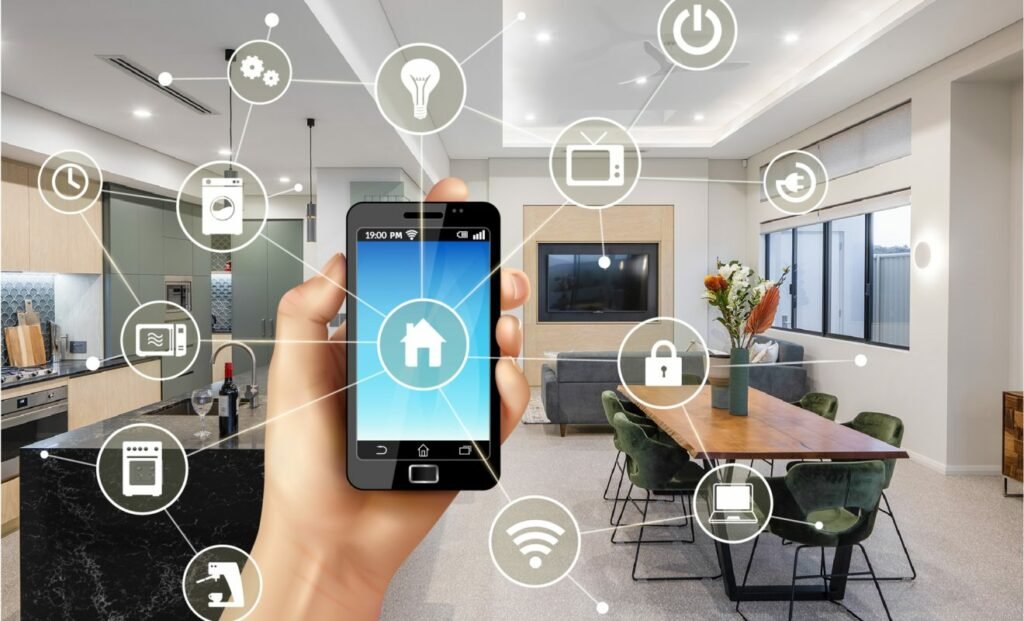
Modern homes are becoming increasingly connected as homeowners look for practical ways to improve convenience, security, comfort, and control. Smart technology can now connect lighting, climate controls, entertainment systems, security equipment, access control, networking devices, and other household technologies into a coordinated environment. Instead of managing every device separately, homeowners can use integrated systems to simplify everyday routines and create a property that responds more effectively to their needs. However, successful automation requires more than purchasing several smart products and connecting them to a wireless network. The technology needs to be planned according to the home’s layout, existing infrastructure, daily routines, and future requirements. A professional home automation company can help homeowners evaluate these factors and create an integrated technology environment where different systems can communicate reliably while remaining easy for the household to manage.
- Understanding Modern Home Automation
- Creating a Strong Networking Foundation
- Automating Home Lighting
- Improving Climate Control and Comfort
- Connecting Home Security With Automation
- Integrating Entertainment Systems
- Smart Access Control and Entry Management
- The Importance of Structured Cabling
- Designing Technology Around the Property
- Choosing Compatible Smart Technology
- Professional Installation and Configuration
- Planning for Future Expansion
- Smart Technology for Different Property Environments
- Maintaining a Smart Home System
- Creating a Simple User Experience
- Getting More Value From Connected Technology
- Conclusion
Understanding Modern Home Automation
Home automation involves connecting different technologies so that household functions can be controlled individually or coordinated through a centralized system. Depending on the property and the homeowner’s requirements, automation may include lighting, climate control, audio systems, entertainment equipment, security cameras, smart locks, sensors, and other connected devices. The purpose is to make common tasks more convenient while giving homeowners greater control over their property. For example, lighting can be organized into rooms or zones, climate settings can be adjusted according to daily schedules, and security devices can be monitored through connected controls. A well-designed system should not make a home more complicated. Instead, it should reduce unnecessary manual tasks and provide an organized way to manage the technology already being used throughout the property.
Creating a Strong Networking Foundation
Reliable networking is one of the most important foundations of a modern smart home because many connected devices depend on consistent communication. Cameras, smart locks, lighting controls, thermostats, entertainment systems, mobile devices, and other technologies may all use the home’s network. As more devices are connected, network capacity and coverage become increasingly important. A property with multiple floors, thick walls, large outdoor areas, detached spaces, or numerous connected devices may require more extensive planning than a basic wireless router can provide. Residential network design should consider access point placement, wired connections, Wi-Fi coverage, device capacity, security settings, and potential future expansion. Bandera Networks provides residential networking solutions focused on coverage, speed, reliability, mesh Wi-Fi, and secure configurations, helping create the connectivity foundation required for an integrated smart home.
Automating Home Lighting
Smart lighting is one of the most practical ways to introduce automation into a residential property because it can simplify routines that homeowners perform every day. Instead of manually switching individual lights throughout the home, users can organize lighting by room, zone, schedule, or activity. Different settings can be created for working, relaxing, entertaining, preparing for bedtime, or other common routines. Connected lighting can also be integrated with other smart technologies when the systems are compatible, allowing homeowners to create coordinated routines. The goal should be to make lighting easier to manage without creating unnecessary complexity. Professional planning can help determine which areas would benefit from automation, how controls should be organized, and how lighting technology can work alongside networking, security, and other connected systems.
Improving Climate Control and Comfort
Smart climate control can provide homeowners with greater convenience by making it easier to manage indoor temperature settings around daily routines. Connected thermostats and compatible climate systems can allow users to adjust settings according to schedules, occupancy patterns, and changing preferences. A household may have different comfort requirements during mornings, working hours, evenings, and overnight periods, and automation can make these adjustments easier to manage. However, smart controls should complement properly maintained heating and cooling equipment rather than replace necessary HVAC service. The automation system is responsible for providing convenient control, while the underlying equipment still requires appropriate inspection, maintenance, and repair. When dependable HVAC equipment is combined with a well-configured smart control system and reliable network connectivity, homeowners can create a more convenient indoor environment without adding unnecessary complexity.
Connecting Home Security With Automation
Security technology can become an important part of a broader smart home environment. Modern systems may include cameras, sensors, smart locks, access control, monitoring technology, and connected alerts. When these systems are properly integrated with automation and networking infrastructure, homeowners can manage security functions more conveniently while maintaining greater awareness of activity around the property. Cameras can provide visibility around important entry points, sensors can identify activity, and smart access systems can help manage authorized entry. Connected lighting may also complement security technology in appropriate situations. Professional planning is important because security systems require reliable network connections, suitable equipment placement, and careful configuration. Bandera Networks provides home security solutions involving cameras, sensors, monitoring, and smart integrations, making security an important part of its broader connected technology services.
Integrating Entertainment Systems
Entertainment technology can also benefit from automation and reliable networking. Televisions, streaming devices, speakers, gaming systems, and other equipment can be organized so homeowners can control them more easily across different rooms. Multi-room audio and connected entertainment systems can provide a more coordinated experience when the network and equipment are designed appropriately. However, entertainment devices can place considerable demands on a residential network, particularly when multiple people are streaming high-quality content, gaming, or using other bandwidth-intensive applications at the same time. Professional network planning can help determine whether wired connections, additional wireless access points, or other infrastructure may be appropriate. When entertainment technology is integrated thoughtfully, homeowners can enjoy greater convenience without dealing with a confusing collection of disconnected controls.
Smart Access Control and Entry Management
Access control is another area where connected technology can improve convenience and organization. Smart locks and electronic access systems can provide homeowners with additional ways to manage entry into their properties. Depending on the technology selected, authorized users may be able to receive controlled access without relying entirely on traditional keys. This can be useful for family members, guests, service providers, or other individuals who may need access at different times. Access control can also work alongside security cameras and other smart systems to create a more coordinated approach to property management. Professional installation is important because access equipment must be compatible with the existing doors, network infrastructure, and security requirements. Bandera Networks provides access control solutions as part of its broader technology services, supporting properties that require connected entry management.
The Importance of Structured Cabling
Although wireless technology provides flexibility, structured cabling remains a valuable foundation for many smart homes. Wired connections can provide dependable communication for networking equipment, access points, cameras, entertainment systems, and other devices. Structured cabling can also create an organized infrastructure that makes maintenance and future expansion easier. This can be especially valuable during new construction or major remodeling, when wiring can be installed before walls and ceilings are completed. Planning cable routes and equipment locations in advance can reduce the need for disruptive work later. A properly organized cabling system can support both current technology and future upgrades, allowing homeowners to expand their connected environment without rebuilding the entire infrastructure. Bandera Networks offers structured cabling services to support reliable connectivity for residential and commercial technology installations.
Designing Technology Around the Property
Every property has different physical characteristics, which means automation should be designed around the actual environment rather than based on a standard package. The size of the home, number of floors, wall construction, room layout, outdoor areas, existing wiring, and number of connected devices can all influence the appropriate technology solution. A larger home may require multiple wireless access points and extensive structured cabling, while a smaller property may need a simpler network with strategically selected smart devices. Professional assessment can identify areas where connectivity may be limited and determine where equipment should be positioned. It can also help homeowners avoid purchasing technology that does not provide meaningful benefits for their particular property. A customized approach allows automation to serve practical household needs rather than becoming an unnecessarily complicated collection of devices.
Choosing Compatible Smart Technology
Compatibility should be considered carefully when selecting smart home equipment. Products from different manufacturers do not always communicate effectively, and using too many separate platforms can create a confusing user experience. Homeowners should consider how lighting, security, climate control, entertainment, access control, and networking technologies will work together before making major purchases. A coordinated system can reduce the number of separate applications and controls required to manage the property. Professional consultation can also help identify technologies that are appropriate for existing infrastructure and future expansion. The goal should be to build an environment where different components support one another instead of creating isolated systems that homeowners have to manage individually.
Professional Installation and Configuration
Professional installation can be particularly valuable when a smart home involves multiple interconnected technologies. Equipment must be positioned correctly, network connections need to be established, and different systems may require configuration before they can communicate properly. A professional team can also test the completed installation and identify issues such as weak connectivity, incorrect settings, poor equipment placement, or compatibility limitations. Bandera Networks describes its process as including consultation and site assessment, professional installation, testing, optimization, and support. This type of approach can help ensure that the system is not simply installed but also properly configured for everyday use. Professional support can also make future troubleshooting easier because the technology infrastructure is organized and understood as one connected system.
Planning for Future Expansion
Technology changes quickly, and homeowners may want to add new devices as their needs evolve. A property that begins with smart lighting and reliable Wi-Fi may eventually include security cameras, smart locks, additional entertainment equipment, climate controls, or other connected technologies. Planning for future expansion can make these additions easier and reduce the need for major infrastructure changes. Sufficient network capacity, structured cabling, organized equipment locations, and compatible systems can all provide a foundation for future improvements. Homeowners do not need to install every possible technology immediately, but they can benefit from creating infrastructure that leaves room for reasonable expansion. This allows smart home improvements to happen gradually as needs and budgets change.
Smart Technology for Different Property Environments
Automation can be useful across a wide range of property types and does not have to be limited to large luxury homes. Smaller residences can benefit from smart lighting, security, networking, access control, and climate management, while larger properties may require more extensive integration. Multifamily properties can use smart apartment technology to support connectivity, access control, security, and shared technology infrastructure across multiple units. Commercial environments may require business Wi-Fi, surveillance, controlled access, structured cabling, and other technology solutions. Because each property has different requirements, the system should be designed around its intended use and physical characteristics. Bandera Networks offers solutions for residential, multifamily, and commercial environments, allowing connected technology to be adapted to different operational requirements.
Maintaining a Smart Home System
Smart home technology requires ongoing attention to remain dependable. Connected devices may need software updates, network equipment can eventually become outdated, and additional devices may place greater demands on the existing infrastructure. Homeowners should periodically review their systems to ensure that cameras remain properly positioned, access controls continue working as intended, and network coverage remains adequate. Keeping records of installed equipment, warranties, configurations, and network components can also make troubleshooting and upgrades easier. Changes to the property, such as renovations, new rooms, additional occupants, or expanded entertainment systems, may create new technology requirements. Regular maintenance provides an opportunity to identify these changes and adjust the system before small issues become larger problems.
Creating a Simple User Experience
The best automation systems are not necessarily the ones with the greatest number of features. A useful smart home should make everyday activities easier rather than requiring homeowners to constantly manage complicated technology. Controls should be organized around actual household routines, and frequently used functions should be easy to access. When different systems are integrated properly, homeowners can spend less time switching between applications or manually adjusting individual devices. Professional design can help identify which functions are genuinely useful and which features may add unnecessary complexity. A simple user experience also makes it easier for family members and guests to understand how the system works, reducing frustration and increasing the practical value of the technology.
Getting More Value From Connected Technology
A smart home represents an investment in technology infrastructure, so homeowners should consider long-term usefulness when selecting equipment and services. High-quality installation, reliable networking, appropriate equipment, and professional configuration can help systems perform consistently over time. It is also important to consider support because connected technology may eventually require troubleshooting, upgrades, or expansion. A provider that understands networking, security, automation, access control, and structured cabling can address multiple parts of the technology environment instead of treating each system as an isolated project. This integrated approach can make it easier to maintain the property and plan future improvements as technology and household requirements change.
Conclusion
Modern automation can transform a collection of individual smart devices into a connected technology environment designed around the needs of a household. Lighting, climate control, security, entertainment, access control, networking, and structured cabling can all contribute to a more convenient and organized property when they are carefully planned and integrated. The success of an automation project depends on more than the features of individual devices.
Reliable infrastructure, compatibility, proper installation, system configuration, testing, and ongoing maintenance all have an important role in long-term performance. Bandera Networks provides services covering home automation, residential networking, home security, access control, structured cabling, business Wi-Fi, commercial security, and smart apartment technology, allowing homeowners and property managers to approach connected technology as a complete system. Working with a professional home automation company can help create an environment that is easier to control today while remaining flexible enough to accommodate future technology. With thoughtful planning and dependable infrastructure, smart technology can become a practical part of everyday living rather than a complicated collection of disconnected devices.


A lot of machine learning projects don’t fail because of bad models. They fail, or at least stall out badly, because the workflow around the model was never actually built to scale. Data pipelines that choke on real-world volume, training runs that eat entire days when they should take hours, experiments that get abandoned simply because iterating on them takes too long to bother. None of that is a modeling problem. It’s a workflow problem, and it’s a lot more common than most teams like to admit.
- Where Most ML Workflows Actually Lose Time
- Practical Ways to Build a More Efficient Workflow
- Why Hardware Choices Shape Workflow Efficiency More Than People Expect
- GPU Memory Determines What You Can Even Try
- CPU Bottlenecks Quietly Waste GPU Time
- Storage Speed Affects Every Single Epoch
- Scaling Workflows for Larger Models and Teams
- Building a Workflow Culture, Not Just a Pipeline
- Final Thoughts
Building efficient ML workflows isn’t really about finding some clever trick. It’s about paying attention to the parts of the process that quietly eat time and fixing those before they turn into habits nobody questions anymore.
Where Most ML Workflows Actually Lose Time
Ask most developers where their ML pipeline slows down, and they’ll point to training. That’s usually only part of the story, though. Data preprocessing, feature engineering, and experiment tracking often eat just as much time, if not more, and they get far less attention because they don’t feel like “the real work.”
Data loading bottlenecks alone can quietly kill GPU utilization, leaving expensive hardware sitting idle while the CPU struggles to prepare batches fast enough to keep up. Poorly structured experiment tracking means developers waste hours later trying to remember which hyperparameters actually produced which result. Inefficient data pipelines mean the same preprocessing work gets repeated over and over instead of being cached and reused.
None of these problems get fixed by writing better model code. They get fixed by treating the whole pipeline as something worth engineering properly and by running that pipeline on hardware actually built to support it. A machine learning standard edition workstation is configured around exactly this kind of work, with the CPU and GPU balance needed to keep data flowing to the model instead of leaving expensive compute sitting around waiting on preprocessing.
Practical Ways to Build a More Efficient Workflow
A few concrete habits tend to make the biggest difference in how smoothly an ML workflow actually runs day to day.
- Cache preprocessed data. Recomputing the same transformations on every training run wastes time that adds up fast across dozens of experiments
- Profile before optimizing. Guessing at bottlenecks wastes effort on the wrong fix. Actually measuring where time goes usually reveals something surprising
- Use mixed precision training where the framework supports it, since it can cut training time significantly with barely any accuracy trade-off
- Version datasets alongside code, not just model checkpoints, so experiments stay genuinely reproducible instead of half-documented guesswork
- Automate experiment tracking instead of relying on manually kept spreadsheets that inevitably fall out of date within a week
None of these are exotic techniques. They’re just the kind of engineering discipline that gets skipped when a team is moving fast, and modeling feels like the only part that matters.

Why Hardware Choices Shape Workflow Efficiency More Than People Expect
It’s tempting to treat hardware as a fixed constraint and focus optimization entirely on code. In practice, hardware choices shape what’s even possible in a workflow, sometimes more than any amount of code optimization can compensate for.
GPU Memory Determines What You Can Even Try
Limited GPU memory forces smaller batch sizes, which can slow convergence and make some model architectures effectively impossible to train locally at all. More memory headroom means more experimentation without constantly hitting a hard wall.
CPU Bottlenecks Quietly Waste GPU Time
A weak CPU paired with a strong GPU often means the GPU sits partially idle, waiting on data preprocessing that the CPU simply can’t keep pace with. Balanced hardware avoids this specific and surprisingly common trap.
Storage Speed Affects Every Single Epoch
Slow storage means every training epoch spends real time just waiting on data to load, and that cost repeats across every epoch of every run rather than being a one-time hit.
Scaling Workflows for Larger Models and Teams
As projects grow, and especially as teams start training larger models or running multiple experiments in parallel, single-GPU setups increasingly become the actual bottleneck rather than anything happening in the code itself. Distributed training, larger batch sizes, and running several experiments simultaneously all demand infrastructure that goes beyond what a single card can realistically support.
For teams scaling up their ML workflows to this level, a machine learning multi-GPU workstation is built specifically for that kind of scaling, letting teams run parallel experiments or distributed training without the workflow constantly bottlenecking on a single GPU’s capacity.
Building a Workflow Culture, Not Just a Pipeline
Efficient ML workflows aren’t just a technical setup. They’re also a set of habits a team actually maintains over time. Teams that regularly review their pipeline for bottlenecks, document what’s actually working instead of relying on tribal knowledge, and invest properly in infrastructure tend to move faster on every single project after the first one, not just the one they happened to be optimizing at the time.
Final Thoughts
Efficient machine learning workflows come from treating the entire pipeline, not just the model itself, as something worth real engineering attention. Data handling, experiment tracking, and the hardware running all of it matter just as much as the code that actually defines the model.
Developers and teams that invest in both workflow discipline and hardware built for the actual demands of ML work tend to iterate faster and waste far less time on avoidable bottlenecks. That’s the thinking behind Cloud Ninjas, which builds workstations around the real demands of machine learning work instead of stretching general-purpose machines to cover a job they were never built to handle.

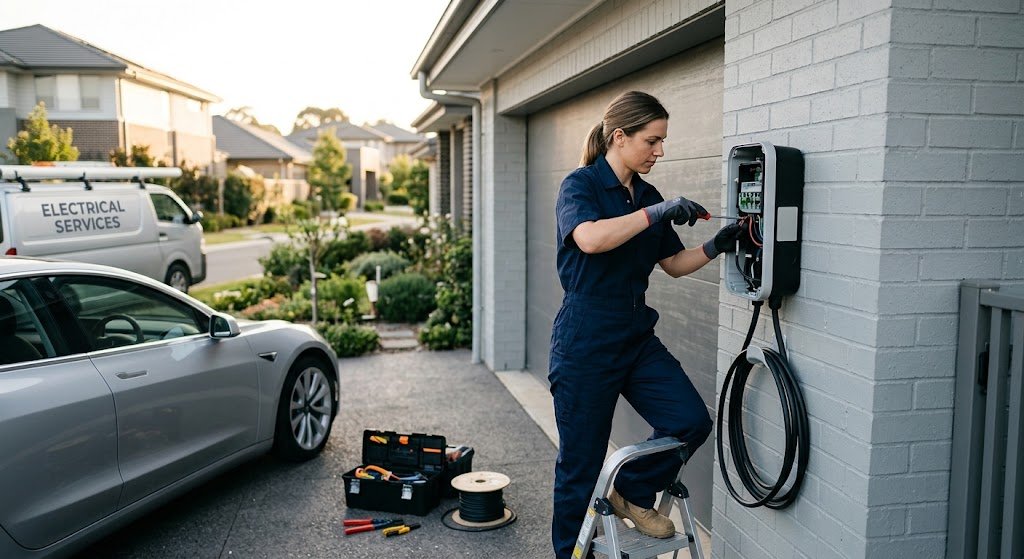
Electric vehicles have become increasingly common, and convenient charging is one of the most important considerations for EV owners. While public charging stations can provide valuable access when traveling or away from home, having a dedicated charging solution at a residence or business can make everyday vehicle use much easier. A properly planned EV charger installation can provide a reliable way to recharge an electric vehicle while helping owners understand their electrical requirements, charging speeds, equipment options, and ongoing maintenance needs. The installation process involves more than simply mounting a charger on a wall and connecting it to electricity. Electrical capacity, charger type, cable routing, circuit protection, placement, local requirements, and manufacturer specifications all need to be considered before the equipment is put into regular service.
- Understanding EV Charging Levels
- Assessing Your Electrical System
- Selecting the Right EV Charger
- Choosing the Installation Location
- Dedicated Circuits and Electrical Protection
- Why Professional Installation Matters
- Understanding Charging Speed
- Smart Charging Features
- Preparing for Multiple EV Chargers
- Considering Cable Management
- Indoor and Outdoor Installations
- Permits and Local Requirements
- Maintenance After Installation
- Managing Energy Consumption
- Cost Factors to Consider
- Preparing for Future EV Ownership
- Common Installation Mistakes to Avoid
- Benefits of a Properly Planned Charging System
- Final Thoughts
For many EV owners, home charging becomes part of an ordinary daily routine. A vehicle can be connected after returning home and left to charge while it is not being used. Depending on the vehicle, charger, battery size, and available electrical capacity, charging overnight may provide enough energy for the next day’s driving. Businesses, apartment properties, workplaces, and other facilities can also benefit from dedicated charging infrastructure, although these projects may involve additional planning because multiple vehicles and chargers can place substantially greater demands on an electrical system.
Understanding EV Charging Levels
Before choosing a charger, it is useful to understand the different charging levels available for electric vehicles. Level 1 charging generally uses a standard household electrical outlet and typically provides the slowest charging rate. It can be useful for drivers with limited daily mileage or those who have sufficient time to leave their vehicle connected for extended periods.
Level 2 charging uses higher electrical power and generally requires a dedicated circuit. These chargers can provide substantially faster charging than Level 1 equipment and are commonly considered for home installations. The actual charging speed depends on the vehicle’s onboard charger, the EVSE equipment, the circuit capacity, and other electrical factors.
DC fast charging provides much higher charging power and is generally associated with commercial or public charging locations rather than ordinary residential installations. These systems require specialized equipment and substantial electrical infrastructure.
Choosing a charging level should be based on actual driving habits rather than simply selecting the fastest option available. A driver who travels a short distance each day may have very different charging requirements from someone who regularly drives long distances.
Assessing Your Electrical System
One of the most important steps before installing a charger is determining whether the existing electrical system can safely support it. An electrical panel has a finite capacity, and adding a high-demand circuit may require changes to the system.
A qualified electrician can evaluate the service capacity, panel condition, available breaker spaces, existing electrical loads, wiring, grounding, and the proposed charging equipment. The assessment should consider the total electrical demand of the property rather than looking only at whether an empty breaker position is available.
In some cases, the existing electrical system may be capable of supporting a Level 2 charger without major modifications. In other situations, the installation may require a new circuit, panel upgrade, service upgrade, load-management equipment, or another solution.
Electrical capacity should never be assumed based solely on the age or size of the house. A professional assessment provides a safer basis for determining what equipment can be installed.
Selecting the Right EV Charger
There are many EV chargers available, and their features can vary significantly. Charging output, connectivity, cable length, weather resistance, installation requirements, user controls, scheduling capabilities, and compatibility with the vehicle are all factors worth considering.
Some chargers include Wi-Fi or other connectivity features that allow owners to monitor charging sessions, establish schedules, or view energy usage through an application. Other models are designed with fewer features and focus primarily on straightforward charging.
The charger’s maximum output should also be considered alongside the vehicle’s charging capabilities. Purchasing equipment capable of delivering more power than the vehicle can accept may not provide a practical benefit. Conversely, a charger with insufficient capacity may not meet the owner’s expectations for charging speed.
Manufacturer documentation should be reviewed before installation to confirm compatibility and electrical requirements.
Choosing the Installation Location
The physical location of the charger can affect both convenience and installation cost. Many homeowners choose a garage wall because it provides shelter from weather and keeps the equipment close to the vehicle. However, outdoor installations can also be appropriate when a garage is unavailable.
The charger should be positioned so that the cable can comfortably reach the vehicle without creating a trip hazard. Cable routing should not interfere with doors, walkways, vehicle movement, or other household activities.
Outdoor installations require equipment rated for the environmental conditions in which it will be used. The location should also be selected with protection from unnecessary physical impact in mind.
The distance between the charger and electrical panel can affect installation complexity. Longer cable runs may require additional materials and labor, while difficult routing through walls, ceilings, attics, crawl spaces, or other areas can add complexity.
Dedicated Circuits and Electrical Protection
Many Level 2 chargers require a dedicated circuit because of their electrical demand. A dedicated circuit allows the charger to operate according to its intended specifications without sharing the circuit with unrelated loads.
Circuit protection must be appropriate for the charger and installation. The electrician should follow the equipment manufacturer’s requirements as well as applicable electrical codes and regulations.
Grounding and other protective measures are also important. EV charging involves a significant electrical load over extended periods, so the system should be installed with appropriate safety controls.
The correct breaker, conductor size, disconnect requirements, and protective devices depend on the charger, electrical system, and applicable requirements. These details should be determined by a qualified electrical professional rather than guessed by the homeowner.
Why Professional Installation Matters
An EV charger installation involves electrical work that can create serious safety hazards if performed incorrectly. High-current circuits require appropriate wiring, protection, grounding, and connections. Mistakes can result in equipment damage, electrical shock, overheating, or fire.
A licensed or otherwise appropriately qualified electrician can evaluate the electrical system, determine the necessary circuit configuration, install the equipment, and verify that the completed system operates correctly.
Professional installation also helps ensure that the charger is mounted securely and that cables are routed appropriately. The electrician can identify potential issues with the panel, wiring, grounding, or service capacity that might not be apparent to someone without electrical training.
For homeowners, professional installation can provide greater confidence that the charger has been integrated into the property’s electrical system correctly.
Understanding Charging Speed
Charging speed is influenced by several variables, including the vehicle’s battery size, state of charge, onboard charging capability, charger output, and electrical supply. A charger with a high maximum rating does not necessarily mean the vehicle will charge at that maximum rate.
For example, if a vehicle can accept only a certain amount of AC charging power, installing a substantially higher-capacity AC charger may not reduce charging time beyond the vehicle’s own limitation.
Charging speed can also change during a charging session. Vehicles may reduce charging power as the battery approaches a high state of charge or depending on battery temperature and other conditions.
Understanding these factors can help owners set realistic expectations and avoid paying for capabilities they may not actually use.
Smart Charging Features
Modern charging equipment may include smart features that can improve convenience and energy management. Scheduling can allow the vehicle to charge during selected periods rather than beginning immediately after it is plugged in.
Some systems can provide energy-use information, charging history, notifications, and remote control through an application. These features may be particularly useful for homeowners who want to monitor electricity consumption.
Load-management functionality can also be relevant when the property has limited electrical capacity. Depending on the equipment, smart systems may be able to adjust charging power based on other electrical loads.
Not every homeowner needs smart charging features, so the decision should be based on actual requirements. A simpler charger may be sufficient for someone who primarily wants reliable overnight charging.
Preparing for Multiple EV Chargers
A property that expects to charge multiple electric vehicles requires additional planning. Installing several chargers can create a substantial electrical demand, particularly when they operate simultaneously at high power.
Businesses, apartment buildings, workplaces, and fleet facilities may need a dedicated charging strategy that considers current demand as well as future growth. Electrical capacity, transformer requirements, distribution equipment, network connectivity, payment systems, parking arrangements, and maintenance all become more important as the number of charging stations increases.
Load management can sometimes help reduce the peak electrical demand by coordinating charging sessions. However, the appropriate solution depends on the property’s infrastructure and charging requirements.
Planning for future vehicles during an initial electrical project can sometimes be more efficient than repeatedly modifying the infrastructure later.
Considering Cable Management
Charging cables can be relatively heavy and may become inconvenient if they are left on the ground. Proper cable management can improve both convenience and safety.
Wall-mounted hooks, integrated cable holders, retractable systems, or other storage solutions can keep the cable organized when the charger is not being used. The exact solution depends on the charger design and installation location.
Cable placement should also be considered during the initial installation. A charger positioned too far from the vehicle parking area may require the cable to stretch across a walkway or driveway, creating unnecessary hazards.
The goal should be to make plugging in simple while keeping the cable away from areas where people or vehicles could damage it.
Indoor and Outdoor Installations
Indoor installations may provide additional protection from weather and physical exposure, particularly when the charger is located inside a garage. However, the garage itself needs to have an appropriate layout that allows the cable to reach the vehicle comfortably.
Outdoor charging can provide flexibility for properties without garages. In this case, the charger should be specifically rated for the intended environment and installed according to the manufacturer’s requirements.
Weather-resistant equipment does not eliminate the importance of correct installation. Electrical connections, conduit, mounting surfaces, and protective devices all need to be appropriate for outdoor conditions.
Permits and Local Requirements
Electrical installation requirements vary depending on the jurisdiction, property type, and equipment. Some projects may require permits, inspections, utility coordination, or other approvals.
Before beginning work, homeowners should determine which requirements apply to their property. A qualified electrician familiar with local regulations can often help identify the necessary steps.
Following applicable requirements is important not only for safety but also for future property records, insurance considerations, and potential resale. An undocumented or improperly installed electrical modification can create complications later.
Maintenance After Installation
EV chargers generally require less routine maintenance than many mechanical systems, but owners should still inspect the equipment periodically. Cables should be checked for visible damage, connectors should remain clean and intact, and the charger should be kept free of excessive dirt or debris.
Any unusual heat, burning odor, discoloration, repeated fault messages, damaged insulation, or unexpected charging interruptions should be investigated promptly. Electrical equipment that shows signs of damage should not be used until it has been evaluated appropriately.
Software-connected chargers may also receive firmware updates. Keeping equipment updated according to manufacturer recommendations can help maintain functionality and security.
Managing Energy Consumption
Charging an EV adds electricity consumption to a property, and the amount depends on driving habits, vehicle efficiency, battery size, charging losses, and other factors.
Owners can estimate energy requirements by considering average daily mileage and the vehicle’s energy consumption. Smart chargers may provide actual usage data, making it easier to understand how much electricity is being used for vehicle charging.
Scheduling can also help some households manage when charging occurs. However, the financial benefit of charging at particular times depends on the utility’s rate structure and whether time-based electricity pricing is available.
Understanding actual charging behavior can help homeowners make more informed decisions about charger capacity and energy management.
Cost Factors to Consider
The total cost of EV charger installation depends on the charger itself and the electrical work required to support it. A relatively simple installation with a nearby panel and suitable electrical capacity may be less complex than a project requiring a long cable run, new conduit, panel modifications, or service upgrades.
Other potential costs include permits, mounting hardware, trenching for underground wiring, wall repairs, load-management equipment, and additional electrical components.
When comparing quotes, homeowners should look at the complete scope of work rather than comparing only the labor price. A lower estimate may exclude important components that another contractor has included.
A detailed written proposal should explain the charger model or specifications, circuit requirements, installation location, electrical modifications, materials, permits, and testing.
Preparing for Future EV Ownership
Electrical planning can become particularly valuable for homeowners who expect to own more than one electric vehicle in the future. Even if only one charger is installed initially, the electrical system can sometimes be planned with future expansion in mind.
This does not necessarily mean installing multiple chargers immediately. Instead, the electrician can evaluate whether conduit, panel capacity, load management, or other infrastructure can accommodate future expansion.
Thinking ahead can reduce the need for disruptive electrical work later. However, future planning should be balanced against actual needs and the cost of installing unused infrastructure.
Common Installation Mistakes to Avoid
Several mistakes can create problems with an EV charging system. Choosing a charger without first assessing electrical capacity is one of the most important issues to avoid. The charger should be selected only after understanding what the property’s electrical system can safely support.
Another common problem is poor placement. A charger may technically work but become inconvenient if the cable cannot reach the vehicle comfortably.
Improper cable routing, inadequate mounting, failure to follow manufacturer instructions, and incorrect circuit protection can also create safety and performance concerns.
Homeowners should avoid attempting modifications to high-current electrical circuits without appropriate training and authorization. The safest approach is to have electrical work performed and inspected according to applicable requirements.
Benefits of a Properly Planned Charging System
A professionally planned charging system can make EV ownership more convenient by providing predictable access to electricity where the vehicle is normally parked. Instead of relying exclusively on public charging stations, owners can establish a routine around home or workplace charging.
A dedicated charger can also provide faster charging than a standard household outlet when a suitable Level 2 system is installed. Smart features may add scheduling and monitoring capabilities, while careful cable placement can make everyday use easier.
For businesses and property managers, charging stations can also become part of broader facility planning. The number of chargers, parking configuration, electrical capacity, user access, and future expansion should all be considered together.
Final Thoughts
A successful EV charger installation requires careful coordination between the vehicle’s charging capabilities, the selected equipment, and the property’s electrical infrastructure. Choosing the right charger is only one part of the process. Electrical capacity, circuit protection, installation location, cable routing, drainage and weather exposure, applicable requirements, and future expansion should all be evaluated before work begins.
For many homeowners, a properly installed Level 2 charger can make daily EV ownership considerably more convenient by providing reliable overnight charging. However, the appropriate system varies according to driving habits, vehicle specifications, available electrical capacity, and personal preferences. Professional electrical assessment can help ensure that the selected equipment is suitable for the property rather than simply choosing a charger based on its advertised power.
Long-term performance also depends on sensible maintenance. Owners should periodically inspect cables and equipment, pay attention to unusual operating conditions, and follow manufacturer recommendations for cleaning and software updates. Problems such as damaged cables, repeated faults, unusual heat, or electrical odors should be addressed promptly.
As electric vehicle ownership continues to develop, charging infrastructure will become an increasingly important part of residential and commercial electrical planning. A well-designed charging system can provide convenience today while allowing property owners to consider future needs. By combining suitable equipment with professional electrical work and thoughtful planning, EV owners can create a dependable charging setup that fits naturally into their daily routines.

Reliable Garbage Disposal Repair for a Better-Functioning Kitchen

Building a Reliable Heating System With Professional Boiler Installation

A Complete Guide to Durable and Reliable Metal Roofing

Alex Pettyfer Net Worth, Wife, Age, Height, Children, Career and More

Brad Williams Net Worth, Wife, Height, Age, Daughter, Family, Career and More

Eldorado.gg Review 2026: How It Works, Safety, Fees, and Risks
-
Celebrity9 months ago
Alex Pettyfer Net Worth, Wife, Age, Height, Children, Career and More
-
Celebrity10 months ago
Brad Williams Net Worth, Wife, Height, Age, Daughter, Family, Career and More
-
Blog1 month ago
Eldorado.gg Review 2026: How It Works, Safety, Fees, and Risks
-
 Anime11 months ago
Sanzoku Bandits of One Piece: Origins, Higuma, and Their Role in Dawn Island
-
 Celebrity10 months ago
John McGinn Net Worth, Age, Height, Wife, Childrens, Career and More
-
 Celebrity10 months ago
Frances de la Tour Net Worth, Age, Height, Husband, Childrens, Career and More
-
 Celebrity10 months ago
Will Trickett Net Worth, Wife, Childrens, Age, Career and More
-
 Blog2 months ago
Crackstube: A Complete Guide to the Digital Publishing Platform