
Business
How Structured Support Can Make Daily Routines Easier

Daily routines provide structure and predictability in everyday life, but completing ordinary activities independently can be challenging for some children and individuals. Tasks such as getting dressed, brushing teeth, preparing for school, eating meals, organizing belongings, using the bathroom, and getting ready for bed involve several steps that may need to be completed in a particular order. When a person has difficulty understanding instructions, transitioning between activities, remembering steps, or communicating their needs, ordinary routines can become frustrating. ABA therapy for daily routines can provide structured teaching strategies that break these activities into smaller and more manageable components. The approach can be individualized according to a learner’s abilities, preferences, communication style, and specific goals. Instead of expecting a person to master an entire routine at once, practitioners can focus on individual steps and gradually build greater independence. With consistent practice and appropriate support, everyday routines can become more understandable, predictable, and manageable.
- Understanding the Importance of Daily Routines
- Breaking Tasks Into Smaller Steps
- Supporting Morning Routines
- Developing Personal Hygiene Skills
- Encouraging Independent Dressing
- Improving Mealtime Routines
- Teaching Bathroom Routines
- Building Bedtime Routines
- Using Visual Supports
- Prompting and Fading Assistance
- Encouraging Communication During Routines
- Generalizing Skills Across Environments
- Supporting Independence at Home
- Tracking Progress and Adjusting Goals
- Creating Positive and Flexible Routines
- Conclusion
Understanding the Importance of Daily Routines
Daily routines are made up of many activities that people often perform automatically after learning them through repeated experience. A morning routine, for example, may involve waking up, getting out of bed, using the bathroom, brushing teeth, getting dressed, eating breakfast, and preparing personal belongings. Although these steps may seem simple to an experienced adult, they can involve numerous skills related to memory, sequencing, communication, motor coordination, attention, and transitions. Some learners may know how to perform individual tasks but struggle to complete them in the correct order without reminders. Others may become overwhelmed when several instructions are presented at once. ABA therapy for daily routines can help identify the specific parts of a routine that create difficulty and teach them systematically. By focusing on practical activities that occur regularly, instruction can become directly connected to the learner’s everyday experiences. This can make progress easier to recognize and can provide opportunities for practicing skills repeatedly.
Breaking Tasks Into Smaller Steps
Many daily activities consist of multiple individual actions, and breaking a larger task into smaller steps can make learning more manageable. For example, getting dressed may involve selecting appropriate clothing, picking up each item, putting on garments in a particular sequence, and placing used clothing in a designated location. Rather than teaching the entire process simultaneously, a practitioner may identify each component and determine which steps the learner can already complete independently. ABA therapy for daily routines can use task analysis to organize an activity into a sequence of observable steps that can be taught and practiced. Depending on the learner’s needs, support may initially be provided for more difficult steps while familiar actions are completed independently. As the learner gains confidence, prompts can gradually be reduced. This approach allows progress to occur incrementally and can help prevent a complex activity from feeling overwhelming. The ultimate objective is to support greater independence while respecting the learner’s individual pace and abilities.
Supporting Morning Routines
Morning routines can be particularly challenging because they often require several activities to be completed within a limited period. A learner may need to wake up, get dressed, complete personal hygiene tasks, eat breakfast, gather necessary belongings, and prepare to leave home. Difficulties with transitions or sequencing can make the process take longer than expected and may contribute to frustration for both the learner and caregivers. ABA therapy for daily routines can introduce visual schedules, step-by-step instructions, prompts, and reinforcement to make the sequence easier to understand. A visual schedule might show pictures or words representing each activity so the learner can see what comes next. Consistent routines can also reduce uncertainty because the learner becomes familiar with the expected order of activities. Over time, support can be reduced as the learner demonstrates greater independence. Morning routines can then become more predictable and require fewer reminders.
Developing Personal Hygiene Skills
Personal hygiene involves several important self-care activities, including brushing teeth, washing hands, bathing, combing hair, and using appropriate hygiene products. These tasks may require sequencing, fine motor skills, sensory tolerance, and an understanding of why each step matters. Some learners may avoid particular activities because of unfamiliar sensations, strong smells, water temperature, textures, or other sensory preferences. Teaching should take these individual factors into account rather than assuming that refusal simply represents unwillingness. ABA therapy for daily routines can break hygiene tasks into smaller steps and provide gradual practice with appropriate support. For example, tooth brushing can be taught by separately practicing picking up the toothbrush, applying toothpaste, brushing different areas, rinsing, and putting the materials away. Visual supports can provide reminders about the sequence without requiring repeated verbal instructions. As familiarity increases, prompts can be reduced so that the learner becomes more independent with personal care.
Encouraging Independent Dressing
Getting dressed is another everyday activity that can require considerable coordination and sequencing. Learners may need support identifying clothing items, determining the correct orientation, managing buttons or zippers, and following a consistent order. Some individuals may also have preferences regarding fabrics, tags, textures, tightness, or other clothing characteristics. These preferences should be considered when developing dressing goals because comfort can influence participation. Instruction can begin with clothing items that are easier for the learner to manage before introducing more complicated fasteners or additional steps. Practitioners may use prompting and repeated practice to help the learner understand the sequence. Gradually reducing assistance allows the learner to take greater responsibility for the task. Success can be reinforced through natural outcomes, such as being ready to participate in a preferred morning activity, while avoiding unnecessary pressure to perform every step perfectly.
Improving Mealtime Routines
Mealtimes provide opportunities to develop independence, communication, and organization skills. A typical mealtime routine may involve washing hands, getting utensils, sitting in an appropriate area, selecting food, eating, cleaning up, and returning dishes or materials. Some learners may have difficulty transitioning from a preferred activity to a meal or may need support understanding the sequence of mealtime behaviors. ABA therapy for daily routines can help establish predictable steps while incorporating the learner’s communication and preferences. Visual schedules can show what happens before, during, and after a meal, making transitions easier to understand. Functional communication can also be practiced by teaching the learner to request food, ask for assistance, indicate that they are finished, or communicate other needs. Mealtime instruction should remain respectful of individual preferences and should not focus solely on forcing compliance. The goal can be to build practical independence and communication around everyday eating routines.
Teaching Bathroom Routines
Bathroom routines involve several sequential steps that can require privacy awareness, hygiene skills, communication, and independence. Learners may need support understanding when to use the bathroom, locating necessary supplies, completing hygiene steps, and washing their hands afterward. Some individuals may experience sensory concerns related to sounds, smells, water, lighting, or particular bathroom environments. Instruction can therefore be individualized to address the specific barriers affecting participation. ABA therapy for daily routines can use task analysis to identify each step and determine where additional teaching is needed. Visual supports may provide discreet reminders about the sequence, while prompts can be gradually reduced as the learner gains independence. Consistency across caregivers can also help the learner understand expectations more clearly. Bathroom instruction should always be handled with appropriate dignity, privacy, and respect for the individual’s personal boundaries.
Building Bedtime Routines
A consistent bedtime routine can help make the transition from daytime activities to sleep preparation more predictable. Depending on the individual, the routine might include putting away toys, changing clothes, brushing teeth, using the bathroom, preparing the sleeping area, and choosing a quiet activity before bed. Transitions can be particularly difficult when a learner is moving away from a highly preferred activity. ABA therapy for daily routines can help establish a predictable sequence that signals when bedtime activities are beginning and what steps should follow. Visual schedules and timers may provide useful cues when appropriate, while consistent expectations can reduce uncertainty. The routine should be designed around the individual’s needs rather than being unnecessarily complicated. Over time, repeated practice can help the learner recognize the sequence and complete more steps independently. Caregivers can also reinforce successful participation through positive attention and access to appropriate calming activities.
Using Visual Supports
Visual support can be useful for learners who have difficulty remembering spoken instructions or understanding what is expected during a routine. A visual schedule may use photographs, drawings, symbols, written words, or a combination of these formats depending on the individual’s communication abilities. The purpose is to make information easier to see and reference rather than requiring the learner to remember every instruction. ABA therapy for daily routines can incorporate visual support into activities such as getting dressed, preparing meals, completing hygiene tasks, or organizing belongings. A learner may check off completed steps or move a visual indicator from one activity to the next. Over time, the support can potentially be simplified as independence develops. It is important to select a format that the learner can actually understand and use rather than creating a complicated system that requires additional assistance. Effective visual support should make routines clearer and more accessible.
Prompting and Fading Assistance
Prompts can provide temporary assistance when a learner does not yet know how to complete a particular step independently. A prompt might involve a verbal reminder, gesture, demonstration, visual cue, or another form of assistance appropriate to the learner and task. The purpose of prompting should be to support learning rather than create permanent dependence on another person. ABA therapy for daily routines can incorporate systematic prompt fading so that assistance is gradually reduced as the learner becomes more capable. For example, a caregiver may initially provide several reminders during a routine and later replace them with a simple visual cue. Eventually, the learner may complete the activity with little or no external prompting. The appropriate pace of fading depends on the individual and the complexity of the skill. Careful observation can help determine when support should be reduced and when additional teaching may be necessary.
Encouraging Communication During Routines
Daily routines create natural opportunities for learners to practice functional communication. A person may need to ask for help, request an item, indicate that something is finished, make a choice, or communicate discomfort. Teaching these communication skills within real routines can make them more meaningful than practicing isolated phrases without context. ABA therapy for daily routines can incorporate communication goals into activities such as meals, dressing, hygiene, play, and bedtime preparation. Different learners may use different communication methods, including spoken language, gestures, signs, picture systems, or speech-generating devices. The important consideration is whether the method allows the person to communicate effectively and participate in everyday activities. Caregivers can respond consistently to communication attempts and create opportunities for the learner to initiate requests. Supporting functional communication can make routines more collaborative and reduce situations in which the learner has difficulty expressing what they need.
Generalizing Skills Across Environments
Learning a routine in one environment does not always mean the learner will automatically use the same skills elsewhere. A person may complete a task independently at home but require additional support in another environment with different materials, people, or expectations. Generalization involves providing opportunities to use learned skills across appropriate settings and situations. For example, hand-washing skills can be practiced using different sinks and bathrooms, while dressing skills can be applied with different clothing choices. Practitioners and caregivers can coordinate so that important steps remain reasonably consistent while allowing natural differences between environments. Generalization should be introduced gradually and according to the learner’s needs. The purpose is not to make every environment identical but to help the learner use functional skills flexibly. When skills transfer successfully, they become more useful in everyday life and can contribute to greater independence.
Supporting Independence at Home
The home environment provides many opportunities for practicing daily living skills because routines occur naturally throughout the day. Caregivers can encourage participation by allowing the learner to complete tasks they are capable of performing instead of automatically doing everything for them. This may require additional time initially, particularly when the learner is still developing a new skill. ABA therapy for daily routines can help caregivers identify appropriate opportunities for independence and determine where support is needed. Small responsibilities, such as putting belongings away, placing dirty clothes in a basket, or preparing simple materials for an activity, can become meaningful practice opportunities. Expectations should be realistic and adjusted according to the learner’s developmental level and abilities. Consistency can help the learner understand what is expected without making the home environment feel overly rigid. The broader goal is to build practical independence while maintaining a supportive and respectful atmosphere.
Tracking Progress and Adjusting Goals
Tracking progress allows caregivers and practitioners to understand whether a learner is becoming more independent with a particular routine. Rather than relying only on general impressions, progress can be measured by recording specific steps completed independently, the amount of prompting required, or the frequency with which a skill is performed successfully. ABA therapy for daily routines can use this information to identify which parts of an activity are improving and which may require additional instruction. Goals can then be adjusted as the learner develops new abilities. Progress may not happen evenly across every routine, and some tasks may take longer to master because they involve more complex physical, communication, or sequencing requirements. Regular review helps ensure that instruction remains relevant to the learner’s current needs. Data should be used as a practical tool for understanding progress rather than as the only measure of success.
Creating Positive and Flexible Routines
Although routines can provide helpful structure, they should not become unnecessarily rigid. Everyday life includes changes, unexpected events, and situations in which a familiar routine cannot be followed exactly. Learners can gradually be supported in developing flexibility so that a change in schedule does not automatically lead to significant frustration. Practitioners can introduce small, manageable variations when appropriate, such as changing the order of less important activities or practicing a routine with different materials. The learner can also be taught useful communication strategies for handling unexpected changes or requesting assistance. A balanced approach provides predictability while leaving room for natural variation. Positive experiences can make routine practice more motivating and can help learners understand that daily activities are manageable even when circumstances change. Flexibility should be taught in a supportive manner rather than through unnecessary pressure.
Conclusion
Daily routines involve many skills that contribute to independence, communication, organization, and participation in everyday life. When a learner has difficulty completing these activities independently, structured instruction can make complicated tasks easier to understand and practice. ABA therapy for daily routines can use task analysis, visual supports, prompting, reinforcement, communication strategies, and gradual practice to address specific areas of need. The most effective goals should be individualized and connected to activities that are meaningful in the learner’s daily life. Families and practitioners can work together to provide consistent opportunities for practice while respecting personal preferences and communication styles. Progress can be monitored by observing independent performance and reducing assistance as appropriate. With patient instruction, practical goals, and opportunities to practice across everyday situations, learners can develop greater confidence and independence in routines that are important to their lives.
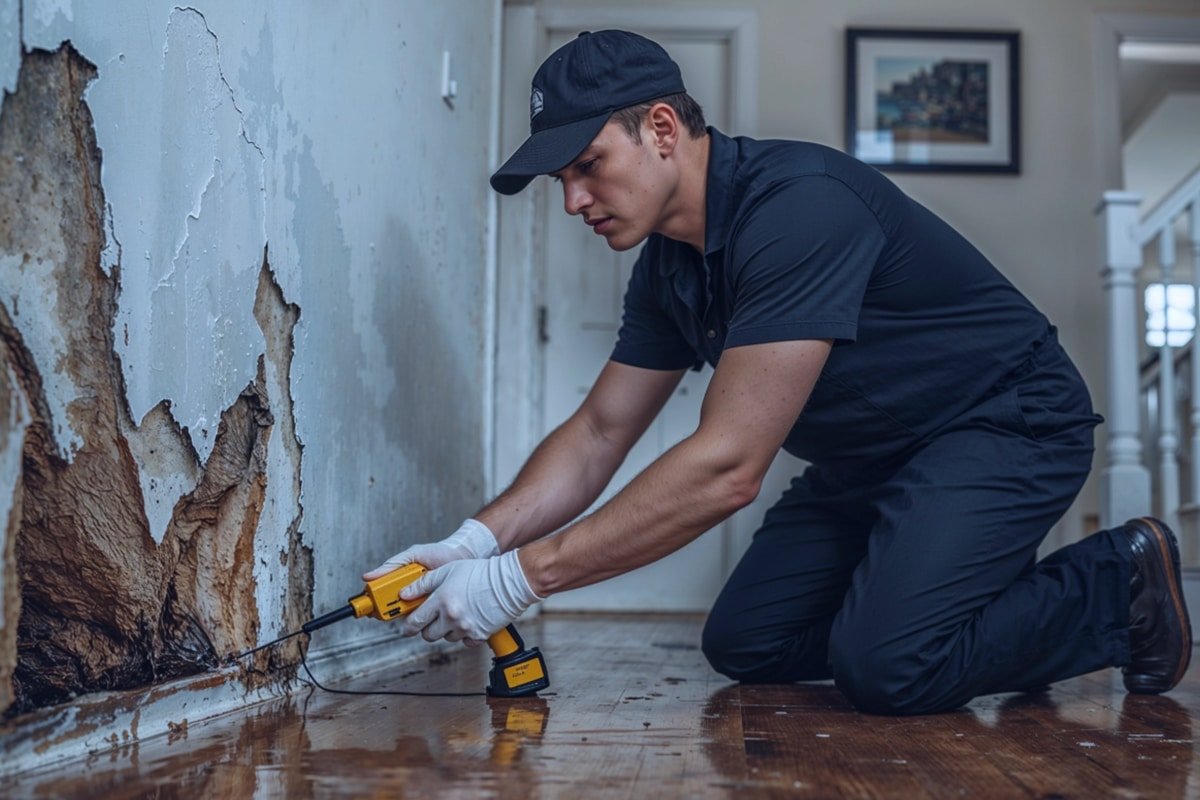
Property damage can happen unexpectedly, leaving homes, businesses, and other structures with serious structural and cosmetic problems. Fires, floods, storms, plumbing failures, accidents, and long-term deterioration can all affect the safety, appearance, and functionality of a building. While emergency cleanup and restoration can address immediate problems, some properties require more extensive work before they can return to their original condition. This is where reconstruction becomes an important part of the recovery process. Reconstruction focuses on rebuilding damaged portions of a property, replacing materials that cannot be salvaged, repairing structural components, and restoring the building so it can once again serve its intended purpose.
- Understanding the Reconstruction Process
- When Reconstruction Becomes Necessary
- Assessing Structural Damage
- Water Damage and Rebuilding
- Fire Damage and Rebuilding Requirements
- The Importance of Proper Planning
- Selecting Materials for Rebuilding
- Working With Insurance During Reconstruction
- Managing Costs and Project Expectations
- Minimizing Disruption During Rebuilding
- Reconstruction and Long-Term Property Value
- Choosing a Qualified Reconstruction Contractor
- Preventing Future Property Damage
- Final Thoughts on Rebuilding Damaged Properties
The rebuilding process can be complex because every damaged property has different requirements. Some projects may involve replacing drywall, flooring, ceilings, cabinetry, or insulation, while others may require extensive structural repairs. A successful project requires careful planning, accurate assessment, skilled workmanship, appropriate materials, and coordination between property owners, contractors, insurance professionals, and other specialists. Understanding how reconstruction works can help property owners make informed decisions when dealing with significant damage.
Understanding the Reconstruction Process
Reconstruction is the process of rebuilding or repairing parts of a property after damage has made them unusable, unsafe, or unsuitable for normal use. Unlike basic cleaning or minor repairs, reconstruction can involve replacing substantial portions of a building. The work may affect both visible finishes and underlying structural systems.
The process generally begins after the property has been assessed and immediate hazards have been addressed. Restoration professionals may first remove damaged materials, extract water, clean affected surfaces, or stabilize the structure. Once the property is safe and the extent of the damage is understood, reconstruction can begin.
Depending on the project, rebuilding may include framing, drywall installation, flooring replacement, ceiling repairs, painting, cabinetry installation, roofing work, insulation replacement, electrical repairs, plumbing work, and other improvements. The objective is to restore the property’s functionality while ensuring that repaired areas integrate properly with the existing structure.
A well-planned reconstruction project does not focus only on appearance. Structural integrity, building performance, safety, moisture control, durability, and proper installation are all important considerations. The finished property should provide a reliable environment for occupants rather than simply covering up evidence of previous damage.
When Reconstruction Becomes Necessary
Not every property loss requires extensive rebuilding. Minor damage may be addressed through cleaning, drying, repairs, or replacement of individual items. Reconstruction becomes necessary when damage affects building materials or systems that cannot be adequately restored.
For example, severe water damage may compromise drywall, insulation, flooring, cabinetry, or sections of framing. Fire damage may weaken structural components or destroy ceilings, walls, doors, and other materials. A major storm can damage roofing systems, exterior walls, windows, and structural elements. In these situations, simply cleaning the affected surfaces may not be sufficient.
Reconstruction may also become necessary when contaminated materials cannot be safely restored. Materials exposed to certain types of water damage, smoke, mold, or other contaminants may need to be removed and replaced. Professionals evaluate the condition of affected components and determine which items can be salvaged and which require replacement.
The decision to reconstruct should be based on the extent and type of damage, safety requirements, applicable building standards, and the long-term condition of the property. A thorough assessment can help prevent unnecessary work while ensuring that serious problems are not overlooked.
Assessing Structural Damage
Before major rebuilding work begins, the property should be carefully evaluated. Structural damage can sometimes be hidden behind walls, ceilings, flooring, or other finished surfaces, making a professional assessment particularly important.
Inspectors and contractors may examine framing, foundations, roofing systems, load-bearing walls, ceilings, floors, and other structural components. They may also look for signs of moisture intrusion, deterioration, warping, cracking, corrosion, or other problems that could affect the building’s stability.
The assessment process helps determine the appropriate scope of work. If only one section of a wall has been damaged, localized repairs may be sufficient. If damage extends through framing or other structural systems, more extensive rebuilding may be necessary.
Documenting the condition of the property is also valuable. Photographs, measurements, written reports, and material inventories can help property owners understand the work required and provide useful information for insurance claims and project planning.
Water Damage and Rebuilding
Water is one of the most common causes of property damage, and extensive moisture can create significant reconstruction needs. When water enters a building, it can affect flooring, walls, ceilings, insulation, cabinetry, electrical components, and structural materials.
The first stage of recovery is usually water removal and drying. Standing water must be extracted, while air movement and dehumidification may be used to reduce moisture in affected materials. Moisture levels should be evaluated carefully because materials that appear dry on the surface may still contain moisture internally.
Once drying and cleanup are complete, damaged materials can be evaluated. Flooring may need to be removed, drywall may need replacement, and insulation may have to be discarded if it has been significantly affected. Cabinets, doors, trim, and other components may also require repair or replacement.
Rebuilding after water damage should address the source of the moisture as well. Replacing damaged materials without repairing a leaking pipe, roof, drainage problem, or other source can allow the issue to return. A complete approach therefore combines damage repair with measures designed to prevent future water intrusion.
Fire Damage and Rebuilding Requirements
Fire can cause some of the most complicated reconstruction challenges because it may affect structural components, finishes, contents, electrical systems, ventilation systems, and other building elements. Even when flames are limited to one room, smoke and soot can spread into surrounding areas.
After fire damage has been stabilized and cleaned, professionals assess which materials can be restored and which need replacement. Severely burned framing, walls, ceilings, flooring, doors, and other components may require reconstruction.
Smoke damage also needs careful consideration. Soot can settle on surfaces and may cause persistent odors or staining. Cleaning and deodorization may be necessary before new materials are installed. If damaged materials are rebuilt without addressing smoke contamination, unpleasant odors or residue may remain.
Electrical systems should also be evaluated after a fire because heat, smoke, and water used during firefighting can affect wiring and equipment. Repairs should be performed by appropriately qualified professionals to ensure that the rebuilt property is safe and functional.
The Importance of Proper Planning
Large rebuilding projects require careful planning before physical work begins. A detailed plan can identify the scope of repairs, required materials, project sequence, expected timelines, and responsibilities of different professionals.
Planning is particularly important when multiple trades are involved. A project may require carpenters, electricians, plumbers, flooring specialists, painters, roofing professionals, and other contractors. Their work often needs to occur in a specific sequence to avoid delays and unnecessary rework.
For example, electrical and plumbing work may need to be completed before walls are closed. Insulation may need to be installed before drywall, while flooring may need to wait until painting and other overhead work are finished. Proper scheduling helps coordinate these stages and keeps the project organized.
A well-developed plan should also account for unexpected conditions. Once damaged areas are opened, contractors may discover additional problems that were not visible during the initial inspection. Maintaining some flexibility allows the project team to respond appropriately without compromising quality.
Selecting Materials for Rebuilding
Choosing appropriate materials is another important part of the rebuilding process. Replacement materials should provide suitable performance while integrating properly with the existing property.
In some cases, matching existing materials may be important for maintaining a consistent appearance. Flooring, paint, cabinets, trim, countertops, roofing materials, and other finishes may need to be selected carefully so repaired areas do not look noticeably different from unaffected sections.
Durability should also be considered. If a property has experienced repeated water exposure, for example, the rebuilding plan may include materials and construction practices designed to improve moisture resistance. Similarly, areas exposed to heavy traffic may benefit from durable flooring and finishes.
Material selection should balance appearance, performance, cost, availability, and compatibility with the existing structure. Choosing the cheapest option is not always the most economical decision if the material is likely to wear out quickly or perform poorly under the property’s conditions.
Working With Insurance During Reconstruction
Insurance claims can be an important part of major property recovery. Coverage varies according to individual policies, so property owners should review their insurance documents and communicate with their insurer after significant damage occurs.
Detailed documentation can support the claims process. Property owners should keep photographs, videos, inventories, receipts, estimates, reports, and records related to the damage and repairs whenever possible. Restoration and construction professionals may also provide documentation describing the scope of work.
It is important to distinguish between restoration services and insurance decisions. Contractors can inspect damage, prepare estimates, and perform repairs, but coverage decisions are generally made according to the terms of the applicable insurance policy.
Clear communication among the property owner, contractor, and insurer can help reduce misunderstandings. Before major work begins, property owners should understand the proposed scope and identify any questions about costs, responsibilities, or approvals.
Managing Costs and Project Expectations
Rebuilding a damaged property can involve significant expenses, especially when structural repairs or multiple trades are required. Establishing a realistic budget early in the process can help property owners understand the financial scope of the project.
Costs may include demolition, debris removal, materials, labor, permits, specialized inspections, equipment, temporary protection, and finishing work. Additional expenses may arise if hidden damage is discovered after construction begins.
Unexpected findings are not unusual in major rebuilding projects. For this reason, property owners should avoid assuming that the initial visible damage represents the entire scope of work. A professional assessment can provide a more reliable starting point, but some conditions may only become apparent once damaged areas are opened.
Maintaining clear records throughout the project can also help track expenses. Written estimates, change orders, invoices, and receipts provide useful documentation and help everyone understand how project costs are changing.
Minimizing Disruption During Rebuilding
A major construction project can disrupt normal activities, particularly when a property is occupied during repairs. Businesses may need to relocate employees or operations, while property owners may need to make temporary living arrangements.
When possible, contractors can divide the project into phases. This may allow unaffected areas to remain accessible while damaged sections are repaired. Temporary barriers and controlled work zones can also help separate construction areas from occupied spaces.
Communication is essential throughout the project. Property owners should receive updates about progress, upcoming work, unexpected discoveries, and changes to the schedule. Good communication allows occupants to prepare for temporary disruptions and helps prevent confusion.
Safety should remain a priority during every phase. Construction areas may contain exposed wiring, tools, debris, dust, moisture, or other hazards. Access should be restricted when necessary, and appropriate protective measures should be used.
Reconstruction and Long-Term Property Value
Quality rebuilding can contribute to the long-term usability and value of a property. Poorly completed repairs may create additional maintenance problems, reduce the property’s appearance, or lead to recurring damage.
Professional workmanship helps ensure that replacement materials are installed correctly and that structural and mechanical systems function as intended. Proper attention to details such as moisture control, insulation, ventilation, waterproofing, and material compatibility can improve the durability of repaired areas.
Rebuilding also provides an opportunity to identify weaknesses that may have contributed to the original damage. For example, recurring leaks, inadequate drainage, aging plumbing, or insufficient ventilation may need to be addressed as part of the recovery plan.
Although reconstruction primarily focuses on restoring damage, thoughtful improvements can sometimes make a property more resilient. Any upgrades should be evaluated based on building requirements, budget, and long-term needs.
Choosing a Qualified Reconstruction Contractor
Choosing the right contractor can significantly affect the outcome of a rebuilding project. Property owners should look for professionals with relevant experience, appropriate qualifications, reliable communication practices, and a demonstrated ability to manage projects similar in scope.
Before hiring a contractor, it can be useful to ask about previous projects, licensing or qualifications where applicable, insurance coverage, estimated timelines, project management procedures, and warranties. Written agreements should clearly describe the work to be performed, payment arrangements, materials, and procedures for handling changes.
Communication should remain consistent throughout the project. A reliable contractor should be able to explain technical issues in understandable terms and provide updates when conditions change.
Property owners should also be cautious about making major decisions based solely on the lowest estimate. The quality of materials, workmanship, project management, and long-term durability can be just as important as the initial price.
Preventing Future Property Damage
Once a rebuilding project has been completed, preventive maintenance can help protect the investment. Property owners should regularly inspect roofs, plumbing systems, HVAC equipment, drainage systems, windows, electrical components, and other important building systems.
Early detection can prevent minor problems from developing into major losses. A small leak may be relatively easy to repair, while an undetected leak that continues for months could damage walls, flooring, insulation, and structural materials.
Emergency planning is also valuable. Property owners should maintain important documents, insurance information, emergency contacts, and maintenance records in a secure and accessible location. Businesses can establish response procedures so employees know what to do if a fire, water leak, storm, or other emergency occurs.
Preventive maintenance cannot eliminate every risk, but it can reduce the likelihood and severity of many property problems.
Final Thoughts on Rebuilding Damaged Properties
Rebuilding a damaged property is a detailed process that requires much more than replacing visible materials. It involves evaluating structural conditions, removing unsalvageable components, selecting appropriate replacement materials, coordinating multiple trades, managing costs, and ensuring that the finished property is safe and functional.
Whether the damage results from water, fire, storms, mold, accidents, or another unexpected event, professional reconstruction can provide a structured path toward recovery. The most effective projects begin with a thorough assessment and continue with careful planning, clear communication, quality workmanship, and appropriate documentation.
Property owners should also look beyond immediate repairs. Addressing the underlying causes of damage, improving vulnerable areas when appropriate, and maintaining the property after completion can help protect against future problems.
Ultimately, rebuilding is about more than making a damaged structure look new again. It is about restoring functionality, safety, durability, and confidence in the property. With the right planning and professional support, even extensive property damage can be transformed into an organized recovery project that gives the building a strong foundation for continued use.
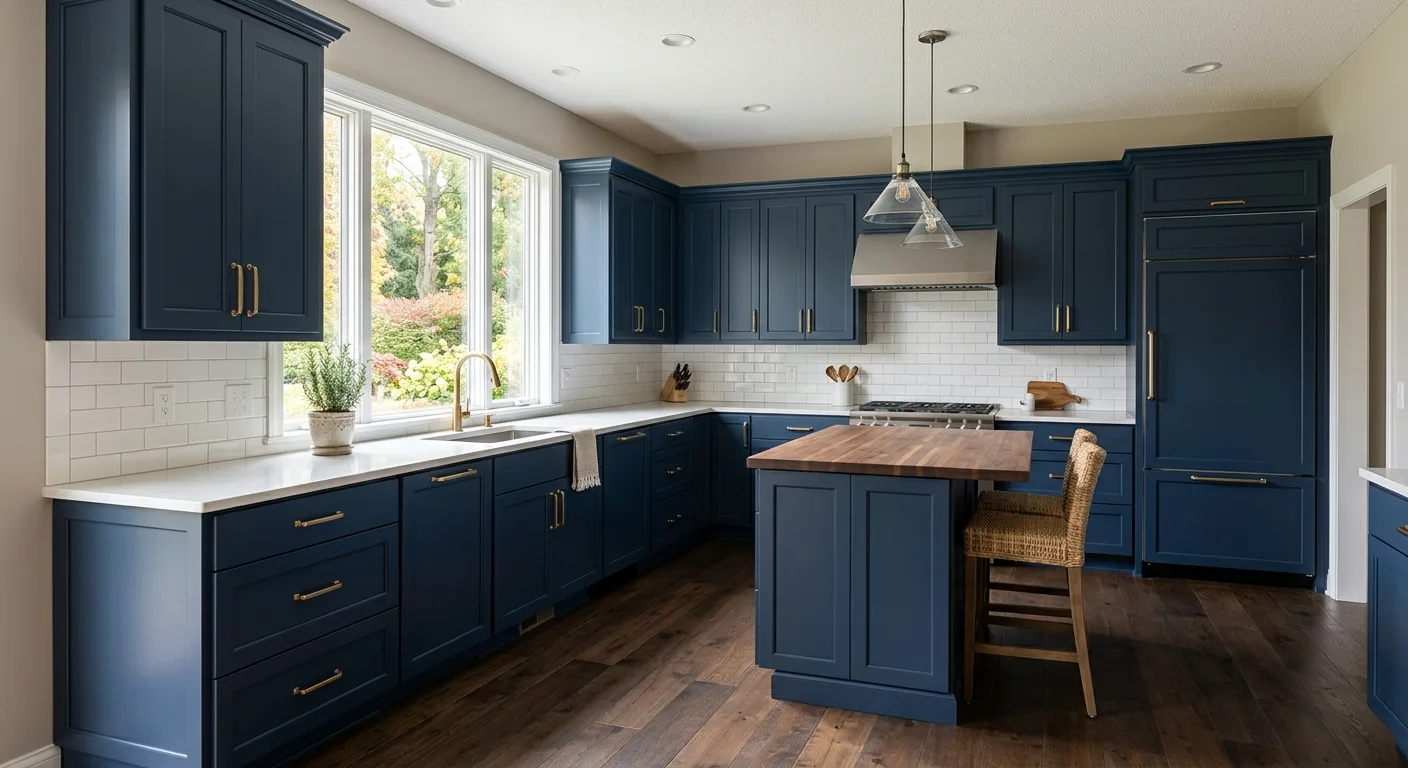
Cabinets are among the most prominent features in many homes, especially in kitchens and bathrooms where they can occupy a significant amount of visible wall space. Because of their size and location, the condition and color of cabinetry can influence the appearance of an entire room. Over the years, cabinets can become scratched, stained, faded, chipped, or simply outdated as interior design preferences change. However, replacing functional cabinets is not always necessary simply because their finish no longer looks appealing. Professional cabinet painting can provide an effective way to transform existing cabinetry while preserving the layout, storage capacity, and useful features that homeowners already enjoy. With careful preparation, suitable materials, thoughtful color selection, and professional application, older cabinets can receive a refreshed appearance that makes the surrounding space feel cleaner, brighter, and more contemporary.
- Why Cabinet Painting Can Transform an Entire Room
- When Repainting Makes More Sense Than Replacing Cabinets
- Proper Preparation Is the Foundation of Quality Cabinet Painting
- Cleaning Cabinets Before Applying New Coatings
- Sanding and Smoothing Existing Cabinet Surfaces
- The Importance of Primer for Cabinet Projects
- Choosing a Cabinet Color That Works With the Room
- Kitchen Cabinet Painting for a Noticeable Transformation
- Bathroom Cabinet Painting and Moisture Considerations
- Professional Cabinet Painting Services
- Painting Cabinet Doors and Drawer Fronts
- Updating Hardware Along With Painted Cabinets
- Creating a Two-Tone Cabinet Design
- Protecting the Property During Cabinet Painting
- Choosing the Right Paint Finish for Cabinets
- Common Problems Caused by Poor Cabinet Painting
- Maintaining Newly Painted Cabinets
- Cabinet Painting as Part of a Larger Home Improvement Project
- The Long-Term Value of Professional Workmanship
- Conclusion
Cabinet painting is considerably more involved than painting an ordinary wall. Cabinets are frequently touched, opened, closed, cleaned, and exposed to everyday household activity, particularly in kitchens where grease, food residue, steam, and moisture can affect surfaces. Because of this constant use, a successful cabinet painting project requires detailed preparation and an application process designed for durability. Cleaning, sanding, repairing damaged areas, priming, and applying appropriate finish coats are all important steps. If these stages are rushed or skipped, the new coating may not adhere correctly or may begin to chip and wear sooner than expected. Professional preparation helps establish a stable foundation for the new finish and can make a significant difference in the overall appearance of the completed project.
Why Cabinet Painting Can Transform an Entire Room
Cabinetry can define the visual character of a kitchen, bathroom, laundry room, home office, or storage area. Even when walls, flooring, appliances, and countertops are in good condition, outdated cabinet colors can make the entire space feel older than it actually is. A carefully selected paint color can change that impression without requiring a complete renovation. Light colors can make a room feel brighter and more open, while darker shades can add depth and contrast. Soft neutral colors can create a timeless appearance, while carefully selected accent shades can give cabinetry more personality and distinction.
One of the biggest advantages of repainting cabinets is the ability to coordinate them with existing features. Homeowners can choose colors that complement countertops, backsplash materials, flooring, walls, appliances, lighting, and hardware. This can create a more cohesive design without requiring every element in the room to be replaced. In many cases, cabinets remain structurally useful for many years, but their original finish simply no longer matches the homeowner’s preferred style. Repainting provides an opportunity to update the appearance while maintaining the functionality and storage arrangement that already work well.
When Repainting Makes More Sense Than Replacing Cabinets
Complete cabinet replacement can involve demolition, construction, disposal, installation, and significant changes to the existing space. It may also require homeowners to deal with temporary disruption to their kitchen or bathroom. When existing cabinets remain structurally sound, painting can provide a practical alternative to replacing them solely because of outdated colors or worn finishes. Cabinet painting is particularly useful when the doors, frames, hinges, and storage areas remain functional but the visual appearance needs improvement.A professional evaluation can help determine whether cabinetry is a good candidate for repainting. Cabinets with severe water damage, extensive deterioration, broken structures, or major functional problems may require replacement or more extensive renovation. On the other hand, cabinets that are solid, properly installed, and in generally good condition can often benefit substantially from refinishing. This distinction is important because painting should improve an existing cabinet system rather than conceal serious structural problems. Evaluating the condition before beginning the project can help homeowners choose the most appropriate improvement strategy.
Proper Preparation Is the Foundation of Quality Cabinet Painting
Preparation is one of the most important stages of any cabinet refinishing project because new paint needs a clean, stable, and properly prepared surface. Kitchen cabinets can accumulate grease, cooking residue, dust, fingerprints, and cleaning-product buildup, even when they appear relatively clean. If these contaminants remain on the surface, they can interfere with adhesion and cause the new finish to fail prematurely. Thorough cleaning is therefore necessary before sanding, priming, and painting can begin.Cabinet doors and drawer fronts may be removed to make preparation and application more controlled. Components can be labeled carefully so they can be returned to their original positions after the work is complete. Depending on the existing finish and material, surfaces may need sanding to improve adhesion and smooth minor imperfections. Loose coatings, chipped areas, and damaged sections should also be addressed before the new finish is applied. Taking the time to prepare every component properly can help reduce visible imperfections and provide a more uniform foundation for the final coats.
Cleaning Cabinets Before Applying New Coatings
Cleaning is especially important when working on kitchen cabinets because cooking activities can leave behind oils and residues that are difficult to see. Areas around handles and frequently touched edges can contain substantial buildup even when the rest of the cabinet appears clean. Bathrooms may present different challenges because moisture, cleaning products, and humidity can affect cabinet surfaces. Both environments require careful preparation before painting.
The purpose of cleaning is not simply to make the cabinets look cleaner. It is to remove substances that could prevent primer and paint from bonding properly. Once the surface has been cleaned, additional preparation such as sanding can be performed more effectively. After sanding, dust must also be removed because particles left behind can become trapped in the finish and create roughness or visible imperfections. A professional approach treats cleaning as an essential part of the coating process rather than a quick preliminary task.
Sanding and Smoothing Existing Cabinet Surfaces
Sanding can help create a more suitable surface for primer and paint while reducing minor imperfections in the existing finish. The process needs to be performed carefully because cabinet materials and coatings vary. Excessive sanding can damage certain surfaces, while insufficient preparation may leave the existing finish too smooth for effective adhesion. Professional painters can determine the appropriate preparation method based on the cabinet material, existing coating, and desired result.Sanding also helps smooth areas where small repairs have been completed. If a cabinet door has dents, scratches, or chipped sections, those areas may need to be repaired before being blended into the surrounding surface. Once preparation is complete, dust should be removed thoroughly before primer is applied. A clean and properly prepared surface can make it easier to achieve consistent coverage and a smoother finished appearance.
The Importance of Primer for Cabinet Projects
Primer can play an important role in cabinet painting because it helps establish a suitable foundation between the prepared surface and the finish coating. Depending on the cabinet material, existing finish, and color change, primer may help improve adhesion, create a more uniform base, and reduce differences between repaired and original areas. It can be especially useful when the existing cabinet color is significantly different from the new color or when portions of the original surface have been exposed during preparation.The appropriate primer should be selected according to the specific project rather than assuming that one product is suitable for every cabinet. Different materials and existing coatings can require different approaches. Professional preparation and primer application can help create a more consistent foundation, which is particularly important because cabinet doors and drawer fronts can make imperfections highly visible once the final color is applied.
Choosing a Cabinet Color That Works With the Room
Color selection should be approached as part of the entire room’s design rather than as an isolated decision. Cabinets interact visually with countertops, backsplash materials, walls, flooring, appliances, hardware, lighting, and decorative elements. A color that looks attractive on a small sample may appear substantially different when it covers a large number of cabinet doors and frames. Considering the entire environment can help homeowners choose a shade that feels balanced rather than overwhelming.Light cabinet colors can help create a bright and spacious appearance, which can be especially useful in areas with limited natural light. Soft whites, creams, light grays, and other neutral shades can provide versatility and make it easier to update décor in the future. Deeper colors can create contrast and visual weight, while muted tones can provide a more sophisticated appearance. Homeowners who want more personality can also consider an accent island or two-tone cabinet arrangement while keeping the surrounding cabinetry more neutral.
Kitchen Cabinet Painting for a Noticeable Transformation
Kitchen cabinets are among the most frequently used painted surfaces in a home, making both appearance and durability important considerations. Doors and drawers may be opened dozens of times throughout the day, while cabinet surfaces near cooking areas can encounter grease, steam, food residue, and cleaning products. A professional painting process should therefore focus on creating a finish that looks attractive while being appropriate for regular household use.Repainting kitchen cabinets can also provide an opportunity to coordinate several design elements at once. New cabinet colors can be paired with updated handles, lighting, backsplash materials, countertops, or wall colors to create a more cohesive kitchen. Homeowners do not necessarily need to replace every component to achieve a fresh appearance. When the existing cabinet layout remains functional, repainting can provide a significant visual update while preserving the arrangement and storage solutions that already work.
Bathroom Cabinet Painting and Moisture Considerations
Bathroom cabinets can also benefit from professional refinishing, but moisture and humidity need to be considered during the preparation and maintenance process. Cabinets located near sinks, showers, and other moisture sources can experience conditions that differ from those found in a dry interior room. Before painting, cabinetry should be checked for swelling, deterioration, staining, or other signs of moisture-related damage.If the underlying cabinet material is structurally sound, a properly prepared and painted finish can help refresh the appearance of the bathroom. Color choices can be coordinated with tile, countertops, fixtures, mirrors, flooring, and lighting. Light colors can help smaller bathrooms feel more open, while darker or contrasting shades can create a stronger focal point. Proper ventilation and prompt attention to leaks or persistent moisture remain important after the project is completed because paint cannot permanently correct an underlying water problem.
Professional Cabinet Painting Services
Working with an experienced cabinet painting service can help homeowners manage the detailed preparation and application involved in refinishing cabinetry. Professionals understand that cabinet doors, drawer fronts, frames, and other components require careful handling and that the quality of the final result depends heavily on what happens before the finish coat is applied. They can evaluate the condition of the cabinets, identify areas requiring repair, determine appropriate preparation methods, and select products suitable for the specific surfaces.Professional application can also help reduce common problems such as visible brush marks, uneven coverage, drips, rough textures, and inconsistent color. Large cabinet doors can reveal even minor imperfections because light reflects across their surfaces. Experienced painters understand how to apply coatings carefully and consistently while paying attention to edges, corners, frames, and other detailed areas. Their organized approach can also help protect surrounding countertops, floors, appliances, walls, and fixtures throughout the project.
Painting Cabinet Doors and Drawer Fronts
Cabinet doors and drawer fronts deserve special attention because they are highly visible and experience frequent use. Any uneven coverage or application marks can become noticeable when the same imperfection is repeated across numerous doors. Removing these components before preparation and painting can provide better access to all sides and allow the work to be completed in a controlled environment.Edges and corners also require careful treatment because excessive paint buildup can affect how doors and drawers operate. Hinges and hardware areas should be handled thoughtfully so that the finished cabinetry continues to function correctly. After the paint has been applied and allowed to cure appropriately, the components should be reinstalled carefully and checked for proper alignment and movement. Attention to these details can make the difference between a basic repaint and a professional-looking transformation.
Updating Hardware Along With Painted Cabinets
Cabinet hardware can influence how the finished project looks, even though it is not part of the painted surface itself. Handles, knobs, pulls, and hinges can complement a new cabinet color or create a deliberate contrast. When homeowners change the cabinet color, it can be worthwhile to evaluate whether the existing hardware still fits the updated design.Some homeowners may keep their existing hardware because it remains functional and visually appropriate, while others may select new pieces to complete the transformation. Dark hardware can create strong contrast against lighter cabinetry, while metallic finishes can provide a more refined or traditional appearance. Hardware changes are not always necessary, but coordinating these details with the new cabinet finish can help create a more complete design.
Creating a Two-Tone Cabinet Design
Two-tone cabinetry has become a popular approach for homeowners who want more visual interest without overwhelming the room. One option is to use one color for the primary cabinets and another complementary shade for an island or designated feature area. Another approach is to use different but coordinated colors for upper and lower cabinetry.The success of a two-tone design depends on balance. The selected shades should work together with the countertops, flooring, walls, backsplash, and other permanent features. Using a strong color in one area and a more neutral shade elsewhere can create a focal point while maintaining overall cohesion. Professional guidance can be helpful when deciding how much contrast to introduce and which areas should receive each color.
Protecting the Property During Cabinet Painting
A professional cabinet project should include protection for surfaces that are not being painted. Countertops, flooring, appliances, walls, sinks, fixtures, and nearby furniture can all be vulnerable to accidental drips or splashes during preparation and application. Maintaining an organized work area helps reduce these risks and makes the project easier to manage.Cabinet doors and drawer fronts should be placed in an appropriate work area where they can remain undisturbed while drying and curing. Hardware should be organized carefully so that components are not misplaced. Once the painting process is complete, protective materials should be removed carefully and the surrounding space should be inspected. Proper cleanup and reassembly are important parts of completing a professional project.
Choosing the Right Paint Finish for Cabinets
The finish selected for cabinets can affect both appearance and maintenance. A coating that is too flat may not be ideal for frequently touched cabinetry, while an overly glossy finish can emphasize surface imperfections. The appropriate choice depends on the material, room, desired appearance, and expected level of use.A balanced finish can provide an attractive appearance while making routine cleaning more manageable. The product should also be compatible with the primer and existing surface. Professional painters can help homeowners understand the practical differences between available finishes and select an option that suits the specific cabinet project.
Common Problems Caused by Poor Cabinet Painting
Cabinet painting can produce disappointing results when important preparation steps are skipped. Painting over grease, dirt, or an unstable existing coating can cause poor adhesion and premature peeling. Insufficient sanding may leave surfaces too smooth for the new coating, while inadequate priming can result in uneven coverage or differences in appearance.Application problems can also occur when too much paint is applied around edges, corners, hinges, and detailed areas. Drips, brush marks, rough textures, and inconsistent color can make the finished cabinets look unfinished. These problems are particularly noticeable because cabinetry is often viewed from close range and repeated across an entire room.Professional preparation and application help reduce these risks by treating the project as a complete refinishing process rather than a quick color change. Careful attention to each stage can contribute to a more consistent and attractive final result.
Maintaining Newly Painted Cabinets
Once the project is complete, proper maintenance can help preserve the new finish. Cabinet surfaces should be cleaned regularly using methods appropriate for the selected coating. Spills and residue should be addressed promptly rather than being allowed to remain on the surface for extended periods.Frequently touched areas around handles and edges may require more regular cleaning because they naturally accumulate fingerprints and oils. Homeowners should also avoid harsh chemicals or abrasive materials that could damage the finish. Doors and drawers should be operated normally but carefully, especially while the new coating continues to cure.Keeping leftover paint properly labeled can also be useful for future touch-ups. Minor marks may eventually occur through normal household use, and having matching material available can make small repairs easier.
Cabinet Painting as Part of a Larger Home Improvement Project
Cabinet painting can work especially well when combined with other improvements. Homeowners may choose to update countertops, backsplash materials, lighting, flooring, hardware, faucets, or wall colors at the same time. Coordinating these elements can produce a more unified result while allowing the cabinets to become a central part of the design.Project sequencing should be considered carefully. Certain repairs and installations may need to be completed before painting, while other decorative changes can be performed afterward. Planning the order of work can reduce the possibility of damaging freshly painted surfaces and help the entire renovation proceed more efficiently.
The Long-Term Value of Professional Workmanship
The quality of cabinet painting is largely determined by preparation and attention to detail. A rushed project may initially appear acceptable but can begin showing problems as the cabinets experience regular use. Chipping, peeling, uneven coverage, and visible application marks can reduce the value of the improvement and create a need for additional work.Professional workmanship focuses on creating a finish that is both visually attractive and suitable for everyday use. Experienced painters understand how to work with different cabinet materials, existing finishes, and room conditions. They also recognize the importance of allowing appropriate time between preparation, priming, finish coats, and final reassembly.When the project is approached carefully from beginning to end, painted cabinets can remain an attractive feature of the room for an extended period while continuing to support the home’s overall design.
Conclusion
Cabinet painting provides homeowners with an effective way to transform kitchens, bathrooms, offices, laundry rooms, and other spaces without automatically replacing functional cabinetry. When existing cabinets remain structurally sound, a professionally applied new finish can change their color, refresh their appearance, and help them coordinate more effectively with countertops, flooring, walls, hardware, lighting, and other interior features.The success of the project depends on careful preparation and professional execution. Cleaning, sanding, repairs, priming, color selection, appropriate finish selection, controlled application, protection of surrounding surfaces, and proper reassembly all contribute to the final result. Treating cabinets like ordinary walls and skipping these details can lead to adhesion problems, uneven coverage, chipping, and other issues that reduce the quality of the finished project.
An experienced cabinet painting service can help homeowners navigate these important stages while delivering a more consistent and carefully finished result. From refreshing traditional cabinetry to creating a modern color scheme or introducing a two-tone design, professional painting can provide considerable visual impact without requiring a complete cabinet replacement.Ultimately, cabinet painting is more than a simple change of color. It is an opportunity to preserve useful cabinetry, update the character of a room, improve design coordination, and create a cleaner and more personalized environment. With thorough preparation, suitable products, thoughtful color choices, and skilled workmanship, professionally painted cabinets can become a lasting improvement that enhances the appearance and functionality of the home.

A swimming pool can be one of the most enjoyable features of a property, offering a place to relax, exercise, entertain guests, and spend quality time outdoors. However, like any major feature of a home, a pool requires regular care and occasional repairs to remain safe and functional. Pumps, filters, heaters, plumbing, lights, surfaces, automatic cleaners, and other components can experience wear over time. Ignoring small problems may eventually lead to more serious damage, higher operating costs, and an unpleasant swimming environment. Understanding common pool problems and knowing when professional assistance is necessary can help property owners protect their investment.
- Understanding the Importance of Pool Maintenance
- Recognizing the Signs of a Pool Problem
- Pool Pump Problems and Their Causes
- Filter Issues and Their Impact on Water Quality
- Detecting and Repairing Pool Leaks
- Pool Heater and Temperature Problems
- Plumbing and Circulation Repairs
- Pool Surface and Structural Repairs
- Pool Lighting and Electrical Components
- Automatic Pool Cleaner Problems
- Why Professional Diagnosis Matters
- Choosing the Right Pool Repair Professional
- Preventing Expensive Repairs
- Upgrading Older Pool Equipment
- Seasonal and Weather-Related Considerations
- The Long-Term Benefits of Timely Pool Repairs
- Final Thoughts on Reliable Pool Care
Professional pool repair tampa services can address a wide range of problems, from equipment failures and leaks to circulation issues and damaged pool surfaces. Although some basic maintenance can be handled by homeowners, complicated repairs often require specialized knowledge and equipment. A professional technician can identify the underlying cause of a problem rather than simply treating the visible symptom. This approach can help prevent recurring issues and improve the overall performance of the swimming pool.
Understanding the Importance of Pool Maintenance
Regular maintenance is one of the most effective ways to reduce the need for unexpected repairs. A pool contains several connected systems that must work together properly. The circulation system moves water through the pump and filter, the sanitation system helps control contaminants, and additional equipment may regulate temperature, lighting, cleaning, or automation. If one component begins to malfunction, it can affect the performance of other parts of the system.
Routine maintenance typically involves monitoring water chemistry, cleaning the pool, checking baskets and filters, observing equipment operation, and looking for visible leaks or damage. These simple steps can reveal developing problems before they become major failures. For example, unusual pump noises, reduced water flow, cloudy water, or repeated changes in water level may indicate an issue that deserves professional attention.
Maintenance is also important because neglected equipment often works harder than necessary. A clogged filter, restricted plumbing line, or malfunctioning pump can increase strain on the system. Over time, this additional stress may shorten equipment life and increase energy consumption. Keeping the entire system clean and properly adjusted can therefore contribute to both performance and longevity.
Recognizing the Signs of a Pool Problem
Some pool problems are obvious, while others develop gradually. Recognizing warning signs can help property owners respond before damage becomes extensive. One of the clearest indicators is unusual water loss. While some water naturally disappears through evaporation and normal use, a significant or persistent drop in water level may indicate a leak.
Changes in water clarity can also be meaningful. Cloudy or discolored water may result from poor filtration, inadequate circulation, incorrect chemical balance, or other underlying problems. Simply adding chemicals without identifying the cause may provide only a temporary improvement.
Unusual equipment noises deserve attention as well. Pumps and motors normally produce a consistent operating sound, so grinding, rattling, screeching, or sudden changes in noise may indicate mechanical wear or another problem. Similarly, equipment that repeatedly shuts off, struggles to start, or runs for unusually long periods should be inspected.
Other warning signs include weak return-jet pressure, air bubbles in the system, water around equipment connections, broken lights, malfunctioning controls, or an automatic cleaner that no longer moves correctly. Addressing these symptoms early can help prevent a relatively simple repair from becoming a larger project.
Pool Pump Problems and Their Causes
The pump is one of the most important components in a swimming pool system because it helps circulate water through filtration and treatment equipment. When the pump does not operate correctly, water quality can deteriorate quickly because the system is no longer circulating water efficiently.
Several issues can affect pump performance. A clogged basket may restrict water flow, while air entering the system can interfere with normal operation. Worn seals, damaged bearings, electrical problems, and motor failures can also cause performance issues. In some cases, a pump may operate but produce insufficient circulation, making it difficult to maintain clean and balanced water.
Strange noises are particularly important to investigate. A pump that suddenly becomes louder may be experiencing mechanical wear or another internal problem. Continuing to operate damaged equipment can potentially make the repair more expensive, so professional evaluation is recommended when unusual symptoms appear.
In some situations, repairing a component may be more practical than replacing the entire pump. In other cases, an aging or severely damaged pump may be more economical to replace with a newer, efficient model. The right choice depends on the equipment’s condition, age, repair requirements, and long-term operating needs.
Filter Issues and Their Impact on Water Quality
The filter plays a central role in removing suspended particles and keeping pool water clear. Different systems use different filter technologies, but all filters require appropriate maintenance to function effectively. When a filter becomes clogged or damaged, water may circulate poorly and become increasingly difficult to keep clean.
A sudden increase in filter pressure can indicate that the filter requires cleaning or servicing. Reduced flow can also suggest a blockage or filter problem. In some cases, damaged internal components may allow debris to pass through rather than being captured properly.
Filter maintenance should follow the manufacturer’s recommendations and the specific requirements of the system. Cartridge filters may need cleaning or replacement, while other types require different procedures. Attempting to use an inappropriate cleaning method can damage filter components.
When water remains cloudy despite appropriate chemical levels and routine cleaning, the filtration system should be considered as a potential cause. A professional inspection can determine whether the problem involves the filter, circulation system, plumbing, or another part of the pool.
Detecting and Repairing Pool Leaks
Leaks are among the most concerning pool problems because they can waste water and potentially damage surrounding structures or landscaping. A small leak may be difficult to locate because water can travel through soil or other materials before becoming visible.
Leak symptoms can include unexplained water loss, wet areas around the pool, unusually damp soil, cracks, or water accumulating near equipment. However, evaporation should also be considered when evaluating water loss. Professional leak detection methods can help distinguish normal water loss from an actual plumbing or structural leak.
Leaks may occur in plumbing connections, equipment, fittings, lights, drains, skimmers, or the pool structure itself. The repair method depends on the source and severity of the leak. Repairing a damaged fitting may be relatively straightforward, while a leak beneath the pool deck or within underground plumbing may require more specialized work.
Prompt attention is important because allowing a leak to continue can increase water waste and potentially contribute to more extensive damage. Early detection can make repairs easier and reduce disruption.
Pool Heater and Temperature Problems
A pool heater can extend swimming comfort by allowing water temperature to remain more suitable during cooler periods. When a heater stops working properly, several possible causes should be considered. Electrical problems, restricted water flow, damaged components, control issues, and maintenance-related concerns can all affect heating performance.
If the heater runs but fails to produce adequate heat, the problem may involve the heating system or water circulation. A heater that repeatedly turns off may also require professional diagnosis. Attempting to disassemble complex heating equipment without the appropriate knowledge can create safety risks.
Regular inspection and maintenance can help identify developing problems before a heater fails completely. Keeping filters clean and maintaining proper circulation can also support efficient heater operation because the equipment depends on adequate water flow.
When a heater reaches the end of its useful life, replacement may provide an opportunity to improve efficiency. Modern equipment may offer improved controls and operating performance compared with older systems, although the appropriate choice depends on the pool configuration and the owner’s needs.
Plumbing and Circulation Repairs
Pool plumbing connects the various components that allow water to move through the system. Cracked pipes, damaged fittings, restricted lines, or air leaks can interfere with circulation and may eventually lead to water loss.
One common indication of a circulation issue is reduced pressure at return jets. Air entering the system can create bubbles or cause the pump to struggle to maintain proper flow. A blockage may also reduce circulation and place additional strain on the pump.
Professional technicians can inspect visible plumbing and use diagnostic methods to investigate less accessible areas. Identifying the exact location of a plumbing problem can prevent unnecessary excavation or replacement work.
Proper plumbing repair is important because temporary fixes may not withstand continuous water pressure. Using compatible materials and securing connections correctly can provide a more reliable long-term solution.
Pool Surface and Structural Repairs
The interior surface of a swimming pool can deteriorate over time due to age, chemical exposure, environmental conditions, and general use. Cracks, discoloration, rough areas, peeling finishes, or other visible changes may indicate that the surface requires attention.
Not every cosmetic imperfection requires immediate major work. However, structural cracks, significant deterioration, or areas that continue to worsen should be evaluated professionally. Surface problems can sometimes allow water to reach areas where it does not belong, potentially creating more serious concerns.
Depending on the condition of the pool, repairs may range from localized patching to resurfacing or more extensive renovation. The appropriate solution depends on the material, age, extent of deterioration, and desired appearance.
Addressing surface problems can also improve the swimming experience. A damaged or rough surface may be uncomfortable underfoot and can make cleaning more difficult. A properly restored surface can provide a smoother, more attractive environment while helping protect the underlying structure.
Pool Lighting and Electrical Components
Pool lighting improves visibility and can enhance the appearance of a swimming area during evening use. However, because electrical equipment and water must coexist safely, lighting problems should be handled carefully.
A light that flickers, stops working, or shows signs of damage should not simply be ignored. Electrical faults can involve wiring, fixtures, transformers, connections, or controls. Professional technicians can determine the source of the issue and recommend a safe repair.
Modern lighting upgrades may also provide opportunities to improve energy efficiency and create more flexible control options. However, any electrical work associated with a pool should be completed according to applicable safety requirements and by appropriately qualified professionals.
Automatic Pool Cleaner Problems
Automatic cleaners can save time by removing debris from the pool, but they also contain moving parts that can wear out. A cleaner that becomes stuck, moves slowly, loses suction, or stops operating may have a blocked component, damaged hose, worn mechanism, or circulation-related problem.
Before assuming that the cleaner itself has failed, it is useful to check whether the pool’s circulation system is operating correctly. A cleaner often depends on proper suction or water pressure, meaning a problem elsewhere in the system can affect its performance.
Professional diagnosis can determine whether cleaning, component replacement, or complete equipment replacement is the most appropriate solution. Keeping the cleaner maintained can also extend its service life and reduce the amount of manual cleaning required.
Why Professional Diagnosis Matters
One of the biggest advantages of professional repair is accurate diagnosis. A visible symptom does not always identify the actual cause of a problem. For example, cloudy water could result from filtration, circulation, chemical balance, or contamination issues. Similarly, low pressure could be caused by a blocked line, dirty filter, pump issue, or air entering the system.
A professional can evaluate multiple components together instead of focusing on only one symptom. This can prevent unnecessary replacement of equipment that is still functional.
Experienced technicians can also recognize patterns that may not be obvious to homeowners. A recurring problem may indicate an underlying issue rather than a series of unrelated failures. Addressing the root cause can provide a more dependable solution and reduce future service calls.
Choosing the Right Pool Repair Professional
Selecting a qualified repair provider is an important part of protecting a pool investment. Property owners should look for professionals who have relevant experience, appropriate licensing or qualifications where required, and a reputation for clear communication.
Before approving major work, it is reasonable to ask for an explanation of the problem, recommended repair method, expected materials, and estimated cost. Written estimates can help clarify what is included and reduce misunderstandings.
It is also beneficial to ask whether replacement parts and labor are covered by warranties. A reputable professional should be willing to explain the work and answer questions rather than pressuring the customer into unnecessary repairs.
For larger projects, comparing multiple qualified estimates may help property owners understand the available options. The cheapest proposal is not always the best choice, particularly if it involves lower-quality materials or a temporary solution.
Preventing Expensive Repairs
Preventive care can significantly reduce the likelihood of unexpected failures. Keeping the pool clean, monitoring water chemistry, maintaining appropriate circulation, and checking equipment regularly can help identify problems early.
Property owners should pay attention to small changes in performance. A pump that becomes louder, a filter that requires increasingly frequent cleaning, or water that repeatedly becomes cloudy may be providing an early warning.
Regular professional inspections can also be worthwhile, especially for older pools or systems with complex equipment. Identifying worn components before they fail completely may allow repairs to be scheduled at a convenient time instead of requiring emergency service.
Another useful practice is keeping records of repairs and equipment replacements. Knowing when a pump, filter, heater, or other major component was installed can help with future maintenance planning and budgeting.
Upgrading Older Pool Equipment
Repairing existing equipment is not always the only option. Older systems may become increasingly expensive to maintain as components wear out and replacement parts become harder to obtain. In these situations, upgrading equipment may provide better long-term value.
Energy-efficient pumps, modern automation systems, improved filtration equipment, and updated lighting can potentially improve convenience and operating performance. However, upgrades should be selected based on the pool’s actual requirements rather than simply choosing the newest available technology.
A professional can evaluate the existing system and determine which upgrades are worthwhile. In some cases, replacing one inefficient component may provide meaningful improvement, while in others, a coordinated equipment upgrade may make more sense.
Seasonal and Weather-Related Considerations
Outdoor pools are exposed to changing environmental conditions throughout the year. Heavy rain can introduce debris and alter water chemistry, while strong winds can place additional debris into the pool. Periods of intense heat can also increase evaporation and place additional demands on water management.
After severe weather, property owners should inspect the pool area for damaged equipment, debris, loose covers, broken accessories, and unusual water levels. Electrical components should receive particular attention if they have been exposed to water or physical damage.
Preparing equipment and maintaining appropriate protection during periods of severe weather can reduce the risk of damage. However, if equipment has been affected by flooding, lightning, or other hazardous conditions, professional evaluation should be obtained before attempting to restart it.
The Long-Term Benefits of Timely Pool Repairs
Prompt repairs can protect more than the pool itself. A malfunctioning circulation system can affect water quality, while a leak can waste water and potentially damage nearby structures. A failing pump can place additional stress on connected equipment, and an unresolved electrical problem may create a serious safety concern.
Addressing problems early often provides more repair options. A worn component may be replaceable before it causes damage to surrounding parts. A small plumbing leak may be easier to repair before the surrounding area becomes extensively affected.
Professional pool repair tampa services can therefore play an important role in maintaining both the functionality and value of a swimming pool. The goal is not simply to restore operation temporarily but to identify the underlying issue and provide a durable solution whenever possible.
Final Thoughts on Reliable Pool Care
A swimming pool is a significant investment, and maintaining it properly can help preserve its appearance, performance, and usability. From pumps and filters to heaters, plumbing, surfaces, lighting, and automatic cleaners, every component has a role in keeping the system functioning correctly. Small changes in performance should not be ignored because they can sometimes signal developing problems.
Professional pool repair tampa assistance can provide valuable expertise when equipment stops working, leaks develop, water circulation declines, or structural components require attention. Proper diagnosis allows repairs to focus on the actual cause rather than simply treating symptoms.
The best approach to pool ownership combines regular maintenance with timely professional intervention. Cleaning and monitoring the pool consistently, paying attention to warning signs, maintaining equipment, and addressing defects early can help reduce unexpected expenses. When repairs or upgrades become necessary, choosing experienced professionals and understanding the recommended solution can make the process much easier.
A properly maintained pool should provide enjoyment rather than constant frustration. By taking a proactive approach to maintenance and seeking professional help when necessary, property owners can protect their investment and keep their swimming environment comfortable, attractive, and dependable. Whether the concern is a minor equipment issue or a more complex repair, timely attention can make a meaningful difference in the long-term performance of the entire pool system. Reliable pool repair tampa solutions are ultimately about more than fixing broken equipment; they are about preserving the safety, efficiency, appearance, and enjoyment of the swimming pool for years to come.

Digitalconnectmag.com: A Complete Guide to the Digital Tech and Business Platform

Innøve: The Meaning of a Norwegian Practice Word

Club Pui: A Peaceful Lantau Escape for Caravans, Coastlines and Slow Travel

Alex Pettyfer Net Worth, Wife, Age, Height, Children, Career and More

Brad Williams Net Worth, Wife, Height, Age, Daughter, Family, Career and More

Eldorado.gg Review 2026: How It Works, Safety, Fees, and Risks
-
Celebrity9 months ago
Alex Pettyfer Net Worth, Wife, Age, Height, Children, Career and More
-
Celebrity9 months ago
Brad Williams Net Worth, Wife, Height, Age, Daughter, Family, Career and More
-
Blog3 weeks ago
Eldorado.gg Review 2026: How It Works, Safety, Fees, and Risks
-
 Anime10 months ago
Sanzoku Bandits of One Piece: Origins, Higuma, and Their Role in Dawn Island
-
 Celebrity9 months ago
John McGinn Net Worth, Age, Height, Wife, Childrens, Career and More
-
 Celebrity9 months ago
Frances de la Tour Net Worth, Age, Height, Husband, Childrens, Career and More
-
 Blog4 weeks ago
What Is Troozer.com? A Clear Guide to the Digital Content Site
-
 Celebrity10 months ago
Will Trickett Net Worth, Wife, Childrens, Age, Career and More