
Business
A More Organized Approach to Moving With Confidence


Moving to a new home can be an exciting step, but the process of preparing belongings, packing boxes, protecting furniture, and transporting everything safely can quickly become overwhelming. A relocation involves many different tasks that need to be completed in the right order, and overlooking even a small detail can create delays or unnecessary stress. From sorting possessions and preparing appliances to loading heavy furniture and arranging boxes at the new property, every stage requires attention and planning. Professional moving support can make these responsibilities easier by providing the labor, experience, and equipment needed to handle demanding tasks while customers focus on the broader transition.
- Plan Every Stage of the Relocation
- Declutter Before Packing
- Choose Packing Supplies Carefully
- Protect Furniture During Handling
- Prepare Appliances Before Moving
- Give Fragile Items Extra Attention
- Prepare the Property Before Moving Day
- Work With Experienced Movers
- Select a Moving Service Carefully
- Understand the Moving Estimate
- Organize the Loading Process
- Keep Moving Day Efficient
- Use Appropriate Equipment
- Consider Temporary Storage
- Avoid Common Relocation Mistakes
- Make Unloading Easier
- Benefits of Professional Moving Assistance
- Conclusion
A smooth relocation begins with preparation well before the actual moving day. Customers can improve the entire experience by creating an inventory, removing belongings they no longer need, selecting strong packing materials, and identifying fragile or oversized possessions in advance. Furniture that requires disassembly should be prepared ahead of time, while important documents and valuables should remain secure and accessible. When these steps are completed early, the moving process becomes more organized, efficient, and predictable, allowing customers to spend less time dealing with last-minute problems.
Plan Every Stage of the Relocation
Creating a practical moving plan provides a clear structure for the entire process. Customers should begin by listing the belongings that need to be transported and organizing them by room or category. Furniture, appliances, clothing, kitchenware, electronics, decorations, books, documents, and personal possessions should all be considered. A detailed inventory can help determine how much packing material will be required and whether certain belongings need specialized handling.Once the inventory is complete, customers can create a schedule that divides the preparation into manageable tasks. Items that are rarely used can be packed early, while everyday necessities should remain accessible until the final stages. Large furniture and appliances should be identified before moving day so the appropriate handling methods can be planned. Starting early provides enough time to deal with unexpected issues and prevents the entire relocation from becoming a rushed last-minute project.
Declutter Before Packing
One of the most effective ways to simplify a move is to reduce the number of belongings that need to be transported. Homes and offices often contain unused clothing, outdated electronics, duplicate household products, old decorations, broken equipment, and other items that are no longer needed. Packing and transporting these possessions increases the amount of work involved without providing meaningful value at the new property.Customers can divide unwanted belongings into categories such as items to donate, sell, recycle, or discard. Decluttering can reduce the number of boxes required and create more usable space at the destination. Valuable possessions, important paperwork, jewelry, personal records, and irreplaceable belongings should be separated from ordinary household items and protected appropriately. Preparing an essentials bag with clothing, toiletries, chargers, medications, documents, and other necessities can also make the first day at the new property more convenient.
Choose Packing Supplies Carefully
The right packing materials can help protect belongings from damage during handling and transportation. Boxes should be selected based on the size and weight of their contents, with heavier possessions generally distributed among smaller containers. Lightweight items can be placed in larger boxes as long as the containers are strong enough to support them. Customers should avoid overloading boxes because excessive weight can make them difficult to carry and may cause the containers to break.Fragile belongings require additional protection because they can be damaged by impacts and movement. Glassware, dishes, mirrors, artwork, electronics, decorative objects, and other delicate possessions should be wrapped carefully and surrounded with suitable cushioning. Empty spaces inside boxes should be minimized to prevent unnecessary movement. Every box should be sealed securely and labeled according to its destination room and general contents, making it easier for movers to place items correctly and customers to unpack efficiently.
Protect Furniture During Handling
Furniture is often among the most challenging possessions to relocate because of its size, weight, and shape. Sofas, beds, wardrobes, cabinets, tables, desks, and shelving units may need to be disassembled to pass safely through doorways, hallways, staircases, or elevators. Small hardware such as screws, bolts, brackets, and fittings should be placed in labeled bags and kept with the corresponding furniture to make reassembly easier.Furniture surfaces should also be protected before handling begins. Moving blankets, padding, stretch wrap, and other protective materials can reduce the risk of scratches, dents, scuffs, and impacts. Large pieces should be carried carefully around corners and through narrow areas to protect both the furniture and the property. Once loaded, furniture should be secured properly so it remains stable during transportation and does not shift into other belongings.
Prepare Appliances Before Moving
Large appliances require careful preparation because they are heavy, bulky, and sometimes difficult to maneuver. Refrigerators, washing machines, dryers, ovens, and other major equipment should be prepared before transportation. Loose shelves, drawers, trays, and removable components may need to be removed or secured, while cords, hoses, and connections should be handled carefully.Experienced moving professionals can use suitable equipment and techniques to improve control when transporting heavy appliances. Moving these items through narrow doorways, staircases, hallways, and other restricted spaces requires careful planning. Proper handling can reduce physical strain while helping protect appliances and surrounding property features such as floors, walls, doors, and frames.
Give Fragile Items Extra Attention
Not all belongings require the same level of protection. Antiques, artwork, collectibles, musical instruments, mirrors, glass objects, sensitive electronics, and other delicate possessions may require additional wrapping and cushioning. Customers should identify fragile items before moving day and communicate clearly about any special handling requirements.Valuable and irreplaceable possessions should remain secure throughout the relocation. Important documents, jewelry, financial records, personal files, and other valuable items should be separated from ordinary boxes whenever possible. Proper containers, protective padding, and careful placement can reduce the possibility of accidental damage. Informing the moving team about fragile belongings before loading begins allows them to take appropriate precautions.
Prepare the Property Before Moving Day
The property should be prepared before the moving team arrives so that there are clear routes for carrying furniture and boxes. Hallways, entrances, stairways, and walkways should be cleared of unnecessary objects that could become obstacles. Rugs, toys, decorations, and loose items should be moved away from primary access paths to provide more space for safe movement.Customers should also check whether large furniture and appliances can pass through available entrances. Measuring doorways, hallways, staircases, and other access points can reveal potential problems before moving day. If an item cannot fit through a particular route, it may need to be disassembled or moved through another entrance. Identifying these challenges in advance can prevent delays and reduce unnecessary handling.
Work With Experienced Movers
Hiring experienced Movers can make the physical side of relocation significantly easier. Professional teams can assist with packing, lifting, loading, transportation, unloading, furniture handling, and other moving requirements depending on the selected services. Their experience allows them to approach heavy, fragile, and awkward belongings with suitable handling techniques.Even a move that covers a short distance can involve significant challenges when there are heavy furniture pieces, large appliances, stairs, narrow hallways, elevators, or many boxes involved. Professional assistance allows customers to delegate physically demanding responsibilities while concentrating on other aspects of the transition. This can reduce exhaustion and help the entire process move forward in a more organized manner.
Select a Moving Service Carefully
Choosing a reliable moving provider requires consideration of more than the quoted price. Customers should look at experience, available services, equipment, communication, scheduling flexibility, and the company’s approach to protecting belongings. A dependable provider should explain the process clearly and help customers understand what preparation is required before moving day.Accurate information should be provided when discussing moving requirements. Customers should mention heavy furniture, appliances, fragile belongings, stairs, elevators, narrow access points, and the approximate number of boxes. These details help the moving team prepare the appropriate personnel and equipment. Good communication before the relocation can reduce misunderstandings and unnecessary delays.
Understand the Moving Estimate
Moving costs can vary based on the amount of furniture, number of boxes, labor requirements, transportation needs, packing assistance, access conditions, and special handling. Customers should provide detailed information when requesting an estimate so the expected workload can be assessed accurately.Before confirming a service, customers should understand what is included in the estimate. Questions about packing, furniture disassembly, appliance handling, loading, transportation, unloading, and other requested services should be addressed beforehand. Clear expectations make it easier to plan the moving budget and avoid confusion during the relocation.
Organize the Loading Process
Loading requires careful planning because the placement of belongings can affect their safety during transportation. Heavy furniture should be positioned securely, while boxes should be arranged in a stable manner. Fragile belongings should be kept away from heavy items that could shift during transportation and cause damage.Large furniture and appliances may need to be secured using suitable straps or protective equipment. Weight should also be distributed properly throughout the vehicle to support stability. An organized loading process makes unloading more efficient because belongings can be removed according to their rooms, sizes, or priorities rather than being handled randomly.
Keep Moving Day Efficient
Moving day can become stressful when preparation is incomplete. Customers should make sure most belongings are packed and labeled before the moving team arrives. Furniture requiring disassembly should be identified, fragile items should be clearly marked, and valuable possessions should remain separate from ordinary household boxes.An essentials bag should remain accessible throughout the relocation and contain items such as clothing, toiletries, chargers, documents, and other immediate necessities. Customers should also communicate clearly about furniture placement and belongings requiring additional care. Good communication helps the moving team understand priorities and reduces unnecessary handling.
Use Appropriate Equipment
Moving heavy and awkward belongings safely often requires specialized equipment. Dollies, lifting straps, furniture pads, ramps, protective coverings, and other tools can improve control and reduce physical strain. Proper equipment can also help protect flooring, walls, doors, furniture, and appliances from unnecessary damage.The appropriate equipment depends on the size, weight, shape, and location of the item. Experienced professionals can determine which tools are suitable for each situation and use them according to proper handling techniques. Combining the right equipment with careful lifting methods creates a safer and more efficient environment.
Consider Temporary Storage
Some relocations require temporary storage because the new property is not ready, renovations are underway, or belongings need to be moved gradually. Storage can also help customers who are downsizing or need additional time to organize their possessions. Planning storage requirements ahead of time can make a multi-stage relocation easier to manage.Belongings intended for storage should be packed securely and labeled clearly. Furniture should be protected from scratches, while fragile possessions should receive suitable cushioning. Customers should identify items that may be needed during the storage period and keep them accessible rather than placing them behind belongings that will not be needed immediately.
Avoid Common Relocation Mistakes
Waiting until the last few days to begin packing can create unnecessary stress and confusion. Rushed preparation can lead to poorly packed boxes, misplaced belongings, missing labels, and avoidable damage. Starting early allows customers to sort possessions, purchase packing materials, pack room by room, and identify potential problems before moving day.Overloading boxes is another common mistake because excessively heavy containers can be difficult to carry and may break. Heavy items should be distributed across multiple boxes to keep each container manageable. Customers should also measure large furniture and access points before moving day instead of assuming everything will fit through available doors and hallways.
Make Unloading Easier
The organization created during packing and loading should continue during unloading. Boxes should be labeled according to their destination rooms so they can be placed correctly. Furniture should be positioned according to the customer’s instructions to reduce the need for repeated lifting and rearranging after unloading.Essential rooms can be prioritized so the property becomes functional as quickly as possible. Bedrooms, bathrooms, and basic kitchen areas may be organized first, while less urgent boxes can be unpacked gradually. Clear labels make it easier to find specific possessions without opening every box, helping customers settle into the new property with less confusion.
Benefits of Professional Moving Assistance
A carefully managed relocation can provide benefits that continue beyond moving day. Decluttering before packing reduces unnecessary possessions, while clear labeling makes it easier to organize the new property. Proper protection of furniture and fragile belongings can reduce the possibility of scratches, dents, breakage, and other damage. Professional handling can also reduce the physical exhaustion that comes with lifting heavy boxes and furniture.Another major benefit is peace of mind. Customers can focus on cleaning, paperwork, utility arrangements, property preparation, and other responsibilities while experienced professionals handle demanding moving tasks. Having a structured process and dependable assistance can make relocation feel more manageable and allow customers to settle into their new property without unnecessary stress.
Conclusion
A successful relocation requires more than simply transporting belongings from one property to another. Careful preparation, decluttering, appropriate packing materials, furniture protection, appliance preparation, organized loading, and clear communication all contribute to a smoother moving experience. Customers who begin planning early can reduce last-minute problems and create a more efficient process from start to finish. Professional moving assistance can provide valuable support by handling the physically demanding parts of relocation with appropriate equipment and organized techniques. Experienced teams can assist with packing, lifting, furniture handling, loading, transportation, unloading, and other requirements according to the selected services. Working with a reliable mover Lifetime Moving Co can make these tasks easier to manage while helping customers protect their belongings throughout the process. With thoughtful preparation and dependable professional support, customers can protect their belongings, reduce physical strain, save time, and enjoy a more organized transition into their new property.
Business
Flexible Office Space in Warsaw – How Hybrid Work Is Reshaping What Companies Need From Their Office?


The relationship between companies and their office space has changed fundamentally since 2020. What began as a forced experiment in remote work has evolved into a deliberate redesign of how and where work gets done. For companies active in Warsaw’s office market, this shift has practical implications for how much space they need, what that space should look like and how lease structures should be designed to accommodate an inherently uncertain future.
The most immediate effect of hybrid work adoption was a reassessment of the ratio between headcount and square meters. Companies that had traditionally allocated eight to twelve square meters per employee on a one-to-one basis began questioning whether a model where fifty or sixty percent of employees are in the office on any given day requires the same total footprint.
The answer, as most occupiers have discovered, is more nuanced than simple arithmetic. Reducing space in proportion to average daily attendance does not work if the reduction eliminates the capacity to accommodate peak attendance days – typically Tuesday through Thursday – when the majority of employees choose to come in. The more significant redesign is not about total square meters but about how those square meters are used.
What does a hybrid-ready office look like?
Office spaces in Warsaw that genuinely support hybrid working differ fundamentally from traditional offices in their allocation of space types. Fixed individual desks, which dominated traditional office planning, give way to flexible workstations available on a hot-desk reservation system. The square meters freed from dedicated desk allocation are redistributed toward meeting and collaboration spaces – which are chronically undersupplied in most traditional offices – and toward focus work areas that provide the quiet and concentration that home environments cannot reliably offer.
The proportion of space dedicated to formal meeting rooms versus informal collaboration zones is another area of significant change. Large boardrooms that host full-team meetings once a month are less valuable than a variety of smaller spaces – for two to four people – that support the daily cadence of team work, one-to-one conversations and video calls.
How do lease structures need to adapt to hybrid occupancy models?
Traditional lease structures – long-term commitments for fixed amounts of space – sit in tension with the inherent uncertainty of hybrid work. Companies that are genuinely uncertain about their space requirements over a five or ten year horizon face a difficult choice between under-committing and risking insufficient space as the business grows, or over-committing and carrying unused capacity at significant cost.
Several structural approaches help manage this tension. Break options – the right to exit part or all of the lease at defined points – provide flexibility at the cost of typically less favorable commercial terms. Expansion options – the right to take additional space within the same building – allow for managed growth without the disruption of a full relocation. Rights to sublet unused space provide a safety valve if requirements prove lower than anticipated.
What technology infrastructure does a hybrid office require?
Effective hybrid working depends on technology infrastructure that allows remote and in-office participants to collaborate without significant friction. Meeting rooms equipped for high-quality video conferencing – with ceiling microphones that capture all participants clearly, cameras with appropriate field of view and displays that show remote participants at near life-size – are the foundation. Desk reservation systems that allow employees to plan their in-office days and choose workstations near their team members reduce the friction of hot-desking.
Office for rent in Warsaw within modern buildings managed by CPIPG offers the technical infrastructure and building management systems needed to support demanding hybrid work environments, including high-capacity connectivity, building access systems compatible with flexible working hours and facilities management that adapts to variable daily occupancy patterns.

A roofing system is one of the most important components of any property because it protects the structure from rain, wind, sunlight, snow, moisture, debris, and changing outdoor conditions. When the roof begins to deteriorate, the effects can extend beyond the exterior surface and eventually affect insulation, ceilings, walls, electrical components, and valuable belongings inside the building. Choosing a durable roofing material can therefore make a major difference in the long-term condition of the property. Metal roofing has become a popular option for property owners who want a strong, long-lasting roof that can provide reliable protection while also offering a clean and modern appearance.
- Understanding Metal Roofing
- Major Benefits of Metal Roofing
- Choosing the Right Metal Roofing Material
- The Importance of Professional Installation
- Preparing the Roof Before Installation
- Metal Roofing and Weather Resistance
- Metal Roofing and Energy Performance
- Protecting Against Moisture
- Managing Roof Drainage
- Preventing Corrosion and Surface Damage
- Repairing a Metal Roof
- When Metal Roof Replacement Is Necessary
- Maintaining a Metal Roofing System
- Importance of Flashing and Roof Penetrations
- Combining Metal Roofing With Other Exterior Improvements
- Selecting an Experienced Roofing Professional
- Planning for Long-Term Roofing Performance
- Conclusion
Unlike some roofing materials that may require frequent replacement or extensive maintenance, metal roofing is designed to withstand demanding environmental conditions when it is properly selected and installed. Modern metal roofing systems are available in a variety of profiles, finishes, colors, and materials, allowing them to complement many different architectural styles. However, the quality of the installation remains just as important as the roofing material itself. Proper measurements, underlayment, flashing, fasteners, ventilation, drainage, and edge details all contribute to the performance of the finished roof.
Understanding Metal Roofing
Metal roofing is available in several forms, including standing seam panels, exposed-fastener systems, metal shingles, and other specialized profiles. Depending on the design and material, metal roofs can be manufactured from steel, aluminum, copper, or other metal products intended for exterior use. Each option has different characteristics related to durability, appearance, maintenance, cost, and expected service life.One of the main reasons property owners consider metal roofing is its strength. A properly installed metal roof can provide dependable resistance to many common weather conditions, including strong winds and heavy precipitation. Metal surfaces can also be manufactured with protective coatings that help resist corrosion and maintain the appearance of the roof over time. The specific performance of a metal roof depends on the quality of the product, installation practices, environmental exposure, and ongoing maintenance.Metal roofing can also provide design flexibility. Traditional corrugated profiles can create a more practical appearance, while standing seam systems can provide clean lines that complement contemporary architecture. Metal shingles can be designed to resemble other roofing materials while providing the characteristics associated with metal construction.
Major Benefits of Metal Roofing
One of the most significant advantages of metal roofing is durability. Roofing materials are exposed to the elements every day, and repeated exposure to rain, wind, sunlight, and temperature changes can eventually cause deterioration. Metal roofing is designed to handle these conditions and can provide long-term service when installed correctly.Another advantage is relatively low routine maintenance. Metal roofs should still be inspected and maintained, but they generally do not require the same type of frequent maintenance associated with some traditional roofing materials. Keeping the surface clear of debris, checking flashing and fasteners, maintaining drainage, and addressing minor damage can help preserve the system.Metal roofing can also provide an attractive appearance. Modern finishes allow property owners to select colors and textures that coordinate with siding, trim, windows, doors, and other exterior elements. This makes metal roofing suitable for properties where both performance and curb appeal are important.
Choosing the Right Metal Roofing Material
Selecting the right metal is an important part of the roofing process. Steel is commonly used because it offers strength and can be manufactured with protective coatings designed to resist corrosion. Aluminum is lightweight and naturally resistant to rust, making it useful in certain environments. Copper provides a distinctive appearance and can develop a characteristic patina as it ages.The appropriate choice depends on the property’s needs, budget, architectural style, weather exposure, and desired appearance. Property owners should consider long-term performance rather than focusing only on the initial purchase price. A durable material with appropriate protective coatings and professional installation may provide greater value over its service life.A knowledgeable roofing professional can explain the differences between available materials and help determine which option is appropriate for the structure. The roof’s slope, existing decking, ventilation, drainage, and surrounding environmental conditions should all be considered before a final material is selected.
The Importance of Professional Installation
Even a high-quality metal roof can experience problems when installation is performed incorrectly. Metal panels require accurate measurements and appropriate fastening to accommodate normal movement caused by temperature changes. If panels are installed without allowing for this movement, unnecessary stress can develop within the roofing system.Professional installation also requires careful attention to seams, fasteners, flashing, roof edges, valleys, penetrations, and transitions. These areas are particularly important because they can become potential pathways for water if they are not properly detailed.A qualified roofer understands the specific requirements associated with different metal roofing systems and can follow appropriate installation procedures. For property owners seeking professional roofing assistance, roofer services can help ensure that important installation details are handled correctly from preparation through completion.
Preparing the Roof Before Installation
Before installing a new metal roof, the existing roofing system and underlying structure should be evaluated. The condition of the roof decking is particularly important because damaged or deteriorated decking may not provide adequate support for the new system.The contractor should also look for signs of moisture intrusion, structural deterioration, damaged flashing, inadequate ventilation, and other conditions that could affect the new roof. Addressing these problems before installation can reduce the likelihood of future complications.Preparation may involve removing existing roofing materials, repairing damaged decking, replacing deteriorated flashing, improving ventilation, and installing an appropriate underlayment. The exact process depends on the existing roof and the type of metal roofing system being installed.
Metal Roofing and Weather Resistance
A major reason property owners choose metal roofing is its ability to provide protection against challenging weather conditions. Strong winds can place significant stress on roofing materials, while heavy rain can expose weak seams and flashing details. Sunlight and temperature fluctuations can also contribute to long-term material wear.Properly installed metal roofing can provide a durable protective layer against these conditions. However, no roofing system should be considered completely maintenance-free or immune to damage. Severe storms, falling branches, improper installation, and other events can still affect the roof.After significant weather events, property owners should consider having the roof professionally inspected. Small issues such as damaged flashing, loose components, or punctures can become larger problems if they are ignored.
Metal Roofing and Energy Performance
Roofing materials can influence the overall thermal performance of a building, although the roof is only one component of the complete building envelope. Insulation, ventilation, windows, doors, air sealing, and HVAC efficiency also play major roles.Many metal roofing products are available with reflective finishes designed to reduce the amount of solar energy absorbed by the roof surface. Depending on the building design and climate, this may contribute to improved thermal performance. The benefits depend on the specific roofing product and the overall construction of the property.
During a roof replacement, property owners can evaluate insulation and ventilation at the same time. Improving these related components can help create a more efficient and comfortable interior environment while supporting the long-term performance of the roof.
Protecting Against Moisture
Water management is one of the most important aspects of any roofing project. Metal panels can effectively shed rainwater, but the complete roofing system must still include properly installed flashing, underlayment, seams, valleys, penetrations, and drainage components.Areas around chimneys, vents, skylights, pipes, HVAC equipment, and other roof penetrations require particular attention. If flashing around these areas is improperly installed or becomes damaged, water can enter beneath the roofing material.Professional installation helps ensure that these transitions are properly integrated into the roof system. Regular inspections can then identify deteriorated sealants, damaged flashing, loose components, or other concerns before they cause extensive moisture damage.
Managing Roof Drainage
Metal roofs are designed to move water efficiently, but proper drainage is still essential. Gutters, downspouts, valleys, scuppers, and other drainage components must be capable of handling the amount of water produced by the roof.Blocked or damaged gutters can cause water to back up and overflow near the roof edge. Poorly positioned downspouts can also discharge water too close to the foundation or exterior walls. These problems may reduce the effectiveness of an otherwise durable roof.Property owners should inspect drainage components regularly and remove leaves, branches, dirt, and other debris. During a metal roofing project, the condition and layout of the existing drainage system should also be evaluated to ensure compatibility with the new roof.
Preventing Corrosion and Surface Damage
Although many metal roofing systems include protective coatings, proper maintenance is still necessary to reduce the possibility of corrosion. Scratches, exposed fasteners, damaged coatings, and accumulated debris can create areas that deserve attention.Routine inspections can help identify early signs of surface deterioration. If damage is discovered, it should be addressed according to the roofing manufacturer’s recommendations. Using incompatible repair products or incorrect coatings can potentially create additional problems.The surrounding environment can also influence maintenance needs. Properties exposed to persistent moisture or airborne contaminants may require more frequent inspections. Professional recommendations can help determine an appropriate maintenance schedule.
Repairing a Metal Roof
A damaged metal roof does not automatically require complete replacement. Depending on the condition of the system, localized repairs may be possible. Repair work can include replacing damaged panels, correcting flashing, repairing fastener issues, sealing appropriate areas, or addressing drainage problems.The source of a leak should always be properly investigated before repairs are performed. Water can travel beneath roofing panels and appear inside the building away from the actual entry point. Simply sealing the visible interior stain may not address the cause.A professional roof inspection can help identify the origin of the problem and determine whether repair is practical. If the majority of the roofing system remains in good condition, targeted repairs may extend its useful life.
When Metal Roof Replacement Is Necessary
There are situations where replacement becomes a more practical option than continued repair. Extensive corrosion, widespread panel damage, repeated leaks, severe structural deterioration, or an aging roofing system may indicate that the roof is approaching the end of its serviceable life.A complete replacement provides an opportunity to address underlying problems and install updated materials. Property owners can also evaluate insulation, ventilation, drainage, flashing, and other components during the replacement process.The decision should be based on the overall condition of the roof rather than one isolated problem. A professional assessment can help determine whether repair, restoration, or replacement provides the best long-term value.
Maintaining a Metal Roofing System
Routine maintenance can help preserve the performance of a metal roof. Property owners should periodically inspect the roof for damaged panels, loose fasteners, deteriorated flashing, debris accumulation, blocked drainage components, and signs of corrosion.Branches should be kept away from the roof whenever possible because falling or rubbing limbs can damage protective finishes. Leaves and debris should also be removed from areas where they may collect and retain moisture.It is important to avoid unnecessary foot traffic on metal roofing because walking in the wrong areas can potentially damage panels or finishes. When roof access is necessary, trained professionals should use appropriate procedures to reduce the risk of accidental damage.
Importance of Flashing and Roof Penetrations
Flashing directs water away from vulnerable transitions and is one of the most important components of a roofing system. Metal roofing may contain several areas where flashing is required, including valleys, roof edges, walls, chimneys, vents, skylights, and equipment penetrations.Improperly installed flashing can allow water to enter beneath the roofing system even when the metal panels themselves remain in excellent condition. For this reason, flashing should receive careful attention during installation and routine inspections.Professional roofing contractors understand how different roofing components interact and can install flashing in a manner appropriate for the selected metal roofing system. Proper detailing can reduce the risk of moisture intrusion and improve the long-term reliability of the roof.
Combining Metal Roofing With Other Exterior Improvements
A roofing project can provide an opportunity to evaluate other exterior components that interact with the roof. Gutters, siding, fascia, soffits, insulation, ventilation, windows, and flashing can all influence the building’s ability to manage moisture and changing weather conditions.For example, damaged gutters can cause water to overflow against newly installed roofing edges and siding. Deteriorated fascia may not provide adequate support for gutters, while poor attic ventilation can contribute to unwanted heat and moisture conditions beneath the roof.Considering these components together can help create a more complete exterior improvement strategy. Rather than treating the roof as an isolated feature, property owners can evaluate the entire building envelope and address related concerns when appropriate.
Selecting an Experienced Roofing Professional
Choosing the right contractor is one of the most important decisions in a metal roofing project. Property owners should look for professionals with experience working with the specific type of metal roofing system being considered. Knowledge of panel installation, flashing, fasteners, underlayment, ventilation, drainage, and manufacturer requirements is essential.A detailed estimate should clearly explain the scope of work, materials, preparation, installation procedures, cleanup, and warranty information. Property owners should also understand how unexpected conditions, such as damaged decking discovered during removal, will be addressed.An experienced roofer can evaluate the existing structure, explain available options, and recommend a solution based on the actual condition of the property. Professional guidance can help property owners avoid choosing materials or installation methods based solely on short-term cost.
Planning for Long-Term Roofing Performance
A successful metal roofing project should be planned with long-term performance in mind. Property owners should consider not only the initial installation cost but also expected service life, maintenance requirements, repair needs, energy performance, appearance, and compatibility with the building.A durable roof can provide significant value when it is properly installed and maintained. Establishing a routine inspection schedule allows minor concerns to be identified before they develop into larger problems. Keeping drainage systems clear, maintaining flashing, addressing surface damage, and following manufacturer recommendations can all contribute to a longer-lasting roof.Long-term planning also helps property owners prepare financially for future maintenance and eventual replacement. Instead of waiting for a serious leak or storm emergency, proactive roof management provides greater control over the condition of the building.
Conclusion
Metal roofing provides a strong and versatile solution for property owners looking for long-term exterior protection, attractive appearance, and dependable performance. Its durability, range of styles, low routine maintenance requirements, and ability to withstand many common environmental conditions make it an appealing choice for many roofing projects. However, the quality of the finished system depends heavily on proper planning, professional installation, suitable materials, effective drainage, and ongoing maintenance.A metal roof should be treated as part of the complete building envelope rather than as an isolated surface. Flashing, underlayment, gutters, downspouts, ventilation, insulation, fascia, siding, and roof penetrations all contribute to overall performance. Addressing these components during a roofing project can help reduce moisture problems and improve the longevity of the entire exterior system.Whether a property requires a new roof, localized repairs, storm-related work, or a complete replacement, professional guidance can make the process more effective. Working with an experienced roofer allows property owners to receive recommendations based on the building’s actual needs while ensuring that important installation details are handled correctly. With quality materials, skilled workmanship, regular inspections, and responsible maintenance, metal roofing can provide reliable protection and lasting value for many years.
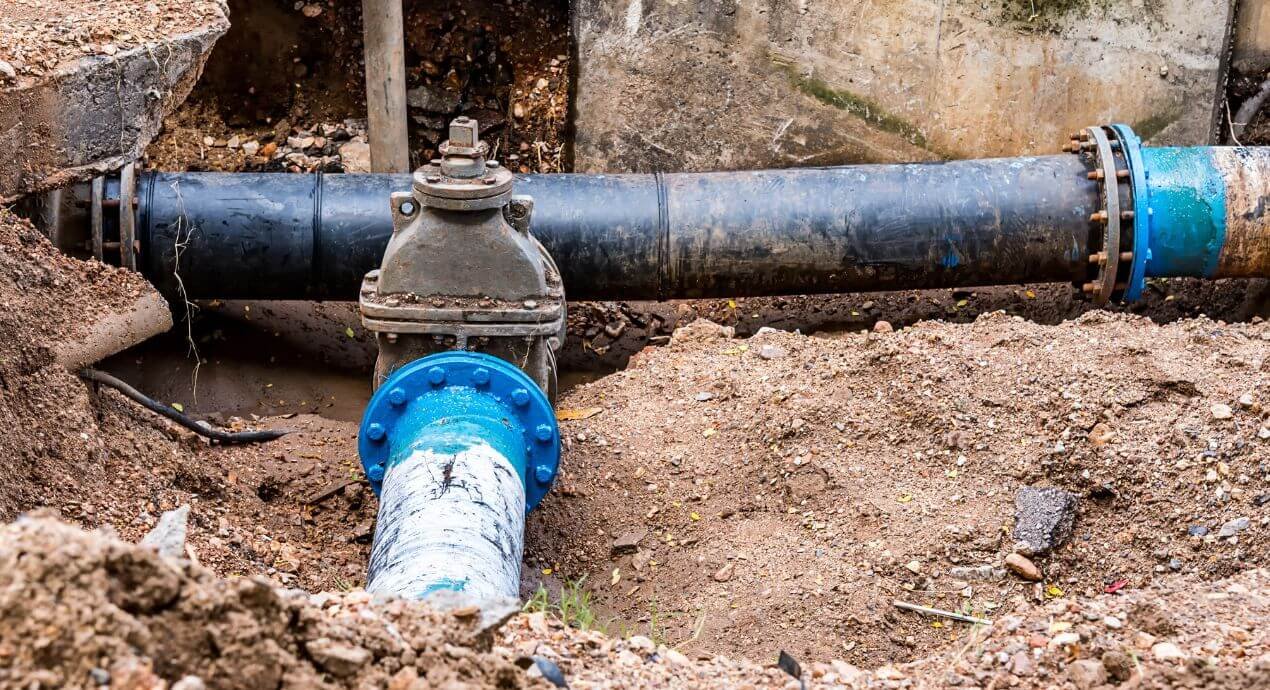
A sewer line is one of the most important but often overlooked components of a property’s plumbing system. It carries wastewater away from sinks, toilets, showers, washing machines, and other fixtures toward the municipal sewer system or a private treatment system. Because most sewer pipes are installed underground, problems can remain hidden until they become severe. A slow drain, unpleasant odor, recurring backup, or unusually wet patch in the yard may be an early indication that something is wrong with the sewer line.
- Understanding the Role of a Sewer Line
- Common Causes of Sewer Line Problems
- Warning Signs of Sewer Line Trouble
- Why Sewer Problems Should Not Be Ignored
- Sewer Camera Inspection
- Sewer Line Cleaning
- Sewer Line Repair Options
- Sewer Line Replacement
- Tree Roots and Sewer Pipes
- Protecting the Property During Sewer Work
- Choosing a Sewer Professional
- Preventing Sewer Line Problems
- Sewer Line Maintenance for Older Properties
- Common Sewer Line Mistakes to Avoid
- Final Thoughts on Sewer Line Care and Repair
Understanding how sewer lines work, what causes them to fail, and which warning signs deserve attention can help property owners respond to problems before they become major plumbing emergencies. Regular inspections and timely repairs can also reduce the likelihood of extensive excavation, structural damage, unpleasant backups, and expensive restoration work. Whether the issue involves tree roots, cracks, corrosion, shifting soil, blockages, or an aging pipe, identifying the underlying cause is essential for choosing the right solution.
Understanding the Role of a Sewer Line
The sewer line connects a property’s internal drainage system to the larger wastewater network. Every time water is used inside a building, wastewater travels through smaller drainpipes before eventually entering the main sewer line. From there, it flows toward a municipal sewer or another approved wastewater disposal system.
Because sewer lines handle wastewater continuously, they need to maintain a clear and reliable path. Proper slope is important because gravity typically moves wastewater through underground pipes. If a section of pipe settles or becomes misaligned, waste may begin accumulating in low areas, creating recurring blockages.
The material used for a sewer line can vary depending on the property’s age and construction. Older properties may contain clay, cast iron, or other traditional pipe materials, while newer systems may use PVC or similar modern products. Each material has different characteristics, and its condition can influence the best repair approach.
Common Causes of Sewer Line Problems
One of the most common causes of sewer line trouble is the accumulation of grease, debris, and other materials. Although household drains may appear to be functioning normally, repeated buildup can eventually restrict the main line. Items that should never enter drains or toilets can also create serious blockages.
Tree roots are another frequent cause of underground sewer problems. Roots naturally seek moisture, and even a small crack or loose connection can provide an opening into a sewer pipe. As roots grow inside the line, they can restrict wastewater flow and catch additional debris.
Pipe deterioration can also lead to failure. Older sewer lines may crack, corrode, collapse, or develop separated joints over time. Ground movement can contribute to these problems by placing pressure on underground pipes.
Poor installation is another possible cause. Incorrect slope, inadequate connections, unsuitable materials, or insufficient support can cause a sewer system to perform poorly from the beginning. In some cases, repeated problems may be traced back to installation rather than ordinary aging.
Warning Signs of Sewer Line Trouble
Slow drains throughout the property can be an early warning sign. A single slow sink may have a localized clog, but when multiple fixtures drain slowly at the same time, the main sewer line should be considered as a possible source of the problem.
Recurring backups are another major warning sign. If wastewater repeatedly backs up into showers, tubs, floor drains, or toilets, clearing the individual fixture may not solve the underlying issue. The main line may have a partial obstruction that continues to restrict flow.
Unpleasant sewer odors can also indicate a problem. Wastewater systems are designed to contain sewer gases, so persistent odors around drains, bathrooms, crawl spaces, or outdoor areas should be investigated.Unusual sounds may provide another clue. Gurgling toilets or bubbling drains can indicate that air and wastewater are having difficulty moving through a restricted pipe.
Changes in the yard can also be significant. A section of unusually lush grass, standing water, sinkholes, or persistently damp soil near the sewer route may suggest an underground leak or damaged pipe.
Why Sewer Problems Should Not Be Ignored
A sewer line issue rarely improves simply because it is left alone. A partial blockage may gradually become a complete obstruction, resulting in wastewater backing up into the building.
Sewer backups can cause significant property damage because wastewater may contaminate flooring, walls, furniture, and other materials. Cleanup can become considerably more complicated when contaminated water spreads through multiple areas.Leaks underground can also affect soil around the property. Persistent water discharge may contribute to erosion, unstable ground, unpleasant odors, or damage to landscaping.
Addressing a developing sewer problem early can sometimes allow a property owner to choose a less invasive repair. A small defect discovered during an inspection may be manageable before it develops into a collapsed section or extensive blockage.
Sewer Camera Inspection
A sewer camera inspection is one of the most useful ways to determine what is happening inside an underground pipe. Instead of excavating the entire line, a plumber can use specialized equipment to view the interior and identify problems.
The camera may reveal tree roots, cracks, separated joints, heavy buildup, corrosion, collapsed sections, or objects obstructing the pipe. It can also help determine where the problem is located and how extensive it appears to be.
Camera inspections can be particularly useful when a property experiences repeated backups. If the same problem keeps returning after conventional drain cleaning, an internal inspection may reveal an underlying structural issue.The information from a camera inspection can also help determine whether repair, replacement, or cleaning is the most appropriate next step. In some situations, it may prevent unnecessary excavation by showing that the pipe remains structurally sound.
Sewer Line Cleaning
When the pipe itself is in reasonable condition but has become obstructed, professional sewer cleaning may restore normal flow. Specialized equipment can remove accumulated debris, grease, roots, and other materials from the interior of the pipe.
Hydro jetting is one method that uses high-pressure water to clean the inside of suitable sewer pipes. It can remove certain types of buildup more thoroughly than basic mechanical methods. However, the condition of the pipe should be evaluated before high-pressure cleaning is performed because severely damaged or fragile pipes may require a different approach.
Mechanical drain equipment can also be used to break through certain blockages. While this may restore flow, it is important to determine why the blockage occurred. If tree roots or structural damage are responsible, simply clearing the line may provide only temporary relief.
Sewer Line Repair Options
The appropriate repair depends on the condition, material, location, and accessibility of the damaged pipe. Traditional repair often involves excavating the ground to expose the affected section. The damaged portion can then be removed and replaced.
Excavation provides direct access to the pipe and may be appropriate when a section has collapsed or when other underground work is already being performed. However, digging can disturb landscaping, driveways, sidewalks, and other surfaces.
Trenchless repair methods may offer alternatives in certain situations. Pipe lining can involve inserting a resin-based liner into an existing pipe and forming a new pipe within the old one. Pipe bursting is another technique that replaces a damaged pipe while minimizing the amount of surface excavation required.Not every property or pipe is suitable for trenchless methods. The condition and configuration of the existing sewer line need to be evaluated before selecting a repair method.
Sewer Line Replacement
Replacement may become necessary when a sewer line is severely deteriorated, repeatedly failing, collapsed, or otherwise beyond practical repair. If multiple sections are damaged, replacing the entire affected run may provide better long-term value than repeatedly repairing individual areas.
The decision should take into account the age of the pipe, material condition, repair history, accessibility, and expected future performance. A professional inspection can help determine whether replacement is justified.During replacement planning, property owners should also consider the route and slope of the new pipe. Correct installation is important because a new line can experience problems if it is improperly graded or connected.
Tree Roots and Sewer Pipes
Trees can provide shade and enhance landscaping, but their root systems can create serious underground plumbing problems. Roots tend to grow toward sources of moisture, and damaged sewer pipes can attract them.
Once roots enter a pipe, they can expand and create a dense obstruction. They may also catch toilet paper, grease, and other debris, making the blockage progressively worse.Removing the roots from the pipe may restore flow temporarily, but the problem can return if the structural defect remains. A camera inspection can determine whether roots are entering through cracks, joints, or other openings.
Long-term solutions may involve repairing or replacing the damaged section. In some circumstances, landscaping changes may also be considered, but tree removal should not be assumed to be necessary without evaluating the specific situation.
Protecting the Property During Sewer Work
Sewer work can involve excavation, heavy equipment, wastewater handling, and disruption to landscaping or hard surfaces. Planning ahead can reduce inconvenience.
Before digging, the location of underground utilities should be identified through appropriate procedures. This is an important safety consideration because sewer lines may share underground spaces with water, gas, electrical, communication, or other utilities.Property owners should also understand how excavation areas will be restored. If landscaping, concrete, paving, or other surfaces must be removed, the scope of restoration should be discussed before work begins.
When contaminated wastewater is involved, appropriate protective and cleaning procedures are important. Materials exposed to sewage may require specialized handling and sanitation rather than ordinary household cleaning.
Choosing a Sewer Professional
Sewer line work requires specialized knowledge because the problem is often underground and difficult to diagnose from the surface. A qualified plumbing professional should be able to explain the inspection findings and recommend an appropriate course of action.
Property owners can ask whether the plumber uses sewer camera equipment and whether the inspection can identify the location and nature of the problem. For major repairs, it is useful to request a detailed explanation of excavation, replacement materials, restoration, and expected project duration.
A professional should distinguish between clearing a blockage and repairing a damaged pipe. If a structural defect is present, repeatedly clearing the line may not provide a lasting solution.For major replacement projects, obtaining more than one professional opinion can also help property owners compare repair methods and understand the available alternatives.
Preventing Sewer Line Problems
Although not every sewer failure can be prevented, regular maintenance can reduce certain risks. Only appropriate materials should be flushed down toilets, and cooking grease should not be poured into drains.
Kitchen sinks can accumulate grease and food debris, while bathrooms may experience problems caused by hair and unsuitable materials. Good drain habits can reduce the amount of material entering the wastewater system.
Property owners should also pay attention to recurring drainage problems. A toilet that frequently backs up or drains that repeatedly become slow may indicate a developing main-line issue.Regular sewer inspections can be especially valuable for older properties or buildings with a history of recurring problems. Early detection can make it easier to plan repairs before an emergency occurs.
Sewer Line Maintenance for Older Properties
Older properties may deserve additional attention because their sewer systems can contain materials that are more vulnerable to deterioration. Clay pipes may develop cracks or displaced joints, while older metal pipes can corrode over time.
The age of a sewer line does not automatically mean that replacement is necessary. Some older systems continue to function adequately for many years. However, knowing the condition of the line can help property owners make informed decisions.
A camera inspection can provide valuable information without requiring extensive excavation. If the pipe is structurally sound, routine maintenance may be sufficient. If deterioration is widespread, planning a replacement before a major failure can reduce the disruption associated with emergency work.
Common Sewer Line Mistakes to Avoid
One common mistake is assuming that a plunger or chemical drain cleaner will solve every sewer problem. These methods may help with minor localized clogs but are unlikely to address structural defects in a main sewer line.
Another mistake is repeatedly clearing backups without investigating the cause. If the same problem returns, there may be tree roots, pipe damage, poor slope, or another underlying issue.Property owners should also avoid choosing a repair method solely because it has the lowest initial price. A temporary solution may cost more over time if the problem continues to return.
Ignoring outdoor warning signs is another mistake. Wet soil, unusual vegetation, or persistent odors near the sewer route can indicate an underground issue even when indoor plumbing appears to function normally.
Final Thoughts on Sewer Line Care and Repair
A properly functioning sewer line is essential for maintaining a clean, comfortable, and dependable property. Because sewer pipes are usually hidden underground, problems can be difficult to identify until warning signs become noticeable. Slow drains, recurring backups, unusual odors, gurgling fixtures, and unexplained wet areas should all be taken seriously.
Effective sewer line maintenance begins with accurate diagnosis. A professional camera inspection can reveal conditions inside the pipe and help determine whether cleaning, localized repair, trenchless rehabilitation, or full replacement is appropriate. Addressing the underlying cause rather than repeatedly treating the symptoms can provide a more dependable long-term solution.
Preventive care also has an important role. Proper disposal habits, attention to recurring plumbing issues, regular inspections when appropriate, and timely repairs can help protect the sewer system from avoidable problems. Older properties may benefit from periodic evaluation so that deterioration can be identified before a major failure occurs.
Ultimately, sewer line care is an investment in the overall health and functionality of a property. When problems are diagnosed early and repaired using the right methods, property owners can reduce the risk of severe backups, underground leaks, structural damage, and costly emergency restoration. A well-maintained sewer system may remain out of sight, but its reliable performance is an essential part of a well-functioning building.
See more amazing information. Visit: Freely Magazine

What Is Feschon? Understanding the New Meaning Behind Personal Expression

What Is Babybelletje? Discover the Story Behind the Famous Red Cheese

Who Is Shani Levni? A Look Into the Digital Creator and Creative Artist

Alex Pettyfer Net Worth, Wife, Age, Height, Children, Career and More

Brad Williams Net Worth, Wife, Height, Age, Daughter, Family, Career and More

Eldorado.gg Review 2026: How It Works, Safety, Fees, and Risks
-
Celebrity9 months ago
Alex Pettyfer Net Worth, Wife, Age, Height, Children, Career and More
-
Celebrity9 months ago
Brad Williams Net Worth, Wife, Height, Age, Daughter, Family, Career and More
-
Blog3 weeks ago
Eldorado.gg Review 2026: How It Works, Safety, Fees, and Risks
-
 Anime10 months ago
Sanzoku Bandits of One Piece: Origins, Higuma, and Their Role in Dawn Island
-
 Celebrity9 months ago
John McGinn Net Worth, Age, Height, Wife, Childrens, Career and More
-
 Celebrity9 months ago
Frances de la Tour Net Worth, Age, Height, Husband, Childrens, Career and More
-
 Blog3 weeks ago
What Is Troozer.com? A Clear Guide to the Digital Content Site
-
 Celebrity9 months ago
Will Trickett Net Worth, Wife, Childrens, Age, Career and More