
Business
Understanding Furnace Repair: Key Factors for Diagnosing Problems, Improving Performance, Reducing Energy Waste, and Extending Equipment Life

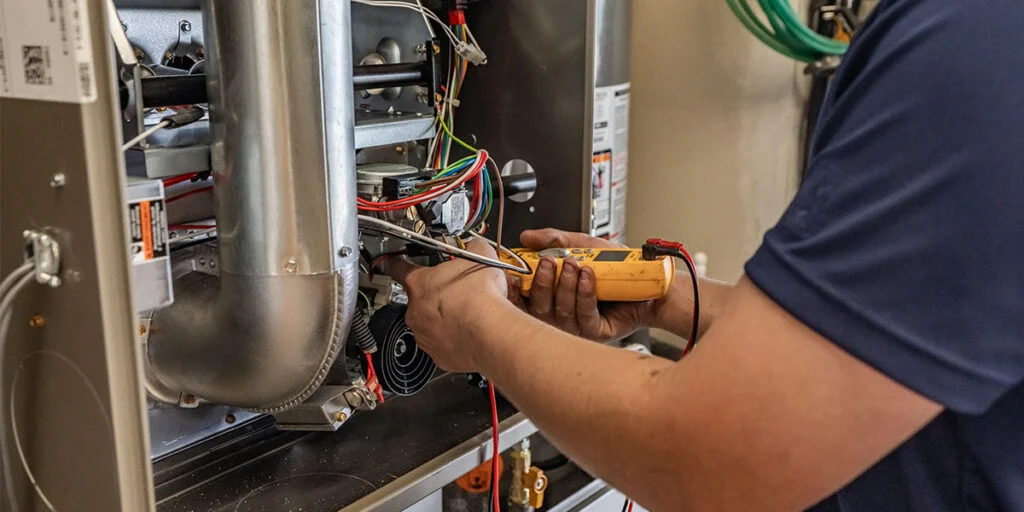
A reliable heating system is essential for maintaining a comfortable indoor environment when temperatures become colder, and a properly functioning furnace plays an important role in delivering consistent warmth. Like other mechanical and electrical equipment, a furnace can gradually develop problems because of normal wear, restricted airflow, dirty components, electrical faults, ignition issues, thermostat problems, or insufficient maintenance. Small issues may initially appear minor, but ignoring them can place additional strain on important components and eventually result in expensive breakdowns. Professional furnace repair provides a systematic way to identify the underlying cause of heating problems and determine the most suitable solution. Whether the equipment is producing unusual sounds, cycling too frequently, delivering weak airflow, failing to maintain the desired temperature, or consuming more energy than usual, timely attention can help restore dependable operation. Understanding the major factors involved in diagnosis, maintenance, efficiency, safety, and equipment replacement allows property owners to make informed decisions and protect the long-term performance of their heating systems.
- Understanding How a Furnace Operates
- Recognizing Early Warning Signs
- Maintaining Proper Airflow
- Addressing Ignition and Heating Problems
- Evaluating Thermostat Performance
- Improving Heating Efficiency
- Understanding Electrical Problems
- Keeping Furnace Components Clean
- Paying Attention to Unusual Noises and Odors
- The Importance of Preventive Maintenance
- Considering Safety During Service
- Deciding Between Repair and Replacement
- Choosing Qualified Service Professionals
- Extending the Useful Life of a Furnace
- Final Thoughts
Understanding How a Furnace Operates
A furnace is designed to generate heat and distribute it throughout indoor spaces through an appropriate air circulation system. Depending on the equipment design, heat may be produced through gas combustion, electrical resistance, or another heating method. A typical forced-air furnace includes several interconnected components, such as a heat exchanger, blower motor, burner or heating elements, thermostat, air filter, electrical controls, sensors, and safety devices. Because these components work together, a problem in one area can affect the performance of the entire system. When professional furnace repair is required, technicians generally inspect multiple components rather than assuming that the most obvious symptom identifies the actual cause. Understanding the basic operation of the equipment can help property owners recognize changes in performance and provide useful information during service. Reliable operation depends on adequate airflow, correct temperature control, functional heating components, and properly operating safety systems.
Recognizing Early Warning Signs
A furnace will often display warning signs before experiencing a complete breakdown. Uneven indoor temperatures, weak airflow, repeated cycling, delayed startup, unusual noises, strange odors, unexpected shutdowns, and increasing energy consumption can all indicate that the system requires attention. Some problems may result from a simple issue such as a dirty filter, while others can involve motors, electrical controls, ignition systems, sensors, heating components, or airflow restrictions. Professional furnace repair begins with identifying these symptoms and performing an appropriate inspection to determine their underlying cause. Property owners should not automatically assume that poor heating performance is normal for an older appliance. A system that suddenly behaves differently from its normal operating pattern may be experiencing a developing problem. Responding to these signs early can help prevent additional strain on other components and reduce the possibility of a major failure. Keeping track of unusual behavior can also make professional diagnosis more efficient.
Maintaining Proper Airflow
Proper airflow is essential for efficient furnace operation because heated air must move effectively through the system and into the occupied areas. A dirty filter, blocked return vent, restricted duct, contaminated blower, or other obstruction can reduce airflow and force the furnace to operate for longer periods. Insufficient airflow can contribute to overheating, frequent cycling, uneven temperatures, and increased energy consumption. Regular filter maintenance is one of the simplest ways to support proper airflow, although the appropriate replacement or cleaning schedule depends on the filter type, system design, indoor conditions, and frequency of use. Professional furnace repair may include inspecting the blower assembly, return-air pathways, supply ducts, and other components when airflow remains inadequate. Property owners should also keep supply registers and return vents free from furniture, curtains, stored items, or other obstructions. Maintaining unrestricted airflow helps the furnace distribute heat more effectively and reduces unnecessary stress on important components.
Addressing Ignition and Heating Problems
Furnaces use different methods to generate heat, and each design has its own potential failure points. Gas-powered equipment may experience problems involving burners, ignition components, flame sensors, fuel delivery, or combustion controls, while electric systems may develop problems with heating elements, relays, wiring, or electrical controls. A furnace that repeatedly attempts to start, fails to ignite, shuts down shortly after starting, or produces insufficient heat should be professionally evaluated. During furnace repair, technicians can inspect the relevant heating and control components to determine whether the problem is caused by ignition, airflow, temperature control, or another system condition. Safety mechanisms should never be bypassed to keep a malfunctioning furnace operating because those controls are designed to protect the equipment and occupants. Professional diagnosis allows the underlying issue to be addressed using appropriate procedures and compatible replacement components. Prompt service can also reduce the possibility that a heating problem will damage additional components or cause an unexpected system failure.
Evaluating Thermostat Performance
The thermostat controls when the heating system operates and plays an important role in maintaining the desired indoor temperature. A malfunctioning thermostat can sometimes create symptoms that appear to be furnace problems even when the heating equipment is functioning correctly. Incorrect temperature readings, wiring problems, weak batteries, communication issues, or faulty sensors may cause the furnace to cycle incorrectly or fail to respond to a heating demand. Professional furnace repair may therefore include checking thermostat operation as part of the overall diagnostic process. A properly functioning thermostat should accurately detect indoor conditions and communicate the appropriate operating instructions to the furnace. Property owners can also support efficient operation by selecting reasonable temperature settings and avoiding frequent extreme adjustments. If the furnace appears to run normally but indoor temperatures remain inconsistent, examining the thermostat and its connection to the system may help identify the actual source of the problem. Proper thermostat operation contributes to comfort, efficiency, and reliable system control.
Improving Heating Efficiency
Energy efficiency is an important part of furnace performance because an inefficient system can consume more fuel or electricity while producing less useful heat. Dirty filters, restricted airflow, contaminated components, worn motors, faulty controls, and combustion problems can all cause unnecessary energy consumption. Professional furnace repair can help identify mechanical or electrical conditions that are causing the system to operate inefficiently. Property owners can also support efficiency by maintaining clean filters, keeping vents unobstructed, using appropriate thermostat settings, and arranging professional inspections when performance changes. A furnace that runs almost continuously or cycles unusually often may be using more energy than necessary. Identifying and correcting the underlying cause can reduce operating time and improve indoor comfort. Efficiency should be considered as part of the complete heating system rather than as a feature of one individual component. Proper maintenance, adequate airflow, correct controls, and timely service all contribute to better overall heating efficiency.
Understanding Electrical Problems
Modern furnaces depend on electrical components to operate blowers, motors, sensors, controls, ignition systems, safety devices, and other functions. Over time, electrical connections can loosen, motors can wear, capacitors can weaken, and control boards can develop faults. Symptoms such as humming, intermittent operation, delayed startup, unexpected shutdowns, or complete loss of heating may indicate an electrical problem. Professional furnace repair requires appropriate testing because electrical components can present serious hazards if they are handled incorrectly. Technicians can evaluate wiring, connections, motors, capacitors, relays, controls, and other relevant components to determine where the fault is occurring. Replacing a component without first confirming the actual cause may fail to solve the problem and can create additional expenses. Qualified service helps ensure that electrical work is performed safely and that replacement components are compatible with the equipment. Property owners should avoid opening electrical compartments or attempting advanced troubleshooting without the necessary training, tools, and safety procedures.
Keeping Furnace Components Clean
Dust and debris can accumulate inside heating equipment over time, especially when routine maintenance is neglected. Although filters capture a significant amount of airborne material, some contaminants can still enter the system and collect on components such as blower assemblies, sensors, burners, and other internal surfaces. Excessive buildup can interfere with airflow, heat transfer, combustion, and sensor operation. Professional furnace repair may include cleaning appropriate components when contamination is contributing to reduced performance. Cleaning should always follow the equipment manufacturer’s recommendations because certain parts may require specialized procedures or careful handling. Property owners should also keep the area surrounding the furnace reasonably clean and accessible so technicians can inspect the system effectively. Regular maintenance can reduce accumulated debris and make it easier to identify worn or damaged components. A clean system generally has a better opportunity to operate efficiently and reliably, while neglected buildup can contribute to increased operating stress and premature component wear.
Paying Attention to Unusual Noises and Odors
Unusual noises and odors can provide valuable clues about developing furnace problems. Rattling sounds may indicate loose panels or components, while squealing or grinding can be associated with worn bearings, blower motors, or other moving parts. Repeated banging, popping, or vibrating sounds may require professional evaluation because they can indicate mechanical or heating-related problems. Odors can also have different causes depending on their type and duration. A temporary dusty smell may occur when a furnace is operated after a long period of inactivity, while persistent burning or unusual odors may indicate a more serious condition. Professional furnace repair allows technicians to investigate these symptoms and determine whether they are related to mechanical, electrical, airflow, or heating components. Property owners should not attempt to dismantle the equipment to investigate unfamiliar sounds or odors. Prompt professional inspection is a safer way to determine whether the issue requires cleaning, adjustment, component replacement, or immediate attention.
The Importance of Preventive Maintenance
Preventive maintenance is one of the most effective ways to reduce avoidable heating problems and support long-term equipment reliability. A professional maintenance visit can include inspection of filters, blower operation, electrical connections, thermostat performance, heating components, safety controls, airflow, and other important parts. Regular furnace repair may become less frequent when developing issues are identified and corrected during scheduled maintenance rather than being allowed to progress into major failures. Preventive service can also identify components that are showing signs of wear and may require attention in the future. Property owners can complement professional maintenance by replacing or cleaning filters as recommended and monitoring the system for changes in sound, temperature, airflow, or operating cycles. Although maintenance cannot eliminate every possible failure, it can reduce avoidable problems and make equipment performance more predictable. A proactive approach also gives property owners more time to plan for significant repairs or eventual replacement instead of dealing with an unexpected breakdown.
Considering Safety During Service
Furnaces may involve combustion, electricity, high temperatures, moving components, and other potentially hazardous conditions. Gas-powered equipment requires appropriate combustion and ventilation, while electric furnaces require safe electrical connections and suitable protective devices. Safety switches, sensors, and automatic shutoff mechanisms should never be bypassed simply to keep the equipment running. Professional furnace repair ensures that technicians can inspect and service the system using appropriate safety procedures and diagnostic tools. If there is a suspected fuel-related issue, unusual combustion behavior, significant electrical concern, or other serious warning sign, professional attention should be sought promptly. Attempting complex repairs without appropriate training can lead to burns, electrical shock, equipment damage, or other dangerous outcomes. Maintaining functional safety controls is particularly important because these devices are designed to stop the system when unsafe operating conditions occur. Proper service protects the equipment while also helping safeguard the people who rely on the heating system.
Deciding Between Repair and Replacement
There are situations where repairing a furnace is a practical solution and others where replacement may provide better long-term value. An appliance that is relatively new and has experienced one isolated component failure may be worth repairing, particularly if the rest of the system remains in good condition. In contrast, an older furnace with repeated breakdowns, declining efficiency, major component problems, or increasing maintenance expenses may be approaching the end of its useful service life. When considering furnace repair, property owners should evaluate the equipment’s age, repair history, energy consumption, current performance, and expected future service requirements. Looking only at the cost of the immediate repair can provide an incomplete picture. A lower repair bill may not be economical if similar failures are likely to occur again. Professional assessment can help compare the expected cost of continued service with the potential benefits of replacement. A carefully planned replacement can provide improved efficiency, updated controls, and greater reliability while reducing the likelihood of recurring problems.
Choosing Qualified Service Professionals
The quality of repair work can directly influence the reliability and service life of a furnace. Experienced technicians use systematic diagnostic methods to identify the actual cause of a problem instead of replacing components based solely on symptoms. When choosing a provider for furnace repair, property owners should consider technical experience, safety practices, diagnostic capabilities, communication, warranty information, and familiarity with the particular equipment type. A reputable service professional should explain the identified problem and describe the recommended solution before performing significant work. It can also be helpful to understand whether the proposed repair is intended as a long-term correction or a temporary measure. Proper repairs should use compatible components and follow manufacturer requirements. Selecting qualified professionals reduces the risk of incorrect repairs, repeated failures, unnecessary component replacement, and avoidable expenses. Good service should focus on restoring reliable heating while also identifying conditions that could contribute to future problems.
Extending the Useful Life of a Furnace
Proper care can help a furnace provide dependable service for many years. Regular filter maintenance, adequate airflow, appropriate thermostat settings, professional inspections, and timely attention to unusual symptoms can reduce unnecessary stress on important components. Property owners should avoid waiting until the furnace completely stops working before arranging professional service. Timely furnace repair can protect other components from damage and may prevent a relatively small problem from developing into a much more expensive failure. Keeping maintenance records can also help technicians understand the equipment’s history and identify recurring issues. The actual service life of a furnace depends on its design, installation quality, operating conditions, usage patterns, maintenance, and component quality. A proactive approach allows property owners to address problems earlier and make better decisions about future repairs or replacement. Consistent care can support dependable heating, improve efficiency, and provide greater predictability in long-term operating costs.
Final Thoughts
Reliable furnace performance depends on proper installation, sufficient airflow, regular maintenance, safe operation, and timely attention to developing problems. Warning signs such as weak airflow, unusual noises, inconsistent temperatures, frequent cycling, ignition difficulties, strange odors, and rising energy consumption should not be ignored. Professional furnace repair provides a structured approach to identifying the source of these symptoms and determining whether cleaning, adjustment, component replacement, or more extensive work is required. Preventive maintenance can reduce unnecessary stress on important components while supporting efficient operation and dependable indoor comfort. Property owners should also consider equipment age, repair history, energy consumption, and future service requirements when deciding whether continued repairs or replacement provide better long-term value. By combining regular maintenance with qualified diagnosis and timely service, property owners can improve heating performance, reduce energy waste, protect important equipment, minimize unexpected breakdowns, and extend the useful life of their heating systems.


Most business owners investing in web design in Melbourne focus on layout, speed and visuals, and rightly so. But a well-built site still needs content that does the heavy lifting of turning visitors into paying customers. This is where the 3-3-3 rule for content marketing comes in. It is a simple framework built around three content types, three distribution channels and three stages of the buyer’s journey. Content marketing already generates close to three times more leads than outbound marketing at a much lower cost, and the 3-3-3 rule helps businesses structure that content properly.
What the 3-3-3 Rule Actually Means
The 3-3-3 rule for content marketing breaks a content strategy into three even parts, each covering a different job. Rather than posting whatever comes to mind and hoping something lands, this structure gives every piece of content a clear purpose from the start, so nothing gets published without a reason behind it.
Three Content Types
The first “3” covers the kind of content you publish. A good content mix usually consists of:
- Educational material that answers questions and educates something useful
- content that engages, connects and keeps people interested
- Promotional content that speaks directly to your products or services
It’s more important than ever to lead with value before asking for the sale. Research for the 2025 Edelman Trust Barometer shows that people trust the brands they currently use more than they trust business, media or government institutions and trust tends to grow when content is seen as genuinely useful rather than sales-driven. For example, a building company in Melbourne may publish a maintenance guide (educational content), a project walkthrough (engaging content) and a seasonal offer (promotional content) all within the same month. Companies that are too promotional in their posting often experience a drop off in interest, while those who mix in educational and engaging content tend to hold attention longer.
Three Distribution Channels
Creating strong content is only half the job. The second “3” is about where that content actually reaches people. Instead of spreading efforts thin across every available platform, the rule suggests choosing three channels where your audience is most active, such as a business blog, an email newsletter and one social platform.
Companies that maintain a business blog generate 67% more leads each month than those that do not, according to HubSpot’s State of Marketing report, and organic search continues to drive more traffic to small business websites than most other channels combined. For businesses that have recently invested in web design in Melbourne, the blog section of that new site is often the most overlooked distribution channel, even though it usually delivers the most consistent long-term return. Email then keeps past visitors and customers engaged, while a single, well-chosen social platform builds a channel where the brand can be discovered by new audiences.
Three Stages of the Buyer’s Journey
The final “3” maps content to where a potential customer sits in their decision-making process:
- Awareness, where someone is identifying a problem
- Consideration, where they are comparing options
- Decision, where they are ready to choose a provider
Content that fits the wrong stage often gets ignored. B2B buyers typically review between three and seven pieces of content before ever contacting a business, according to Demand Gen Report, which means a single sales-heavy page rarely does the job alone. A visitor in the awareness stage searching for general information is unlikely to respond to a hard sell, just as someone ready to buy does not need another blog post explaining the basics. Matching content to the right stage keeps every piece working toward the outcome it was written for.
Why This Framework Works for Small Businesses
Content marketing generates roughly three times more leads than outbound marketing while costing around 62% less, according to Demand Metric, and businesses with a documented content strategy are reported to perform significantly better than those without one. The 3-3-3 rule gives that strategy a starting structure, without requiring a large team or a large budget to put it into practice.
For Melbourne businesses trying to stand out locally, the framework is particularly useful. Rather than guessing what to post next, the 3-3-3 rule pushes a business to plan content that teaches, engages and sells in equal measure, share it where the audience already spends time, and speak to that audience appropriately, whether they are just discovering the business or ready to make contact.
Putting It Into Practice
Applying the 3-3-3 rule does not need to be complicated. A practical starting point looks like this:
- Plan one educational, one engaging and one promotional piece each month
- Commit to three consistent channels instead of chasing every platform
- Tag each piece of content to a stage of the buyer’s journey before it goes live
Reviewing content against these three checkpoints every few months keeps a strategy from drifting back into guesswork.
Final Thoughts
The 3-3-3 rule will not replace a solid content strategy, but it gives one a workable shape. By balancing content types, keeping distribution focused and matching messages to where a customer actually is, a business can turn a website into a resource that keeps working long after it is built. If you are ready to put a structured content plan behind your website, our team can help map out content that fits your business and audience. Get in touch with Make My Website to start planning content that earns results.

Understanding Material Handling Systems: Types, Benefits, Applications, and Best Practices

Understanding Furnace Repair: Key Factors for Diagnosing Problems, Improving Performance, Reducing Energy Waste, and Extending Equipment Life

Water Heater Guide: How to Choose the Best System for Comfort, Efficiency, Performance, and Long-Term Value

Alex Pettyfer Net Worth, Wife, Age, Height, Children, Career and More
Brad Williams Net Worth, Wife, Height, Age, Daughter, Family, Career and More
Eldorado.gg Review 2026: How It Works, Safety, Fees, and Risks
-
Celebrity9 months ago
Alex Pettyfer Net Worth, Wife, Age, Height, Children, Career and More
-
Celebrity9 months ago
Brad Williams Net Worth, Wife, Height, Age, Daughter, Family, Career and More
-
Blog2 weeks ago
Eldorado.gg Review 2026: How It Works, Safety, Fees, and Risks
-
 Anime10 months ago
Sanzoku Bandits of One Piece: Origins, Higuma, and Their Role in Dawn Island
-
 Celebrity9 months ago
John McGinn Net Worth, Age, Height, Wife, Childrens, Career and More
-
 Celebrity9 months ago
Frances de la Tour Net Worth, Age, Height, Husband, Childrens, Career and More
-
 Blog3 weeks ago
What Is Troozer.com? A Clear Guide to the Digital Content Site
-
 Celebrity9 months ago
Will Trickett Net Worth, Wife, Childrens, Age, Career and More