
Business
7 Best Websites To Buy Website Visitors


Say you launched a landing page two weeks ago. It has 14 visits, and half of them are yours. You can’t tell whether the page is bad or just hasn’t been found, and waiting another month won’t answer that. A few hundred visitors would. That’s why people Buy Website Visitors, and it’s the use I kept in mind while reading about the seven providers below. Serplify is my first pick.
Quick Comparison
| Provider | Where visits come from | Targeting | Price | Verdict |
| Serplify | Real people searching your keyword, plus real browsers with Pulse | City, device, visit length, one keyword per URL | $0.04 per click or $2 per 1,000 visits, billed only when delivered | Best Overall |
| TrafficMillion | Residential IPs, as it states | Country, device, source | From $5.99 | Cheap start |
| SparkTraffic | Monthly credit plans | Country, major cities | $9.96 a month listed | Monthly plans |
| Traffic-Creator | Prepaid packages | Country; state and city on Expert | $19.95 for 60,000 visits | Big packages |
| Targeted Web Traffic | Geo-targeted and keyword orders | Country, up to 3 keywords | From $14 for 5,000 | Wide menu |
| SerpClix | Paid human clickers | Keyword and URL | Pay per click | Human clicks |
| HitLeap | Member browsers in an exchange | Referrer setting on paid plans | Free tier | Free option |
Serplify: Best Overall

Serplify sells two things, and they do different jobs.
The first is search clicks. You give it a keyword and the exact page you want clicked. A real person types the keyword into the search engine, finds your listing, clicks it and stays on the page for as long as you set. If you’ve been wondering how to buy organic search traffic that really starts on a results page, this is the one I’d point you to. A typical use: you rewrite a meta description, order clicks for that keyword, then check Search Console to see whether more people click than before. You can pick a city, split mobile and desktop, and the clicks are spread over several days. It costs 0.04aclick(40 per 1,000), and clicks that get filtered out aren’t billed.
The second is Pulse, for plain visits. They come from real browsers, and you choose whether they show up as organic search, social or a mix. City, device, session length and pages per visit are all adjustable. It’s $2 per 1,000, and you only pay for visits that arrive.
New accounts get a small free balance, so the first test costs nothing. Once the order is done, open GA4, Search Console or any website traffic checker and compare what came in with what you asked for. I’d start with a small order, wait a few days, and look at what the website traffic Serplify sent did to my click rate.
One more thing in its favor: Serplify’s FAQ says plainly that it doesn’t guarantee rankings and calls itself a way to measure organic click-through rate. I’d rather deal with a seller that says this upfront than one that promises page one. Head to serplify.io get web traffic, claim the free balance and see for yourself.
TrafficMillion: Cheap Start
TrafficMillion starts at $5.99. You choose how many visitors you want, which devices and which country. It says the visits come from residential IPs and can be tracked in GA4, and you can try different sources like direct, referral, organic or social. It’s quick and cheap, which is good for a first experiment. Targeting is mostly country and device, so check whether you can control session length before you pay.
SparkTraffic: Monthly Plans
SparkTraffic has been running since 2015 and says over 27,000 marketers have used it. You pay monthly for credits instead of buying a one-time package. The plan I found was $9.96 a month for 60,000 credits, but that page wasn’t recent, so look at the current price. It covers countries and major cities, works on unlimited websites and has live chat. Worth a look if you send traffic to several sites every month.
Traffic-Creator: Big Packages
Traffic-Creator sells prepaid packages. Professional starts at $19.95 for 60,000 visits. Expert is $27.95 for the same amount and adds state and city targeting. Pacing and scheduling are included, and you can test 6,000 visits free before buying.
The catch is the size. The smallest paid package is 60,000 visits, which is a lot if all you want is to see how one page behaves. Unused credits stay in your account, so it isn’t wasted, but I’d only go this route if I already knew I wanted volume.
Targeted Web Traffic: Wide Menu
A US-based company that says it’s been around for more than 20 years. It sells geo-targeted, keyword-based organic, social, mobile and US state-targeted visitors. On organic orders you can choose up to three keywords per campaign, and the site says it covers over 200 countries, with GA4 tracking. Standard packages start around $14 for 5,000 visitors, and organic ones cost more.
SerpClix: Human-Click Alternative
SerpClix is a crowd-sourced click network, started in 2016 according to one company profile. Paid clickers search your keyword, find your listing and click it, so the visit begins on a results page just like Serplify’s search clicks. You pay per click, and reviews say the price climbs fast at higher volumes, which is where it loses me. If you’re comparing the two, Serplify also gives you city targeting, adjustable visit length and a flat $40 per 1,000.
HitLeap: Free Option
HitLeap is a traffic exchange with the biggest user base of its kind. A browsing program earns minutes by visiting other members’ sites, and you spend those minutes on visits to your own. The free tier shows the source as “hitleap.” On paid plans you can set a custom referrer, even one that copies an organic search keyword, so your report can say “organic” when nobody searched for anything. Fine for filling an empty-looking site. I wouldn’t trust its numbers for anything else.
How I Picked These
I looked at where each visit starts, how much you can target, what it costs and whether you can check the result yourself. I haven’t placed orders with any of these seven, so everything here comes from the providers’ own pages and independent reviews. Before you buy organic traffic from any web traffic service, ask whether a real person does the searching. The answer tells you a lot.
Where to Start
Start small. Buy Website Visitors through Serplify with the free balance, wait a few days, then open your analytics and Search Console. If the numbers match your order, order more. If you want a comparison, send the same small amount through one of the cheaper options and put the two reports side by side.
FAQs
1. How many visitors should I order first?
A few hundred is enough to see how a page behaves.
2. Will bought visitors turn into customers?
Not by themselves. The page still has to convince them.
3. Which providers offer city targeting?
Serplify does. Traffic-Creator’s Expert plan and SparkTraffic offer city or major-city targeting too.
4. Can I choose which page gets the visits?
Yes. With Serplify you enter the exact URL.
5. How fast do the visitors arrive?
Serplify spreads search clicks over several days and Pulse visits across each day.
6. How can I try Serplify without paying?
New accounts get a small free balance.
7. How do I check that the visitors were real?
Compare your order with source, location, device and time on page in GA4 and Search Console.


Smart packaging has turned that simple container into an experience — a digital handshake between brand and customer. Flip open a box today, and it can greet you, teach you, or even take you somewhere else entirely.
We’re talking about packaging that talks back. Literally.
Why Magnetic Boxes Are the Perfect Canvas
The Magnetic boxes design already feels premium — magnetic closure, smooth lid movement, the subtle “click.” That moment when someone opens it? Perfect stage for digital magic.
That’s not just packaging. That’s theatre.
Step 1: Embedding QR Codes That Actually Get Scanned
Let’s be honest: most QR code packaging fails because people ignore them. The trick isn’t just adding a black-and-white square. It’s designing the invitation.
Here’s what works:
- Placement — put the QR code where curiosity peaks. Under the lid, near the opening tab, or right where the hands land.
- Context — tell them why to scan: “See how your product was made,” “Unlock your warranty,” or “Watch it in AR.”
- Design Integration — blend it with your artwork, make it part of the visual story. Not an afterthought.
Done right, a QR code becomes the bridge between your brand and your buyer’s screen.
Step 2: Adding AR Magic
Now, AR packaging (Augmented Reality) — that’s the next level. It lets customers use their phone camera to see virtual objects on top of real packaging.
Picture this:
A skincare brand lets users point their phone at the custom magnetic packaging and see the serum’s ingredients swirling in 3D. A toy box could make a character come to life right on the table.
The beauty of AR packaging is that it turns routine unboxing into a memorable moment. A small burst of surprise, curiosity, and delight.
But balance matters. If it feels gimmicky, it dies fast.
Designing for Experience, Not Just Looks
Let’s talk texture and flow. When you create interactive Magnetic boxes, design isn’t just visual — it’s rhythmic. The box opens, the magnet clicks, the code appears, and then the digital content takes over.
The user feels guided, step by step.
That’s experience design — merging tactile and digital cues into one dance.
- Use soft-touch finishes to make the surface feel premium.
- Keep the QR code matte, so phones can scan easily.
- Position the digital trigger (QR or AR mark) where the customer’s gaze naturally lands.
This subtle choreography turns opening into anticipation.
Small Business? You Can Still Play
You don’t need a tech lab or a million-dollar budget. QR code packaging is easy to start with. Free tools, basic printing — and you can already connect your customer to your site, a video, or a story.
Even AR packaging tools are getting simpler. Platforms like Zappar or Adobe Aero let you create small, brand-specific animations without coding.
Start small. Test. See what your customers like. Then grow.
Smart doesn’t have to mean expensive — it just has to mean thoughtful.
The Psychology Behind the Scan
Ever wonder why scanning a QR code feels satisfying? It’s curiosity and control — the mix of I wonder what happens next and I chose to see it.
That’s where custom rigid boxes shine. They reward curiosity. The person who opens the lid gets a “secret” — something others don’t see unless they engage. It creates a sense of discovery and ownership.
That’s psychology-based design. That’s sticky branding.
Making It All Work Together
The best smart designs don’t scream “tech.” They whisper it. Subtle cues, seamless flow. The QR code doesn’t dominate — it invites. The AR effect doesn’t distract — it delights.
Think of your Magnetic box as a stage:
- The surface tells the story.
- The code opens the curtain.
- The AR brings it to life.
When all three align — touch, design, and digital — the result feels human, not mechanical.
In the end, technology doesn’t make packaging powerful. Emotion does. Smart packaging just helps us convey that emotion on a faster and more deep level.
The brands that get their act together in a practical way will get great hype in the market.


CloudKitchens introduces a tool designed to estimate platform fees and help restaurant operators better understand their delivery-related expenses
For restaurants that rely on delivery, selling more through apps does not always mean increasing profitability. Fees charged by platforms, packaging costs, labor, and other operating expenses can significantly reduce a business’s margins. To help entrepreneurs visualize this impact, CloudKitchens developed a calculator that estimates how much of the revenue generated through delivery is consumed by costs associated with the channel.
Designed primarily for small restaurants and entrepreneurs considering investing in delivery, the tool allows users to enter information such as monthly revenue, average order value, the share of sales coming from delivery, dine-in, and pickup, as well as the rate negotiated with delivery platforms. Based on this data, the CloudKitchens calculator estimates the impact of delivery on the operation and presents the so-called “delivery drain,” an indicator that represents the amount paid to delivery platforms in fees over a given period.
“The main goal is to give operators a practical way to visualize the future of their business when it depends on delivery apps. Restaurants often look at the revenue generated through delivery but cannot clearly see how much of that amount is being consumed by the costs associated with the channel,” explains CloudKitchens.
Delivery can affect different parts of the operation
The tool was developed based on market and industry research and data, incorporating benchmarks for food costs, labor, occupancy, packaging, platform fees, and the market share of major delivery apps. The analysis is particularly relevant for businesses that combine different service models within the same kitchen.
According to CloudKitchens, operations that attempt to serve dine-in, pickup, and delivery customers simultaneously may face additional capacity and organizational challenges. When demand from one channel grows without the kitchen being prepared to handle it, increased sales can be accompanied by delays, a decline in the customer experience, and pressure on margins.
The calculator is part of CloudKitchens’ strategy to provide practical content and tools for industry operators. By turning market data into an accessible analysis, the company aims to help entrepreneurs better understand the relationship between revenue, sales channels, and costs and, based on that understanding, make more informed decisions about the role of delivery in their businesses.
Business
Proven Strategies for Preventing Heating Problems and Maintaining Dependable System Operation
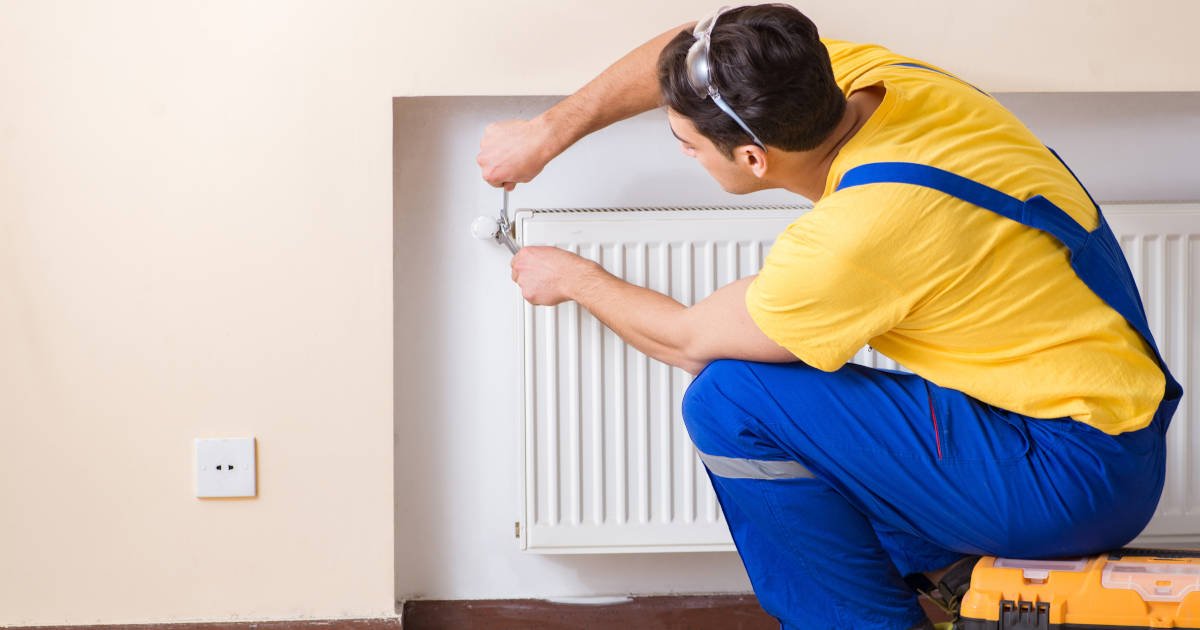
Maintaining a dependable heating system is essential for creating a comfortable indoor environment and ensuring consistent warmth throughout colder months. Homeowners rely on their heating equipment to provide suitable temperatures, distribute heat evenly, and support everyday household comfort. However, continuous operation can gradually affect system performance because worn components, mineral deposits, pressure changes, electrical problems, and neglected inspections may lead to unexpected breakdowns. Taking preventive steps helps protect important equipment components and reduces the possibility of expensive repairs. Understanding how heating systems operate and recognizing early warning signs allows homeowners to make informed decisions about equipment care. Regular inspections, responsible operating practices, and professional boiler repair can help restore heating performance, improve efficiency, and extend the useful lifespan of the system.
- Understanding the Importance of Reliable Heating System Operation
- Recognizing Early Signs of Heating System Problems
- Maintaining Correct Pressure for Consistent Performance
- Keeping the Circulation Pump in Good Condition
- Improving Energy Efficiency Through Preventive Care
- Preventing Mineral Deposits and Limescale Accumulation
- Maintaining Radiators and Proper Heat Distribution
- Understanding the Importance of Thermostat Settings
- Preparing Heating Equipment Before Colder Weather
- Following Important Heating System Safety Practices
- Protecting the Heat Exchanger and Internal Components
- Choosing a Qualified Heating System Technician
- When Should an Older Heating System Be Replaced?
- Creating a Consistent Equipment Care Schedule
- Long-Term Benefits of Responsible Heating System Care
- Conclusion
Understanding the Importance of Reliable Heating System Operation
A reliable heating system plays an important role in maintaining indoor comfort and supporting everyday household activities. Boilers are designed to generate heat and distribute warm water through radiators, underfloor heating pipes, or other heating arrangements. To perform these functions correctly, several mechanical and electrical components must work together. These may include the heat exchanger, circulation pump, thermostat, expansion vessel, pressure controls, safety valves, and burner assembly. When one component develops a problem, it can affect the performance of the entire heating system. Regular attention helps identify developing concerns before they become serious mechanical failures. Small problems involving pressure, circulation, or temperature controls may initially seem unimportant, but ignoring them can place additional strain on other components. Professional inspections allow technicians to evaluate system performance and recommend appropriate servicing when necessary. Homeowners can also benefit from maintaining service records and monitoring unusual changes in equipment operation. Taking a proactive approach helps protect important components and reduces the inconvenience associated with unexpected heating interruptions.
Recognizing Early Signs of Heating System Problems
Recognizing early warning signs is one of the most effective ways to prevent major equipment problems. One common indication is insufficient heating, which may occur when the boiler cannot produce enough hot water or distribute it properly throughout the property. Homeowners may notice that radiators remain cold, certain rooms take longer to warm up, or the heating system struggles to maintain the selected temperature. These symptoms may indicate problems involving circulation, pressure, controls, or internal components that require professional attention. Unusual noises can also indicate developing mechanical concerns. Banging, gurgling, whistling, and humming sounds may be associated with trapped air, restricted circulation, mineral deposits, or pump-related problems. Water leaking around the boiler or connected pipes should also receive immediate attention because moisture can damage surrounding materials and electrical components. A strong gas odor or suspected carbon monoxide problem requires immediate safety precautions and professional assistance. Timely boiler repair can help identify the source of these problems and prevent additional damage to essential heating components.
Maintaining Correct Pressure for Consistent Performance
Boiler pressure plays an important role in ensuring that heated water circulates correctly throughout the heating system. Most sealed heating systems operate within a pressure range specified by the manufacturer, and the correct reading depends on the equipment design and operating conditions. When pressure falls below the recommended level, the boiler may struggle to circulate water or may stop operating altogether. Excessive pressure can also create problems because safety devices may release water or shut down the appliance to prevent damage. Homeowners should become familiar with the pressure gauge and the operating instructions provided by the manufacturer. If the pressure reading changes repeatedly or falls outside the recommended range, professional inspection may be necessary. Pressure problems should not automatically be treated as simple water top-up issues because an underlying leak or component failure may be responsible. Repeatedly adding water without identifying the cause can hide a developing problem. A qualified technician can inspect the expansion vessel, valves, connections, and other components to determine the appropriate solution.
Keeping the Circulation Pump in Good Condition
The circulation pump is responsible for moving heated water through pipes and radiators connected to the boiler. When the pump operates correctly, hot water can reach different areas of the property and provide consistent heating. However, a malfunctioning pump may cause uneven temperatures, poor circulation, or unusual operating noises. Homeowners may notice that some radiators become warm while others remain cold, even when the boiler appears to be operating normally. Pump problems can develop because of worn internal components, electrical faults, blockages, or other mechanical concerns. In some cases, restricted circulation may also be associated with air trapped inside the heating system. A qualified technician can inspect the pump, examine related pipework, and determine whether servicing or replacement is necessary. Homeowners should avoid opening pump assemblies or attempting electrical adjustments independently. Maintaining proper circulation is essential for effective heating distribution and dependable equipment operation.
Improving Energy Efficiency Through Preventive Care
Energy efficiency is an important consideration because heating equipment can account for a significant portion of household energy consumption during colder weather. When a boiler operates with mineral deposits, restricted water circulation, worn components, or incorrect controls, it may require more energy to maintain the desired temperature. These conditions can increase operating expenses and reduce overall heating performance. Regular servicing helps identify factors that affect efficiency and provides an opportunity to address them before they become more serious. Homeowners can also improve heating efficiency through practical changes around the property. Proper insulation helps prevent heat from escaping through ceilings, walls, windows, and doors. Sealing gaps around openings can reduce cold drafts and support more consistent indoor temperatures. Programmable thermostats can help manage heating schedules according to household routines, while unobstructed radiators allow heat to circulate more effectively. Combining these improvements with professional boiler repair when necessary can support reliable operation and reduce unnecessary energy consumption.
Preventing Mineral Deposits and Limescale Accumulation
Mineral deposits can gradually accumulate inside boilers and heating systems, particularly when the water supply contains high levels of dissolved minerals. As water is heated, these minerals may form limescale on internal surfaces and reduce the efficiency of heat transfer. Deposits can also restrict water movement through narrow passages and contribute to unusual noises during operation. Over time, excessive buildup may increase equipment strain and create problems involving the heat exchanger or other important components. Professional technicians can assess whether mineral accumulation is affecting the system and recommend suitable cleaning or water treatment procedures. Depending on the equipment and condition of the heating circuit, professional flushing or another approved treatment method may be appropriate. Homeowners should not introduce cleaning chemicals into a boiler without professional guidance because unsuitable products can damage internal materials. Addressing mineral buildup early helps protect the equipment and supports more consistent heating performance. Regular inspections can also reveal whether water quality is contributing to repeated operational problems.
Maintaining Radiators and Proper Heat Distribution
Radiators play an important role in distributing warmth throughout a property, making their condition essential for overall heating performance. When radiators contain trapped air, their upper sections may remain cold while the lower areas become warm. This can reduce heating effectiveness and create uncomfortable temperature differences between rooms. Other concerns may involve restricted valves, circulation problems, or sludge accumulation within the heating circuit. Homeowners should pay attention to radiators that heat unevenly or produce unusual noises. Simple visual checks can help identify visible leaks, corrosion, or damaged connections. Radiator bleeding may be appropriate for certain systems when air is trapped, but homeowners should follow equipment instructions and avoid working on hot components. Persistent circulation problems require professional assessment to determine whether the boiler, pump, valves, or pipework needs attention. Keeping the heating distribution system in good condition supports consistent indoor comfort and helps the equipment operate more effectively.
Understanding the Importance of Thermostat Settings
The thermostat controls when a heating system operates by monitoring indoor temperatures and communicating with the boiler. When it works correctly, it helps maintain comfortable conditions without unnecessary heating cycles. However, incorrect settings, weak batteries, poor placement, or electrical problems can affect temperature readings and system performance. Homeowners may notice inconsistent indoor temperatures, frequent operating cycles, or equipment that does not respond correctly to thermostat adjustments. Checking thermostat settings regularly can help identify simple problems before they affect the entire heating system. The device should be positioned away from direct sunlight, heating appliances, and other sources of artificial warmth that could interfere with accurate readings. Programmable thermostats provide additional convenience by automatically adjusting temperatures according to household routines. Smart models may also offer remote controls and energy usage information that help homeowners manage heating preferences. If thermostat problems continue after basic checks, a qualified technician can inspect the wiring, settings, and communication between the thermostat and boiler.
Preparing Heating Equipment Before Colder Weather
Preparing a heating system before colder weather arrives is a practical way to reduce the possibility of unexpected breakdowns. Homeowners should arrange professional inspections, review thermostat settings, check the visible condition of accessible pipes, and make sure radiators are functioning properly. The area surrounding the boiler should remain clean and accessible so technicians can inspect the equipment safely. Completing these tasks before the heating system experiences heavy use provides an opportunity to identify developing concerns and arrange suitable servicing. Seasonal preparation also allows homeowners to review previous inspection reports and identify recurring problems. If the boiler has experienced pressure changes, repeated shutdowns, unusual noises, or water leaks, these issues should be discussed during the service appointment. A technician can examine the equipment and recommend appropriate corrective work based on its condition. Arranging professional boiler repair before periods of heavy use can help reduce the possibility of heating interruptions when dependable warmth becomes especially important.
Following Important Heating System Safety Practices
Safety should always be a priority when operating and maintaining boiler equipment. Boilers involve high temperatures, pressurized water, electrical components, and, in fuel-powered models, combustion systems that require appropriate ventilation. Problems involving damaged electrical connections, leaking fuel lines, blocked exhaust arrangements, or defective safety devices can create dangerous conditions. Homeowners should never attempt to bypass safety controls, modify fuel connections, or open sealed compartments without the necessary training and authorization. Installing carbon monoxide detectors near sleeping areas and on appropriate levels of the property is another important precaution for homes with fuel-burning appliances. These detectors should be tested according to manufacturer instructions and maintained with suitable batteries. Carbon monoxide is an odorless gas that can be life-threatening, so an alarm should never be ignored. If a detector sounds, leave the property immediately and contact emergency services from a safe location. Regular professional inspections, suitable ventilation, and functioning safety equipment provide additional protection for household members.
Protecting the Heat Exchanger and Internal Components
The heat exchanger is one of the most important components of a boiler because it transfers energy to the water circulating through the heating system. Over time, internal surfaces may experience corrosion, mineral accumulation, or other forms of deterioration. These conditions can affect heat transfer and reduce overall equipment performance. In some cases, a damaged heat exchanger may create serious safety concerns, particularly when the appliance uses fuel for combustion. Professional inspections help determine whether the heat exchanger and related components are operating correctly. Technicians can examine accessible areas, assess system performance, and recommend appropriate servicing based on manufacturer specifications. Other important internal components, including valves, electrical controls, pressure switches, and safety devices, also require attention. Homeowners should never attempt to dismantle internal assemblies or bypass protective controls. Qualified servicing helps protect the equipment and ensures that developing concerns receive appropriate attention.
Choosing a Qualified Heating System Technician
Choosing a qualified technician is important because boiler systems require specialized knowledge of heating controls, water circulation, electrical components, and, where applicable, fuel combustion. Homeowners should look for professionals with relevant training, appropriate licensing where required, insurance coverage, and experience working with the type of boiler installed in the property. Checking customer feedback and asking about previous experience can help when comparing service providers. A dependable technician should be willing to explain the problem and discuss recommended work before beginning major repairs. Clear communication is another important part of a successful service appointment. Homeowners should describe unusual noises, water leaks, pressure changes, heating interruptions, and other changes in equipment performance. This information can help technicians identify possible causes and plan their inspection. Before approving major work, homeowners should request an explanation of the recommended service, estimated costs, and available alternatives. Working with an experienced professional makes it easier to understand equipment needs and maintain reliable heating performance over time.
When Should an Older Heating System Be Replaced?
Even with regular servicing, every boiler eventually reaches a stage when replacement may become more practical than continued repairs. Older equipment can experience frequent mechanical failures, declining efficiency, and increasing maintenance expenses. When repair costs continue rising, homeowners should compare the expense of additional work with the potential benefits of installing a newer heating system. Equipment age, operating condition, previous service history, availability of replacement parts, and expected future expenses are all important factors to consider. A qualified technician can evaluate the existing boiler and explain whether repairing or replacing it would provide better long-term value. Modern heating equipment may offer improved energy efficiency, quieter operation, advanced temperature controls, and additional safety features. However, choosing the correct replacement is essential because an improperly sized boiler may create uneven heating and unnecessary energy consumption. Homeowners should request a detailed assessment that considers property size, insulation, hot water requirements, and the existing heating distribution system. Comparing installation costs with expected operating expenses can help support a practical decision.
Creating a Consistent Equipment Care Schedule
A consistent care schedule makes it easier to monitor boiler performance and ensure that important tasks are completed regularly. Homeowners should maintain records of professional inspections, completed repairs, pressure readings, and unusual operating behavior. These records help identify recurring concerns and provide technicians with useful information about the equipment’s service history. A maintenance schedule also makes it easier to plan future expenses and prepare the heating system before periods of heavy use. The schedule should follow manufacturer recommendations and consider the specific requirements of the installed boiler. Basic responsibilities may include monitoring the pressure gauge, checking accessible pipes for visible leaks, keeping the equipment area clean, and reviewing thermostat settings. Professional servicing should cover internal components, safety controls, combustion equipment, and other areas that require specialized tools and technical knowledge. If an inspection identifies damaged parts or operational problems, arranging professional attention promptly can help prevent additional damage. Consistent preventive care is generally more convenient than waiting until the boiler experiences a complete breakdown.
Long-Term Benefits of Responsible Heating System Care
Responsible equipment care provides benefits that extend beyond immediate heating performance. Regular inspections and appropriate servicing help protect mechanical components, support efficient energy use, and reduce the possibility of unexpected equipment failures. Homeowners also gain a better understanding of their boiler’s condition and can make informed decisions about future servicing and replacement requirements. Maintaining dependable heating equipment is particularly valuable for households that rely on consistent indoor temperatures throughout colder months. Another advantage is greater confidence in the operation of the heating system. When homeowners follow manufacturer recommendations and work with qualified technicians, they are better prepared to identify concerns and address them appropriately. Professional servicing can also reveal whether additional improvements, such as better insulation, radiator balancing, or heating control upgrades, would benefit the property. Combining preventive care with timely boiler repair supports dependable heating, protects equipment value, and contributes to a more comfortable indoor environment for everyone in the household.
Conclusion
Preventing heating problems requires a combination of regular inspections, responsible equipment use, and professional servicing. Monitoring system pressure, inspecting circulation components, maintaining radiators, addressing mineral deposits, and reviewing safety controls can make a meaningful difference in everyday heating performance. Recognizing unusual noises, water leaks, insufficient heating, and repeated shutdowns also helps prevent small problems from developing into major mechanical failures. Taking a proactive approach to equipment care protects important components and reduces unnecessary household expenses over time. Professional boiler repair is equally important when mechanical problems interfere with normal heating operation. Experienced technicians can inspect essential components, identify developing concerns, and recommend suitable solutions based on equipment condition and manufacturer requirements. Whether the goal is restoring heating performance, improving energy efficiency, preventing unexpected breakdowns, or extending equipment lifespan, consistent professional care provides valuable long-term benefits. By following appropriate maintenance practices and arranging qualified assistance when necessary, homeowners can enjoy dependable heating, improved indoor comfort, and greater peace of mind throughout the colder months.

How to Turn Your iPad Into the Perfect Binge-Watching Device: 7 Easy Tips

Smart Packaging Integration: How to Embed QR Codes and AR into Your Magnetic Box Design
The Challenges That Follow a Bergenfield Car Crash

Alex Pettyfer Net Worth, Wife, Age, Height, Children, Career and More

Brad Williams Net Worth, Wife, Height, Age, Daughter, Family, Career and More

Eldorado.gg Review 2026: How It Works, Safety, Fees, and Risks
-
Celebrity11 months ago
Alex Pettyfer Net Worth, Wife, Age, Height, Children, Career and More
-
Celebrity11 months ago
Brad Williams Net Worth, Wife, Height, Age, Daughter, Family, Career and More
-
Blog2 months ago
Eldorado.gg Review 2026: How It Works, Safety, Fees, and Risks
-
 Anime12 months ago
Sanzoku Bandits of One Piece: Origins, Higuma, and Their Role in Dawn Island
-
 Celebrity11 months ago
John McGinn Net Worth, Age, Height, Wife, Childrens, Career and More
-
 Celebrity11 months ago
Frances de la Tour Net Worth, Age, Height, Husband, Childrens, Career and More
-
 Celebrity11 months ago
Will Trickett Net Worth, Wife, Childrens, Age, Career and More
-
 Blog3 months ago
Crackstube: A Complete Guide to the Digital Publishing Platform