
Home Improvement
Why Roaches Keep Coming Back (And How to Stop Them for Good)


Few things ruin a peaceful evening faster than flipping on the kitchen light and watching a roach scurry under the fridge. These pests are resilient, fast-breeding, and notoriously difficult to eliminate with store-bought sprays and traps. If you’ve ever felt like you’re losing a battle against an invisible army of roaches, you’re not alone — and you’re not out of options.
Cockroaches are more than a nuisance. They contaminate food, trigger allergies and asthma, and spread bacteria across kitchen counters and pantries. Once an infestation takes hold, it rarely resolves on its own. Understanding why roaches thrive in homes — and what it actually takes to remove them — is the first step toward reclaiming your space.
Why Roaches Are So Hard to Get Rid Of
Roaches aren’t just dirty-home pests. They’re opportunists. A few crumbs under the stove, a damp basement corner, or a tiny crack behind the baseboard is all it takes for them to move in and multiply. Female roaches can produce dozens of offspring from a single egg case, which means a small problem can snowball into a full infestation within weeks.
Store-bought bait stations and sprays often only kill the roaches you can see. The ones hiding in wall voids, behind appliances, or deep in plumbing lines keep breeding, undisturbed. This is why so many homeowners feel like they’re constantly restocking traps without ever solving the real problem.
The Hidden Risks of a Roach Infestation
Beyond the “ick” factor, roaches pose genuine health risks. They shed skin and leave droppings that can worsen asthma symptoms, particularly in children. They also carry bacteria like salmonella and E. coli, which they can transfer onto countertops, dishes, and food packaging as they forage at night.
Roaches are also notoriously good at avoiding detection. By the time you spot one during the day, there’s a good chance dozens more are active after dark. Acting early — rather than waiting for the problem to become visible — makes a significant difference in how quickly and completely it can be resolved.
What Makes Professional Treatment Different
DIY methods treat symptoms. Professional pest control treats the source. A trained technician doesn’t just spray visible areas — they inspect entry points, identify nesting sites, and apply targeted treatments that interrupt the roach life cycle at every stage, from egg to adult.
This typically includes a combination of:
- Inspection and identification – pinpointing the species and the extent of the infestation, since treatment methods vary between German, American, and Oriental cockroaches.
- Targeted baiting – placing bait in areas roaches actually travel, rather than guessing where they might be.
- Crack and crevice treatment – sealing and treating the small gaps roaches use to travel between walls, pipes, and appliances.
- Follow-up visits – checking that the treatment held and addressing any remaining activity before it has a chance to rebound.
This layered approach is why professional treatments tend to produce longer-lasting results than anything sold in a hardware store aisle.
How Howdy Pest Co Approaches Roach Removal
At Howdy Pest Co, roach elimination starts with understanding the specific conditions in your home. Every property is different — a kitchen with a leaky pipe behind the dishwasher presents a different challenge than a basement with high humidity and cardboard storage boxes. Howdy Pest Co’s technicians walk through the property, identify the conditions attracting roaches, and build a treatment plan around those specifics rather than applying a one-size-fits-all spray.
What sets this approach apart is the focus on long-term prevention, not just immediate knockdown. Howdy Pest Co combines baiting, targeted treatment, and sealing recommendations to reduce the chances of roaches returning once the visible problem is gone. Customers also receive guidance on simple habit changes — like food storage and moisture control — that make a home less hospitable to future infestations.
Howdy Pest Co also prioritizes safety in every treatment plan. Products are selected and applied with care for households that include children, pets, or family members with respiratory sensitivities, so effective treatment doesn’t come at the cost of peace of mind.
When It’s Time to Call in the Experts
Reclaiming a roach-free kitchen and a good night’s sleep starts with scheduling service from a trusted cockroach exterminator who understands both the biology of the pest and the layout of your home. If you’ve tried sprays and traps without lasting success, or if you’re noticing roach activity increasing rather than decreasing, it’s a sign the infestation has outgrown DIY solutions.
Waiting rarely makes the problem smaller. Each week an infestation goes untreated gives roaches more time to breed, spread to new areas of the home, and become more resistant to surface-level treatments. Acting sooner rather than later generally means a faster, more complete resolution.
Take Back Your Home from Roaches
A roach-free home isn’t just about appearances — it’s about protecting your family’s health, your food, and your peace of mind. While quick fixes might offer temporary relief, lasting results come from a thorough, professional approach that addresses the root of the problem.
Howdy Pest Co is ready to help homeowners move past the frustration of recurring roach problems with treatment plans built around their specific home and needs. If roaches have overstayed their welcome, reach out to Howdy Pest Co today to schedule an inspection and start the path toward a cleaner, roach-free home.
Frequently Asked Questions
How long does it take to get rid of a cockroach infestation?
Most infestations show significant improvement within one to two weeks of professional treatment, though full elimination can take several weeks depending on the severity and the roach species involved.
Are professional roach treatments safe for pets and children?
Yes. Howdy Pest Co selects treatment methods and products designed to minimize exposure risk for children and pets while still effectively targeting roach activity.
Why do roaches keep coming back after I spray them myself?
Store-bought sprays usually kill only the roaches you see, leaving eggs and hidden nests untouched. Professional treatments target the full life cycle, including hard-to-reach breeding sites.
How often should a home be treated to prevent future infestations?
This depends on the home’s conditions, but many homeowners benefit from seasonal or quarterly treatments, especially in areas prone to humidity or older plumbing systems.
Home Improvement
Designing an Inviting Outdoor Environment with Elegant Finishes and Practical Features
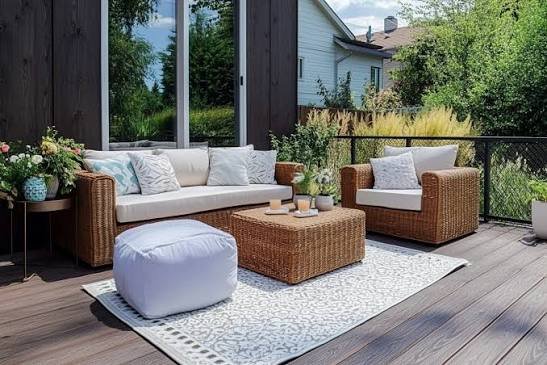
A beautiful outdoor swimming area can transform an ordinary backyard into a relaxing retreat where homeowners can enjoy recreation, spend quality time with family, and entertain guests in a comfortable setting. A well-planned swimming space combines attractive finishes, functional features, appropriate lighting, and carefully selected landscaping to create an environment that feels both luxurious and welcoming. Pool design plays an important role in determining how the swimming area looks, how efficiently it functions, and how easily it can be maintained over time. By considering the available space, personal preferences, safety requirements, and long-term expenses, homeowners can create an outdoor environment that complements their property and supports everyday enjoyment. Careful planning also helps prevent expensive changes during construction and ensures that the finished space meets practical needs as well as visual expectations.
- Understanding the Importance of Outdoor Planning
- Selecting a Suitable Shape and Size
- Choosing Elegant and Durable Materials
- Creating a Comfortable and Welcoming Atmosphere
- Incorporating Attractive Water Features
- Prioritizing Safety and Accessibility
- Enhancing the Space with Outdoor Lighting
- Maintaining Clean Water and Efficient Equipment
- Managing Construction Costs and Long-Term Expenses
- Integrating the Pool with the Garden
- Conclusion
Understanding the Importance of Outdoor Planning
Planning is the foundation of a successful swimming project because early decisions affect construction costs, usability, safety, and future maintenance. Homeowners should begin by identifying how they intend to use the space, whether for exercise, family recreation, relaxation, or entertaining visitors. These priorities influence the pool’s dimensions, depth, shape, entry points, and surrounding amenities. A family-focused swimming area may require convenient steps, accessible shallow sections, and comfortable seating, while an exercise-focused space may benefit from a longer swimming area. Establishing clear priorities before construction begins makes it easier to select suitable features and maintain control over the available budget. The surrounding environment should also be evaluated before finalizing the layout. Available space, ground conditions, drainage, sunlight exposure, privacy, and access to utilities can all influence the construction process. Trees may provide welcome shade, but falling leaves can increase cleaning requirements, while excessive shade may affect water temperature and reduce sunlight around the pool. Existing patios, doors, pathways, and garden areas should be considered to ensure that the swimming space integrates naturally with the rest of the property. Proper preparation reduces the likelihood of unexpected complications and helps create an outdoor environment that feels organized, balanced, and easy to navigate.
Selecting a Suitable Shape and Size
Choosing the right shape and size is essential for creating a swimming area that suits both the property and the intended activities. Rectangular pools are popular because they provide clear swimming lanes and complement contemporary architectural styles. Curved designs can produce a softer appearance, while compact plunge pools may suit homeowners who want a refreshing place to relax without dedicating a large portion of their garden to water. Larger layouts can accommodate separate areas for swimming, lounging, and recreation, provided there is sufficient room for safe movement and supporting features. The objective is to achieve a balanced layout rather than selecting the largest possible pool. Pool design should also account for circulation around the water and the placement of supporting amenities. A swimming pool may look attractive on its own, but insufficient space for safe access, seating, and maintenance can reduce its practicality. Homeowners should allow adequate room for walking, sun loungers, outdoor furniture, and storage while keeping entrances and pathways clear. The relationship between the pool, house, and surrounding garden should be considered carefully so the finished layout feels connected rather than crowded. Selecting appropriate dimensions from the beginning can improve functionality and help prevent unnecessary construction expenses.
Choosing Elegant and Durable Materials
Materials influence the appearance, durability, and maintenance requirements of a swimming pool. Concrete construction offers considerable flexibility in shape, depth, and customization, making it suitable for distinctive layouts and specialized features. Fiberglass pools are manufactured in predetermined forms and can offer a relatively streamlined installation process when an appropriate model is available. Vinyl-lined pools provide another option, although their liners may require replacement over time. Each construction method has different costs, installation requirements, and maintenance considerations, so homeowners should compare the available options before committing to a particular approach. The surrounding finishes deserve equal attention because decking, coping, tiles, and decorative surfaces contribute to both beauty and safety. Slip-resistant materials are particularly important in areas where water regularly splashes onto the ground. Natural stone can create an elegant, organic appearance, while concrete pavers provide flexibility in color and pattern. Porcelain tiles and other suitable finishes may offer a clean, contemporary look when selected for outdoor durability. Homeowners should consider heat retention, resistance to moisture, cleaning requirements, and long-term performance rather than choosing materials solely because they look attractive in photographs.
Creating a Comfortable and Welcoming Atmosphere
A swimming area becomes more enjoyable when its surroundings support relaxation and social interaction. Comfortable loungers, shaded seating, outdoor tables, and suitable storage areas can make the space practical for both short visits and longer gatherings. A pergola or shade structure may provide relief from strong sunlight, while strategically placed seating allows guests to socialize without crowding the pool edge. Homeowners should consider how furniture will be used throughout the day and choose weather-resistant materials that can withstand moisture, sunlight, and changing outdoor conditions. A carefully arranged seating area can turn the pool into a natural gathering place for family and friends. Plants and decorative elements can introduce color, texture, and privacy while connecting the swimming area with the surrounding garden. Ornamental grasses, selected shrubs, and suitable container plants can soften hard surfaces and create a more natural atmosphere. However, plants should be chosen according to their root systems, maintenance needs, and tendency to drop leaves or flowers into the water. Excessive planting close to the pool may increase cleaning requirements or obstruct access to equipment. Combining greenery with open spaces and practical pathways helps maintain a pleasant appearance without making the environment difficult to manage.
Incorporating Attractive Water Features
Water features can add movement, sound, and visual interest to a swimming area. Waterfalls, fountains, bubblers, and decorative spillways create a distinctive atmosphere while making the pool a more prominent feature of the outdoor environment. Built-in benches and shallow lounging areas can provide comfortable places to sit or cool off without continuously swimming. Homeowners who enjoy exercise may prefer swim jets or other specialized equipment, while those who prioritize entertaining may focus on decorative features and comfortable surrounding spaces. Each addition should be evaluated according to its installation cost, intended use, maintenance requirements, and impact on the overall layout. Modern pool design should balance decorative features with practical considerations so the finished space remains easy to use. A large waterfall may become an impressive focal point, but it can require additional pumps, plumbing, and regular cleaning. Heating equipment can extend the swimming season, although operating expenses depend on the system, desired water temperature, and environmental conditions. Automated controls may simplify the management of pumps, lighting, and heating, while suitable covers can help reduce evaporation and keep debris out of the water. Selecting features carefully allows homeowners to create an attractive swimming area without making the project unnecessarily complicated or expensive.
Prioritizing Safety and Accessibility
Safety should remain a priority throughout the planning, construction, and use of a swimming pool. Appropriate barriers, secure gates, visible depth markings, suitable entry steps, and slip-resistant surrounding surfaces can help reduce common hazards. Pool barriers and access controls should comply with applicable regulations, particularly when children or inexperienced swimmers may use the area. Clear visibility across the water can also help adults supervise swimming activities more effectively. Homeowners should ensure that safety equipment is accessible and establish clear rules for everyone using the pool. The pool’s depth and layout should match the intended users and activities. Shallow sections may be appropriate for supervised play, while deeper areas can accommodate particular swimming activities when designed and used safely. Diving should only be allowed where the pool’s depth, dimensions, and construction are specifically suitable for it. Lighting around steps, entrances, and pathways can improve visibility during evening use, while electrical equipment must be installed and protected according to relevant safety requirements. Regular inspections of barriers, ladders, handrails, covers, and surrounding surfaces help identify potential problems before they lead to injuries.
Enhancing the Space with Outdoor Lighting
Outdoor lighting can transform a swimming area after sunset while improving visibility and usability. Underwater lights can highlight the water’s color and create an attractive focal point, while pathway lighting helps people move safely around the pool. Soft illumination around seating areas and garden borders can make the surroundings feel welcoming without creating excessive brightness. Different lighting levels can support practical activities and relaxed gatherings, allowing homeowners to create an atmosphere that suits different occasions. Selecting durable, outdoor-rated lighting products is important because pool environments involve moisture and frequent exposure to outdoor conditions. Lighting placement should be planned carefully to avoid glare and dark areas near important access points. Underwater fixtures must be suitable for swimming pools and installed according to electrical safety requirements by qualified professionals. Energy-efficient lighting can help reduce operating expenses, especially when lights are used regularly in the evening. Timers and compatible control systems may simplify operation by allowing homeowners to manage lighting schedules conveniently. When coordinated with architectural finishes and landscaping, lighting helps create a visually appealing outdoor environment that remains functional after daylight hours.
Maintaining Clean Water and Efficient Equipment
Regular maintenance is necessary to keep swimming water clean, clear, and comfortable. Proper circulation, filtration, and chemical balance help control contaminants and reduce the growth of algae and harmful microorganisms. The filtration system should be selected according to the pool’s volume and expected use, while pumps should provide adequate circulation without unnecessary energy consumption. Skimming leaves and debris from the surface, cleaning baskets, brushing pool walls, and vacuuming the floor are routine tasks that help maintain water quality and prevent buildup. A reliable maintenance routine also helps protect equipment and reduce the likelihood of unexpected repairs. Testing the water regularly allows homeowners to monitor disinfectant levels, pH, and alkalinity. Chemical products should be handled according to their labels, stored securely, and kept away from children and pets. Incorrect chemical balance can irritate swimmers, damage pool finishes, or reduce the effectiveness of sanitizing products. Pool covers may help limit evaporation and reduce the amount of debris entering the water when the pool is not in use. Maintaining a consistent schedule supports a healthier swimming environment and helps keep the water attractive throughout the swimming season.
Managing Construction Costs and Long-Term Expenses
A realistic budget helps homeowners make informed decisions and avoid unnecessary financial pressure during construction. Total expenses may include excavation, structural work, plumbing, electrical installation, filtration equipment, decking, landscaping, safety barriers, lighting, and finishing materials. Ground conditions and access for construction machinery can influence labor requirements, while specialized features may increase installation and operating costs. Homeowners should request detailed estimates that explain what is included and identify potential additional charges. Setting aside a contingency allowance can also help manage unforeseen conditions discovered during excavation or construction. Long-term pool design decisions should be evaluated according to overall value rather than initial price alone. Less expensive materials or systems may require more frequent repairs, higher energy consumption, or additional maintenance over time. Energy-efficient pumps, durable finishes, suitable covers, and well-planned plumbing may help reduce ongoing expenses when selected appropriately. Homeowners should also account for water treatment, cleaning equipment, seasonal servicing, and eventual replacement of components. Comparing qualified contractors and reviewing their experience, warranties, and written specifications can help property owners choose an option that balances quality, affordability, and durability.
Integrating the Pool with the Garden
A swimming pool looks more cohesive when it complements the surrounding garden and architectural style. The placement of pathways, planting beds, lawns, retaining features, and seating areas should support natural movement between different parts of the outdoor space. Consistent colors and complementary materials can connect the pool with patios, exterior walls, and other nearby structures. Contemporary properties may benefit from clean lines and restrained planting, while more natural settings can suit curved edges and varied greenery. Coordinating these elements creates a consistent appearance and prevents the pool from feeling disconnected from the rest of the property. Drainage and plant selection are particularly important when combining a pool with landscaping. Water should move away from buildings and pool structures in a controlled manner, and planting should not block access to equipment or create excessive debris. Trees with aggressive roots may require careful positioning, while plants that shed heavily can increase cleaning requirements. Pathways should provide convenient access to the pool, storage areas, and seating without creating unnecessary obstacles. Planning these elements together helps create an attractive and practical outdoor environment that supports swimming, relaxation, and entertaining.
Conclusion
Creating an inviting outdoor swimming environment requires thoughtful planning, durable materials, practical features, and a commitment to safety and maintenance. Pool design provides a framework for combining the shape, size, construction method, lighting, landscaping, and surrounding amenities into a cohesive space. By identifying priorities early, homeowners can select features that suit their lifestyle while avoiding unnecessary expenses during construction. Attention to water quality, drainage, safe access, and durable finishes also helps protect the investment and supports a more enjoyable swimming experience. A successful project balances visual appeal with everyday functionality, ensuring that the swimming area remains comfortable to use and manageable to maintain. Homeowners should consider long-term operating expenses, safety requirements, and the needs of everyone who will use the space before finalizing their plans. Professional guidance can be valuable when decisions involve structural engineering, electrical systems, complex plumbing, or regulatory compliance. With careful preparation, appropriate materials, and consistent upkeep, a well-planned swimming area can become an inviting outdoor feature that provides relaxation, recreation, and lasting enjoyment for years to come.
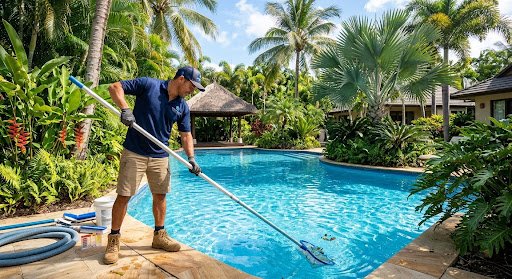
Nothing says resort-quality living like a crystal-clear pool waiting right outside your door. For condo communities, that shimmering blue water is more than a nice-to-have amenity — it’s a reflection of how well the entire property is cared for. When residents and guests see a pool that’s clean, balanced, and inviting, they immediately associate that quality with the community as a whole.
- Why a Well-Maintained Pool Matters More Than You Think
- What Makes Island Condo Maintenance Different
- The Hidden Costs of DIY or Inconsistent Pool Care
- A Pool Care Partner That Grows with Your Community
- Peace of Mind for Property Managers and Residents Alike
- Ready for a Pool That Reflects Your Community’s Best Side
- Frequently Asked Questions
That’s where Island Condo Maintenance comes in. For years, this team has helped condo associations and property managers keep their pools in pristine condition without the stress of juggling chemical schedules, equipment repairs, or surprise algae blooms. The goal is simple: give residents a pool they’re proud of, every single day.
Why a Well-Maintained Pool Matters More Than You Think
A pool isn’t just a place to cool off on a hot afternoon. It’s often the centerpiece of a condo community’s social life and one of the biggest selling points for prospective buyers or renters. A neglected pool — cloudy water, chipped tile, malfunctioning pumps — can quietly chip away at property value and resident satisfaction.
On the flip side, a well-kept pool sends a clear message: this community pays attention to detail. Island Condo Maintenance understands that every drop of water matters to the people who call a property home, which is why the team treats every pool as if it were their own backyard oasis.
What Makes Island Condo Maintenance Different
Plenty of companies offer basic pool cleaning, but Island Condo Maintenance takes a more comprehensive approach. Their technicians are trained to look beyond the surface, checking water chemistry, filtration systems, and safety equipment with the same level of care they’d give to their own families.
Here’s what sets their service apart:
Consistent Scheduling: Pools are serviced on a reliable, predictable schedule, so there’s never a gap in care that allows problems to creep in.
Balanced Water Chemistry: Technicians test and adjust pH, chlorine, and alkalinity levels to keep water safe and comfortable for swimmers of all ages.
Equipment Monitoring: Pumps, filters, and heaters are regularly inspected to catch small issues before they become expensive repairs.
Clear Communication: Property managers receive straightforward updates, so there are never any surprises about the condition of their pool or upcoming needs.
Local Expertise: As a company rooted in the community, Island Condo Maintenance understands how local weather patterns, humidity, and seasonal changes affect pool care.
The Hidden Costs of DIY or Inconsistent Pool Care
Many condo boards try to save money by handling pool upkeep internally or hiring whoever is available at the time. Unfortunately, this approach often leads to inconsistent results. A missed chemical balance check can lead to algae growth within days. A delayed filter cleaning can strain the entire circulation system. And once equipment starts failing, repair costs can climb quickly.
Island Condo Maintenance helps properties avoid these pitfalls altogether. By catching small issues early and maintaining consistent chemical levels, their team helps extend the life of expensive pool equipment while keeping the water safe and inviting. In the long run, proactive care tends to cost far less than reactive repairs.
A Pool Care Partner That Grows with Your Community
Condo communities change over time — new residents move in, amenities get upgraded, and seasonal demands shift. Island Condo Maintenance works closely with property managers to adjust service plans as needs evolve. Whether a community is preparing for a busy summer season or scaling back maintenance during quieter months, the team tailors their approach accordingly.
This flexibility has made them a trusted partner for condo associations looking for more than just a vendor. They aim to be an extension of the property management team, someone who understands the property’s unique rhythm and responds accordingly.
Peace of Mind for Property Managers and Residents Alike
Managing a condo property comes with no shortage of responsibilities, and pool care shouldn’t be one more thing weighing on a manager’s mind. Enjoying worry-free swims all season long starts with professional pool maintenance that handles every detail, from chemical balance to equipment checks, so property managers can focus on everything else their community needs. Island Condo Maintenance takes that responsibility off the table entirely.
Residents benefit too. When a pool is consistently clean and safe, people use it more often — and they talk about it positively with neighbors, friends, and potential buyers. A thriving pool area contributes to a stronger sense of community pride, something every condo association wants to cultivate.
Ready for a Pool That Reflects Your Community’s Best Side
A condo pool should be something residents look forward to, not something the board worries about. With Island Condo Maintenance handling the details, communities can enjoy consistently clean, safe, and beautiful pools without the headaches that come with inconsistent care.
If your community’s pool could use a refresh — or if you’re simply ready to hand off the responsibility to a team that genuinely cares about the results — reach out to Island Condo Maintenance today. Your residents will notice the difference the very next time they step outside for a swim.
Frequently Asked Questions
How often should a condo pool be serviced?
Most condo pools benefit from service at least once a week, though high-traffic pools during peak season may require more frequent visits to maintain water quality and equipment performance.
What does professional pool maintenance typically include?
A thorough service includes water testing and chemical balancing, skimming and vacuuming, filter cleaning, and equipment inspections to catch potential issues early.
Can Island Condo Maintenance work with existing property management teams?
Yes. The team collaborates closely with property managers and condo boards, adapting their schedule and service plan to fit each community’s specific needs.
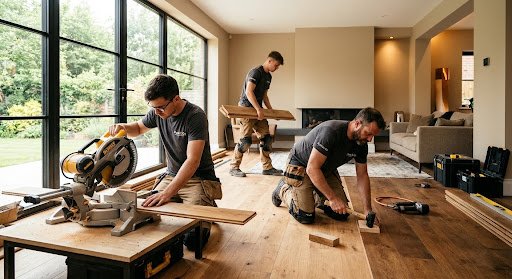
The right flooring for your home or business is one of those decisions that quietly shapes everything else. The color underfoot sets the tone for a room, the material determines how it holds up to daily life, and the installation determines whether that investment lasts for decades or needs replacing within a few years. At Plank & Go, we’ve built our reputation on getting all three of these elements right, every single time.
- What Makes Plank & Go Different From Other Flooring Companies?
- Which Flooring Materials Does Plank & Go Specialize In?
- How Does the Flooring Installation Process Work With Plank & Go?
- Why Do Customers Keep Choosing Plank & Go for Their Homes and Businesses?
- Ready to Transform Your Space? Here’s How to Get Started
Homeowners and business owners alike face the same dilemma when renovating: so many flooring options, so many installers claiming to be the best, and so little clarity on what actually matters. This post walks through what sets Plank & Go apart, the materials we specialize in, and why our approach to craftsmanship makes us the team worth calling when you’re ready to transform your space.
What Makes Plank & Go Different From Other Flooring Companies?
The flooring industry is crowded with companies that treat installation as an afterthought — a quick job to tick off before moving to the next client. Plank & Go takes the opposite approach. Every project starts with a detailed consultation where we assess your space, discuss your lifestyle needs, and recommend materials suited to your budget and aesthetic goals.
Our installers aren’t subcontracted labor picked up for the day. They’re trained specialists who’ve spent years perfecting techniques for hardwood, laminate, vinyl, and engineered flooring. This matters more than most people realize. A poorly installed floor can buckle, gap, or warp within months, no matter how premium the material. Our team eliminates that risk through meticulous subfloor preparation, precise measurements, and attention to expansion gaps that many rushed installers overlook.
We also stand behind our work with a satisfaction guarantee, giving clients peace of mind that if something isn’t right, we’ll make it right.
Which Flooring Materials Does Plank & Go Specialize In?
Plank & Go offers a curated range of flooring solutions designed to suit different rooms, budgets, and durability requirements:
- Hardwood Flooring – Timeless, warm, and ideal for living rooms and bedrooms where comfort and elegance matter most.
- Engineered Timber – A cost-effective alternative to solid hardwood that offers excellent stability in humid climates.
- Laminate Flooring – Budget-friendly and surprisingly durable, perfect for high-traffic family homes.
- Vinyl and Luxury Vinyl Plank (LVP) – Waterproof and low-maintenance, making it a favorite for kitchens, bathrooms, and rental properties.
- Tile and Stone – Long-lasting and versatile, suited for entryways, bathrooms, and commercial spaces.
Each material has its strengths, and our consultants help clients weigh factors like foot traffic, moisture exposure, and long-term maintenance before making a decision. We never push a one-size-fits-all solution because no two homes — or budgets — are the same.
How Does the Flooring Installation Process Work With Plank & Go?
Clients often ask what to expect once they’ve chosen their flooring material. Our process is designed to be transparent and stress-free from start to finish.
First, our team visits the site to take precise measurements and inspect the subfloor for any issues that need addressing before installation begins. Uneven subfloors, moisture problems, or old adhesive residue can all compromise a new floor, so we handle this prep work thoroughly rather than rushing past it.
Next, we schedule the installation at a time that works around your routine, minimizing disruption to your household or business operations. Our installers arrive with all necessary tools and materials, work efficiently, and clean up thoroughly once the job is complete. Most residential projects are finished within one to three days, depending on square footage and material type.
Finally, we conduct a walkthrough with the client to ensure every detail meets expectations — from seam placement to finish quality — before considering the job done.
Why Do Customers Keep Choosing Plank & Go for Their Homes and Businesses?
Word-of-mouth referrals make up a significant portion of our new business, and that’s not by accident. Clients return to us for repeat projects and recommend us to friends and family because we consistently deliver on our promises: fair pricing, honest timelines, and flooring that holds up under real-world conditions.
We also understand that flooring projects can feel overwhelming, especially for first-time renovators. That’s why our consultants take time to explain material differences, maintenance requirements, and realistic cost expectations upfront, so there are no surprises once the invoice arrives.
Local businesses trust us too. From retail stores needing durable commercial-grade flooring to restaurants requiring waterproof surfaces that withstand spills and heavy foot traffic, Plank & Go has the experience to handle commercial-scale projects without sacrificing the personal attention we’re known for in residential work.
Ready to Transform Your Space? Here’s How to Get Started
Flooring Installation that’s handled with precision from the first measurement to the final walkthrough is exactly what separates a floor you’ll love for decades from one you’ll regret within a year. If your current floors are outdated, damaged, or simply not reflecting the style you want for your home or business, now is the time to make a change.
Plank & Go makes the process simple. Reach out for a free consultation, and one of our flooring specialists will walk you through material options, provide a transparent quote, and schedule installation around your timeline. There’s no pressure and no guesswork — just honest advice from people who genuinely care about getting your floors right.
Contact Plank & Go today to schedule your consultation and take the first step toward a space that feels brand new from the ground up.

What Happens When a Buyer’s Inspection Turns Up Repairs in Overland Park, KS?

Can You Sell a House With a Lady Bird Deed in Michigan After Your Parent Passes Away?

How Do You Sell an Old Mill-Village House in Gaston County, NC?

Alex Pettyfer Net Worth, Wife, Age, Height, Children, Career and More

Brad Williams Net Worth, Wife, Height, Age, Daughter, Family, Career and More

Eldorado.gg Review 2026: How It Works, Safety, Fees, and Risks
-
Celebrity10 months ago
Alex Pettyfer Net Worth, Wife, Age, Height, Children, Career and More
-
Celebrity10 months ago
Brad Williams Net Worth, Wife, Height, Age, Daughter, Family, Career and More
-
Blog2 months ago
Eldorado.gg Review 2026: How It Works, Safety, Fees, and Risks
-
 Anime11 months ago
Sanzoku Bandits of One Piece: Origins, Higuma, and Their Role in Dawn Island
-
 Celebrity11 months ago
John McGinn Net Worth, Age, Height, Wife, Childrens, Career and More
-
 Celebrity10 months ago
Frances de la Tour Net Worth, Age, Height, Husband, Childrens, Career and More
-
 Celebrity11 months ago
Will Trickett Net Worth, Wife, Childrens, Age, Career and More
-
 Blog2 months ago
Crackstube: A Complete Guide to the Digital Publishing Platform