
Technology
Why GPT Image 2 Produces Fashion Campaign Visuals That Match Studio Quality


The fashion industry has always relied on the precision of high-end studio photography to convey luxury and style. Historically, this required expensive cameras, professional lighting rigs, and specialized post-production teams. The emergence of generative artificial intelligence has fundamentally altered this landscape. High-fashion brands now seek tools that can replicate the nuance of silk, the depth of shadow, and the clarity of brand typography.
- The Evolution of the Digital Studio Environment
- Technical Superiority in Fashion Imagery
- A Comparative Look at Professional AI Models
- The Path from Static Image to Cinematic Motion
- Professional Use Cases for Fashion and Marketing
- Pros and Cons of an AI-Driven Fashion Studio
- Final Verdict: Why Higgsfield is the Professional Choice
GPT Image 2 represents the latest evolution in this technological shift. Available through the higgsfield platform, this model addresses the specific needs of commercial designers. It bridges the gap between digital synthesis and physical reality. This article explores how this specific technology achieves results that were previously reserved for elite photography studios.
The Evolution of the Digital Studio Environment
In the past, AI image generators were often viewed as experimental toys. They struggled with realistic skin textures and complex lighting environments. The modern professional now requires a unified ecosystem rather than a collection of disparate tools. This is where the higgsfield platform differentiates itself from standalone competitors.
By acting as a centralized studio, it integrates various top-tier models into a single workflow. Users can access specialized architectures like Higgsfield Soul for professional aesthetics or Seedream for highly creative conceptual work. This multi-model approach allows a fashion director to switch between styles without leaving the interface.
The integration of GPT Image 2 into this ecosystem provides a significant advantage for commercial output. It offers the photorealistic 4K resolution necessary for large-scale print and digital billboards. When combined with the high-performance infrastructure of higgsfield, the speed of iteration allows for rapid campaign development.
Technical Superiority in Fashion Imagery
Fashion photography is defined by the interplay of light and texture. Most AI models create a generic “smoothness” that looks artificial. GPT Image 2 avoids this pitfall by utilizing advanced training sets focused on high-fidelity details. This results in imagery where fabric weaves and skin pores are visible and anatomically correct.
Advanced Lighting and Composition
Studio lighting is a complex science involving key lights, rim lights, and fill lights. This model mimics these physical properties with remarkable accuracy.
- Global Illumination: The software understands how light bounces off reflective surfaces like satin or sequins.
- Volumetric Effects: It can simulate mist, smoke, or dust motes to add atmosphere to a high-fashion editorial.
- Depth of Field: It achieves a natural “bokeh” effect that mimics expensive 85mm prime lenses used in portraiture.
Precise Typography and Branding
One of the greatest challenges in AI generation has been the rendering of text. Most models produce illegible characters that require extensive Photoshop editing. GPT Image 2 solves this by delivering pixel-perfect text integration. This is a critical requirement for fashion posters and luxury packaging.
Whether it is a logo on a handbag or a headline on a magazine cover, the text remains sharp and properly aligned. This capability allows designers to generate final-ready assets in a single step. The ability to handle multilingual typography further expands its utility for global marketing campaigns.
A Comparative Look at Professional AI Models
Choosing the right tool depends on the specific requirements of the project. While some models excel at abstract art, others are built for the rigors of the commercial market. The following comparison highlights why a specialized environment is superior to general-purpose generators.
Quality and Consistency
Standalone models often struggle with character consistency across multiple frames. If a brand is building a campaign around a specific “look,” they need that model to remain identical in every shot. The specialized models within the higgsfield environment are designed with this consistency in mind.
- Higgsfield Soul: Optimized for human anatomy and high-fashion poses.
- Seedream: Used for avant-garde concepts that push the boundaries of traditional photography.
- Flux.1: Excellent for rapid prototyping and diverse stylistic explorations.
- GPT Image 2: The gold standard for commercial-grade output with integrated text.
Prompt Adherence and Control
Professional designers need exact control over their output. General models often ignore specific instructions regarding camera angles or fabric types. The architecture behind GPT Image 2 ensures that complex prompts are followed with high fidelity. If a designer requests “24mm wide-angle shot of a linen suit in harsh Mediterranean sunlight,” the model interprets these technical parameters accurately.
The Path from Static Image to Cinematic Motion
The most significant innovation in recent AI development is the seamless transition from static imagery to video. Modern marketing requires motion content for platforms like Instagram, TikTok, and digital out-of-home (OOH) displays.
Within the higgsfield ecosystem, an image generated by GPT Image 2 can be converted into a cinematic video clip. This image-to-video workflow maintains the visual identity of the original shot. It ensures that the lighting, clothing, and model characteristics remain stable during the animation process.
Also Read: Nano Banana vs Playground AI
This capability replaces the need for expensive b-roll film shoots. A single high-quality image can become a five-second atmospheric clip for a social media advertisement. This efficiency is why many agencies are shifting their entire content production pipeline to AI-driven studios.
Professional Use Cases for Fashion and Marketing
The versatility of these tools allows them to be used across various stages of the creative process. Generative AI is already significantly impacting the productivity of creative industries.
Visual Storyboarding
Before a physical shoot ever takes place, directors use AI to visualize the concept. GPT Image 2 allows for the creation of mood boards that look like finished products. This helps stakeholders understand the vision with total clarity.
Product Photography for E-commerce
Generating high-quality product shots for thousands of SKUs is a logistical nightmare. With AI, brands can place their products in any environment. A winter coat can be “photographed” in the Alps or a city street without the team ever leaving the office.
Social Media Content at Scale
Social media requires a constant stream of fresh content. Using GPT Image 2, a brand can generate hundreds of high-quality lifestyle images in a day. This ensures that the brand’s aesthetic remains premium while meeting the demands of the algorithm.
Pros and Cons of an AI-Driven Fashion Studio
While the technology is transformative, it is important to maintain a professional and unbiased perspective on its current state.
The Advantages
- Cost Efficiency: Eliminates the need for travel, equipment rental, and large crews.
- Speed: Reduces production time from weeks to minutes.
- Creative Freedom: Allows for impossible scenarios and locations that cannot be reached physically.
- Text Integration: Superior typography handling compared to any other model on the market.
The Considerations
- Learning Curve: Mastering technical prompting requires a new set of professional skills.
- Ethical Sourcing: Brands must ensure they are using platforms that respect intellectual property and data rights.
- Human Touch: AI should be used to augment, not replace, the creative direction of experienced designers.
Final Verdict: Why Higgsfield is the Professional Choice
The landscape of AI image generation is crowded, but few platforms offer the specialized tools required for high-end fashion. The combination of GPT Image 2 and the higgsfield environment provides a level of control that standalone tools cannot match.
By unifying models like Higgsfield Soul and Flux.1, the platform creates a comprehensive design suite. The ability to generate photorealistic 4K output with perfect text makes GPT Image 2 the superior choice for commercial-grade imagery.
For professionals who require studio-quality visuals without the studio-level budget, this technology is no longer optional. It is a fundamental shift in how fashion is conceptualized, created, and distributed to a global audience. The move toward AI-integrated design is not just about saving money; it is about expanding the boundaries of what is creatively possible.


Every appointment for the installation of a breath analyzer begins with a Court Order, Monitoring Authority Reference Number and often little knowledge of the install process from the Service Center, Installer, Attorney and Case Manager of the client referred for installation. The appointment is the starting point for full compliance and problems which surface weeks later can be avoided if the install process is troubleshot the moment any problems are detected.
What happens at the installation appointment and what decisions are taken during the appointment. Also what are the obligations of the installed breath alcohol ignition device once it has been installed in a client’s vehicle and they have driven off from the appointment.
Pre-appointment checks that prevent a failed install
Confirm the following before the service starts to avoid the biggest parts of same day failures.
- Vehicle ownership or written permission from the registered owner, since the installation involves cutting into the ignition circuit.
- Battery condition and charging system health. A weak battery produces voltage drops that the device logs as power interruptions.
- Any aftermarket remote start, alarm, or anti-theft immobilizer, which changes the wiring approach and sometimes the device model.
- The monitoring authority’s specific requirements, including whether a camera, GPS, or real-time reporting is mandated.
- Hybrid or push-button start configuration, which affects where the relay sits and how the retest window is calculated.
Documentation the client must bring
Ideally, every client must provide the following documentation for servicing of the vehicle equipped with an alcohol testing device, a valid photo ID, a copy of the court order or a reference number to the monitoring authority, proof of insurance of the vehicle equipped with the alcohol testing device, and vehicle registration.
Vehicle preparation and the wiring itself
Before we start the installation, we will take note of the vehicle’s odometer reading, take a picture of the dash and take a note of the vehicle’s VIN number. Additionally, we will note any existing electrical faults on the vehicle before we start the installation.
1. Connect the positive lead to the power wire of the ignition harness.
2. Connect the negative lead to the ground wire of the ignition harness.
3. Connect the wire from the starter interrupt relay to the crank wire.
4. Mount the control unit of the breath tester so that it is not located in a region where condensation may collect (e.g. Below the climate control air outlets).
5. Position the handset of the breath tester so that it is within easy reach of the driver while ensuring that it does not obstruct the airbag and steering wheel area.
Wiring is loomed up, tamper-evident seals are placed over the joins and each of the seals is logged and associated with the particular join they have been used on. The device is then powered up and configured, set to monitor on behalf of the issuing authority, for a number of things such as fail point, retest interval and the various lockout thresholds for violations such as failure and retest etc.
Typical appointment stages and timing
| Stage | Typical duration | What determines the variance |
| Paperwork and account setup | 15 to 25 minutes | Completeness of court documentation |
| Vehicle inspection and photos | 10 minutes | Pre-existing electrical faults |
| Wiring and mounting | 45 to 90 minutes | Aftermarket alarms, push-button start, hybrids |
| Calibration check and program settings | 15 minutes | Authority-specific parameters |
| Client training and test blows | 20 to 40 minutes | Client comprehension and language needs |
Training the client, not just demonstrating the device
Training others is where most future problems with client breaches are caused. Give the client enough information that within a week they can be tested unaided 3 times for a breath sample and re-test within a couple of minutes for a rolling re-test.
Introduce the full breath test sequence and complete a warm-up series. Explain the method for a successful rolling retest and describe what action to take in each scenario including error messages that appear on the breath test device. Most importantly, inform the client that there are some foods, and certain mouthwashes and medications that can cause a person to test positive for up to 20 minutes after use. The simple action of rinsing the mouth with water and waiting a few minutes will resolve this and does not require another person to drive in your place.
Setting expectations about reporting
Be sure to explain to the client that the device in question logs ALL activity on the device in question, that activity is communicated to the monitoring authority in question and as such all data on the device is the authority’s to utilize as they so choose. This will typically prevent numerous future service center calls asking to edit or even worse, suppress data in question for a client.
Calibration visits and the ongoing service relationship
Recurring service is required for almost all car breathalyzer installations, usually scheduled every 30 to 60 days. Service involves downloading of the device data log and verification of the sensor against a known alcohol sample. The seals are also inspected for tamper and the service countdown on the device is reset.
Fail to complete the required service work within the specified time frame and the unit may enter into a permanent lockout position requiring a tow to have it serviced back to normal operation. Many licensing authorities also require an incident report to be filed with them as a result of such lockout events. Remind the client of the required work time frame for service work in 2 telephone calls spaced 5 days apart (e.g. 5 days and 1 day prior to required service work). Drivers in southwest Virginia are best served by booking car breathalyzer installation in Roanoke at a center that also handles their monthly calibrations, since one location keeps the service history and seal records together.
What ends the program
Formal written authorization must be obtained from the issuing authority to remove the device and restore the ignition circuit to its original functioning configuration. A Removal Certificate should be provided to the client along with a copy of the final data download from the device. Such documentation can be demanded by the client months after compliance with all terms and conditions of the court order has been met.

The vast majority of “violations” reported by monitoring officers are not in fact drinking events. Rather they represent missed calibration windows, failed rolling retest(s) caused by mouth alcohol, and lockouts caused by a participant being unable to reach someone late on a Sunday night. Much of this is in the control of the provider of the device.
- Appointment access is the single biggest driver of technical violations
- Calibration handling separates competent providers from the rest
- Support quality is measured by resolution, not availability
- Reporting should reduce your review time, not add to it
- Clear participant instruction prevents the errors you end up reviewing
To differentiate between interlock providers once the hardware has been selected to meet the interlock requirements, look at the following five areas of provider differentiation.
Appointment access is the single biggest driver of technical violations
The problem of device accuracy has been largely solved among the certified manufacturers. However, access to the device has not. A participant who is required to travel 90 minutes to a service center outside of business hours will inevitably miss a window and you will have to report the violation.
What to assess before you recommend a provider
- Distance from the participant’s home or work to the nearest two service centers, not just the nearest one
- Availability of early morning, evening, and Saturday slots
- Average wait between a booking request and the first available appointment
- Whether mobile or on-site installation is offered for participants without reliable transportation
- Whether a missed appointment can be rebooked the same week
Providers with more locations (i.e. A denser service network) generally end up producing cleaner compliance records. If too many of your participants are outside of your service cycle (i.e. Too far from any service center) then you’re bound to have a high rate of ‘missed windows’. For participants based along the Ventura County coast, an established option such as Low Cost Interlock Oxnard keeps the drive to a service appointment short enough that calibration windows are rarely missed.
Calibration handling separates competent providers from the rest
Calibration visits, These occur every 30-60 days depending on jurisdiction and are much more significant than they appear. The typical visit consists of a data download, a physical inspection of the device(s), a tamper attempt, and most importantly an opportunity to correct a violation prior to it actually becoming a violation.
Grace periods, reminders, and early service
Reminders are typically sent to the violator in a variety of ways such as text messages to the participant and/or owner seven days prior to the servicing of the Interlock. A call to the owner and/or violator three days prior to the scheduled service time for the Interlock is typical as well as an in-device countdown to the servicing of the Interlock that cannot be deleted by the violator. We look for flexibility in the servicing of the Interlock for instances when a violator is late for a servicing of the Interlock. Some providers file automatic violation reports for late arrivals. Others document the late arrival and service the Interlock and note the circumstances in the report. This area affects the reviewer considerably.
Support quality is measured by resolution, not availability
In the instance where 2am calls do occur, be wary of the provider’s 24/7 support claims. Instead ask what the support line can actually do for you when a lockout occurs and a participant can lose their job the next day. Can they issue an unlock code immediately? Will they verify a participant’s identity over the phone and record the event in due course?
Questions that reveal real capability
- Can the first person who answers issue an unlock code, or is it escalated?
- What is the average call wait outside business hours?
- Is multilingual support available, and at what hours?
- Can monitoring authorities call a dedicated line rather than the consumer queue?
Reporting should reduce your review time, not add to it
Reporting – how they send the data is typically where the biggest differences are between the providers and how they report to you. Raw data logs (i.e. All the events) can be hundreds or thousands of lines long and are technically compliant but of little to no value.
| Capability | Weak implementation | What to require |
| Event delivery | Monthly PDF after calibration download | Real-time upload via camera-equipped, connected device |
| Violation classification | All failed tests reported identically | Separated by BAC level, retest status, and photo verification |
| Portal access | Request records by phone or email | Self-service login with full participant history |
| State submission | Manual, provider-dependent timing | Automated transmission within the statutory deadline |
Clear participant instruction prevents the errors you end up reviewing
Often it is the case that many failed tests are attributed to individuals who were not taught the correct breath test or had not been told that items such as mouthwash, kombucha and even some medications can give a false positive for alcohol. This is an area where providers can add value by conducting a full hands-on installation briefing, issuing participants with a printed copy of a quick reference card and providing further detail on safe pull-over practices and the process of rolling retests.
What good onboarding includes
In particular, look to see if the participant completes three full tests during the demonstration. He or she should also receive a printed copy of the quick reference card for the breath testing device installed in the vehicle. In addition, be sure the tester fully explains the participant’s rolling retest procedure as well as the Safe Pull-over procedure. Fifteen minutes of a provider’s time up front can save you hours of reviewing additional, unnecessary cases in the first few weeks of a program.
Vetting these issues takes about an hour per provider but will pay off in short order by reducing the amount of time you need to spend reviewing unnecessary cases.

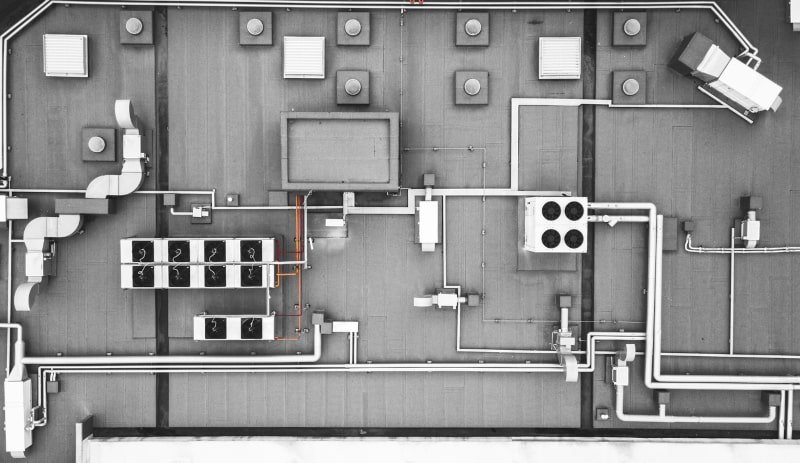
A commercial heating and cooling system is an important part of any building because it influences indoor comfort, air movement, energy use, equipment performance, and the overall working environment. Unlike residential systems that generally serve a smaller area with relatively predictable occupancy, commercial HVAC equipment may need to support large spaces, multiple zones, changing occupancy levels, extended operating schedules, and different temperature requirements at the same time. For this reason, installing a commercial HVAC system requires careful planning rather than simply selecting equipment and placing it inside a building. Proper design, sizing, installation, controls, ventilation, and ongoing maintenance all contribute to how effectively the system performs over time. Property owners and facility managers who understand these factors can make more informed decisions and create an HVAC solution that supports both present requirements and future building needs.
- Understanding Commercial HVAC Requirements
- Importance of Proper System Sizing
- Designing Effective Air Distribution
- Selecting Appropriate Equipment
- The Value of Professional Installation
- Considering Energy Efficiency
- Supporting Indoor Air Quality
- Preparing for Future Maintenance
- Integrating Heating and Cooling Controls
- Preparing the Building Before Installation
- When Replacement and New Installation Differ
- Why Commissioning and Testing Matter
- Planning for Long-Term Performance
- Choosing the Right Installation Partner
- Conclusion
Understanding Commercial HVAC Requirements
Every commercial property has its own heating and cooling requirements, which means an HVAC system should be selected according to the characteristics of the building rather than based only on equipment capacity. Factors such as building size, ceiling height, insulation, windows, occupancy, lighting, equipment loads, operating hours, ventilation requirements, and interior layout can influence the amount of heating and cooling required. A system that is too small may struggle to maintain comfortable temperatures during periods of high demand, while an oversized system may cycle inefficiently and create inconsistent indoor conditions. A professional assessment before installation can help identify the property’s specific requirements and establish a foundation for a properly designed system.The intended use of the building also plays an important role in HVAC planning. An office, retail space, warehouse, restaurant, medical facility, and industrial environment can have very different temperature, ventilation, and airflow requirements. Occupancy patterns can also change throughout the day, creating varying demands across different areas. A well-designed system can account for these differences through appropriate zoning, controls, equipment selection, and air distribution. Taking time to understand these requirements before installation can reduce the likelihood of performance problems later and help ensure that the equipment is appropriate for the building’s actual operating conditions.
Importance of Proper System Sizing
Correct equipment sizing is one of the most important considerations during HVAC installation. Choosing equipment solely according to the size of a building does not necessarily produce the best result because other factors influence heating and cooling loads. A professional evaluation can consider the building envelope, insulation, windows, occupancy, equipment, lighting, ventilation, and other variables that affect indoor temperature. This information helps determine the capacity needed to maintain appropriate conditions without forcing the system to operate inefficiently.An improperly sized system can create several problems. Equipment that lacks sufficient capacity may run for extended periods without adequately conditioning the space, particularly during periods of high demand. On the other hand, equipment with excessive capacity may reach thermostat settings too quickly and cycle on and off more frequently than intended. This can affect comfort, humidity control, energy consumption, and component wear. Proper sizing therefore contributes not only to comfort but also to the long-term operation of the entire HVAC system. Professional planning before installation can help avoid these problems and create a more balanced solution.
Designing Effective Air Distribution
Installing HVAC equipment is only one part of creating a functional climate-control system. The distribution of conditioned air throughout the building is equally important. Ductwork, vents, registers, dampers, fans, and other distribution components must work together to move air effectively into the spaces that require heating or cooling. Poorly planned distribution can result in uneven temperatures, restricted airflow, excessive system operation, and uncomfortable areas within the building.Commercial properties may benefit from zoning strategies that allow different sections of the building to be managed according to their individual needs. Areas with different occupancy schedules or heat loads may not require identical temperature settings throughout the day. Proper zoning and control systems can provide greater flexibility while helping avoid unnecessary conditioning of spaces that are not heavily occupied. During installation, professionals can evaluate the building layout and determine how air distribution can best support the property’s operational requirements.
Selecting Appropriate Equipment
Equipment selection should consider more than the initial purchase price. Commercial HVAC systems represent a significant investment, so property owners should consider expected operating requirements, maintenance needs, efficiency, available space, controls, replacement parts, and long-term service considerations. Different types of systems can provide different advantages depending on the building’s design and intended use. A professional HVAC contractor can help evaluate these factors and explain how different equipment configurations may perform under the property’s specific conditions.The equipment should also be compatible with the existing electrical, structural, ventilation, and mechanical requirements of the building. Installation space must be evaluated carefully because commercial equipment may require adequate clearance for airflow, service access, and safe operation. Outdoor components should also be positioned appropriately to support airflow and provide technicians with reasonable access for future maintenance. Thoughtful equipment placement can make the system easier to service while supporting reliable performance throughout its operating life.
The Value of Professional Installation
The quality of an HVAC installation can significantly influence the performance of the equipment. Even high-quality equipment may fail to deliver expected results when installation is rushed, poorly planned, or performed without adequate attention to system requirements. Professional installation involves more than connecting equipment and turning it on. Technicians need to consider airflow, electrical connections, refrigerant-related components, drainage, controls, ductwork, equipment placement, and other factors that influence system operation.Working with experienced professionals can also help identify installation challenges before they become expensive problems. A building may have structural limitations, limited equipment space, unusual ductwork requirements, or electrical considerations that need to be addressed before work begins. Identifying these conditions during the planning stage allows the installation process to be organized more effectively. Proper preparation can reduce unnecessary delays and help ensure that the completed system operates as intended.
Considering Energy Efficiency
Energy consumption is an important consideration for commercial properties because HVAC systems can represent a significant portion of a building’s operating expenses. Selecting efficient equipment can help reduce unnecessary energy use, but equipment efficiency is only one part of the equation. Proper sizing, ductwork, insulation, controls, maintenance, and building conditions can all influence actual system performance. A highly efficient unit may not deliver its expected benefits if the rest of the system is poorly designed or maintained.Modern control technologies can also provide opportunities to manage energy use more effectively. Programmable thermostats, zoning controls, occupancy-based adjustments, and building management systems can allow heating and cooling operation to respond more closely to actual demand. These technologies may be particularly useful in larger buildings where different areas have different schedules and temperature requirements. During installation, property owners can discuss control options with HVAC professionals and determine which features are practical for their building.
Supporting Indoor Air Quality
A commercial HVAC system should be designed with indoor air quality in mind as well as temperature control. Proper ventilation helps manage indoor air movement, while filtration can assist with reducing airborne particles that circulate through the system. Depending on the property and its use, humidity management and additional air-quality measures may also be important. These considerations can be incorporated into the overall HVAC design instead of being treated as separate concerns after installation.Indoor air quality can influence how occupants experience the building. Stale air, excessive humidity, unpleasant odors, and inconsistent ventilation can create an uncomfortable environment even when temperatures appear acceptable. A properly designed ventilation and filtration strategy can support a more balanced indoor environment. Professional HVAC specialists can assess the building’s needs and recommend suitable approaches based on occupancy, layout, equipment, and operating conditions.
Preparing for Future Maintenance
Maintenance access should be considered before installation begins. HVAC equipment requires periodic inspections, cleaning, adjustments, component checks, and repairs, so technicians need sufficient space to safely access important components. Equipment installed in a difficult-to-reach location may create unnecessary challenges during future service. A well-planned installation considers not only how the system will operate on the first day but also how it will be maintained throughout its service life.Property owners should also keep documentation related to the installation, including equipment information, maintenance requirements, warranties, service records, and relevant system details. These records can make future troubleshooting more efficient because technicians can understand the history of the equipment and identify previous work. Organized documentation is especially valuable when multiple technicians or facility managers become involved over the life of the system.
Integrating Heating and Cooling Controls
Modern commercial buildings can benefit from advanced control systems that allow property managers to monitor and adjust HVAC operation more effectively. Basic thermostatic controls may be suitable for some smaller commercial spaces, while larger properties may require multiple zones and centralized management. Controls can help coordinate temperature settings, operating schedules, airflow, and other system functions according to the needs of different areas.A well-designed control strategy can also help reduce unnecessary operation. For example, spaces that are unoccupied for extended periods may not require the same level of conditioning as areas that are consistently occupied. Automated scheduling and zoning can help align HVAC operation with actual building use. However, controls should be properly configured during installation because incorrect settings can create comfort problems or prevent equipment from operating as intended. Professional commissioning and testing can help verify that controls respond correctly.
Preparing the Building Before Installation
Successful HVAC installation often begins before technicians arrive on site. Property owners and facility managers may need to review access requirements, equipment locations, electrical capacity, structural considerations, and work schedules. If the building is occupied, installation may need to be coordinated around employees, customers, tenants, or other activities. Careful planning can reduce unnecessary interruptions and help the project proceed more efficiently.The installation area should also be evaluated for potential obstacles. Existing equipment, ductwork, wiring, plumbing, structural components, and other building systems may affect the placement of new HVAC equipment. Identifying these factors early gives professionals an opportunity to develop an appropriate installation strategy. In some cases, modifications may be required to accommodate the new system, and understanding those requirements in advance can make budgeting and scheduling more predictable.
When Replacement and New Installation Differ
Installing HVAC equipment in a new commercial building can provide more flexibility because the system can be incorporated into the building design from the beginning. Replacement projects can be more complex because professionals must work around existing structures, ductwork, electrical systems, and other equipment. Both situations require careful planning, but replacement projects often involve additional considerations regarding compatibility and removal of existing equipment.When replacing an older system, property owners can evaluate whether the current configuration still meets the building’s needs. Changes in occupancy, renovations, space usage, or equipment loads may mean that the original HVAC design is no longer appropriate. A replacement project can therefore provide an opportunity to reassess the building and make improvements rather than simply installing new equipment in exactly the same configuration. Professional evaluation can help determine whether modifications to zoning, ductwork, controls, or equipment capacity may be beneficial.
Why Commissioning and Testing Matter
After installation, the system should be thoroughly tested to verify that major components and controls are operating correctly. Commissioning can involve checking airflow, temperature performance, controls, electrical components, drainage, and other aspects of system operation. This process helps identify installation-related problems before the building depends heavily on the equipment during demanding operating conditions.Testing can also provide an opportunity to confirm that the system is responding appropriately to different settings and operating conditions. If certain areas are not receiving adequate airflow or if controls are not communicating correctly, these issues can be investigated before they become routine complaints. A careful final inspection helps ensure that the installation meets the intended design and provides a useful baseline for future maintenance.
Planning for Long-Term Performance
An HVAC installation should be viewed as the beginning of a long-term equipment lifecycle rather than the end of a construction project. Even a properly installed system requires routine care to maintain performance. Filters need appropriate attention, mechanical components should be inspected, electrical connections may require evaluation, and controls should be checked periodically. Regular maintenance can help identify developing issues before they interfere with normal building operations.Long-term planning can also help property owners understand when repairs, upgrades, or eventual replacement may become appropriate. Maintaining service records provides valuable information about equipment performance and repair history. Over time, these records can help identify recurring problems and support more informed decisions. A well-maintained system can provide reliable service for many years, but its performance depends on continued attention after the original installation is complete.
Choosing the Right Installation Partner
Selecting an experienced HVAC professional is an important part of any commercial installation project. Property owners should consider whether the service provider understands commercial system requirements, can evaluate the building appropriately, communicates clearly, and provides support beyond the initial installation. A contractor should be able to explain equipment choices, installation requirements, maintenance considerations, and control options in terms that make sense for the property’s specific needs. Professional support can make the entire process more organized, from initial assessment through equipment selection, commercial hvac installation, testing, and future maintenance. When the same service relationship continues after installation, technicians may also become familiar with the property’s equipment and operating characteristics. This familiarity can be useful when troubleshooting future problems or planning system improvements. The goal should be a complete HVAC solution that supports the building’s needs rather than simply completing an equipment installation.
Conclusion
A properly planned HVAC system can provide an important foundation for commercial building comfort, energy management, indoor air quality, and long-term operational reliability. From evaluating building requirements and calculating appropriate capacity to designing airflow, selecting equipment, installing controls, and planning future maintenance, every stage of the process can influence the final result. Taking shortcuts during planning or installation may create problems that become more difficult and expensive to address later, while a carefully coordinated approach can support dependable performance from the beginning.Professional commercial hvac installation should therefore be approached as a complete building-system project rather than a simple equipment replacement or installation task. Property owners can benefit from evaluating current and future requirements, considering efficiency and maintenance needs, and working with qualified professionals who can address the technical details of the project. With proper planning, installation, testing, and ongoing service, an HVAC system can become a dependable part of the property’s infrastructure while supporting comfortable and productive indoor spaces.Ultimately, successful HVAC planning depends on matching the system to the building and maintaining that system throughout its useful life. Professional evaluation, appropriate equipment selection, quality installation, effective controls, and regular maintenance all contribute to better long-term performance. By giving each of these areas proper attention, commercial property owners can create an HVAC environment that is better prepared to handle changing demands while supporting the comfort and functionality of the building. Reliable commercial hvac installation is an important investment, and thoughtful planning can help ensure that investment continues to provide value well beyond the initial installation.

Outdoor Glass Room 2026: Modern Designs, Prices & Installation Guide

Motorized Pergolas Dubai (2026): 7 Designs, Prices & Benefits

Double Glazed Sliding Windows Dubai 2026: Prices & 7 Designs

Alex Pettyfer Net Worth, Wife, Age, Height, Children, Career and More

Brad Williams Net Worth, Wife, Height, Age, Daughter, Family, Career and More

Eldorado.gg Review 2026: How It Works, Safety, Fees, and Risks
-
Celebrity10 months ago
Alex Pettyfer Net Worth, Wife, Age, Height, Children, Career and More
-
Celebrity10 months ago
Brad Williams Net Worth, Wife, Height, Age, Daughter, Family, Career and More
-
Blog1 month ago
Eldorado.gg Review 2026: How It Works, Safety, Fees, and Risks
-
 Anime11 months ago
Sanzoku Bandits of One Piece: Origins, Higuma, and Their Role in Dawn Island
-
 Celebrity10 months ago
John McGinn Net Worth, Age, Height, Wife, Childrens, Career and More
-
 Celebrity10 months ago
Frances de la Tour Net Worth, Age, Height, Husband, Childrens, Career and More
-
 Celebrity10 months ago
Will Trickett Net Worth, Wife, Childrens, Age, Career and More
-
 Blog2 months ago
Crackstube: A Complete Guide to the Digital Publishing Platform